


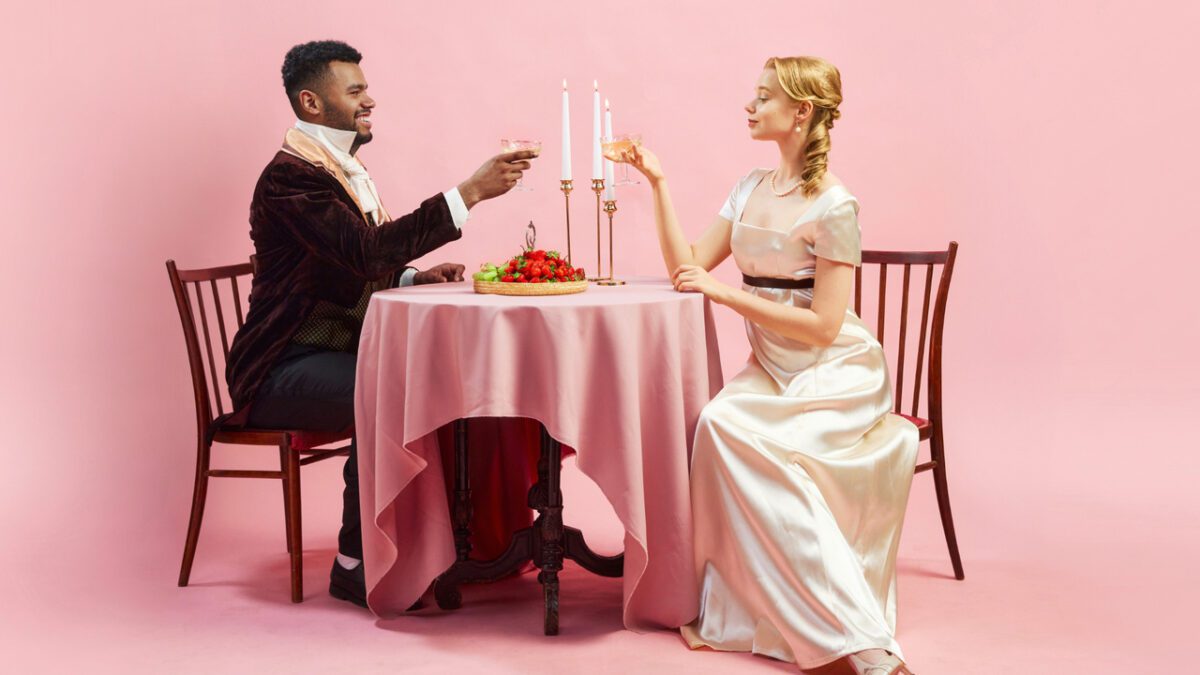
Remember when dinner was more than just a quick bite between errands? We sat down, shared stories, and followed a few simple rules. These eight old-school table manners might seem forgotten, but they’re worth reviving, not just to be prim, but because they still work.
8. Turn the Table

This isn’t about turning the table literally. This is a reminder to mix up conversation partner each course. In 19th-century dinners, the host often encourages guest to switch who they spoke with as each course arrived (also called “turning the table”). The goal? Inclusive conversation and fresh viewpoints. Borrow this idea at home by shuffling seats or inviting someone new to speak during different parts of the meal.
7. Don’t Fidget with Cutlery

In strict Gilded Age dining, diners were warned against playing with utensils, doodling on the tablecloth, and picking at bread morsels. That’s because fidgeting suggested disinterest or distraction. By keeping hands invisible when not eating, one helped conversations stay respectful and centered. At modern family dinners, staying still-handed can show you’re engaged with the meal and the company.
6. Wipe Your Lips Before Sipping

This one might sound fussily old-fashioned, but if you’re all about being mindful toward others, it might be worth trying out. In Victorian era, dinner etiquette emphasized wiping one’s mouth with a napkin before drinking. This kept the glasses free of food residue and preserved cleanliness. You can try this at home, before drinking a beverage, to subtly raise the bar on hygiene.
5. Use Utensils From the Outside In

American table etiquette in the ’90s taught diners to start with the outermost utensils, working inward with each successive course. So yes, if there are a few courses, you can try this rule to gently organize the meal, slow down eating, and create a sense of ceremony and rhythm. In casual home dinners, you can keep to one fork and one knife.
4. Pass Dishes Politely

Again, if we go back to 19th century, you’d notice diners asking courteously for a dish to be passed instead of stretching or grabbing across someone else’s space. This rule wasn’t just about posture. It prevented elbows-in-your-neighbor incidents and made everyone feel included. In modern meals, invite someone to pass the bread or veggies and don’t forget to say “please” and “thank you.”
3. Place Napkin on Your Lap (Not on Plate)

Historical etiquette also taught diners that the napkin should be unfolded or half-folded and then placed on the lap right after sitting. At the end of meal, the napkin should be laid left of your plate, and never on the chair or on the plate. At home, of course, you can just turn napkins back to the table neatly when done. It revives an elegant tradition that shows care.
2. Keep Elbows Off the Table While Eating

In Victorian era and early 2oth century, etiquette guides insisted on sitting upright with elbows off the table when eating. Aside from preventing accidental spills or messes, this rule showed respect for other’s space. Practically, try keeping elbows off the table while eating. But it’s fine to rest your forearms lightly near the edge of the table between bites.
1. Wait Until Everyone’s Served and Dig In

Back in the early 20th century, diners needed to wait until everyone’s served before finally eating. This rule built patience and respect across the group. Conversations get a moment to spark and no one’s rushing. Try it on your next meal, and wait until someone says “dig in” or until the last plate lands. It fosters a shared dining experience instead of a grab-and-go one.