


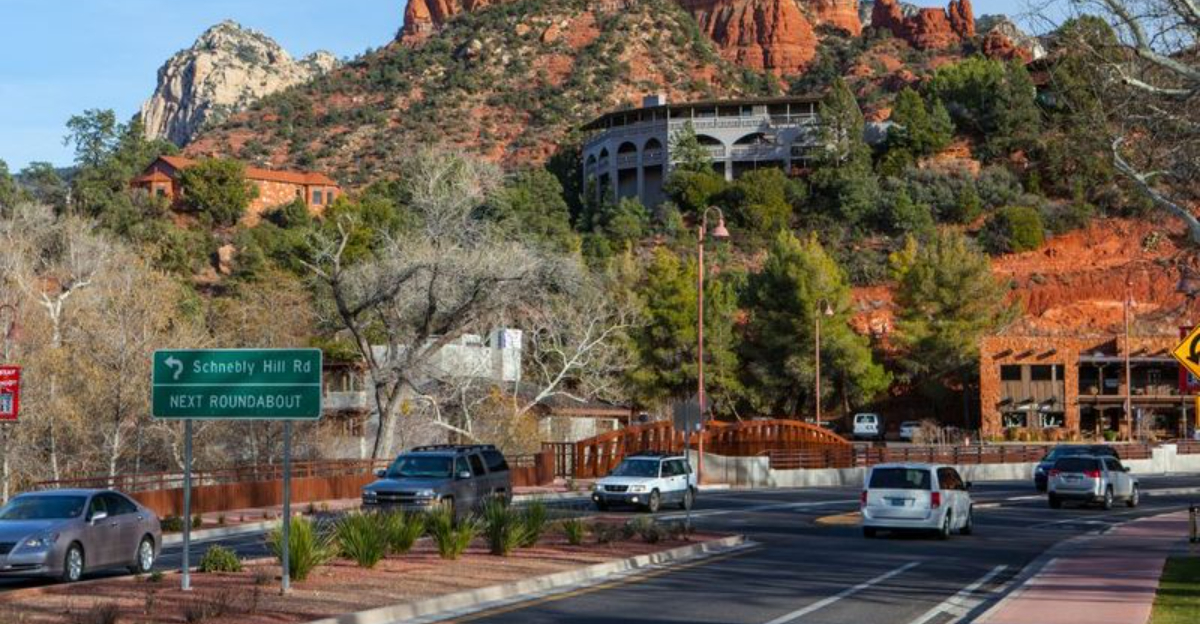
Sedona, Arizona is one of the most breathtaking places in the American Southwest, famous for its towering red-rock formations, canyon walls, and pine forests. Over the years, millions of visitors have flocked here to hike, shop, and experience its unique spiritual energy.
But as tourism has exploded, many long-time residents feel their beloved hometown has been transformed almost beyond recognition. From traffic jams to overcrowded trails, the tension between preserving Sedona’s soul and welcoming the world is very real.
The Explosion of New Age Shops and Spiritual Tourism
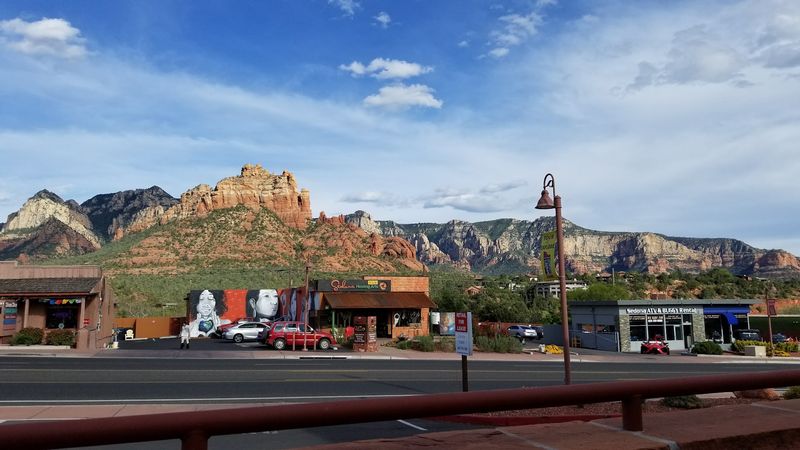
Walk through Uptown Sedona on any given afternoon and you might feel like you have stumbled into a different universe. Crystal shops, vortex tours, aura readings, and chakra healing centers crowd nearly every storefront.
It is a far cry from the quiet desert community that older residents remember.
Long-time locals say the spiritual tourism boom has reshaped the town’s identity more than anything else. What was once a small arts-and-nature community has become a wellness destination that draws seekers from around the globe.
Some residents embrace the energy, while others find it overwhelming and commercialized.
The sheer number of New Age businesses has tripled over the past two decades. If you plan to visit, be ready for a very different kind of shopping experience.
Whether you believe in vortexes or not, the spiritual culture here is impossible to ignore.
Uptown Sedona’s Traffic Has Become a Daily Nightmare
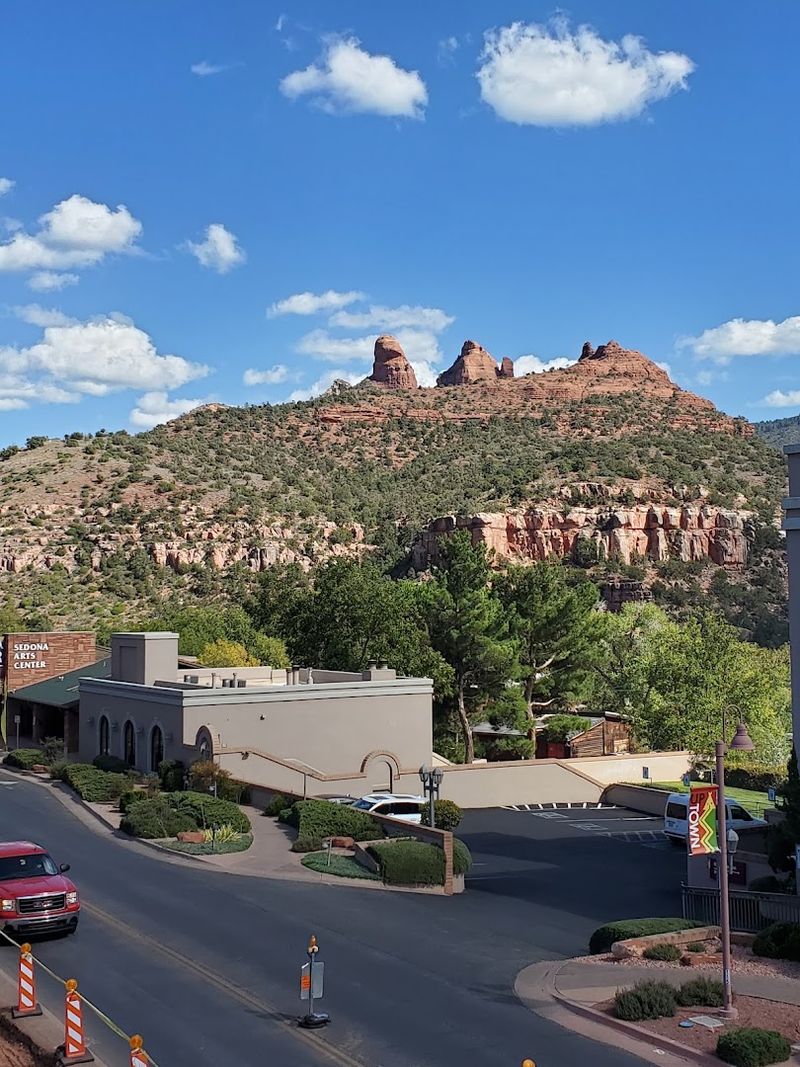
Anyone who visited Sedona fifteen years ago and returns today will notice one massive difference almost immediately: the traffic. Route 89A through Uptown Sedona can back up for miles on busy weekends, turning a short drive into a frustrating hour-long crawl.
The town’s roads were simply not built to handle the volume of tourists that now pour in every season. Parking lots overflow by mid-morning on peak days, and finding a spot near popular trailheads has become a competitive sport.
Residents trying to run basic errands often find themselves stuck behind tour jeeps and rental cars.
City planners have tried shuttle systems and parking fees to reduce congestion, with mixed results. For visitors hoping to avoid the worst of it, arriving very early in the morning or visiting on weekday mornings in spring or fall makes a noticeable difference.
The roads tell the whole story of Sedona’s growth.
Red Rock State Park Trails Are Overrun With Visitors
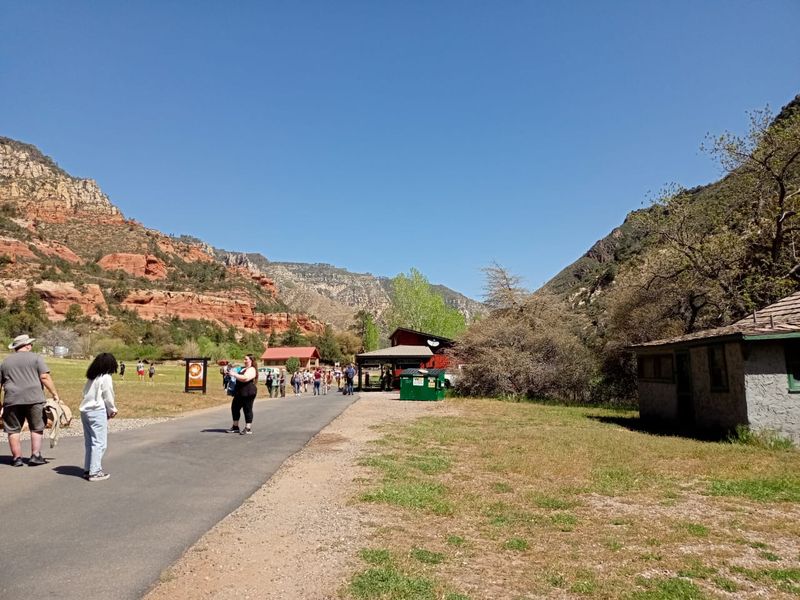
There was a time when you could hike Cathedral Rock or Bell Rock and feel completely alone with nature. Today, those same trails can feel more like a theme park queue than a wilderness experience.
Popular routes see thousands of boots per day during peak season.
The environmental impact has been significant. Trail erosion, trampled vegetation, and noise pollution have changed the experience for wildlife and hikers alike.
Rangers work hard to manage the crowds, but the sheer numbers make it a constant challenge.
Timed entry permits have been introduced at some trailheads to help spread out visitor flow, which many hikers appreciate. Going early, choosing lesser-known trails like Huckaby or Munds Wagon, and visiting during shoulder seasons like November or February are smart strategies.
The red rocks are still jaw-droppingly beautiful, but sharing them with hundreds of strangers changes the magic a little.
Property Values Have Skyrocketed, Pushing Out Long-Time Residents
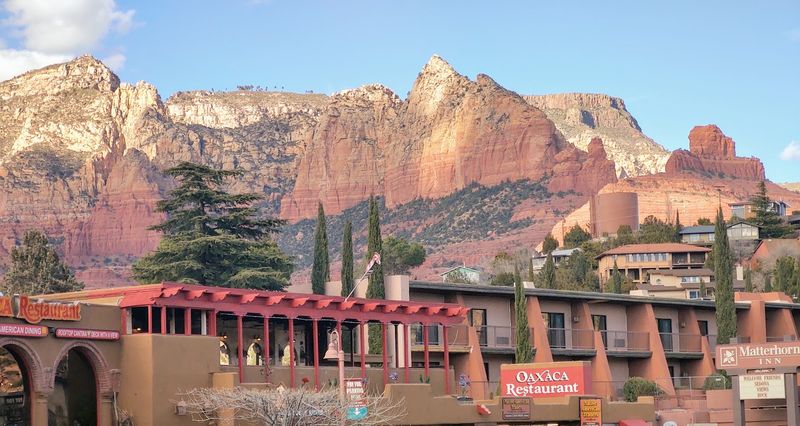
Home prices in Sedona have climbed so steeply that many families who have lived there for generations can no longer afford to stay. The rise of vacation rentals and luxury tourism has turned much of the housing stock into short-term properties, shrinking the pool of affordable homes dramatically.
Teachers, firefighters, restaurant workers, and other essential community members often cannot find housing within reasonable distance of their jobs. Some commute from Cottonwood or Camp Verde just to afford rent.
The community character that made Sedona special in the first place is quietly slipping away as working-class residents are pushed out.
Local advocacy groups have pushed for stricter short-term rental regulations, and city council debates on the topic have grown heated. The tension between property owners who benefit from tourism dollars and residents who bear the social costs is one of the most defining conflicts in modern Sedona.
It is a story playing out in many beloved American destinations.
The Arts Community That Built Sedona’s Reputation Is Fading
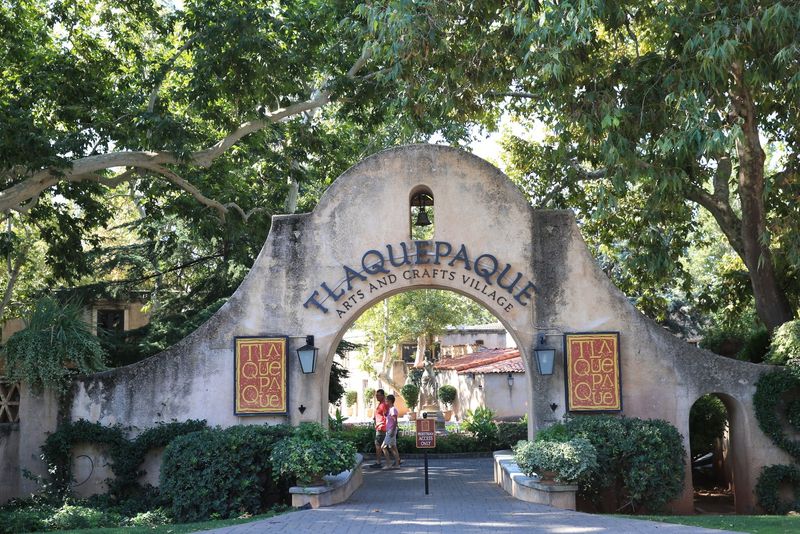
Sedona earned its fame largely because of its vibrant arts community. Painters, sculptors, and photographers were drawn here by the extraordinary light and landscape, building galleries and studios that gave the town a genuine cultural soul.
The Tlaquepaque Arts and Shopping Village became a landmark of that creative spirit.
But rising rents and a shift toward tourist-friendly retail have made it harder for working artists to stay. Many galleries that once showcased serious fine art have been replaced by souvenir shops selling mass-produced Southwest trinkets.
Longtime artists describe feeling squeezed out of the very town they helped put on the map.
A few dedicated galleries and art events like the Sedona Arts Festival still carry the torch proudly. Visitors who want to connect with authentic local art should seek out the Sedona Arts Center and ask gallery owners directly about locally created work.
Supporting real artists here matters more than ever.
Short-Term Rentals Have Transformed Quiet Neighborhoods
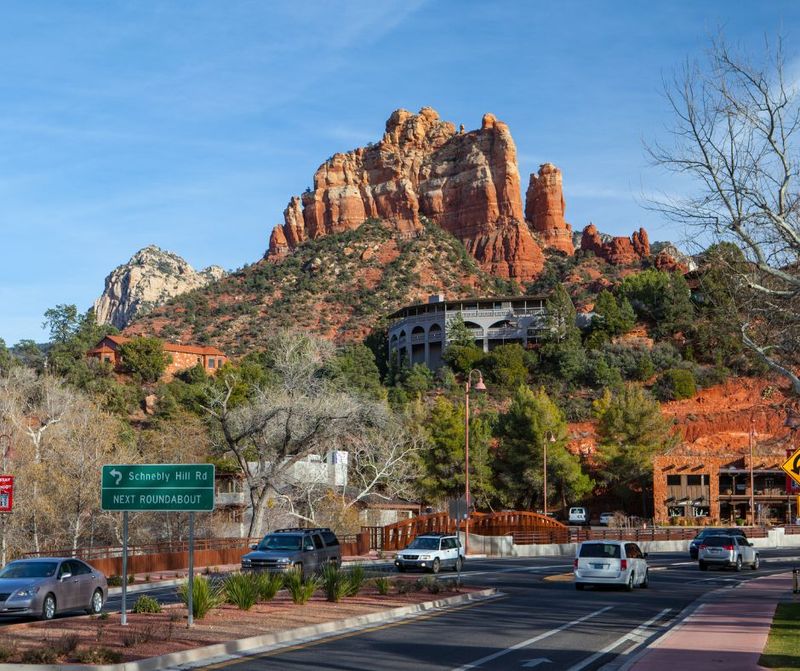
Picture a peaceful neighborhood where neighbors knew each other by name, kids played outside, and the streets were quiet after dark. That is the Sedona many longtime residents describe from just a decade ago.
Now, many of those same streets are lined with Airbnb and VRBO properties that cycle through strangers every few nights.
The constant turnover brings noise, unfamiliar cars, and a loss of the neighborly connection that made residential Sedona feel like a real community. Some blocks that were once full of year-round families now sit mostly empty during the week and overflow on weekends with bachelor parties and wellness retreats.
City officials have debated capping the number of short-term rental permits, but enforcement remains tricky. For visitors, renting locally owned properties and being respectful neighbors goes a long way.
The neighborhoods of Sedona deserve the same care and consideration as the trails and red rocks that draw everyone here.
Water Resources Are Under Serious Strain
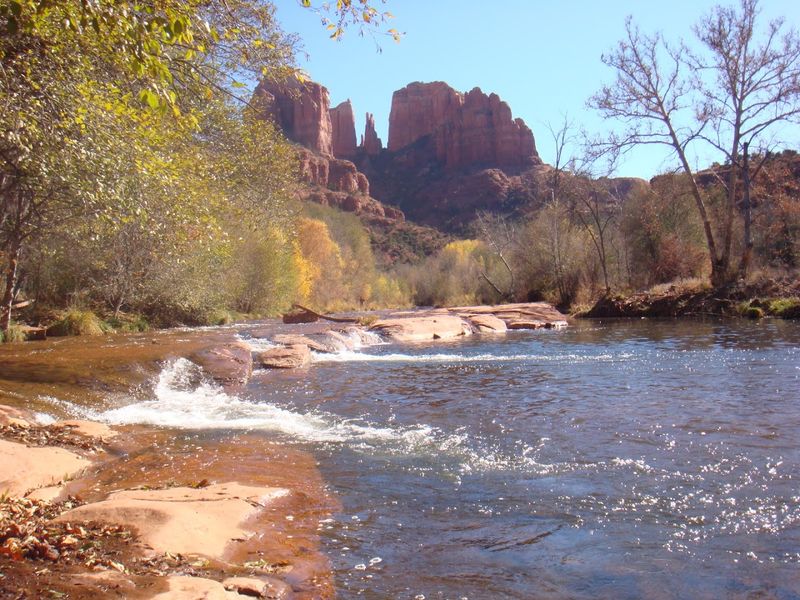
Oak Creek, the lifeblood of the Sedona area, has faced increasing pressure as the region’s population and visitor numbers grow. More people means more water demand, and the aquifer system that feeds the area is not infinite.
Drought cycles, already intensified by climate change, make the situation even more urgent.
Locals who have watched Oak Creek for decades report noticeably lower water levels during summer months compared to years past. Riparian habitats that support birds, fish, and plants depend on consistent water flow.
When that flow drops, the entire ecosystem feels the stress in ways that are not always obvious to casual visitors.
Water conservation has become a serious topic at city hall, with restrictions and education campaigns gaining traction. Visitors can do their part by being mindful of water use at hotels and rentals.
Sedona’s beauty depends on a healthy water supply, and protecting it is everyone’s responsibility.
Jeep Tours and Off-Road Vehicles Are Damaging the Desert
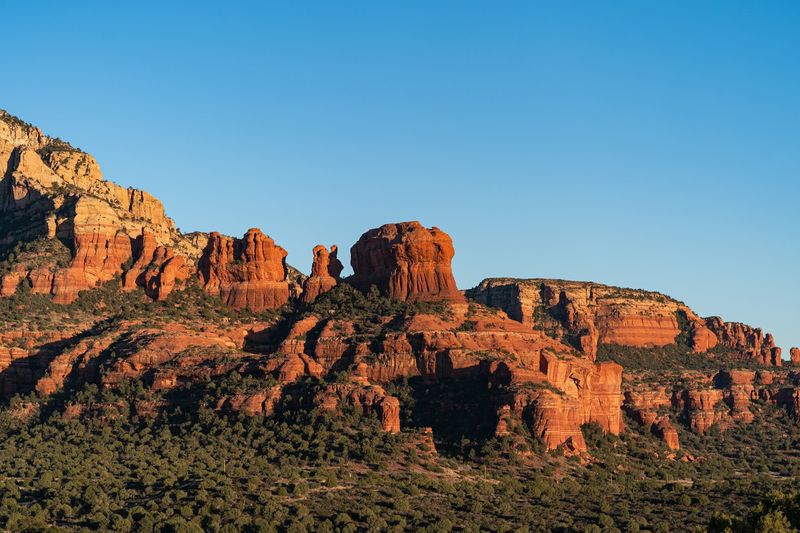
The iconic pink jeeps of Sedona are practically a symbol of the town, and off-road tours have been a popular attraction for decades. But as the number of tour operators and vehicles has multiplied, the environmental toll on Sedona’s fragile desert landscape has become harder to ignore.
Repeated tire tracks compact the soil and destroy biological soil crusts, which are thin but critical layers of living organisms that hold the desert together. Once damaged, these crusts can take decades to recover.
Dust clouds kicked up by dozens of vehicles daily affect air quality and the experience of nearby hikers.
Some conservation groups have called for stricter limits on off-road tour permits and designated route enforcement. Visitors who want to explore the backcountry responsibly should look for operators who follow Leave No Trace principles and stick to established roads.
The desert is tougher than it looks, but it is not indestructible.
The Restaurant and Dining Scene Has Gone Upscale and Pricey
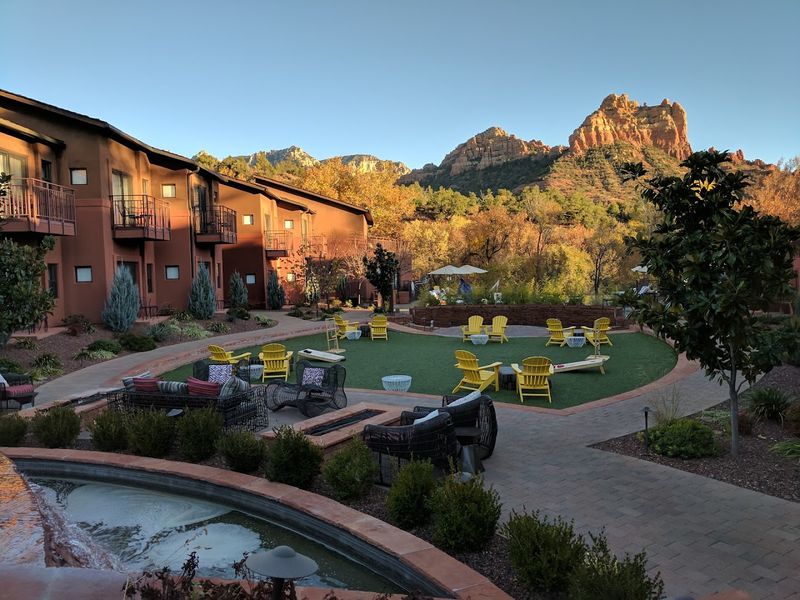
Remember when a meal in Sedona meant a casual burger at a diner or a bowl of green chile stew at a family-run spot? Those days are mostly gone.
The dining scene has shifted dramatically toward high-end restaurants catering to wealthy tourists, with prix fixe menus and craft cocktail bars replacing the humble local joints.
Many longtime residents quietly mourn the loss of affordable, unpretentious places to eat. A casual lunch for two can now easily run over fifty dollars at many spots in Uptown.
The experience is polished and photogenic, but some of the authentic flavor of a real desert community has been traded away for Instagram-worthy presentation.
A handful of local favorites still survive if you know where to look. The Coffee Pot Restaurant has been a beloved breakfast institution for decades and remains refreshingly down-to-earth.
Exploring side streets and asking locals for recommendations often leads to the most genuine and satisfying meals in town.
Light Pollution Is Dimming Sedona’s Famous Dark Skies
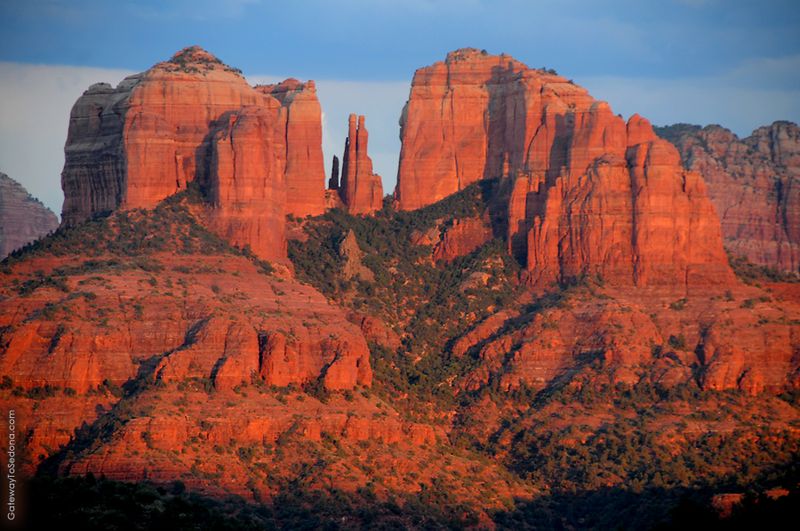
One of Sedona’s most underrated treasures used to be its night sky. Far from major city lights, the stars above the red rocks were staggering on clear nights, drawing astronomers and romantics alike.
The Milky Way stretched overhead in a way that genuinely took your breath away.
But as hotels, resorts, and commercial properties have multiplied, so has artificial lighting. Sky glow from Sedona and the surrounding Verde Valley has grown measurably over the past two decades.
The stars are still there, but they are harder to see from within town than they once were.
Dark sky advocates have pushed for lighting ordinances requiring shielded, downward-facing fixtures, and some progress has been made. Driving out toward Schnebly Hill Road or up toward Oak Creek Canyon on a moonless night still rewards stargazers with a stunning view.
Protecting Sedona’s night sky is a cause worth caring about deeply.
Noise Levels Have Risen Dramatically Across Town
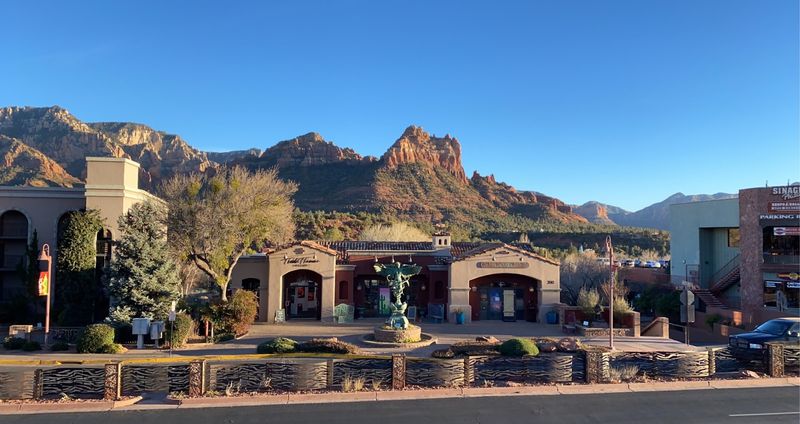
Sedona was once a place where the loudest sound on a Tuesday morning might be a raven calling from a red rock ledge. That kind of quiet is increasingly rare.
Helicopter tours buzzing overhead, jeep convoys rumbling down dirt roads, and crowds of tourists chatting outside shops have changed the acoustic landscape of the town.
Noise is not just an annoyance for residents trying to sleep in or enjoy their mornings. It also disturbs wildlife, particularly nesting birds and deer that rely on quiet corridors to move safely through the area.
The cumulative effect of all that sound adds up to a fundamentally different environment than the one nature intended.
Efforts to limit helicopter tour hours and flight paths have gained some community support but face pushback from tour operators. For visitors who want to experience the real quiet of Sedona, a predawn hike before the crowds arrive is genuinely transformative.
The silence out there is something worth protecting.
The Local School System Struggles as Families Leave Town
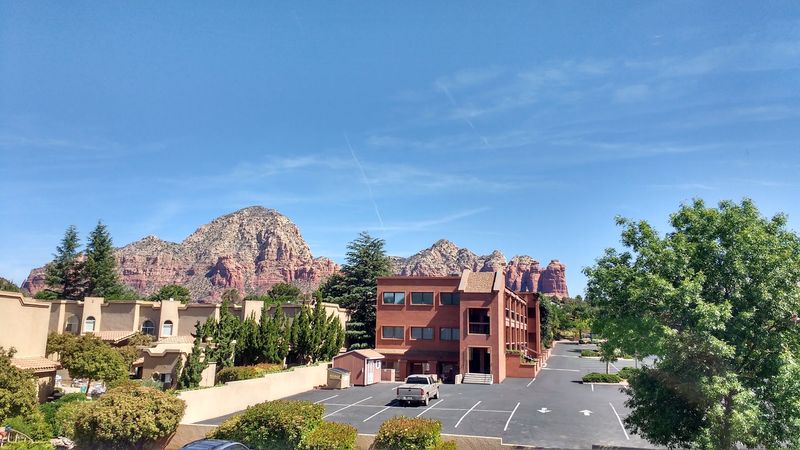
When families cannot afford to live in Sedona, the school system feels it first. Enrollment at Sedona-Oak Creek School District has fluctuated as working families relocate to more affordable communities further down the valley.
Fewer kids means less funding, fewer programs, and a shrinking sense of community investment in local education.
Teachers themselves face the same housing crunch as everyone else, with many unable to afford to live within the district they serve. Recruiting and retaining quality educators becomes harder when salaries cannot compete with the cost of living in a tourism-driven economy.
The children who remain deserve a school system fully supported by the community around them.
Community members and local organizations have rallied to support schools through fundraising and volunteering, showing that Sedona’s heart is still very much intact. But structural solutions require addressing the root cause: a housing market and economy that increasingly serves visitors over residents.
Schools reflect the true health of any town.
What Locals Hope Visitors Will Finally Understand
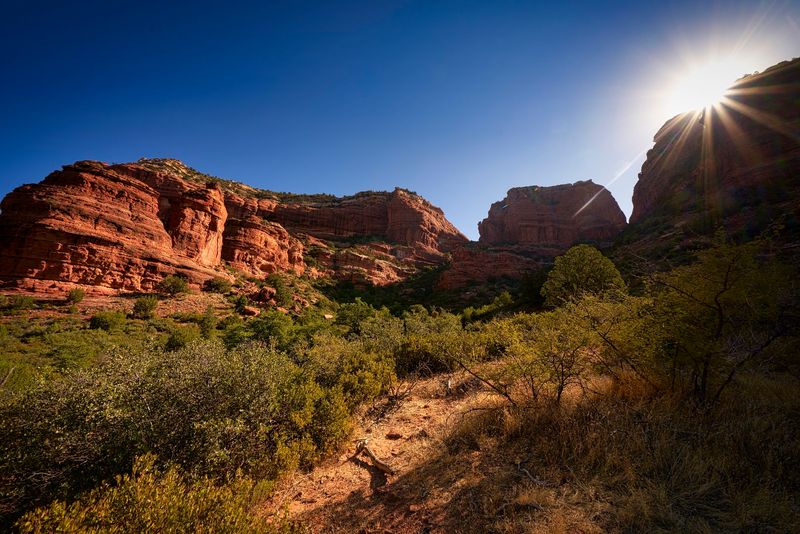
Most Sedona locals are not anti-tourism. They understand that visitors bring economic life to the community and that sharing the beauty of the red rocks is genuinely worthwhile.
What they ask for is respect, awareness, and a willingness to treat Sedona like a living community rather than a backdrop for social media photos.
Staying on marked trails, supporting locally owned businesses, being quiet in residential areas, and learning a little history before you arrive all make a real difference. The difference between a tourist and a traveler often comes down to whether you leave a place better or worse than you found it.
Sedona is still one of the most extraordinary places on Earth. The red rocks do not care about Instagram followers, and neither do the people who have built their lives in their shadow.
Visiting with humility and gratitude is the best way to honor what makes this town truly special.
Enjoyed this story?
Add Fast Food Club as a preferred source to see more of our reporting on Google.