


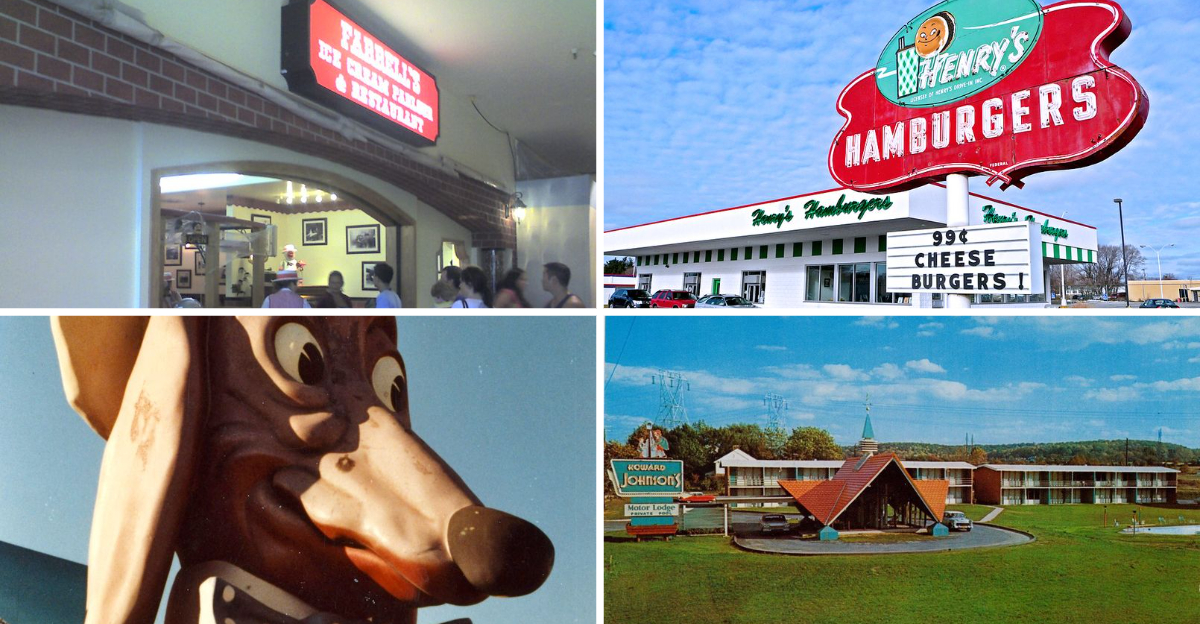
Some restaurants leave such a strong mark on our memories that even decades later, we still crave their food and wish they had never closed. From roadside diners to family buffets, these beloved chains were more than just places to eat — they were part of our culture and childhood.
Many of them disappeared quietly, victims of changing tastes, bad business decisions, or tough competition. Here are the food brands we miss the most, ranked by just how much of a hole they left behind.
Howard Johnson’s
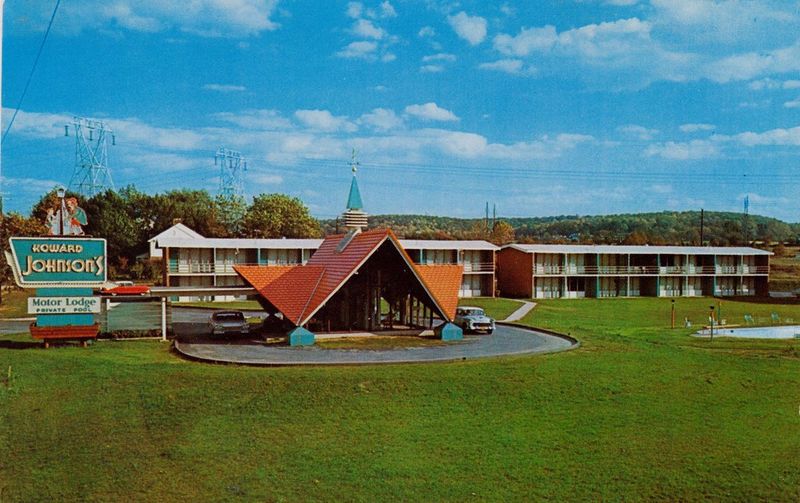
For millions of American families, a road trip wasn’t complete without spotting that bright orange roof. Howard Johnson’s was once the largest restaurant chain in the country, with over 1,000 locations serving up fried clams, hot dogs, and 28 flavors of ice cream.
Founded in the 1920s in Massachusetts, HoJo’s became a symbol of reliable, affordable family dining. The last full-service restaurant quietly closed in 2022, ending nearly a century of delicious memories.
Chi-Chi’s
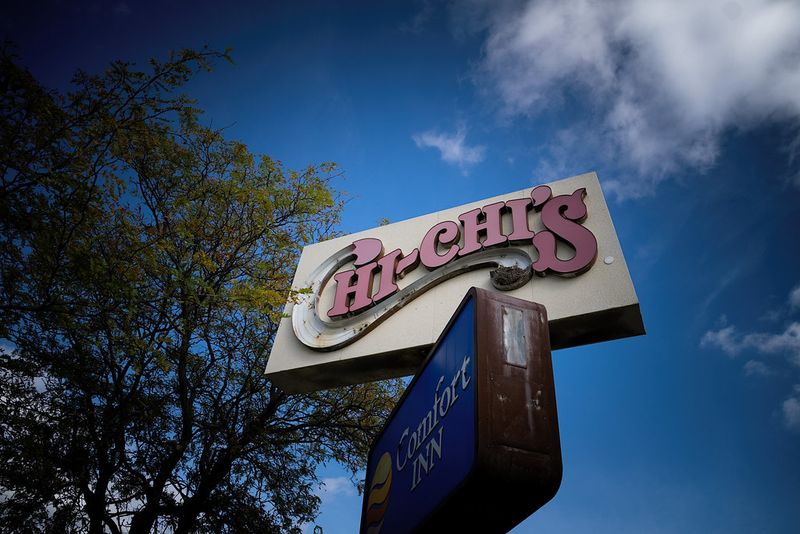
Crispy chimichangas, frozen margaritas, and that unforgettable fried ice cream — Chi-Chi’s had a way of making every dinner feel like a fiesta. The chain launched in 1975 in Minneapolis and quickly spread across the country, becoming America’s go-to casual Mexican restaurant for over two decades.
Sadly, a 2003 hepatitis A outbreak at a Pennsylvania location devastated the brand, leading to bankruptcy. Fans still mourn the loss of those sizzling fajita platters to this day.
Kenny Rogers Roasters
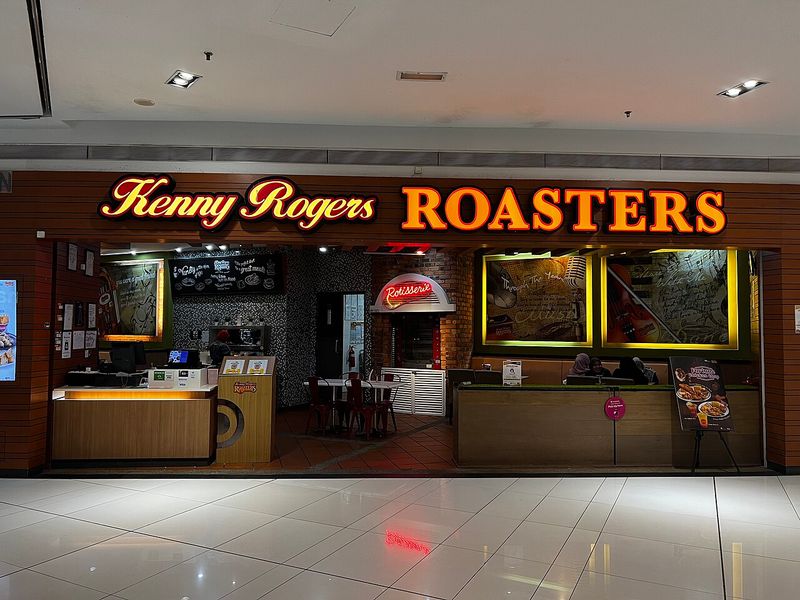
Before fast-casual rotisserie chicken became trendy, Kenny Rogers Roasters was doing it with country charm and incredible flavor. Launched in 1991, the chain was co-founded by the legendary country singer himself and became famous for its slow-roasted, wood-fired chicken and hearty sides.
The brand struggled in the U.S. through the late 1990s and eventually faded out domestically. Interestingly, it still thrives in parts of Asia — which makes the American closure sting even more for loyal fans.
Steak and Ale
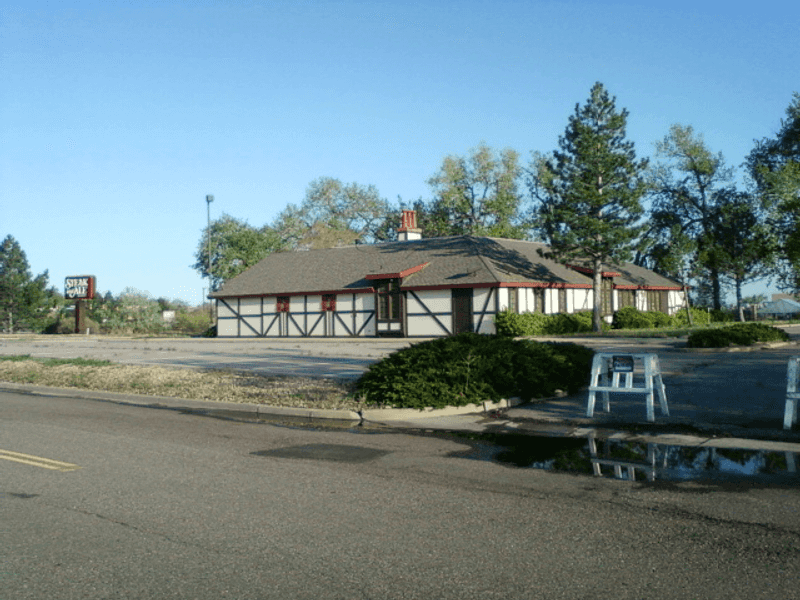
Dark wood walls, flickering candles, and a salad bar that felt like an adventure — Steak and Ale was the kind of place where dinner felt special without breaking the bank. Founded in 1966 in Dallas, Texas, it pioneered the casual steakhouse concept that many chains later copied.
At its peak, there were over 280 locations nationwide. The chain filed for bankruptcy in 2008, closing all its doors and leaving steak lovers with nothing but fond memories of those perfectly seasoned cuts.
Bennigan’s
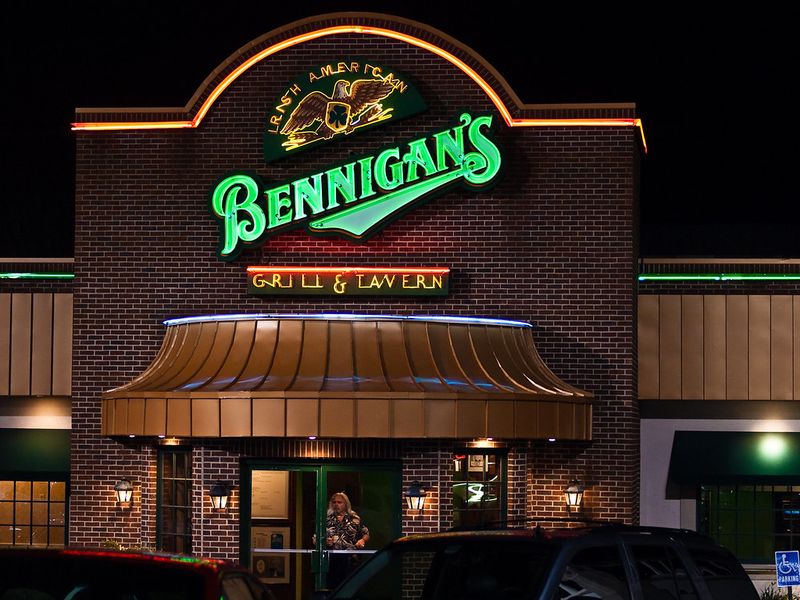
Potato skins, Monte Cristo sandwiches, and a pub atmosphere that made every Tuesday feel like St. Patrick’s Day — Bennigan’s had a loyal following for good reason. The Irish-American chain opened its first location in Atlanta in 1976 and grew into a beloved casual dining staple across the country.
Corporate mismanagement led to a sudden mass closure in 2008, with hundreds of locations shutting down overnight. A few franchise spots have survived, but the magic of the original chain is largely gone.
Ground Round
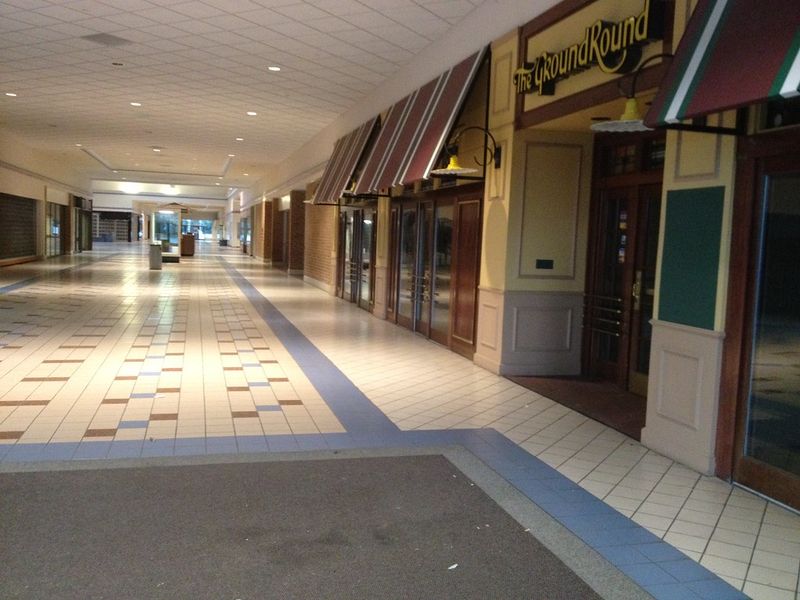
Peanut shells on the floor, old black-and-white movies playing on the walls, and a burger so juicy it dripped down your hands — Ground Round was unlike any other restaurant of its era. The chain launched in 1969 as an offshoot of Howard Johnson’s and carved out its own identity fast.
Kids ate free based on their weight in pennies, which was a marketing gimmick families absolutely loved. Most corporate locations closed in 2004, though a small cooperative of franchises still carries the torch today.
Wag’s
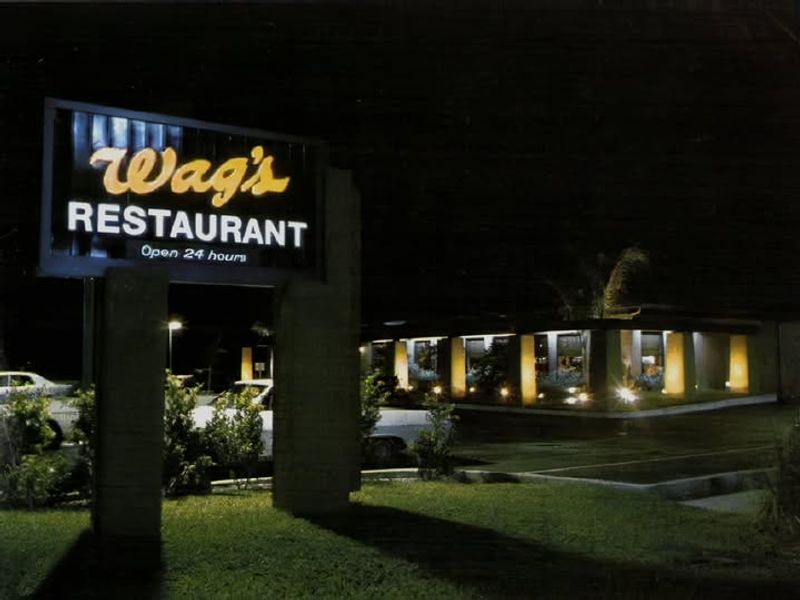
Not many people remember that Walgreens once ran its own sit-down restaurant chain, but Wag’s was very real — and very good. Operating primarily in the Midwest from the 1950s through the 1990s, Wag’s served classic American diner fare like pancakes, burgers, and blue plate specials right inside Walgreens stores.
The convenience factor was unbeatable — grab your prescriptions and a hot meal in one stop. Walgreens quietly phased out the restaurant concept in the mid-1990s, and most people didn’t even notice until it was gone.
Lum’s
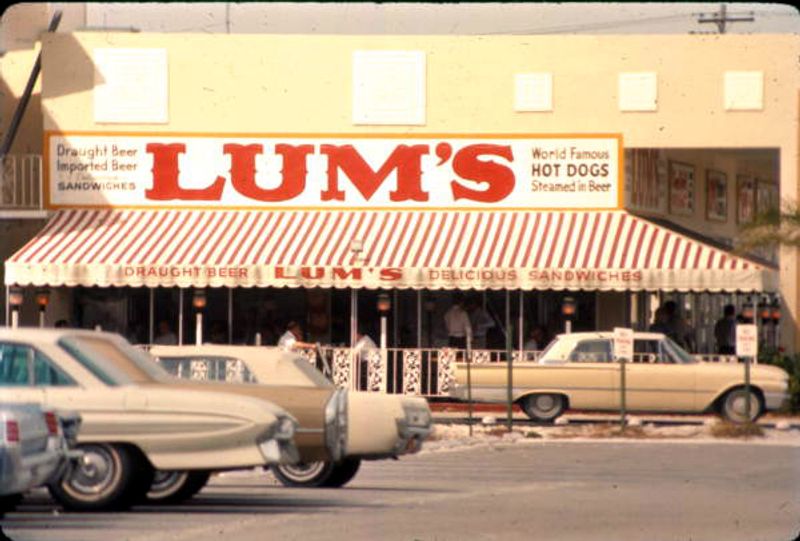
Beer-steamed hot dogs might sound unusual, but at Lum’s, they were absolutely legendary. Founded in 1956 in Miami Beach, Florida, the chain built its entire identity around that one quirky, brilliant cooking method — steaming franks in beer for a flavor unlike anything else in fast food.
Lum’s grew to over 400 locations by the early 1970s before a series of ownership changes and menu shifts killed the momentum. By the 1980s, the brand had essentially vanished, taking those one-of-a-kind hot dogs with it.
Burger Chef
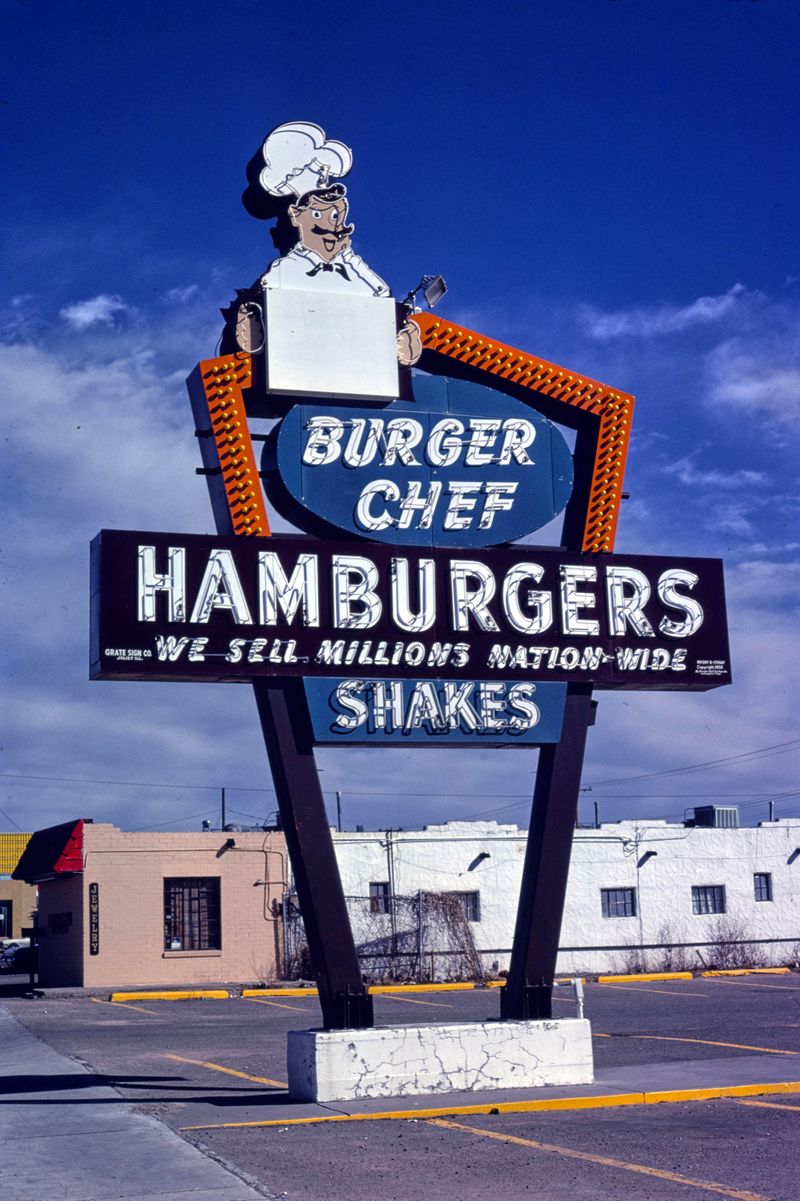
Long before Happy Meals were a thing, Burger Chef invented the Fun Meal — a boxed kids’ meal complete with a toy — back in 1973. Founded in Indianapolis in 1954, Burger Chef was once the second-largest burger chain in America, trailing only McDonald’s with over 1,200 locations.
The chain sold to Hardee’s in 1982, and most locations were rebranded within a few years. Fans of the flame-broiled burgers and those clever kids’ meals never quite forgave the fast food world for letting this one disappear.
Gino’s Hamburgers
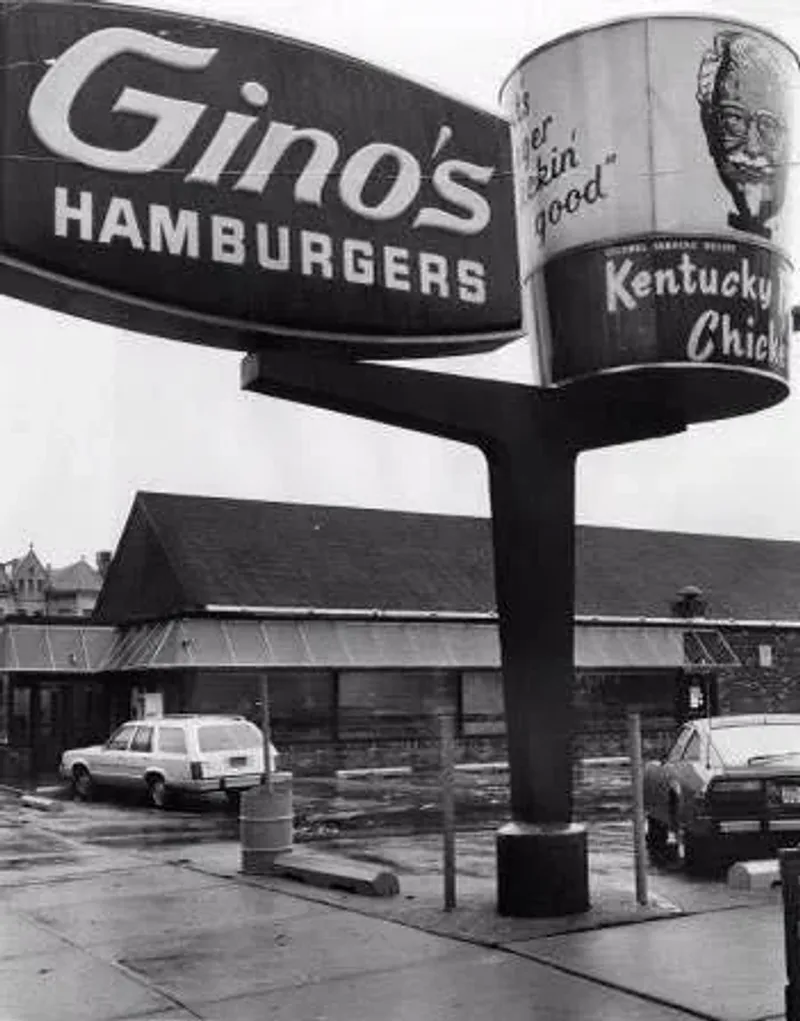
Co-founded by NFL legend Gino Marchetti in Baltimore in 1957, Gino’s Hamburgers was a regional powerhouse that most of the country never got to experience — and Mid-Atlantic locals never forgot. The chain became famous not just for burgers but also for holding the exclusive Kentucky Fried Chicken franchise rights in the region for years.
By the early 1980s, most locations had been converted to Marriott’s Roy Rogers chain. A small revival attempt happened in 2010, but it never recaptured the original magic.
Sambo’s
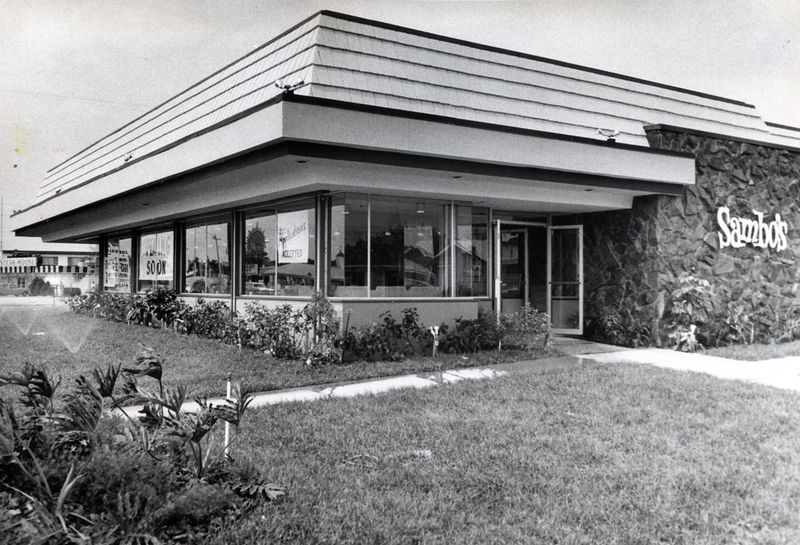
At its peak, Sambo’s was one of the largest restaurant chains in America, with over 1,100 locations serving breakfast around the clock. Founded in 1957 in Santa Barbara, California, the name combined the founders’ names — Sam Battistone and Newell Bohnett — but the branding tied to a controversial children’s story caused serious backlash.
Protests and boycotts through the late 1970s and 1980s eroded the brand’s reputation. By 1982, nearly all locations had closed or rebranded.
The original Santa Barbara location still operates today under the same name.
Doggie Diner
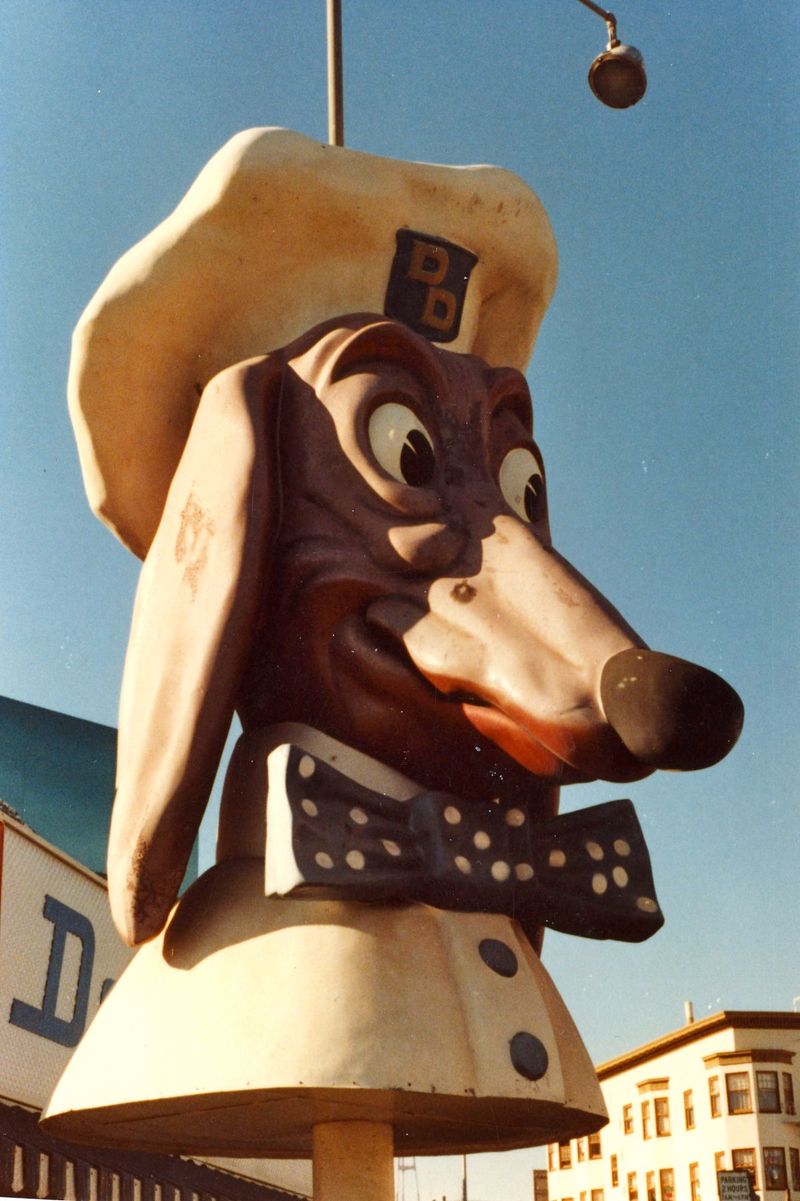
Few restaurant mascots were ever as bizarre or beloved as the giant fiberglass dachshund heads that sat atop Doggie Diner locations across the San Francisco Bay Area. These cartoonish dog heads — wearing chef hats and bow ties — became cultural landmarks that locals fiercely protected.
The chain operated from 1949 through 1986, serving hot dogs, burgers, and comfort food to generations of Bay Area residents. One original dog head sign still stands in San Francisco today, treated as a piece of public art worth preserving.
White Tower
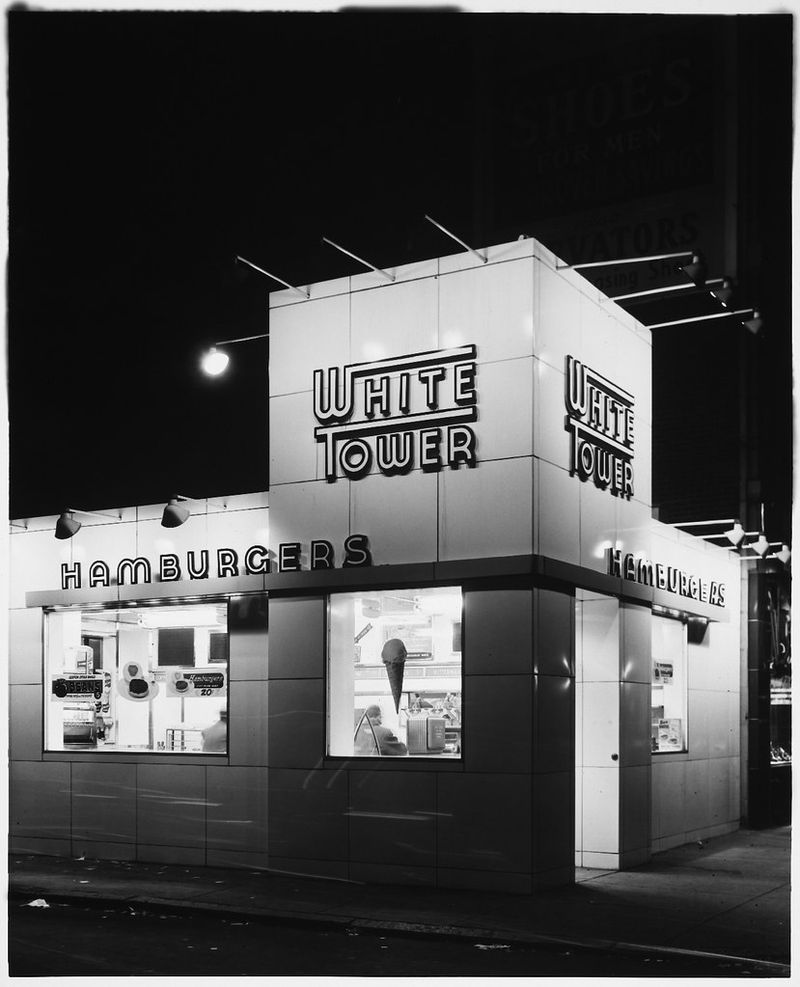
White Tower was essentially the original slider burger joint, predating White Castle’s national expansion and competing fiercely with it for decades. Founded in 1926 in Milwaukee, Wisconsin, the chain copied White Castle’s small, square burger concept almost exactly — right down to the white castle-style building architecture.
Despite lawsuits from White Castle over the similarities, White Tower survived and thrived for years across the Northeast and Midwest. The last locations closed in the 1990s, ending a nearly 70-year run of tiny, tasty burgers.
VIP’s
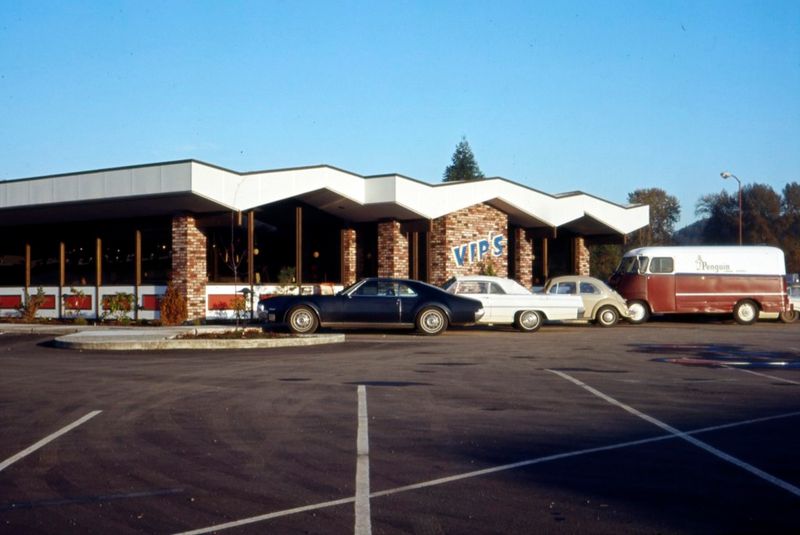
If you grew up in the Pacific Northwest or parts of the West Coast during the 1970s and 1980s, VIP’s was likely your family’s go-to spot for a relaxed, affordable sit-down meal. The chain offered generous portions of classic American comfort food in a welcoming, family-friendly environment that felt like home.
VIP’s was eventually absorbed and rebranded as Coco’s Bakery restaurants in many markets. The transition felt abrupt to loyal customers who had grown up ordering their favorite breakfast platters there every weekend.
All-Star Café
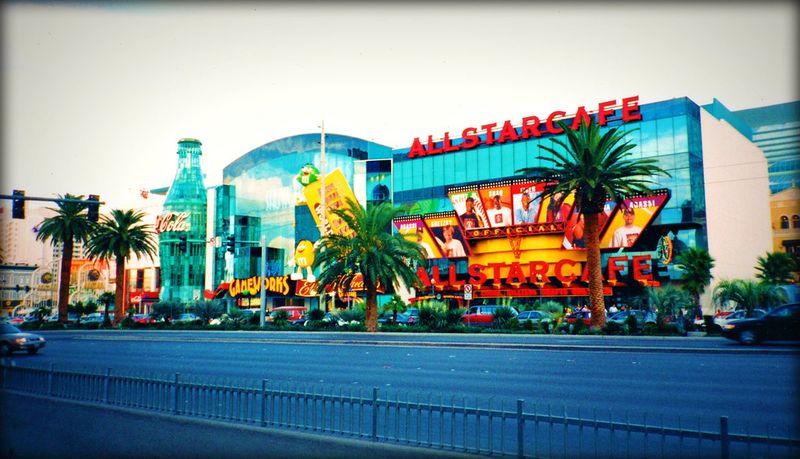
Backed by superstar athletes like Andre Agassi, Wayne Gretzky, and Shaquille O’Neal, the All-Star Cafe burst onto the scene in the 1990s as the ultimate sports-themed dining experience. Opening its flagship location in Times Square in 1995, it promised fans a chance to eat surrounded by authentic sports memorabilia from their favorite stars.
The novelty wore off faster than expected, and the chain struggled to compete with established rivals like ESPN Zone and Hard Rock Cafe. By the early 2000s, most locations had closed permanently.
D’Lites
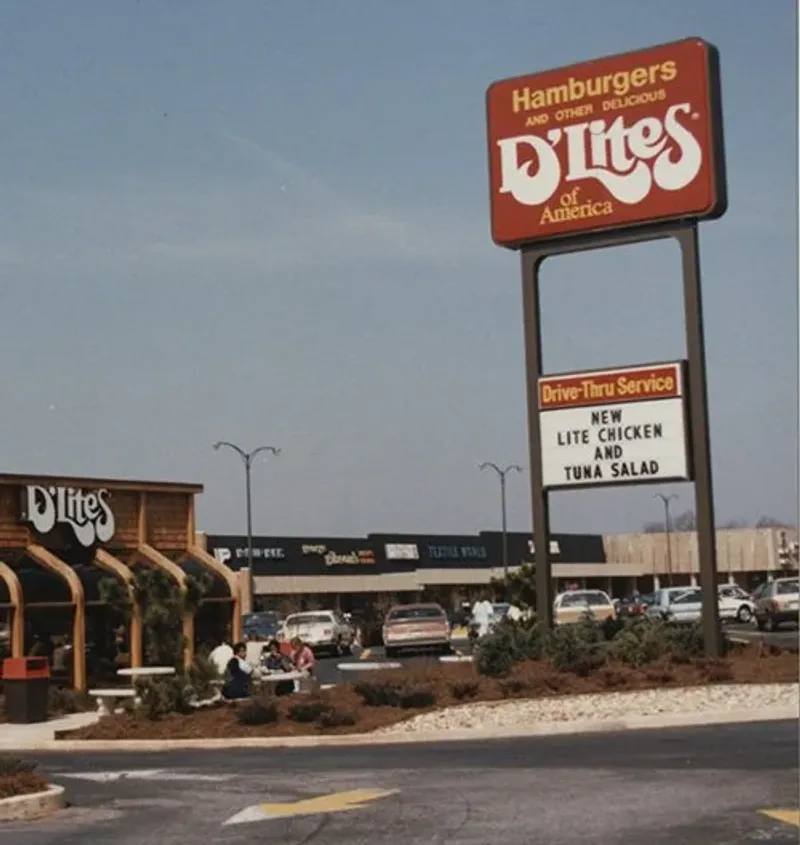
Way ahead of its time, D’Lites launched in 1981 with a bold mission: make fast food healthy without sacrificing taste. The chain offered low-calorie burgers, salads, and lighter menu options at a time when most Americans had never even heard the phrase “healthy fast food.”
The concept attracted enormous early buzz and grew quickly to over 100 locations by the mid-1980s. But customer enthusiasm faded when people realized they still wanted the full-fat version of everything.
The chain collapsed by the late 1980s, a cautionary tale about being too early to a trend.
Pup ‘N’ Taco
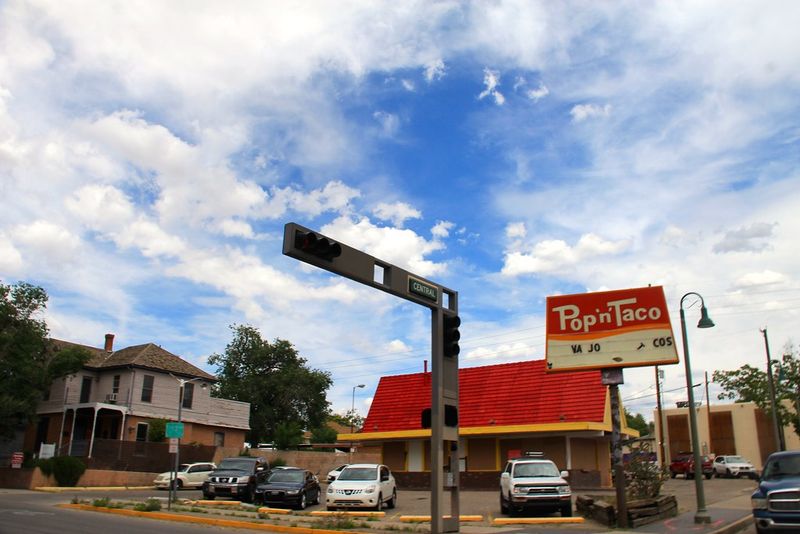
Only in Southern California could a restaurant successfully sell hot dogs and tacos side by side — and make it work brilliantly. Pup ‘N’ Taco launched in the 1960s and built a devoted following across the Los Angeles area with its fun, no-frills menu that mixed American and Mexican fast food in one quirky package.
Taco Bell acquired most of the locations in 1984 and converted them, erasing one of L.A.’s most charming regional fast food identities. California natives who remember it still talk about those tacos with real affection.
Henry’s Hamburgers
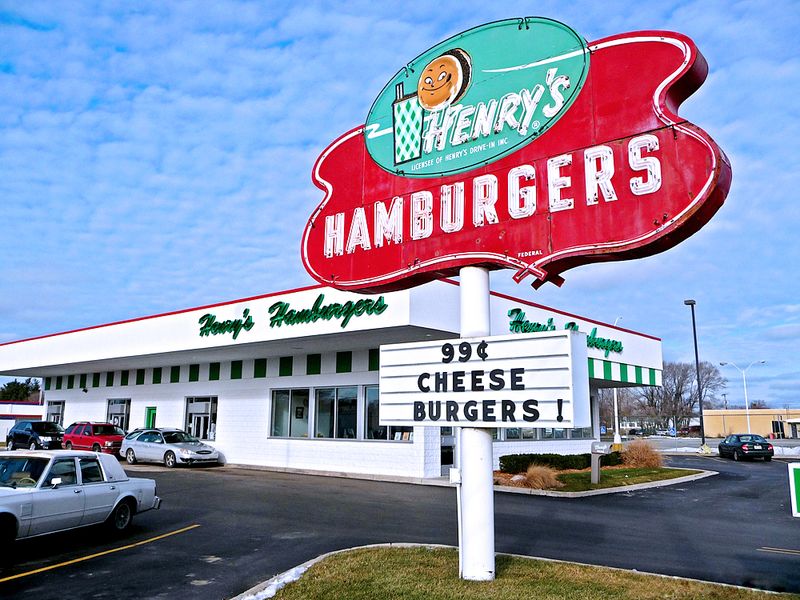
Henry’s Hamburgers once had real ambitions to take on McDonald’s, and for a while, it looked like they just might succeed. Founded in the late 1950s and based primarily in the Midwest, Henry’s offered cheap, simple burgers that competed directly with the Golden Arches during the early fast food boom years.
At its peak, the chain had over 200 locations across multiple states. Slow expansion, inconsistent quality, and a failure to innovate eventually caused the brand to fade through the 1970s.
A handful of independently operated locations still exist today.
Wetson’s
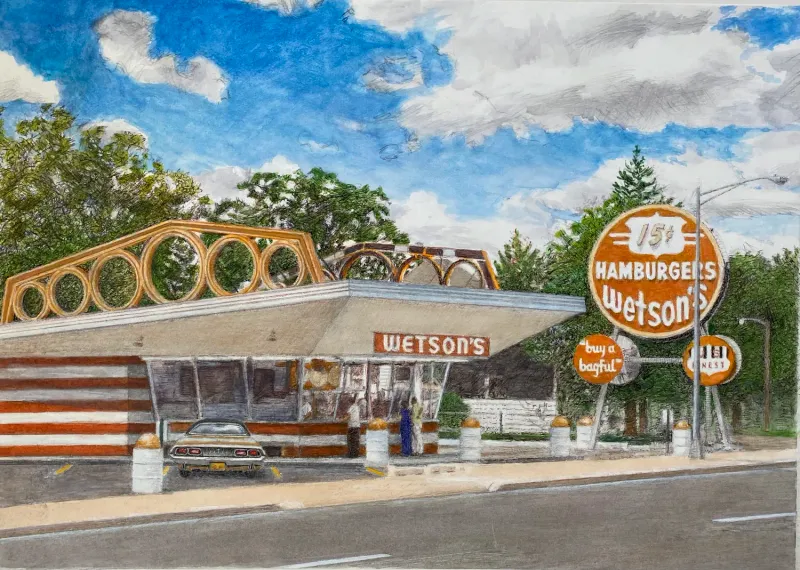
Wetson’s was the New York metropolitan area’s homegrown answer to McDonald’s, and locals were fiercely loyal to it. Launched in 1959, the chain grew quickly across New York, New Jersey, and surrounding areas, serving affordable burgers and shakes to working-class families who considered it their neighborhood spot.
The brand was eventually sold and most locations converted to Burger King franchises in the mid-1970s. For New Yorkers of a certain age, Wetson’s represents a piece of the city’s fast food history that corporate chains simply swallowed whole.
Red Barn
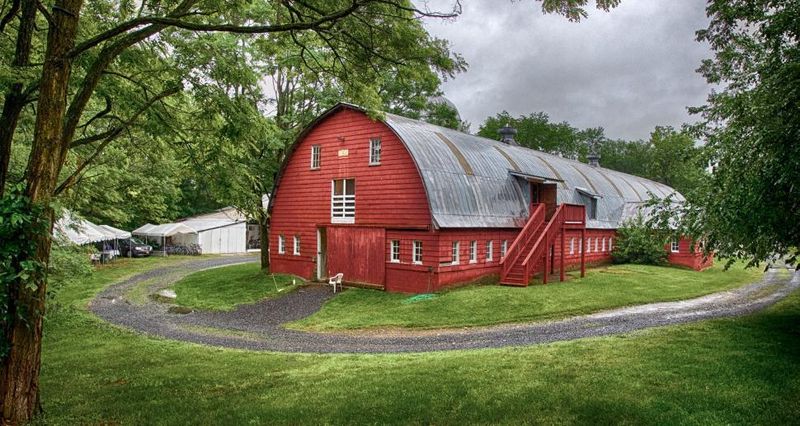
The building itself was the selling point — a bright red barn-shaped structure that was impossible to miss from the highway. Red Barn launched in 1961 in Springfield, Ohio, and became a regional fast food favorite known for its fried chicken, fish sandwiches, and Big Barnie burger.
The chain grew to over 400 locations before ownership changes and management problems caused a sharp decline through the 1980s. Most locations had closed by 1988, though a couple of the original barn-shaped buildings still stand today as nostalgic roadside curiosities.
Beefsteak Charlie’s
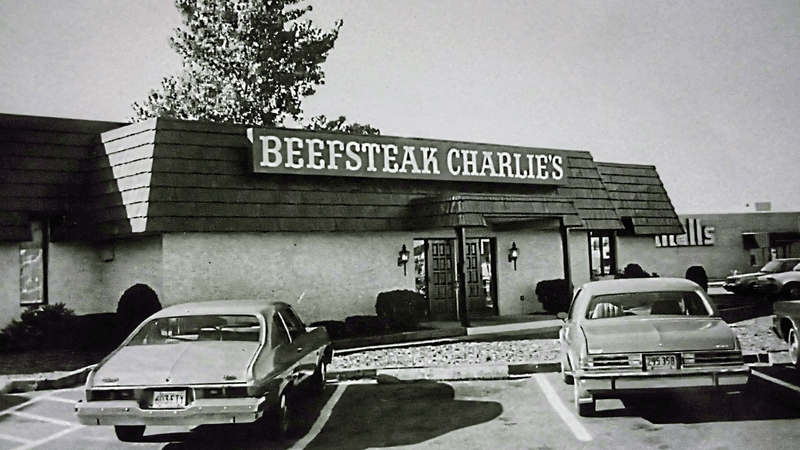
All-you-can-eat shrimp, unlimited beer, wine, and sangria with dinner — Beefsteak Charlie’s was basically every budget-conscious diner’s dream come true. The New York-based chain became wildly popular in the late 1970s and 1980s by offering hearty steaks at affordable prices with a side of bottomless drinks that felt almost too good to be true.
The economics of that generous model eventually caught up with the brand. Rising costs and thinning margins forced closures throughout the late 1980s, and by the early 1990s, Beefsteak Charlie’s had largely disappeared from the New York dining scene.
Rax Roast Beef
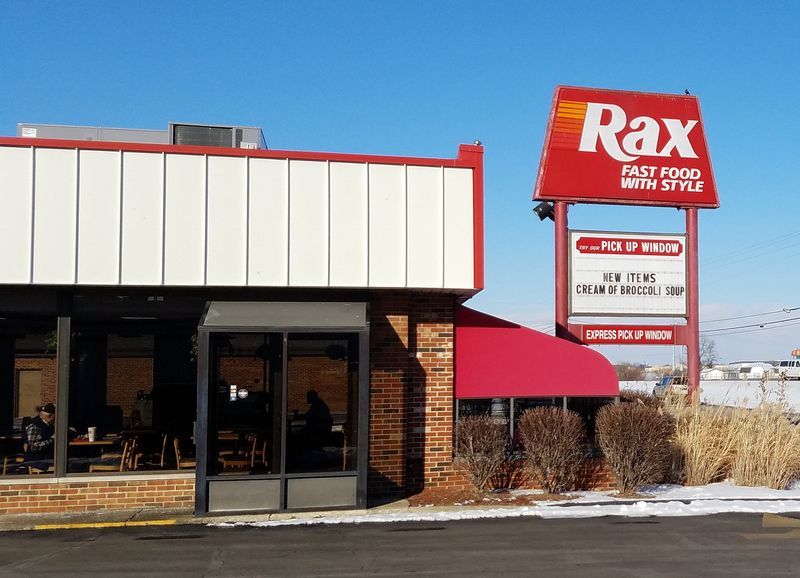
Rax Roast Beef had an identity crisis that’s almost legendary in fast food history. The chain started strong in the 1970s as a straightforward roast beef competitor to Arby’s, but then decided to pivot to a full-menu concept with pasta, salad bars, and even a Mr. Delicious mascot campaign in the 1980s.
The confused direction alienated loyal customers without attracting enough new ones. From a peak of over 500 locations, Rax shrank dramatically.
Today, only a tiny handful of locations remain, mostly in Ohio, serving as a living relic of fast food’s most bizarre identity experiment.
Old Country Buffet
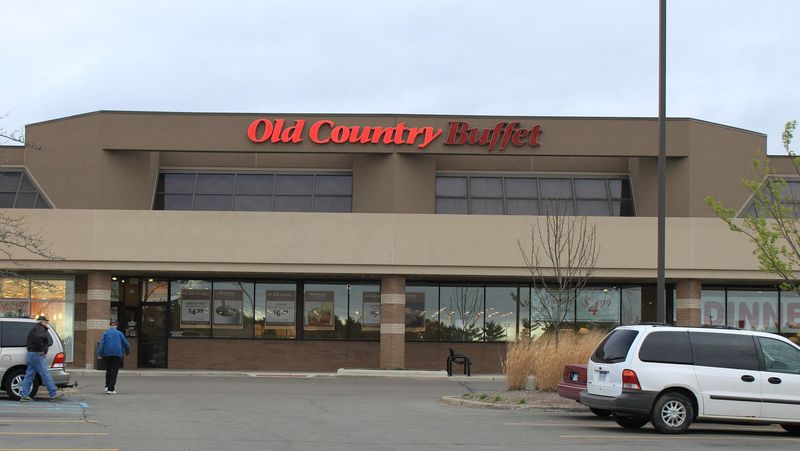
Walking into Old Country Buffet felt like being invited to the world’s most generous potluck dinner. The chain served up massive spreads of American comfort food — fried chicken, mashed potatoes, mac and cheese, soft rolls — all for one flat price that made big families very happy.
Founded in 1983 in Minnesota, OCB expanded rapidly and became a weekend tradition for millions of households. Parent company Ovation Brands filed for bankruptcy multiple times, and most locations closed by the mid-2010s, leaving comfort food lovers searching for a worthy replacement that never quite materialized.
Furr’s Cafeteria
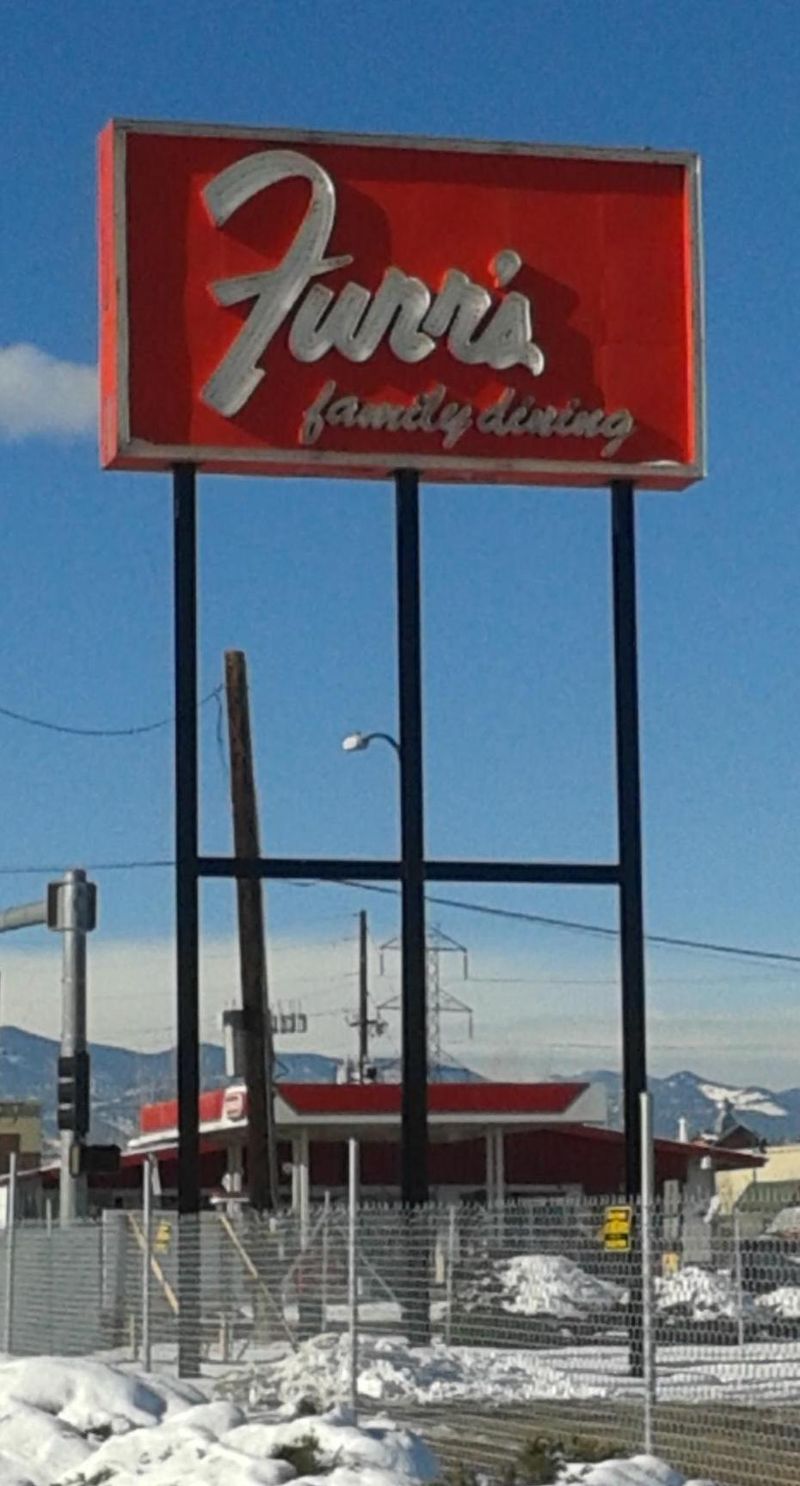
Furr’s Cafeteria was a Texas institution that felt as dependable as Sunday church and as comforting as a home-cooked meal. Founded in Lubbock in 1946, the chain became a staple of the Southwest, serving cafeteria-style Southern cooking to generations of loyal diners who lined up with their trays every week.
Chicken fried steak, buttered rolls, and peach cobbler were practically religion at Furr’s. Bankruptcy and changing dining habits caused a steady decline, and the last corporate locations closed in the early 2000s, ending a beloved 50-plus-year run in the heart of Texas.
York Steak House
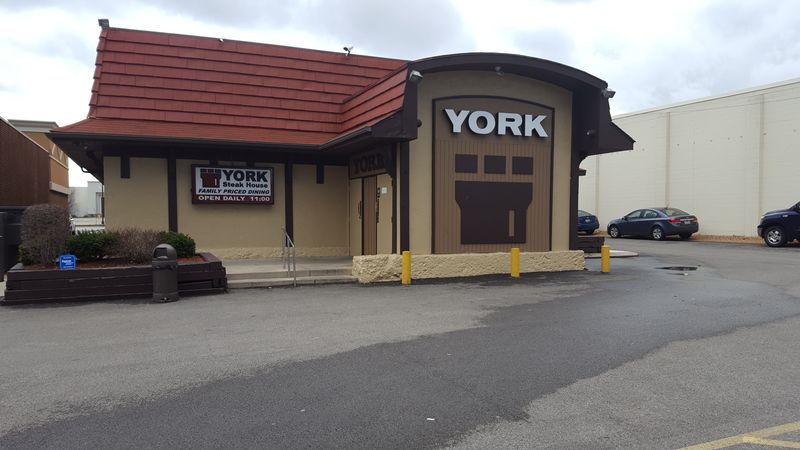
York Steak House cracked a code that seemed impossible: serve a real, affordable steak in a cafeteria-style setting inside shopping malls. Founded in the early 1960s and expanding rapidly through the 1970s, York became a mall staple that gave budget-conscious families access to a proper steak dinner without the white-tablecloth price tag.
The chain operated under General Mills for a stretch, which helped fuel its growth. But as mall traffic declined and dining trends shifted, York quietly faded.
By the 1990s, nearly all locations had closed, taking their cafeteria-style steaks with them.
Victoria Station
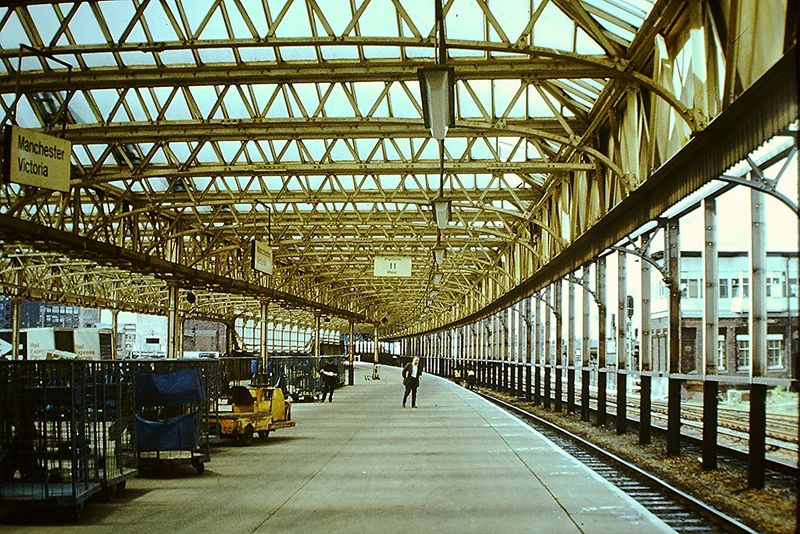
Dining inside a collection of actual British railway cars was the hook, and it worked spectacularly. Victoria Station opened in 1969 in San Francisco and expanded rapidly by offering prime rib and classic steakhouse fare inside restaurants built from authentic old train carriages, creating an atmosphere unlike anything else at the time.
The concept was thrilling enough to carry the brand through the 1970s with great success. But novelty fades, and by the mid-1980s, the chain had filed for bankruptcy and most locations closed.
The train car gimmick that once felt magical simply ran out of track.
Bob’s Big Boy East Coast Locations
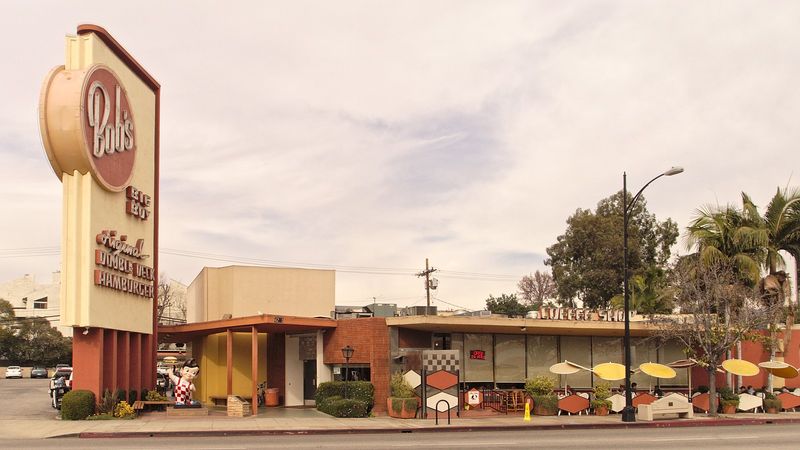
While Bob’s Big Boy still exists in parts of the country, East Coast fans lost their beloved locations decades ago — and they haven’t stopped talking about it since. The chain’s East Coast presence, operating under names like Elias Brothers Big Boy and Shoney’s Big Boy, served up those iconic double-decker burgers to generations of families from the 1950s through the 1990s.
Franchise disputes and corporate restructuring led to the gradual disappearance of Big Boy from the East Coast market. For those who grew up with that chubby mascot waving from the parking lot, no replacement has ever quite filled the gap.
Morrison’s Cafeteria
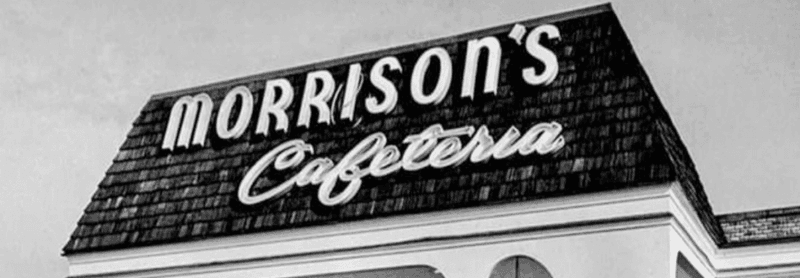
Morrison’s Cafeteria was the kind of place where your grandmother felt completely at home and you somehow did too. Founded in Mobile, Alabama in 1920, Morrison’s became a beloved institution across the American Southeast, serving Southern-style cafeteria food with genuine warmth and consistency for over 70 years.
Sweet tea, cornbread, slow-roasted meats, and fresh-baked pies made every visit feel like a family gathering. The brand was eventually acquired and converted into Piccadilly Cafeteria locations through the 1990s, erasing a century-old Southern dining tradition that many loyal customers still grieve.
Farrell’s Ice Cream Parlour
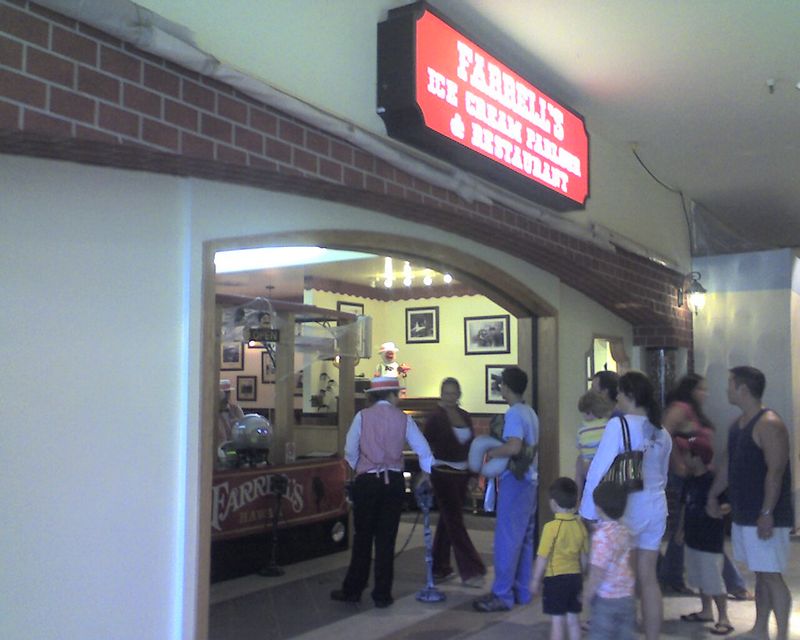
Few restaurant experiences matched the sheer, overwhelming joy of watching Farrell’s servers sprint through the dining room banging a drum while carrying a giant ice cream sundae called the Zoo. Founded in Portland, Oregon in 1963, Farrell’s became the ultimate birthday destination for American kids throughout the 1970s and 1980s.
The Victorian parlour decor, the player piano, and the outrageous sundae portions made every visit feel like an event. Multiple ownership changes and bankruptcy filings through the 1990s and 2000s shuttered most locations, though revival attempts have kept the dream alive in a few spots.
Shakey’s Pizza Parlor (former U.S. prominence)
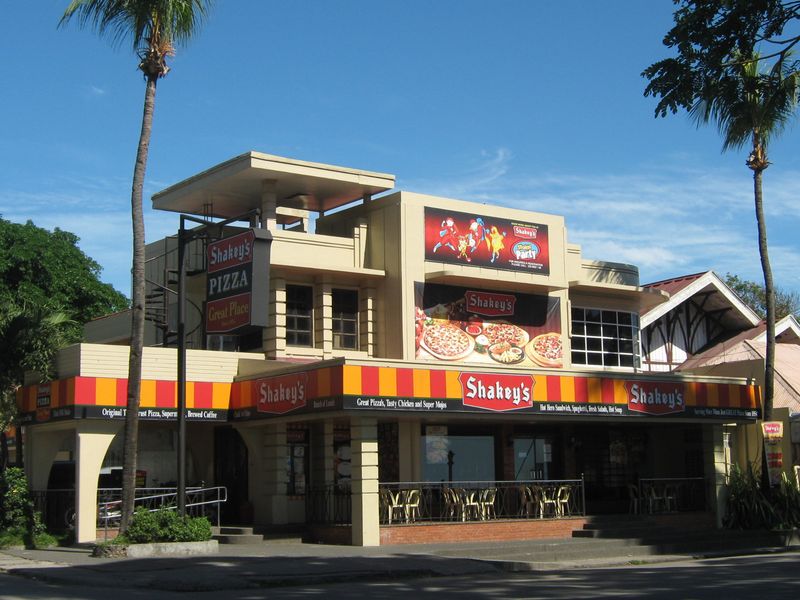
Shakey’s Pizza was once the king of the American pizza parlor scene, and its combination of thin-crust pizza, live banjo music, and those addictive Mojo potatoes created a dining experience that felt completely unique. Founded in Sacramento, California in 1954, Shakey’s was actually one of the first franchised pizza chains in the entire country.
At its U.S. peak, hundreds of locations filled with families every weekend. Fierce competition from Pizza Hut and Domino’s decimated the domestic footprint through the 1980s and 1990s.
Shakey’s still thrives internationally, especially in Asia, but its former American glory days remain a deeply missed chapter in pizza history.
Enjoyed this story?
Add Fast Food Club as a preferred source to see more of our reporting on Google.