


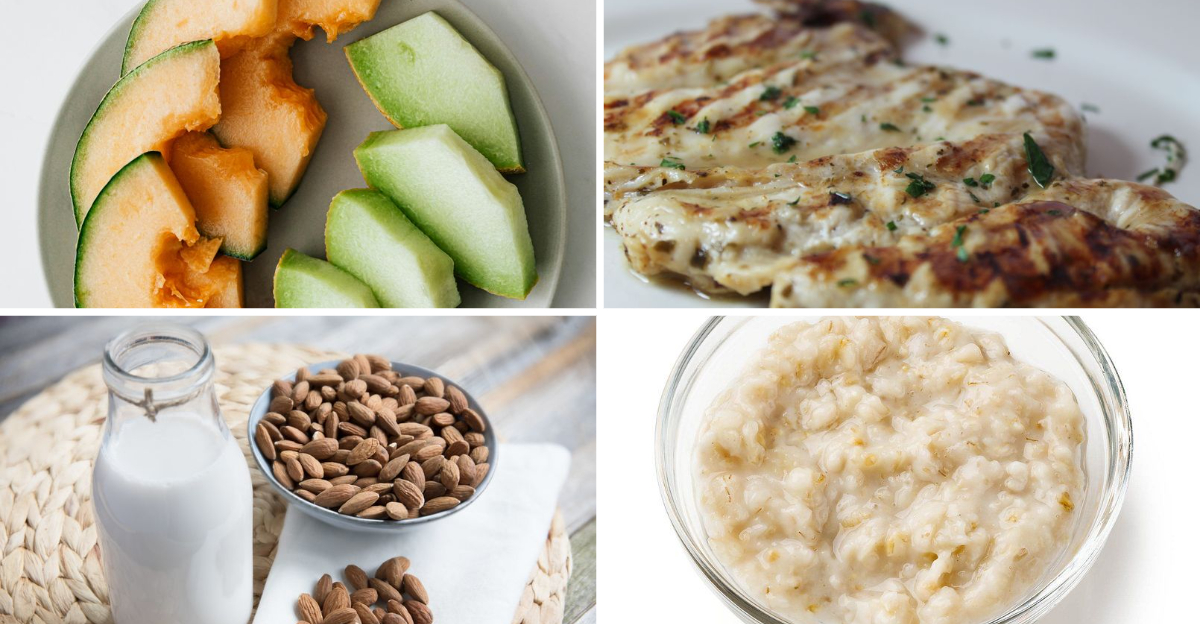
Acid reflux and heartburn can make eating feel like a guessing game. That burning sensation in your chest after a meal is not only uncomfortable but can really disrupt your day.
The good news is that certain foods can actually help calm things down and keep your stomach happy. Knowing what to reach for when symptoms flare up can make a huge difference in how you feel.
Oatmeal
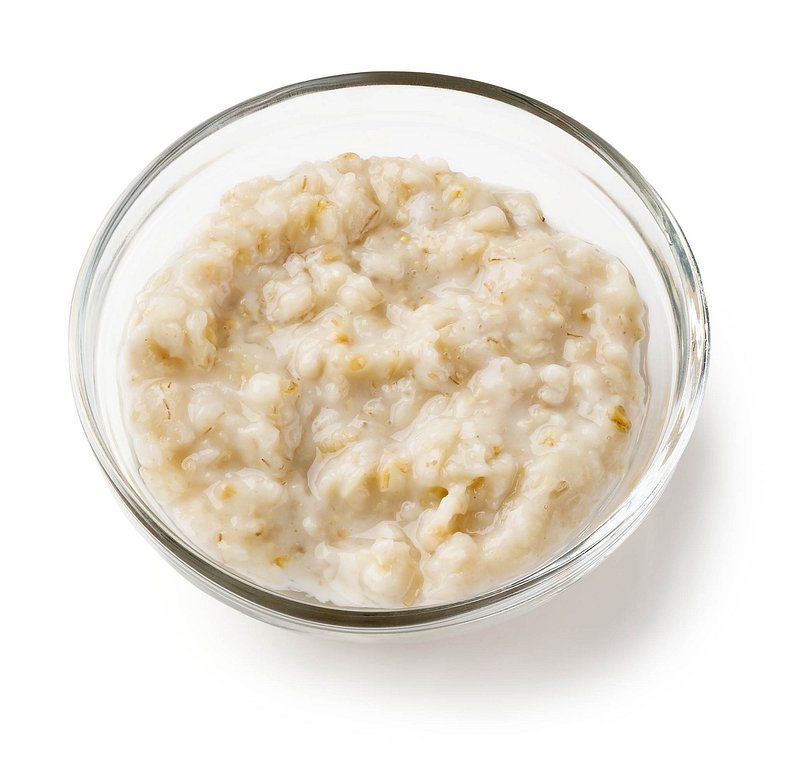
There is a reason oatmeal has been a breakfast staple for generations. This hearty grain is low in fat and high in fiber, making it one of the best choices for people dealing with acid reflux.
Fiber helps absorb stomach acid and keeps digestion moving smoothly.
A plain bowl of oatmeal in the morning can set a calm, comfortable tone for the rest of your day. Skip the sugary toppings and go for banana slices or a little honey instead.
Bananas

Bananas are one of nature’s most convenient antacids. With a pH of around 5.6, they are naturally low in acid, which means they are unlikely to trigger that uncomfortable burning feeling in your chest or throat.
Beyond being easy on the stomach, bananas are also rich in potassium and natural fiber that supports healthy digestion. Grab one as a snack between meals to keep acid levels balanced and hunger at bay without any fuss.
Melons
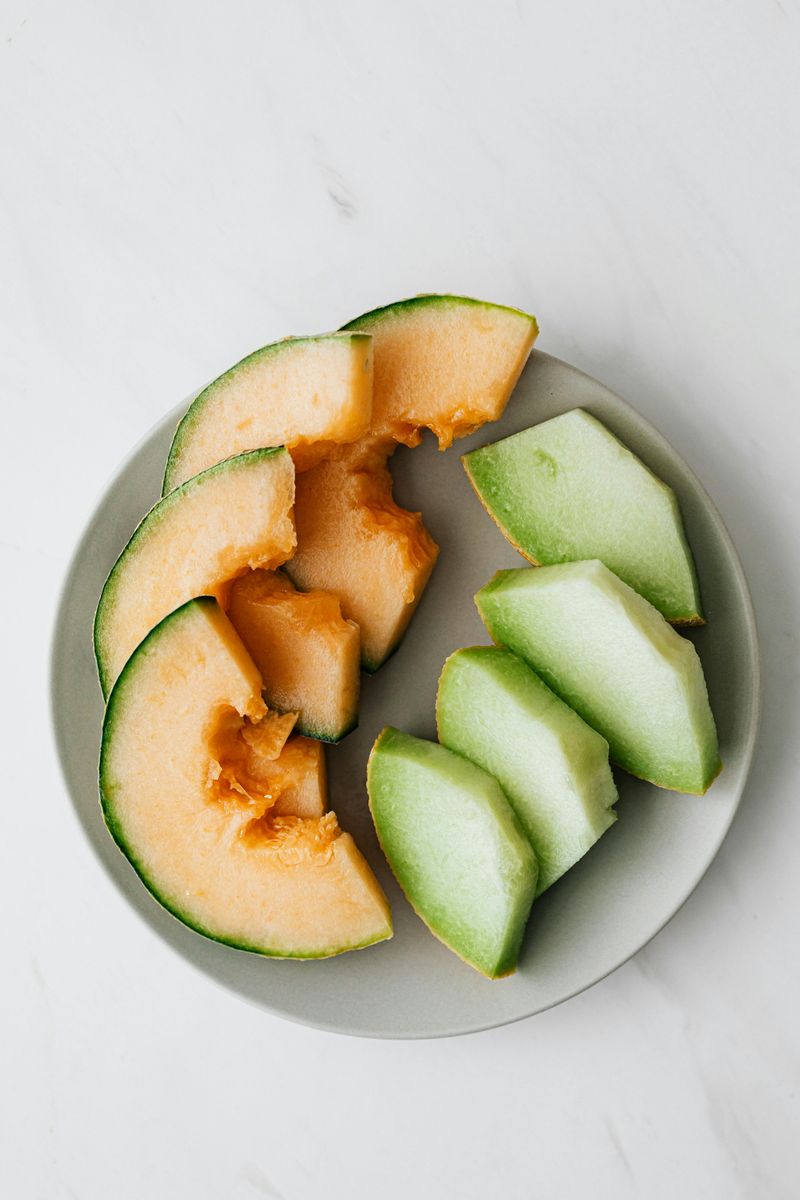
Cool, refreshing, and surprisingly stomach-friendly, melons like cantaloupe, honeydew, and watermelon rank among the least acidic fruits you can eat. Their high water content helps dilute stomach acid, which can ease that uncomfortable burning sensation.
Most people with acid reflux tolerate melons really well. Just keep portions reasonable since overeating, even the good stuff, can still put pressure on your stomach and trigger symptoms.
A small bowl makes a perfect light snack or dessert.
Apples
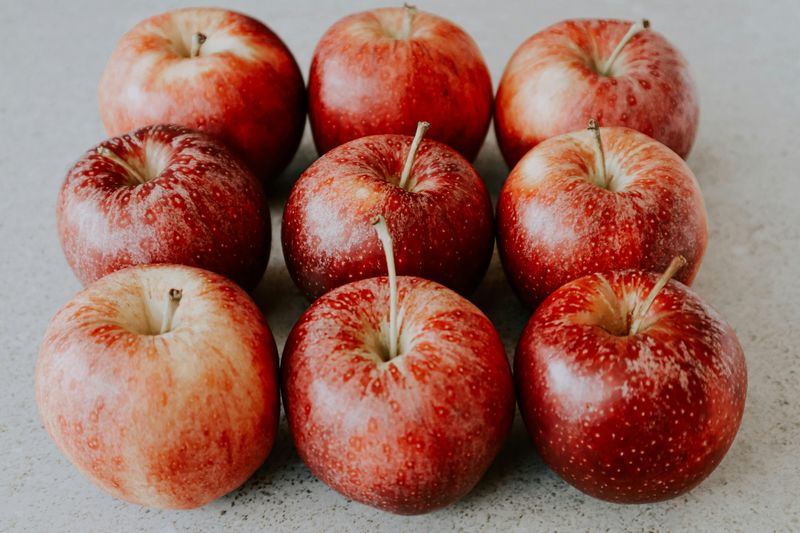
An apple a day might actually keep the heartburn away. Sweet apples, especially red varieties like Fuji or Gala, have a mild pH that makes them much gentler on the stomach compared to citrus fruits.
They also contain natural antacids that can help neutralize excess acid.
Eating a small apple after a meal is a smart habit for reflux sufferers. Just stick to sweet varieties rather than tart green apples, which tend to be more acidic and could trigger symptoms.
Leafy greens
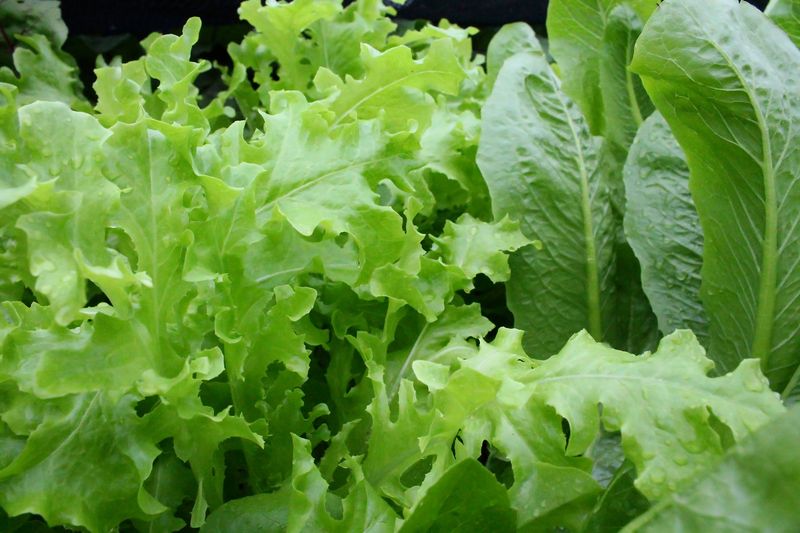
Leafy greens like spinach, kale, and romaine lettuce are naturally low in fat and sugar, two things that are known to trigger acid reflux. They are also alkaline-forming foods, which means they can actually help balance out excess stomach acid rather than adding to the problem.
Toss them into a salad with a light, non-citrus dressing or add them to a smoothie for an easy boost. Steaming or lightly sauteing them with olive oil works great too.
Broccoli
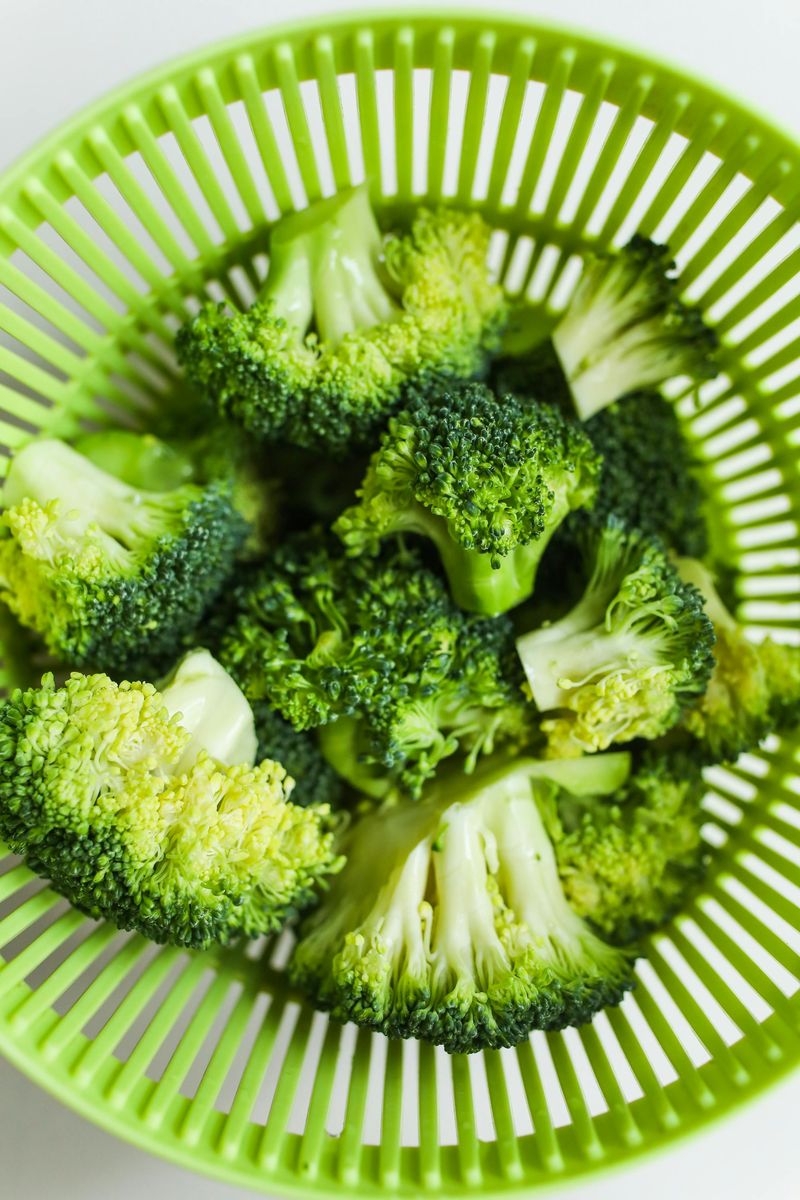
Broccoli does not get nearly enough credit as a heartburn-fighting food. This alkaline vegetable is naturally low in acid and packed with fiber, vitamins, and minerals that support overall digestive health.
Steaming or roasting broccoli keeps it gentle on the stomach. Just skip the heavy cheese sauces or butter that often come along for the ride, since added fats can loosen the lower esophageal sphincter and make reflux worse.
Plain or lightly seasoned broccoli is the way to go.
Green beans
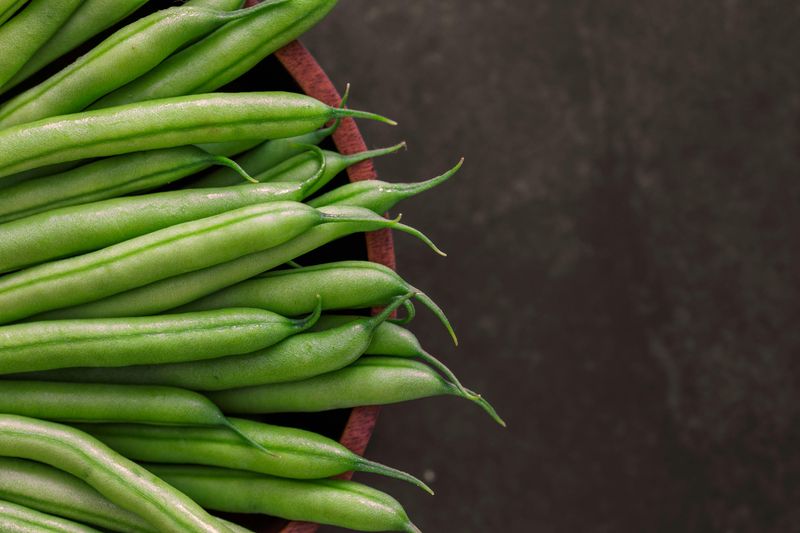
Green beans are a quiet hero in the world of reflux-friendly eating. They are alkaline, low in fat, and easy to prepare in a dozen different ways.
Whether you steam, roast, or stir-fry them, they hold up well without needing heavy sauces or seasonings.
They also pair nicely with lean proteins like grilled chicken or fish, making it easy to build a full, satisfying meal that will not send your stomach into a frenzy later. A solid side dish choice every time.
Cucumbers
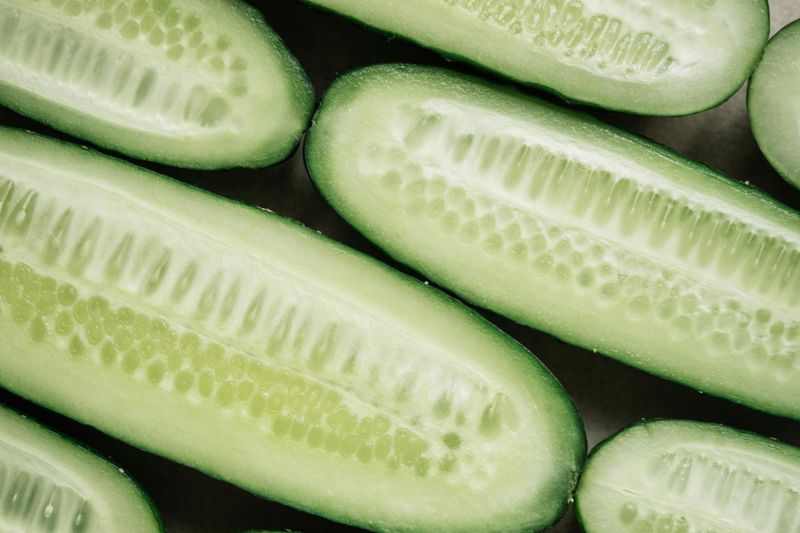
Few vegetables are as cooling and hydrating as the cucumber. Made up of about 95 percent water, cucumbers help dilute stomach acid naturally, which can bring real relief when heartburn is creeping up.
Their mild flavor and satisfying crunch make them a go-to snack that requires almost no preparation. Slice them up and pair with hummus or a light yogurt dip for a snack that is both refreshing and reflux-friendly.
They are especially great during warmer months when you want something light.
Sweet potatoes
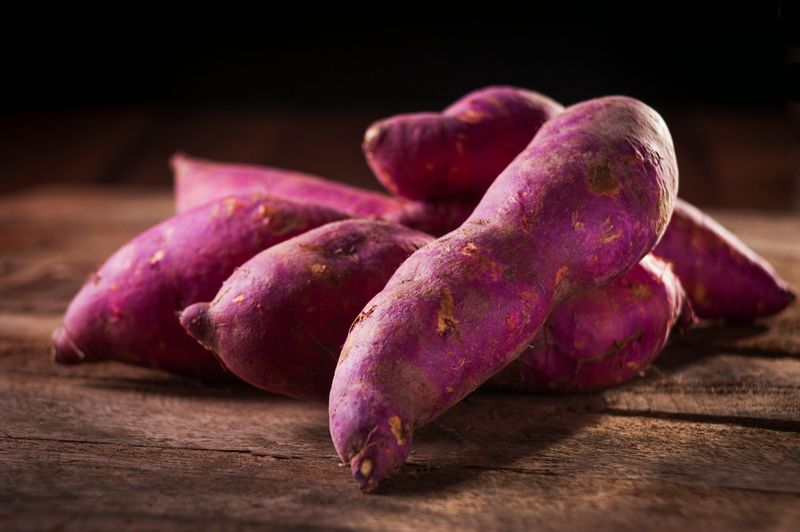
Sweet potatoes are comforting, filling, and surprisingly kind to the digestive system. They are rich in complex carbohydrates and fiber, which help absorb excess stomach acid and keep digestion on an even keel.
Baking or boiling them is the best approach for reflux sufferers. Avoid loading them up with butter, sour cream, or spicy toppings.
A simple baked sweet potato with a light sprinkle of cinnamon is satisfying enough on its own and will not stir up any unwanted burning afterward.
Brown rice
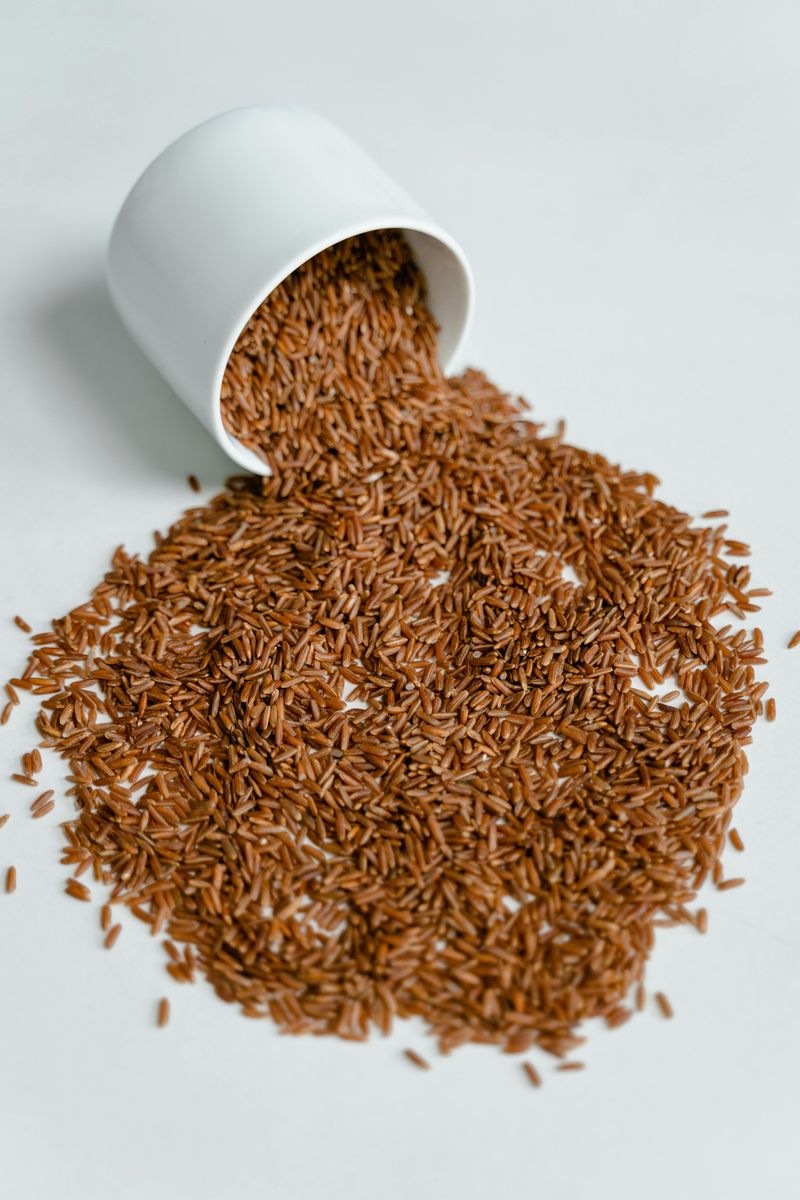
Brown rice is a complex carbohydrate that acts like a sponge in your stomach, soaking up excess acid and helping to ease irritation. Unlike refined white rice, brown rice retains its fiber-rich bran layer, which supports slower, steadier digestion.
It serves as an excellent base for reflux-friendly meals paired with lean proteins and steamed vegetables. Just keep the seasonings simple and avoid spicy or tomato-based sauces, which can undo all the good work brown rice is doing for your stomach.
Whole grain bread

Switching from white bread to whole grain is one of the simplest upgrades you can make for your digestive health. Whole grain bread is high in fiber, which helps move food through the digestive tract more efficiently and reduces the pressure that can push acid back up into the esophagus.
Use it for sandwiches with lean turkey or chicken, or toast it lightly and top with a thin layer of almond butter. It keeps you full longer, which means less snacking and fewer reflux triggers throughout the day.
Ginger
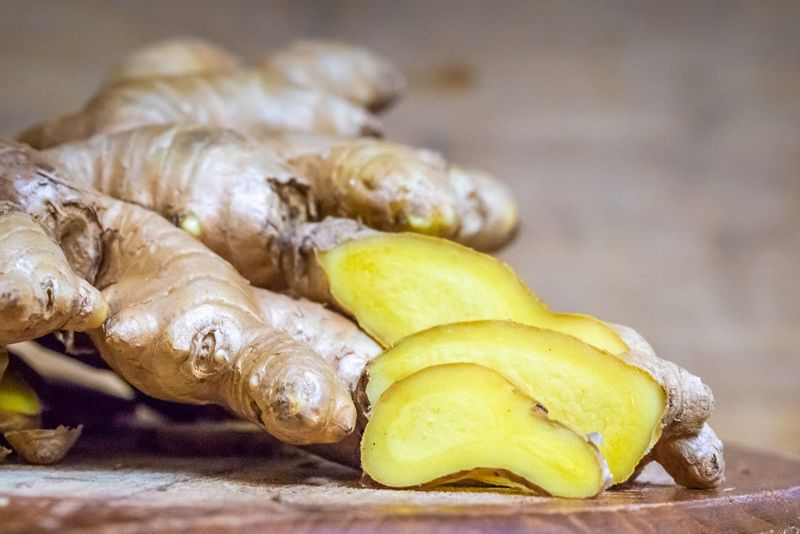
For thousands of years, ginger has been trusted as a natural remedy for all kinds of stomach troubles, and modern research backs that reputation up. It has natural anti-inflammatory properties that can help calm an irritated esophagus and reduce the frequency of reflux episodes.
Fresh ginger can be grated into hot water for a simple tea, added to stir-fries, or blended into smoothies. Keep portions small though since too much ginger can sometimes have the opposite effect and worsen symptoms in sensitive stomachs.
Lean chicken
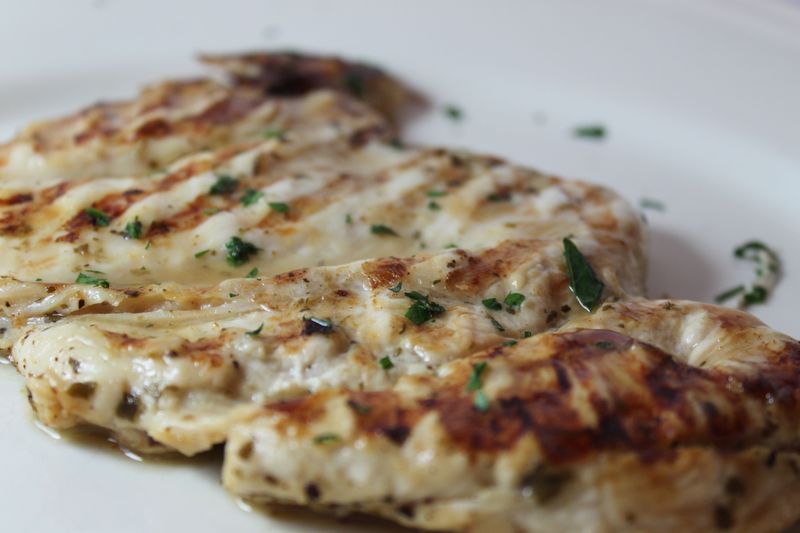
Protein is essential, but the type of protein you choose matters a lot when acid reflux is involved. Lean chicken, especially skinless breast meat, is low in fat and easy for the stomach to process without triggering excess acid production.
Grilling, baking, or poaching chicken keeps it light and reflux-friendly. Avoid frying or cooking it in heavy sauces loaded with garlic, tomatoes, or spices.
A simple herb rub or light seasoning with olive oil is all you really need to make it delicious.
Turkey

Turkey is another lean protein that earns a well-deserved spot on the reflux-friendly food list. It is naturally low in fat, especially when you choose the breast meat and skip the skin, which makes it much easier on a sensitive digestive system.
Roasted or baked turkey works beautifully in sandwiches, wraps, or as a dinner centerpiece. Just be mindful of store-bought deli turkey, which can be high in sodium and preservatives.
Freshly cooked turkey is always the better choice for keeping symptoms in check.
Fish

Fish is one of the most digestive-friendly proteins out there, and for people managing acid reflux, it can be a real game changer. Fish like salmon, tilapia, cod, and trout are naturally low in fat and rich in omega-3 fatty acids that help reduce inflammation throughout the body, including the esophagus.
Grilling, baking, or steaming fish keeps it light and easy to digest. Avoid deep-frying or pairing it with creamy, heavy sauces that could trigger that familiar burning sensation after your meal.
Egg whites
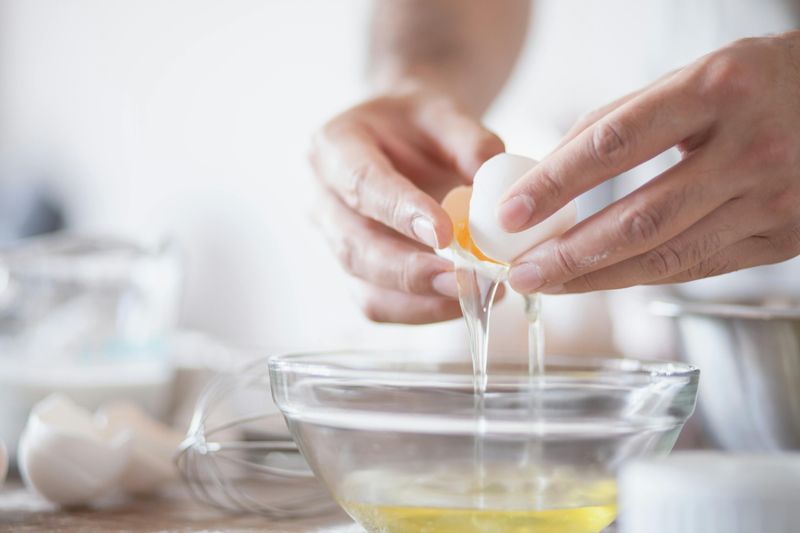
Egg whites are almost pure protein with virtually no fat, which makes them one of the most reflux-safe foods you can eat. The yolk is where most of the fat lives, and dietary fat is a well-known trigger for loosening the valve that keeps stomach acid where it belongs.
Scrambled, poached, or made into a simple omelet with vegetables, egg whites are a versatile and satisfying option for any meal of the day. They are quick to cook and pair well with most reflux-friendly ingredients.
Low-fat yogurt

Low-fat yogurt is a creamy, satisfying option that can actually help soothe an irritated stomach lining. The probiotics found in yogurt support a healthy gut microbiome, which plays an important role in keeping digestion balanced and reducing reflux symptoms over time.
Choose plain, unsweetened varieties to avoid added sugars that can aggravate symptoms. Top it with banana slices or a small amount of honey for natural sweetness.
Full-fat yogurt, on the other hand, can sometimes make things worse, so always check the label before buying.
Almond milk
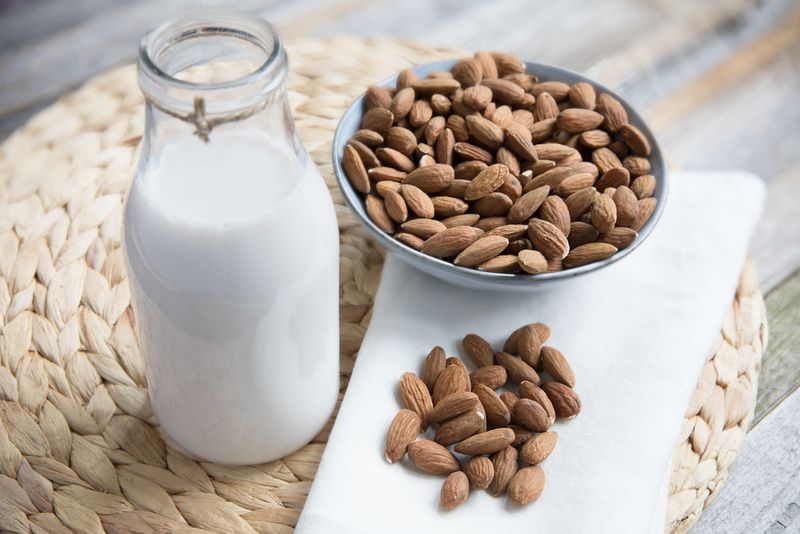
Regular dairy milk was once thought to soothe heartburn, but it can actually backfire by stimulating more acid production. Almond milk, however, is a much gentler alternative.
It is naturally alkaline and low in fat, which makes it far less likely to provoke a reflux flare-up.
Use it in smoothies, pour it over oatmeal, or simply drink a small glass when symptoms start to surface. Unsweetened almond milk is the best choice since added sugars can sometimes irritate a sensitive stomach and make things worse.
Herbal teas
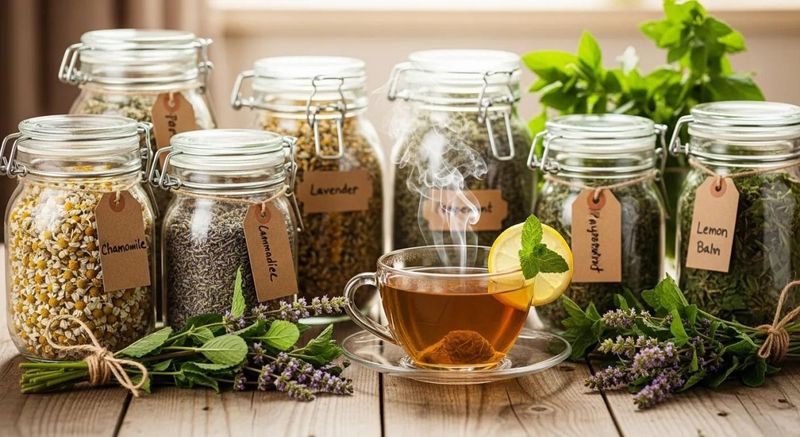
Warm herbal teas have been used for centuries to calm upset stomachs, and they remain one of the most comforting remedies for acid reflux today. Chamomile tea, in particular, has anti-inflammatory properties that can help reduce irritation in the esophagus and stomach lining.
Licorice root tea and slippery elm tea are also popular choices among reflux sufferers. Just be sure to avoid peppermint tea since, despite its reputation as a digestive aid, it can actually relax the esophageal sphincter and make reflux symptoms worse.
Fennel
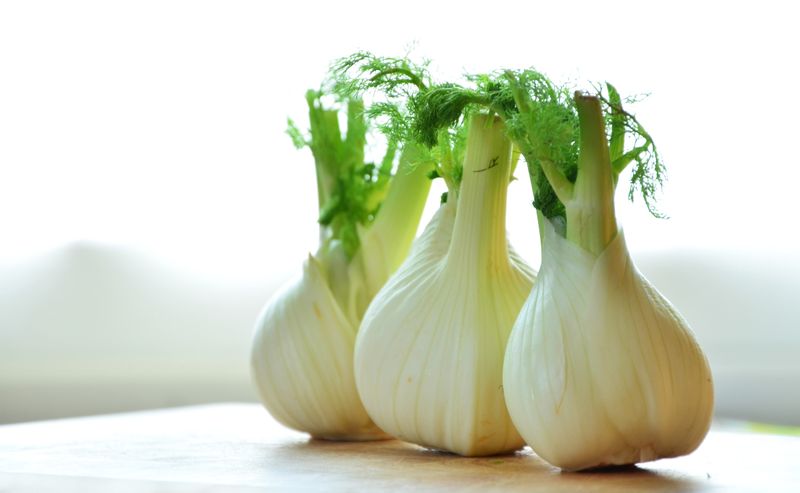
Fennel has a mild, slightly sweet flavor that many people find surprisingly pleasant, and it comes with a bonus: it is a natural digestive aid. This crunchy vegetable helps relax the muscles of the gastrointestinal tract, which can reduce bloating, cramping, and acid reflux symptoms.
Slice it raw into salads, roast it with a little olive oil, or steep fennel seeds in hot water for a gentle after-dinner tea. It is one of those underrated kitchen staples that your stomach will genuinely thank you for adding to your diet.