


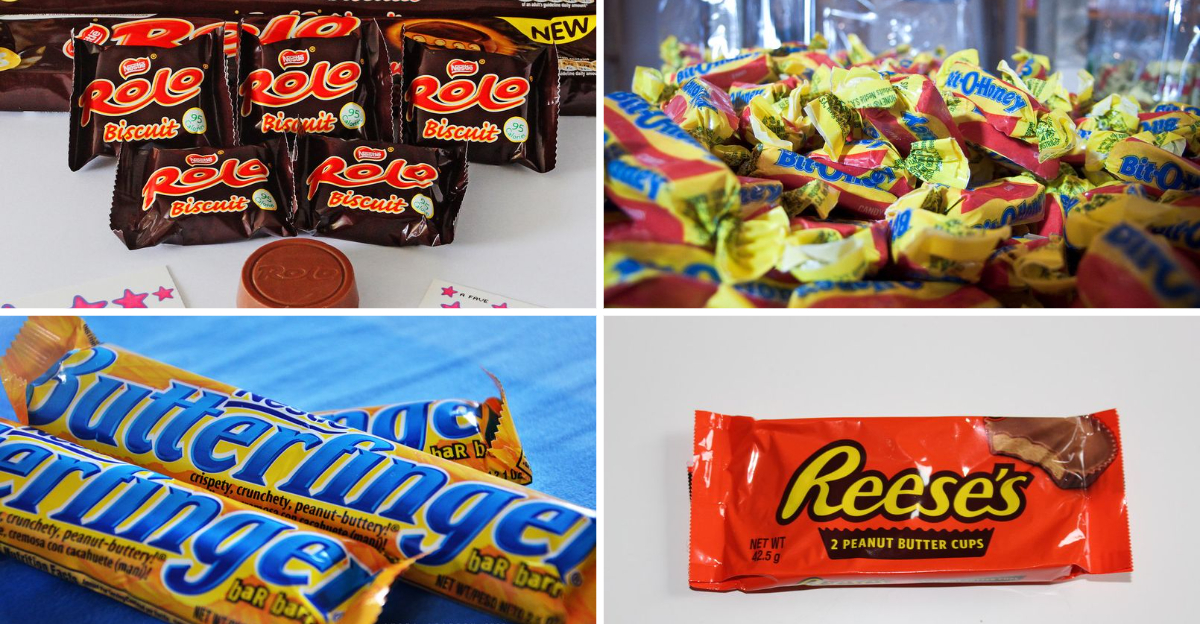
Growing up last century meant trips to the corner store with a handful of change and a big decision to make. The candy aisle was basically a wonderland, packed with colorful wrappers, wild flavors, and treats that somehow made every afternoon feel like a celebration.
Whether you were a chocolate lover or a sour candy fanatic, there was always something calling your name. Here are the classic childhood candies that kept us coming back, ranked from beloved to absolutely unforgettable.
Reese’s Peanut Butter Cups
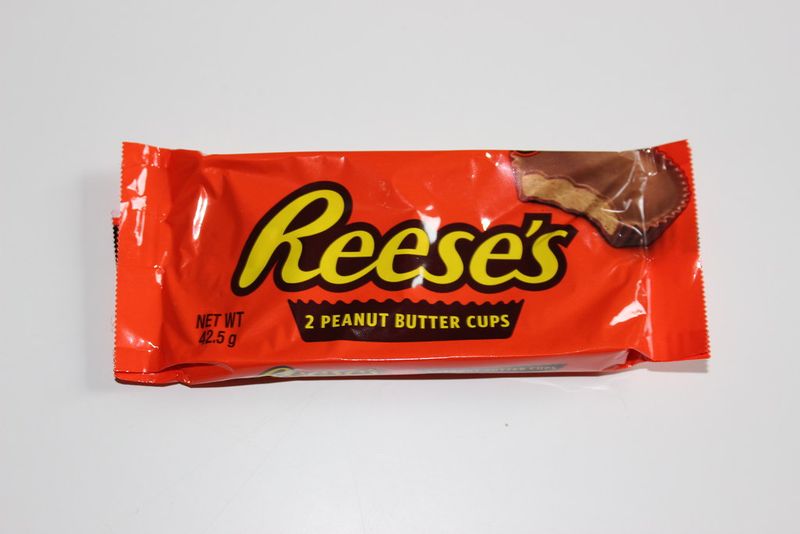
Some candy combinations feel like they were meant to be, and Reese’s Peanut Butter Cups are the ultimate proof. That smooth peanut butter tucked inside a chocolate shell created a flavor pairing that kids and adults alike could not resist.
Introduced in 1928 by Harry Burnett Reese, these cups became one of the best-selling candies in American history. Halloween bags were never complete without at least a few of these orange-wrapped treasures tucked inside.
Snickers
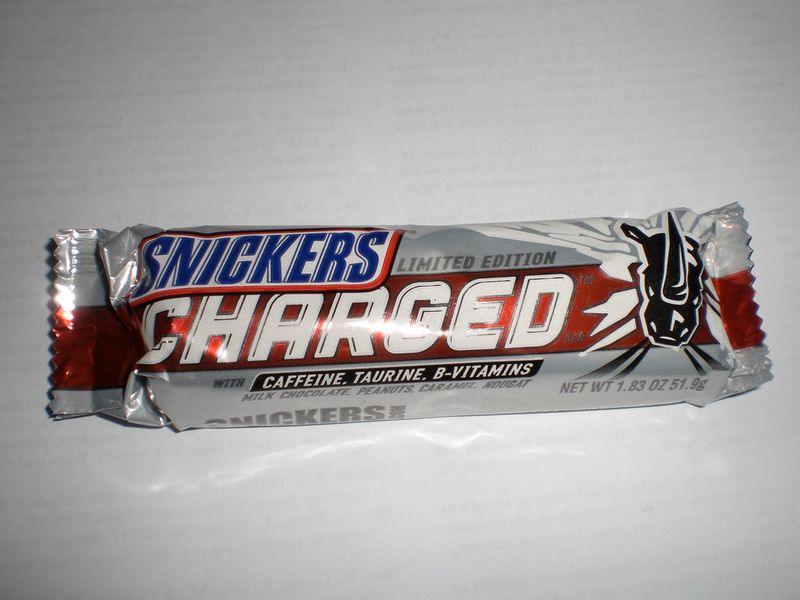
Hunger was never a problem when a Snickers bar was nearby. Packed with peanuts, nougat, caramel, and milk chocolate, this candy bar felt more like a meal than a treat, which made it even more exciting to pull out of a lunch bag.
Introduced in 1930, Snickers quickly became one of the world’s most popular candy bars. Kids loved how filling it was, and parents secretly appreciated that it kept the snack requests quieter for a little while longer.
M&M’s
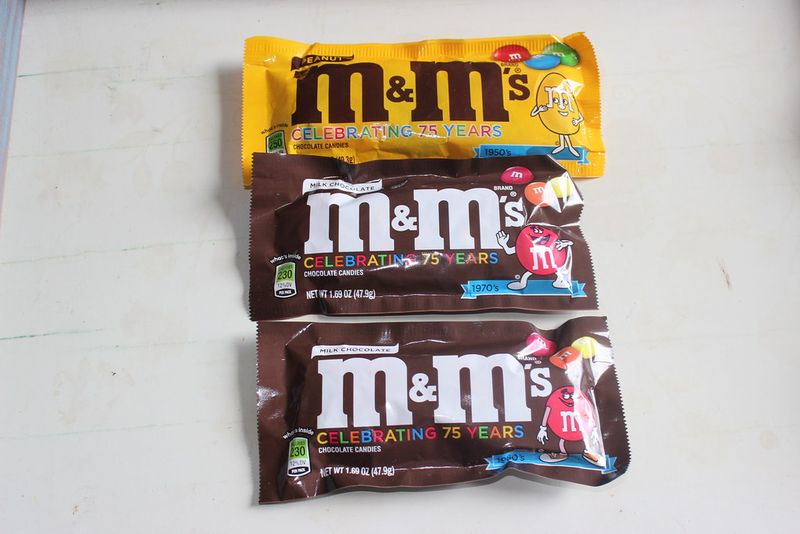
Tiny, colorful, and almost impossible to eat just one of, M&M’s became a staple candy that showed up everywhere from movie theaters to birthday parties. The candy shell kept the chocolate inside perfectly protected, making them a mess-free favorite for kids on the go.
Mars introduced M&M’s in 1941, originally for soldiers who needed chocolate that wouldn’t melt in the field. Sorting them by color before eating became a beloved ritual for generations of candy lovers.
Hershey’s Milk Chocolate Bar
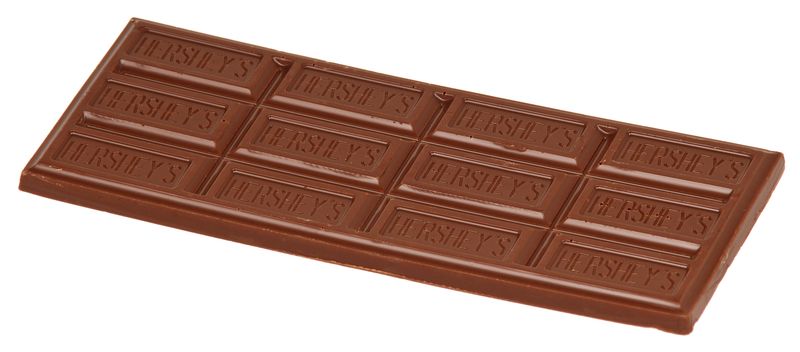
There is something wonderfully simple about a Hershey’s Milk Chocolate Bar. No nuts, no caramel, no fillings — just smooth, creamy milk chocolate broken into perfectly sized squares that felt satisfying every single time.
Milton Hershey began making these bars in 1900, making them one of America’s oldest chocolate treats. Kids loved snapping off each square and making the bar last as long as possible, turning a simple candy into a small, delicious experience.
Kit Kat
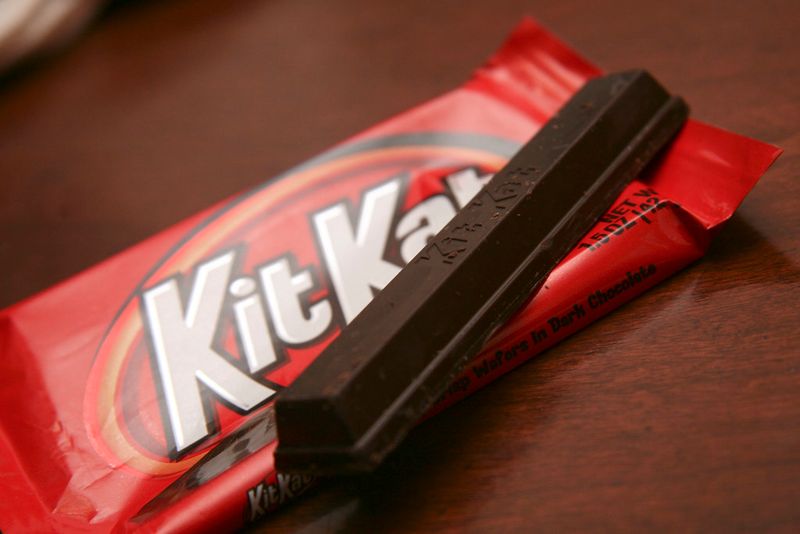
Breaking a Kit Kat bar apart along its segments was practically a childhood ritual. That satisfying snap followed by crunchy wafer and smooth chocolate made every bite feel like a tiny reward worth celebrating.
Kit Kat was created in England in 1935 and made its way to American stores through Hershey’s. The four-finger bar became iconic in school lunch boxes and Halloween hauls alike, earning its place as one of the most recognizable candy bars of the last century.
Twix
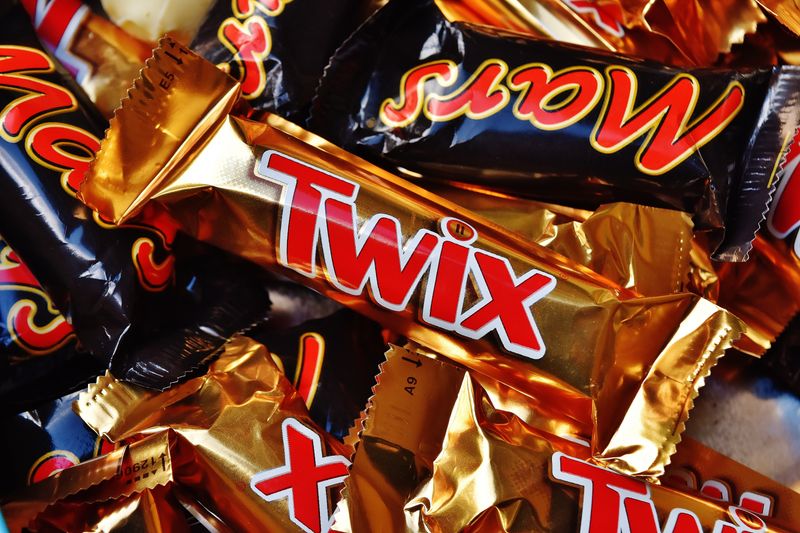
Cookie, caramel, and chocolate — Twix managed to combine three incredible things into one candy bar that felt almost too good to be true. The crispy shortbread cookie base gave it a texture that set it apart from every other chocolate bar on the shelf.
Twix arrived in the United States in 1979 after launching in the UK in 1967. The famous “left Twix vs. right Twix” debate came much later, but kids were already fiercely loyal to this bar long before any marketing campaign existed.
Milky Way
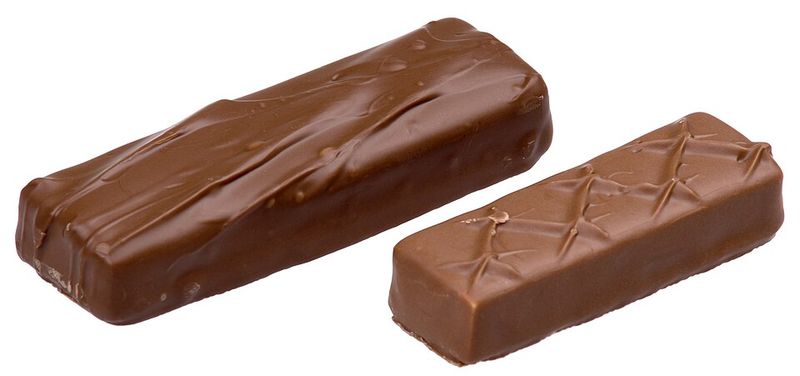
Light, fluffy nougat topped with caramel and coated in chocolate — Milky Way had a dreamy texture that felt totally different from denser candy bars. It practically melted in your mouth, which made it a go-to choice for kids who wanted something indulgent but not too heavy.
Frank Mars launched the Milky Way bar in 1923, inspired by a popular malted milkshake flavor of the era. It was one of the first candy bars to become a nationwide bestseller, and its popularity never really slowed down.
Skittles
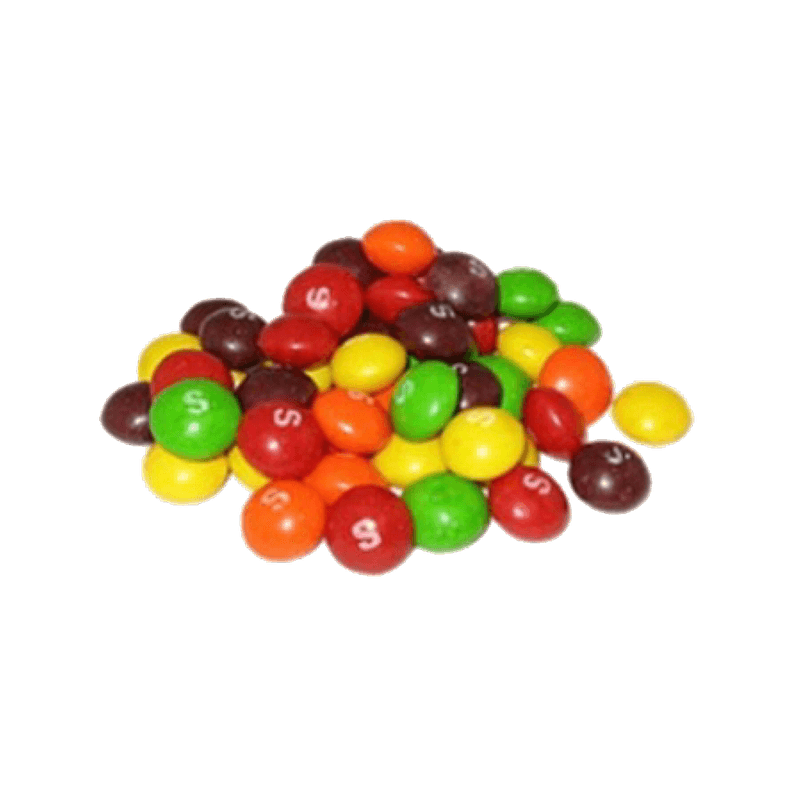
Tasting the rainbow was never just a slogan — it was a full candy experience. Skittles delivered a burst of fruity flavor with every chew, and the bright colors made them feel fun before you even popped one in your mouth.
Skittles were first produced in Britain in 1974 and hit American shelves in 1979. Kids quickly developed strong opinions about which color was best, with red and purple usually sparking the most passionate debates at the lunch table.
Starburst
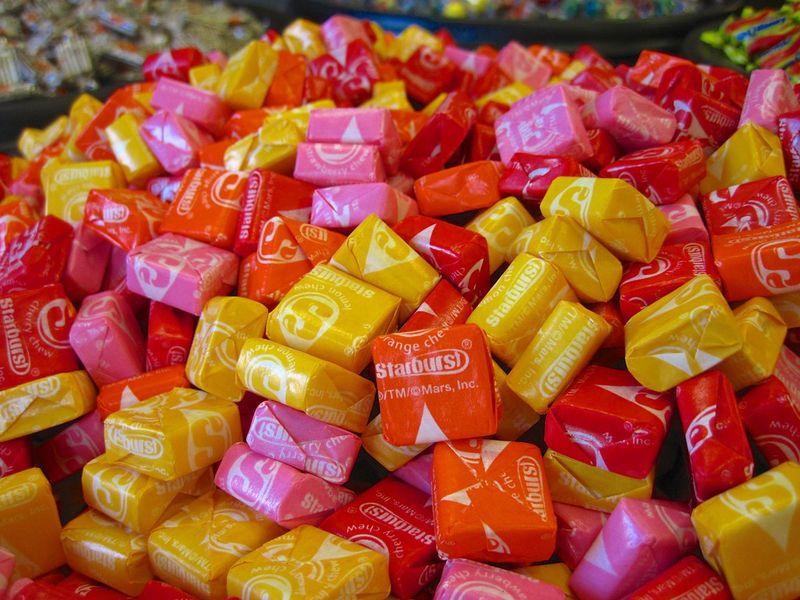
Juicy, chewy, and bursting with fruit flavor, Starburst candies were the kind of treat you could never stop at just one. Unwrapping each little square felt like opening a tiny present, and the pink strawberry ones were always the first to disappear from the pack.
Originally called Opal Fruits when launched in England in 1960, Starburst came to the US in 1967. Trading flavors with friends became a whole social event, and arguing over who got the last pink one was practically a childhood rite of passage.
Butterfinger
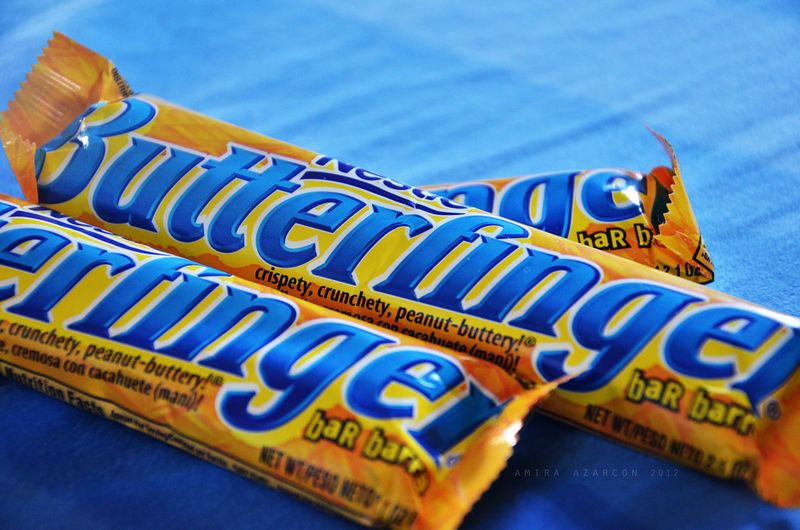
Crunchy, flaky, and impossibly sticky, Butterfinger had a texture unlike anything else in the candy aisle. That bright orange peanut butter crisp center coated in chocolate created a candy bar experience that was messy, bold, and completely unforgettable.
The Curtiss Candy Company introduced Butterfinger in 1923, and it quickly became a Halloween staple. Bart Simpson famously endorsed the bar in the 1990s, but kids were already obsessed with it long before any cartoon character told them to be.
Baby Ruth
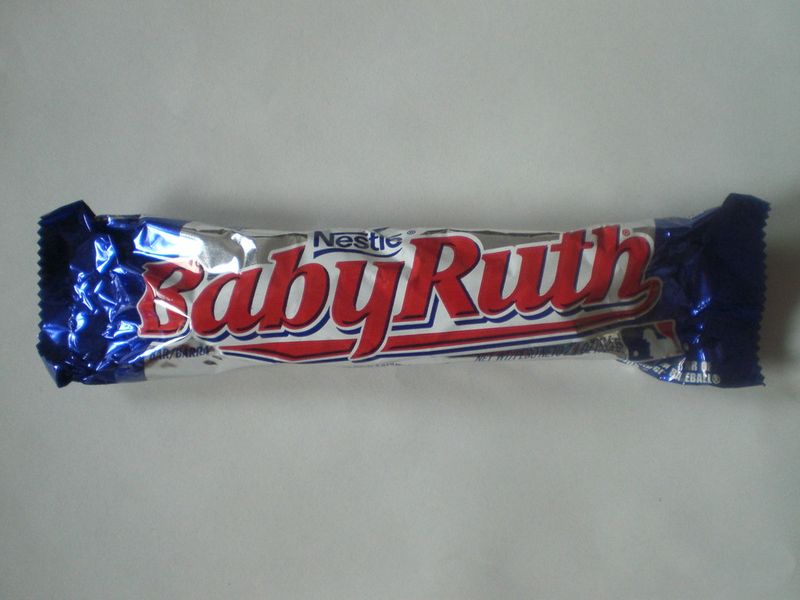
Chunky, nutty, and loaded with caramel and nougat, Baby Ruth was the kind of candy bar that felt genuinely substantial. It had a hearty, old-fashioned quality that made it feel like a real treat rather than just a quick sugar fix.
Introduced in 1921 by the Curtiss Candy Company, Baby Ruth has one of the most debated origin stories in candy history. Despite popular belief, the bar was likely not named after baseball legend Babe Ruth, but the connection helped fuel its legendary status anyway.
Tootsie Roll
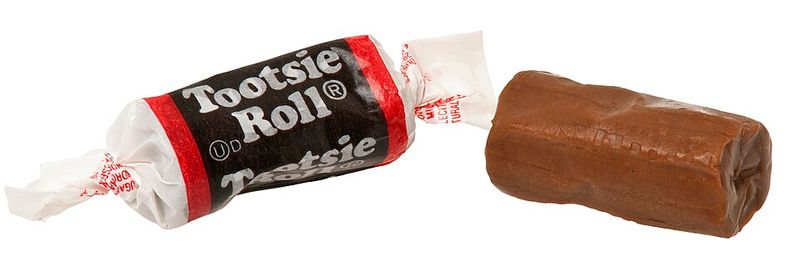
Chewy, chocolatey, and just sweet enough, Tootsie Rolls had a flavor that was totally their own — somewhere between chocolate and caramel, but not quite either one. They were small enough to feel harmless but addictive enough to eat by the fistful.
Leo Hirschfield created Tootsie Rolls in 1896, making them one of the oldest commercially wrapped penny candies in America. During World War II, they were included in soldiers’ rations because they held up well in extreme weather conditions — a fun fact that always impressed kids.
Jolly Rancher
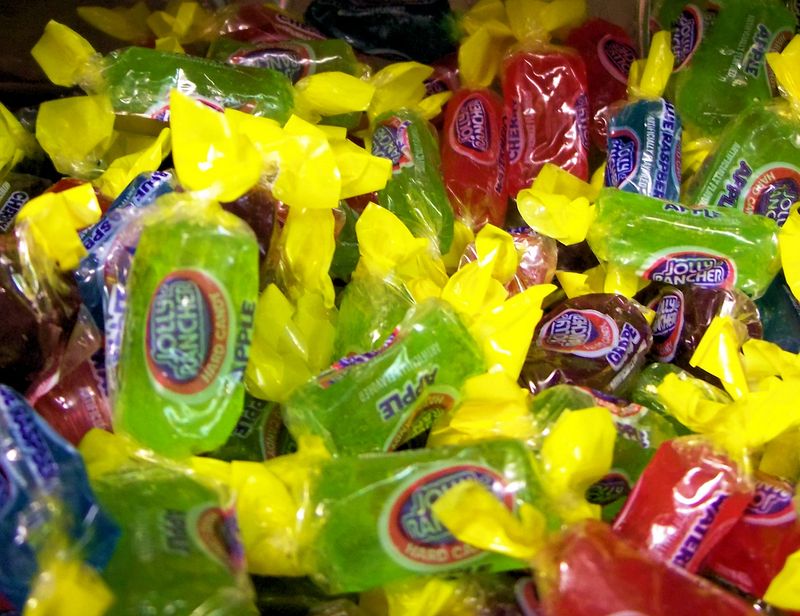
Hard, glossy, and packed with intense fruit flavor, Jolly Ranchers were the kind of candy that stained your tongue and made your cheeks pucker in the best possible way. Picking your favorite flavor was serious business — watermelon and green apple fans were especially passionate.
Bill and Dorothy Harmsen founded the Jolly Rancher Company in Colorado in 1949. The candy started as a way to attract customers to their ice cream shop during winter months, eventually becoming one of the most iconic hard candies in American history.
Nerds
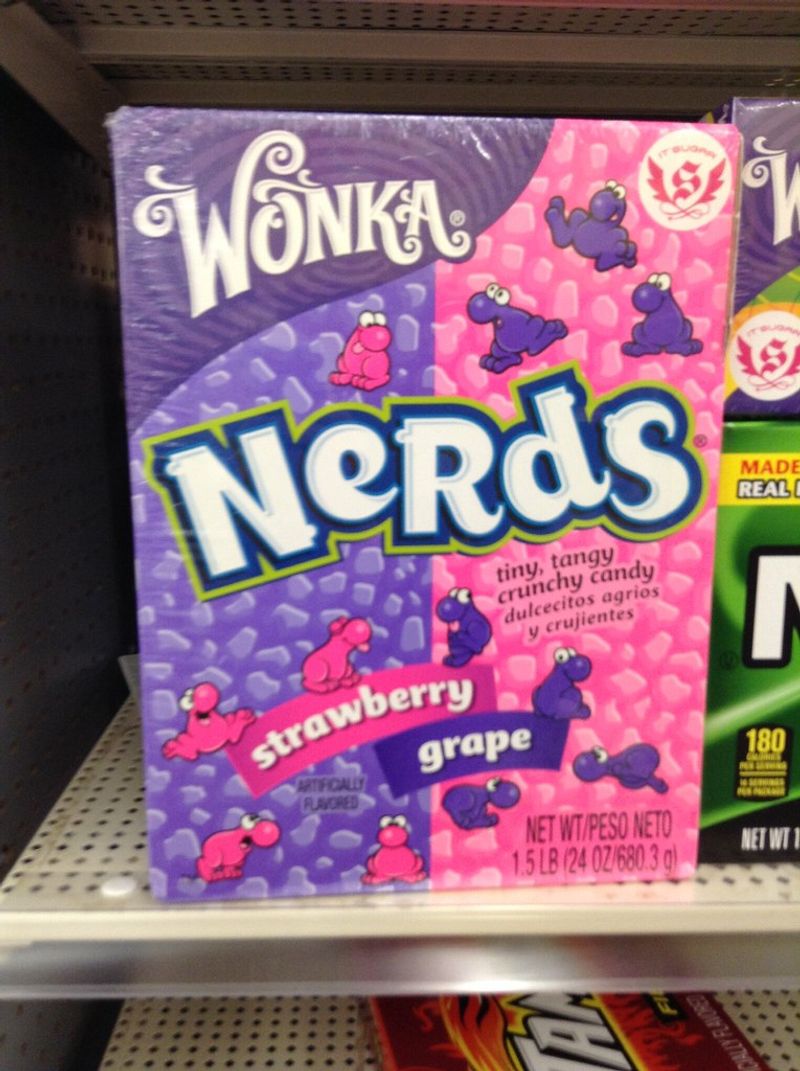
Tiny, crunchy, and wildly tart, Nerds came in a box with two separate flavors that felt like getting two candies in one. Shaking them straight from the box into your mouth was not just acceptable — it was basically the official eating method.
Wonka introduced Nerds in 1983, and they became an instant hit with kids who loved sour and sweet combinations. The double-chambered box design was genius, letting you mix flavors or keep them separate depending on your very strong personal candy preferences.
Sour Patch Kids
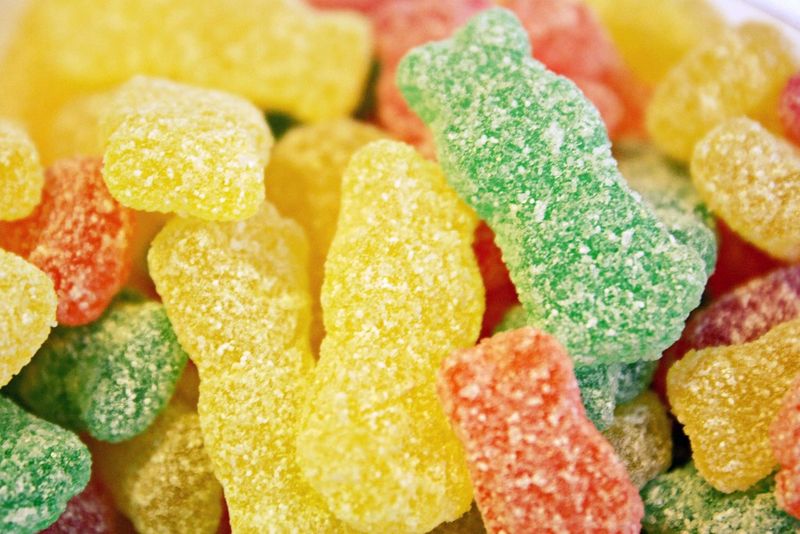
First they’re sour, then they’re sweet — that two-step flavor experience is what made Sour Patch Kids so wildly addictive. The sugary coating hit your tongue with a sharp tartness before giving way to a fruity sweetness that kept you reaching for another one immediately.
Originally called Mars Men when launched in the late 1970s, the candy was rebranded as Sour Patch Kids in 1985. They became a movie theater must-have for kids who wanted something more exciting than plain chocolate during the previews.
Swedish Fish
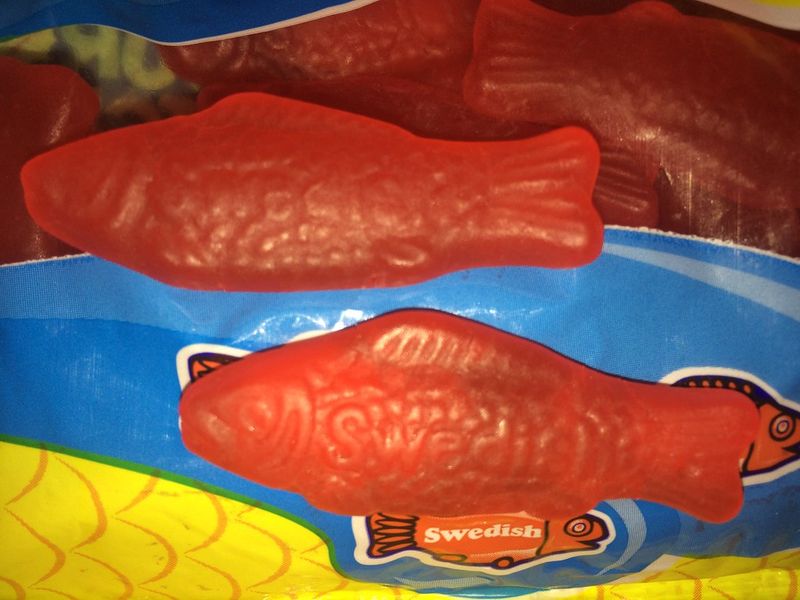
Soft, chewy, and unmistakably fruity, Swedish Fish had a flavor that was hard to describe but impossible to forget. That distinctive red fish shape made them feel charming and fun, like a candy with its own little personality built right into the design.
Swedish candy maker Malaco created Swedish Fish in the late 1950s for the American export market. The red fish became the classic, though other colors existed — but most kids would argue that red ones simply tasted better, whether or not that was scientifically true.
Smarties
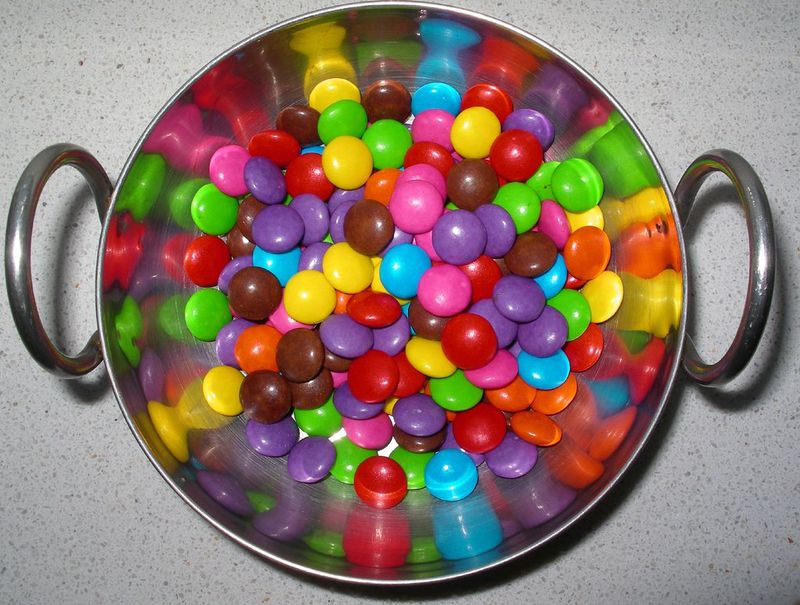
Chalky, sweet, and endlessly snackable, Smarties were the candy you could eat quietly in class without making a single sound. Each pastel-colored tablet dissolved quickly on the tongue, delivering a mild sweetness that felt innocent compared to more intense candy options.
Ce De Candy introduced Smarties to the US market in 1949. They became a Halloween favorite largely because they were inexpensive, making them easy to hand out by the bagful.
Kids collected them by the dozens and often used the rolls as pretend coins during imaginative play.
Lemonheads
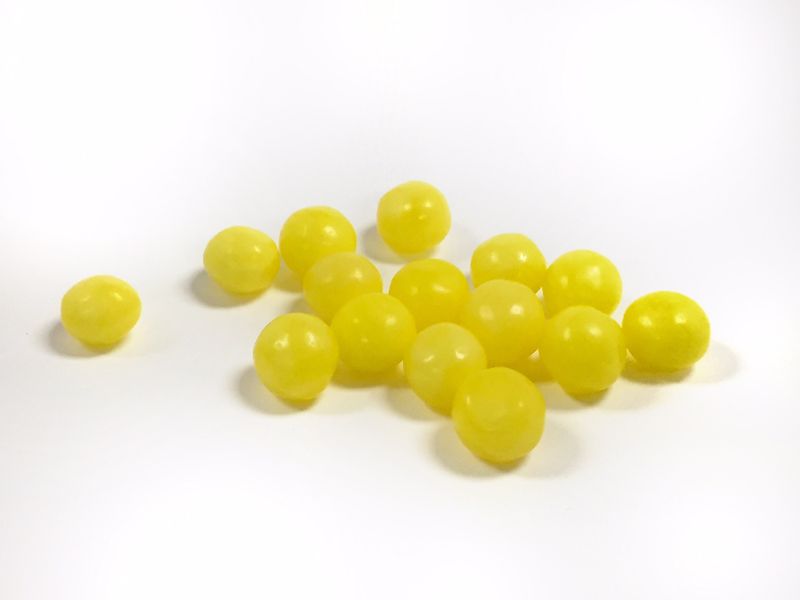
Round, bright yellow, and aggressively tart at first bite, Lemonheads were the candy that made you wince before smiling. That sharp lemon punch softened into a sweet finish that kept you popping them one after another until the box was somehow already empty.
The Ferrara Pan Candy Company introduced Lemonheads in 1962 using a unique rotating pan process that built up layers of candy coating. They became a classic penny candy staple and inspired an entire lineup of fruit-flavored cousins, but the original lemon version always held the top spot.
Charleston Chew
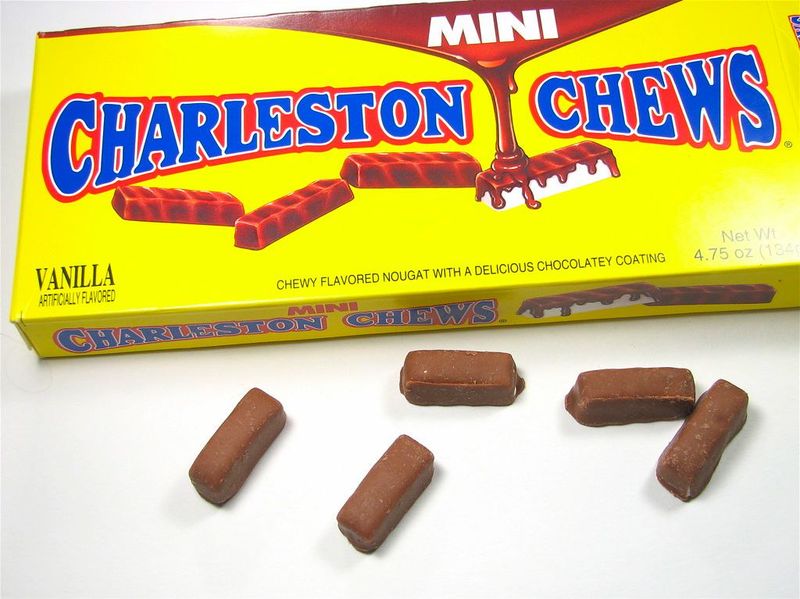
Stretchy, chewy nougat coated in chocolate — Charleston Chew was a candy bar that rewarded patience. Biting into one at room temperature gave you a satisfying pull, but the real move was freezing it first and then smashing it into small, crunchy pieces on a hard surface.
Fox-Cross Candy Company introduced Charleston Chew in 1925, named after the popular Charleston dance of the era. The freezer trick became a generational tradition passed down from older siblings and parents who swore it was the only proper way to eat one.
Pixy Stix
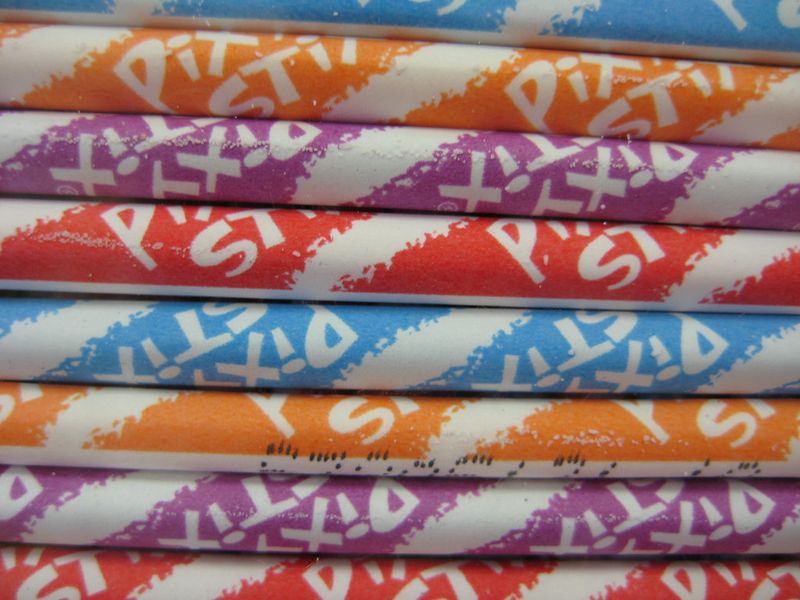
Pixy Stix were basically pure sugar in a straw, and somehow that was the most exciting thing imaginable. You tilted your head back, poured the colored powder directly onto your tongue, and experienced an immediate rush of tart sweetness that felt slightly rebellious for a kid.
Fruzola Company originally sold the powder as a drink mix in the 1940s before kids started eating it straight, inspiring the candy straw format. The giant oversized Pixy Stix that showed up at carnivals felt like winning the ultimate sugar lottery on a summer afternoon.
Candy Buttons
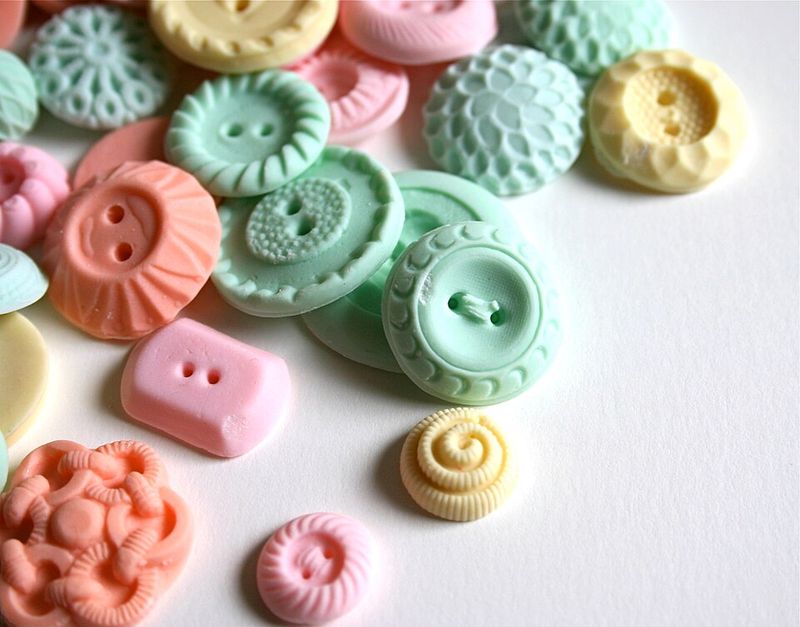
Peeling tiny candy dots off a strip of paper tape was an exercise in both excitement and mild frustration. You always got a little paper with each bite, but nobody really cared because the sweet, chalky flavor of those little pastel buttons made it totally worth it.
Candy Buttons have been around since the early 1900s and remain one of the most nostalgic retro candies still in production today. Kids loved sharing the strips with friends, tearing off sections and trading flavors like they were valuable commodities on a sugary stock market.
Sixlets
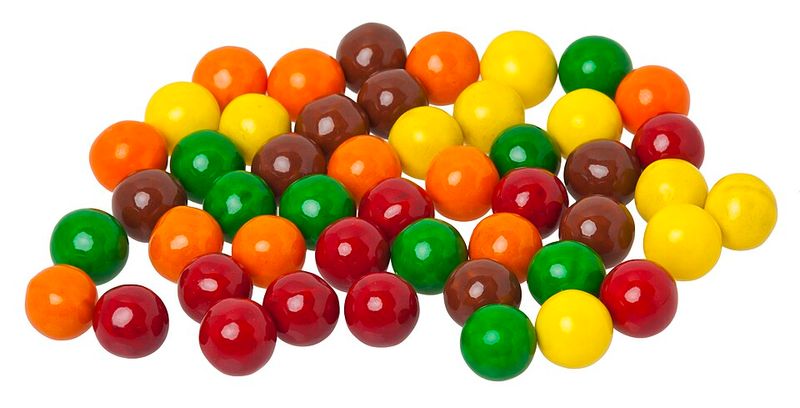
Sixlets looked a lot like M&M’s but had their own distinct chocolatey charm that loyal fans swore by. The thin candy shell cracked open to reveal a chocolate center that was slightly different in texture, giving them a personality all their own in the candy world.
Sixlets have been produced since the 1960s and became a popular choice for candy buffets and Halloween bags alike. Their tube packaging made them fun to pour out and count, and kids who got Sixlets on Halloween felt like they scored something genuinely special and a little underrated.
Wax Bottles
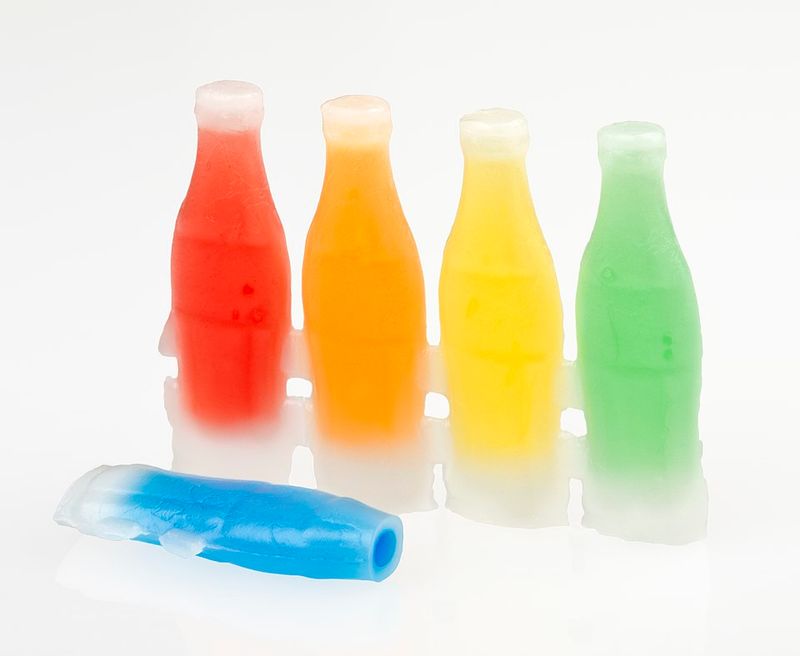
Biting the top off a tiny wax bottle and drinking the sweet liquid inside felt like a completely unique candy experience that nothing else could replicate. The syrup was never complicated — just sweet and slightly fruity — but the ritual of drinking it made everything more fun.
Wax Bottles, also called Nik-L-Nips, have been around since the early 1900s and are one of the most distinctly nostalgic candies of the last century. After drinking the liquid, you could chew the wax like gum, though everyone agreed the flavor disappeared almost immediately.
Candy Cigarettes
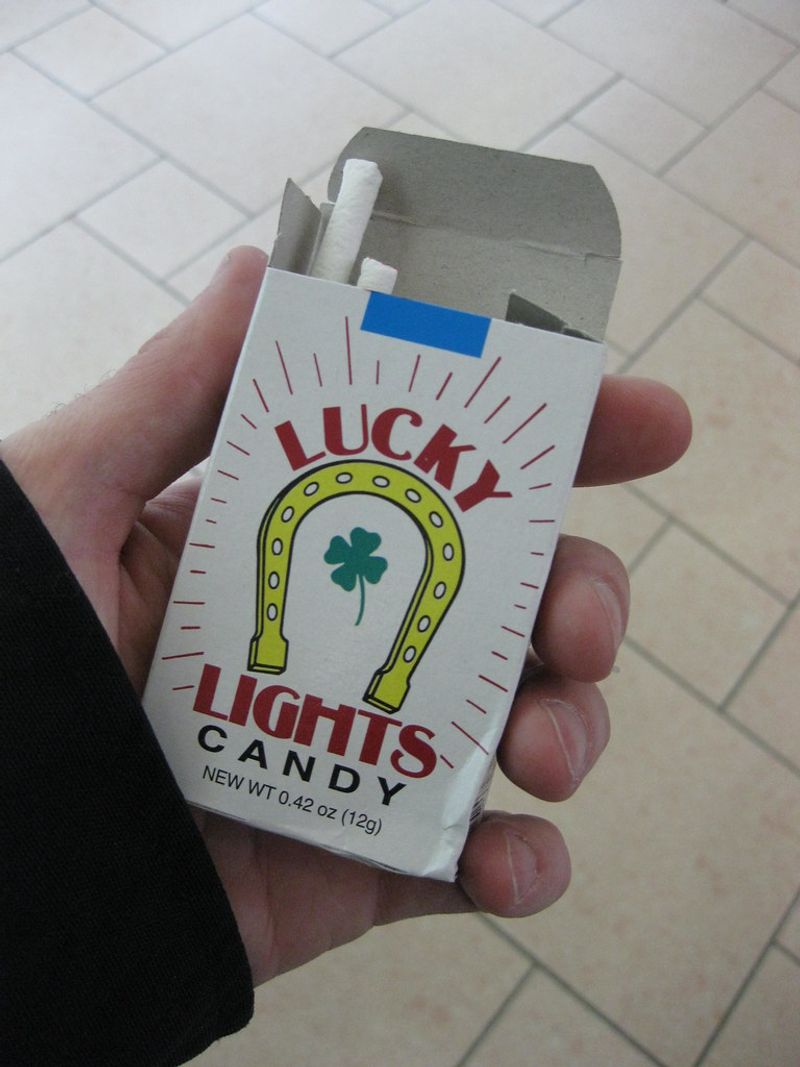
Candy cigarettes were equal parts silly and thrilling — pretending to be grown-up while eating pure sugar felt like the ultimate childhood power move. You could blow a tiny puff of powdered sugar from the tip and feel like the coolest kid on the playground without question.
These chalky white sticks have been sold since the early 1900s and became controversial enough that some countries eventually banned them. In their heyday, they were a dime-store staple that kids bought without a second thought, mostly for the dramatic performance value they offered.
Bit-O-Honey
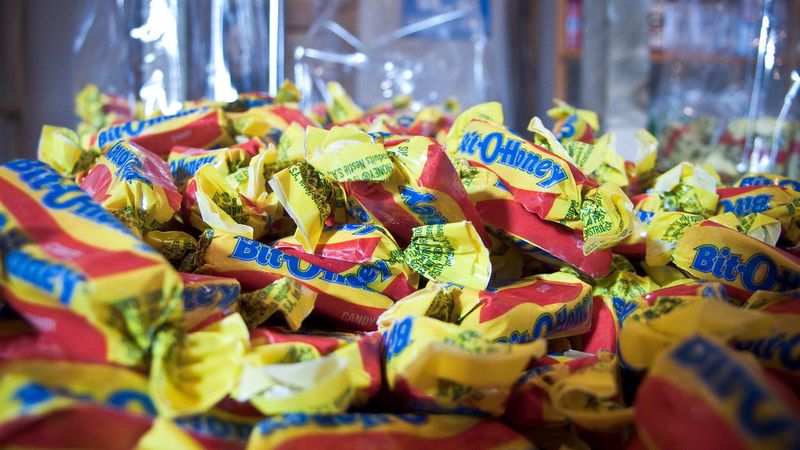
Sweet, sticky, and packed with almond bits, Bit-O-Honey was the kind of old-fashioned candy that felt like it came from a different era — because it genuinely did. The honey-flavored taffy clung to your teeth in a way that made each piece last far longer than expected.
Schutter-Johnson Company introduced Bit-O-Honey in 1924, making it one of the more enduring classic candies of the last century. It was never the flashiest option in the candy bag, but devoted fans always sought it out, appreciating its understated, naturally sweet flavor over flashier alternatives.
Mary Jane
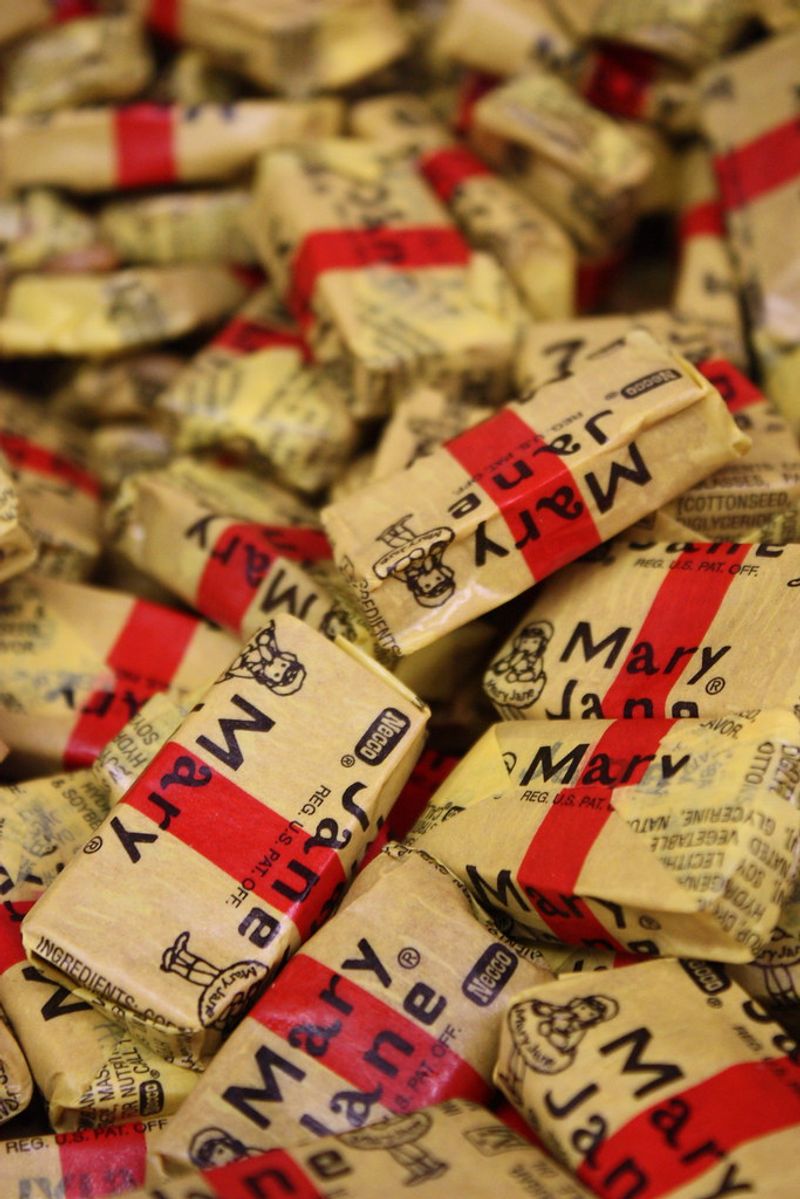
Peanut butter and molasses might sound like an unusual candy flavor, but Mary Jane made it work in the most old-school, charming way possible. The chewy taffy had a rich, slightly earthy sweetness that felt completely different from anything else in the trick-or-treat bag.
Charles N. Miller Company created Mary Jane candies around 1914, and they became forever associated with Halloween thanks to their distinctive black and orange wrappers.
Kids often set them aside at first but warmed up to their unique flavor once everything else was gone.
Sugar Daddy
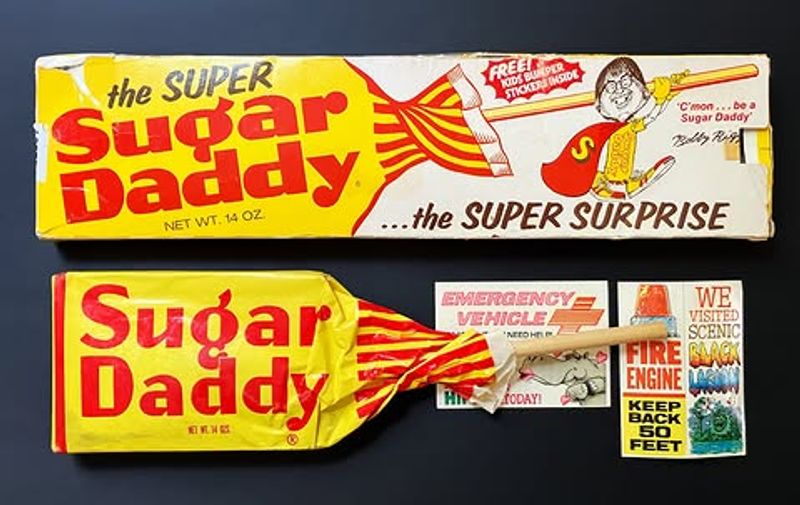
A caramel lollipop on a stick sounds simple, but Sugar Daddy turned that basic concept into a candy that could occupy a kid for a surprisingly long time. The thick, rich caramel took serious effort to get through, making it one of the most leisurely candy experiences available.
Originally called the Papa Sucker when introduced in 1925, the name changed to Sugar Daddy in 1932. It became a staple at movie theaters and corner stores alike, beloved by kids who wanted a candy that would last through an entire afternoon of cartoons or outdoor adventures.
Junior Mints
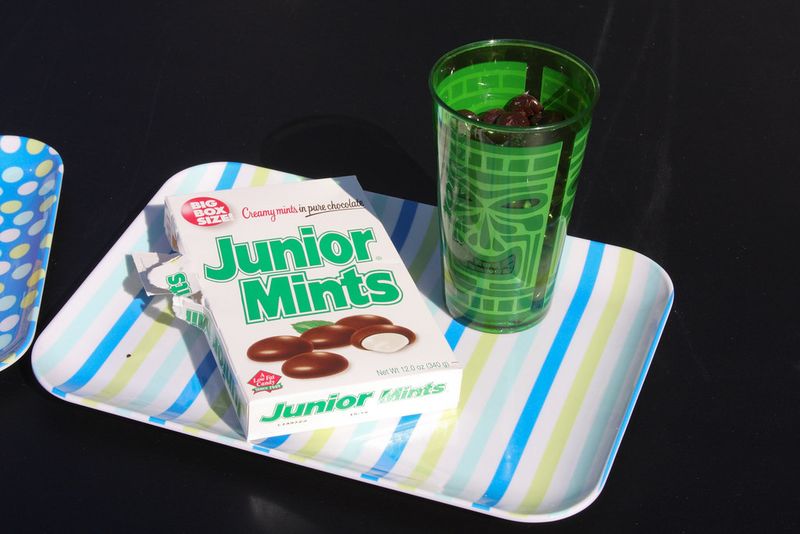
Cool, creamy mint surrounded by a thin chocolate shell — Junior Mints were the candy that felt slightly sophisticated even when you were just a kid sneaking them in a movie theater. That refreshing mint center made them feel lighter than most chocolate options, which made finishing the whole box feel totally justified.
James O. Welch Company introduced Junior Mints in 1949, naming them after a Broadway play called “Junior Miss.” They became permanently associated with movie-going culture and remain one of the most beloved theater candies of the entire last century.
Rolo
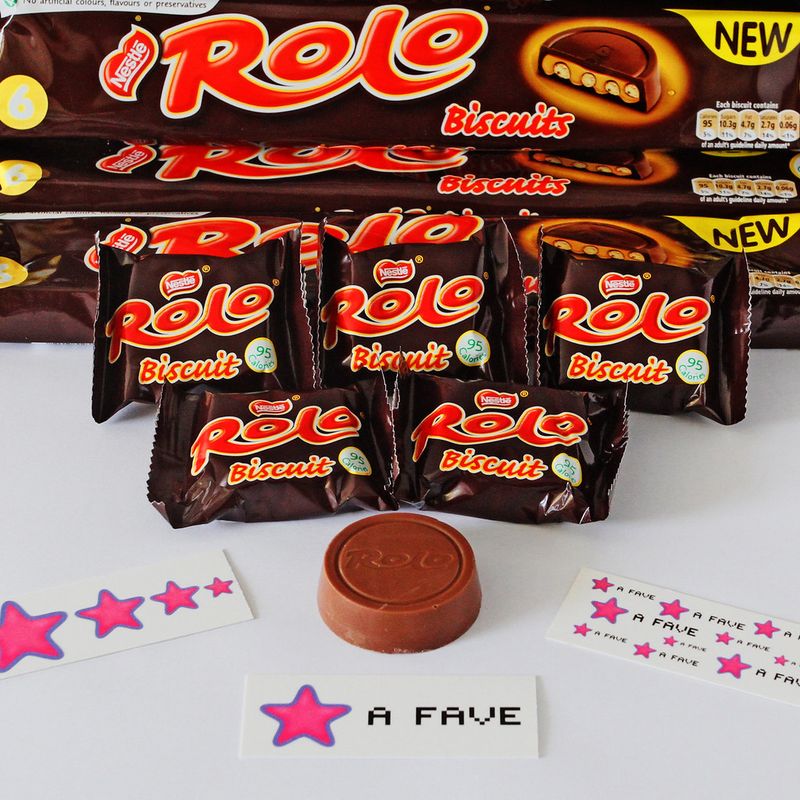
Each Rolo was its own little treasure — a smooth caramel center wrapped in rich milk chocolate, perfectly portioned and endlessly shareable. The phrase “Do you love someone enough to give them your last Rolo?” became a genuine cultural question that kids took very seriously on the playground.
Rowntree’s introduced Rolo in the UK in 1937, and it became popular in the US through Hershey’s distribution. The foil-wrapped roll made them feel special and easy to share, though actually parting with the last one always required a significant level of affection and trust.
Laffy Taffy
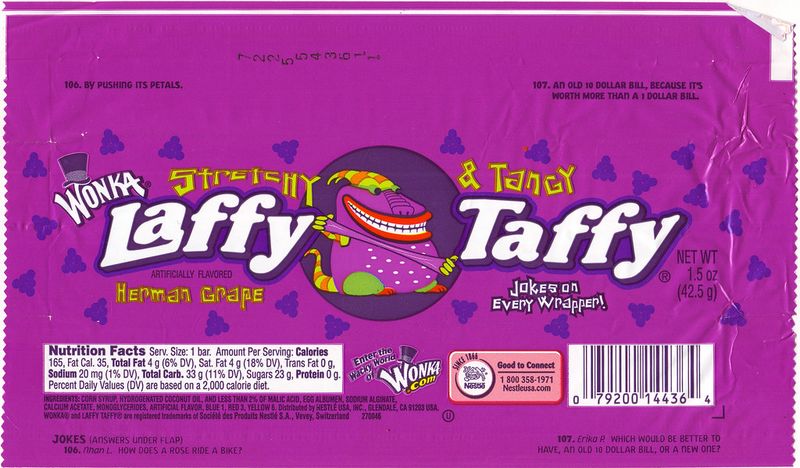
Stretchy, fruity, and always good for a groan-worthy joke printed right on the wrapper, Laffy Taffy brought two kinds of fun in one candy. You got a chewy, flavorful taffy experience and a terrible pun that somehow made you laugh anyway, even when it really should not have.
Willy Wonka Candy Company introduced Laffy Taffy in the 1970s, and the banana flavor became particularly iconic — either loved or strongly disliked, with very little middle ground. Kids submitted jokes for the wrappers, making Laffy Taffy feel like a candy with genuine community participation built right in.
Enjoyed this story?
Add Fast Food Club as a preferred source to see more of our reporting on Google.