


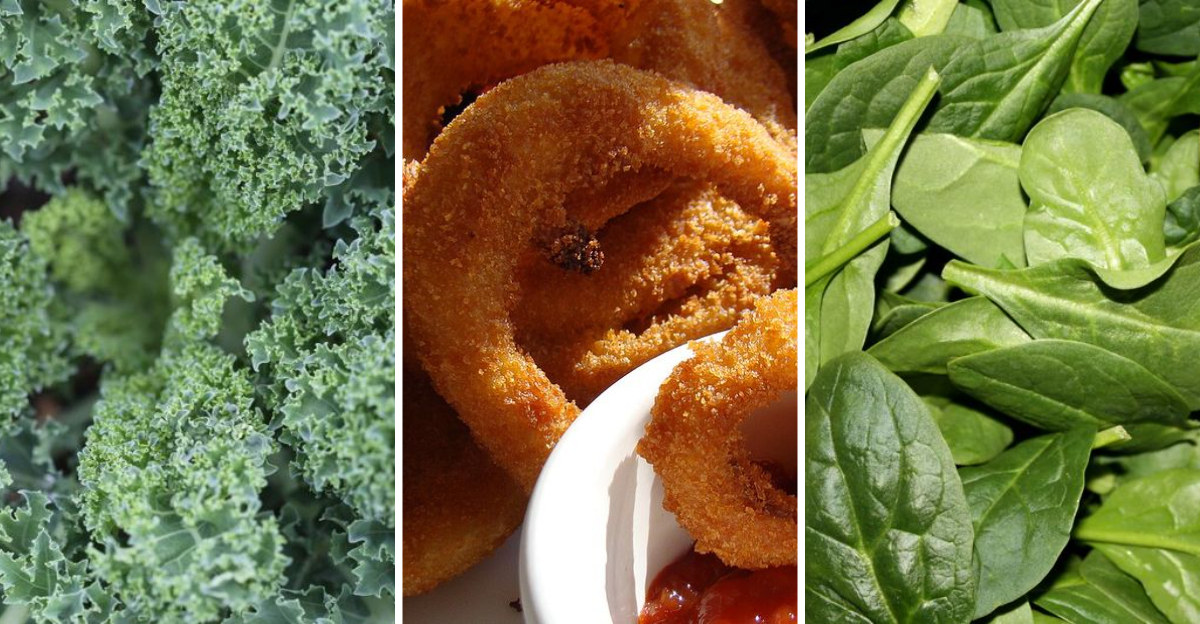
Not all vegetables are created equal. Some pack an incredible punch of vitamins, minerals, and disease-fighting power, while others — especially when loaded with butter, salt, or deep-fried in oil — can do more harm than good.
Knowing which veggies truly deserve a spot on your plate can make a real difference in how you feel every day. Here is how experts rank the healthiest to the least healthy vegetables, so you can make smarter choices at every meal.
Kale
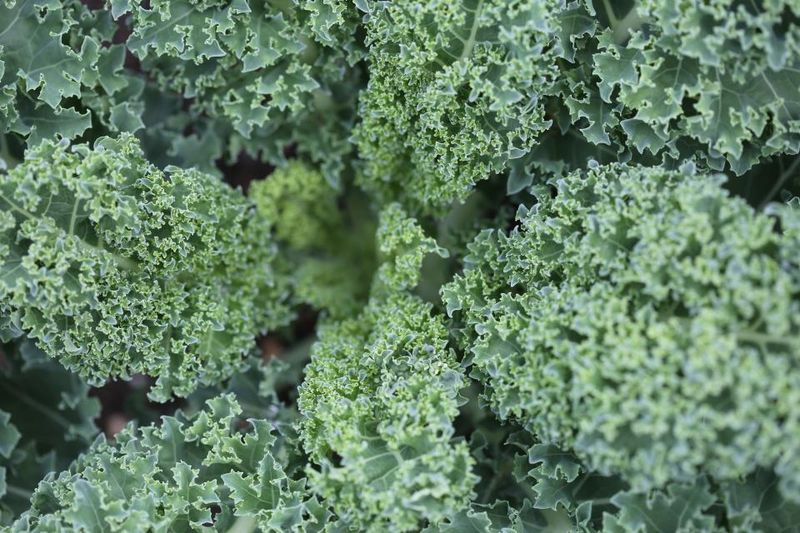
Kale sits at the very top of the vegetable world, and for good reason. Packed with vitamins K, A, and C, it delivers more nutrition per calorie than almost any other food on the planet.
Just one cup gives you over 100% of your daily vitamin K needs.
It also contains powerful antioxidants called quercetin and kaempferol, which help fight inflammation. Toss it in a smoothie, sauté it with garlic, or bake it into crispy chips — kale works just about any way you prepare it.
Spinach
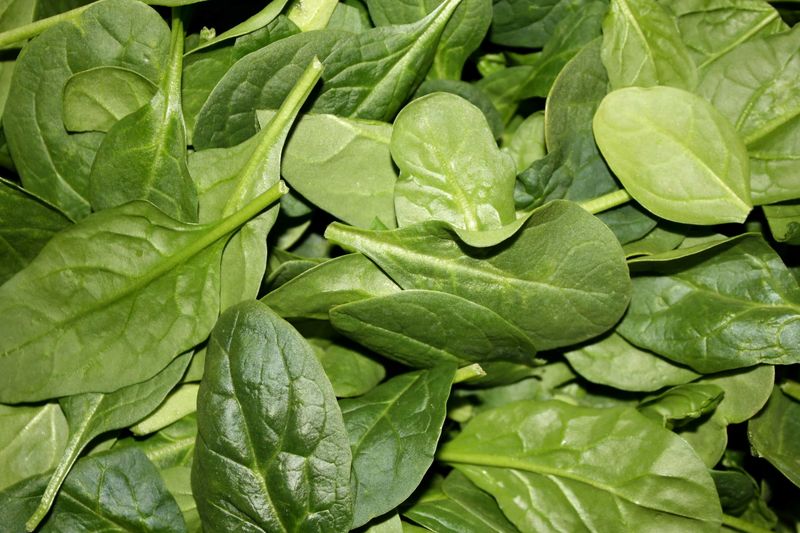
Popeye was onto something real. Spinach is loaded with iron, magnesium, folate, and vitamins A, C, and K — all in a tiny, mild-tasting leaf that fits into almost any dish.
Its nutritional density makes it one of the most efficient vegetables you can eat.
Raw spinach in salads retains the most nutrients, but lightly cooked spinach actually releases more absorbable iron and calcium. Either way, you win big by adding this leafy green to your daily routine.
Broccoli
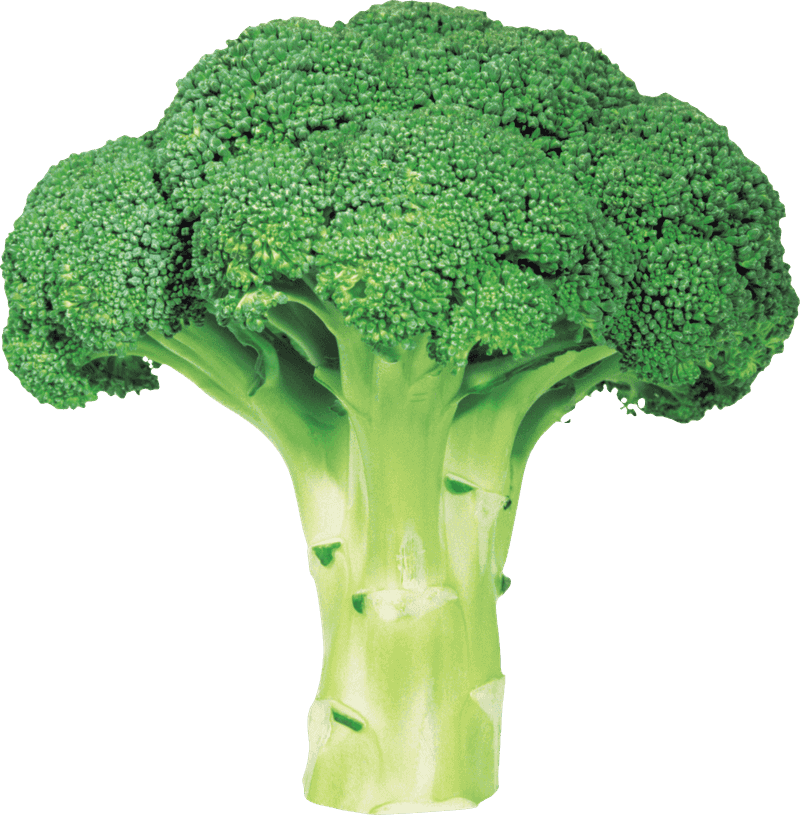
Few vegetables have earned as much scientific praise as broccoli. It belongs to the cruciferous family and contains sulforaphane, a compound researchers are actively studying for its potential role in reducing cancer risk.
That alone makes it worth eating regularly.
Beyond sulforaphane, broccoli delivers vitamin C, fiber, potassium, and folate in generous amounts. Steaming it lightly — rather than boiling — preserves the most nutrients.
Kids who resist it might warm up to it roasted with a little olive oil and salt.
Brussels Sprouts

Brussels sprouts have completely reinvented their reputation over the past decade. Once the most dreaded vegetable at the dinner table, they have become a restaurant favorite — especially when roasted until caramelized and slightly crispy on the outside.
These little cabbages are rich in vitamin K, vitamin C, fiber, and folate. They also contain glucosinolates, natural compounds that support the body’s detox processes.
Roasting them at high heat brings out a nutty sweetness that even picky eaters tend to enjoy.
Watercress
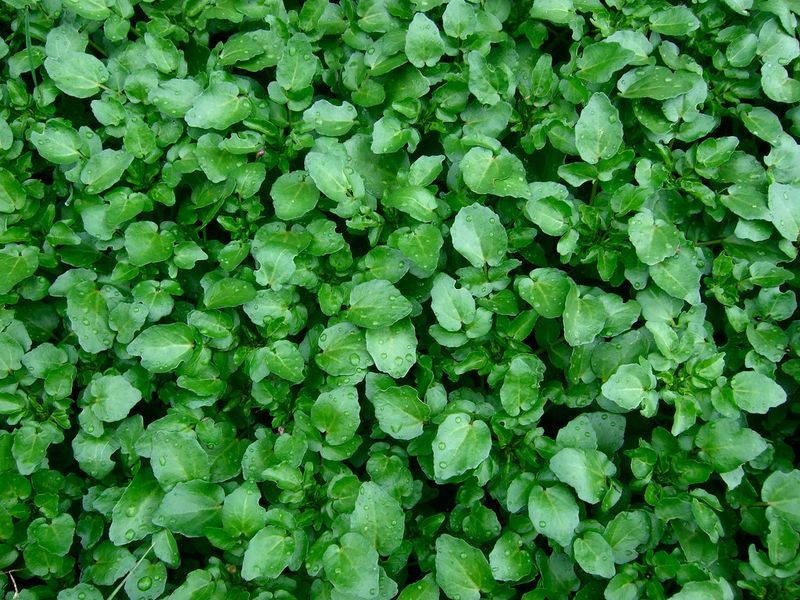
Watercress may be the most underrated vegetable on this entire list. The Centers for Disease Control and Prevention actually ranked it as the number one powerhouse vegetable based on its nutrient density score — above kale, spinach, and broccoli combined.
This peppery aquatic plant is loaded with vitamins K, A, and C, plus calcium and manganese. It grows in clean, flowing water and has a bold, slightly spicy flavor.
Try it in salads, sandwiches, or blended into a refreshing green soup.
Swiss Chard
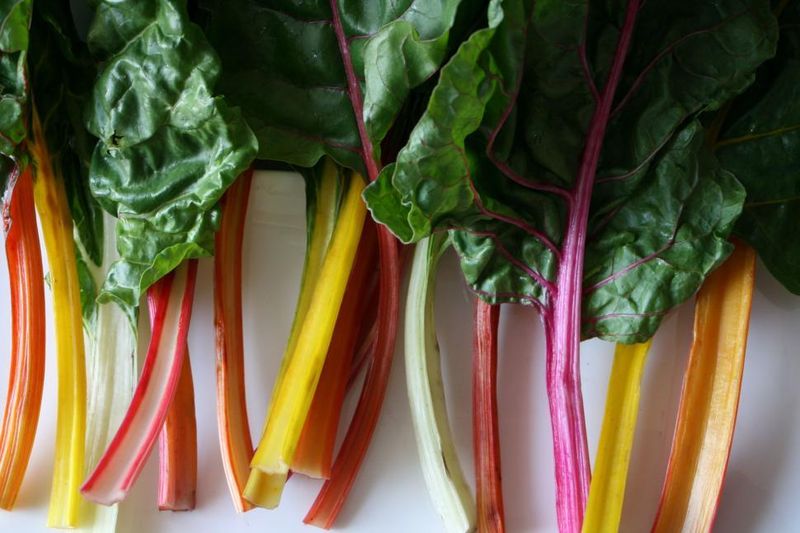
Swiss chard looks like a work of art with its rainbow-colored stems and deep green leaves. It is a nutritional powerhouse that often gets overlooked simply because most people do not know what to do with it in the kitchen.
Rich in vitamins K, A, and C, plus magnesium and potassium, Swiss chard supports bone health, blood pressure, and immune function all at once. Sauté it with olive oil and a squeeze of lemon for a quick, delicious side dish that takes under five minutes to make.
Red Bell Peppers
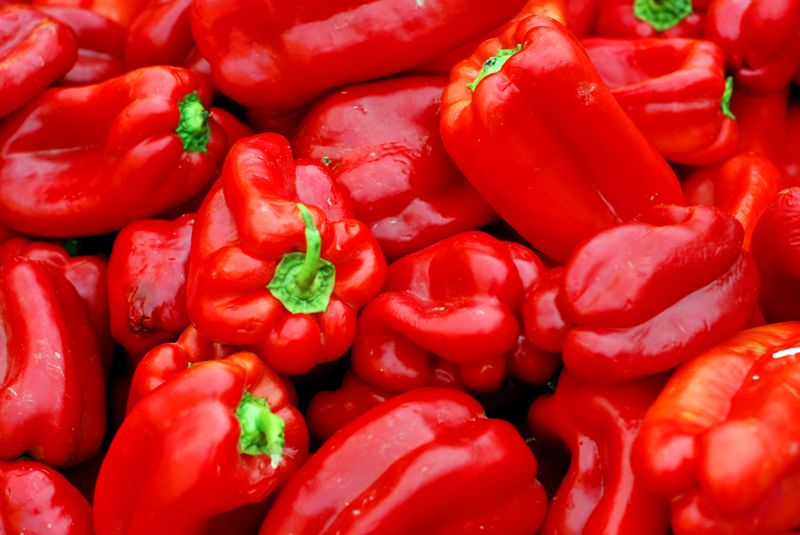
Here is a fun fact most people miss: red bell peppers contain nearly three times more vitamin C than oranges. That makes them one of the most vitamin C-dense foods available, all wrapped in a sweet, crunchy package that kids and adults both enjoy.
They are also rich in beta-carotene, which the body converts into vitamin A for healthy eyes and skin. Eat them raw for maximum vitamin C, or roast them to bring out their natural sweetness.
Either way, they earn their high ranking with ease.
Carrots
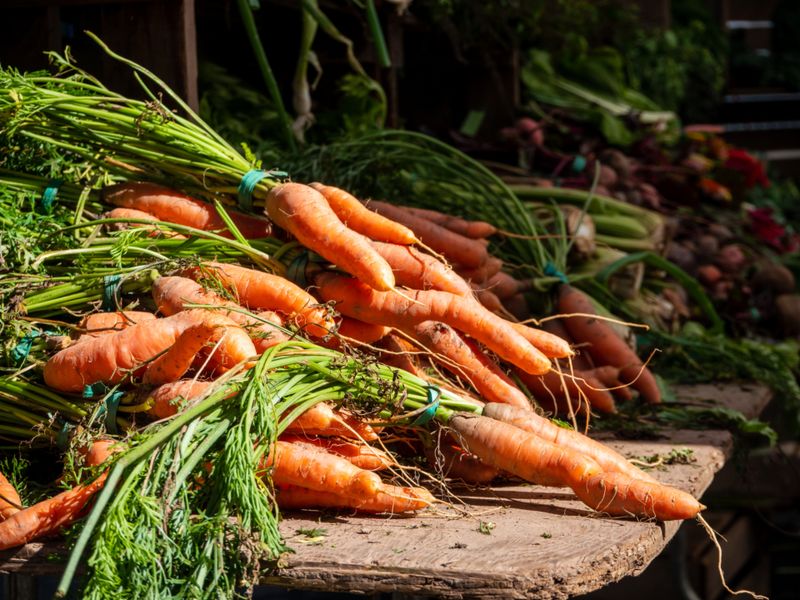
Carrots have been a lunchbox staple for generations, and nutritionists say that habit is absolutely worth keeping. Their bright orange color comes from beta-carotene, which converts to vitamin A in the body and plays a critical role in maintaining good vision and a healthy immune system.
Cooking carrots actually increases the availability of beta-carotene compared to eating them raw. They also provide fiber, potassium, and antioxidants.
Whether roasted, steamed, or dipped in hummus, carrots are a reliable, budget-friendly health choice for any age.
Sweet Potatoes
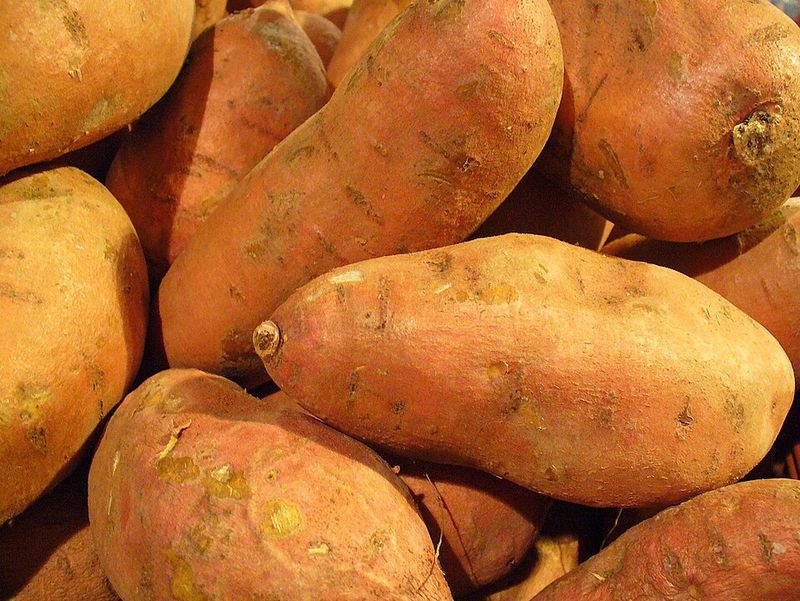
Sweet potatoes are essentially nature’s multivitamin. One medium sweet potato provides more than 100% of your daily vitamin A needs, plus a solid dose of vitamin C, potassium, manganese, and fiber — all for around 100 calories.
Their natural sweetness makes them one of the easiest healthy foods to get children excited about. Baked, mashed, or sliced into wedges and roasted, they satisfy cravings for something hearty and sweet without relying on added sugar.
They also have a lower glycemic impact than white potatoes.
Asparagus
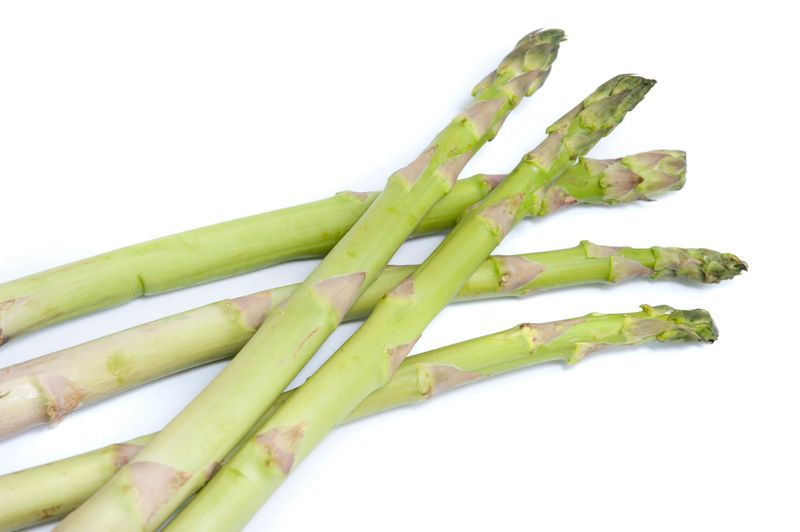
Asparagus has a unique trick up its sleeve — it acts as a natural prebiotic, feeding the beneficial bacteria that live in your gut. A healthy gut microbiome is now linked to everything from better digestion to improved mood and stronger immunity.
Beyond gut health, asparagus delivers folate, vitamins K and C, and the antioxidant glutathione. It is also one of the few vegetables that contains inulin, a special fiber your good gut bacteria absolutely love.
Roast it with olive oil and lemon for an effortlessly elegant side dish.
Cauliflower
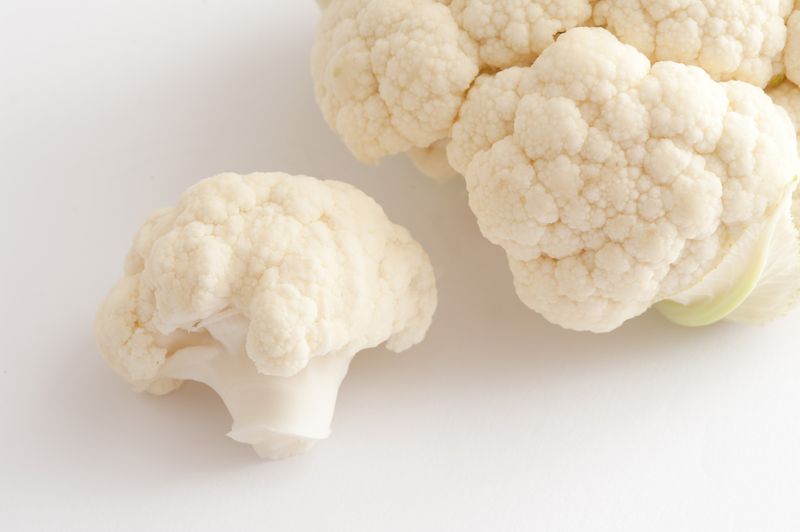
Cauliflower’s rise to fame over the past several years is completely justified by its nutritional profile. This pale cruciferous vegetable contains sulforaphane just like broccoli, along with vitamin C, folate, and a surprising amount of fiber per serving.
What makes cauliflower especially clever is its versatility. It can be riced, mashed, roasted, or turned into pizza crust — making it a favorite for people trying to eat more vegetables without giving up familiar textures and flavors.
It is proof that healthy eating does not have to feel like a sacrifice.
Cabbage
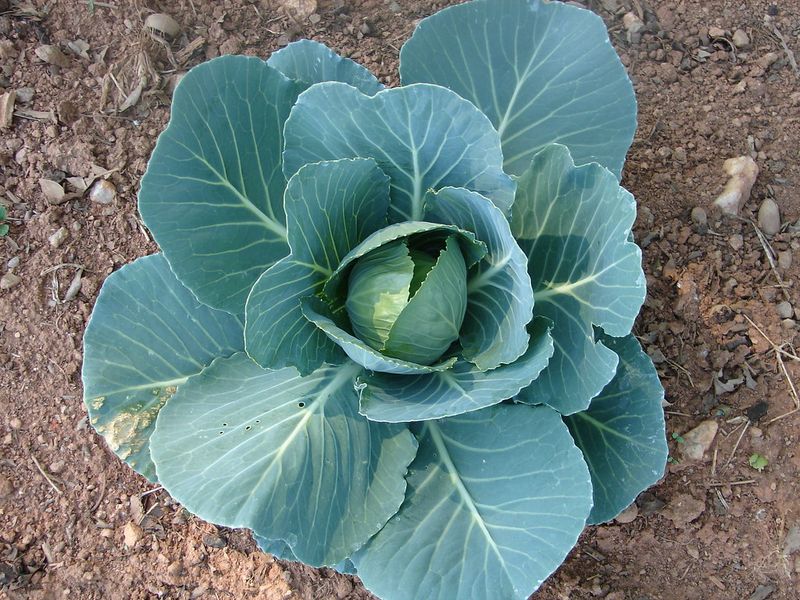
Cabbage is one of the most affordable superfoods in the produce aisle. For just a dollar or two, you get a dense head packed with vitamin C, vitamin K, fiber, and powerful antioxidants called anthocyanins — especially in the purple variety.
Fermented cabbage, known as sauerkraut or kimchi, takes its health benefits even further by adding beneficial probiotics that support gut health. Raw cabbage in coleslaw or stir-fried with garlic and soy sauce are both quick, tasty ways to work more of this underappreciated vegetable into your meals.
Bok Choy
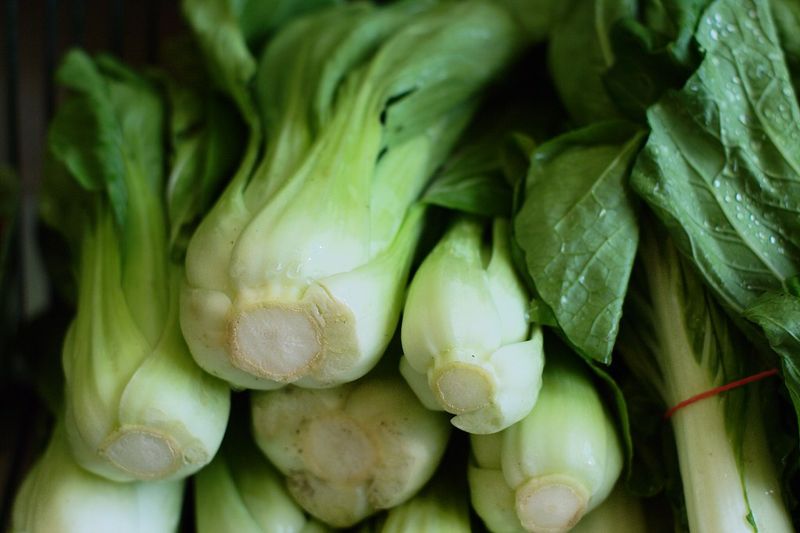
A staple of Asian cuisine for thousands of years, bok choy is finally getting the global attention it deserves. This mild-flavored member of the cabbage family is exceptionally rich in calcium — making it one of the best non-dairy sources of bone-supporting minerals available.
It also delivers vitamins A, C, and K, plus folate and potassium in every serving. Bok choy cooks quickly, wilting in just a few minutes when stir-fried or added to soup.
Its subtle flavor pairs beautifully with garlic, ginger, and sesame oil.
Green Beans
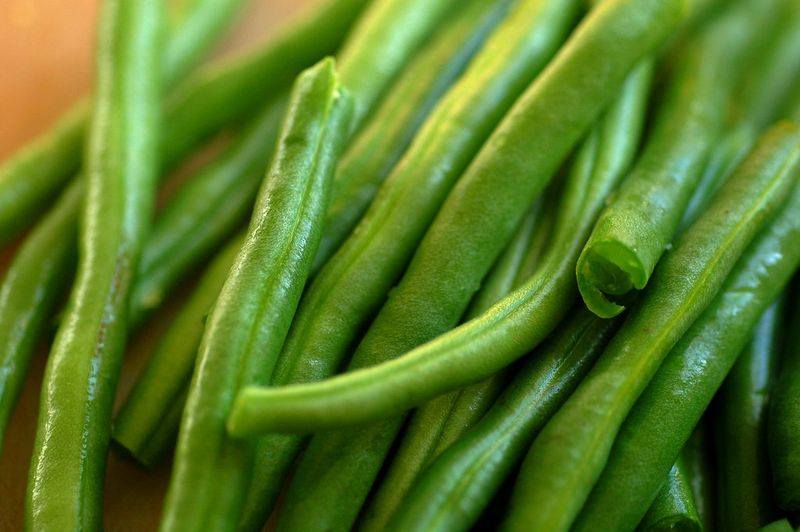
Green beans may seem ordinary, but they quietly deliver a solid nutritional package with every crunchy bite. They contain vitamins C and K, folate, and manganese, along with a decent amount of fiber that supports healthy digestion and keeps you feeling full longer.
They are also low in calories, making them a smart choice for anyone watching their intake without sacrificing volume on the plate. Steamed or lightly sautéed, green beans retain more nutrients than boiling.
Toss them with almonds and lemon zest for a simple, satisfying upgrade.
Beets
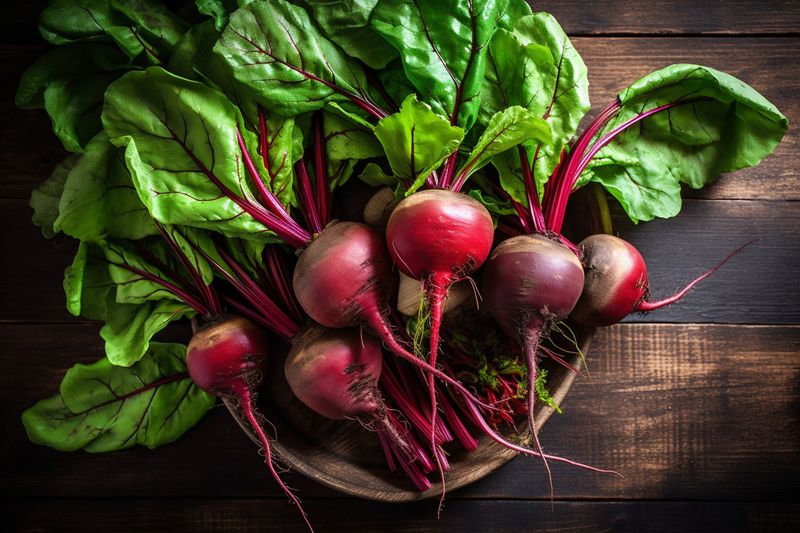
Beets have a secret weapon that most vegetables simply cannot match — natural nitrates. When you eat beets, your body converts those nitrates into nitric oxide, which relaxes blood vessels and can meaningfully lower blood pressure.
Athletes have started drinking beet juice specifically for this performance-enhancing effect.
Beyond heart health, beets provide folate, potassium, and betalains — the pigments responsible for their stunning deep red color, which also function as potent antioxidants. Roasted beets develop a rich, earthy sweetness that pairs wonderfully with goat cheese and walnuts.
Mushrooms
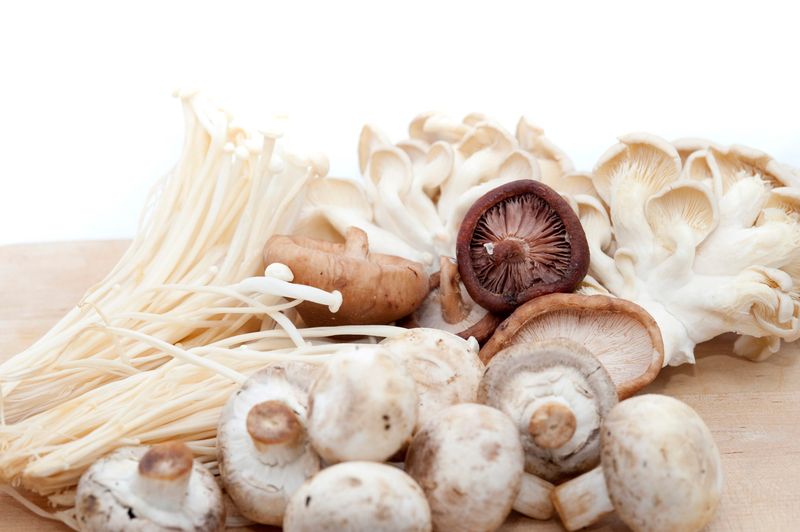
Technically fungi, mushrooms earn their spot on the healthy vegetable list with a unique nutritional profile that no true vegetable can replicate. They are one of the only non-animal food sources of vitamin D — especially when they have been exposed to sunlight or UV light during growing.
Mushrooms also contain beta-glucans, a type of fiber linked to improved immune function and lower cholesterol levels. Varieties like shiitake, maitake, and reishi have been used in traditional medicine for centuries.
Sauté them in olive oil for maximum flavor and nutrition.
Zucchini

Zucchini is the quiet overachiever of the vegetable world. It is incredibly low in calories — just about 20 per cup — while still providing vitamin C, potassium, manganese, and a range of B vitamins that support energy metabolism throughout the day.
Its mild flavor makes it one of the most versatile vegetables in the kitchen. Spiralize it into noodles, slice it thin for grilling, bake it into bread, or toss it into soups and stews.
Zucchini absorbs the flavors around it beautifully, making healthy eating surprisingly easy and delicious.
Onions
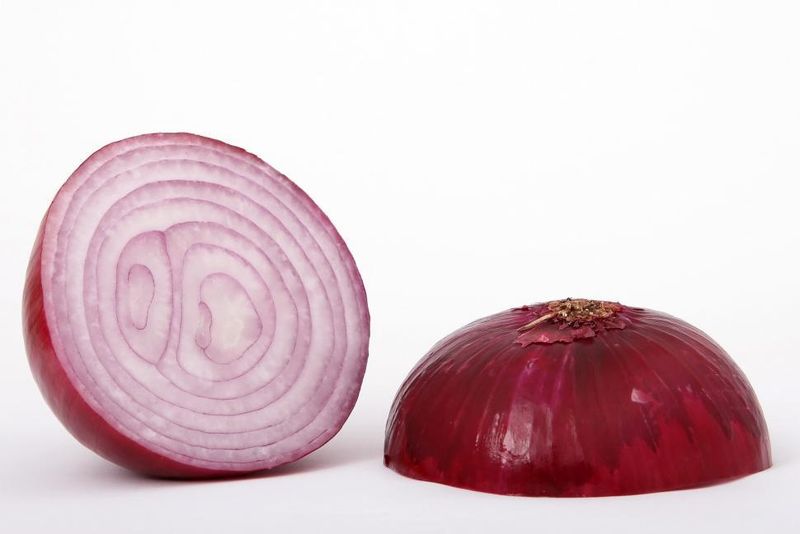
Onions are the unsung heroes of both cooking and nutrition. They form the flavor base of countless cuisines worldwide and happen to be loaded with quercetin, a potent antioxidant and anti-inflammatory compound that supports heart and immune health simultaneously.
They also contain organosulfur compounds similar to those in garlic, which researchers believe help lower blood pressure and reduce the risk of certain cancers. Red onions have the highest antioxidant content of all varieties.
Eating them raw preserves the most beneficial compounds, but cooked onions still offer meaningful health benefits.
Garlic
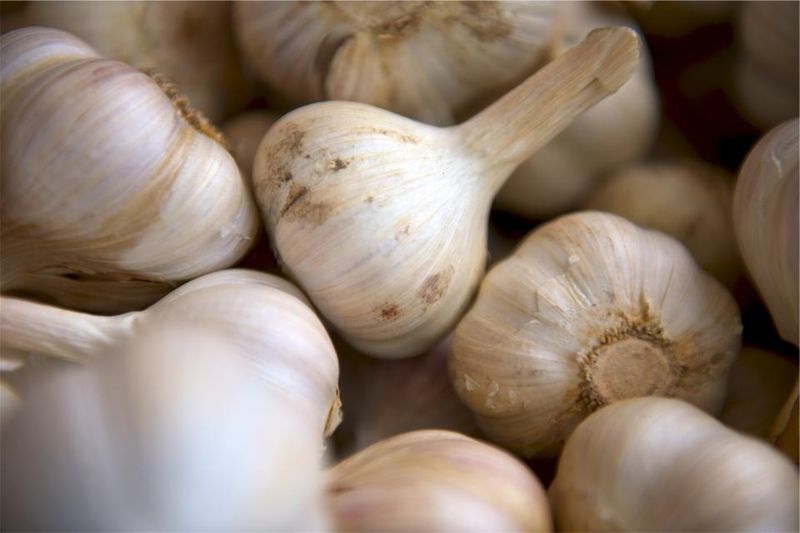
Garlic has been used as both food and medicine for over 5,000 years across nearly every culture on Earth. Its active compound, allicin, is released when garlic is crushed or chopped and has been shown in studies to help lower blood pressure, reduce LDL cholesterol, and fight bacterial infections.
Let crushed garlic sit for about ten minutes before cooking — this allows allicin to fully develop before heat breaks it down. Even with regular cooking, garlic retains significant antimicrobial and cardiovascular benefits that make it far more than just a flavoring ingredient.
Tomatoes
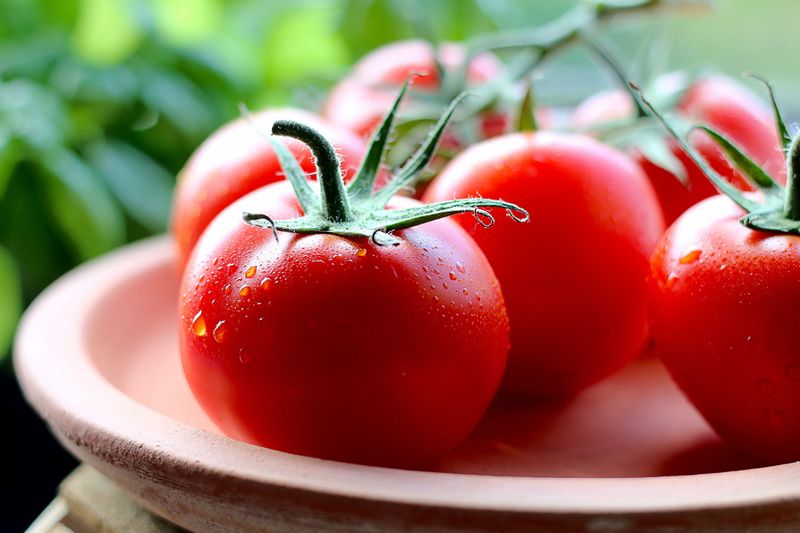
Tomatoes occupy a fascinating middle ground — botanically a fruit, but nutritionally treated as a vegetable in almost every health context. Their most celebrated compound is lycopene, a powerful antioxidant that gives tomatoes their red color and has been linked to reduced risk of heart disease and prostate cancer.
Cooking tomatoes actually increases lycopene availability, making tomato sauce and roasted tomatoes even more beneficial than raw ones. They also provide vitamins C and K, potassium, and folate.
Cherry tomatoes make an easy, portable snack that delivers nutrition without any preparation required.
Iceberg Lettuce
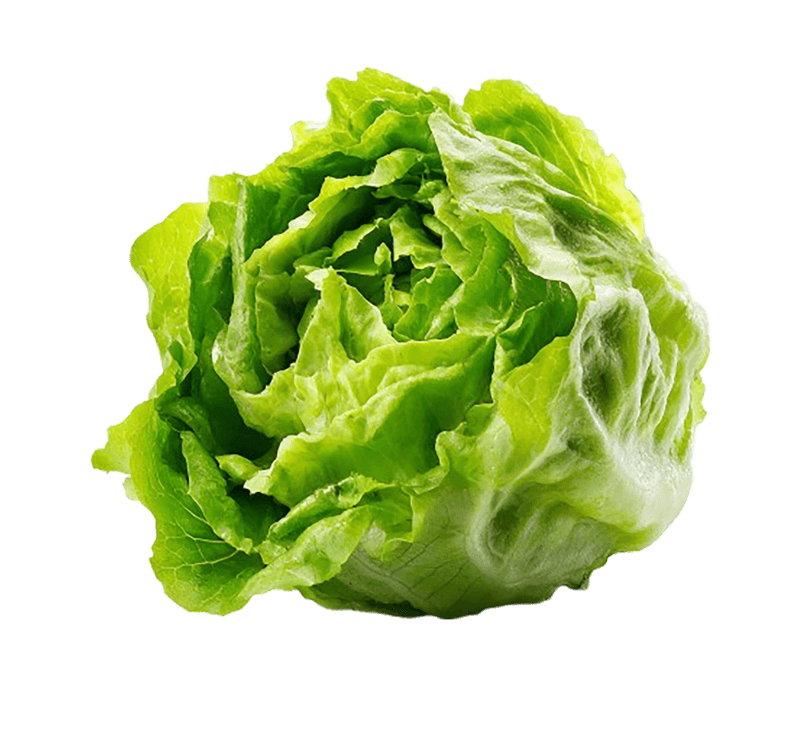
Iceberg lettuce has taken a lot of criticism from nutritionists over the years, and some of it is fair. Compared to darker leafy greens like spinach or kale, it offers very little in terms of vitamins, minerals, or antioxidants — mostly water with a small amount of vitamin K.
That said, it is not worthless. Its high water content contributes to hydration, and its mild flavor makes it a gateway green for people who do not enjoy stronger-tasting vegetables.
Using it as a base and adding more nutritious toppings is a practical way to upgrade its value.
Celery
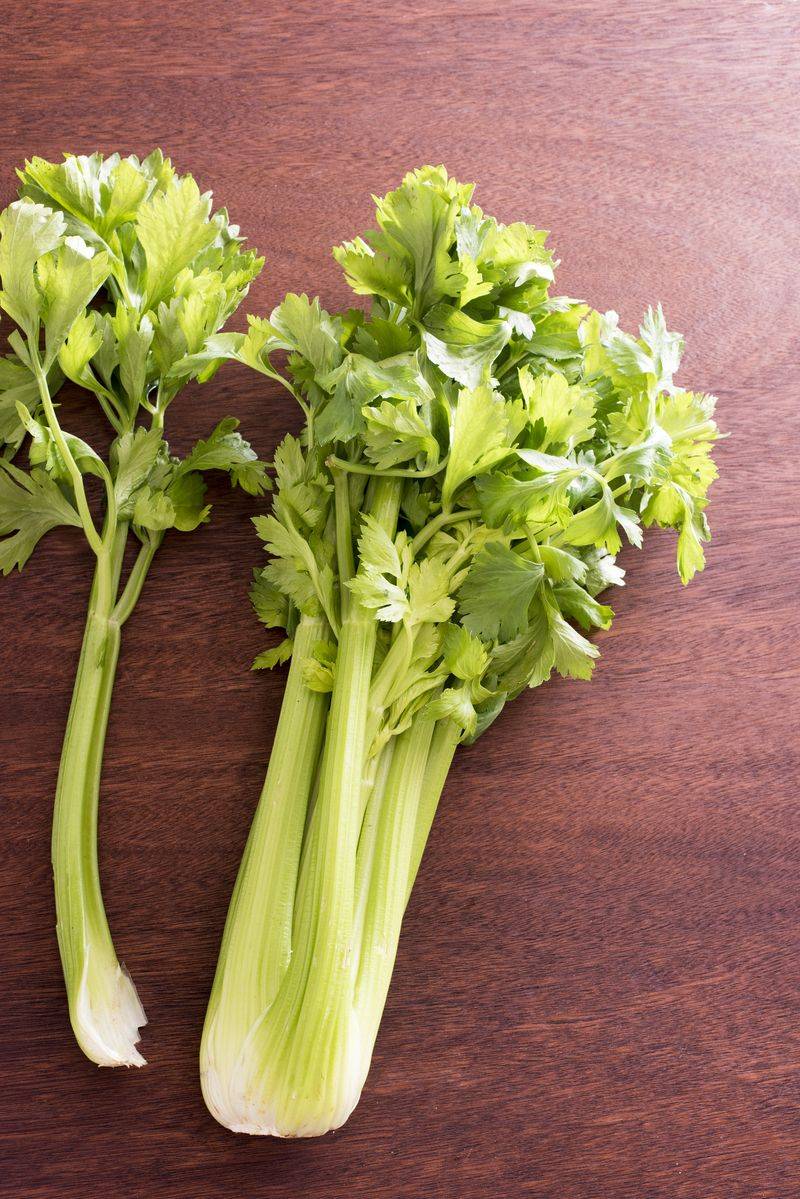
Celery has long been famous for the myth that it has negative calories — meaning your body burns more energy digesting it than it contains. That is not quite true, but celery is genuinely very low in calories at around 10 per stalk, making it a guiltless crunchy snack.
Its nutritional profile is modest, offering small amounts of vitamin K, potassium, and folate. Where celery does shine is in its phthalide content, compounds shown to help relax arterial walls and potentially reduce blood pressure.
Pair it with nut butter for a more nutritionally complete snack.
Cucumbers
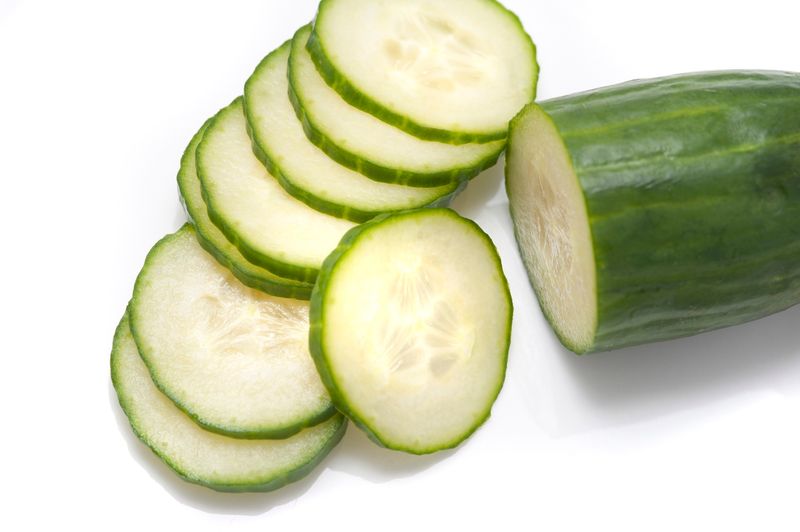
Cucumbers are about 96% water, which makes them one of the most hydrating foods you can eat — especially useful during hot weather or after exercise. That high water content also means their overall nutrient density is relatively low compared to more colorful vegetables.
They do provide small amounts of vitamin K and potassium, along with antioxidants like flavonoids and tannins. The skin contains the most nutrients, so skip peeling when possible.
Sliced into water, layered on sandwiches, or eaten plain as a snack, cucumbers are refreshing and completely guilt-free.
Radishes
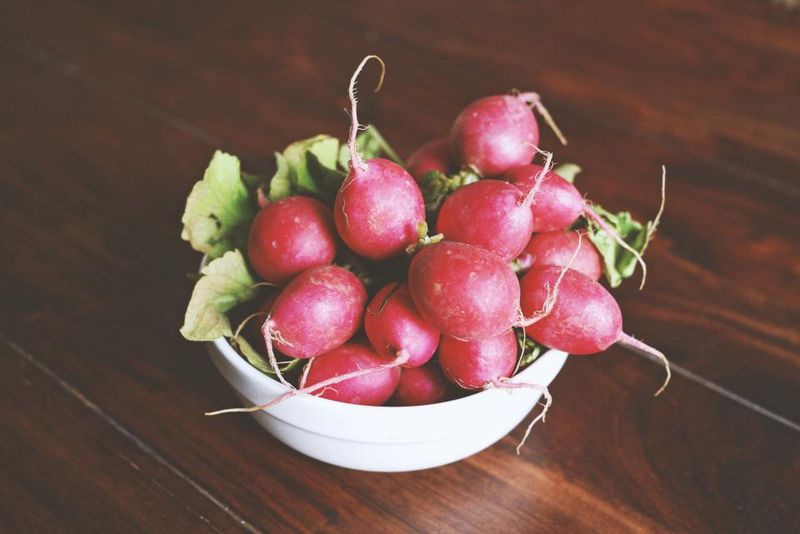
Radishes bring a sharp, peppery bite to salads and grain bowls, and they do offer some genuine nutritional value — including vitamin C, folate, and a range of antioxidants. They are also remarkably low in calories, clocking in at just 19 per cup.
However, their overall nutrient density places them in the middle-to-lower tier of the vegetable health rankings. They belong to the cruciferous family, which gives them some cancer-fighting potential through glucosinolates.
Thinly sliced radishes add crunch and color to tacos, salads, and avocado toast without adding meaningful calories.
Eggplant

Eggplant is a beautiful, deep purple vegetable with a spongy texture that soaks up flavors like a culinary sponge. Its most notable nutrient is nasunin, an antioxidant found in the purple skin that has been studied for its potential to protect brain cell membranes from damage.
However, eggplant is not particularly high in vitamins or minerals compared to its vegetable peers, which places it in the lower-middle range of health rankings. Its real value lies in being a filling, low-calorie base for dishes — especially when baked or grilled rather than fried in oil.
White Potatoes (deep-fried)

White potatoes themselves are actually a decent source of potassium, vitamin C, and fiber — especially with the skin on. The problem starts the moment they hit a deep fryer.
Submerging them in hot oil transforms a modest vegetable into a high-fat, high-calorie food that can easily derail a healthy diet.
Deep frying also produces acrylamide, a chemical that forms in starchy foods at high temperatures and has raised cancer concerns in research studies. A medium serving of fries can contain 400 or more calories and over 20 grams of fat.
Baking or boiling keeps the nutrition intact.
Corn (with butter and salt)

Plain corn is a reasonably nutritious vegetable, providing fiber, B vitamins, and the antioxidants lutein and zeaxanthin, which support eye health. Adding generous amounts of butter and salt, however, shifts it from a wholesome side dish into something far less beneficial for your body.
A single tablespoon of butter adds 100 calories and 11 grams of saturated fat, while excess sodium raises blood pressure over time. At summer cookouts, it is easy to apply far more than one tablespoon.
Enjoying corn with a light spritz of olive oil and herbs keeps the flavor while protecting the nutrition.
Creamed Spinach

Spinach on its own is one of the healthiest vegetables on the planet. Creamed spinach, however, buries those benefits under a thick layer of heavy cream, butter, and often cheese — turning a nutrient-dense green into a calorie-heavy indulgence that can contain 300 or more calories per cup.
The high saturated fat content in traditional creamed spinach recipes works against the heart-healthy properties that make plain spinach so valuable. You do still get some iron, calcium, and vitamins from the spinach itself, but the nutritional trade-off is steep.
A lighter version made with Greek yogurt preserves more of the health benefits.
Candied Sweet Potatoes

Sweet potatoes are genuinely one of the most nutritious vegetables available — but candied sweet potatoes, especially the holiday version topped with marshmallows and brown sugar syrup, belong in a different category entirely. At that point, they function more like dessert than a side dish.
A typical serving of candied sweet potatoes can contain 300 to 400 calories, with 30 or more grams of added sugar — far exceeding what most health guidelines recommend for an entire day. The underlying sweet potato vitamins are still present, but they are largely overshadowed by the sugar load added during preparation.
Deep-Fried Onion Rings

Onions, as discussed earlier in this list, are genuinely healthy vegetables loaded with antioxidants and anti-inflammatory compounds. Coating them in batter and dropping them into a deep fryer, though, is one of the most effective ways to erase those benefits in a single cooking step.
A restaurant serving of onion rings can easily top 400 to 500 calories, with over 25 grams of fat and alarming levels of sodium. The batter absorbs significant amounts of oil during frying, and the acrylamide concern applies here as well.
Baked onion rings with whole wheat breadcrumbs offer a dramatically healthier alternative with similar crunch and flavor.
Enjoyed this story?
Add Fast Food Club as a preferred source to see more of our reporting on Google.