


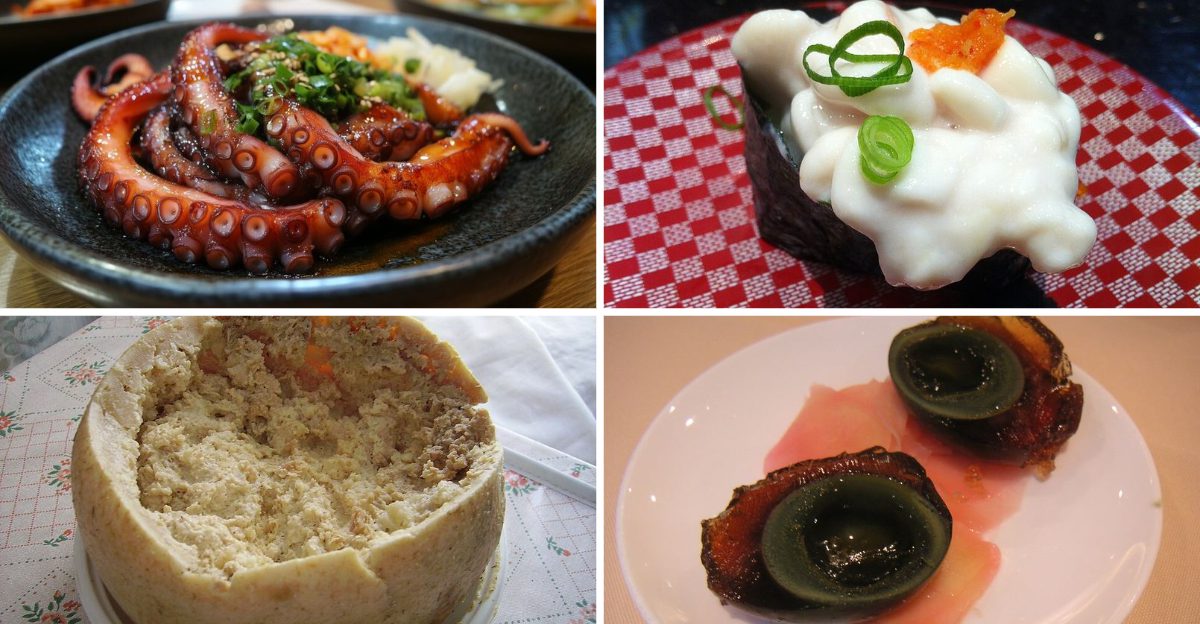
Food tells the story of a culture better than almost anything else, and some of the world’s most fascinating dishes are also the most surprising. From fermented fish to edible insects, unusual delicacies challenge what we think of as “normal” eating.
Trying these foods is a bold adventure that opens your mind and taste buds to new experiences. Whether you are a daring foodie or just curious, these dishes from around the globe are worth knowing about.
Balut – Philippines
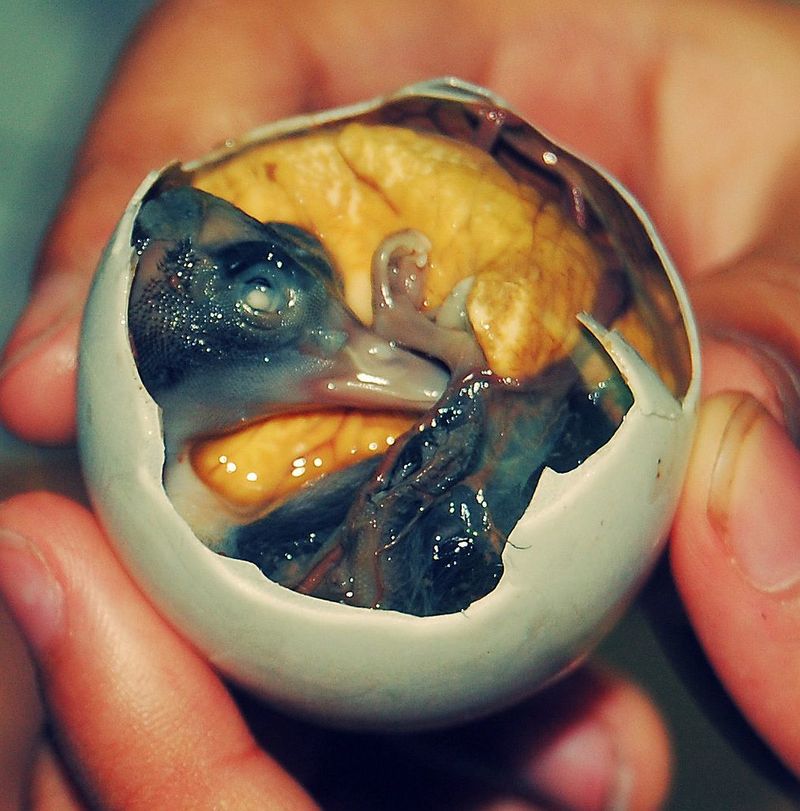
Street vendors in the Philippines sell balut late at night, and locals treat it like a beloved comfort snack. Balut is a fertilized duck egg with a developing embryo inside, boiled and eaten straight from the shell.
The broth inside is sipped first, then the yolk and embryo are eaten together.
It sounds intimidating, but many people describe the flavor as rich and savory, similar to a hard-boiled egg with a meaty twist. Vendors season it with salt, chili, and vinegar.
Balut is also packed with protein, making it a popular energy boost for workers and students.
Hákarl – Iceland
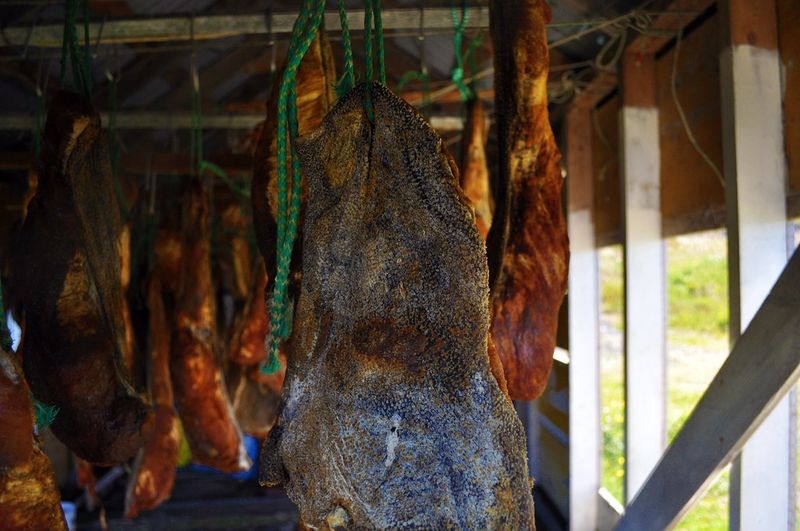
If you can handle the smell, you might just survive your first bite of hákarl. This Icelandic dish is made from Greenlandic shark meat that has been fermented and dried for several months.
The process removes toxic compounds naturally found in the shark, making it safe to eat.
The smell is famously powerful, often compared to strong ammonia. Even some experienced food travelers find it hard to get past the aroma.
However, the chewy, pungent flavor is considered a true taste of Icelandic heritage. Celebrity chef Anthony Bourdain once called it the single worst thing he ever ate.
Casu Marzu – Italy
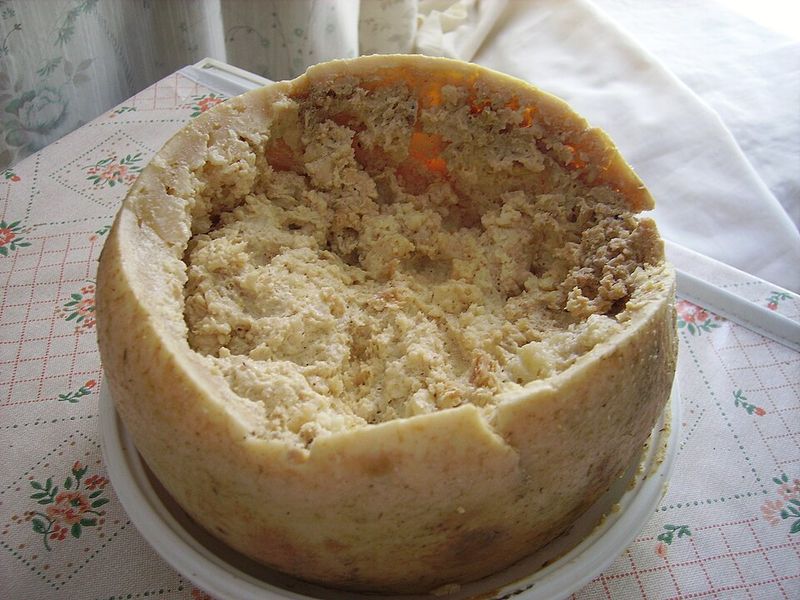
Casu marzu takes cheese to a level most people never imagined. Made in Sardinia, Italy, this sheep milk cheese is intentionally left out so that cheese flies can lay eggs inside it.
The hatching larvae break down the cheese fats, creating an extremely soft, almost liquid texture.
Eating it while the tiny worms are still alive is considered the authentic experience. Some people cover their eyes while eating to avoid the larvae jumping.
The flavor is sharp, tangy, and intense. Because of health regulations, casu marzu is technically illegal to sell commercially, making it a rare underground delicacy.
Surströmming – Sweden
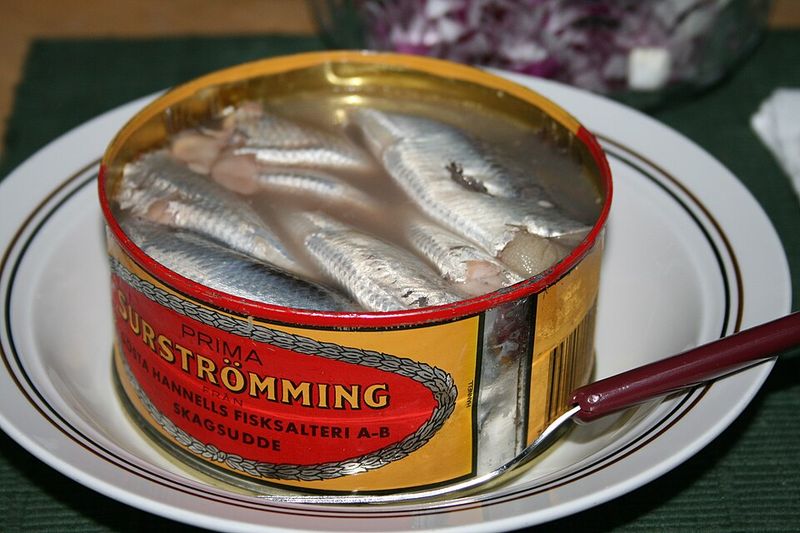
Opening a can of surströmming outdoors is basically mandatory, because the smell inside is legendary. This Swedish fermented herring has been a traditional food since at least the 16th century, originally created as a way to preserve fish with minimal salt.
The fermentation process creates a sour, pungent odor that has been measured as one of the strongest food smells on Earth.
Despite the overwhelming scent, Swedes enjoy surströmming on flatbread with onions, sour cream, and potatoes. Some airlines have actually banned it from flights.
First-timers usually react with shock, but fans say the tangy, briny flavor is genuinely worth the challenge.
Century Egg – China
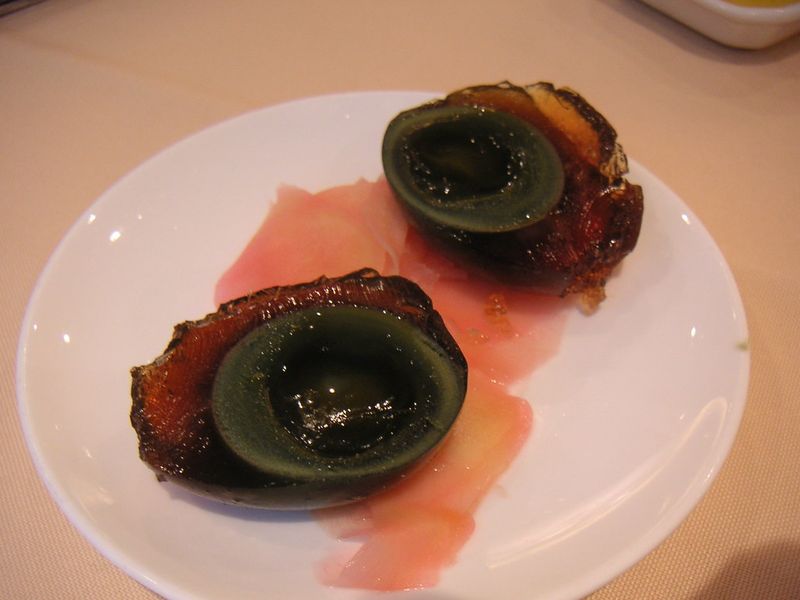
Century eggs look like something from a science fiction movie, with their dark, translucent whites and creamy greenish-grey yolks. Despite the dramatic appearance, they are not actually a hundred years old.
These preserved duck, chicken, or quail eggs are cured in a mixture of clay, ash, salt, and quicklime for weeks or months.
The chemical process transforms the egg completely, giving it a strong, complex flavor that is simultaneously creamy, salty, and slightly sulfuric. Chinese cuisine pairs century eggs with tofu, congee, or pickled ginger to balance the intensity.
Once you get past the look, many first-timers are pleasantly surprised.
Fried Tarantulas – Cambodia
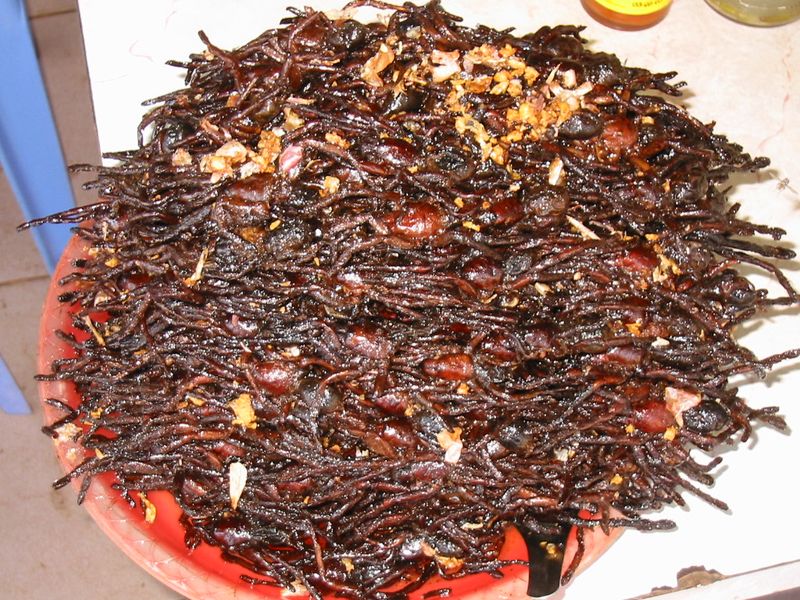
In the Cambodian town of Skuon, fried tarantulas are sold by the basketful and eaten as casually as popcorn. This tradition reportedly started during the Khmer Rouge era when food was scarce, and people turned to insects and spiders for survival.
Over time, the practice became a cultural staple and a popular tourist attraction.
The tarantulas are seasoned with salt, sugar, and garlic, then deep-fried until crispy on the outside. The legs become crunchy like chips, while the abdomen has a softer, earthier texture.
Brave travelers who try them often say the flavor is surprisingly similar to soft-shell crab.
Escamoles – Mexico
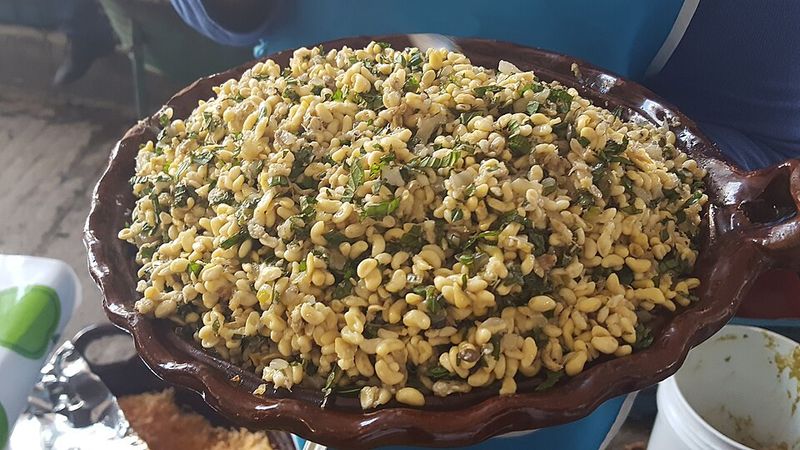
Sometimes called Mexican caviar, escamoles are the larvae and pupae of black ants harvested from agave plant roots. This ancient food dates back to the Aztec civilization, where it was considered a luxury ingredient served to royalty.
Harvesting escamoles is no easy task since the aggressive ants defend their nests fiercely.
The flavor is mild, slightly nutty, and buttery, making escamoles surprisingly approachable for first-timers. Chefs typically saute them in butter with epazote herbs and serve them in tacos or omelets.
High-end Mexican restaurants now feature escamoles as a gourmet dish, celebrating indigenous culinary traditions with modern presentation.
Shirako – Japan
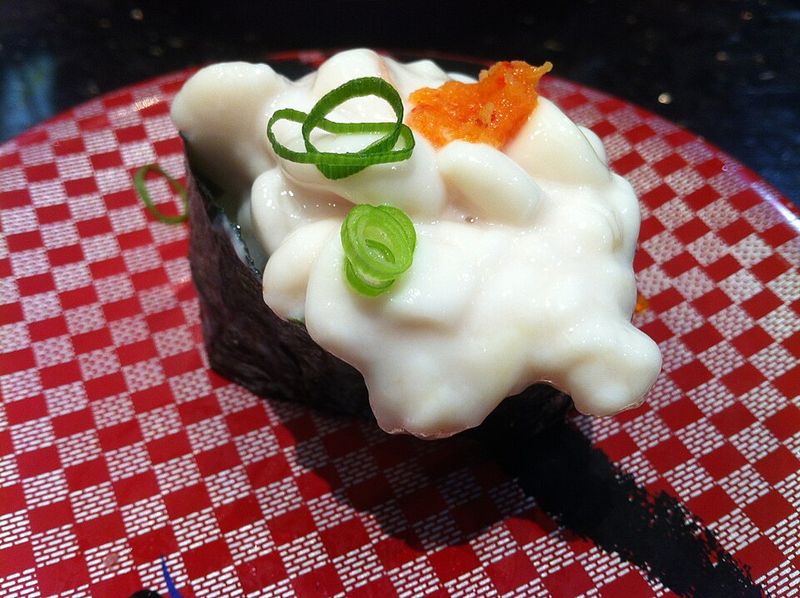
Shirako might be one of the most divisive dishes on Japanese menus. The word translates to “white children,” and it refers to the sperm sacs of fish, most commonly cod, puffer fish, or anglerfish.
It is served steamed, raw, or lightly fried at high-end Japanese restaurants, particularly in winter when it is in season.
The texture is soft and creamy, almost like warm custard, with a mild, oceanic flavor. Many first-time diners are surprised by how delicate and subtle it tastes.
Shirako is rich in protein and nutrients, and in Japan, it is genuinely regarded as a seasonal delicacy worth savoring.
Sannakji – South Korea
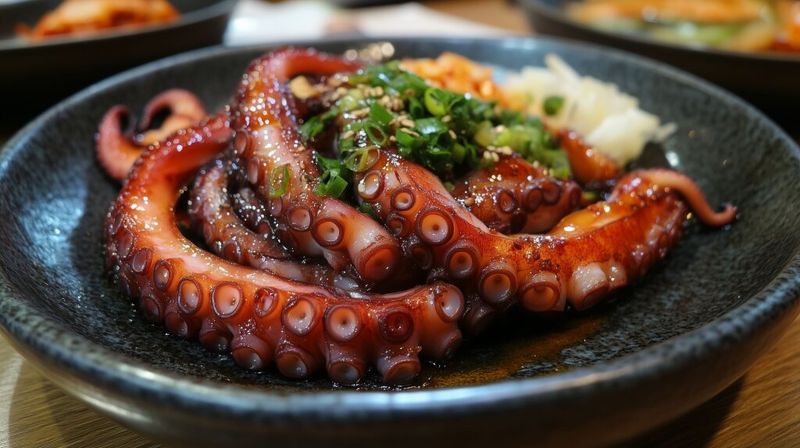
Eating something that is still moving on your plate is a whole new level of adventurous dining. Sannakji is a Korean dish made from freshly cut small octopus, served immediately so the tentacles are still wriggling from nerve activity.
The experience is as much about texture as it is about flavor.
Diners must chew carefully because the suction cups can stick to the throat if swallowed too quickly. Despite the risk, sannakji is wildly popular in South Korea, especially in coastal cities like Busan.
It is usually served with sesame oil and a cold beer, making it an unforgettable social dining experience.
Mopane Worms – South Africa
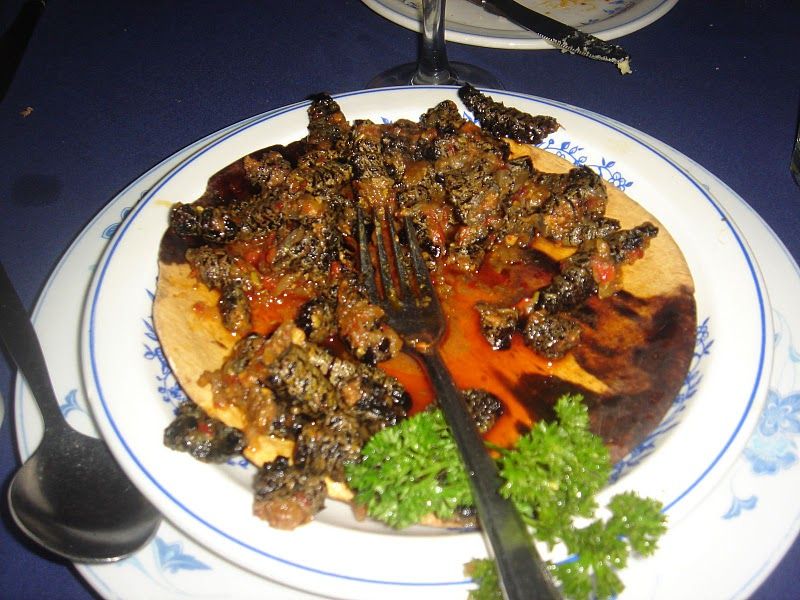
Mopane worms are not actually worms at all. They are the caterpillars of the Emperor moth, named after the mopane tree they feed on across southern Africa.
For millions of people in South Africa, Zimbabwe, and Botswana, these caterpillars are a critical source of protein and have been eaten for generations.
After harvesting, they are squeezed to remove internal contents, then dried or smoked for preservation. Mopane worms can be eaten dried and crunchy as a snack, or rehydrated and cooked in spicy tomato sauce.
The flavor is earthy and smoky, and nutritionally they rival beef in protein content per gram.
Fugu – Japan
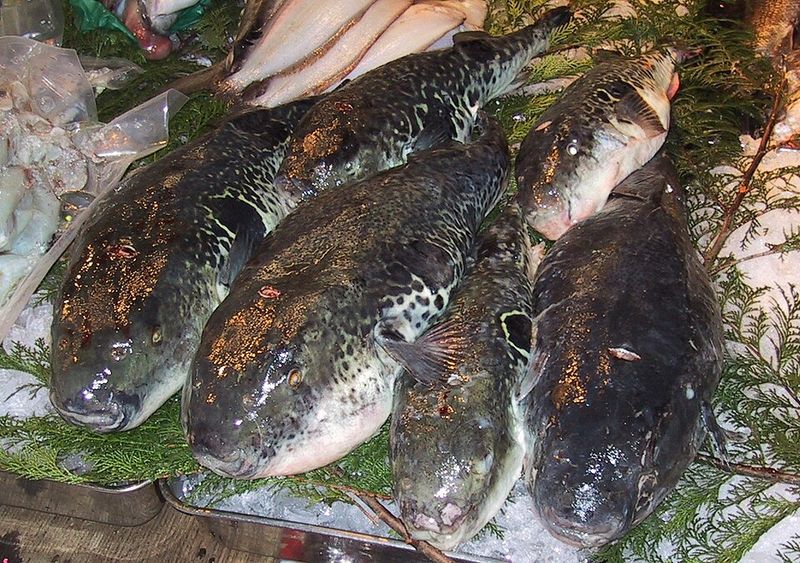
Few dishes carry as much drama as fugu, the Japanese puffer fish. Certain organs of the fugu contain tetrodotoxin, a poison with no antidote that can be fatal if the fish is not prepared correctly.
Because of this, fugu chefs in Japan must complete years of specialized training and pass a strict government licensing exam.
When prepared properly, fugu sashimi is delicate, almost translucent, and has a subtle, clean flavor unlike any other fish. Some diners report a slight tingling on the lips, which adds to the thrill.
Eating fugu is as much a cultural ritual as it is a meal, celebrated with reverence.
Durian – Southeast Asia
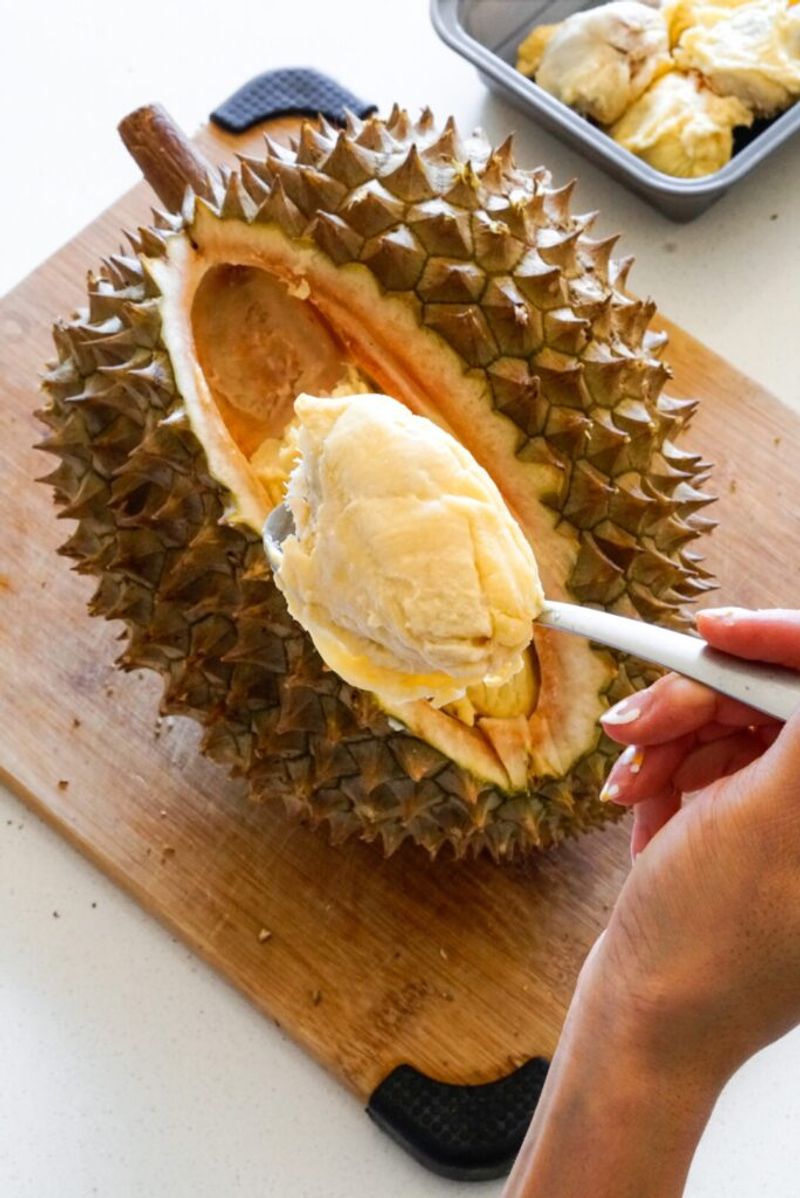
Banned from hotels, public transport, and airports across Southeast Asia, durian is a fruit that inspires passionate reactions on both ends of the spectrum. The thick, spiky shell hides a custard-like flesh that smells powerfully of onions, gym socks, and sweet vanilla all at once.
It is one of the most polarizing foods on the planet.
Locals in Thailand, Malaysia, and Indonesia treat durian like royalty, calling it the King of Fruits. The flavor is rich, creamy, and complex, with sweet and savory notes that are genuinely unlike anything else.
First-timers brave enough to push past the smell are often completely converted.
Ant Eggs Soup – Laos
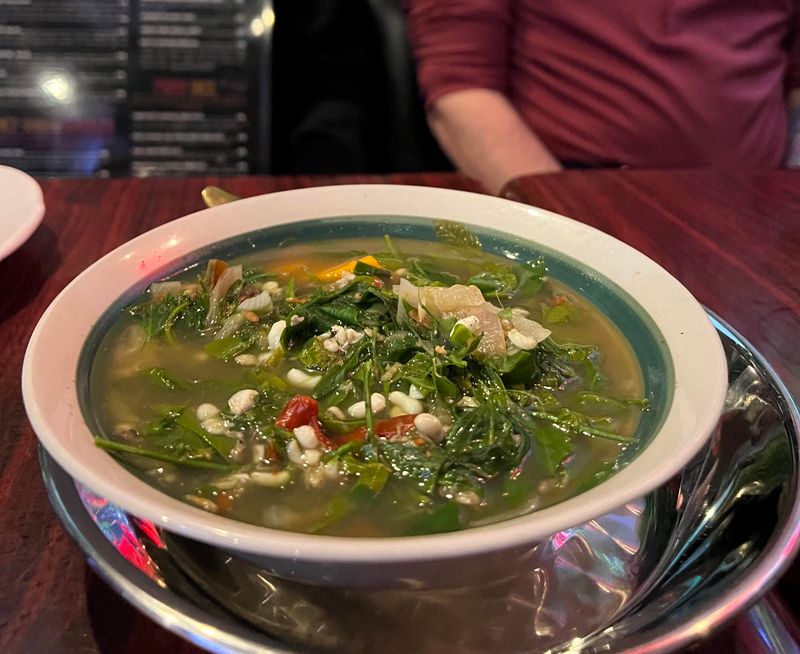
Along the riverbanks of Laos, weaver ant eggs are collected from nests in trees and turned into a delicate, nourishing soup. This dish, known locally as gaeng kai mot daeng, is a beloved part of Lao cuisine and has been eaten for centuries.
The eggs have a tangy, slightly sour flavor that naturally brightens the broth.
Fresh herbs like lemongrass, kaffir lime leaves, and green onions complement the eggs beautifully. The texture of the ant eggs is soft and almost creamy, similar to tiny fish roe.
In Laos, this soup is not considered unusual at all but is a cherished, everyday comfort food.
Tuna Eyeball – Japan
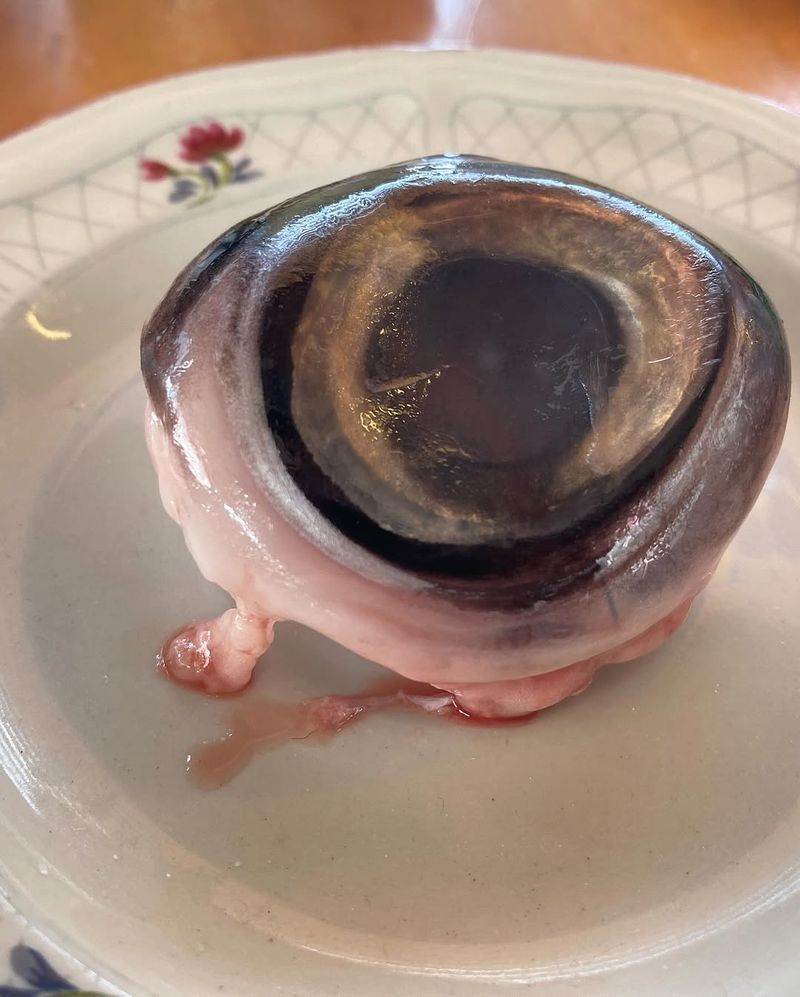
Tuna eyeballs are sold in Japanese supermarkets for just a few dollars, making them one of the most accessible unusual foods on this list. Each eyeball is roughly the size of a golf ball and is typically boiled or steamed before eating.
The outer layer is tough and gelatinous, but the inside contains softer, fattier tissue.
Seasoned with soy sauce, garlic, and sake, the flavor is surprisingly mild and slightly fishy, not unlike other cooked tuna parts. Japanese home cooks appreciate that nothing from the tuna goes to waste.
Trying a tuna eyeball is a genuine window into Japan’s culture of resourceful, nose-to-tail cooking.
Blood Sausage – Various Countries
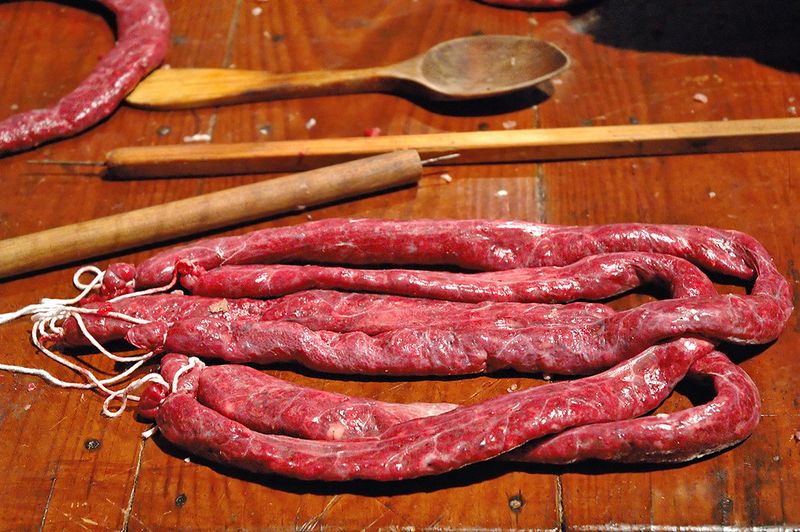
Blood sausage shows up on nearly every continent under a different name. In the UK it is black pudding, in Spain it is morcilla, in Germany it is blutwurst, and in the Philippines it is dinuguan.
The basic concept is the same: animal blood, usually pork, is mixed with fat, grains, or spices and stuffed into a casing.
The flavor varies widely depending on the spices and fillings used, but it is generally rich, savory, and deeply satisfying. Black pudding has even had a comeback in gourmet restaurants, celebrated for its iron-rich nutritional profile.
Once you try it properly seasoned and cooked, it is hard to dislike.
Smalahove – Norway
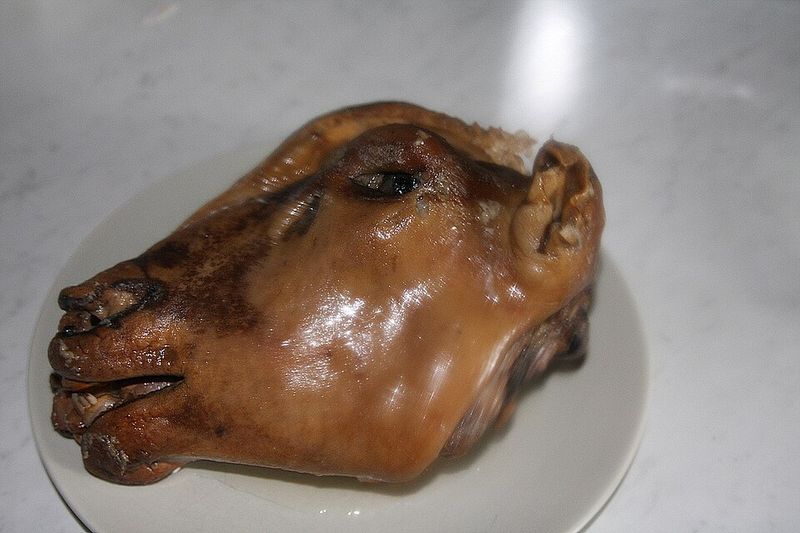
Every November and December in Norway, smalahove appears on menus as a traditional pre-Christmas dish. It is a whole sheep head that has been smoked, salted, and then boiled or steamed until tender.
The head is split in half before serving, with all parts present, including the eye and the ear.
Traditionally, diners start with the eye and the cheek meat, which are considered the most prized parts for their tenderness. Smalahove is served alongside mashed rutabaga and potatoes for a hearty, warming meal.
Originally a peasant food eaten by farm workers, it has evolved into a celebrated piece of Norwegian cultural identity.
Kiviak – Greenland
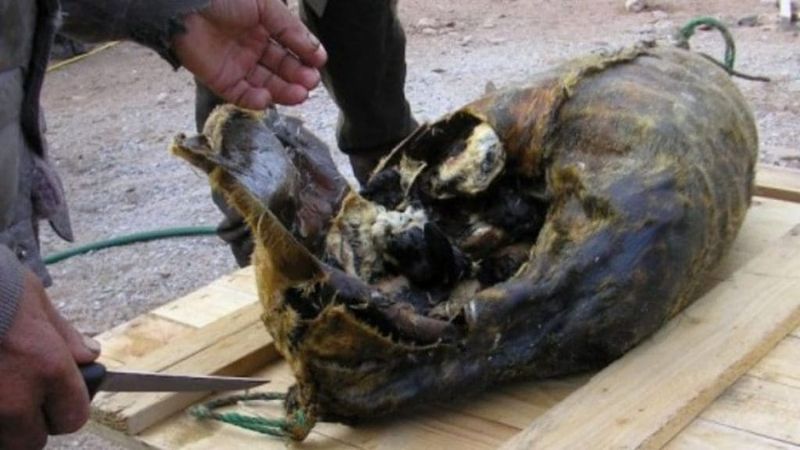
Kiviak is one of the most extreme fermented foods ever created. To make it, a freshly caught seal is hollowed out and stuffed with up to 500 small Arctic seabirds called little auks.
The seal is then sewn shut, weighted down with rocks, and left to ferment under the permafrost for up to 18 months.
The result is a deeply pungent, fermented meat that Greenlandic Inuit communities eat during long winter celebrations. Every part of the bird is consumed, including the feathers and bones.
Kiviak is more than just food; it is a survival tradition passed down through generations in one of the world’s harshest environments.
Fermented Shark – Iceland
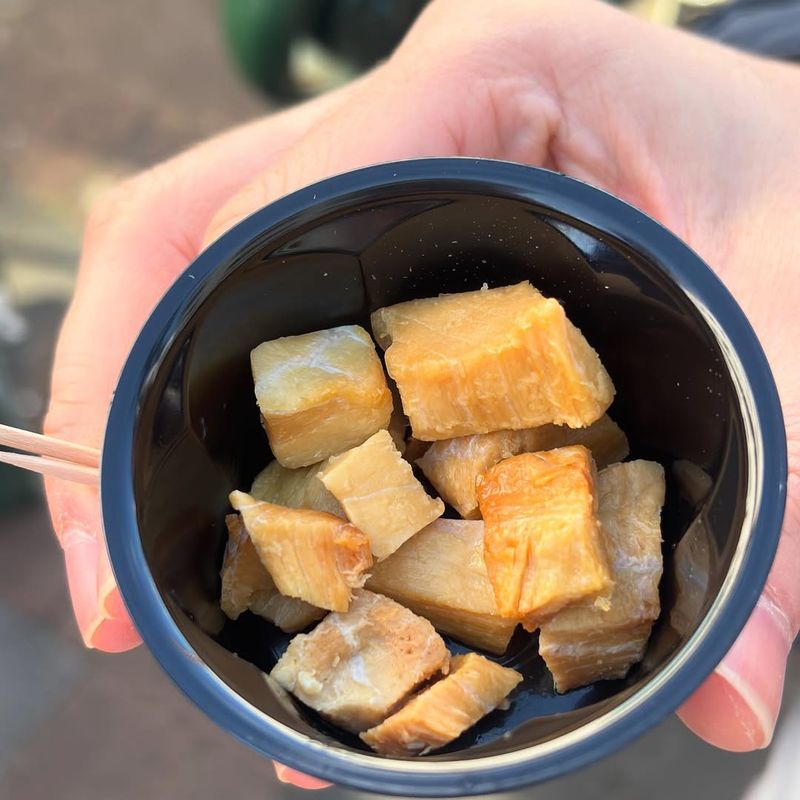
Closely related to hákarl but worth its own spotlight, fermented shark, or kæstur hákarl, is a cornerstone of Icelandic food culture. The Greenlandic shark used for this dish is naturally toxic when fresh, so it must go through a lengthy curing process to become edible.
The shark is buried underground for six to twelve weeks, then hung to dry for several months.
The final product has an overwhelming ammonia smell that hits you well before the first bite. Icelanders traditionally serve it in small cubes at festivals and gatherings, often chased with a shot of brennivín schnapps.
It is an acquired taste that carries serious cultural pride.
Bee Larvae – Thailand
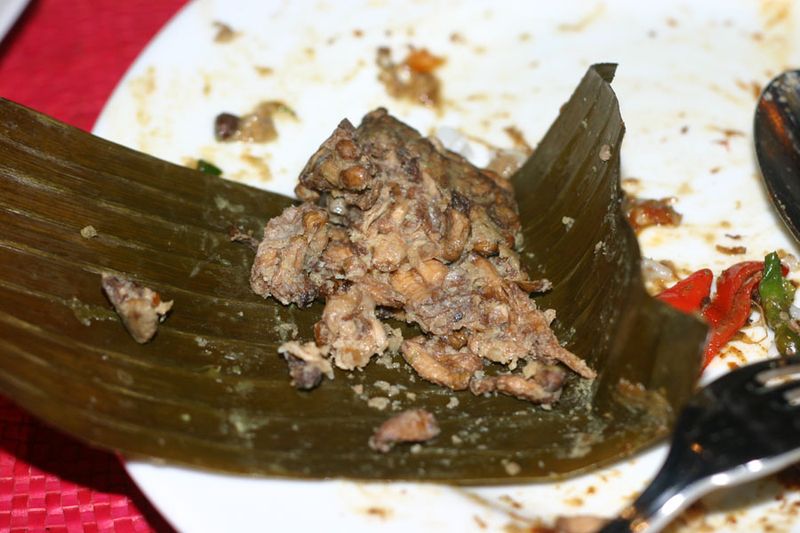
Northern Thailand has a long tradition of eating insects, and bee larvae rank among the most prized. Harvested directly from the honeycomb, these soft, white larvae are rich in protein and healthy fats.
Local markets in Chiang Mai and surrounding villages sell them fresh or already prepared for cooking.
Pan-fried with a little salt and chili, bee larvae turn golden and slightly crispy on the outside while remaining creamy inside. The flavor is mild, nutty, and faintly sweet, reminiscent of buttered popcorn.
Eating bee larvae is not just a novelty in Thailand; it is an important part of sustainable, traditional food practices in rural communities.
Horse Meat – Various Countries
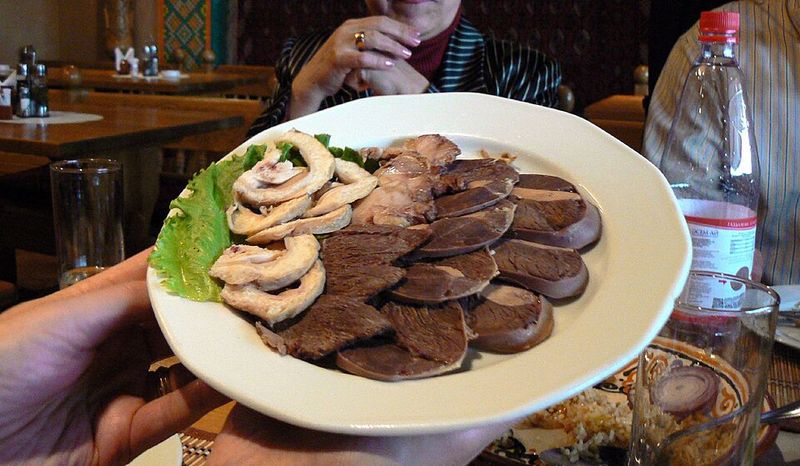
Horse meat is eaten across much of the world, from Japan to Kazakhstan to France, though it remains controversial in countries like the United States and the United Kingdom. In Japan, raw horse meat known as basashi is served as a delicacy, sliced thin and eaten with ginger and soy sauce.
In Central Asia, horse sausage called kazy has been a staple food for nomadic cultures for thousands of years.
The flavor of horse meat is slightly sweet and lean, often compared to a cross between beef and venison. It is lower in fat and higher in iron than beef.
Cultural attitudes toward horses largely shape whether people see it as food or taboo.
Enjoyed this story?
Add Fast Food Club as a preferred source to see more of our reporting on Google.