


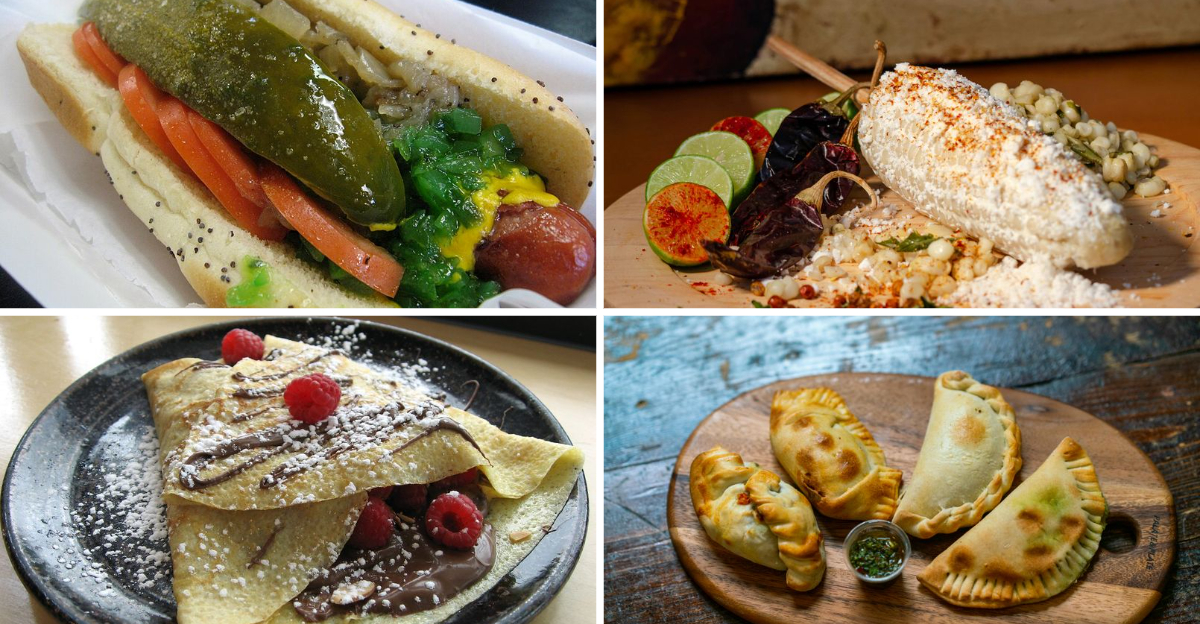
Street food is one of the most exciting ways to experience a culture. From smoky grills in Jamaica to steaming carts in Tokyo, every corner of the world has something delicious to offer.
These foods tell stories about history, tradition, and the creative spirit of everyday people. Whether you’re a seasoned traveler or an armchair foodie, get ready to take your taste buds on a world tour.
Tacos – Mexico
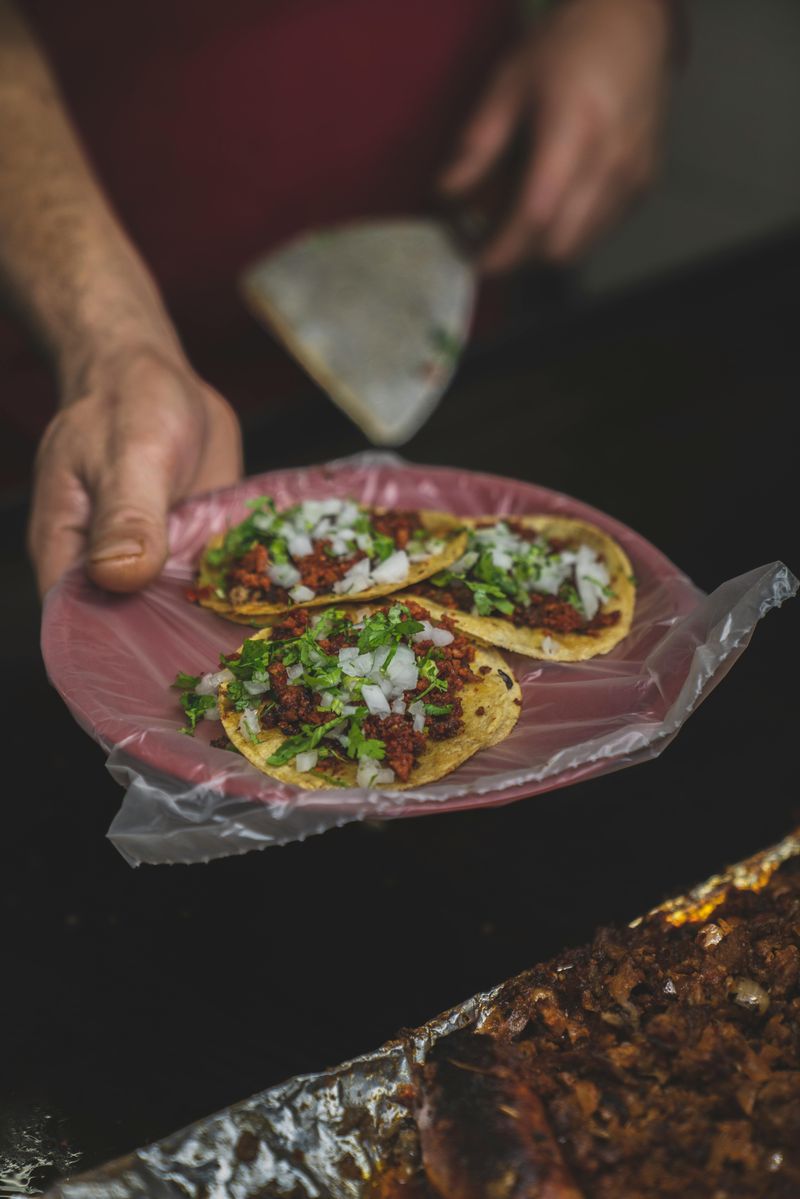
Few foods in the world carry as much joy in such a small package as the taco. Born from the streets of Mexico, tacos have been feeding people for centuries with their perfect combination of a warm tortilla and flavorful fillings.
From crispy carnitas to spicy al pastor, every region in Mexico has its own spin. Street vendors called “taqueros” can fold a taco faster than you can say “salsa.” One bite and you instantly understand the hype.
Pad Thai – Thailand
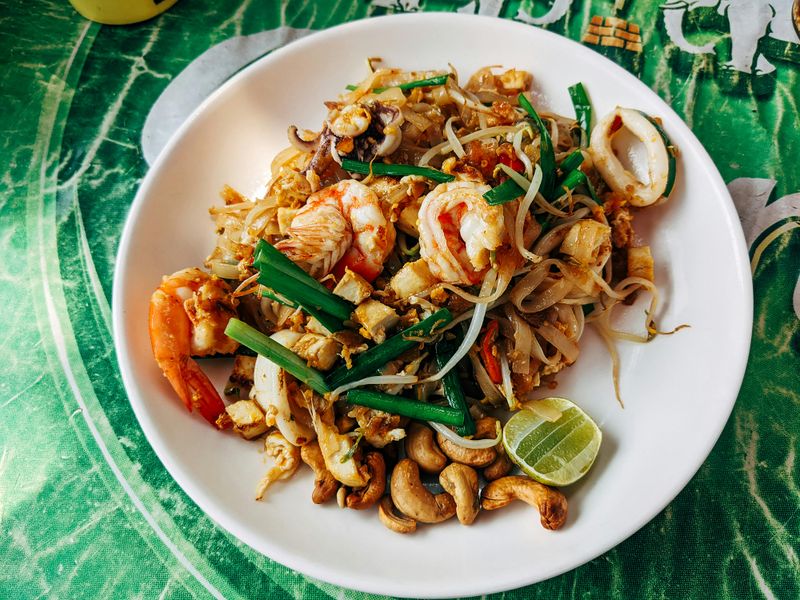
Walk down any street in Bangkok after dark and the sweet, smoky smell of Pad Thai will pull you in like a magnet. This iconic noodle dish is stir-fried in a screaming-hot wok with eggs, tamarind sauce, and your choice of protein.
Topped with crushed peanuts, bean sprouts, and a squeeze of lime, every bite is a balance of sweet, salty, sour, and savory. It became Thailand’s national dish in the 1940s as part of a campaign to unify the country through food.
Banh Mi – Vietnam
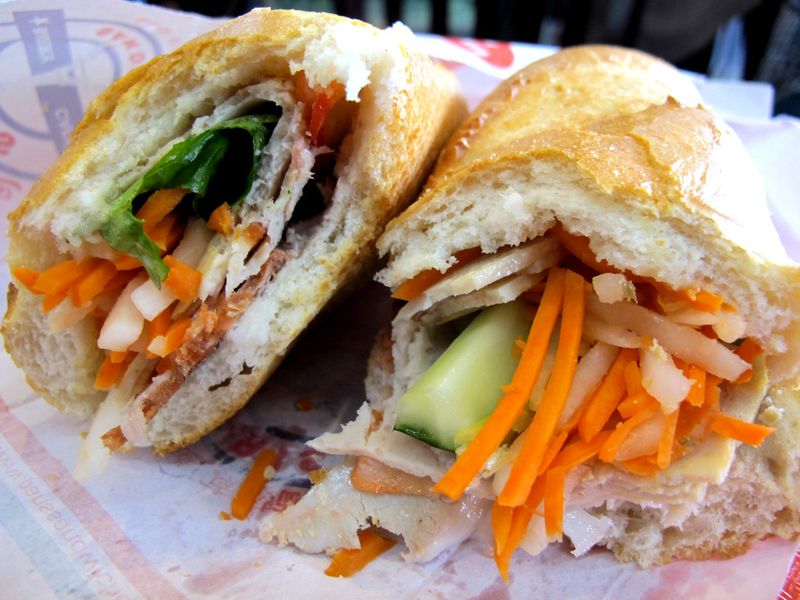
Banh Mi is living proof that great things happen when two cultures meet. This Vietnamese sandwich was born from the French colonial era, blending a crispy baguette with bold Southeast Asian flavors.
Inside that crunchy bread, you’ll find pickled vegetables, fresh herbs, chili, and savory meats like pork or chicken. The combination of textures and flavors is wildly satisfying.
Street vendors in Hanoi and Ho Chi Minh City sell hundreds of these daily, and it’s easy to see why.
Hot Dogs – United States
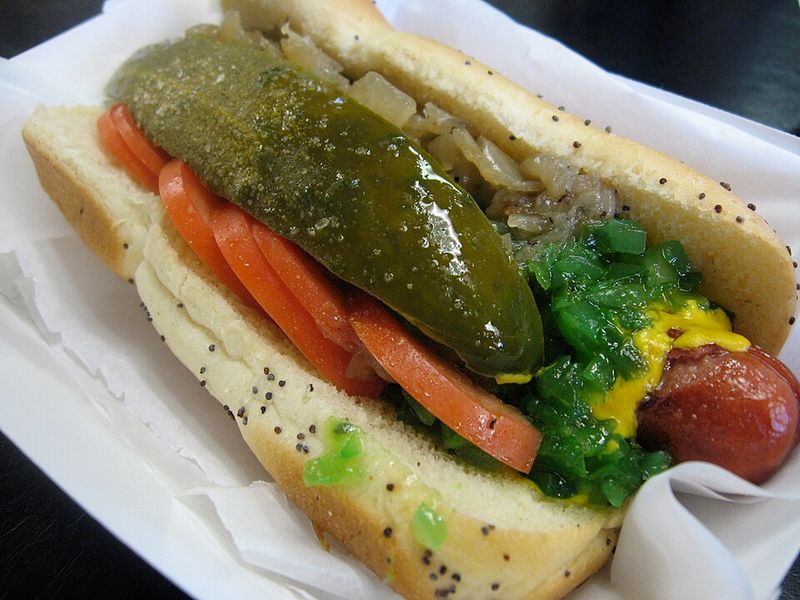
There is something deeply satisfying about a hot dog from a street cart on a busy city block. The humble hot dog has been an American street food staple since the late 1800s, when German immigrants brought their sausage traditions to New York.
Today, toppings vary wildly by region. Chicago-style dogs are piled with mustard, onions, sport peppers, and a pickle spear, but never ketchup.
New Yorkers keep it simple with mustard and sauerkraut. Every city has its own pride on a bun.
Shawarma – Middle East
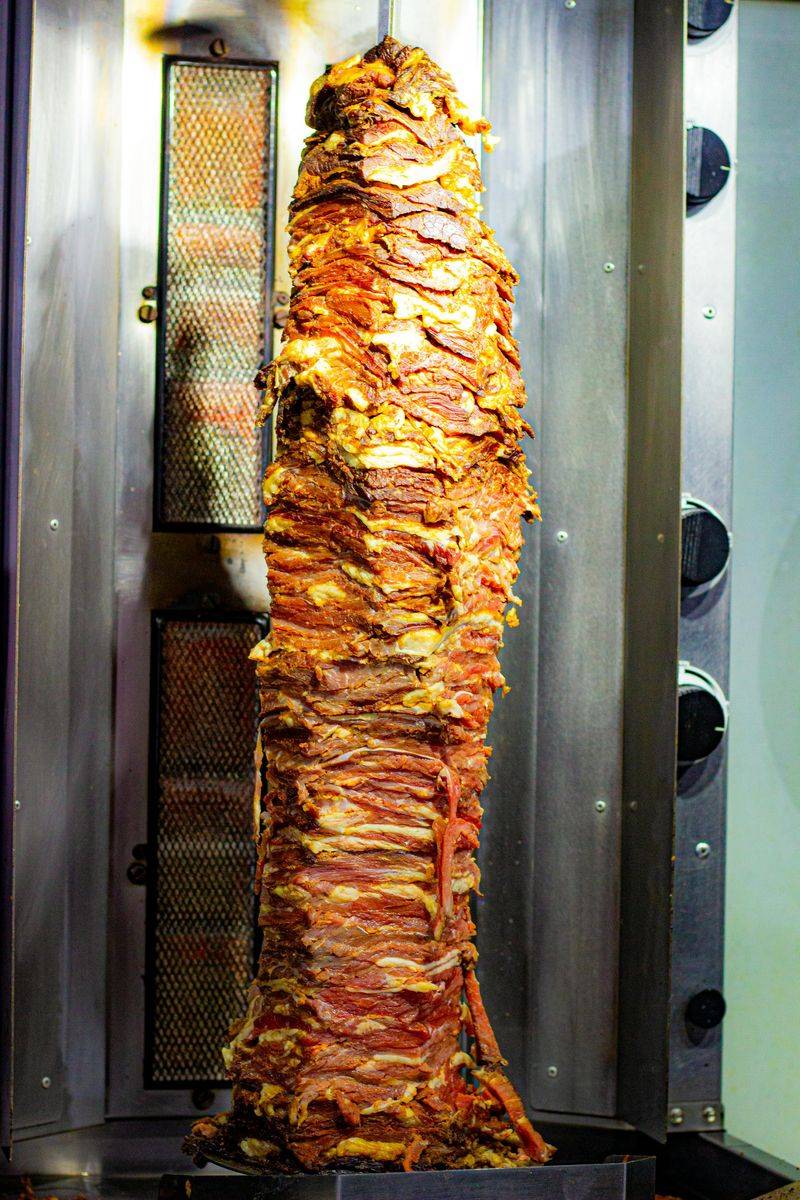
Shawarma might just be the most satisfying street food on the planet. Layers of marinated meat slowly rotate on a vertical rotisserie spit, getting crispy on the outside while staying juicy on the inside.
Shaved into a warm flatbread with garlic sauce, pickles, and fresh veggies, it’s a meal that fills you up and makes you smile. Originating in the Ottoman Empire, shawarma is now enjoyed across the Middle East, Europe, and beyond.
It truly belongs to the whole world.
Arepas – Venezuela
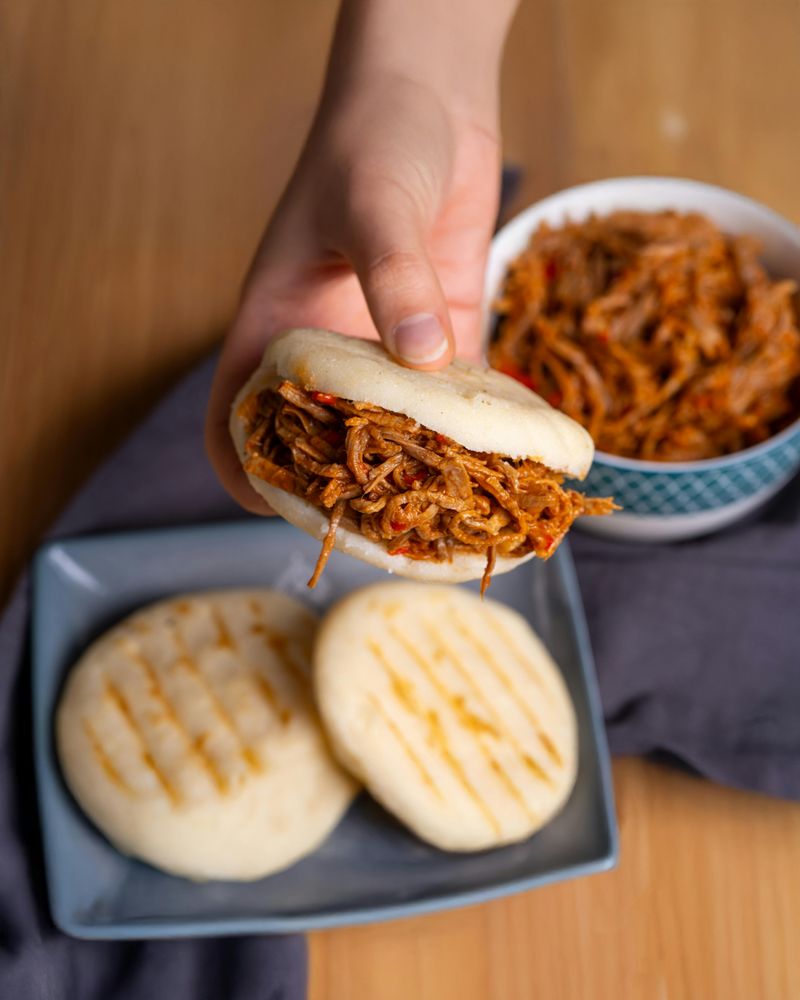
Arepas are the heart and soul of Venezuelan street food. Made from ground cornmeal, these round, golden patties are griddled or baked until crispy on the outside and soft on the inside, then split open and stuffed with fillings.
From shredded beef to black beans and cheese, the combinations are nearly endless. Venezuelans eat arepas for breakfast, lunch, and dinner without a second thought.
They are affordable, filling, and deeply comforting. Think of them as edible pockets of happiness.
Poutine – Canada
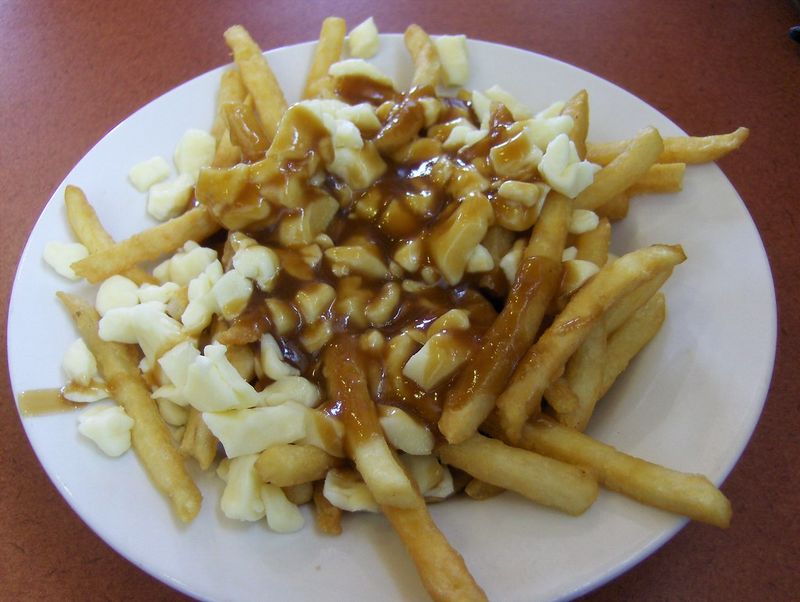
Canada gave the world many things, but poutine might be its most delicious contribution. This Quebec-born dish piles crispy fries high with squeaky cheese curds and smothers everything in thick, savory gravy.
It sounds simple, but the magic is in how the warm gravy softens the curds just enough without making the fries soggy. First appearing in rural Quebec diners in the 1950s, poutine started as humble comfort food and grew into a national treasure.
Food trucks across Canada now serve wild creative versions.
Currywurst – Germany

Berlin has a love affair with currywurst that has lasted over 70 years. This quirky German street food consists of a steamed then fried pork sausage, sliced into chunks, and doused in a tangy curry-spiced ketchup sauce.
It was invented in 1949 by a resourceful Berlin street vendor named Herta Heuwer, who traded with British soldiers for curry powder. Today, Berlin alone sells around 70 million portions every year.
There is even a dedicated Currywurst Museum in the city.
Takoyaki – Japan
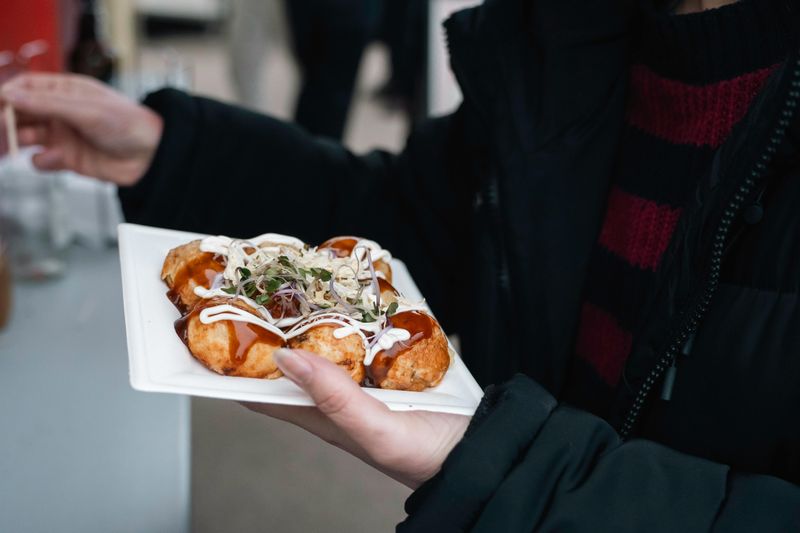
Watching takoyaki being made is almost as fun as eating it. Vendors pour a savory batter into a special round mold, add a chunk of octopus, and expertly flip each ball with a skewer until it’s perfectly round and golden.
Topped with a drizzle of rich sauce, mayo, dancing bonito flakes, and green onion, these little balls are crispy outside and gooey inside. Osaka is considered the birthplace of takoyaki, and locals take their octopus balls very seriously.
Falafel – Middle East
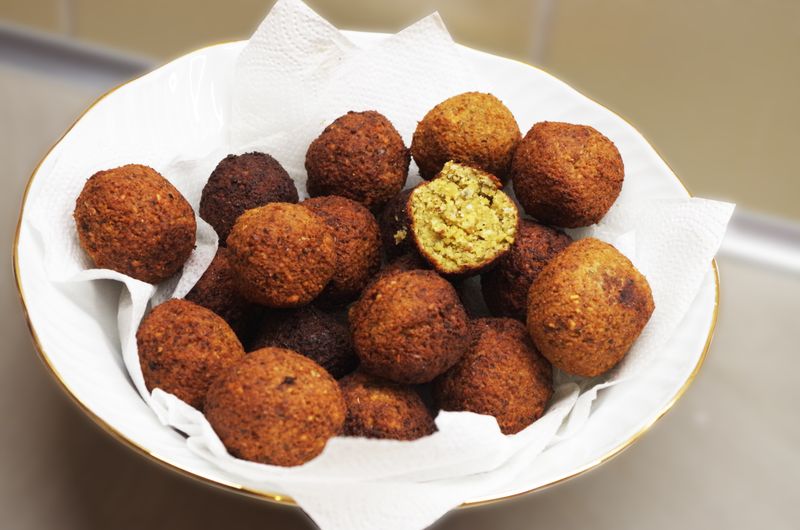
Falafel has fueled people across the Middle East for thousands of years, and for good reason. These crispy, deep-fried balls are made from ground chickpeas or fava beans seasoned with garlic, cumin, and fresh herbs.
Tuck a few into a warm pita with hummus, pickled veggies, and tahini, and you have a meal that is both satisfying and packed with plant-based protein. Whether you grab one in Cairo or Beirut, falafel delivers bold flavor in every crunchy bite.
Empanadas – Argentina
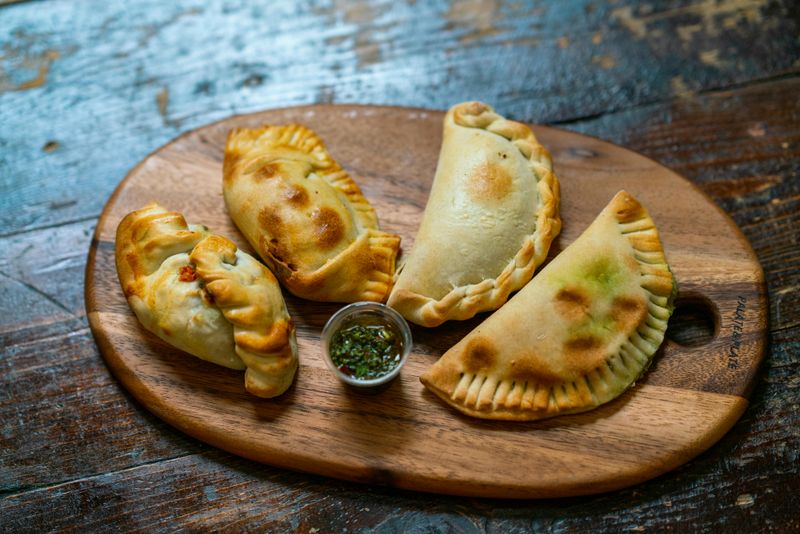
Argentina’s empanadas are the kind of handheld food that makes you stop whatever you’re doing and pay full attention. These golden pastry pockets are stuffed with a savory mix of spiced beef, olives, hard-boiled eggs, and onions, then baked or fried to perfection.
Each region of Argentina has its own signature filling and even its own way of crimping the edges to tell them apart. Street vendors sell them piping hot, and locals can identify their hometown’s style in a single bite.
Churros – Spain
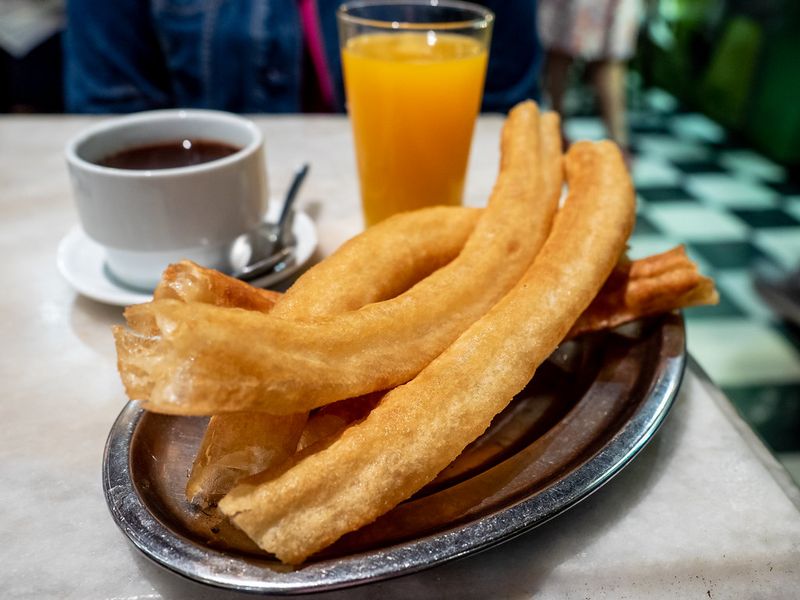
Crunchy on the outside, soft and doughy on the inside, churros are Spain’s most beloved fried treat. These ridged sticks of choux-like dough are piped straight into hot oil, fried golden, and rolled in cinnamon sugar.
The real tradition, though, is dunking them into a thick, rich cup of hot chocolate. Spanish churrerias have been serving this combination for centuries, and it remains a morning ritual for many families.
One dip into that chocolate and you will completely understand why.
Satay – Indonesia
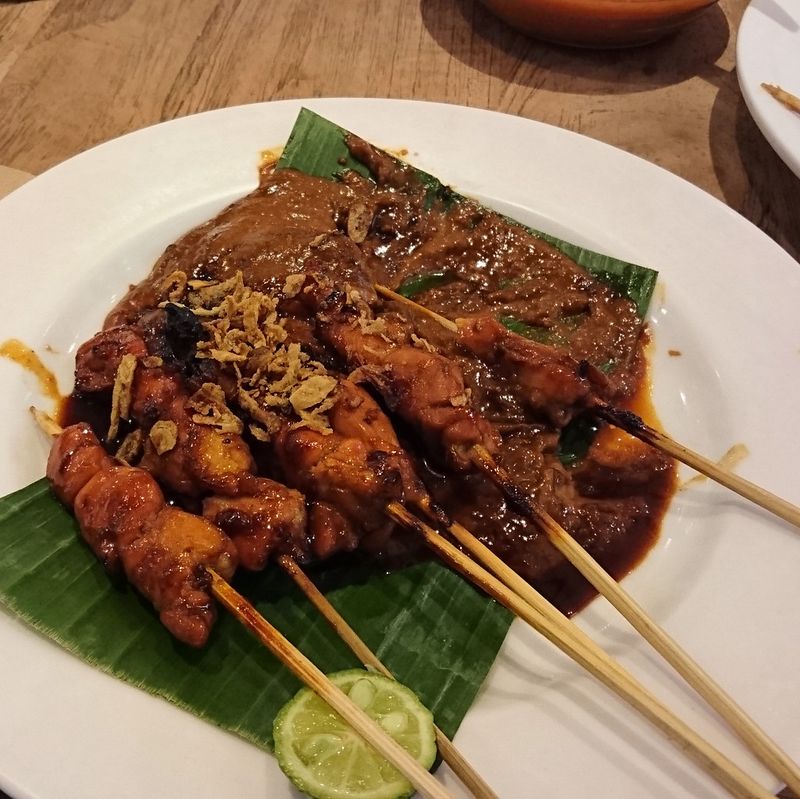
The smoky aroma of satay grilling over charcoal is one of the most irresistible smells in all of street food culture. In Indonesia, thin skewers of marinated chicken, beef, or lamb are grilled to juicy perfection and served with a creamy peanut sauce.
Satay has roots going back centuries in Java and is now beloved across all of Southeast Asia. The combination of charred meat and nutty, slightly sweet dipping sauce is almost impossible to resist.
Street vendors fan the coals by hand for that perfect smoky char.
Kebabs – Turkey
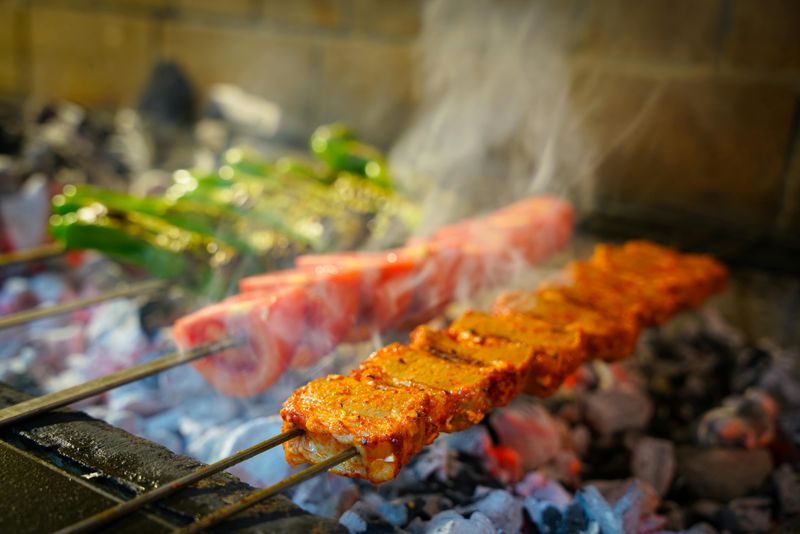
Turkey’s kebab culture is legendary, and for good reason. Whether it’s a doner rotating on a spit, an Adana kebab of spiced minced meat on a skewer, or a shish kebab of tender grilled chunks, Turkish kebabs are a masterclass in grilled meat.
Wrapped in fresh flatbread with grilled vegetables and a squeeze of lemon, they are the ultimate street meal. Istanbul’s streets are lined with kebab shops, and the smell alone is enough to pull you off the sidewalk and straight to the counter.
Jerk Chicken – Jamaica
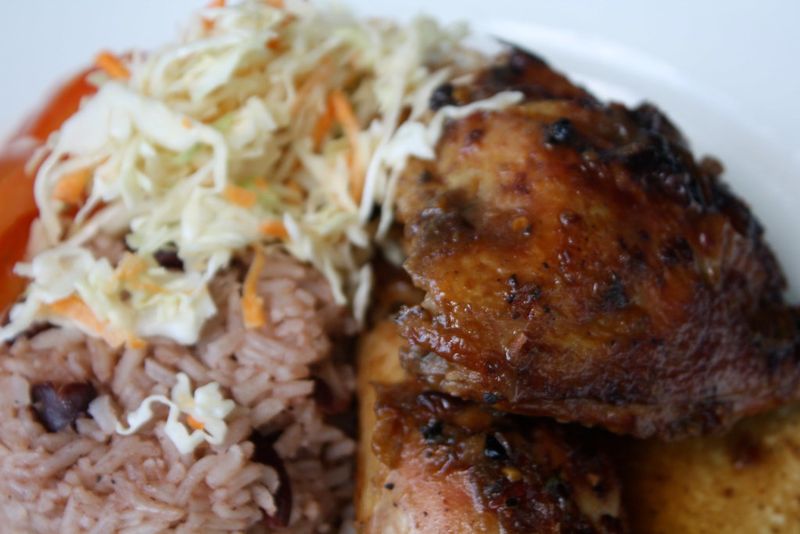
Jamaican jerk chicken doesn’t just taste good, it tells a story. The jerk cooking method traces back to the Maroons, escaped enslaved Africans who slow-cooked meat in pits seasoned with native spices to survive in the mountains.
Today, roadside jerk stands across Jamaica grill chicken over smoky pimento wood, coated in a fierce marinade of scotch bonnet peppers, allspice, thyme, and ginger. The result is deeply smoky, spicy, and sweet all at once.
Served with festival dumplings, it’s pure island magic.
Fish and Chips – United Kingdom
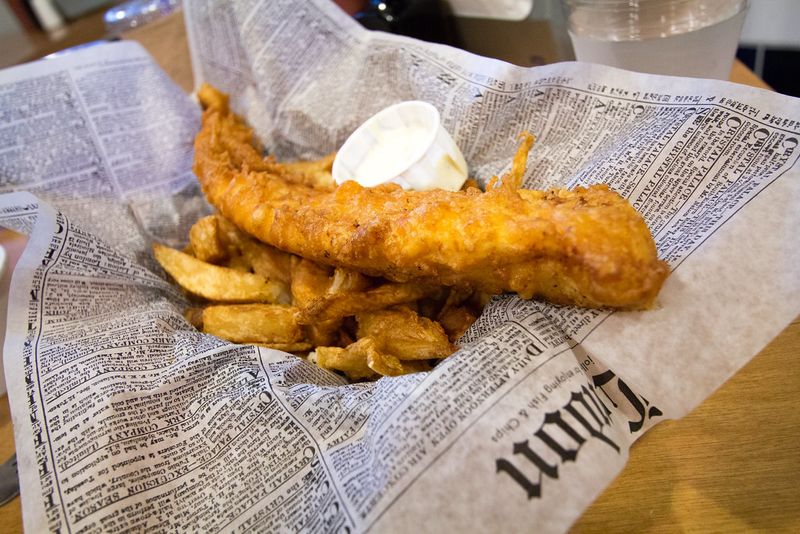
Fish and chips is more than just a meal in Britain. It’s a cultural institution.
A thick fillet of cod or haddock is coated in a light, crispy batter and fried until golden, then served alongside chunky chips with a splash of malt vinegar.
The dish became wildly popular in the 19th century and helped feed working-class families across England. Eating it wrapped in paper on a seaside pier while seagulls circle overhead is practically a national rite of passage.
Simple, satisfying, and deeply British.
Crepes – France
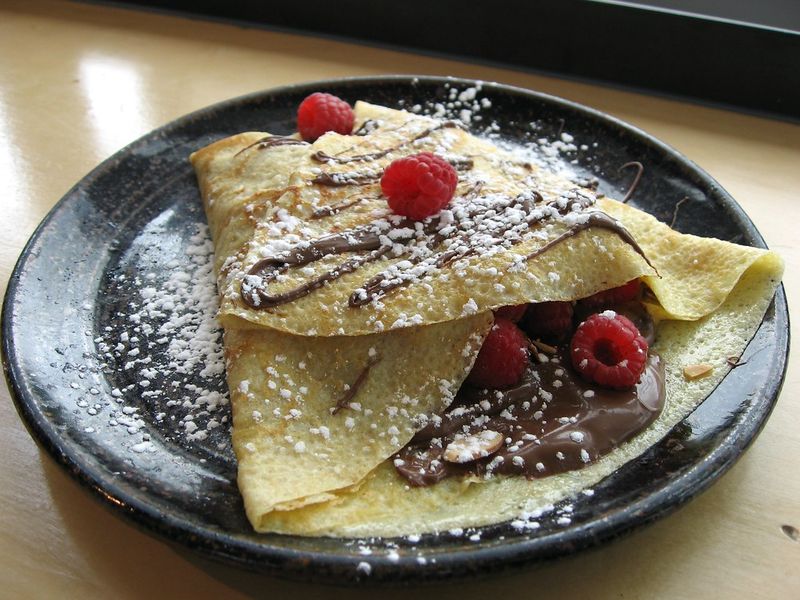
Paris without a street crepe is like a painting without color. These paper-thin pancakes, cooked on a large flat griddle, can be sweet or savory and are endlessly customizable.
Nutella and banana is a classic combo, but the jambon-fromage, ham and cheese, is equally iconic.
Crepes originated in Brittany in northwestern France and have spread to every corner of the country and beyond. Watching a skilled crepe maker swirl batter into a perfect circle with a wooden spreader is practically a performance worth watching.
Samosas – India
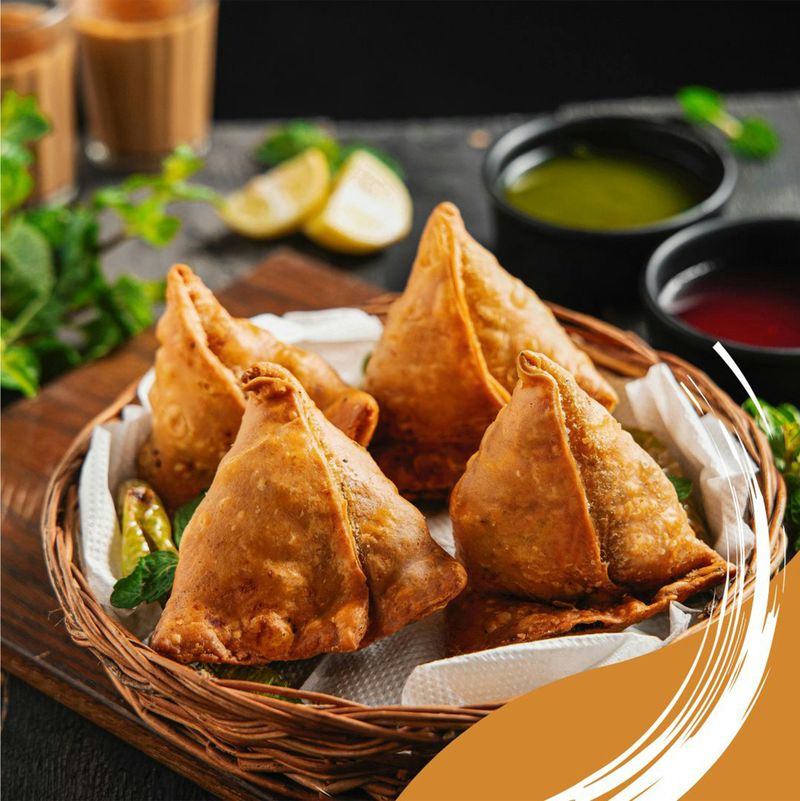
Samosas have been a street food superstar in India for centuries. These triangular pastry pockets are stuffed with a spiced filling of mashed potatoes, peas, and onions, then deep-fried until they shatter with the first bite.
Served with tangy tamarind chutney and cooling mint-green chutney, every bite is a flavor explosion. From Mumbai’s busy markets to Delhi’s roadside stalls, samosas are sold everywhere at nearly any hour.
They are crispy, spicy, filling, and cost just a few rupees. Absolute perfection.
Elote – Mexico
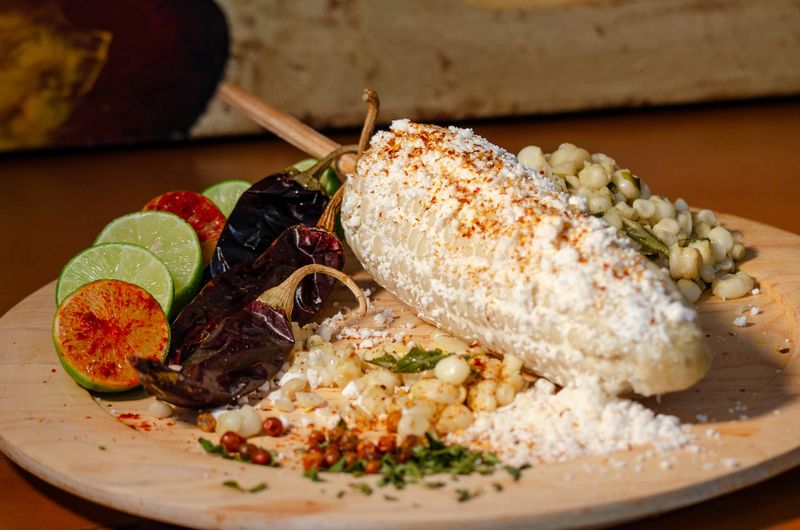
Elote is Mexican street corn, and once you try it, plain corn on the cob will never feel the same. A grilled or boiled ear of corn is slathered in mayo or crema, rolled in crumbled cotija cheese, hit with chili powder, and finished with a squeeze of fresh lime.
It’s messy, bold, and completely addictive. Street vendors across Mexico sell elote from carts and bicycles, and the smell of roasting corn fills markets nationwide.
The cup version, called elote en vaso, is equally popular and just as delicious.
Gyoza – Japan
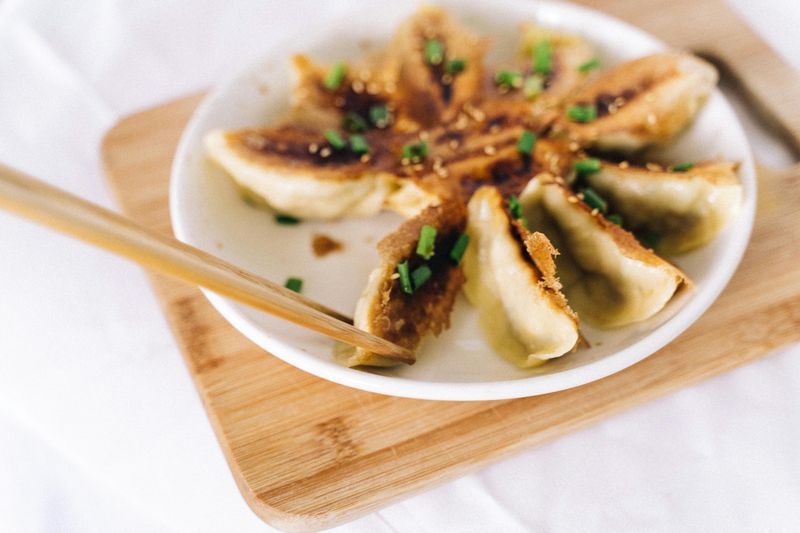
Gyoza are Japan’s answer to the dumpling, and they have developed a devoted following all their own. These crescent-shaped pockets of dough are filled with a seasoned mix of ground pork, cabbage, garlic, and ginger, then pan-fried to create a crispy, golden bottom.
The technique, called yaki-gyoza, gives them a satisfying crunch before the tender steamed top. Dipped in a mixture of soy sauce and rice vinegar, they are completely craveable.
Originally inspired by Chinese jiaozi, gyoza have become a uniquely Japanese street food treasure.
Enjoyed this story?
Add Fast Food Club as a preferred source to see more of our reporting on Google.