


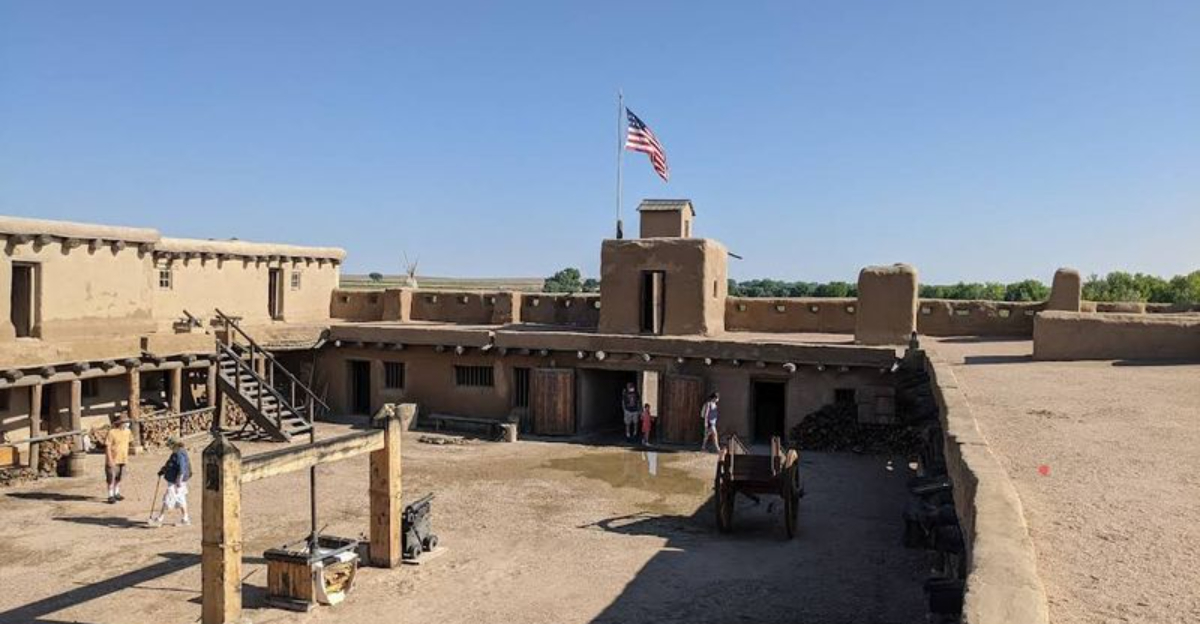
Tucked along the banks of the Arkansas River near La Junta, Colorado, Bent’s Old Fort National Historic Site is one of the most overlooked gems in the entire American West. Built in 1833, this adobe trading post once buzzed with fur traders, Native American tribes, and explorers crossing the frontier.
Today, it stands as a carefully reconstructed landmark that pulls you straight back into the 1800s. Whether you love history, road trips, or just stumbling onto something unexpectedly amazing, this place is absolutely worth the detour.
The Remarkable Story Behind the Fort’s Construction
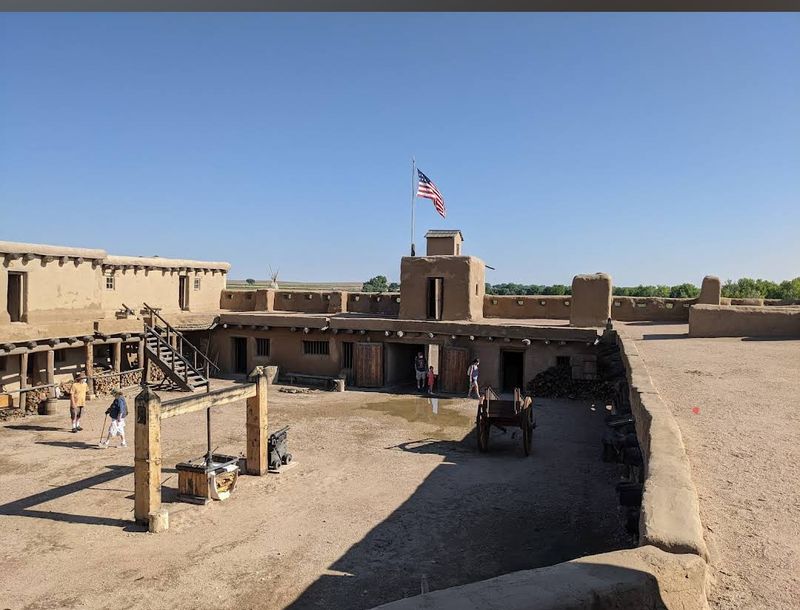
Back in 1833, brothers Charles and William Bent teamed up with Ceran St. Vrain to build something nobody on the southern plains had ever seen before — a massive adobe trading post right on the Santa Fe Trail. The fort was constructed using sun-dried mud bricks, a building style borrowed from Spanish and Native American traditions.
Workers hauled materials by hand in a region with no roads, no hardware stores, and no easy answers.
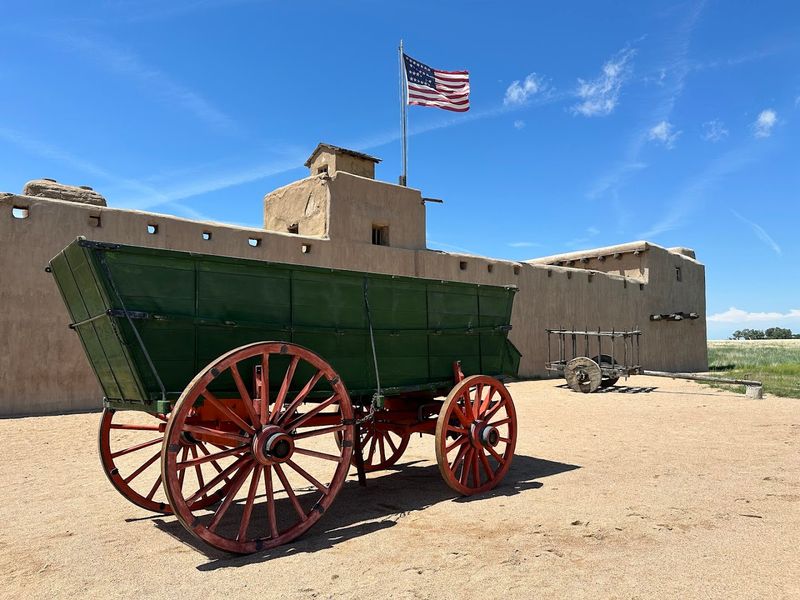
The result was a structure that stretched nearly 180 feet long and 135 feet wide, complete with thick walls, towers, and an interior courtyard. It became a landmark so recognizable that travelers used it as a compass point.
Knowing the backstory makes every room you walk through feel more alive, like the walls are whispering secrets from two centuries ago.
Walking the Quarter-Mile Trail from the Parking Lot
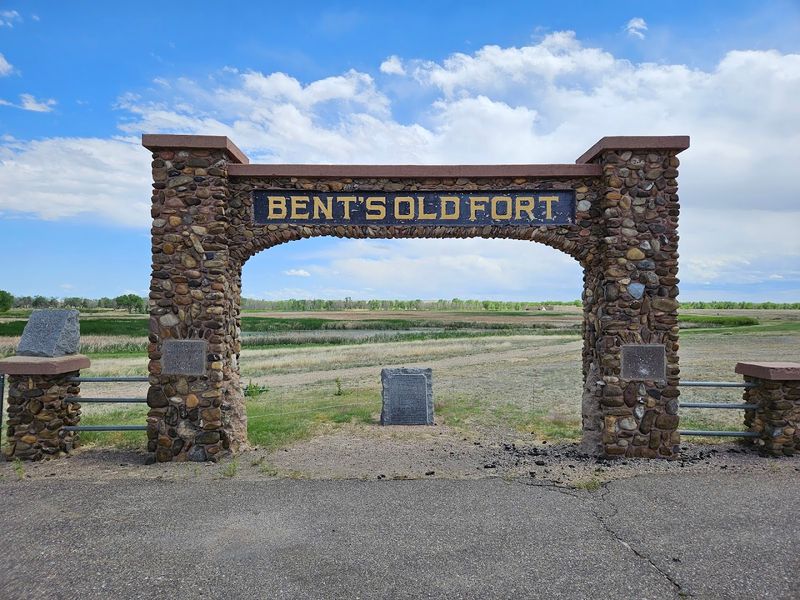
Your adventure actually starts before you even reach the fort. From the parking area off CO-194, a flat quarter-mile trail winds its way toward the fort through open prairie, giving you a slow, cinematic reveal of the adobe walls rising from the landscape.
It feels a little like stepping into a Western movie scene.
Along the way, you will pass an old graveyard that adds a quiet, reflective mood to the walk. Bring sunscreen and water, especially in summer, because the Colorado sun does not mess around out on those plains.
Comfortable shoes are a smart call too, since the trail is unpaved and can be dusty.
That short walk builds anticipation in a way that a direct entrance never could. By the time the fort comes fully into view, most visitors are already reaching for their cameras.
The Adobe Architecture That Has Stood the Test of Time
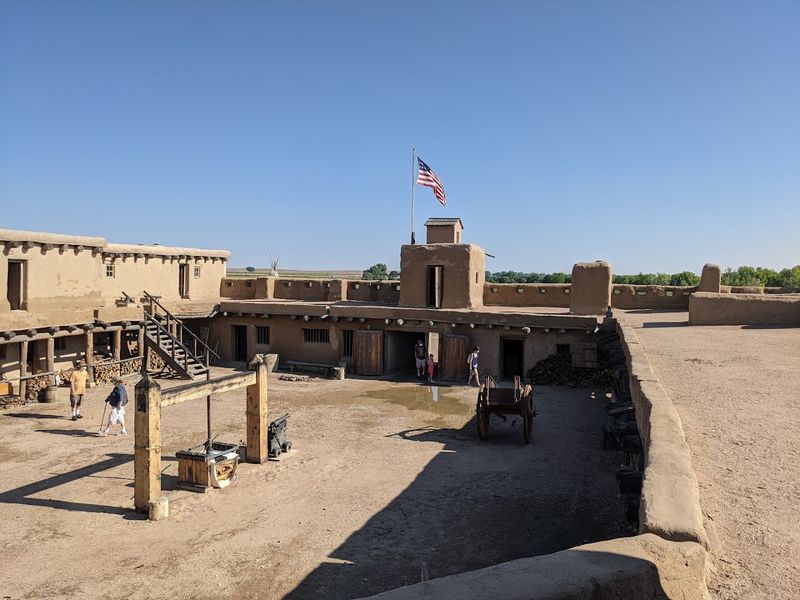
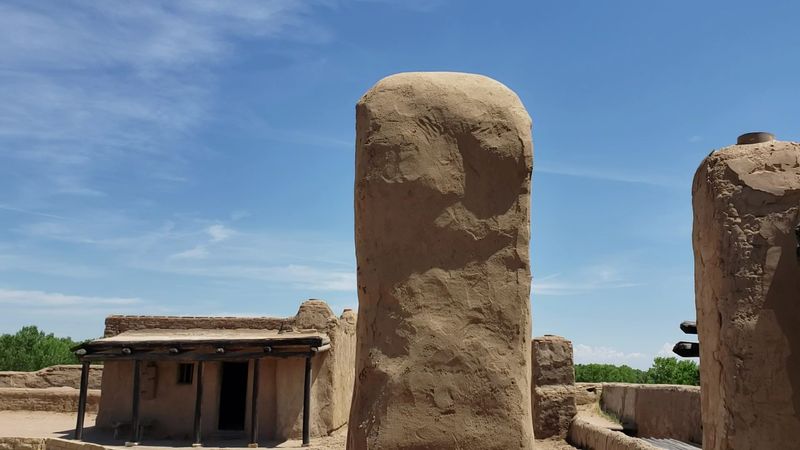
Adobe construction is one of the oldest building techniques in the world, and Bent’s Old Fort shows you exactly why it worked so well on the southern plains. The walls, some nearly three feet thick, naturally kept the interior cool in scorching summers and warm during bitter winters.
That was no accident — it was brilliant frontier engineering.
The reconstruction was built using exact measurements and written descriptions recorded by a U.S. Army lieutenant who visited the original fort.
Historians and builders worked hard to make every detail authentic, from the wooden roof beams called vigas to the hand-plastered interior walls. Touching those walls feels oddly emotional, knowing how much effort went into recreating something that history had swallowed whole.
Architecture fans will find themselves lingering here longer than expected, tracing the curves and textures of a building style that shaped an entire region’s identity.
Inside the Trading Post Rooms Frozen in the 1840s
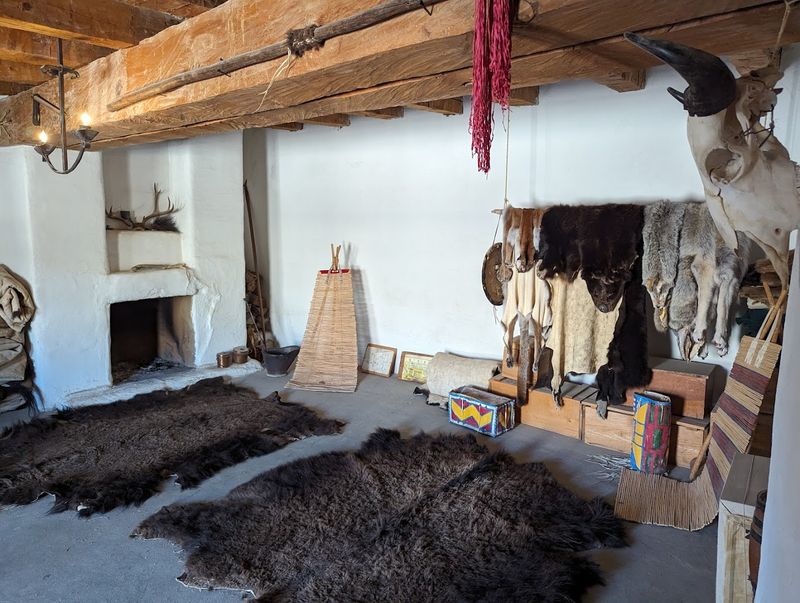
Step inside the fort and the 1840s come rushing at you from every direction. Rooms are set up exactly as they would have looked during peak trading days, complete with buffalo robes, iron tools, glass beads, blankets, and all the goods that once changed hands between traders, Native Americans, and mountain men.
Every item tells a story.
The trading room itself is especially fascinating. Imagine Cheyenne and Arapaho warriors walking through that same doorway, exchanging buffalo hides for metal pots and colorful cloth.
The scale of commerce that happened here was staggering for its time. This was not a small roadside shop — it was the Amazon warehouse of the frontier.
Rangers have done a spectacular job sourcing period-accurate props and arranging them with care. Even if history class was never your thing, standing in these rooms makes the past feel completely real and surprisingly personal.
The Guided Tours Led by Incredibly Knowledgeable Rangers
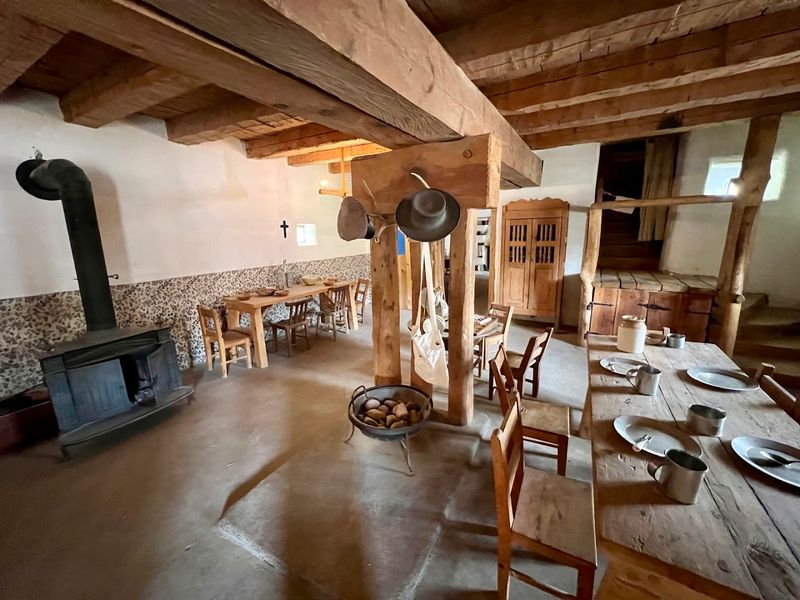
Honestly, the rangers here might be the best part of the whole visit. Multiple reviewers have raved about guides like Robert, who deliver tours packed with fascinating details, surprising stories, and genuine enthusiasm for the site’s rich history.
These are not dry, scripted lectures — they feel more like conversations with someone who truly loves what they do.
Tours are free and cover everything from the fort’s role in the Mexican-American War to the complex cultural relationships between European traders and Native American nations. You will hear about General Kearny’s troops, the Santa Fe Trail, and even a howitzer cannon that dramatically burst during a military salute.
Plan to book ahead if possible, since guided tours are not available every single day.
Visitors who skip the tour often leave with only half the picture. Those who take it tend to leave wanting to read a whole book about the place.
The Fort’s Central Role in the Mexican-American War
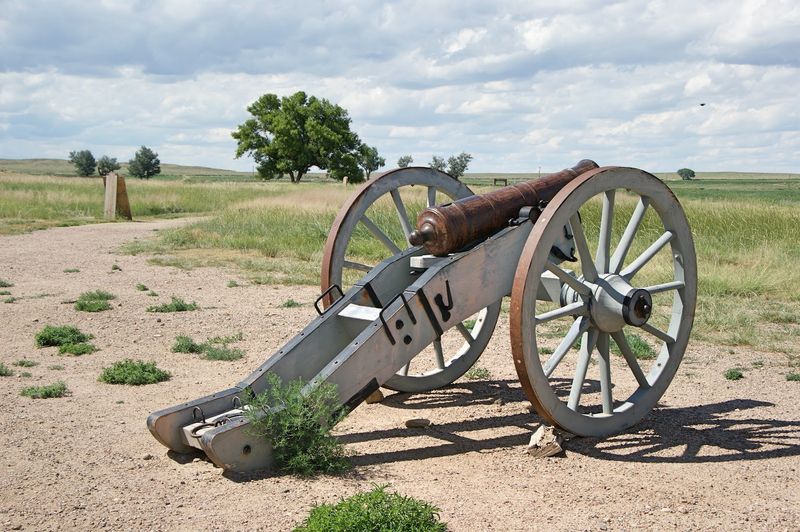
Few American forts can claim the kind of military drama that unfolded at Bent’s Old Fort in August 1846. General Stephen Watts Kearny and his Army of the West used the fort as a staging ground before marching into Mexican-held New Mexico.
The fort was literally the last major American outpost before entering foreign territory.
Among those hired to guide Kearny’s troops was Jean Baptiste Charbonneau — the son of Sacagawea. He had been educated in St. Louis by William Clark, studied in Germany, and spoke multiple languages including English, French, German, and Latin.
Kearny personally approved his pay of $80 a month. That single detail alone could fill a novel.
Standing in the fort’s courtyard knowing all of this context transforms the experience completely. History feels less like a textbook and more like a chain of incredible human decisions made right where you are standing.
The Cultural Crossroads of Native Tribes and Traders
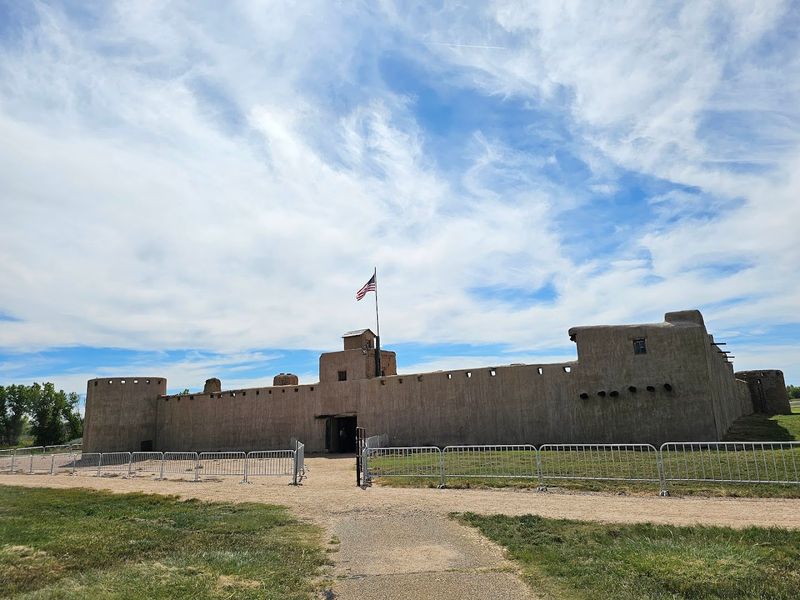
What made Bent’s Old Fort truly unique was not just its size or location — it was the remarkable mix of cultures that gathered there peacefully. Cheyenne, Arapaho, Comanche, and Kiowa tribes all traded at the fort alongside Hispanic merchants from Mexico, French-Canadian trappers, and American pioneers pushing westward.
For a brief period in history, this adobe courtyard was one of the most diverse meeting places on the continent.
William Bent was particularly respected by the Cheyenne, having married a Cheyenne woman named Owl Woman. That personal connection helped create a rare atmosphere of trust and mutual benefit.
The fort operated almost like a neutral zone where commerce could happen without the usual violence of the frontier.
Learning about this multicultural history gives the visit a deeper emotional weight. It is a reminder that cooperation and connection have always been possible, even in the toughest of times and places.
The Old Graveyard Along the Path to the Fort
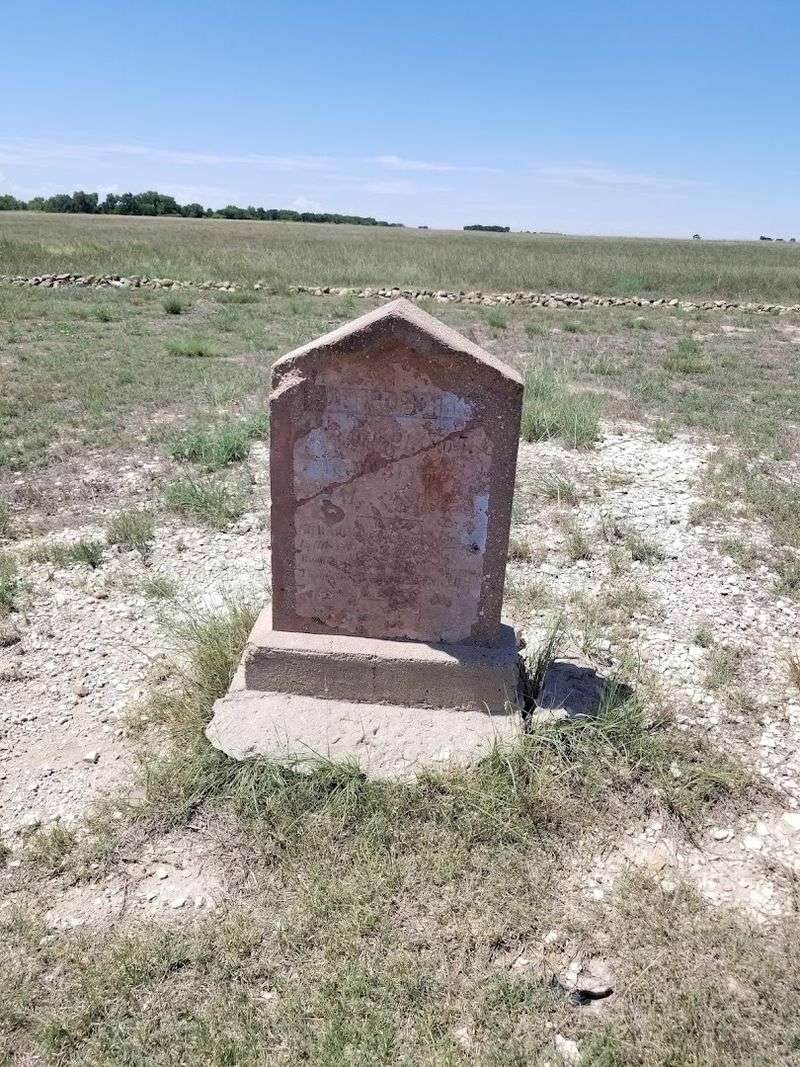
Not many people expect to pass a graveyard on their way to a historic trading post, but that small burial ground along the trail to Bent’s Old Fort adds something quietly powerful to the experience. The markers are simple, the setting is wide open, and the silence feels intentional.
It grounds the visit in a way that no exhibit or display ever quite could.
Life on the frontier was brutally hard. Disease, conflict, and the harsh environment claimed lives regularly, and the people buried here were part of that larger story.
Pausing for even a moment at the graveyard shifts the mood from sightseeing to genuine reflection.
Kids and adults alike often find this spot unexpectedly moving. It is a small detail that most visitors only discover by walking the trail rather than rushing straight to the fort — another reason to take your time and enjoy every step of the journey.
The Peacocks Roaming Freely Around the Grounds
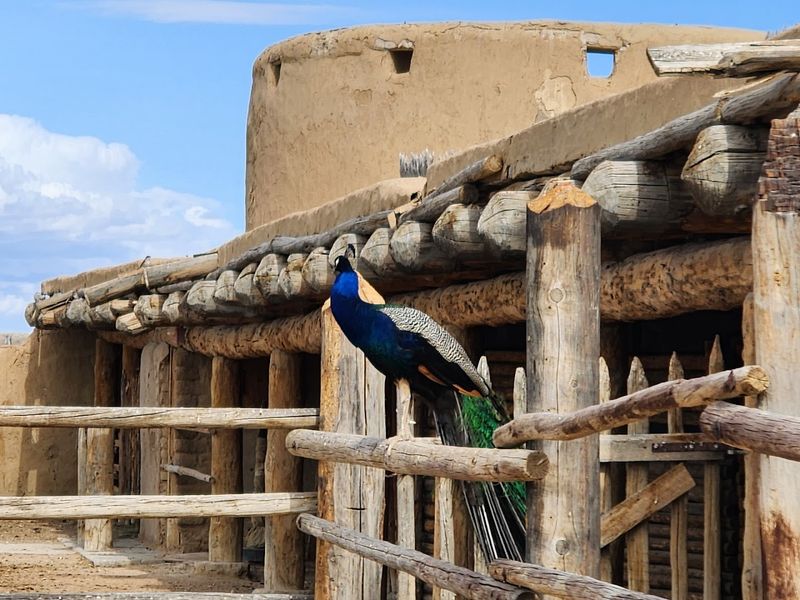
Nobody warns you about the peacocks, and that makes them all the more delightful. Multiple visitors have mentioned spotting these brilliantly colored birds wandering casually around the fort grounds, completely unbothered by tourists and perfectly at home against the backdrop of ancient adobe walls.
It is one of those unexpected details that makes a visit genuinely memorable.
Whether the peacocks are an intentional part of the historic atmosphere or just a happy accident, they add a touch of whimsy to what could otherwise be a very serious historical experience. Children especially love spotting them, and catching a peacock with its tail fanned out in front of the fort walls makes for an unforgettable photo.
Keep your eyes open as you walk the grounds because these birds tend to appear when you least expect them. Some visitors have admitted that seeing a peacock was their favorite part of the whole trip — and honestly, that tracks.
The Authentic Gift Shop Worth Browsing Before You Leave
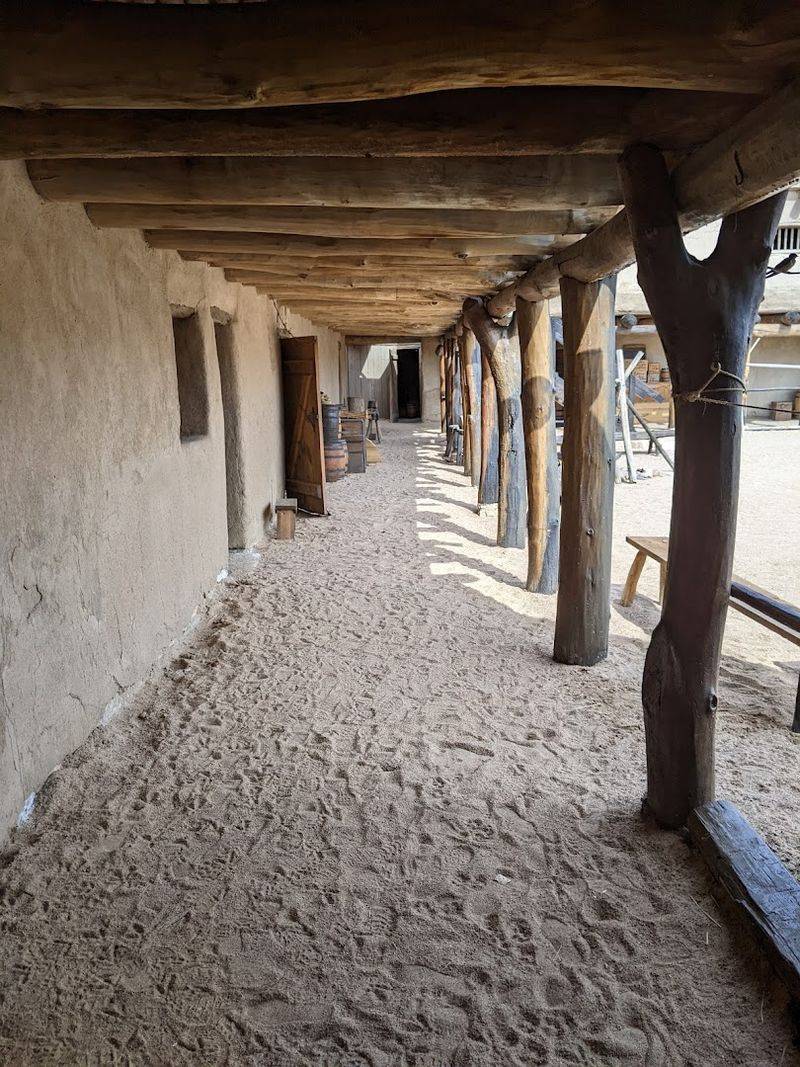
Tucked inside the fort near the back, the gift shop is more than a place to grab a fridge magnet. It is stocked with books about frontier history, Native American culture, the Santa Fe Trail, and the Bent family legacy — the kind of reading material that will keep you thinking about this place for weeks after your visit.
History lovers will want to set a budget before walking in.
Passport stamp collectors, take note: this is one of those NPS sites where you can get your National Parks passport stamped, which is a small but satisfying ritual for anyone working their way through the system. Unique items like period-inspired crafts and locally made goods also make for thoughtful gifts.
Donations to the fort are genuinely appreciated and needed, since the site currently faces funding shortfalls for ongoing structural repairs. Spending a little extra in the gift shop is a meaningful way to support a place that clearly matters to a lot of people.
Living History Events and Reenactments That Bring the Past Alive
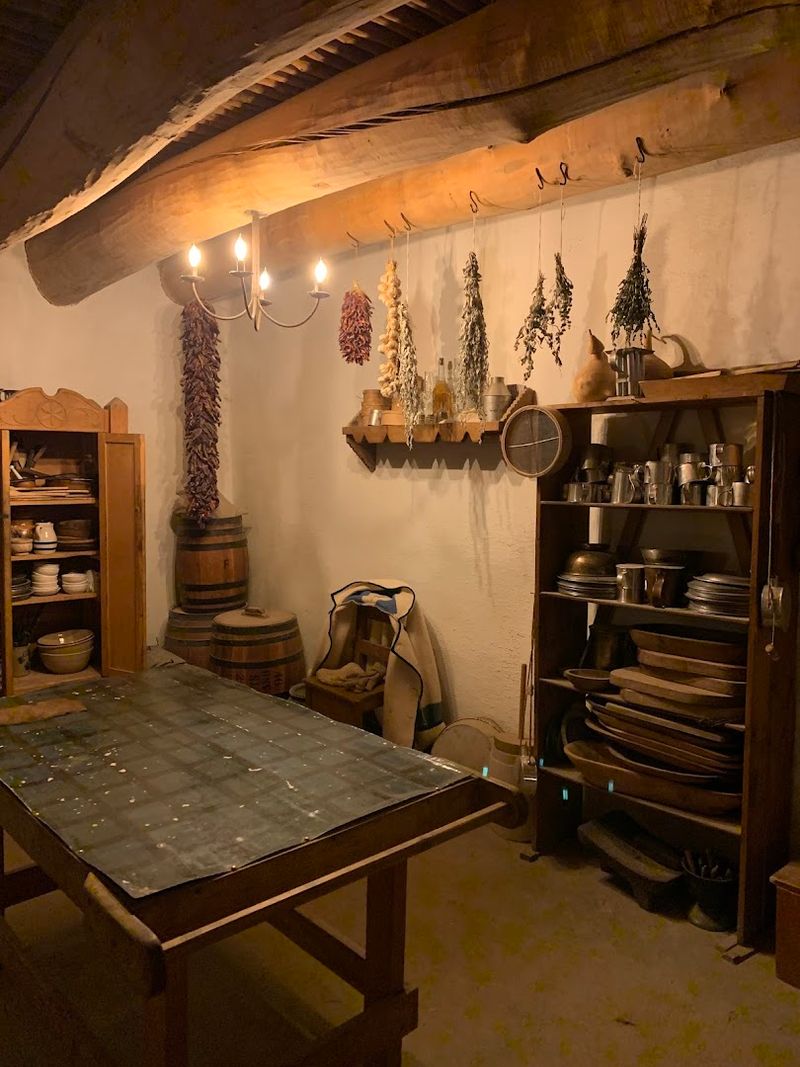
On certain days, Bent’s Old Fort transforms into something straight out of a time machine. Actors and living history interpreters dress in period-accurate clothing and demonstrate what daily life actually looked like inside a working 1840s trading post.
You might see a blacksmith hammering iron, a trader negotiating prices, or a cook preparing food using methods from nearly 200 years ago.
These events are especially popular with families and school groups, since watching history happen in real time is far more engaging than reading about it in a textbook. The TV miniseries Centennial even filmed scenes here, which gives you a sense of just how authentic the setting looks and feels on camera.
Check the NPS website at nps.gov/beol before your visit to see what events are scheduled. Timing your trip around a living history day can completely transform the experience from a quiet walkthrough into a full-on frontier adventure.
Practical Tips for Planning Your Visit
Bent’s Old Fort is open Tuesday through Sunday from 9 AM to 4 PM and is located at 35110 CO-194, La Junta, CO 81050. The site sits just a short detour off US-50, making it a natural stop on a southern Colorado road trip.
Call ahead at 719-383-5010 or check the NPS website to confirm tour availability and any temporary closures.
Admission has varied, so confirm current pricing before you go. The America the Beautiful pass may or may not be accepted depending on the day and staffing situation, so it is worth a quick phone call first.
Bring water, a hat, and sunscreen because the walk from the parking lot across open ground can feel intense on a hot summer afternoon.
Plan for at least one to two hours, though history enthusiasts easily spend more. Restrooms are available both at the parking lot and inside the fort itself, which is a very welcome convenience on a long travel day.
Why This Forgotten Fort Deserves Way More Attention
With a 4.8-star rating from over 1,200 reviews, Bent’s Old Fort quietly punches above its weight as one of the most beloved yet under-visited historic sites in the entire country. Most people blowing through southern Colorado on US-50 have no idea it is sitting just a few miles away, waiting to completely reframe their understanding of American history.
This is not a sanitized museum with velvet ropes and laminated signs. It is a living, breathing space where the past feels genuinely close.
The rangers are passionate, the architecture is striking, and the stories are wild enough to make any history skeptic reconsider their position.
Whether you are a road tripper looking for something unexpected, a history buff chasing the Santa Fe Trail, or a parent hoping to spark your kid’s curiosity about the frontier, Bent’s Old Fort delivers every single time. Go see it before the crowds eventually figure out what they have been missing.
Enjoyed this story?
Add Fast Food Club as a preferred source to see more of our reporting on Google.