


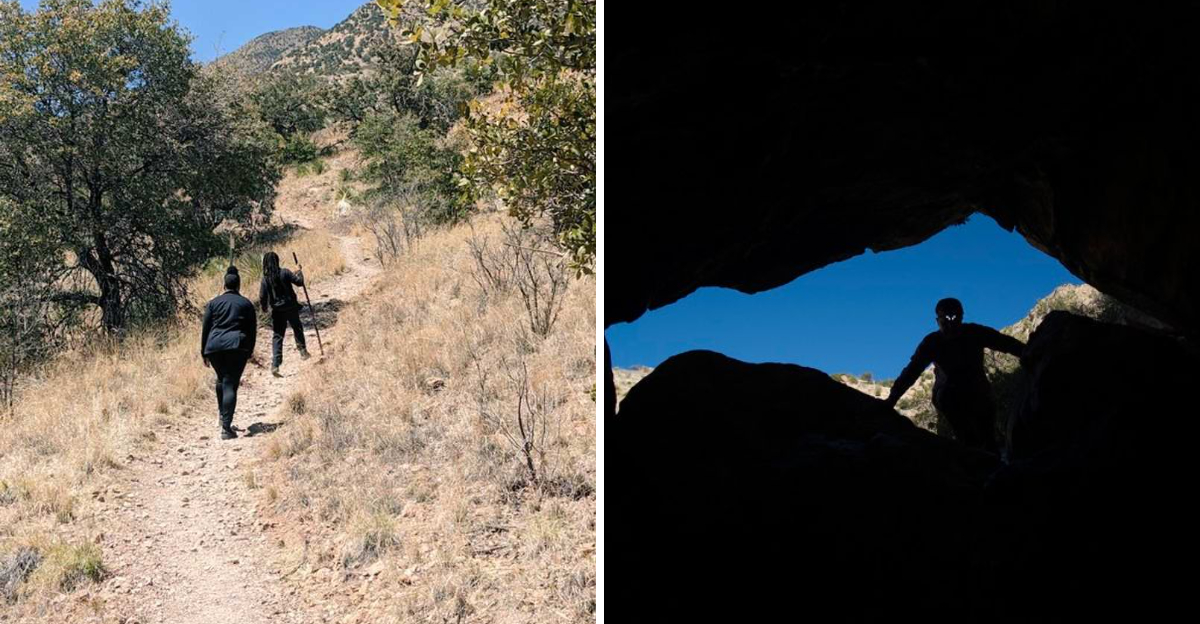
Tucked beneath the rugged hills of Coronado National Memorial near Hereford, Arizona, lies one of the Southwest’s most surprising natural treasures — Coronado Cave. This remarkable limestone cavern stretches roughly 600 feet deep and rewards curious explorers with massive chambers, fascinating rock formations, and an eerie, peaceful silence.
Best of all, it’s completely free to visit and open year-round, making it one of Arizona’s most accessible underground adventures. Whether you’re a seasoned hiker or a first-time cave explorer, this hidden gem is absolutely worth the trip.
The Half-Mile Hike That Sets the Stage
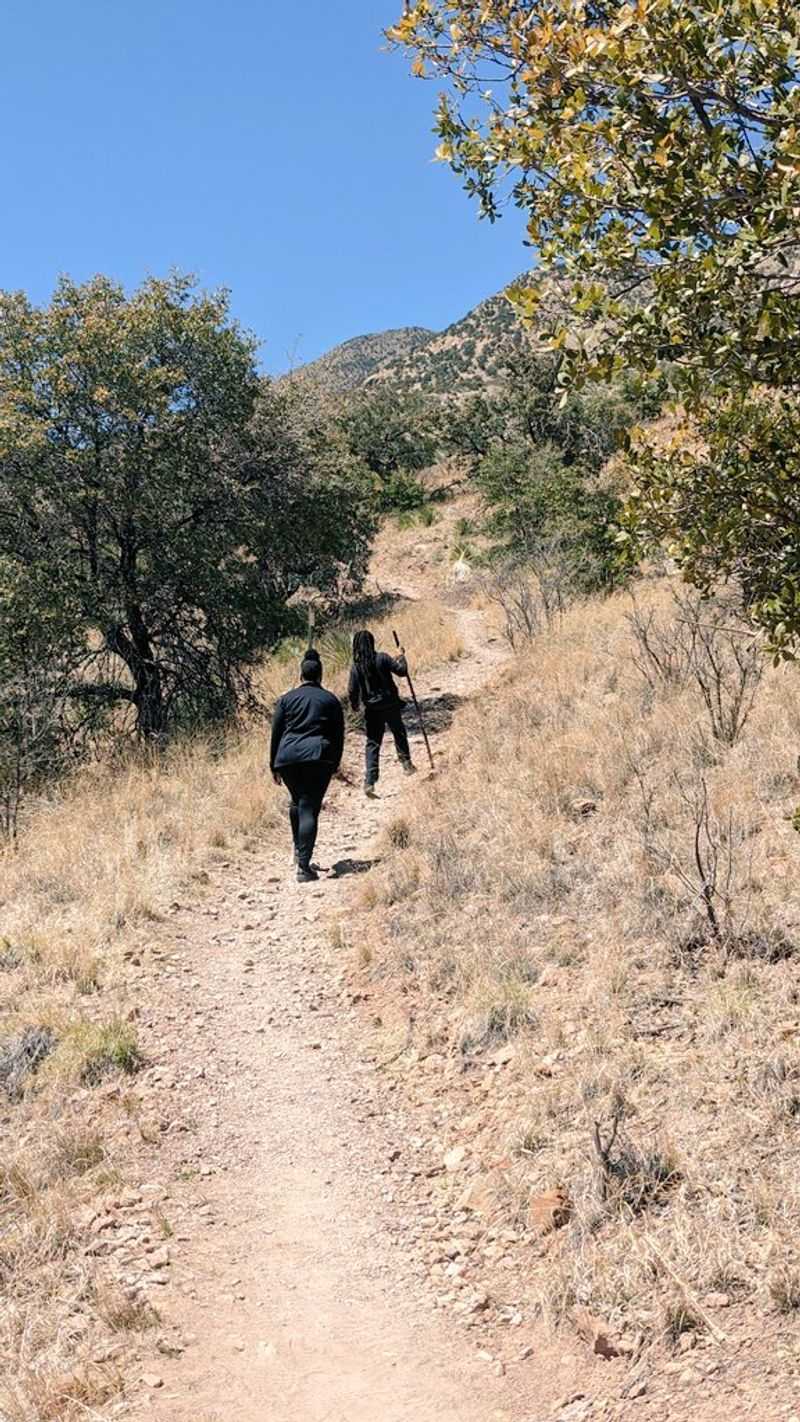
Before you even reach the cave, the trail itself gives you a taste of what’s ahead. The hike from the parking lot to the cave entrance is roughly half a mile, and most of the elevation gain comes in the final stretch — so be ready for a solid workout near the top.
The path winds through classic Arizona desert landscape, with views of the surrounding Huachuca Mountains that make every step feel rewarding. Many visitors say the scenery alone is worth the effort, even before they reach the cave.
Wear sturdy shoes with good grip and bring plenty of water, especially during warmer months. Families with younger kids hike this trail regularly, so it’s very manageable if you take it at a steady pace and enjoy the views along the way.
Parking Is Limited — Plan Accordingly
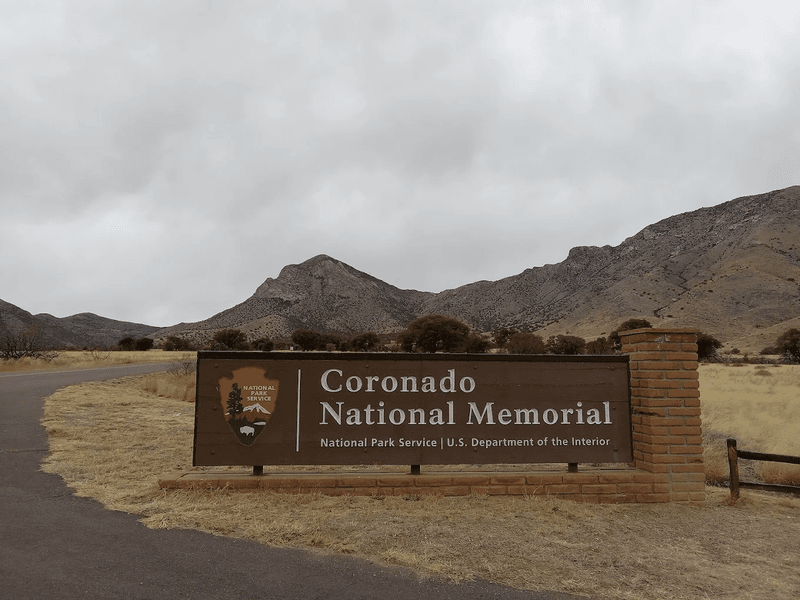
Here’s a practical heads-up that many first-time visitors overlook: the parking lot at the Coronado Cave trailhead holds only about seven vehicles. On busy weekends, spots can fill up fast, so arriving early in the morning is your best strategy.
The good news is that the visitor center for Coronado National Memorial is just down the road, where rangers can answer questions and provide helpful information before your hike. Stopping there first is a smart move, especially if it’s your first visit.
If you arrive and the small lot is full, patience pays off — turnover is usually quick since the hike is short. Weekday visits tend to be much quieter, with some explorers reporting having the entire cave completely to themselves.
That kind of solitude underground is a rare and truly special experience.
The Cave Entrance — Tricky but Totally Worth It
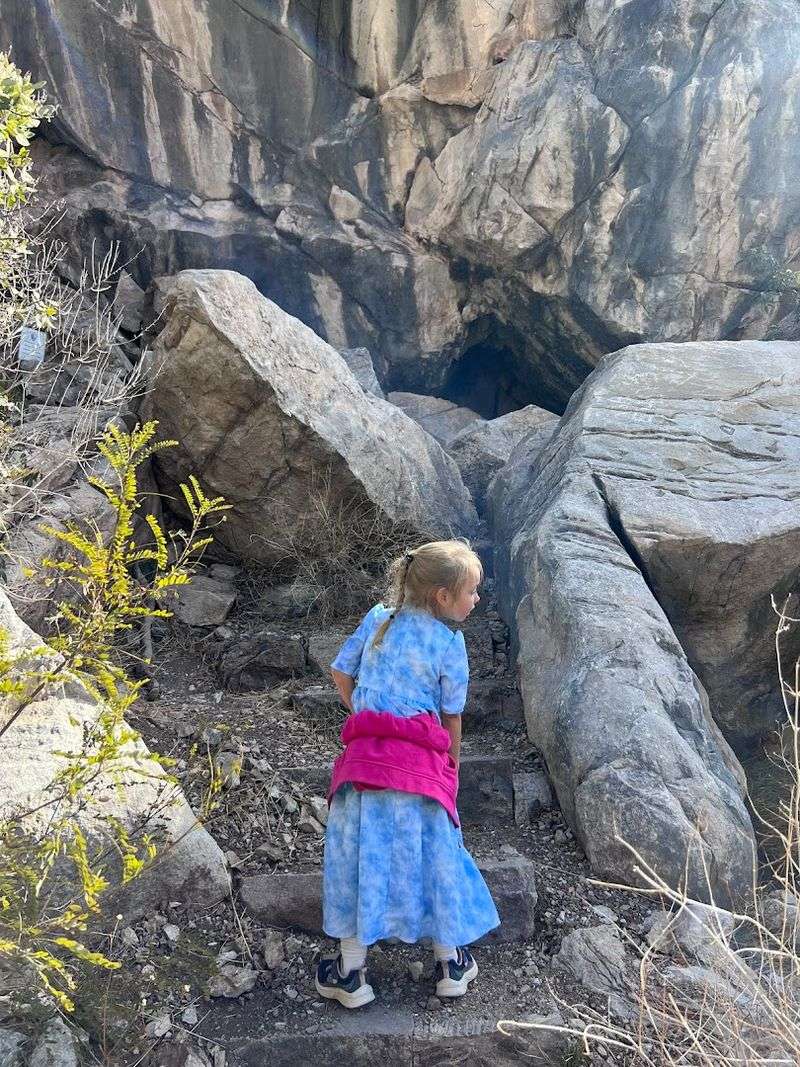
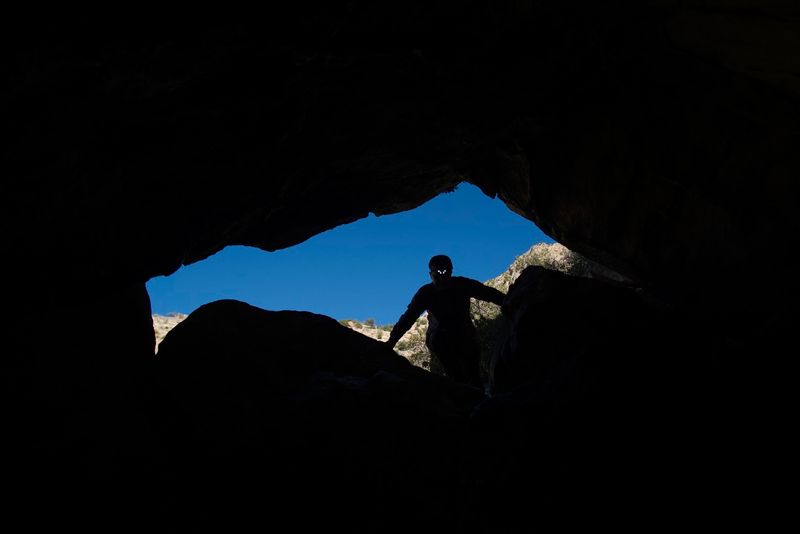
Almost every visitor agrees on one thing: the entrance to Coronado Cave is the most physically demanding part of the whole experience. You’ll descend a sandy, rocky slope that can be slippery underfoot, so gripping the rocks carefully as you lower yourself in is essential.
Wearing gloves with good grip makes this part much easier and safer. Once you’re past that initial entry point, the cave opens up dramatically and the terrain levels out into a spacious, walkable passage that feels almost like stepping into a cathedral underground.
Children as young as nine or ten regularly make it through the entrance with a little help from adults. The key is staying calm, moving slowly, and keeping both hands free — which is exactly why a hands-free headlamp is so much better than holding a flashlight at this tricky spot.
Why a Headlamp Is Non-Negotiable
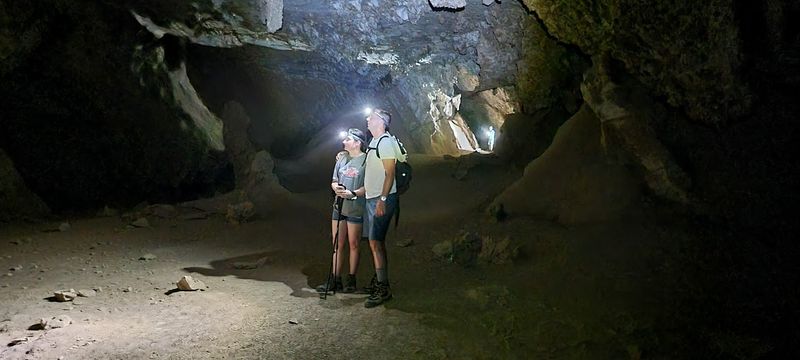
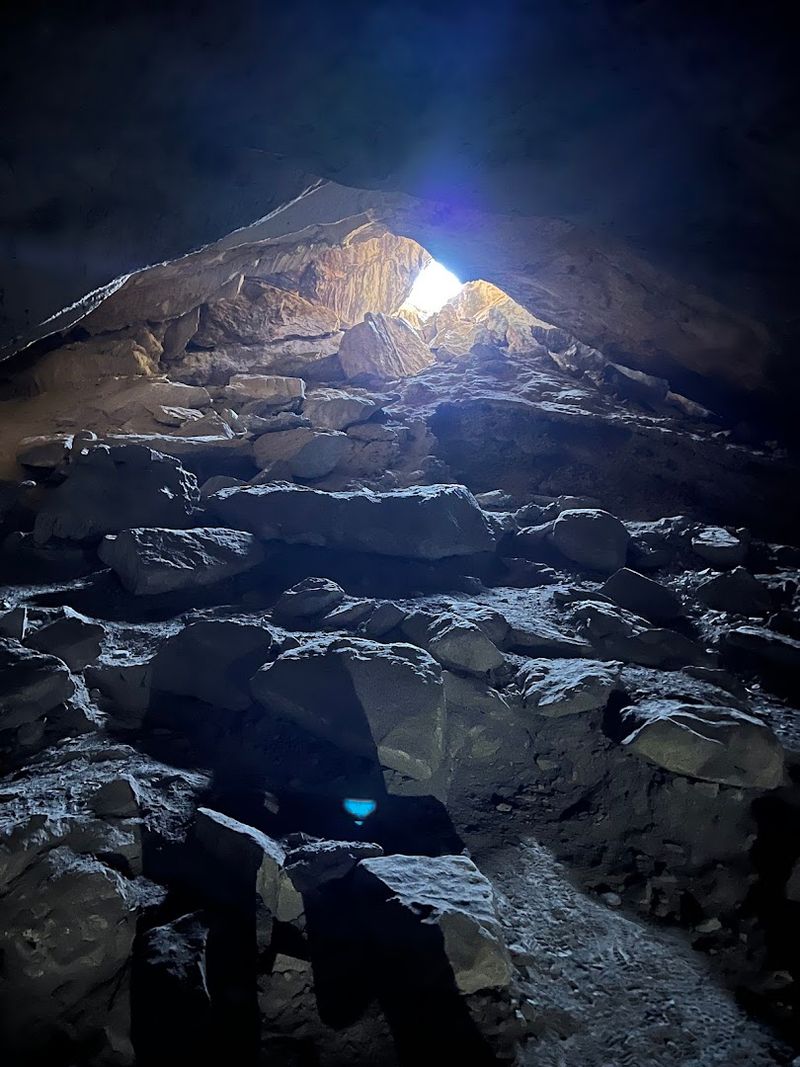
Natural light only reaches about one-third of the way into Coronado Cave, so once you venture deeper, you’re in complete darkness without a light source. A flashlight works in a pinch, but a hands-free headlamp is the real game-changer here.
With both hands free, you can steady yourself on rocks, help younger explorers, and point out cool formations without juggling gear. Multiple reviewers strongly recommend bringing a backup light source too — a fully charged phone works well as a secondary option.
Turning off your headlamp once you’re deep inside the cave is an experience in itself. The darkness is total and absolute, and the silence wraps around you like nothing you’ve felt before.
It’s a little eerie, honestly, but in the best possible way. Kids especially love that moment of pure pitch-black adventure before switching the light back on.
The Massive Interior Chambers That Leave You Speechless
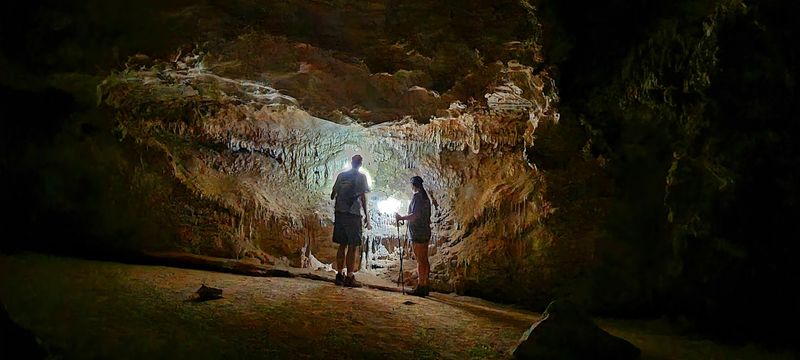
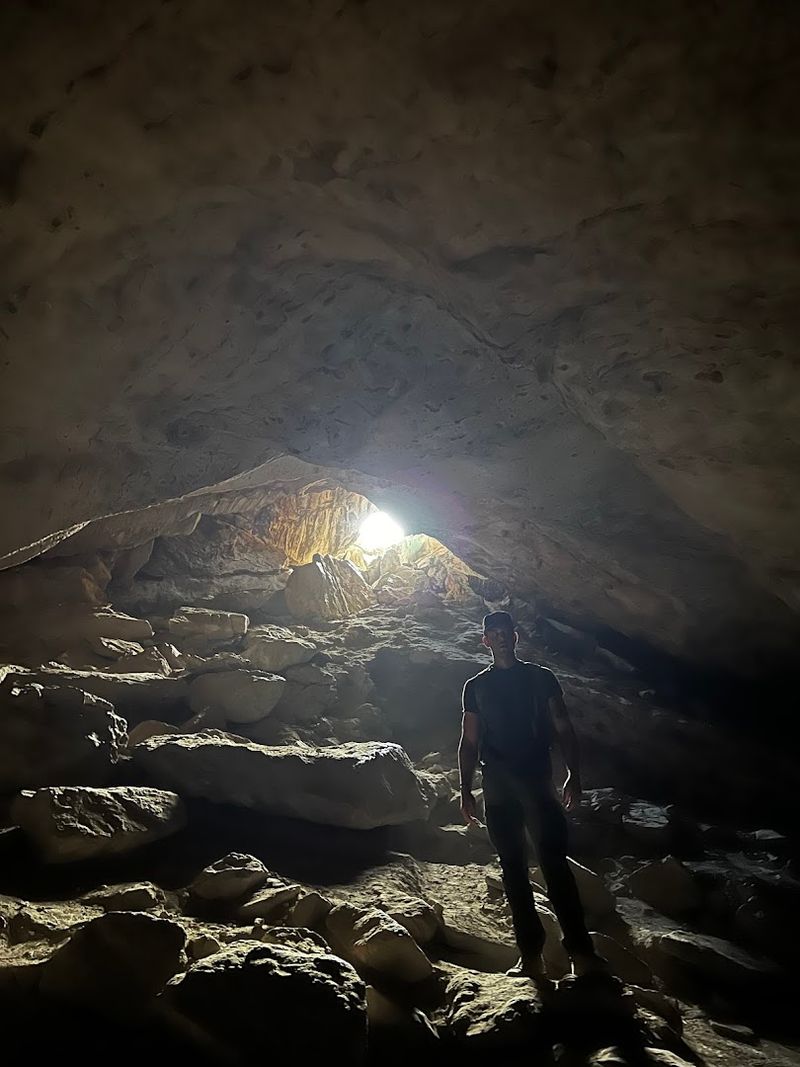
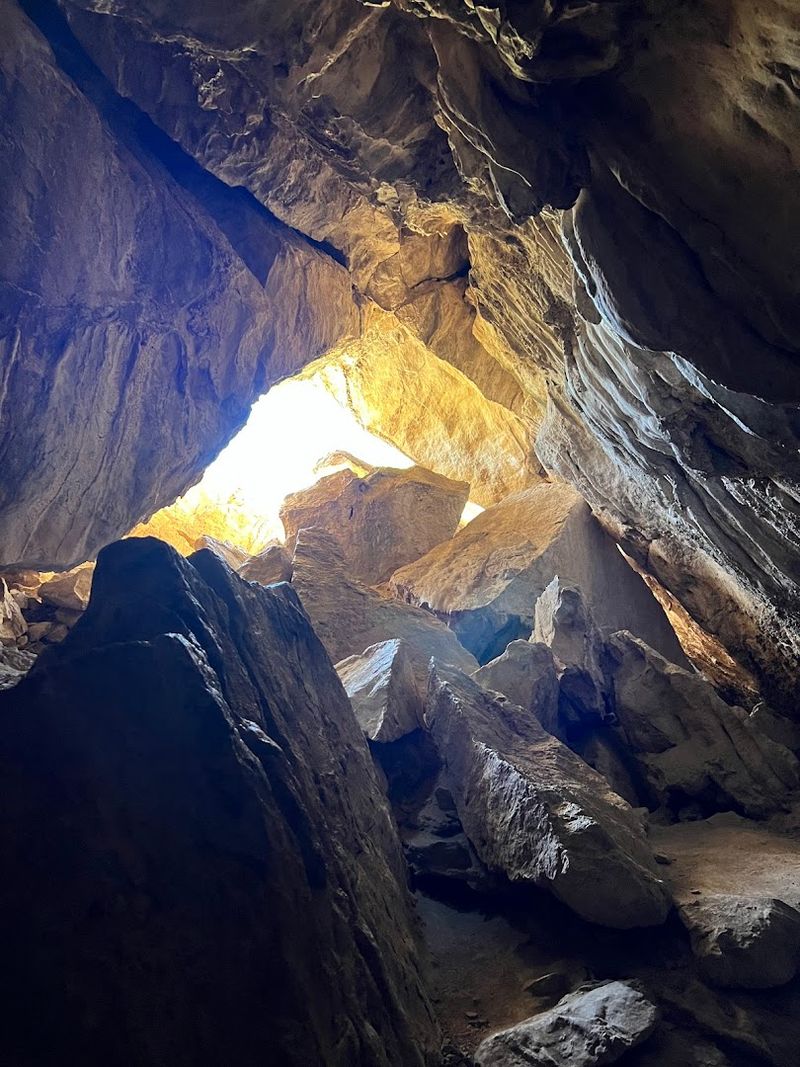
Once past the entrance, visitors are greeted by something truly jaw-dropping — cavern chambers so large they feel almost impossible to believe. The cave stretches roughly 600 feet in length, with some sections opening into wide, tall rooms where the walls and ceiling seem to disappear into the shadows above.
Walking through feels less like a tight squeeze and more like strolling through an ancient underground hall. There’s no stooping or crawling required along the main passage, which makes it accessible to a wide range of visitors including older adults and families with kids.
The sheer scale of the interior is one of the most commonly mentioned surprises in visitor reviews. People who expected a small, cramped tunnel are blown away by how spacious and dramatic the cave actually is.
Bring a camera, because photos barely do justice to the real thing.
Rock Formations at the Far End of the Cave
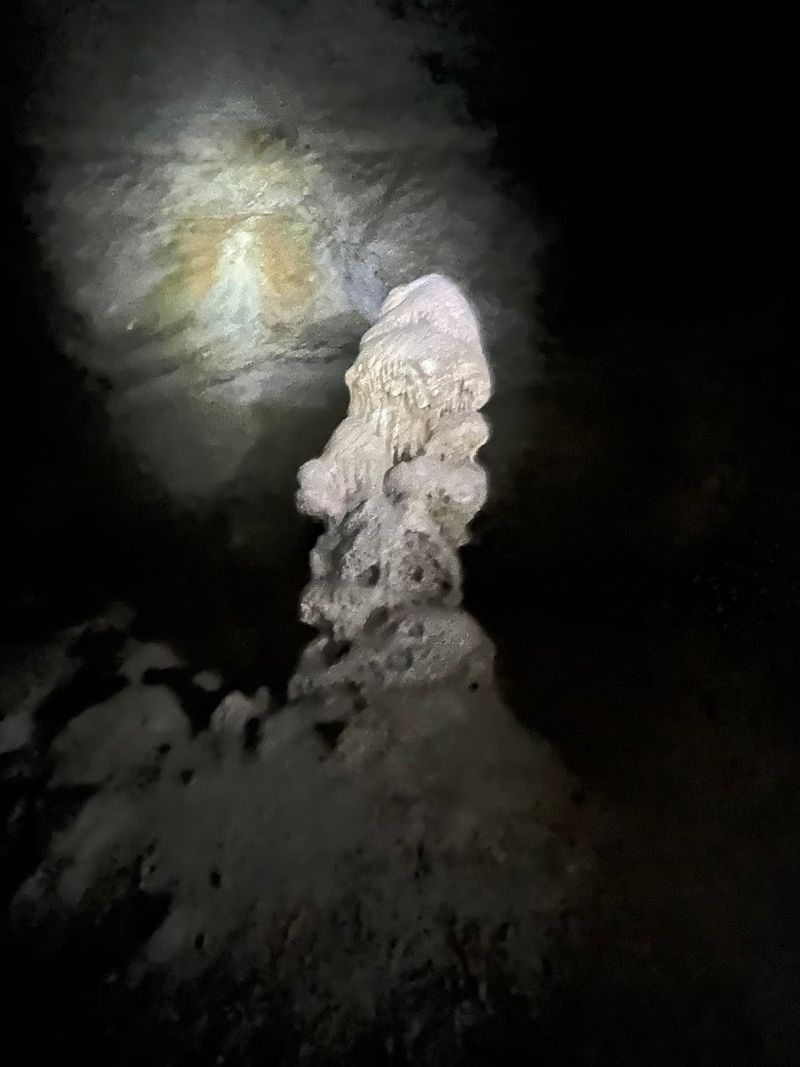
The real prize of Coronado Cave waits at the very back. Push past the main corridor and you’ll find a final room where limestone formations become visible — stalactites, stalagmites, and delicate mineral structures that took thousands of years to form.
One reviewer described turning off the flashlight at the far end and seeing a faint glow of natural light filtering through a tiny air shaft in the ceiling. That moment — standing in near-darkness with ancient formations all around you — is genuinely surreal and unforgettable.
Unfortunately, some formations have been damaged or removed over the years, which is a reminder to always look but never touch. These geological wonders grow less than an inch every hundred years in some cases, so even a single broken formation represents an irreplaceable loss for future visitors.
The Secret Side Passages Worth Crawling Into
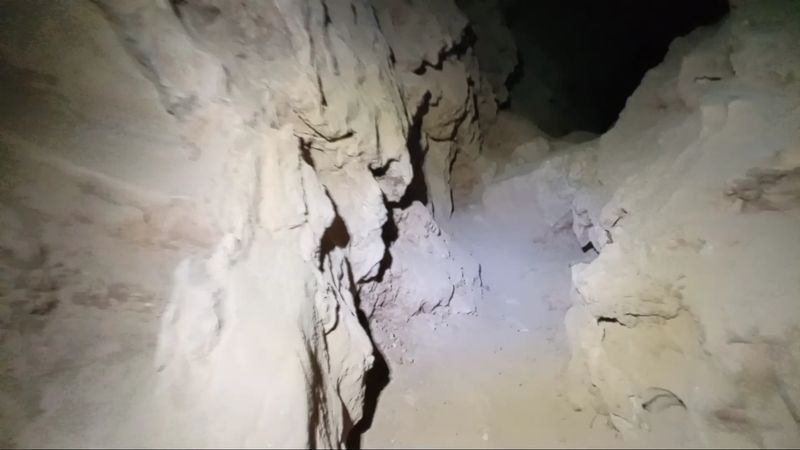
For the adventurous souls who want more than the main corridor, Coronado Cave has a few hidden side passages that branch off along the route. These narrow slots require actual crawling, and that’s exactly what makes them so exciting for thrill-seekers.
One popular side branch extends roughly 200 feet and rewards the effort with a completely different perspective on the cave’s interior. Reviewers who dared to crawl through described it as one of the most fun moments of their entire visit — cramped, dusty, and totally worth every second.
Wearing knee protection or thick pants is a smart idea if you plan to tackle these passages. Gloves also help when pushing through tighter spots.
Kids who were nervous about the main entrance often turn into fearless explorers once they discover these sneaky little tunnels waiting to be conquered.
Gear Up Right — What to Wear and Bring
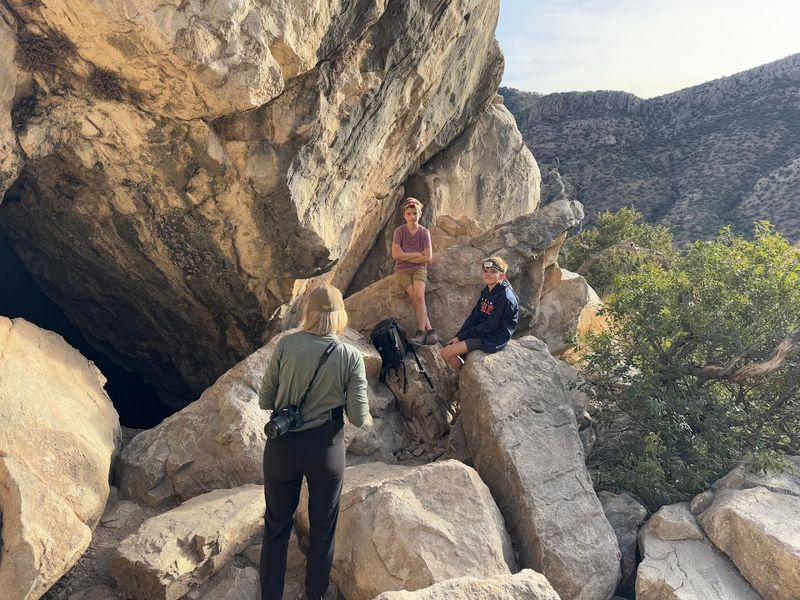
Preparation makes the difference between a frustrating visit and an amazing one at Coronado Cave. Sturdy boots with solid ankle support and grippy soles are a must, especially for the slippery cave entrance and the rocky trail leading up to it.
Gloves with grip are highly recommended — they give you confidence and control when climbing down into the entrance or navigating uneven cave floors. Some visitors also suggest wearing a dust mask, since the cave floor can kick up a surprising amount of fine particles as you walk through.
Pack at least one water bottle per person, plus a snack for the trail. The hike isn’t long, but the Arizona heat can sneak up on you.
Layering is smart too — the cave stays noticeably cooler than outside, so a light jacket tucked in your bag can feel like a lifesaver once you’re inside.
It’s Completely Free to Explore
In a world where most cool outdoor experiences come with a price tag, Coronado Cave is a refreshing exception. There’s absolutely no entry fee to visit the cave or hike the trail — it’s a free public resource managed by the National Park Service as part of Coronado National Memorial.
That makes it one of the best value adventures in all of Arizona, especially for families looking to stretch their travel budget without sacrificing quality. You get a genuine caving experience, stunning desert scenery, and a memorable hike, all for zero dollars.
The nearby visitor center is also free and staffed by knowledgeable rangers who can answer questions about the cave, trail conditions, and local wildlife. Stopping in before your hike only takes a few minutes and can really enrich your overall experience at the memorial.
When to Visit for the Best Experience
Timing your visit can make a huge difference at Coronado Cave. The cave is open daily from 8 AM to 5 PM, so early morning arrivals get the dual benefit of cooler temperatures and far fewer crowds.
Some lucky visitors have had the entire cave to themselves.
Avoid visiting during monsoon season, which typically runs from July through September in southern Arizona. Flash flooding can be dangerous, and even clear skies outside can hide rapidly changing weather conditions that you won’t notice while inside the cave.
Spring and fall are widely considered the sweet spots for visiting — mild temperatures, lower humidity, and beautiful desert scenery along the trail. Weekday visits are noticeably quieter than weekends, so if your schedule allows flexibility, a Tuesday or Wednesday morning visit might just be the most peaceful cave adventure you’ve ever had.
A Family Adventure That Kids Absolutely Love
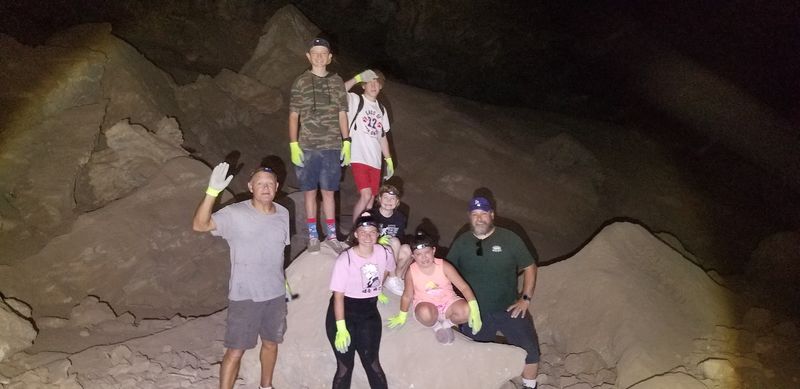
Coronado Cave has earned a reputation as one of Arizona’s top family-friendly outdoor adventures, and it’s easy to see why. The hike is short enough for young legs, the cave is spacious enough for curious minds, and the whole thing feels like stepping into a real-life adventure story.
Parents report that even kids who were hesitant at the start — nervous about the dark or the rocky entrance — quickly transform into enthusiastic explorers once they’re inside. There’s something about the scale and the mystery of the cave that sparks genuine excitement in children of all ages.
Just make sure every family member has their own light source. Sharing a single flashlight gets complicated fast in a dark cave.
Bringing a spare headlamp for each child turns a good trip into a great one, giving kids the independence to look around and discover things on their own.
Respecting the Cave — Leave It Better Than You Found It
Like many natural wonders, Coronado Cave faces real threats from human carelessness. Some visitors have reported finding graffiti, broken formations, and scattered trash inside the cave — a genuinely sad reality for a place this beautiful and historically significant.
The Leave No Trace principle matters deeply here. Pack out everything you bring in, including food wrappers, water bottles, and any other waste.
If you spot litter left by others, picking it up takes only a moment and makes a meaningful difference for the next person who visits.
Never touch the formations, no matter how tempting it might be. The natural oils from human skin can permanently discolor and damage limestone structures that took millennia to develop.
Treating the cave with respect ensures it stays magical for generations of future explorers — including the kids who will one day bring their own children here.
Why Coronado Cave Belongs on Your Arizona Bucket List
Some places earn their reputation slowly, through word of mouth and shared memories. Coronado Cave is exactly that kind of place — a hidden gem that locals treasure and visitors never forget.
With a near-perfect 4.9-star rating from dozens of reviews, it consistently delivers on its promise of adventure.
The combination of a scenic desert hike, a genuinely impressive cave system, dramatic rock formations, and a completely free experience is hard to beat anywhere in the Southwest. Add in the peaceful solitude that many visitors experience, and you have a recipe for one of those rare travel moments that sticks with you for years.
Whether you’re road-tripping through southern Arizona, staying in nearby Sierra Vista, or making a special trip just for this, Coronado Cave rewards every visitor who shows up prepared and curious. Go see it for yourself — words really don’t do it justice.
Enjoyed this story?
Add Fast Food Club as a preferred source to see more of our reporting on Google.