


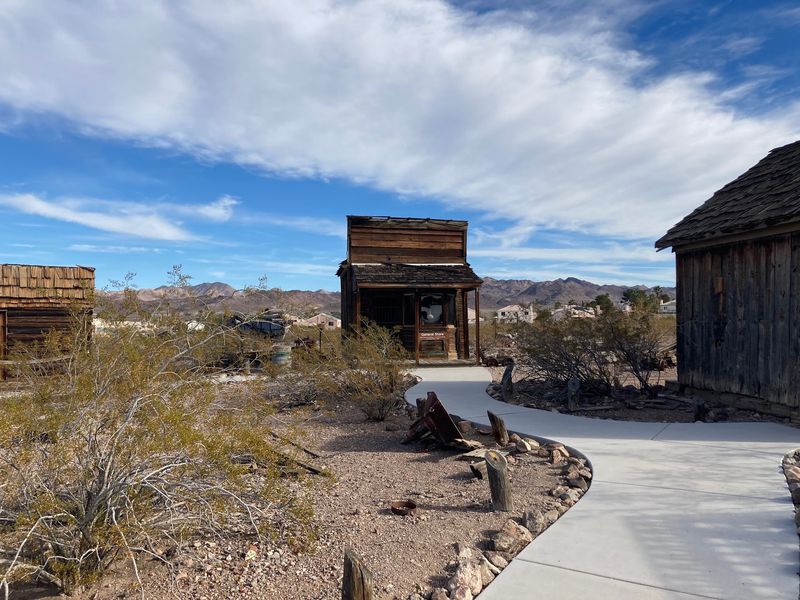
Nevada is full of towns that boomed fast, ran on silver and gold, and then faded once the mines dried up. What is left behind are wooden storefronts, old mills, dusty cemeteries, and streets you can still walk today.
Some of these places are true ghost towns with only a handful of residents, while others have museums, tours, and even a few shops that keep the history alive. If you like road trips with a real sense of the past, this list of ten Nevada ghost towns is a great place to start planning.
1. Rhyolite, Beatty, Nevada
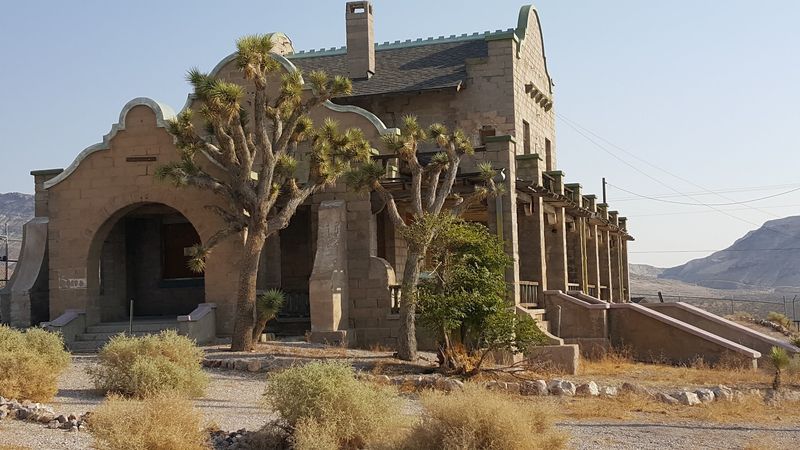
Just a few miles from the entrance to Death Valley, Rhyolite is one of the most photographed ghost towns in the state. The town grew quickly after a big gold strike in 1904 and once had thousands of residents before it emptied out by the 1920s.
What still stands is impressive. You can see the shell of the three-story Cook Bank building, the old train depot, and the ruins of a school and jail.
One of the strangest features is the Bottle House, built from thousands of glass bottles pressed into adobe. Right next door sits the Goldwell Open Air Museum, a free outdoor art collection with large ghostly sculptures set against the desert.
Admission is free and the site is open to walk anytime during daylight. Bring water, since there are no services nearby and the summer heat is serious.
2. Goldfield, Goldfield, Nevada
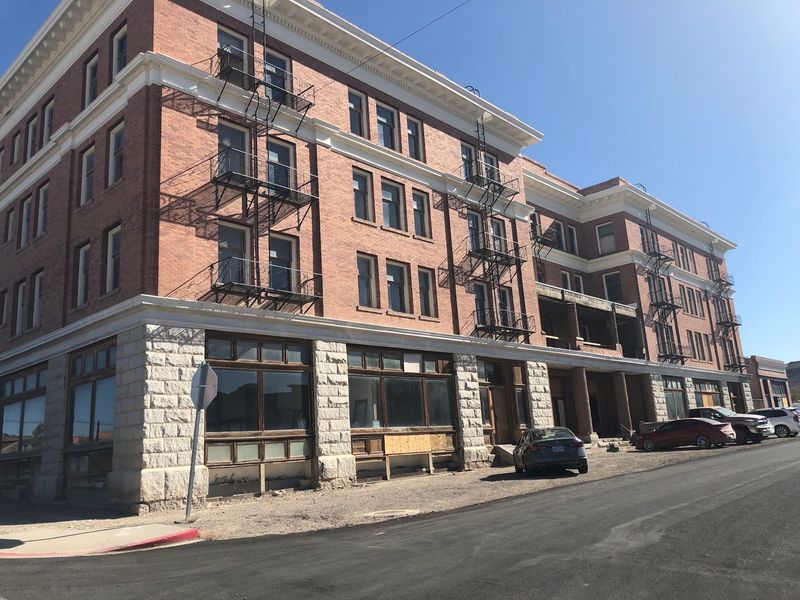
Goldfield is not fully abandoned, and that is part of what makes it interesting. A small community still lives here, which means you can wander a real historic town rather than a pile of ruins.
At its peak around 1906, Goldfield was the largest city in Nevada, fueled by one of the richest gold rushes the state ever saw. Grand buildings like the old Goldfield Hotel and the Esmeralda County Courthouse still stand along the main road.
The courthouse is especially worth a look because it keeps original fixtures from the early 1900s. You can also spot old churches, the high school, and plenty of weathered storefronts.
Goldfield sits right on U.S. Route 95, so it is easy to reach on a longer road trip.
Stop by the visitor information in town to learn which sites you can enter and which you can only view from outside.
3. Berlin, Berlin-Ichthyosaur State Park, Nevada
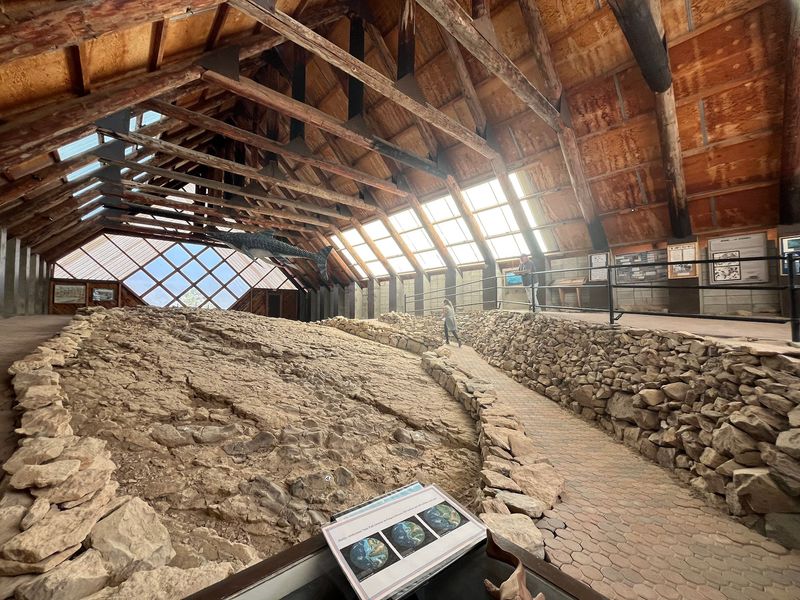
Two very different kinds of history meet at Berlin, which sits inside a state park in central Nevada. The town side preserves a mining camp, and the fossil side protects some of the largest ancient marine reptile remains ever found.
Berlin operated as a mining town in the early 1900s, and the state has kept its buildings in a stabilized, arrested-decay condition. You can see the old mill, cabins, and mine works without heavy modern restoration hiding the age.
A short drive away is the Fossil House, where you can view Ichthyosaur fossils right where they were dug up. Guided tours of the fossil shelter run on a seasonal schedule.
There is a park entrance fee, plus a campground if you want to stay overnight. The road in is remote, so fill your gas tank before you head out.
4. Belmont, Belmont, Nevada
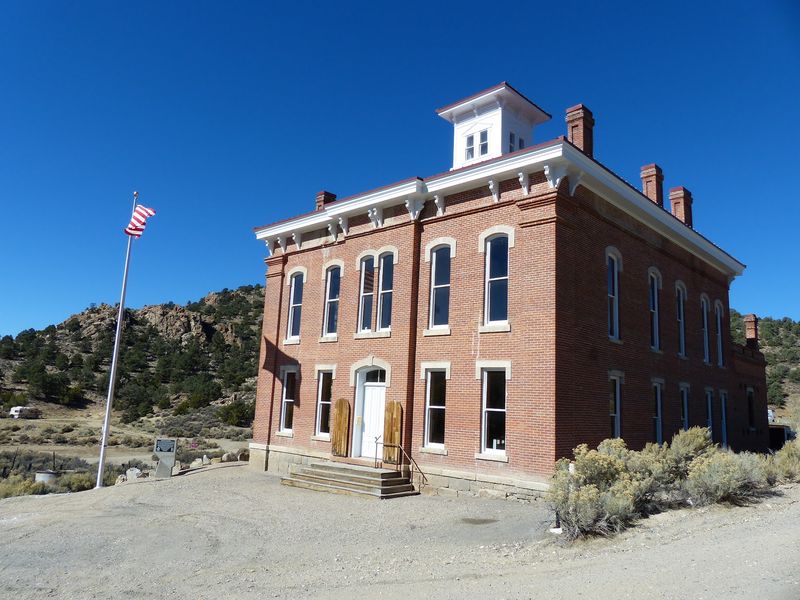
Silver put Belmont on the map in the 1860s, and for a short time it even served as the county seat. Today a small number of residents remain, and the desert quiet makes the old structures stand out even more.
The star attraction is the Belmont Courthouse, a brick building from 1876 that the state now protects as a historic site. It is one of the best preserved old courthouses of its kind in Nevada.
Around town you can find the remains of mills, brick storefronts, and a tall smokestack from the mining days. The mix of standing ruins and open space gives you room to explore at your own pace.
Belmont sits far from major highways, reached by a long drive out of Tonopah. That distance keeps the crowds thin and the atmosphere genuinely old-fashioned.
5. Virginia City, Virginia City, Nevada
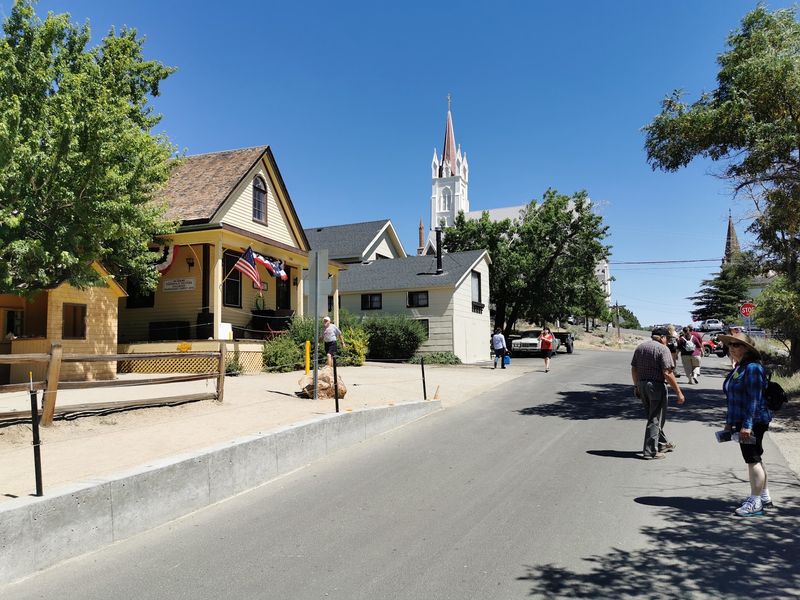
If you want the ghost town experience without giving up food, shops, and tours, Virginia City delivers. Built on the legendary Comstock Lode, it became one of the richest silver strikes in American history during the 1860s and 1870s.
The whole town is a National Historic Landmark, with wooden boardwalks and Victorian buildings lining C Street. You can tour old mines, ride a short historic railroad, and visit small museums that explain how the mining boom shaped the West.
Because it is a living town, hours and attractions run year round, though some seasonal events fill the calendar. Parking can get tight on busy weekends, so arriving early helps.
What makes Virginia City stand out on this list is how much is still open and walkable. It is a ghost town that never fully gave up the ghost.
6. Gold Point, Gold Point, Nevada
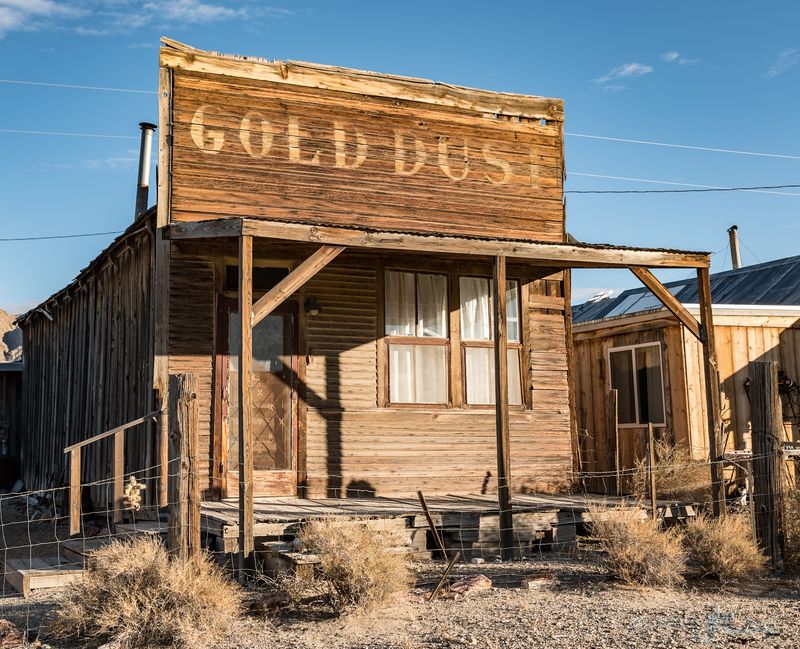
Tucked into the desert south of Goldfield, Gold Point survived thanks to a small group of people who worked to save it. Many original wooden buildings still line the tiny grid of streets.
The town grew from mining that shifted between silver and gold over the years, and dozens of old structures remain, from cabins to the old post office. Preservation efforts here have kept the place from crumbling completely.
Visitors can walk the quiet streets and see mining equipment left behind from the boom decades. Some cabins have been fixed up, giving you a sense of how residents actually lived.
Gold Point is small and remote, so plan ahead and respect any posted signs about private areas. The reward is a compact, well-kept slice of old Nevada that feels frozen in time.
7. Tonopah, Tonopah, Nevada
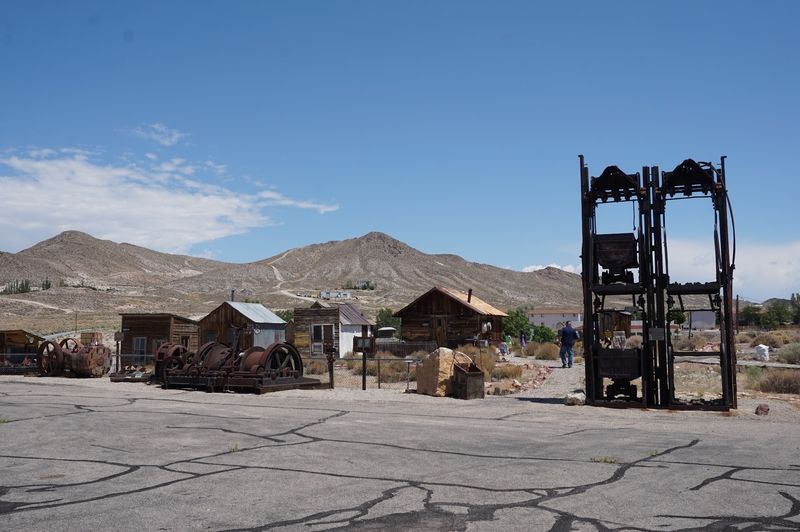
Half working town and half open-air museum, Tonopah gives you a rare chance to walk right into a real silver mine. The famous strike here in 1900 helped spark a new wave of Nevada mining after the earlier Comstock era faded.
The main draw is the Tonopah Historic Mining Park, built on the actual mine site above town. You can peer down old shafts, see original headframes and hoist works, and follow trails through the equipment left in place.
Down in town, the Central Nevada Museum adds context with photos, tools, and exhibits from the mining days. Tonopah also sits at a handy midpoint on U.S.
Route 95 between Las Vegas and Reno.
The mining park charges a small admission and keeps regular hours. It is a great first stop if you want history explained clearly before exploring the more remote sites.
8. Pioche, Pioche, Nevada
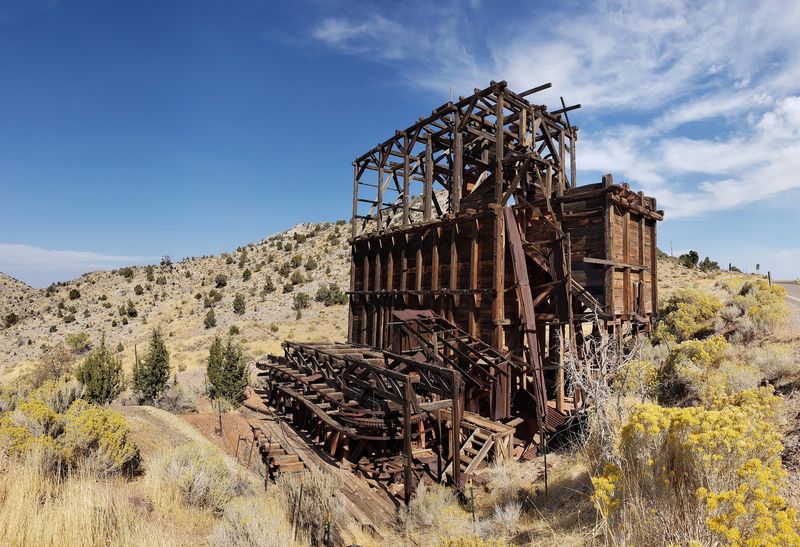
Rough and rowdy in its early silver-mining days, Pioche has calmed down a lot but kept its colorful history. A small population still lives here in eastern Nevada, so services and lodging are available nearby.
One of the town’s quirks is the aerial tramway, with old ore buckets that once carried material down from the mines above. You can still see the towers and buckets stretched across the hillside.
Pioche is also home to the Million Dollar Courthouse, a building that famously cost far more than planned and took decades to pay off. Small museums and historic markers help fill in the story.
Because it sits near Cathedral Gorge State Park, Pioche pairs well with a scenic outdoor detour. That combination makes it an easy addition to an eastern Nevada road trip.
9. Unionville, Unionville, Nevada
A green canyon setting sets Unionville apart from the dusty desert sites on this list. Nestled in the Buena Vista Valley, this old silver camp has trees, a creek, and a handful of remaining residents.
Silver mining brought a rush here in the early 1860s, and Mark Twain even spent time in the area during his Nevada years. Stone and wooden ruins from that era are scattered along the canyon.
The setting feels softer and more welcoming than many ghost towns, thanks to the shade and running water. A small bed and breakfast has operated in the area, giving overnight options in an otherwise remote spot.
Reaching Unionville means leaving the interstate for gravel roads, so drive carefully. The quiet canyon and mix of history and greenery make the trip a pleasant surprise.
10. Metropolis, Wells, Nevada
Not every Nevada boom town ran on mining, and Metropolis proves it. Founded in the early 1910s as an ambitious farming colony, it was meant to be a great agricultural city fed by irrigation.
Water rights disputes and other troubles doomed the dream, and the town emptied within a couple of decades. What remains is unusual for the state, including the striking arched entrance of the old Lincoln School.
You can also find the ruins of the once-grand hotel and scattered foundations across the sagebrush flats. Interpretive signs help explain how the grand plan fell apart.
Metropolis sits north of Wells and reaching it requires some dirt-road driving. Its farming origin story gives this stop a different flavor from the silver and gold camps around the rest of the state.
Enjoyed this story?
Add Fast Food Club as a preferred source to see more of our reporting on Google.