


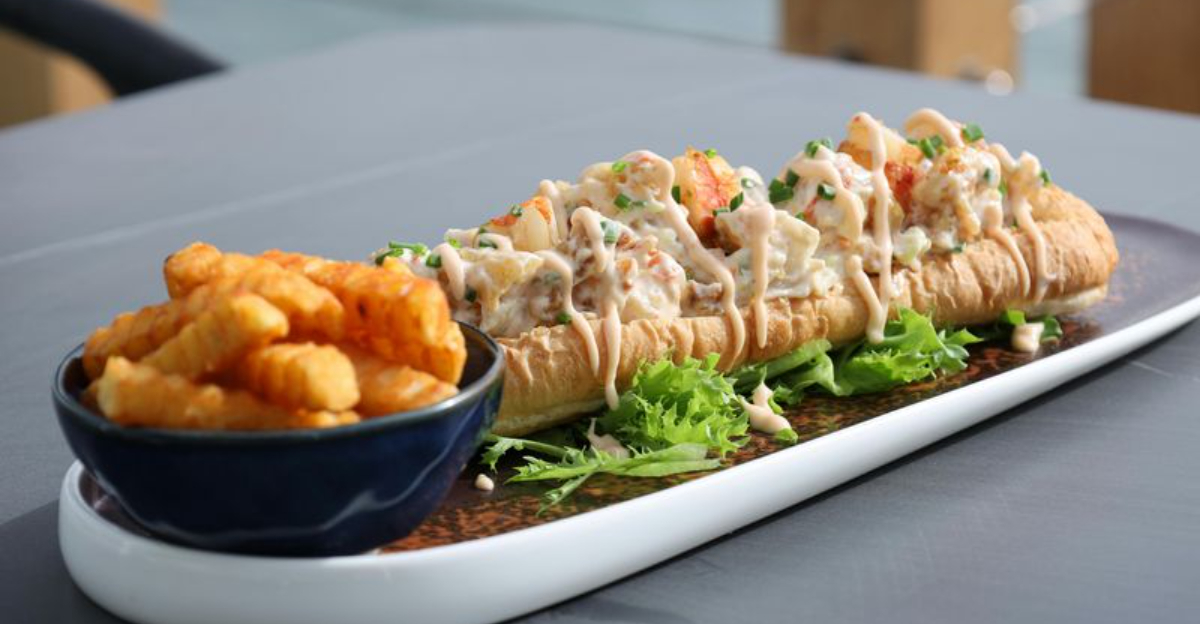
From seafood splurges to pantry staples, many foods you take for granted once signaled serious wealth. Tastes changed, supply chains expanded, and clever marketing flipped luxury into everyday comfort.
You will see how status, scarcity, and technology shaped what ended up on your plate. Get ready to rethink familiar favorites through a surprising lens.
Oysters
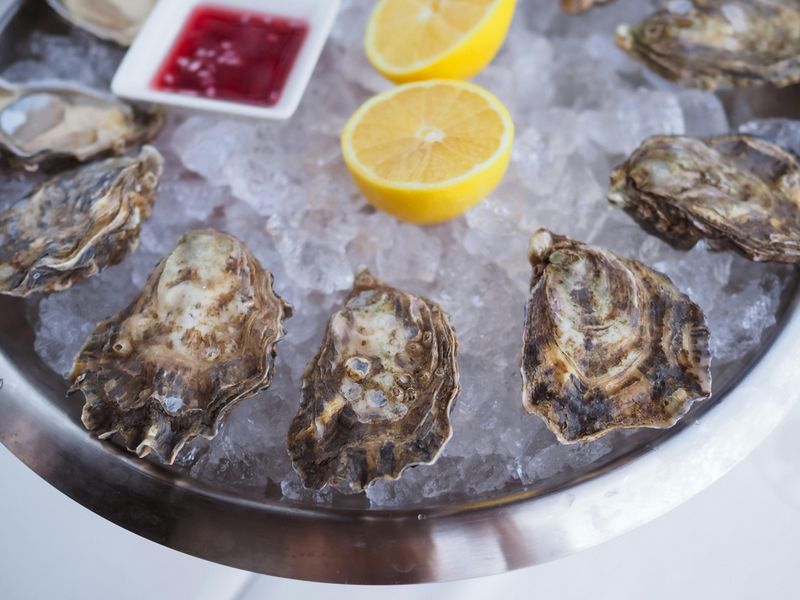
Oysters once screamed status, especially at glittering banquets where half shells shimmered on ice. Wealthy diners prized them for briny freshness, elaborate presentation, and the romance of coastal harvests.
As wild beds declined near cities, scarcity pushed prices upward, and refined oyster houses cemented the luxury.
Then railroads, canning, and aquaculture expanded supply and safety, moving oysters from Gilded Age indulgence to neighborhood happy hour. Today you can slurp flights at a raw bar or snag a budget dozen on special nights.
That rich history still lingers whenever you chase that clean, ocean kiss.
Ice Cream
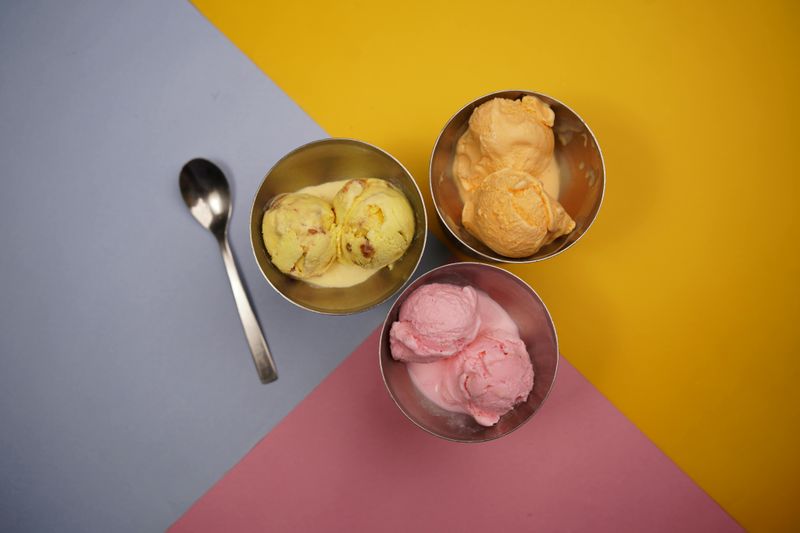
Before home freezers, ice cream was a feat of logistics, not just dessert. Wealthy households imported ice, hired servants to churn, and showcased elaborate molded creams for guests.
Urban parlors with ornate fountains became fashionable destinations, and the price reflected the cold chain behind every scoop.
Mechanical refrigeration changed everything. Suddenly, corner shops, trucks, and grocery aisles made pints reachable for ordinary families.
You can grab a cone after dinner and never think about icehouses or salt-packed churns. That simple swirl in a cone carries the echoes of parlor elegance and summertime spectacle.
Avocado Toast
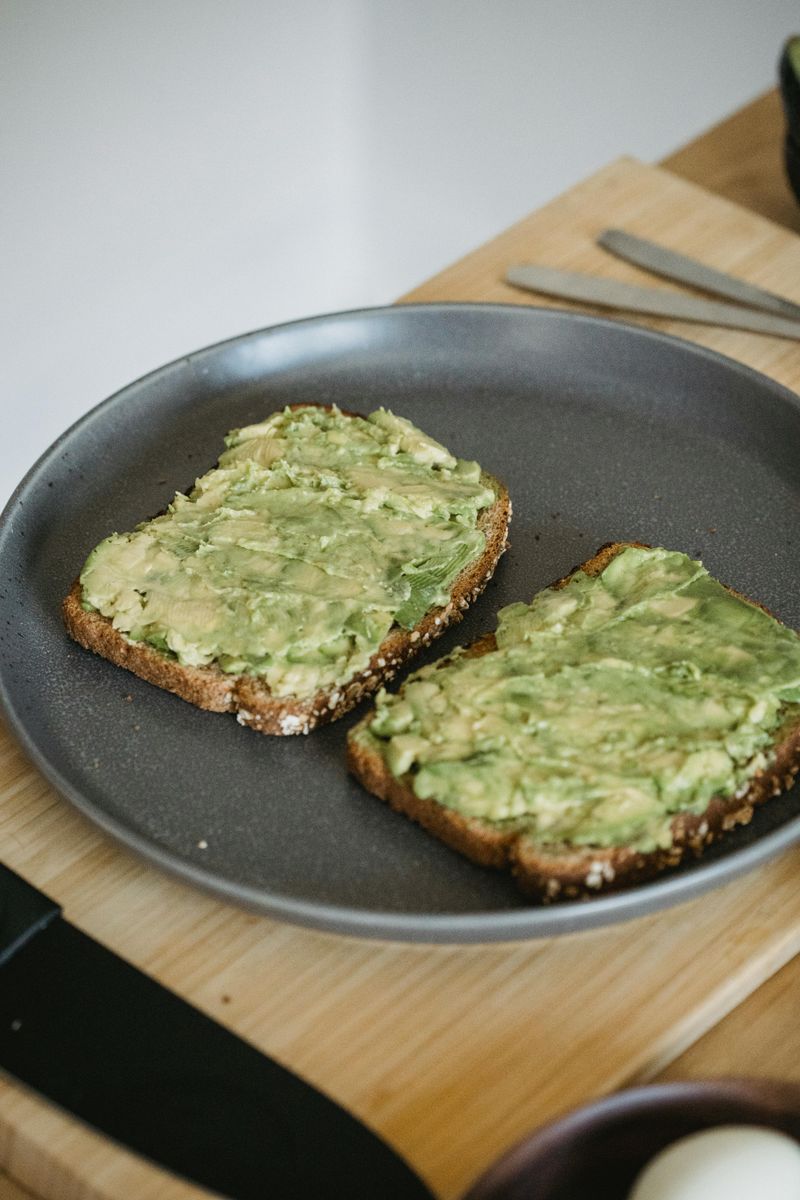
Avocados were once exotic imports, rare outside certain regions and seasons. Early adopters paid premiums for creamy fruit shipped carefully to urban markets.
As supply chains matured and California groves expanded, the fruit gained cultural cachet through wellness trends and photogenic brunch plates. Celebrity chefs sealed the deal.
Avocado toast turned into a lifestyle shorthand for modern indulgence. You get crunch, richness, and brightness in a single bite, sometimes with a poached egg or feta.
The price can still raise eyebrows, but the satisfaction is real. Luxury now lives on sourdough, sprinkled with chili and lime.
Steak Dinner
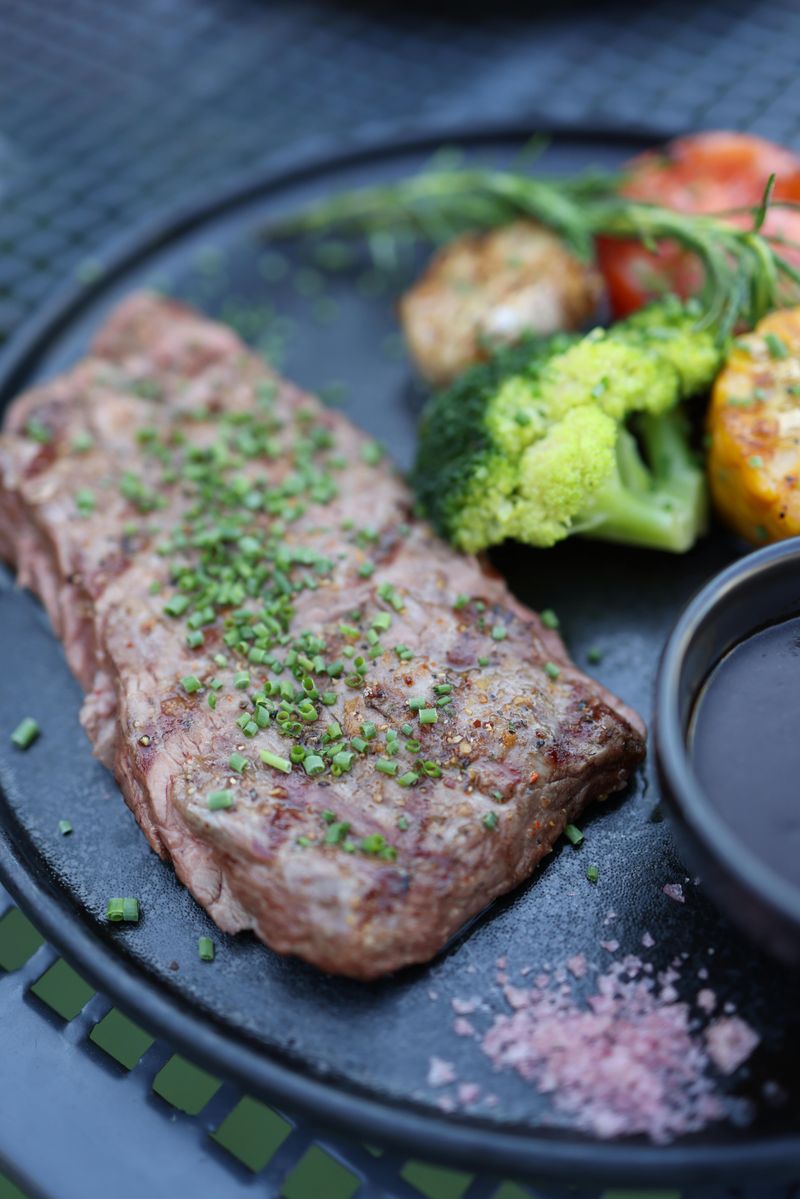
For decades, a thick steak signaled prosperity and power. Prime cuts demanded prime pastures, careful aging, and controlled distribution, all priced accordingly.
Steakhouses became temples of accomplishment, where you could celebrate promotions or milestones under low lights. The ritual felt exclusive, from white tablecloths to carts of sides.
As supermarkets grew and ranching scaled, steak reached more dinner tables. Still, a great steakhouse dinner carries a whiff of old-school splendor.
You hear the sizzle, choose your doneness, and linger over a baked potato. That plate says more than dinner.
It says arrival, tradition, and earned pleasure.
Shrimp Cocktail
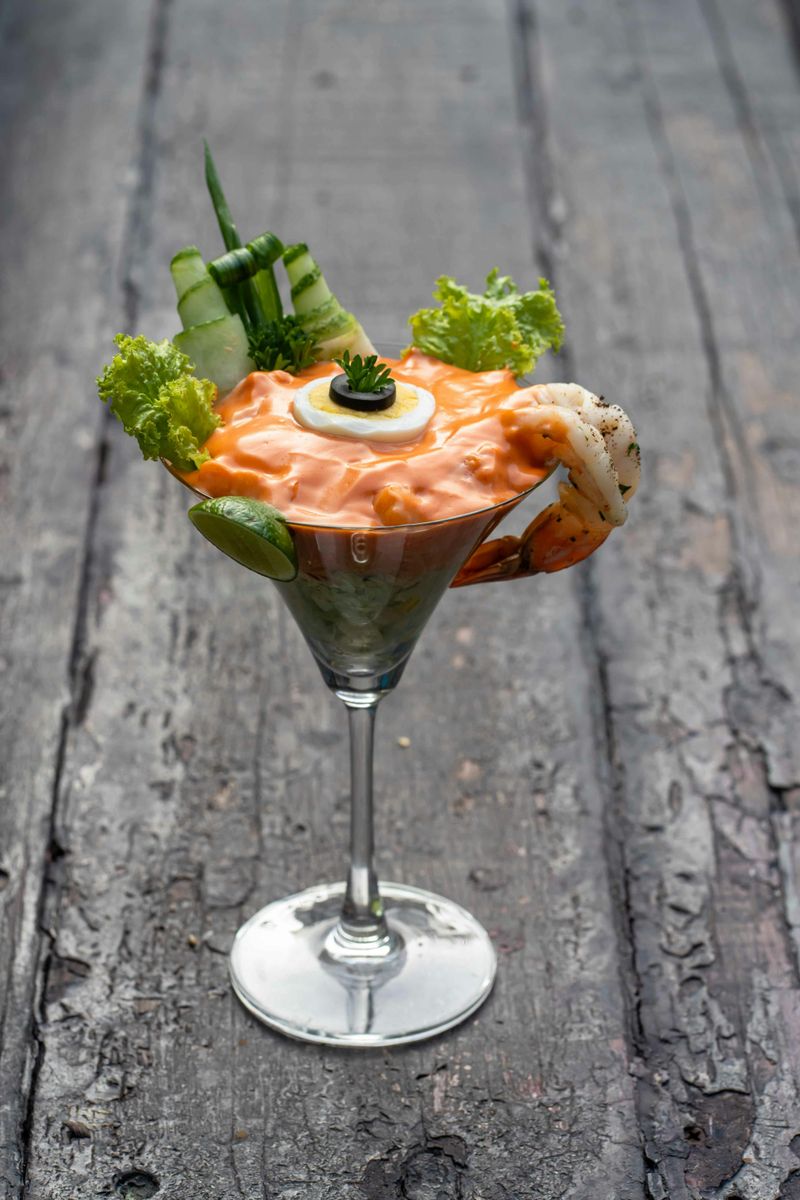
Shrimp used to be a logistical headache, spoiling fast without ice or refrigeration. Early diners paid extra for freshness, especially at elegant hotels and oceanfront resorts.
The coupe glass with tails draped over the rim became theatrical proof of luxury. Red sauce, lemon, and cold crunch sealed the experience.
Modern freezing unlocked abundance, and menus everywhere adopted the classic. You can snag a happy hour portion or order a towering platter for celebrations.
It still feels glamorous to dip a chilled shrimp into tangy sauce. One bite connects you to ocean breezes and midcentury sparkle.
Chocolate Bars
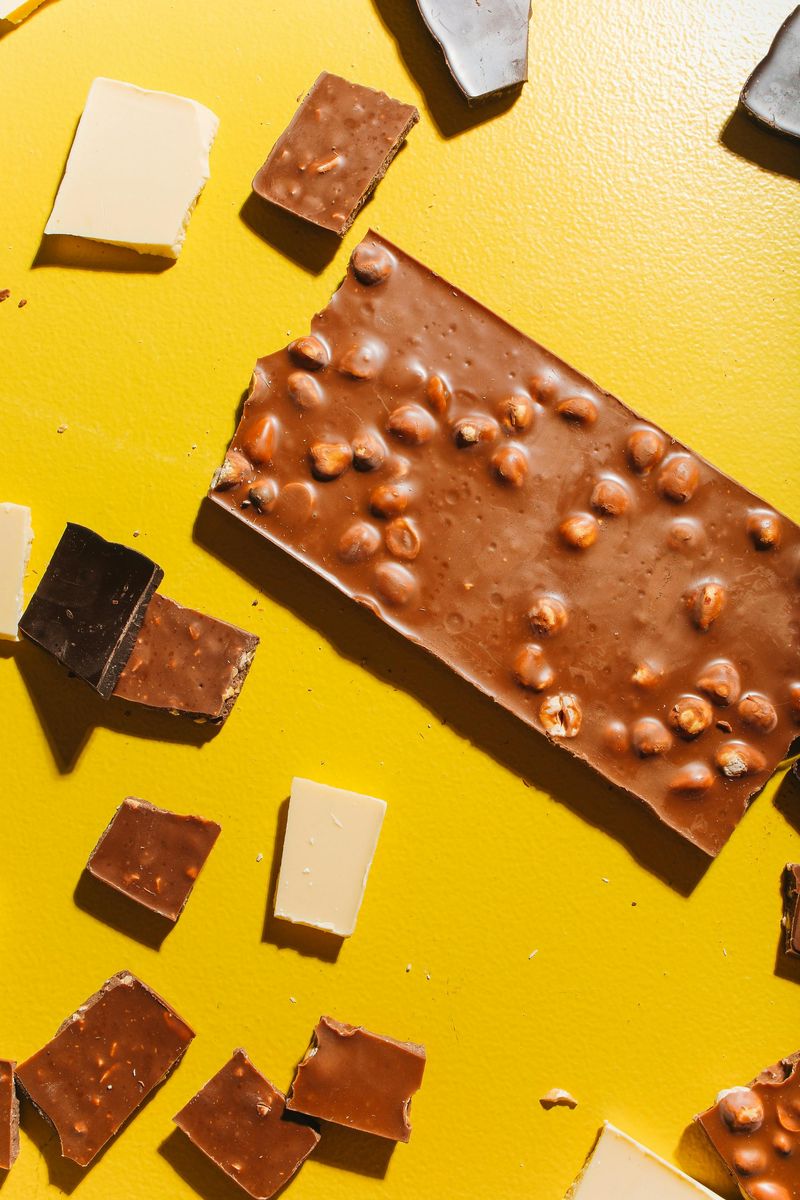
Before industrial processing, chocolate was a spiced drink for elites, whisked in porcelain cups. Sugar, spices, and cacao were costly imports, guarded by merchants and courts.
Pressing and conching transformed chocolate into smooth bars, but early versions still carried premium pricing. Elegant wrappers and boutiques reinforced the aura.
Mass production democratized the treat. Now you grab a bar at checkout or hunt single-origin squares like a connoisseur.
Either way, that snap echoes centuries of refinement and scarcity. You taste sweetness, cocoa depth, and a history that melted from palaces into pockets, one wrapped rectangle at a time.
Orange Juice
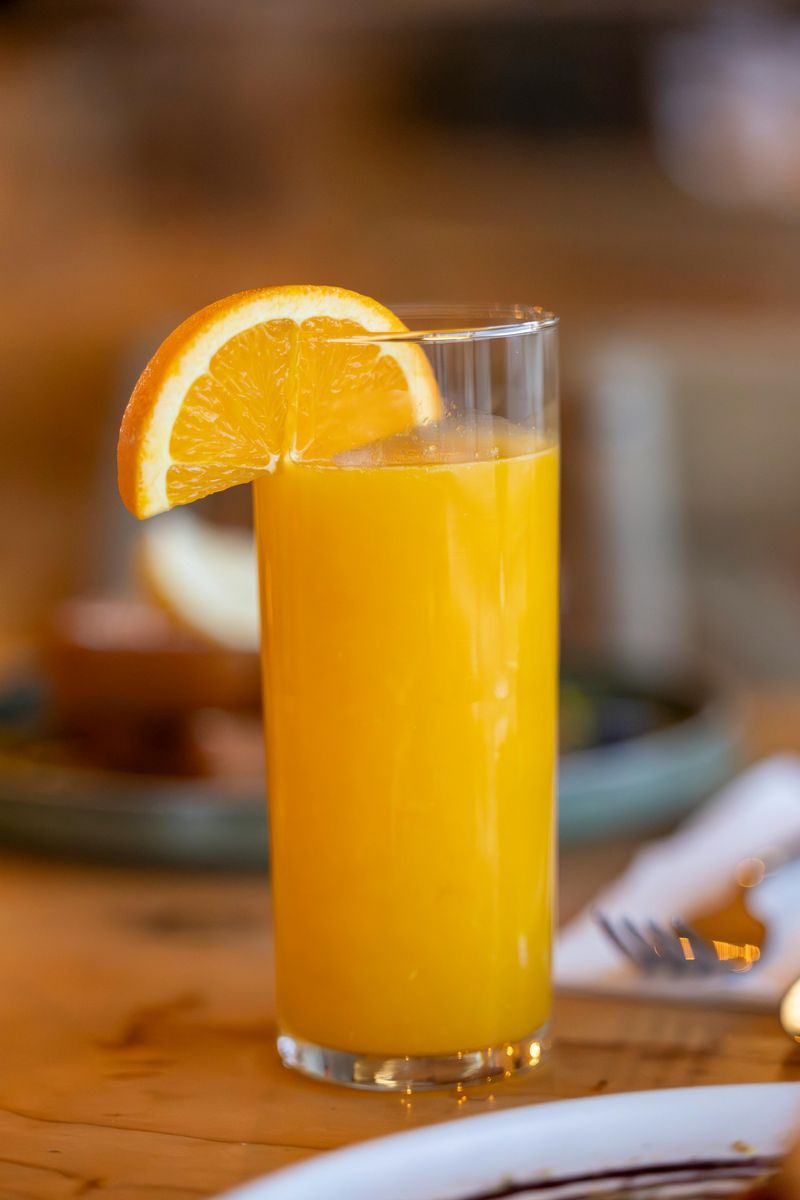
Fresh oranges once traveled slowly and spoiled quickly, keeping juice rare beyond citrus regions. Wealthy households with iceboxes or access to winter fruit could serve glasses of sunshine.
Early marketing linked orange juice to vigor and health, which made its bright sweetness feel aspirational. It felt like liquid luxury at breakfast.
Then came refrigerated rail cars, canning, and frozen concentrate. Suddenly you could pour Florida mornings from a carton, even in snowy towns.
You still chase that just-squeezed zing, maybe on weekends. A simple glass carries decades of innovation, turning a seasonal splurge into everyday brightness.
White Bread
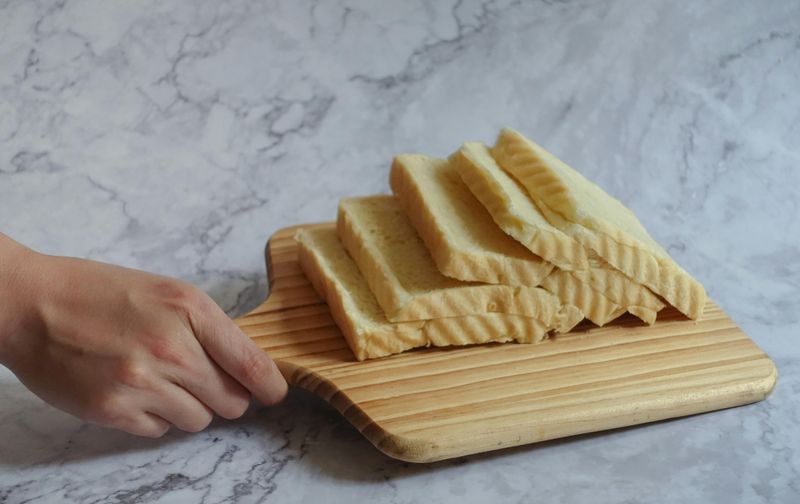
Refined white flour once required laborious milling and careful sifting, so pale loaves cost more. The color itself signaled purity and wealth, distancing diners from coarse grains associated with hardship.
Urban bakeries and new slicers turned white bread into a symbol of modern convenience. It felt clean, soft, and advanced.
As industrial milling scaled, prices fell and shelves filled with packaged loaves. Today you might reach for sourdough or whole grain, yet white bread still whispers comfort.
Toast a slice, spread butter, and taste twentieth century optimism. Even a simple sandwich holds a story of status flipped.
Vanilla Cake
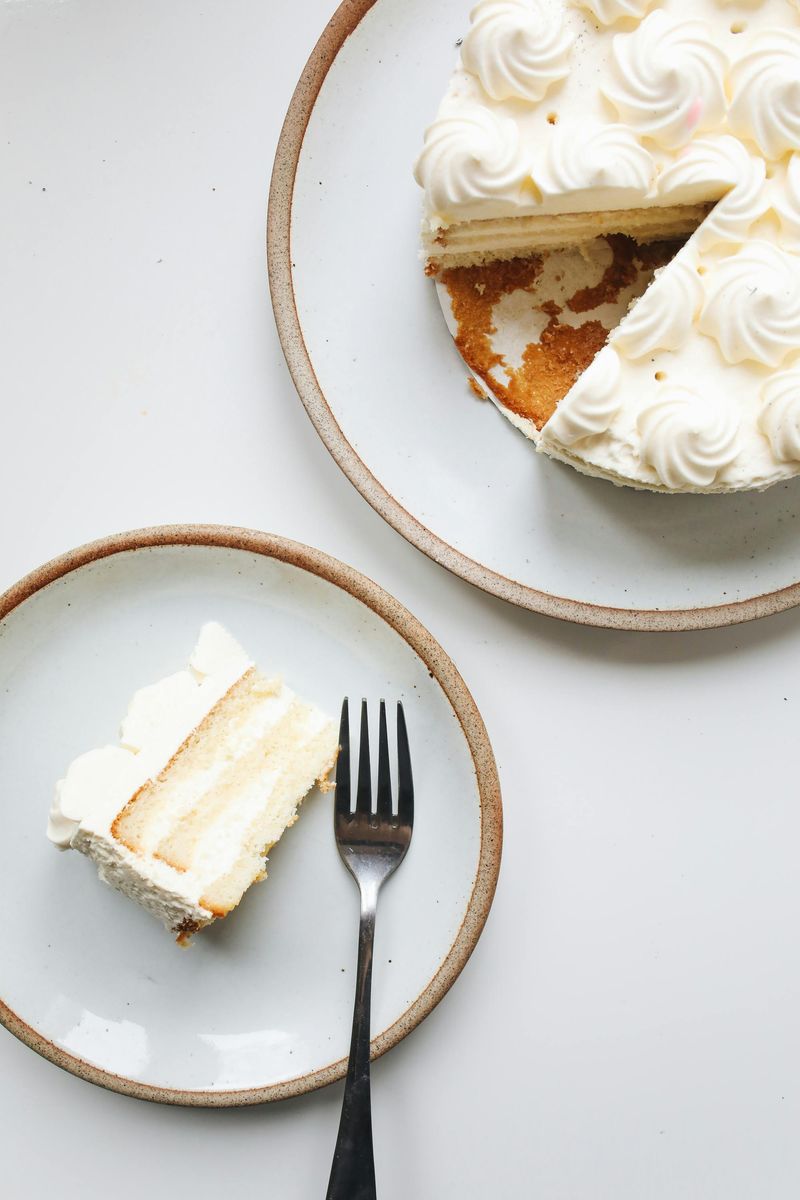
Vanilla was once rarer than gold by weight, hand-pollinated and closely guarded. That fragrant bean traveled far, so only the wealthy savored true vanilla cakes at celebrations.
When extract improved and supply broadened, bakers could finally capture those floral notes more affordably. Layer cakes rose like party centerpieces.
Today, vanilla cake feels comfortingly simple, but luxury lingers in the aroma. You cut a slice, see pale crumbs, and inhale sweetness that once belonged to elite tables.
Whether frosted thick or filled with jam, it delivers grace without fuss. Every birthday bite tastes like accessible elegance.
Cheese Plates
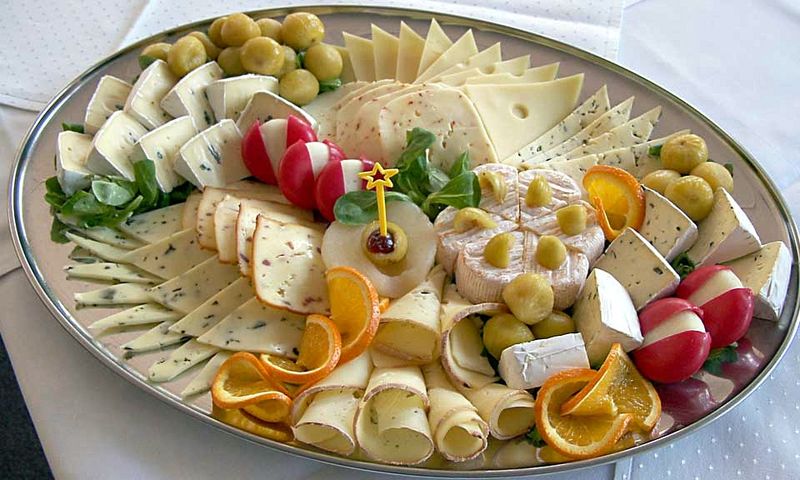
Curated cheese once required specialized aging caves, careful transport, and connections to European producers. Wealthy hosts flaunted wheels and wedges alongside silver knives and crystal.
The assembled plate, with fruit and honey, signaled cosmopolitan taste and leisure. It was less a snack and more a performance on marble and slate.
Now artisan creameries flourish stateside, and grocery counters overflow with styles and rinds. You can pick a modest trio and still feel indulgent.
Pair a tangy blue with apples, drizzle honey on a creamy bloomy rind, and sip something crisp. Luxury has become an approachable ritual.
Coffee Beans
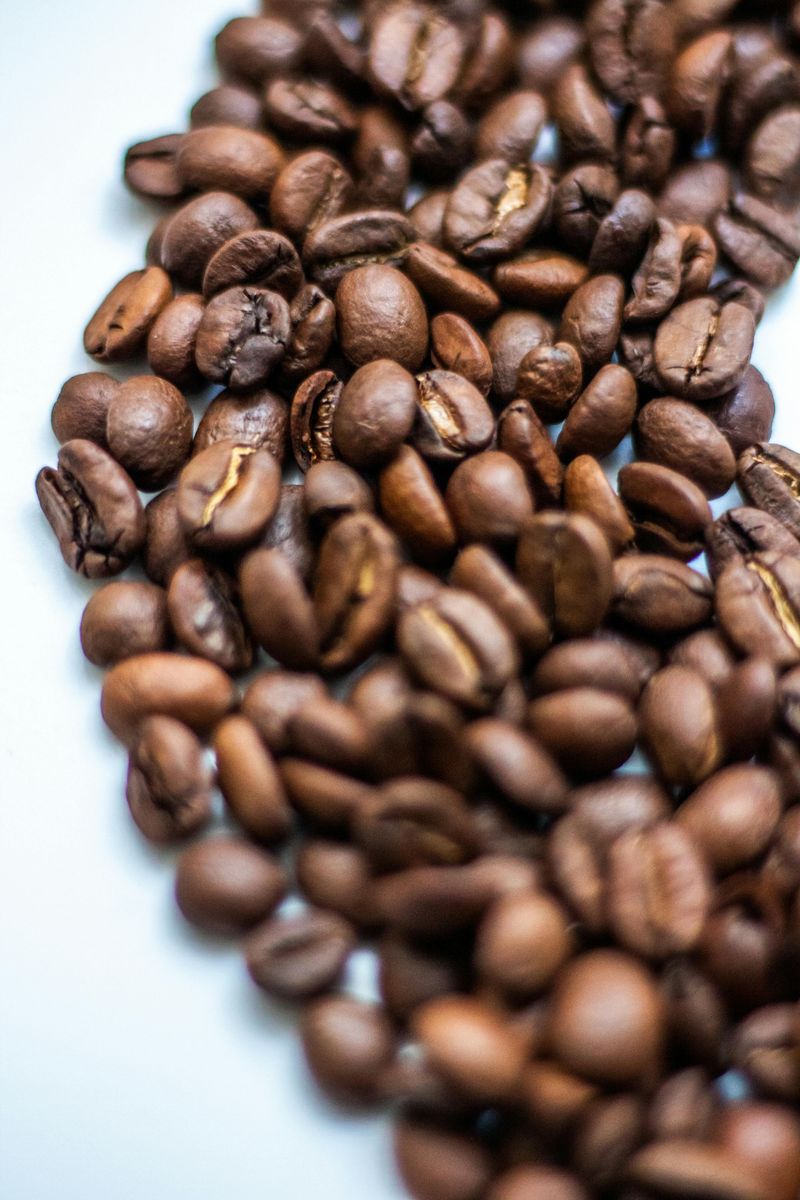
Coffee traveled oceans in burlap sacks, taxed, traded, and coveted by merchants and elites. Early American coffeehouses buzzed with ideas and exclusivity, where a cup meant access.
Roasting and grinding at home demanded time and equipment too. Beans carried stories of faraway hills, skilled pickers, and careful drying.
Industrial roasting and global sourcing brought prices within reach, then specialty waves added nuance. Now you choose single origin, grind size, and brew method at home.
The morning ritual still feels a little fancy. Each aromatic bloom reminds you that everyday comfort was once an imported privilege.
Chicken Wings
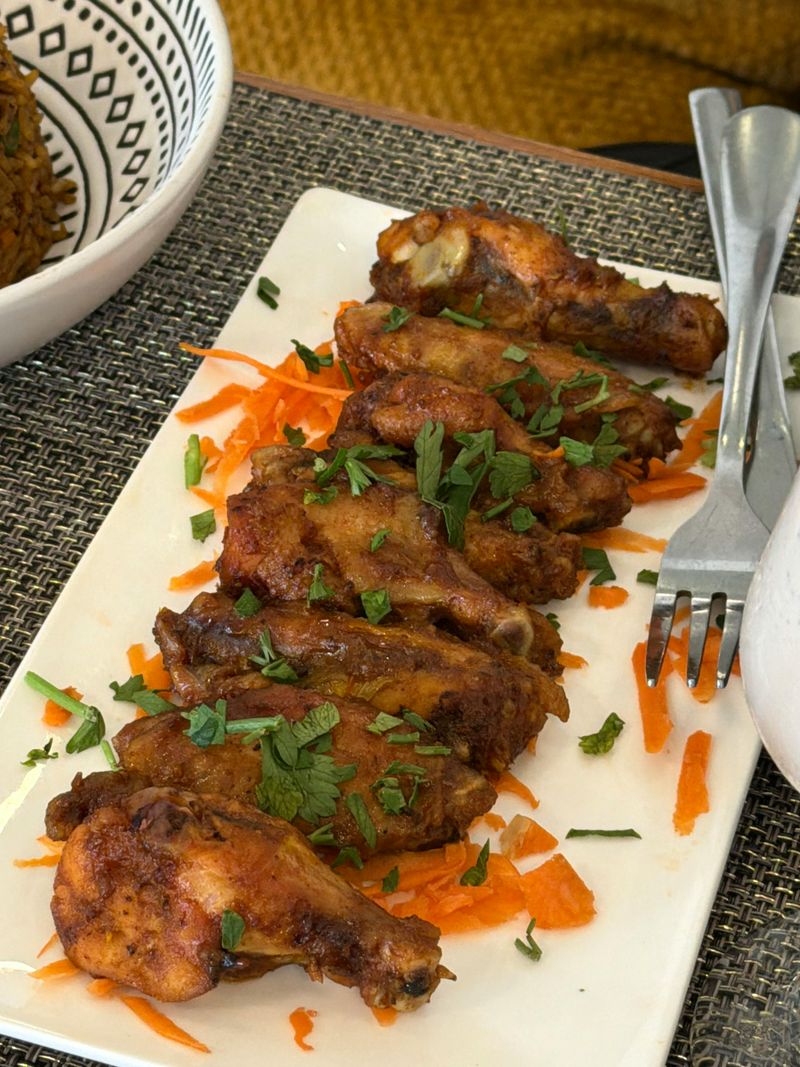
Wings used to be undervalued scraps, hardly the stuff of fancy menus. But clever bars turned them into craveable bites, frying and tossing with tangy heat.
As football culture and happy hours spread, wings earned prime-time status. Prices climbed with demand, and some nights they felt like gold.
Now you order dozens, swap sauces, and debate flats versus drums. That ritual of sharing baskets brings people together with messy, joyous energy.
Each crispy bite proves that luxury can be engineered from ingenuity and spice. You taste thrift turned triumph, with napkins as necessary armor.
Maple Syrup
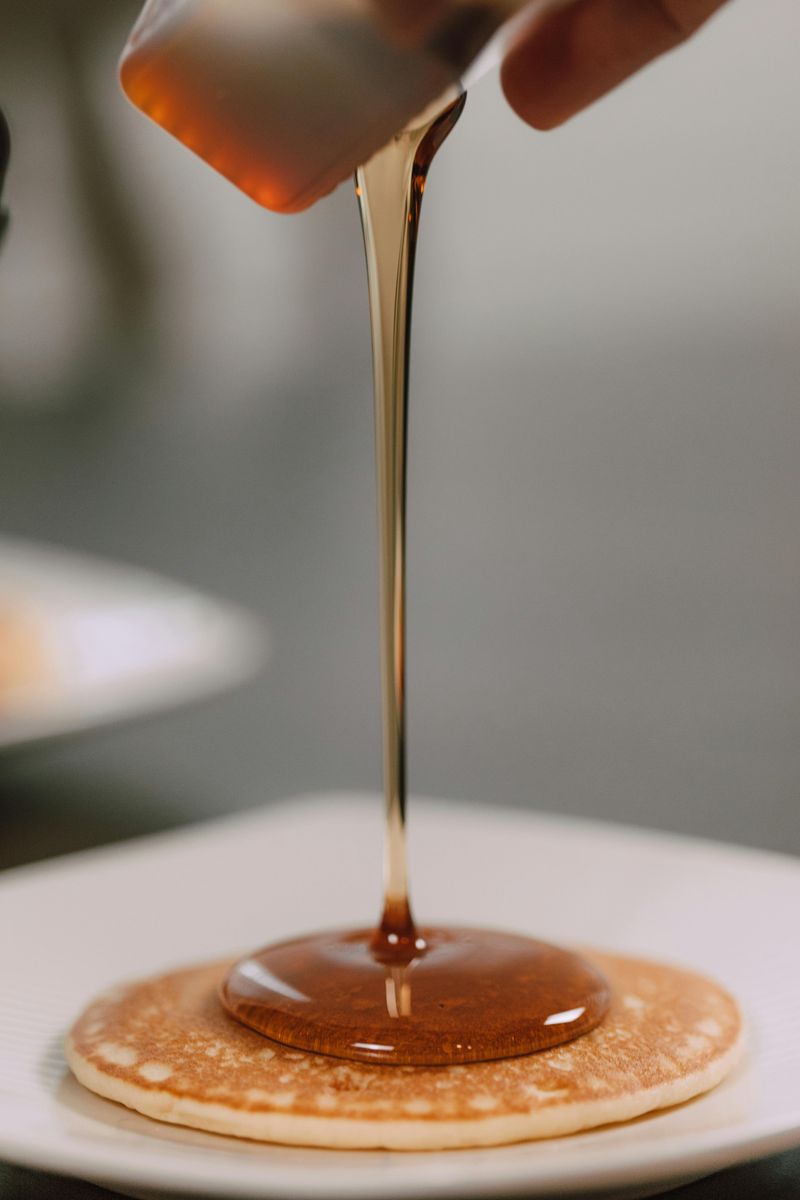
Real maple syrup demands patience, sap runs, and gallons boiled to a single amber reward. Early supplies were limited to regions with sugar maples and specialized equipment.
Bottles traveled as gifts or delicacies, gracing fine brunches and hotel tables. The flavor felt complex, woodsy, and undeniably special.
Broader distribution and modern evaporators expanded access, yet authentic maple remains premium. You drizzle it on pancakes and feel that forest-to-table romance.
The price reminds you of fuel, time, and craft condensed into sweetness. Every pour is concentrated luxury that breakfast happily borrowed.
Olive Oil
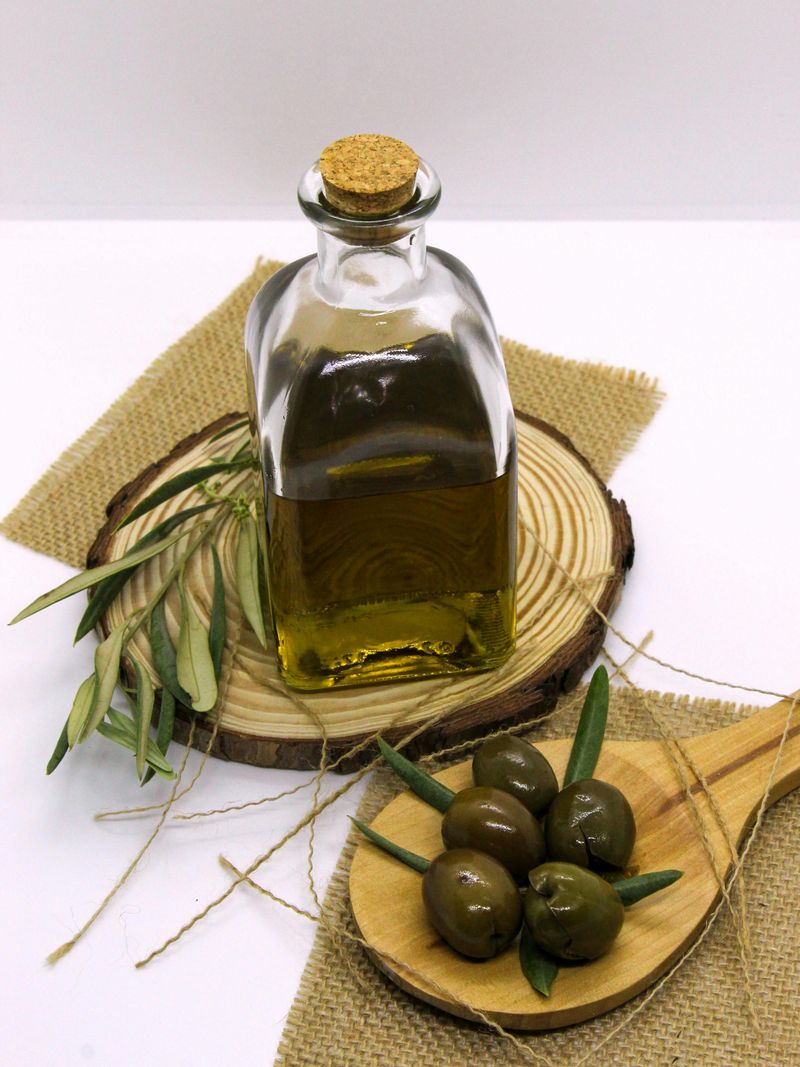
Before global trade normalized it, olive oil felt chic and continental in American kitchens. Travelers brought back tins like souvenirs, and upscale restaurants drizzled it with ceremony.
Import costs, limited familiarity, and selective distribution kept prices lofty. The liquid gold nickname did not come from nowhere.
Now domestic groves and diverse imports fill stores, from robust to delicate. You swirl it on tomatoes, sear fish, or bake cakes with fruity notes.
Even so, extra virgin bottles can feel like a treat. One fragrant pour turns simple ingredients into dinner you proudly share.
Sushi Rolls
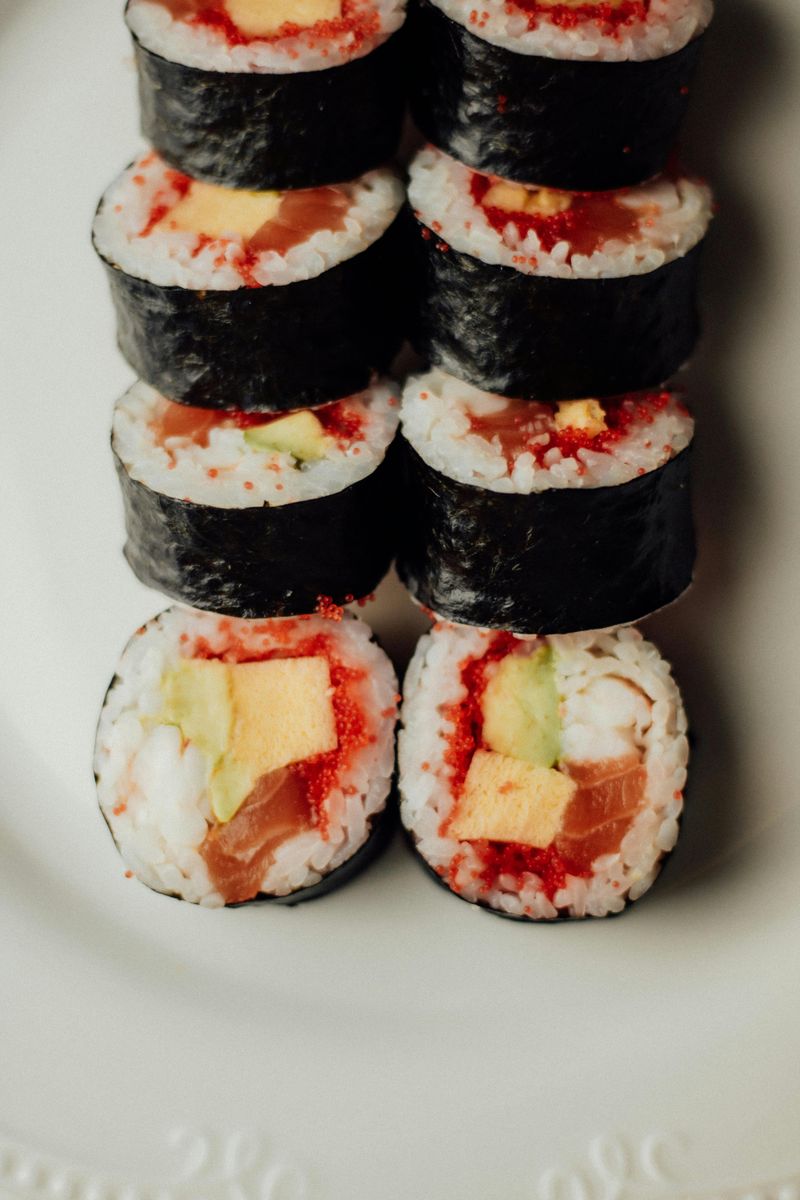
When sushi first landed in American cities, it felt daring, exclusive, and expensive. Quality fish, skilled chefs, and specialized rice made rolls a splurge.
Reservations, omakase counters, and chic interiors turned raw fish into status. Early adopters loved the precision, freshness, and calm theater behind the bar.
Now supermarkets stock maki, and casual spots offer lunch specials. Still, you taste luxury in the balance of rice, seaweed, and fish.
A perfect roll is quiet craftsmanship you can hold with chopsticks. Every bite proves refinement can be portable and playful.
Bacon Strips
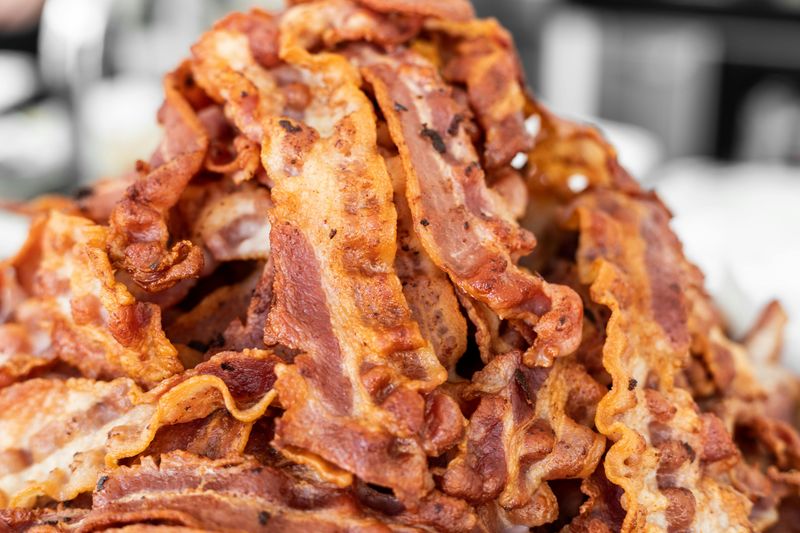
Bacon began as a farmhouse staple, but curing and smoking varied widely, and premium cuts fetched higher prices. As breakfast culture romanticized hearty plates, crisp strips became morning glamour.
Advertising and hotel dining pushed bacon into the spotlight alongside eggs. Even then, high-quality slices felt indulgent, perfuming kitchens with promise.
Industrial scaling made bacon common, then chefs reclaimed thick-cut, heritage varieties. Now you add a couple strips and the meal feels special.
Salty, smoky, and irresistibly crisp, bacon turns ordinary breakfasts into events. Luxury here is aroma and texture meeting your plate with satisfying crunch.
Pecan Pie
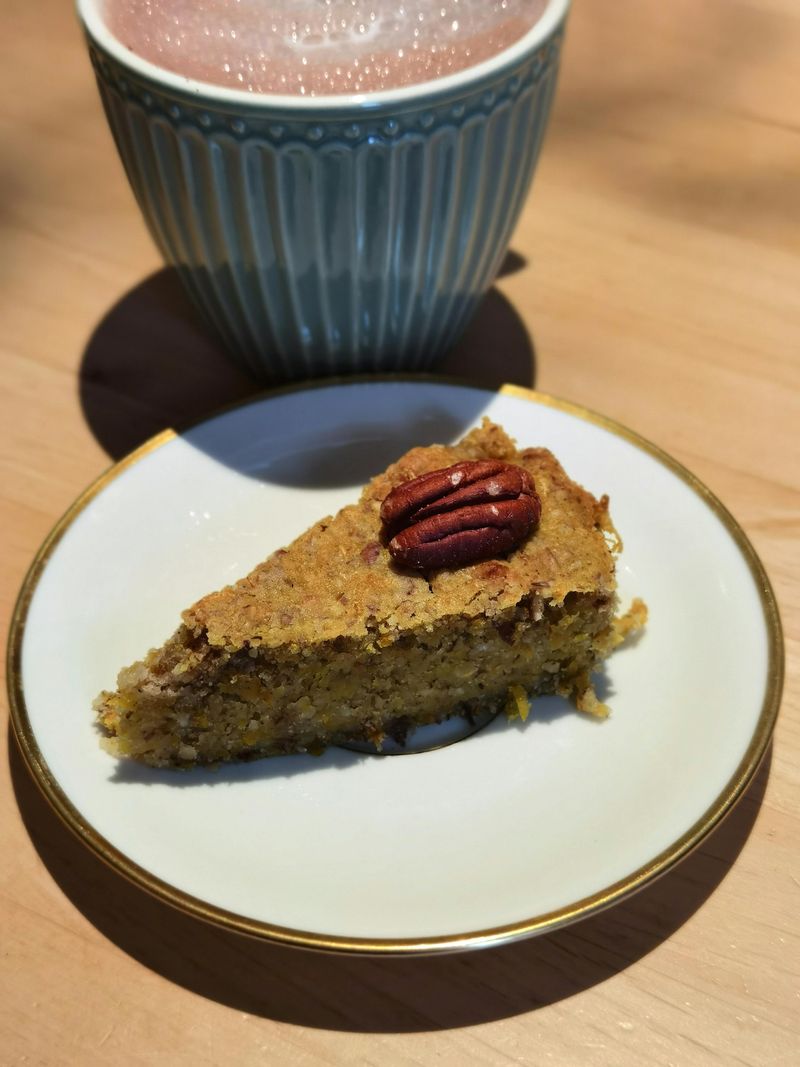
Pecans demand specific climates and patient cultivation, which kept them precious for generations. Early recipes often appeared at holidays, when families splurged on sugar and nuts.
A shiny, custardy filling crowned with toasted halves looked like edible jewelry. Slices arrived with coffee and quiet celebration, sweet and a little smoky.
Commercial orchards widened supply, and bakery shelves followed. Today you might bake one for a potluck or grab a slice at a diner.
Each bite still whispers abundance. Butter, nuts, and syrup combine into a tradition that feels generous, welcoming, and proudly Southern.
Sparkling Water
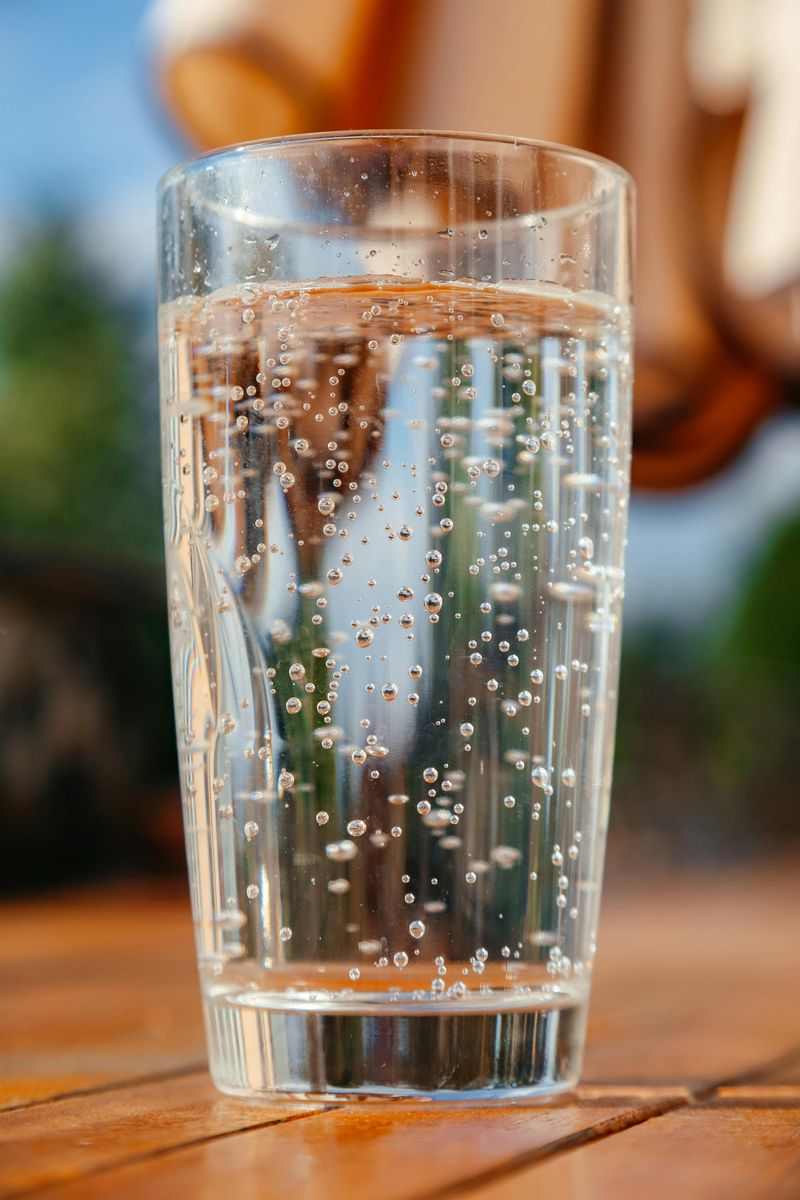
Artificial carbonation began as a marvel, and early mineral waters came from prized springs. Fancy hotels and clubs poured bubbles as a sign of refinement and health.
Bottles traveled carefully, and labels promised sophistication with every sip. Effervescence felt like a tiny luxury, cleansing and celebratory.
Now canned seltzers crowd shelves in every flavor. You crack one open during meetings or walks, swapping soda for clean fizz.
The ritual still sparkles, literally, but accessibility won the day. With each bubble, you taste a democratized treat once reserved for gilded trays.
Salmon Fillet
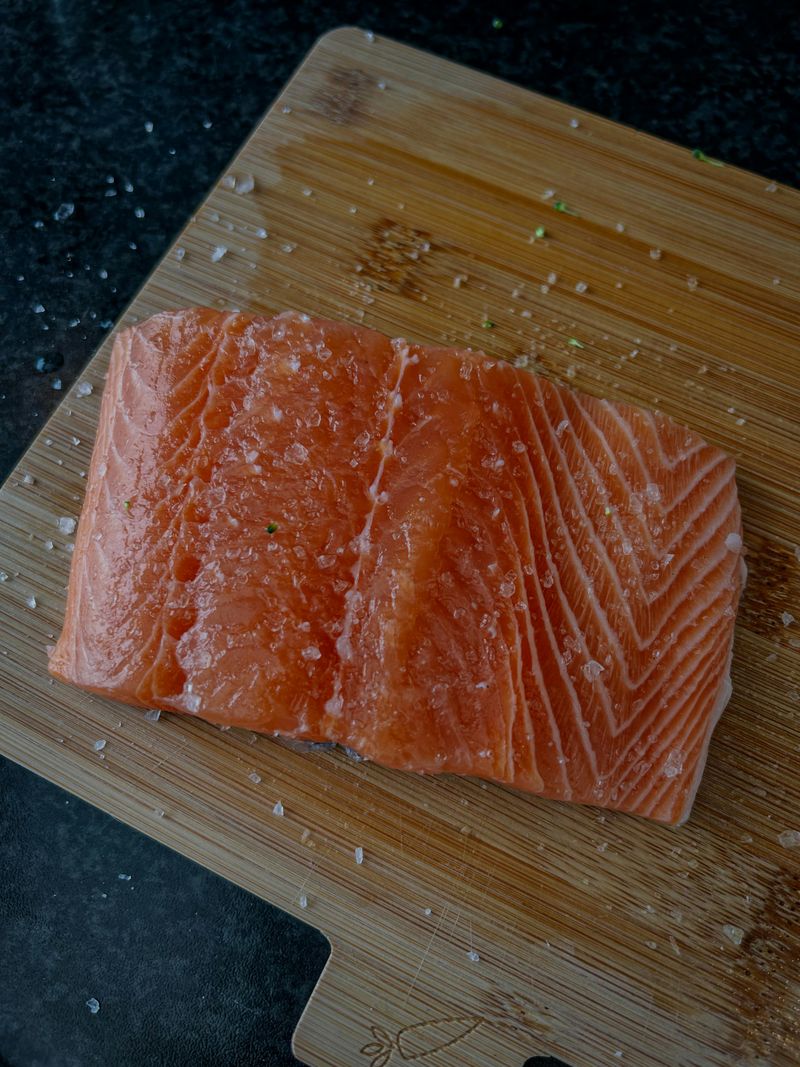
Wild salmon once meant seasonal runs, expert handling, and quick transport, all costly. Elegant restaurants showcased rosy fillets with sauces and silver service.
As demand soared, price followed, and a perfect medium-rare center felt like quiet opulence. The fish’s journey from river to plate added mystique.
Aquaculture and improved logistics broadened access, putting salmon into weeknight rotations. You sear it skin-on, squeeze lemon, and feel a little fancy anyway.
Omega-3s meet crispy edges, turning health into pleasure. That pink fillet still carries river stories, even from a supermarket cooler.
Lobster Rolls
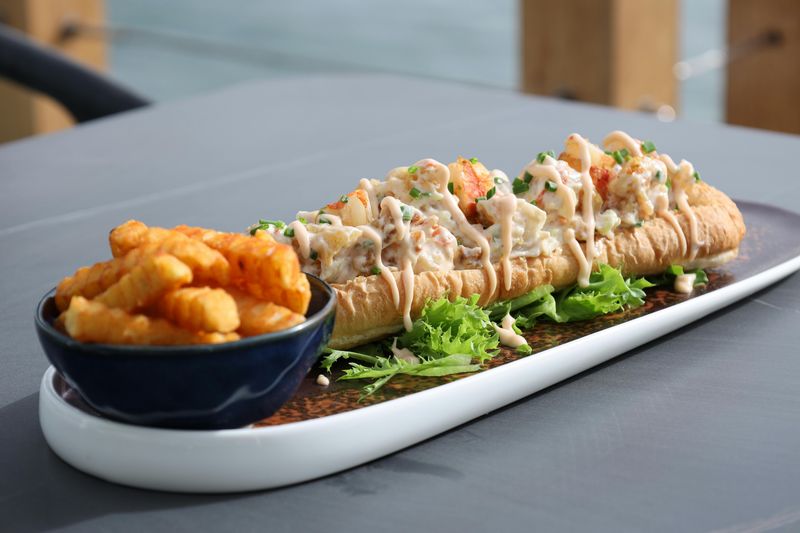
In colonial days, lobster was poor man’s protein, even prison fare. But as rail travel spread and tourism glamorized New England summers, lobster’s image transformed.
Fancy hotels served steamed lobster with ceremony, and scarcity plus rising demand raised its prestige. The humble roll followed, packed with sweet meat.
Now you can chase lobster trucks, seaside shacks, or upscale bistros. Prices still remind you of its elevated status, but the roll feels casual, sunlit, and a little nostalgic.
You bite into buttered bread, taste chilled or warm lobster, and savor seaside luxury made portable.
Enjoyed this story?
Add Fast Food Club as a preferred source to see more of our reporting on Google.