


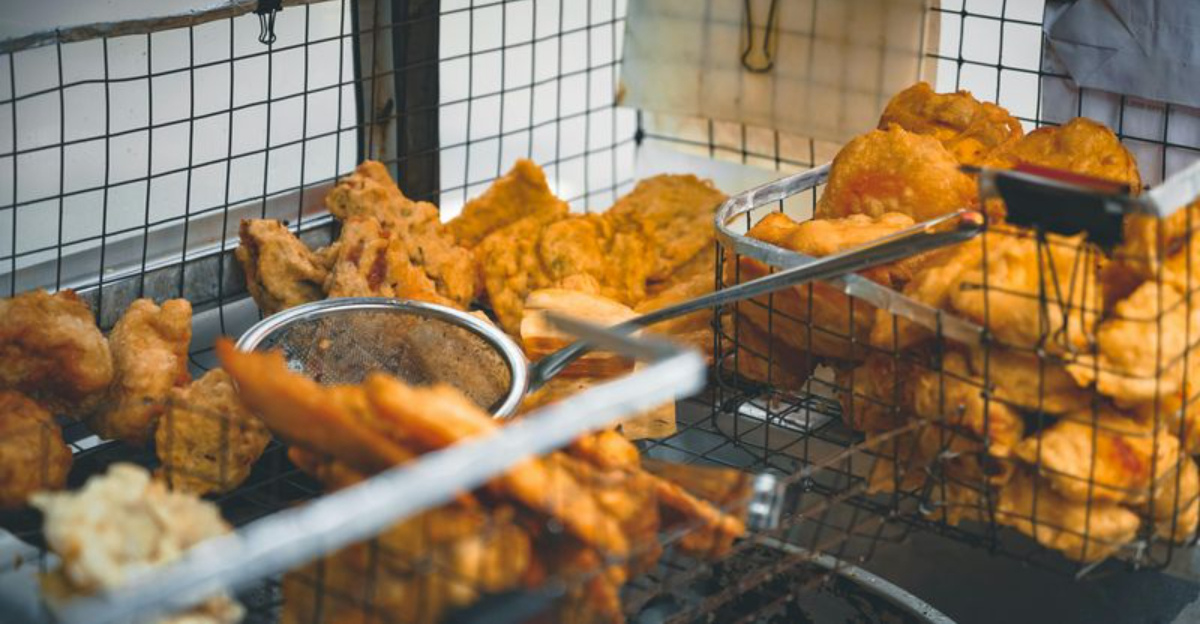
Ever feel bloated, crampy, or just off after a meal and cannot quite figure out why? You are not alone, and it might be everyday favorites quietly stirring up trouble in your gut.
A few smart tweaks can make a huge difference in how you feel after eating. Let’s break down the common culprits so you can enjoy meals with more comfort and fewer surprises.
Spicy dishes
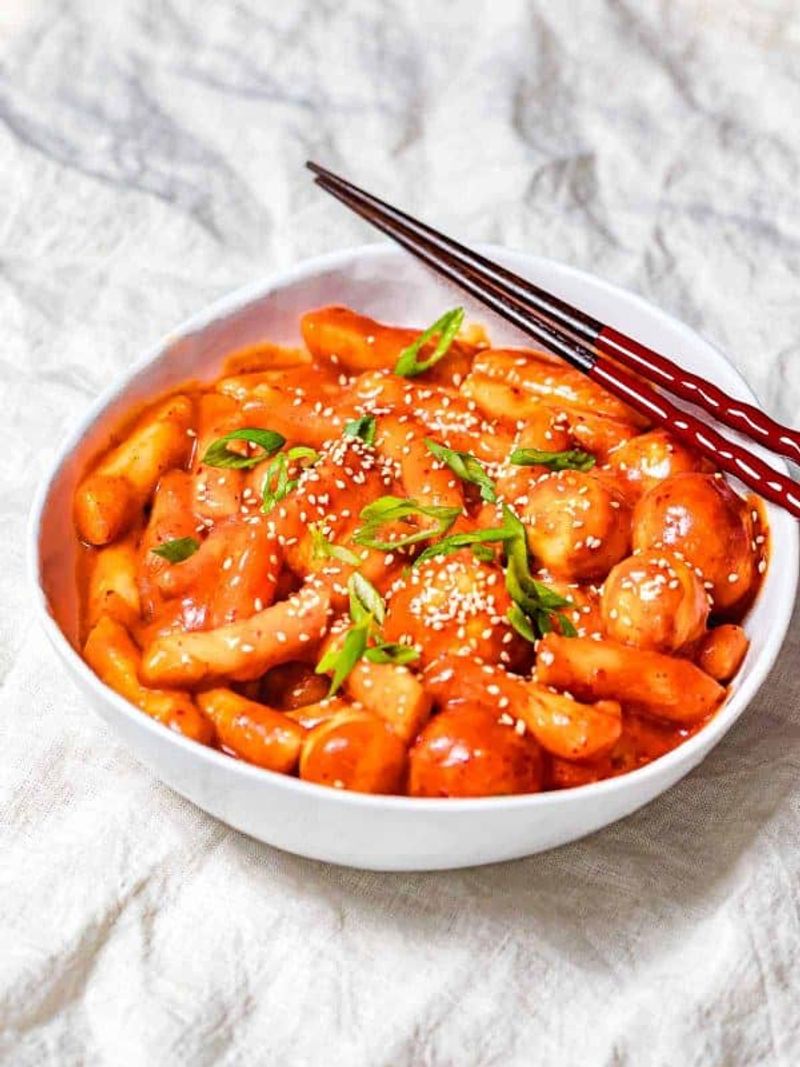
Spicy dishes taste thrilling, but heat can irritate sensitive digestive linings. Capsaicin stimulates nerves and may speed things up or slow them down, depending on your gut.
That can mean heartburn, stomach pain, or urgent trips after a sizzling meal. If you notice burning or cramping, your tolerance might be lower than you think.
You do not need to ditch flavor. Dial back chilies, remove seeds, or choose milder peppers.
Balance heat with creamy yogurt, avocado, or coconut milk to soften the blow. Eat slowly, stay upright after meals, and watch portion sizes to keep that spice enjoyable and kind.
Dairy milk
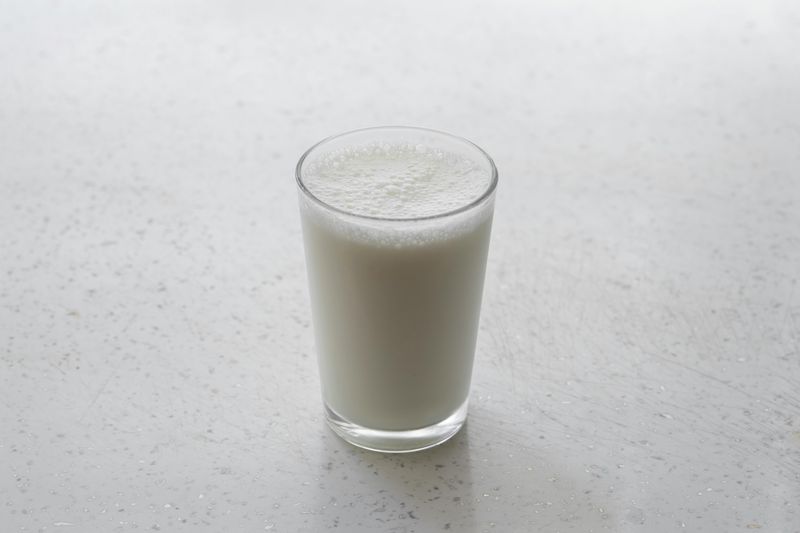
Dairy milk can be rough if your body struggles with lactose. Without enough lactase, milk sugars ferment in the gut, causing gas, bloating, and cramps.
Some people also notice skin and sinus issues after drinking it. Even if you handled milk fine before, tolerance can change with age or stress.
Try lactose free milk or fortified plant options like oat, almond, or soy. If you love the real thing, smaller servings with meals may sit better.
Lactase enzyme tablets can help occasionally, but listen to your body. Track symptoms for a week to spot your personal threshold and patterns.
Cheese-heavy meals

Cheese heavy meals pile on fat and lactose, a tricky combo for digestion. The richness slows stomach emptying, while lactose can ferment and produce gas.
Add refined carbs like white pasta, and you have a bloat bonanza. That decadent pizza night might explain next day sluggishness and bathroom drama.
You can still indulge with tweaks. Choose aged cheeses, which are often lower in lactose, and go lighter on portion size.
Add a crisp salad or roasted veggies for fiber and balance. Consider whole grain crusts or pasta, and sip water between bites.
Comfort food can feel comfortable again.
Ice cream

Ice cream hits hard because it is cold, sweet, and dairy rich. The chill can slightly slow digestion, while lactose and fat team up to challenge sensitive guts.
Sugar alcohols in some light versions add extra gas for many people. That post dessert bellyache is more common than you think.
Go smaller on scoops and choose simpler flavors. Lactose free or coconut milk based pints can be gentler.
Letting a serving soften a little may reduce the cold shock. Pair with fruit for fiber and stop before fullness.
If symptoms linger, try sorbet or frozen banana blends for a creamy fix.
Beans
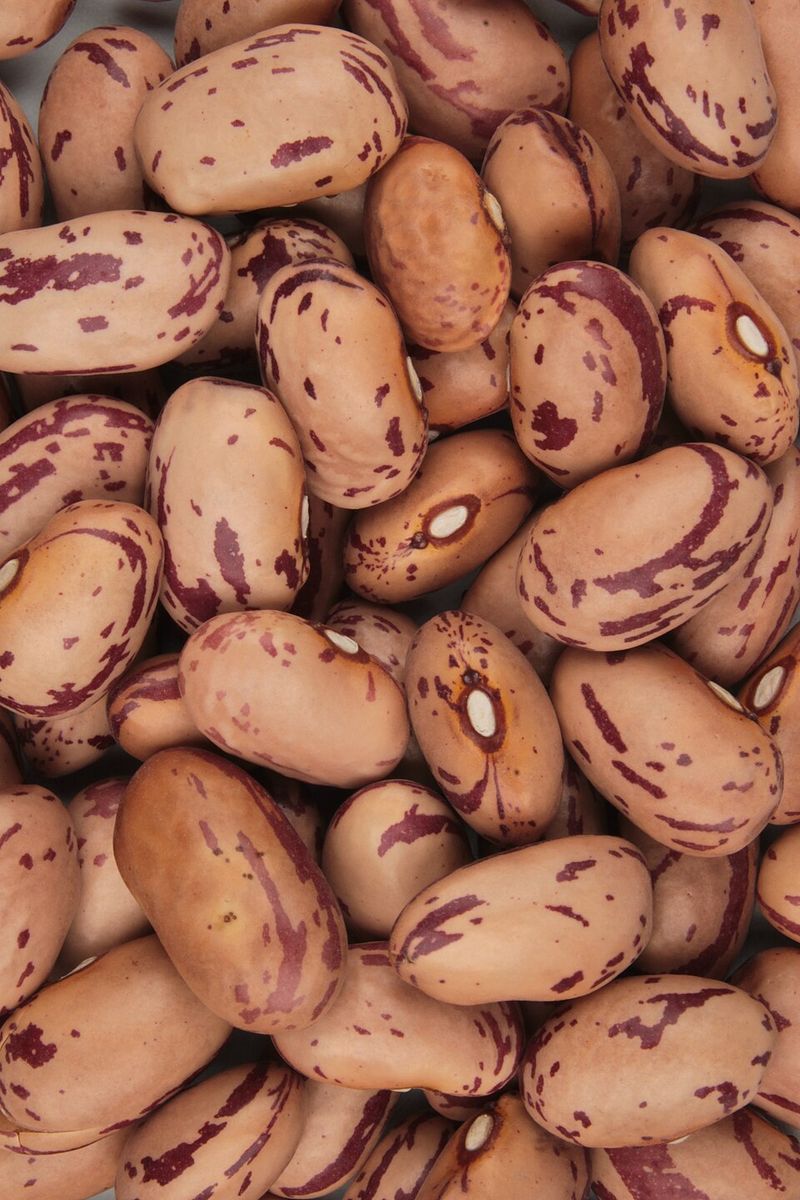
Beans are nutritious, but their fibers and oligosaccharides can ferment fast, creating gas and pressure. If you ramp up intake suddenly, your gut bacteria party a little too hard.
That means bloating, gurgling, and sometimes cramping. It is not a failure, just biology adjusting to new fuel.
To ease it, soak dried beans, rinse canned beans, and cook them thoroughly. Start with small servings and increase slowly over weeks, not days.
Add spices like cumin, ginger, or asafoetida, which some find soothing. Pair beans with rice or greens and chew well.
Your gut can adapt, especially with patience and consistency.
Lentils
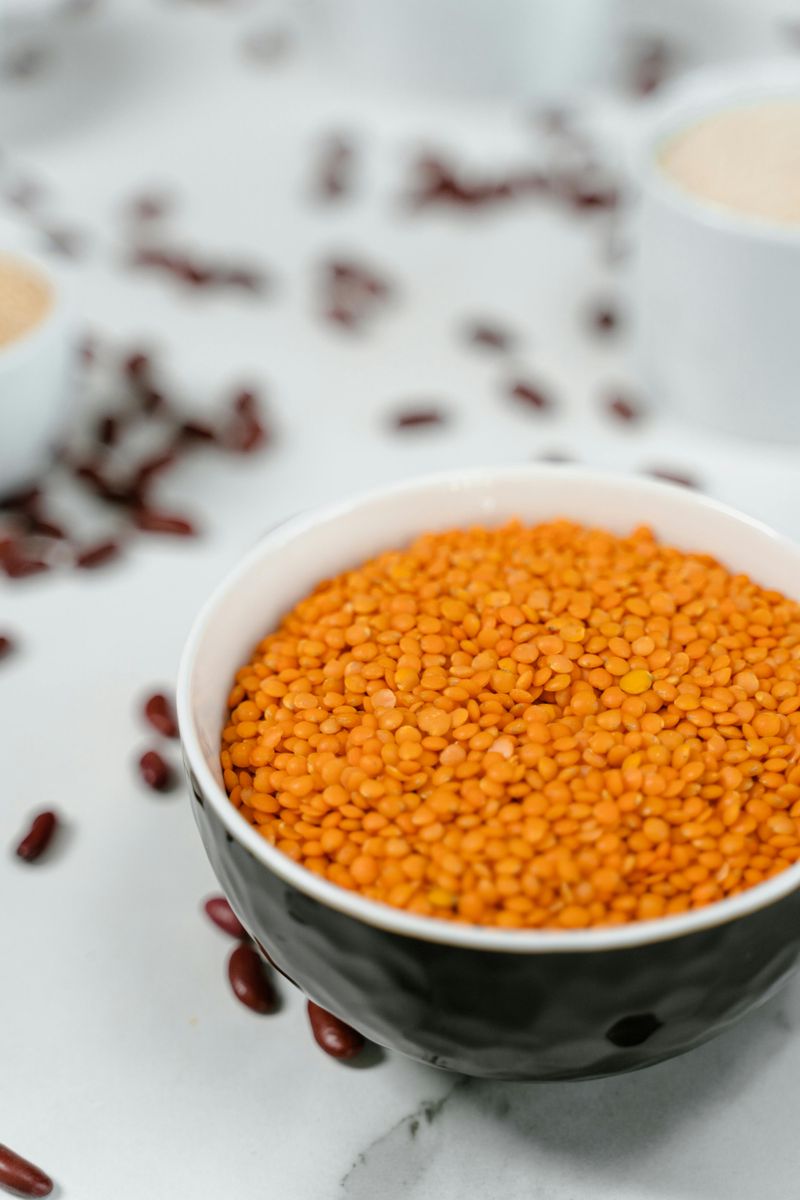
Lentils bring fiber, protein, and minerals, but they also carry fermentable carbs. For a sensitive gut, that can mean gas, distension, and discomfort after a hearty bowl.
Red and yellow lentils often digest easier than green or brown. Overeating them quickly magnifies the effect.
Rinsing, soaking, and cooking lentils until very soft helps. Start with smaller portions and pair with calming flavors like turmeric, bay leaf, and ginger.
Add a squeeze of lemon to brighten and aid digestion. If you are new to lentils, introduce them on low stress days.
Give your system time to adapt gradually.
Carbonated drinks
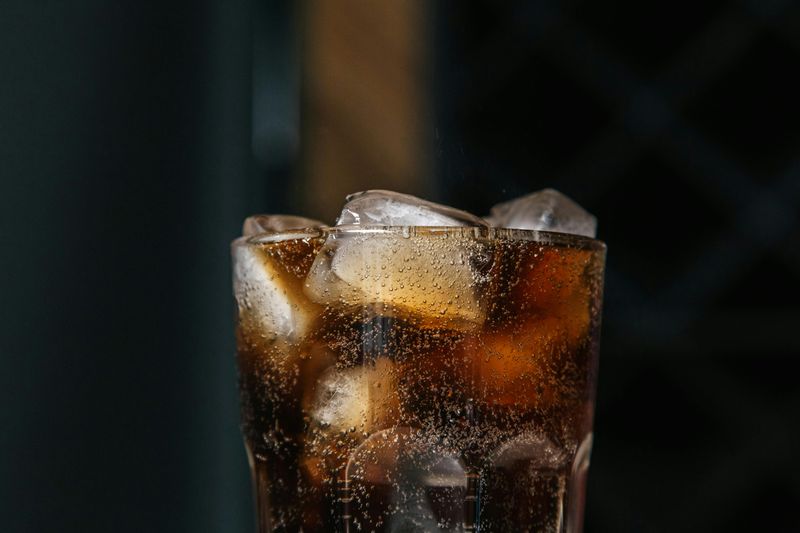
Carbonated drinks literally add gas to your system. Those bubbles can expand in your stomach, causing belching, pressure, and bloat.
Sugary sodas add a blood sugar rollercoaster, while diet versions may include sugar alcohols that ferment. Even sparkling water can bother a sensitive gut if you sip it quickly or with large meals.
Try still water flavored with citrus or herbs. If you love fizz, pour slowly, use a wider glass, and drink between meals.
Choose non artificial sweeteners or go unsweetened. Notice how your body reacts around workouts or periods of stress.
Small swaps often bring big relief.
Cabbage
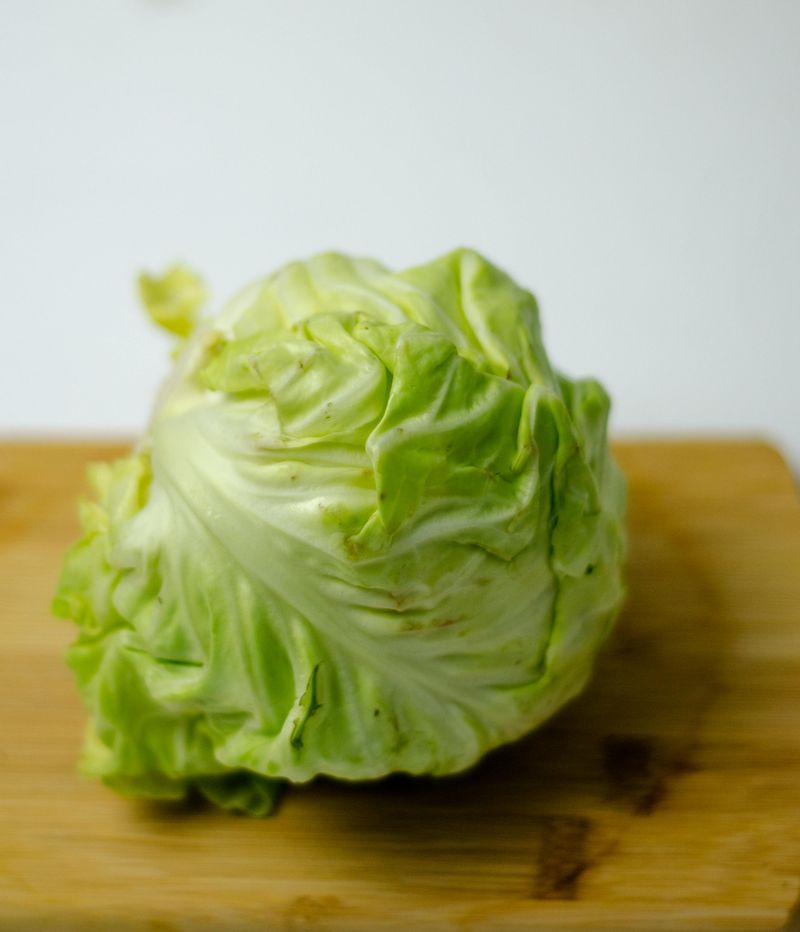
Cabbage is full of fiber and sulfur compounds that can be tough at first. Raw slaws may feel especially gassy, stretching your belly uncomfortably.
If you are not used to crucifers, those fermentable carbs are loud. Delicious, yes, but timing and prep matter for comfort.
Cook cabbage until tender to tame its bite. Soups and sautés are gentler than raw salads.
Start with small portions and combine with carminative spices like caraway or fennel. Sauerkraut can be easier because it is pre fermented, but go slow.
Your gut can learn to love cabbage with patience and consistent practice.
Broccoli
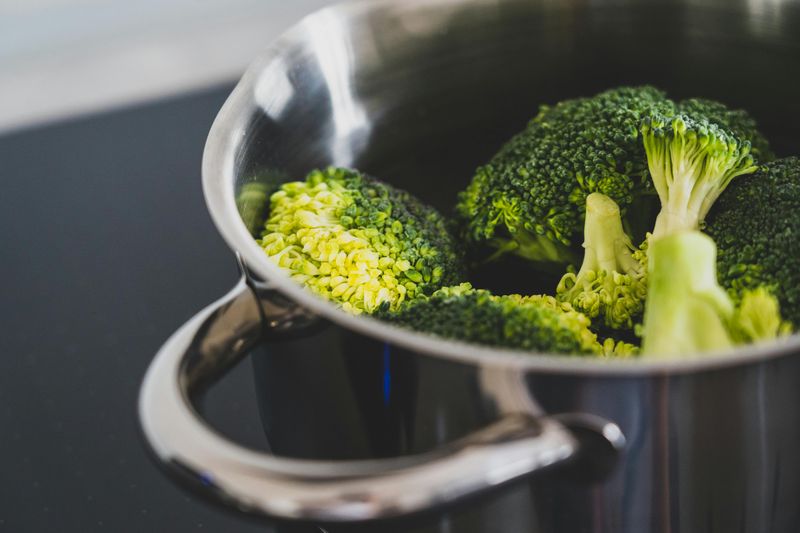
Broccoli brings vitamins and fiber, yet its raffinose and sulfur compounds can spark gas. Large raw servings are the usual culprit, especially in salads or crudités.
If you feel puffy after a healthy bowl, you are not imagining it. Overeating broccoli when stressed can amplify cramping and bloating.
Lightly steam or roast broccoli to soften fibers and reduce bite. Chew thoroughly and pair with lemon, ginger, or cumin.
Start with a handful, not a mountain. If you are very sensitive, try broccolini or peeled stems, which many find gentler.
Gradual exposure usually improves tolerance over time.
Cauliflower
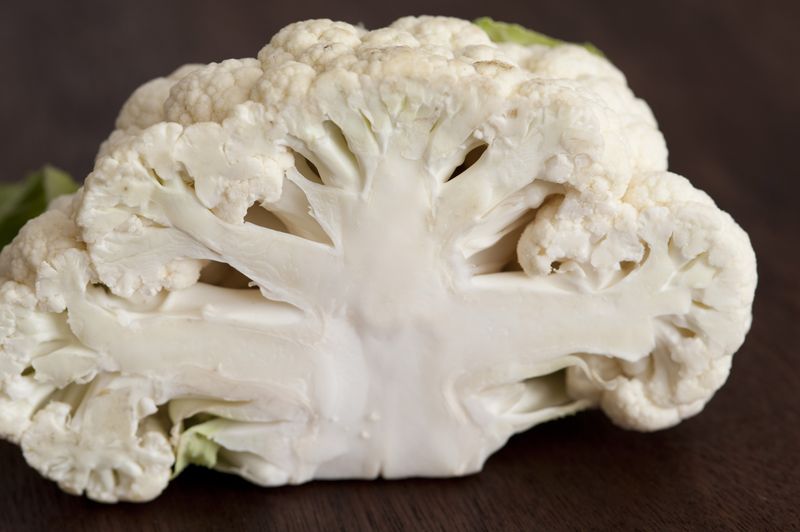
Cauliflower has become a low carb hero, but it can puff you up. Like other crucifers, it contains fermentable carbs that produce gas during digestion.
Riced cauliflower and big portions often hit hardest. If you notice bloating after pizza crust swaps, you are not alone.
Soften it by steaming or roasting until tender. Combine with herbs like thyme and a squeeze of lemon for brightness.
Keep portions modest and pair with protein or whole grains. If raw florets bug you, try soups or purees.
Your gut may handle small, well cooked servings far better than trendy oversized swaps.
Onions
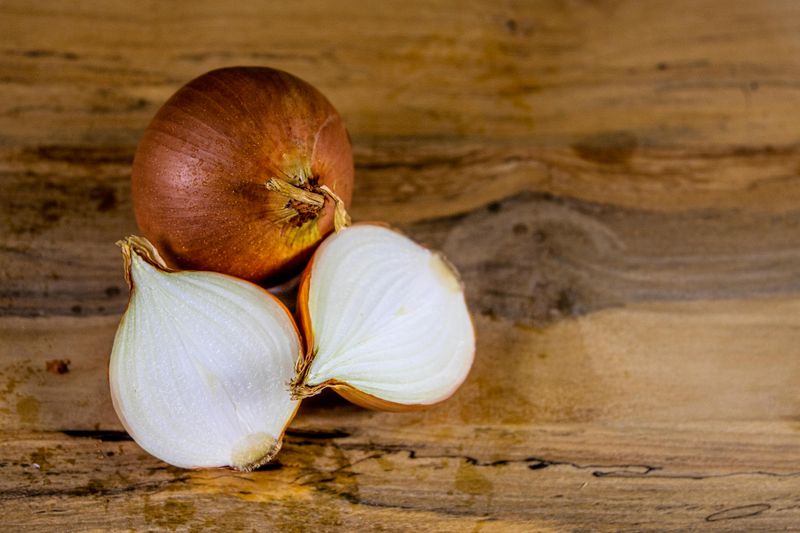
Onions are flavorful but high in fructans, a fermentable fiber many guts resist. Raw onions can sting twice, causing reflux and gas.
Even small amounts in salads or salsas can trigger issues if you are sensitive. Cooking helps, but some still feel the aftereffects.
Try slow sautéing onions until deeply soft, or use the green tops of scallions for milder flavor. Infuse oil with onion, then strain to capture taste without the fiber.
Watch portion sizes and test tolerance at home, not before a big day. Keeping a food log can reveal your comfortable zone.
Garlic
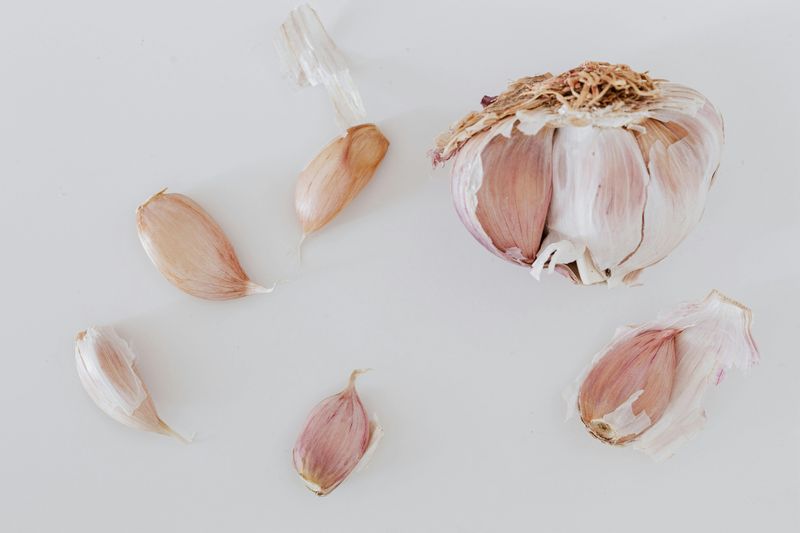
Garlic is delicious, but its fructans can be tough on sensitive guts. Raw garlic especially may cause burning, gas, or urgent trips.
A heavy garlicky sauce might taste amazing yet echo for hours. If you feel queasy after your favorite pasta, garlic could be the quiet culprit.
Roast whole heads until sweet and mellow to ease digestion. Use garlic infused oil for flavor without most fermentable carbs.
Start with tiny amounts and build slowly. Pair with calming herbs like parsley or basil.
If symptoms persist, reserve heavy garlic dishes for low stress days when your gut feels resilient.
Processed meats

Processed meats often pack salt, fat, and additives that can bother digestion. The richness slows things down, while nitrates and seasonings may irritate sensitive stomachs.
Deli stacks or hot dogs can also trigger heartburn, especially with alcohol or late nights. Feeling heavy after a sandwich is a common complaint.
Choose leaner cuts without fillers, and keep portions moderate. Pair with whole grain bread, mustard, and crunchy veggies for balance.
Hydrate well to counter salt. If you crave convenience, look for minimally processed options with short ingredient lists.
Your gut will likely appreciate the simpler route more than the flashy package.
Red meat
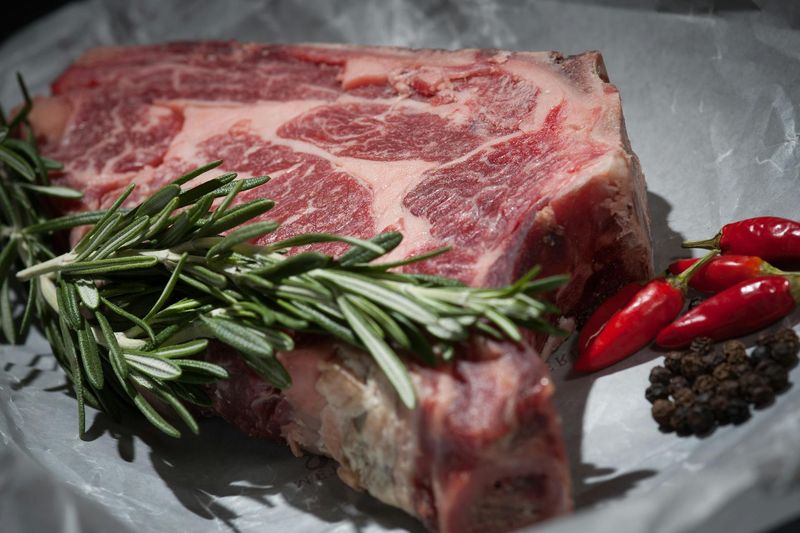
Red meat is protein rich, but it is dense and high in fat compared to poultry or fish. That combo can slow gastric emptying and feel heavy.
Some people notice constipation or cramping after large steaks. Add creamy sides, and your gut might wave a white flag.
Shift toward smaller portions and chew thoroughly. Choose leaner cuts and pair with fiber rich vegetables or whole grains.
A simple marinade with citrus can help tenderness and enjoyment. Space red meat days apart if symptoms persist.
Your digestion may prefer variety and lighter proteins through the week.
Alcohol

Alcohol relaxes the esophageal sphincter, inviting reflux, and can irritate the stomach lining. It also speeds fluid loss, which may slow digestion later and cause constipation.
Sugary mixers add another layer of bloat. If your gut feels off after happy hour, you are getting clear feedback.
Alternate drinks with water and choose lower alcohol options like spritzers. Eat before sipping and avoid late night rounds.
Dry wines or simple spirits with soda water are usually gentler than creamy cocktails. Track how different types affect you.
Boundaries make social sipping more comfortable and far kinder to your digestion.
Coffee
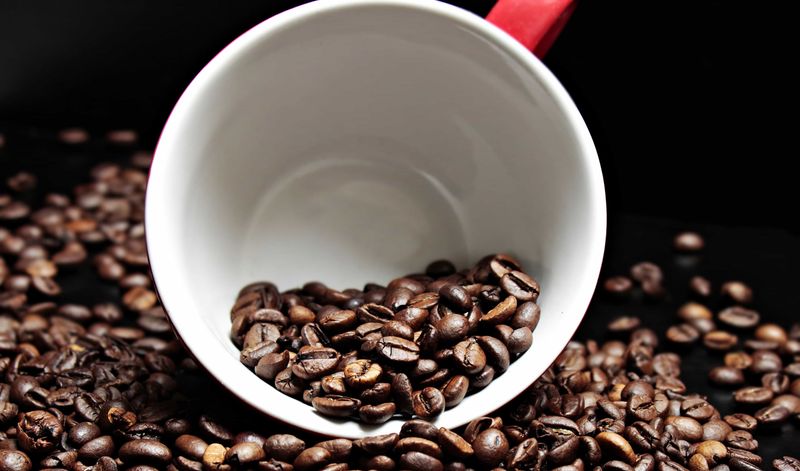
Coffee stimulates stomach acid and gut motility. That is great for some, but sensitive folks may get cramps, reflux, or urgent bathroom breaks.
Add cream and sweeteners, and the effect can intensify. Empty stomach coffee often hits the hardest, especially under stress.
Try half caf, smaller cups, or switching to a lighter roast. Pair coffee with a balanced breakfast to buffer acidity.
If dairy bothers you, use lactose free or non dairy creamers. Cold brew sometimes feels gentler due to lower acidity.
You can still enjoy the ritual with adjustments that keep your gut calm.
Chocolate
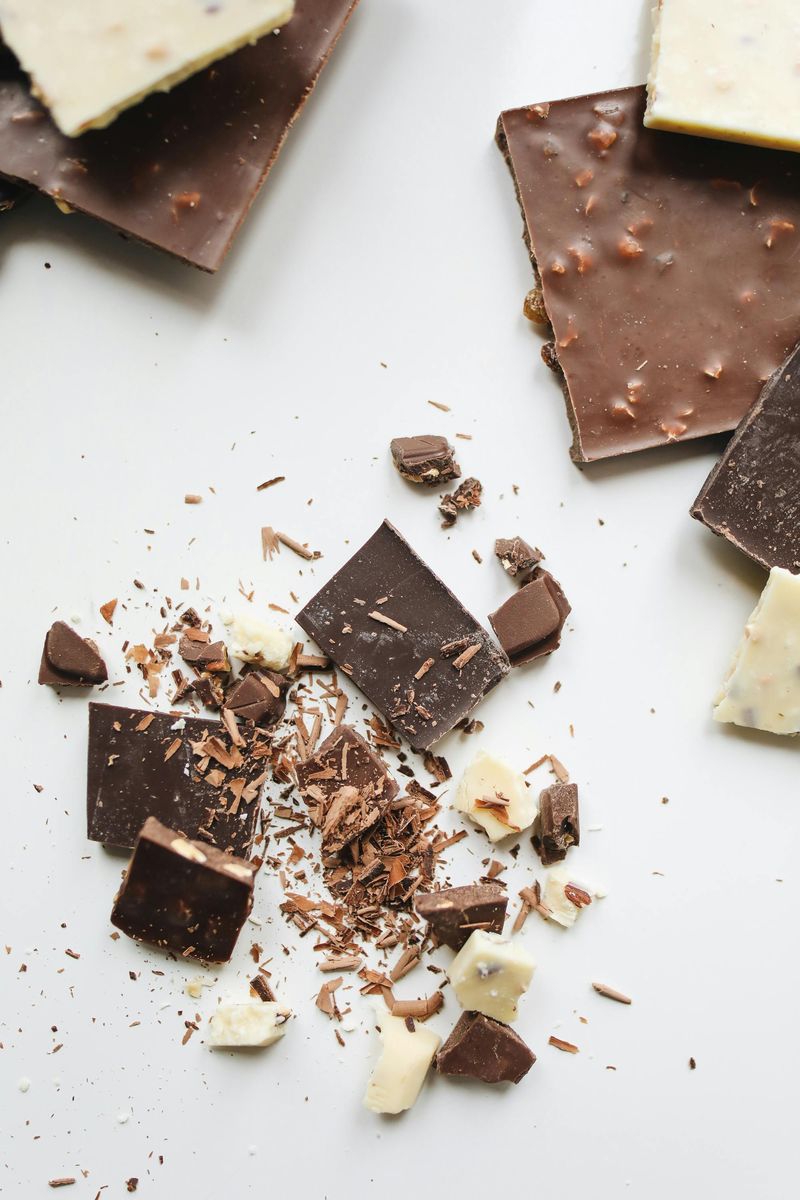
Chocolate carries caffeine and theobromine, which can relax the lower esophageal sphincter and trigger reflux. High fat varieties also slow digestion, compounding discomfort.
For some, even small amounts spark heartburn or bloating. It is frustrating when your treat turns into a twinge.
Opt for smaller servings and savor slowly. Dark chocolate with lower sugar can be easier than milky bars, but test your response.
Avoid pairing chocolate with coffee or alcohol if reflux is an issue. Keep it earlier in the day and drink water after.
Pleasure remains when you honor your limits and timing.
Artificial sweeteners

Artificial sweeteners and sugar alcohols can ferment in the gut or draw water into the intestines. That often means gas, cramping, and loose stools.
Chewing gum, diet sodas, protein bars, and light ice creams are common hidden sources. Sensitivity varies, so your coworker’s favorite drink might wreck your afternoon.
Scan labels for sorbitol, xylitol, mannitol, erythritol, and sucralose. Test one change at a time and track symptoms.
Natural options like stevia or small amounts of real sugar may sit better. Hydrate and balance with fiber rich foods.
Your comfort is worth a few mindful swaps.
Fast food
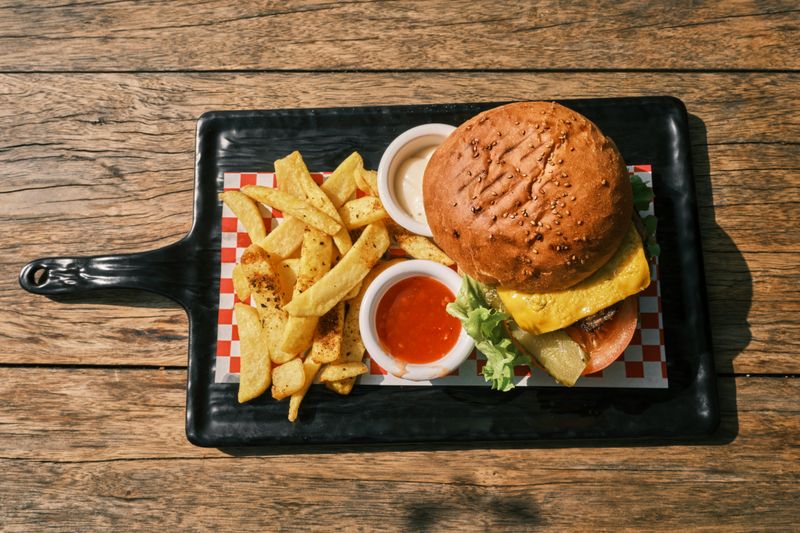
Fast food is engineered for craveability, not comfort. High fat, refined carbs, and sodium slow digestion and encourage water retention.
Big combos eaten quickly can cause reflux, bloating, and energy crashes. Your gut may protest long after the last fry is gone.
Go for smaller sizes, skip extra sauces, and add a side salad when possible. Choose grilled over fried and water over soda.
Eat slower, and stop at satisfied instead of stuffed. Planning a snack beforehand helps you order more calmly.
Even modest tweaks can turn a fast fix into a gentler ride.
Greasy takeout

Greasy takeout often arrives swimming in oil, which delays stomach emptying. That heavy feeling can spiral into reflux and restless sleep, especially if it is a late dinner.
Sauces packed with sugar and starch add bloat on top of richness. It is comfort food that sometimes backfires.
Portion out a plate and save the rest for tomorrow. Blot excess oil, add steamed veggies, or mix in plain rice.
Eat earlier, sip water, and take a gentle walk after. If you love the flavors, ask for light oil next time.
Your future self will be grateful.
Cream sauces
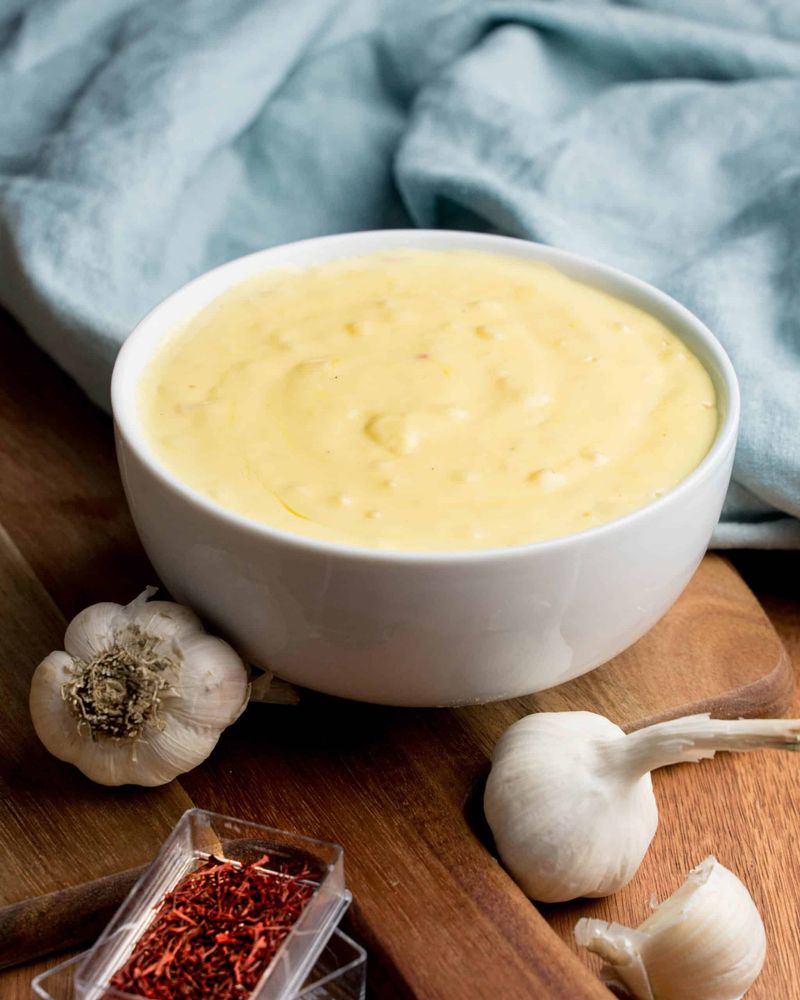
Cream sauces combine heavy dairy and fat, a double whammy for sensitive digestion. The richness lingers in the stomach and can trigger reflux, especially with wine or coffee.
Toss in white pasta, and you have little fiber to help things along. Delicious, yes, but sometimes uncomfortable afterward.
Lighten the base with broth, pureed cauliflower, or cashew cream. Add lemon, herbs, and black pepper for brightness without extra weight.
Keep portions modest and pair with a salad or roasted vegetables. If dairy is tricky, try lactose free cream or coconut milk.
You still get cozy comfort without the crash.
Fried foods
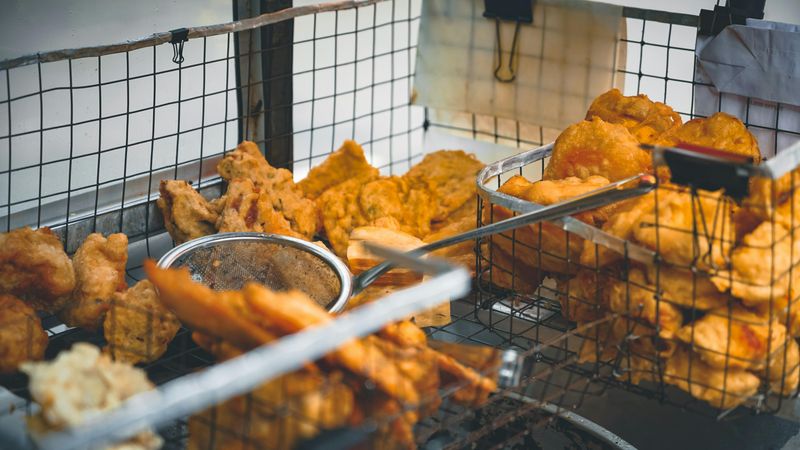
Fried foods are tasty, but your gut may not be a fan. The high fat content slows digestion, which can leave you feeling heavy, bloated, or nauseous.
Extra grease can also trigger reflux, especially if you eat quickly or late at night. If you have a sensitive stomach, that sizzle often comes with regret.
Try baking, air frying, or pan searing with minimal oil for similar crunch minus the crash. Pairing smaller portions with fiber rich sides can help things move along.
If you are prone to indigestion, skip the supersize and savor a mindful, lighter plate.
Enjoyed this story?
Add Fast Food Club as a preferred source to see more of our reporting on Google.