


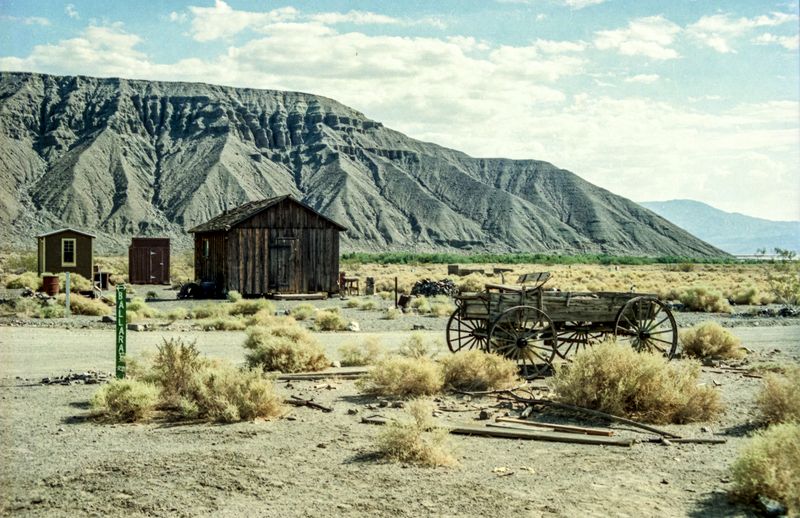
California has more than beaches and big cities. Scattered across its deserts and mountains are old mining towns that were once packed with people chasing gold and silver, and then almost overnight, everyone left.
Today these places sit quiet and mostly empty, with wooden buildings, rusty tools, and crooked storefronts still standing after more than a hundred years. Walking through them feels like stepping into a photograph that never faded.
Some are protected as state parks, while others are barely marked on a map. If you love history, road trips, or just want to see something completely different, these seven ghost towns are worth putting on your travel list.
Here are the ones that stand out the most, and what makes each one special.
1. Bodie State Historic Park, Bodie, California
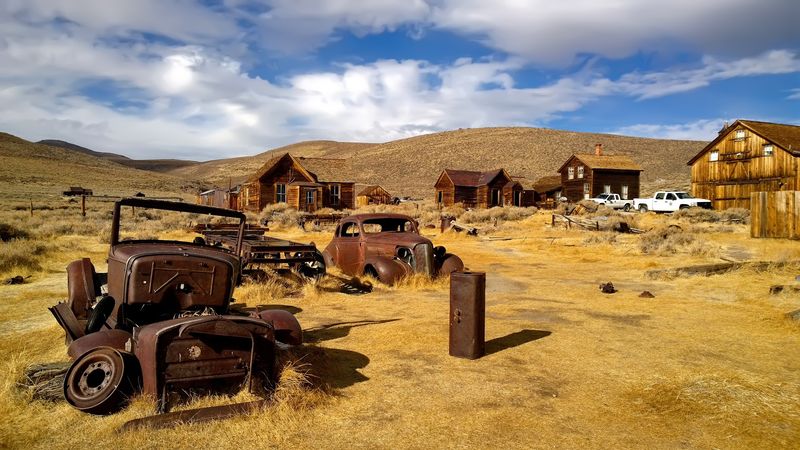
Few places in the country capture the look of an abandoned town quite like Bodie. Once a booming gold-mining community in the late 1870s with thousands of residents, it now sits preserved in what rangers call a state of arrested decay.
That means nothing gets rebuilt or fixed up. The buildings are kept exactly as they were found, so you see peeling wallpaper, dusty store shelves, and furniture still sitting inside homes.
Roughly 100 structures remain standing out of the thousands that once filled the valley. You can peer through windows at old schoolrooms, a general store, and a church that has weathered more than a century of harsh winters.
Bodie sits at about 8,300 feet in elevation, east of the Sierra Nevada near Bridgeport. The final stretch of road turns to dirt, so plan for a slow drive.
Winters here are brutal and snowy, so the park is easiest to reach in summer and early fall. An entrance fee applies, and there are no services, so bring water and snacks.
2. Calico Ghost Town, Yermo, California
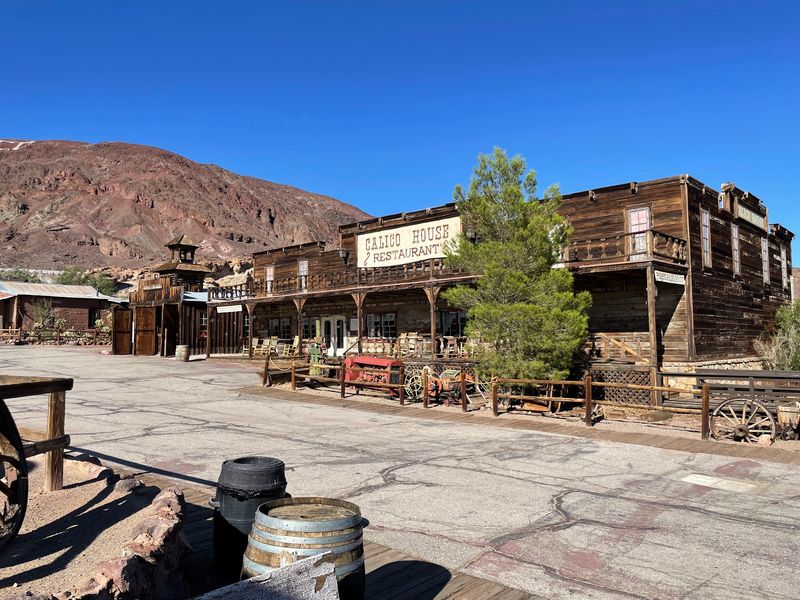
Silver put Calico on the map back in 1881, and at its peak the town supported hundreds of mines in the surrounding hills. When silver prices dropped, people packed up and moved on.
Unlike Bodie, Calico has been partly restored, so it feels more like a living history stop than a crumbling relic. Walter Knott, of Knott’s Berry Farm fame, bought the town in the 1950s and worked to rebuild it.
Today it operates as a San Bernardino County regional park. You can ride a narrow-gauge railroad, tour an old mine, and browse shops set inside historic-style buildings.
The setting in the Mojave Desert, framed by reddish hills, gives it a classic western look. It sits just off Interstate 15 near Barstow, making it one of the easiest ghost towns to reach on a road trip.
There is an entrance fee, and the park hosts seasonal events throughout the year. Summer heat can be intense, so mornings are the better time to explore.
3. Cerro Gordo, Inyo County, California
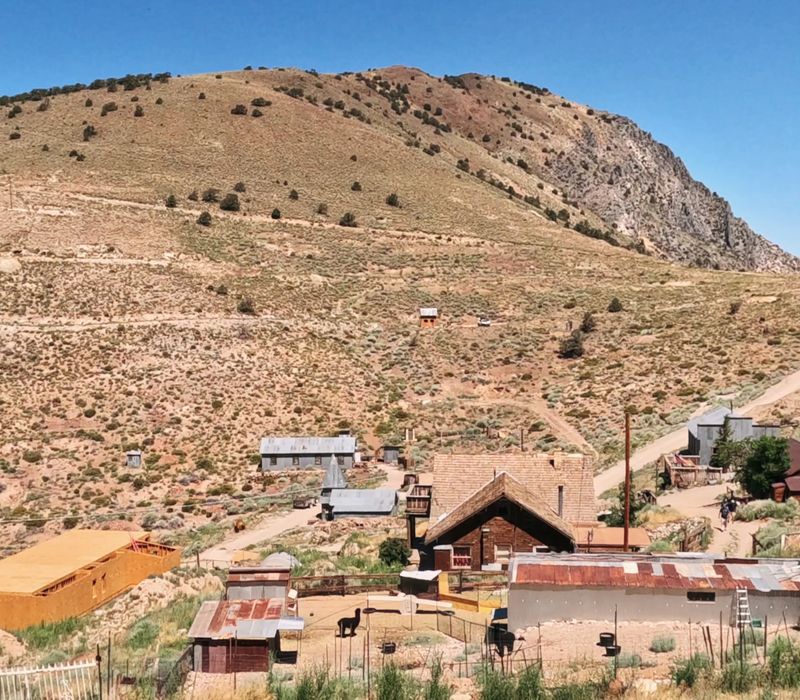
Perched high in the Inyo Mountains above Owens Valley, Cerro Gordo was once one of the richest silver and lead mining camps in California during the 1860s and 1870s. The ore shipped from here helped fuel the early growth of Los Angeles.
What sets this place apart is its remoteness and its ownership story. The entire town was purchased by private buyers in 2018, and the new owners have worked to preserve and share it.
The name means “fat hill” in Spanish, a nod to how rich the mines once were. Original structures still cling to the steep hillside at around 8,000 feet.
Getting there requires a rough, steep dirt road that climbs from the town of Keeler. A high-clearance vehicle is strongly recommended, and conditions can change quickly.
Because it is privately held, access rules and tour availability can vary, so it is smart to check ahead before making the drive. The payoff is a quiet, dramatic view over one of California’s widest valleys.
4. Randsburg, Kern County, California
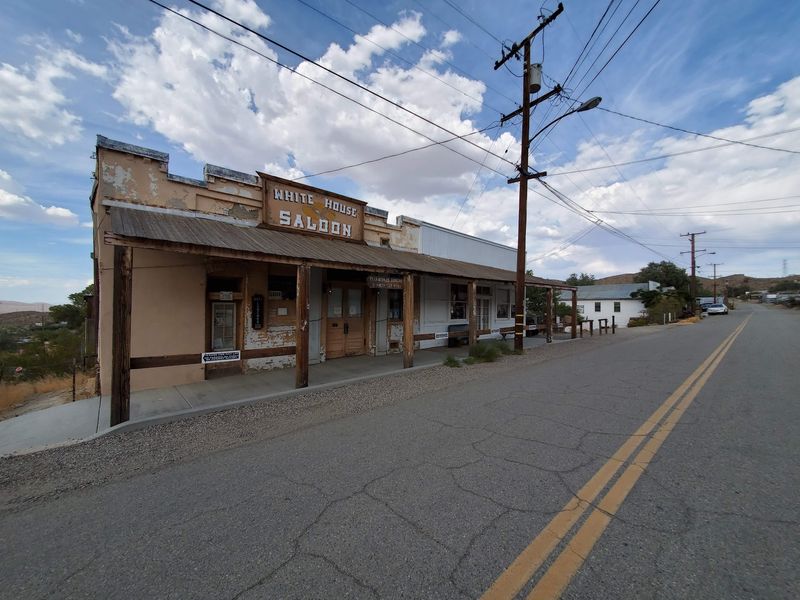
Not every town on this list is fully abandoned, and Randsburg is proof. Founded after a gold strike in the 1890s, it never completely emptied out and is often called a living ghost town.
A handful of residents still call it home, and a few shops and a general store keep the main street active on weekends. That mix of old and still-open makes it feel different from the silent parks elsewhere.
The Rand Mining District once produced gold, tungsten, and silver, and reminders of that era line the streets. Antique stores and small museums display artifacts from the mining days.
You will find it in the Mojave Desert off Highway 395, not far from Ridgecrest. It pairs well with a longer desert drive since it sits between several other historic sites.
Weekends are your best bet, since some businesses keep limited hours. It is a friendly, low-key stop for anyone who wants a ghost town they can actually wander through and grab a bite.
5. Ballarat, Death Valley area, California
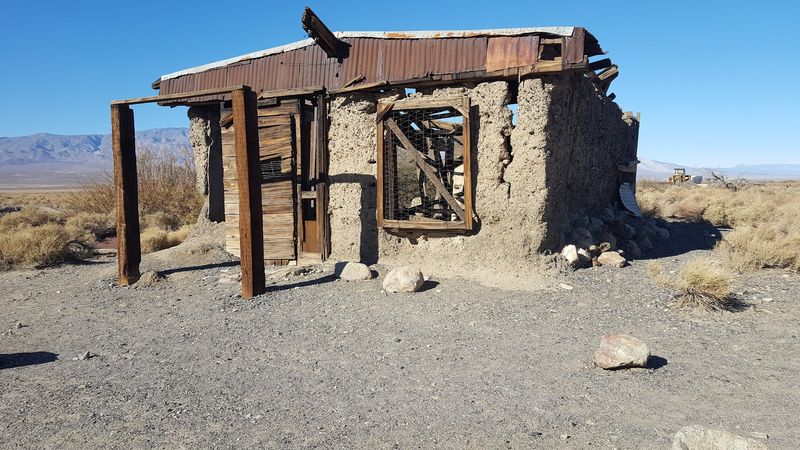
Out on the edge of the Panamint Valley sits Ballarat, a supply town that served nearby mines starting in the 1890s. It once had a small population and a few businesses catering to prospectors working the surrounding hills.
Today very little remains, which is exactly what draws curious travelers. Crumbling adobe walls and scattered ruins mark where buildings once stood, and a small store has operated on and off over the years.
The wide, empty scenery is a big part of the appeal. With the Panamint Range rising nearby and Death Valley National Park just beyond, the location feels wonderfully isolated.
Reaching Ballarat means turning off Highway 178 onto a rough access road, so slow, careful driving pays off. There are no real services out here, so come prepared with plenty of water and fuel.
For travelers exploring the Death Valley region, it makes a quiet, offbeat detour. Just check road conditions first, especially in the hot months.
6. Cerro Bodie backup – Panamint City, California
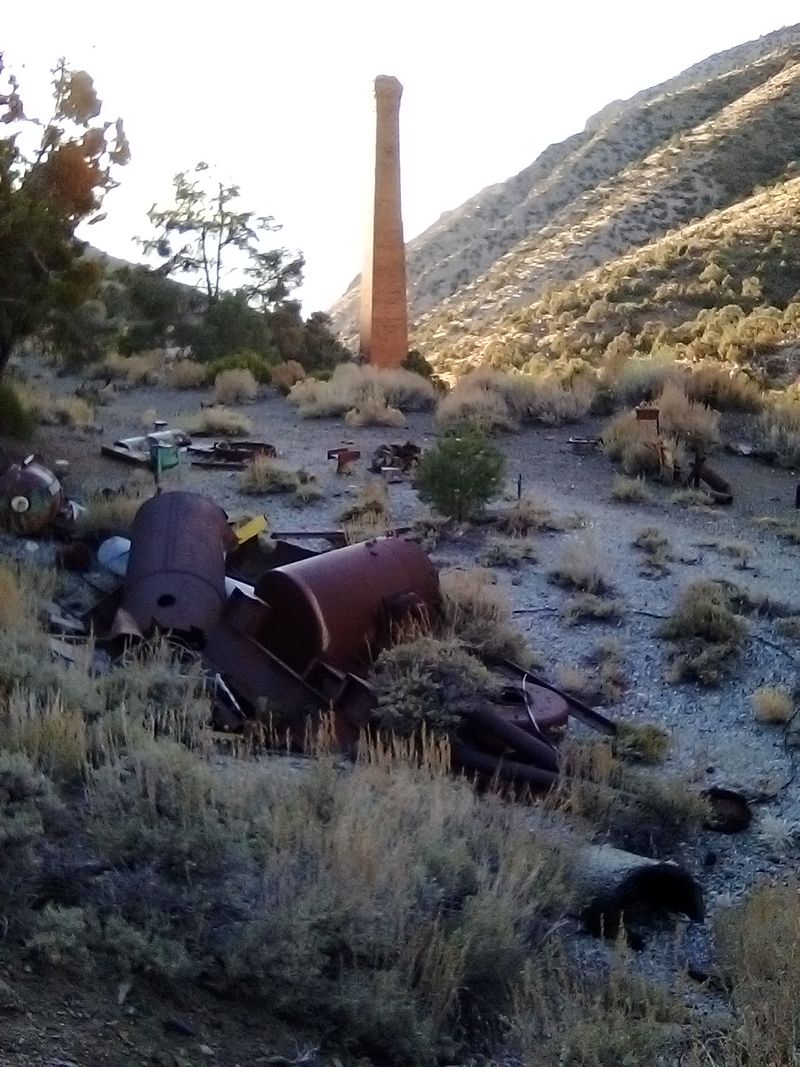
Reaching Panamint City takes real effort, and that is the whole draw for adventurous hikers. Deep in Surprise Canyon within Death Valley National Park, this old silver-mining town from the 1870s can only be reached on foot.
The trail follows a canyon with running water in places, climbing steadily for miles until the ruins appear. A tall brick smokestack still stands as the most famous landmark of the site.
Because there is no drivable road all the way in, the town stays quiet and rarely crowded. Scattered remains of cabins and mining equipment reward those who make the long trek.
The hike is strenuous and gains significant elevation, so it suits experienced hikers who plan carefully. Many people turn it into an overnight backpacking trip.
Water, weather, and preparation matter a lot here, and cooler months are far safer than summer. For those willing to work for it, few ghost towns feel as untouched as this one.
7. Shasta State Historic Park, Shasta, California
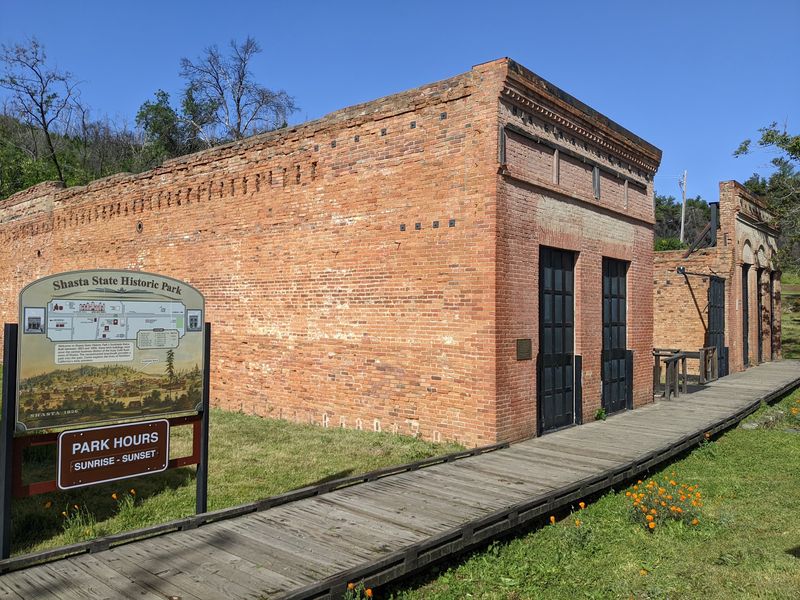
Northern California gets its turn with Shasta, a Gold Rush boomtown from the 1850s that was once known as the Queen City of the northern mines. It served as a major supply hub before railroads shifted travel routes away from it.
The most striking feature is the row of half-standing brick buildings along the old main street. These ruins, with their arched windows and thick walls, give a clear sense of how busy the town used to be.
It is now protected as a state historic park, complete with a restored courthouse that houses a museum. Exhibits cover the mining era and everyday life in early California.
You will find it just west of Redding along Highway 299, making it an easy stop off a main route. The greener, oak-dotted setting looks very different from the desert towns on this list.
Check the park’s operating days before visiting, since the museum keeps limited hours. It is a great pick for anyone traveling through the north state who wants history without a rough drive.
Enjoyed this story?
Add Fast Food Club as a preferred source to see more of our reporting on Google.