


Hawaii is famous for beaches, but some of its best scenery grows quietly under the trees. Across the islands, botanical gardens protect rainforest trails, tumbling waterfalls, and plants you simply cannot see anywhere else on the mainland.
A few of these spots hold thousands of tropical species, while others focus on native Hawaiian plants that are getting harder to find in the wild. Whether you want a short paved stroll or a longer walk through dense green valleys, there is a garden that fits.
Here are seven Hawaii gardens where you can slow down, follow shady paths, and spot rare blooms up close.
1. Hawaii Tropical Bioreserve and Garden, Papaikou, Hawaii Island
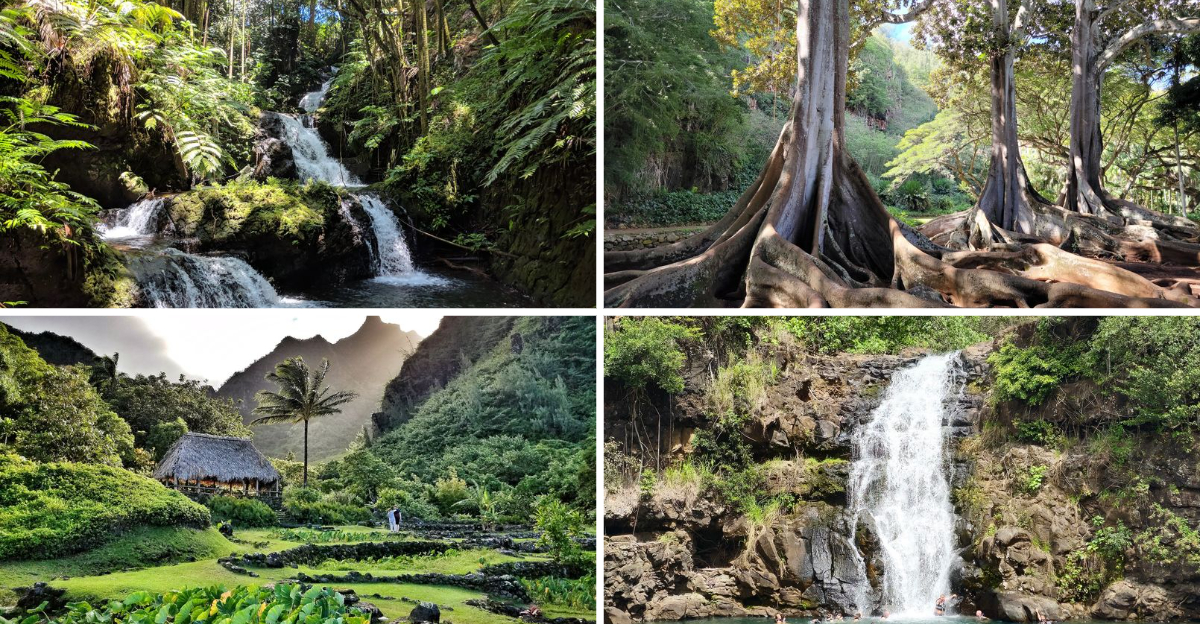
Set in a small ocean valley just north of Hilo, this garden packs more than 2,000 species of tropical plants into a steep, jungle-like ravine along the Onomea Bay coastline.
A boardwalk trail winds downhill through palms, heliconia, and orchids toward the water, passing Onomea Falls along the way. The path can be steep in places, so comfortable shoes help.
Formerly known as the Hawaii Tropical Botanical Garden, the reserve sits on the scenic 4-mile Old Mamalahoa Highway loop north of Hilo. That drive alone is one of the prettiest short detours on the island.
Admission is charged, and the garden is open daily with set hours, so it works well as a morning stop before exploring the Hamakua Coast. I like this one for travelers who want a real rainforest feel without a long hike.
2. National Tropical Botanical Garden – McBryde and Allerton Gardens, Koloa, Kauai
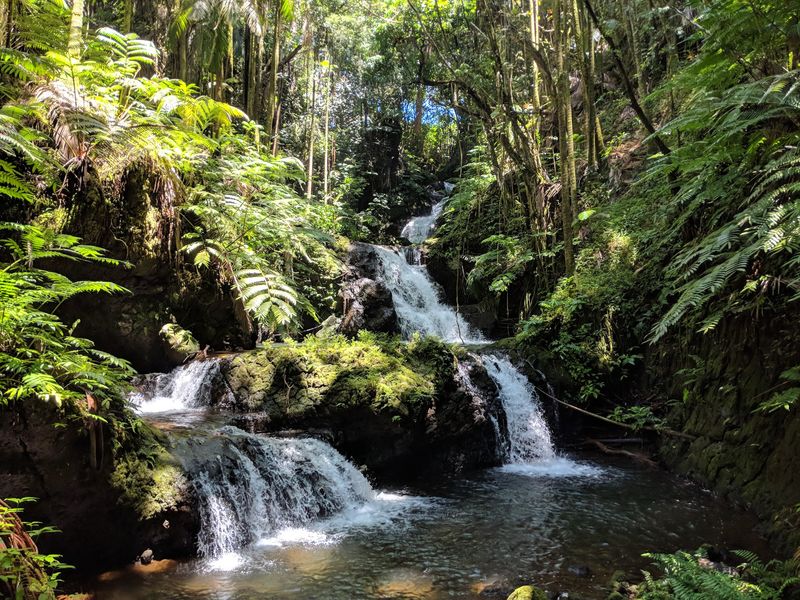
Two gardens share one entrance on Kauai’s south shore, and together they make a strong case for planning ahead. Allerton Garden is a guided experience through a designed valley landscape, while neighboring McBryde Garden focuses on plant conservation and self-guided walking.
Allerton is known for its giant Moreton Bay fig trees with sprawling above-ground roots, plus sculpted water features and quiet garden rooms tucked into the Lawai Valley.
McBryde protects one of the largest collections of native and rare Hawaiian plants anywhere, which matters for a state with so many threatened species.
Both are run by the National Tropical Botanical Garden, and Allerton tours often sell out, so booking in advance is smart. Reach the visitor center near Poipu, then ride a shuttle down into the valley.
3. Limahuli Garden and Preserve, Haena, Kauai
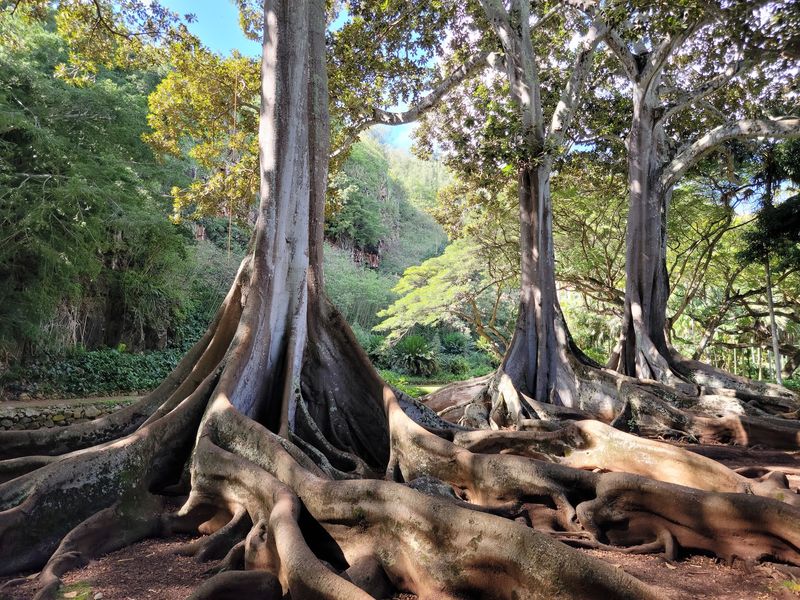
Perched on Kauai’s north shore at the foot of steep green ridges, Limahuli tells the story of how Hawaiians farmed and lived on this land for centuries.
Ancient stone terraces here still grow taro, and the self-guided loop trail climbs gently for wide views toward the ocean and the Makana mountain.
The garden focuses heavily on native and Polynesian-introduced plants, so it feels different from the showy tropical collections elsewhere. You learn as much about culture as botany.
Also part of the National Tropical Botanical Garden, Limahuli is near the end of the road past Hanalei, so timing matters because the area uses a reservation system for the surrounding state park. Check current access rules and garden hours before you go, since this remote stretch can change quickly.
4. Waimea Valley, Haleiwa, Oahu
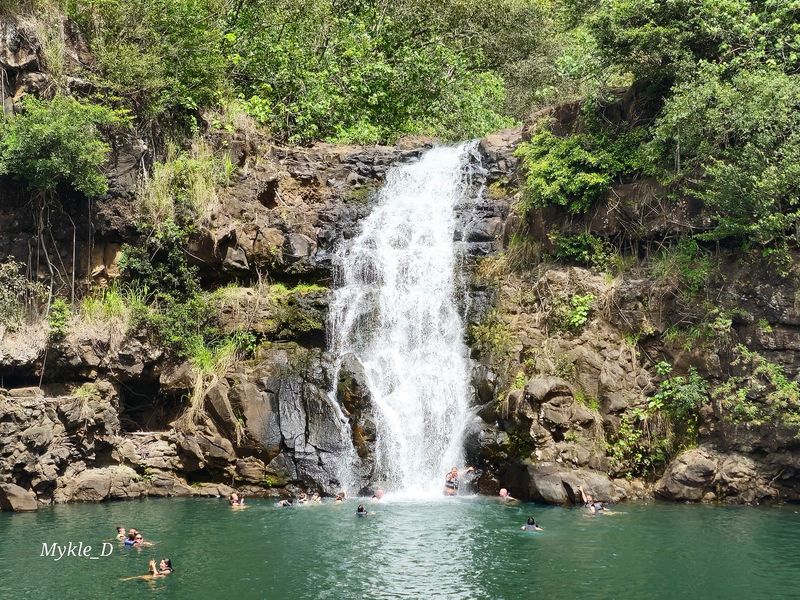
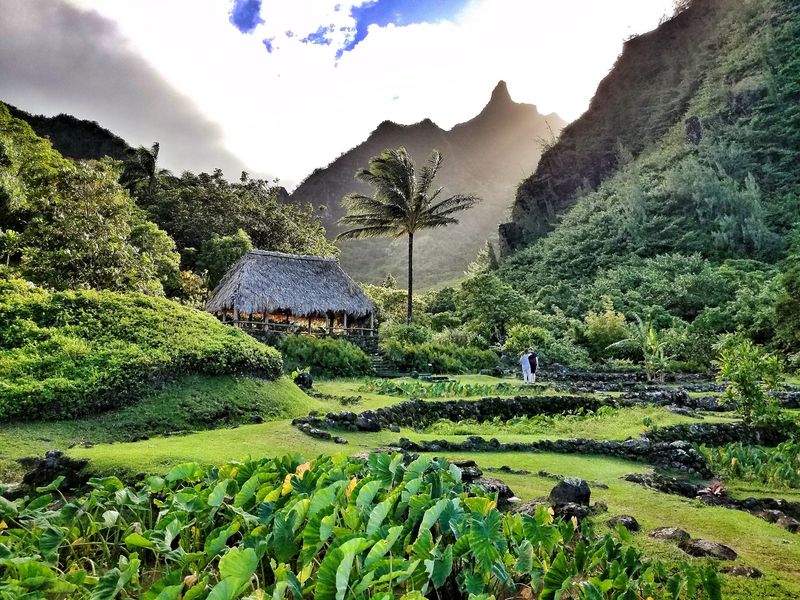
The North Shore surprise is that a famous surf town also hides a valley with a waterfall you can actually swim beneath. Waimea Valley offers a mostly paved, three-quarter mile path that leads to a 45-foot waterfall with a supervised swimming area.
Along the way, themed plant collections line the trail, including sections for Hawaiian plants and tropical species from around the Pacific.
Beyond the greenery, the valley protects cultural sites and living history, so it is more than a garden stroll.
Lifeguards staff the waterfall area, and life vests are provided, which makes it a friendly stop for families with kids who want a dip. Admission is charged, parking is on-site, and it pairs easily with a North Shore beach day near Haleiwa.
5. Hoomaluhia Botanical Garden, Kaneohe, Oahu
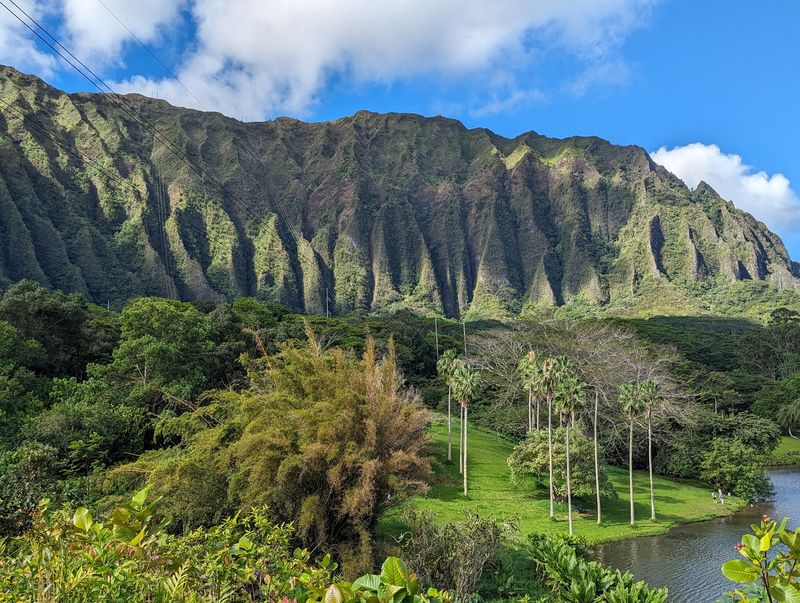
Free admission is rare at a garden this scenic, and that is part of the draw at Hoomaluhia in windward Oahu.
Spread across roughly 400 acres beneath the towering Koolau mountains, this Honolulu county garden features a large lake and plant collections grouped by tropical region, from Hawaii to the Philippines to Africa.
The wide roads and paths make it easy for casual walking, and catch-and-release fishing is offered on weekends at the lake.
Built originally as flood protection for Kaneohe, the garden doubles as a peaceful drive-in green space just minutes from the H-3 freeway. Camping is available with a permit, and the dramatic mountain backdrop is a favorite for photos, so plan for a morning visit when clouds often lift off the ridge.
6. Foster Botanical Garden, Honolulu, Oahu
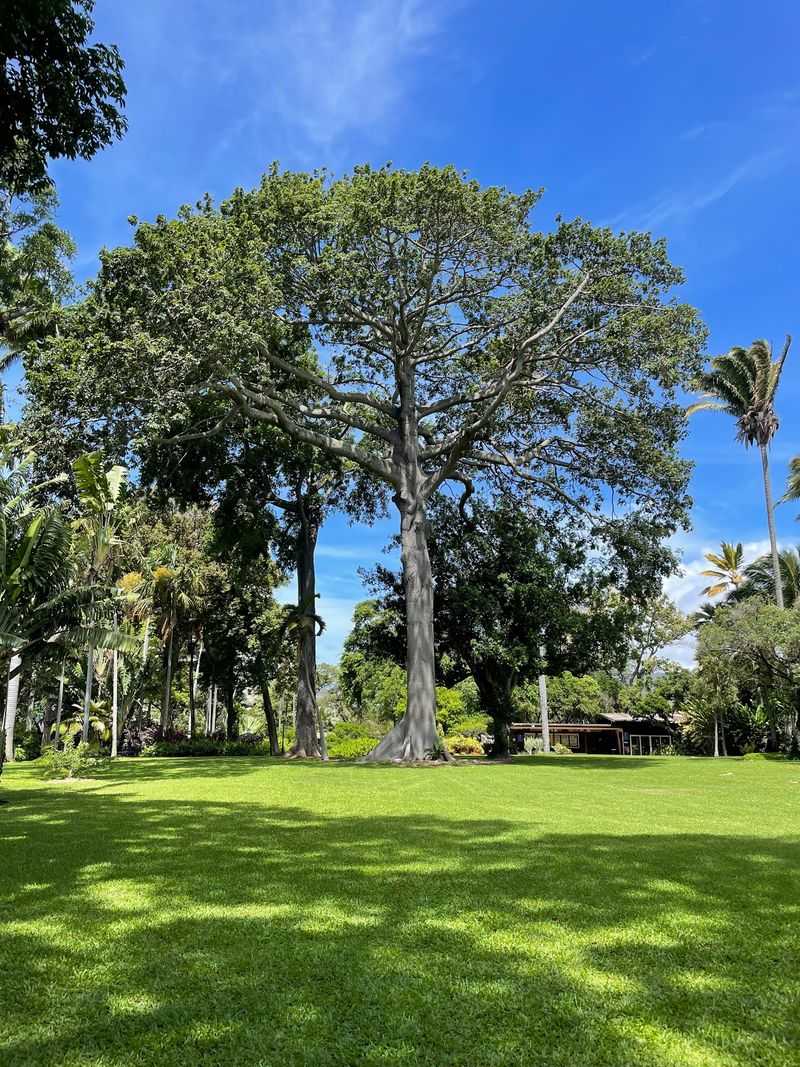
Right in the middle of downtown Honolulu sits Oahu’s oldest botanical garden, and its biggest stars are trees that predate the modern city.
Foster Botanical Garden holds a collection of towering exceptional trees, some more than a century old, including massive specimens that shade the walking paths.
An orchid garden and a prehistoric glen with primitive plants round out the collection, giving the small space a lot of variety.
Part of the Honolulu Botanical Gardens system, Foster charges a modest admission and offers guided tours on certain days. Because it is compact and centrally located, it works as a quick, cool green break between city stops.
I would save this one for a hot afternoon when shade is the whole point.
7. Maui Nui Botanical Gardens, Kahului, Maui
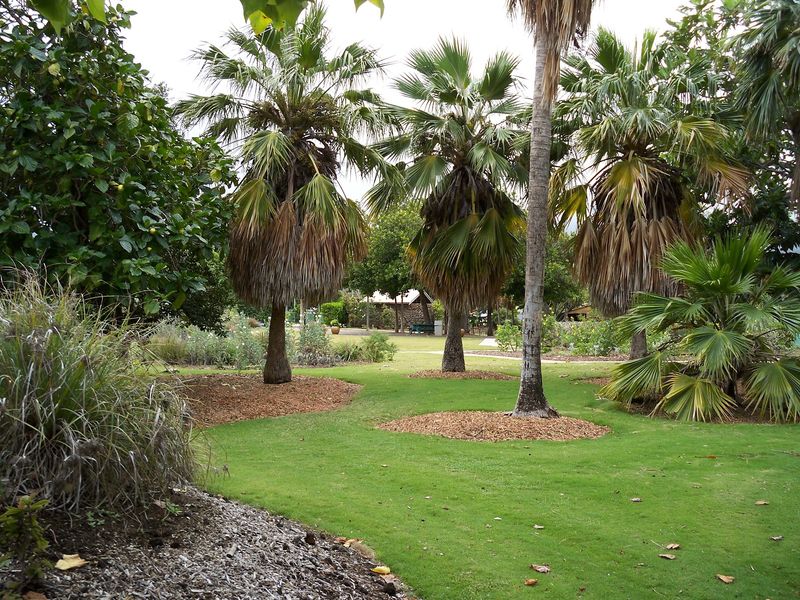
Plant lovers who want the real Hawaiian story head to Kahului, where this garden protects native and Polynesian-introduced species instead of the usual tropical showpieces.
Maui Nui Botanical Gardens grows coastal and dryland plants that once filled the islands, including native palms, gourds, sweet potatoes, and hibiscus varieties tied to Hawaiian culture.
Interpretive signs explain how each plant was used for food, medicine, tools, and clothing, which turns a short walk into a genuine lesson.
Located near the Kahului airport and open on set weekdays, it makes an easy first or last stop on a Maui trip. Admission is low, the layout is flat, and staff sometimes offer plant and cultural programs.
For anyone curious about what Hawaii looked like before the resorts, this is a grounded place to start.
Enjoyed this story?
Add Fast Food Club as a preferred source to see more of our reporting on Google.