


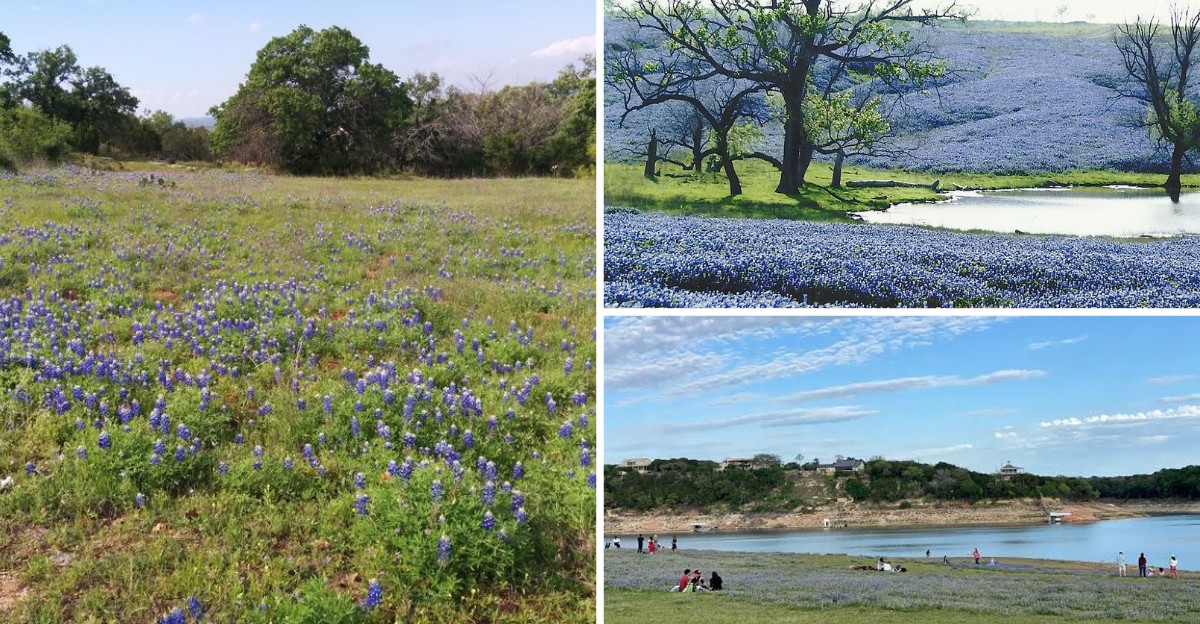
Every spring, Texas turns into one big painting of blue, orange, red, and yellow. Bluebonnets and other wildflowers show up along back roads, state parks, and open ranch country from late March into April.
Some of these spots are famous, and some are quieter drives that most people zoom right past. Here are seven Texas places where the flowers really put on a show, plus what makes each one worth planning a trip around.
1. Willow City Loop
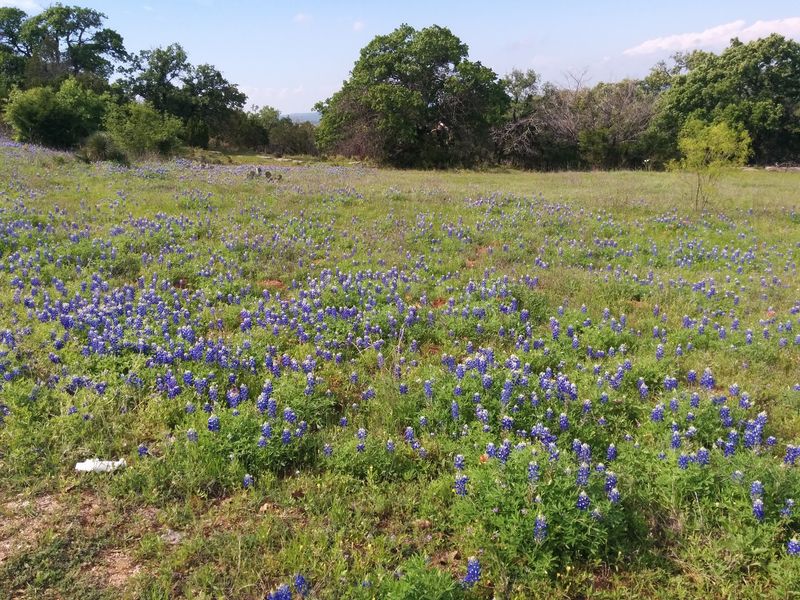
Ranch country outside Fredericksburg holds one of the most talked-about spring drives in the state, and the Willow City Loop is the reason. Off State Highway 16 near Willow City, this winding country road curls through rugged terrain that fills with color once the weather warms up.
The loop is built for slow, scenic driving and cycling, so there is no rushing through it. Fields of bluebonnets and other wildflowers spread across the roadside and open pastures each spring, which is exactly why photographers and road trippers keep coming back.
One thing to keep in mind here: much of the land along the route is private ranch property. You can enjoy the views from the road, but pulling into fences or private fields is off limits.
Stay in the car or use safe pull-offs and let the drive do the work.
I like this one as a first stop because it sets the tone for a Hill Country wildflower day without any admission booth or ticket line.
2. Ennis Bluebonnet Trails (an April driving route), Ennis, TX
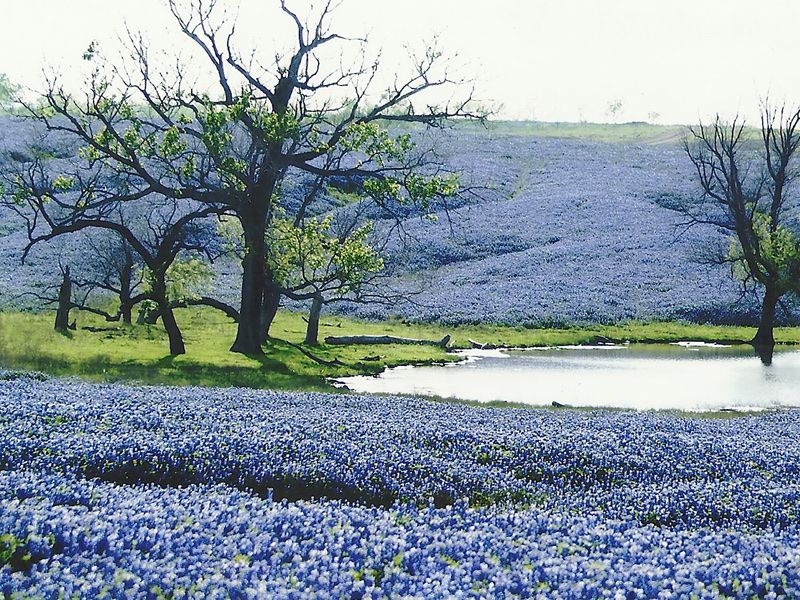
Few wildflower spots come with an actual calendar attached. The Ennis Bluebonnet Trails run as a mapped driving route that opens annually from April 1 through April 30, timed for peak bloom just south of Dallas.
The route covers miles of hilly back roads winding past bluebonnet fields and other native wildflowers. Along the way you can spot deer and horses, and there are picnic areas and a lake view that make it easy to turn a drive into a half-day outing.
Start at the Ennis visitor center at 201 NW Main. The center hands out maps and directions to the best viewing spots, so you are not guessing where the color is.
Hours are Monday through Friday 8 AM to 5 PM and Saturday 9 AM to 3 PM, with Sunday closed, and there is free street parking plus a restroom.
Because the trails only run in April, this is a stop where timing really matters. Plan around that window and you land right in the middle of the show.
3. Muleshoe Bend Recreation Area, Spicewood, TX
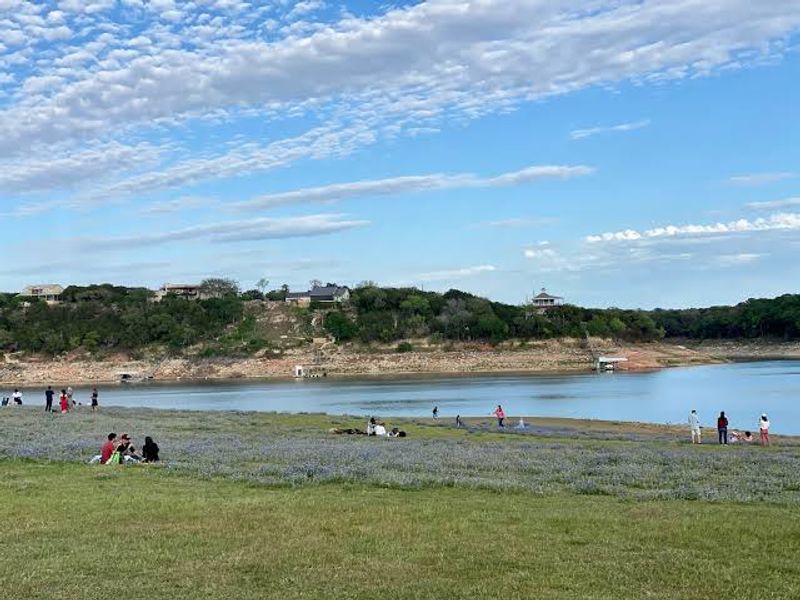
Sitting on 654 acres along Lake Travis, Muleshoe Bend earns its spring reputation with some of the biggest bluebonnet fields in the region. When the flowers peak, the open areas near the water turn solid blue.
The park is more than a photo stop. There are hiking trails, mountain biking routes, and lake access for fishing, swimming, canoeing, and kayaking.
Campsites are spaced apart with room to spread out, and the restrooms are kept clean.
Picnicking is a big draw here, with barbecue grills and picnic tables scattered around, and dogs are welcome. Entry runs about five dollars per person, which is an easy price for a full day near the water.
There is a paid parking lot on site.
Hours are 7 AM to 5 PM daily. Weekends, especially Saturday afternoon and Sunday, are the busiest, so a weekday visit gives you more elbow room among the flowers.
Located at 2820 Mule Shoe Bend Drive in Spicewood, it pairs a serious wildflower payoff with real outdoor space.
4. Big Bend Ranch State Park, Terlingua, TX
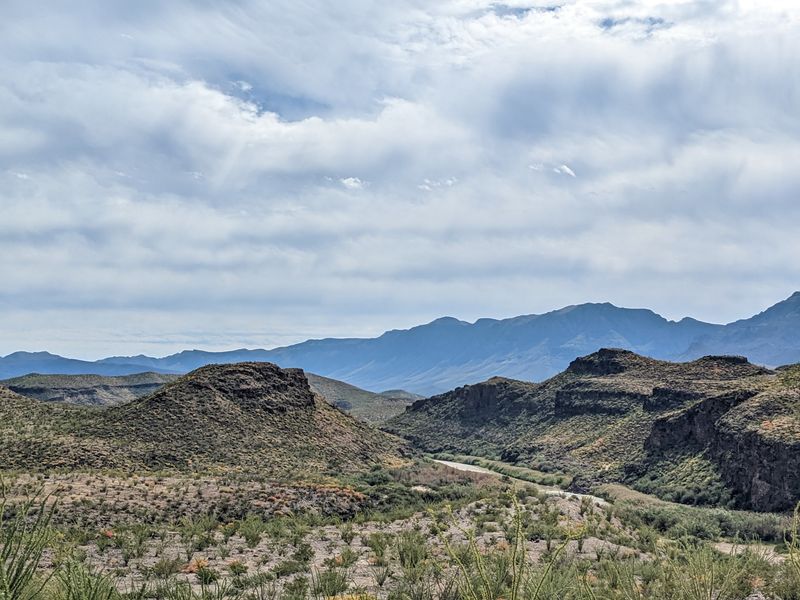
Out in far West Texas, wildflower season looks a little different, and a lot bigger. Big Bend Ranch State Park spreads across more than 300,000 acres of desert, mountains, and river country near Terlingua, and its spring bluebonnets are the tall Big Bend variety that stand out against the cliffs.
The heart of the experience is the drive. FM 170, known as the River Road, follows the Rio Grande with canyon views, mountain overlooks, and plenty of pull-offs, trailheads, and 4×4 touring spots along the way.
In spring, the roadside desert lights up with those tall lupines against red rock.
This is a remote, rugged park with primitive camping, mountain biking, rafting, and some of the darkest night skies in the state. Picnic tables, grills, and public restrooms are available, and dogs are allowed.
Hours run 8 AM to 4:30 PM daily. The entrance fee is paid at the Barton Warnock visitor center on the east end near Lajitas, which also has a gift shop.
Come prepared for distance, because the reward is a wildflower drive unlike anywhere else in Texas.
5. Wildseed Farms, Fredericksburg, TX
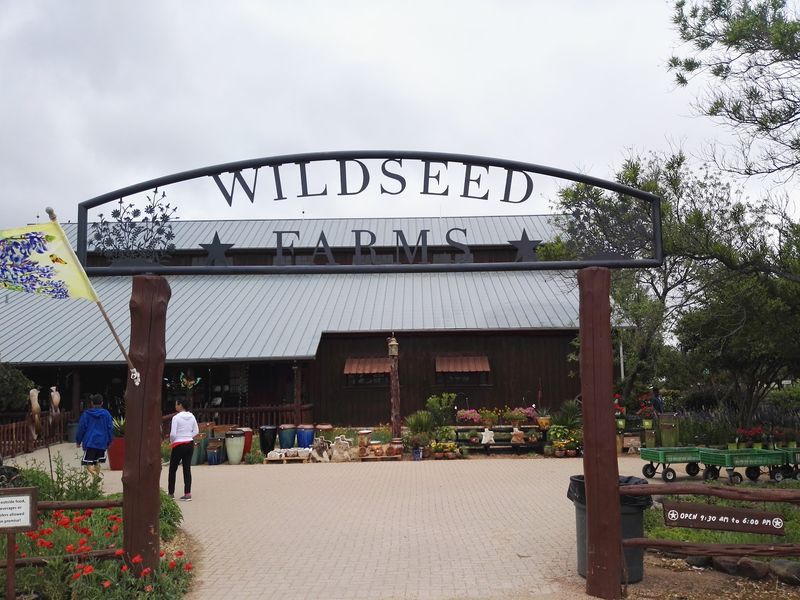
Calling itself the largest working wildflower farm in the nation is a bold line, and Wildseed Farms backs it up with over 200 acres of blooms in Fredericksburg. The farm has been growing wildflowers for more than 46 years, so spring color here is by design, not luck.
Part nursery, part butterfly garden, part market, the property gives you a lot to do beyond looking at flowers. Staff can walk you through native and tropical plant picks, and there are specialty food samplings to try while you browse.
In 2015 the farm added a vineyard that now covers more than 50 acres, and the site includes shopping and a friendly Hill Country setting where dogs are welcome inside.
Open seven days a week from 10 AM to 6 PM, with free parking, it is one of the most reliable wildflower stops on the list because you do not have to time a wild bloom perfectly. Located at 100 Legacy Drive along the Highway 290 wildflower corridor, it makes an easy anchor for a Fredericksburg day.
6. Park Road 4 West
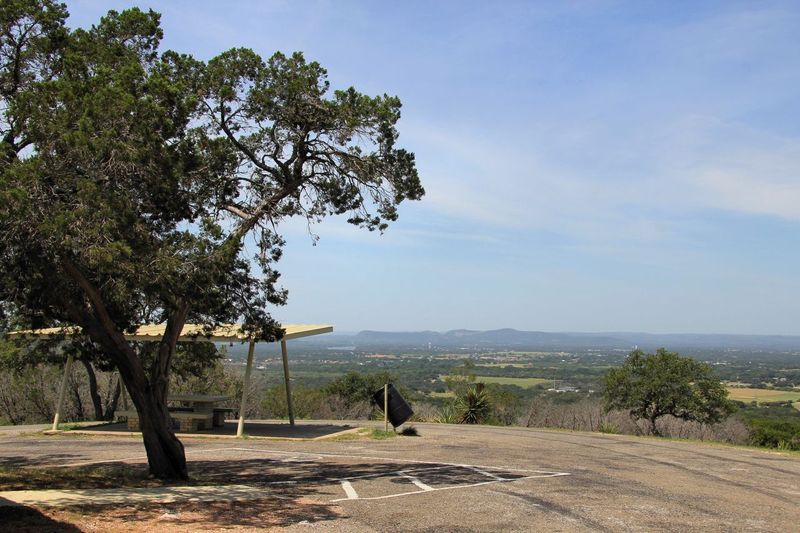
Burnet County claims the title of Bluebonnet Capital of Texas, and Park Road 4 West is a big reason the nickname sticks. The road winds through the Hill Country between Inks Lake and Longhorn Cavern State Park, giving you two parks connected by one flower-lined drive.
The route forms the backbone of the Highland Lakes wildflower driving loop, so it works well as a planned spring circuit rather than a single quick stop. Rolling terrain and open roadside stretches fill with bluebonnets and other wildflowers when the season peaks.
Because it links directly to two state parks, you can break up the drive with a hike, a swim, or a cavern tour, then get back on the road for more color. That mix of scenery and stopping points is what sets it apart from a plain country road.
Located along Park Road 4 near Burnet, it is a natural fit for anyone wanting to string together several wildflower spots in one central Texas trip.
7. Lyndon B. Johnson State Park & Historic Site, Stonewall, TX
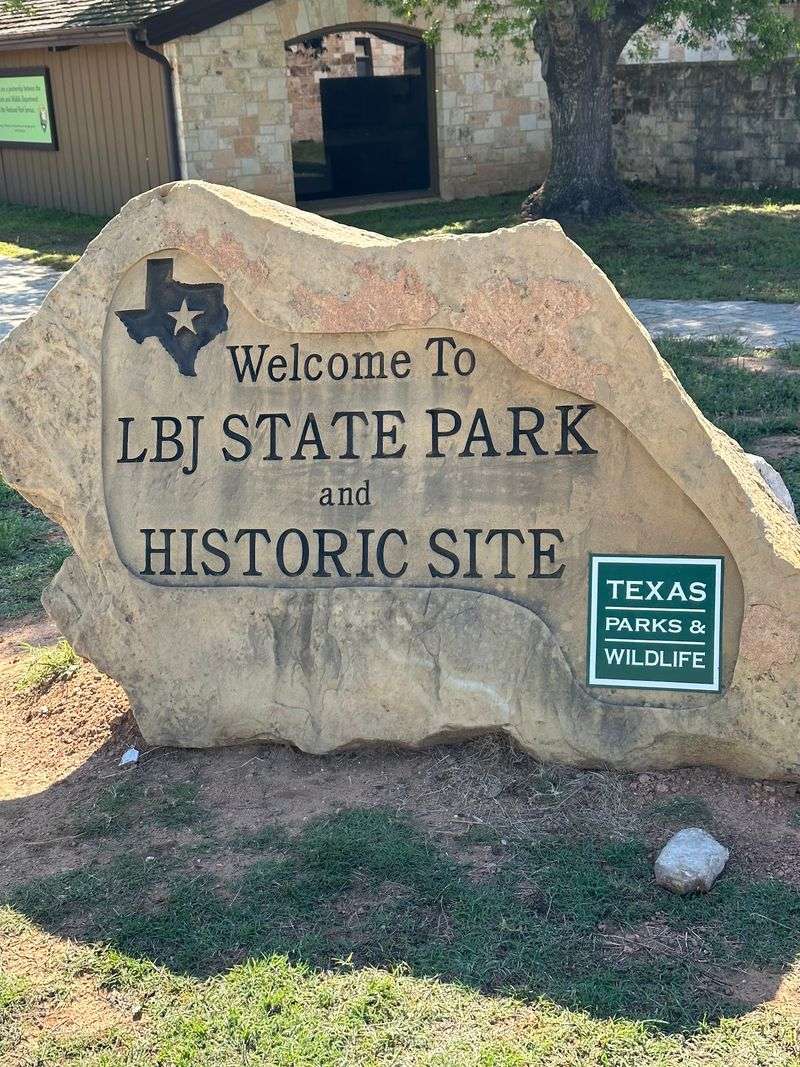
History and wildflowers share the same fence line at this Stonewall park. Lyndon B.
Johnson State Park and Historic Site pairs Hill Country scenery with the story of a Texas president, and it does it with no entry fee.
Spring adds peaceful trails and wildflower views to a place already full of things to do. The visitor center has a movie theater, gift shop, and a living history area, and self-guided driving tours along Park Road 52 let you see where President Johnson lived and worked.
It sits as a companion to the nearby LBJ National Historical Park about 14 miles away, and together they make a full, informative day. Tours of the Texas White House with original furnishings, the ranch, and the boyhood home round out the history side.
The park is open 8:30 AM to 4 PM daily, with picnic tables, restrooms, free parking, and dogs allowed. Thursday mornings are the quietest, while weekend afternoons draw the biggest crowds.
Located at 199 Park Road 52, it closes the list with nature and nostalgia in equal measure.
Enjoyed this story?
Add Fast Food Club as a preferred source to see more of our reporting on Google.