


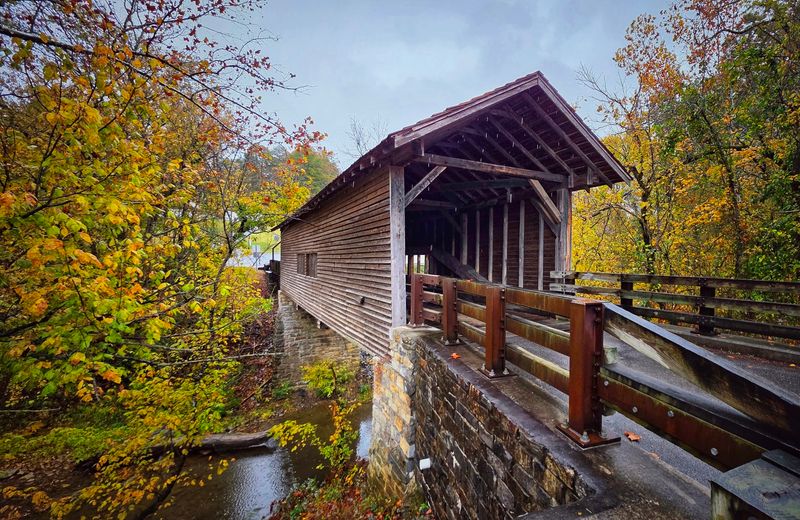
Tennessee does not have many covered bridges left, which makes the ones still standing even more worth seeking out. Some are original wooden spans that have carried travelers for well over a century, while others are careful rebuilds that keep the tradition alive.
Driving to find them takes you down quiet back roads, through small towns, and past scenery you would probably never see from the interstate. If you like history, photography, or just a slow scenic detour, these bridges give you a reason to slow down.
Here are eight charming Tennessee covered bridges that really do feel like stepping into an earlier time.
1. Elizabethton Covered Bridge, Elizabethton, TN
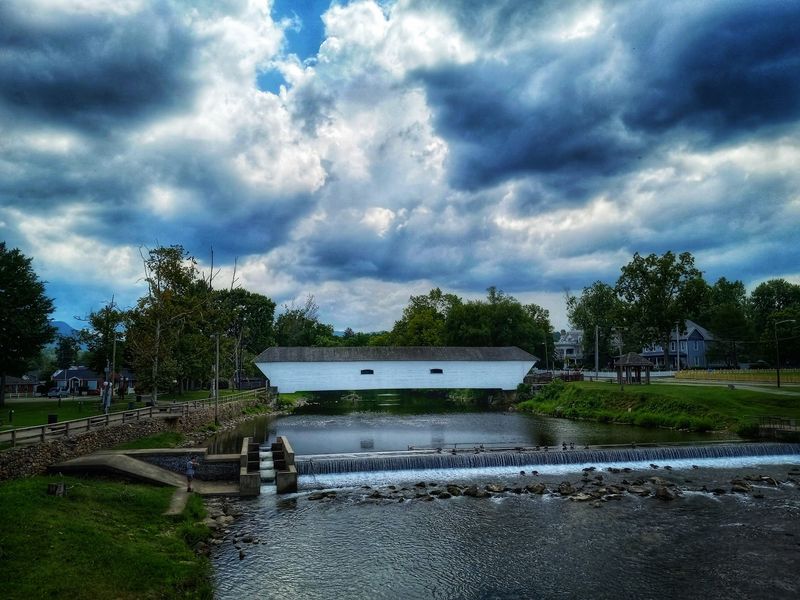
Built in 1882, the Elizabethton Covered Bridge is one of the oldest surviving covered bridges in the entire state. It crosses the Doe River right in the heart of downtown Elizabethton.
Unlike many old bridges that were closed off years ago, this white-painted span is still open to foot traffic. You can walk across it and look out over the water below.
The setting is easy to enjoy because there is a small park nearby with benches and shade. Families often gather here during warmer months, and the bridge is a popular backdrop for photos.
What makes it stand out is how well it has been maintained while keeping its original character. It is free to visit and simple to find, which makes it a natural first stop for anyone exploring East Tennessee history.
2. Harrisburg Covered Bridge, Sevierville, TN
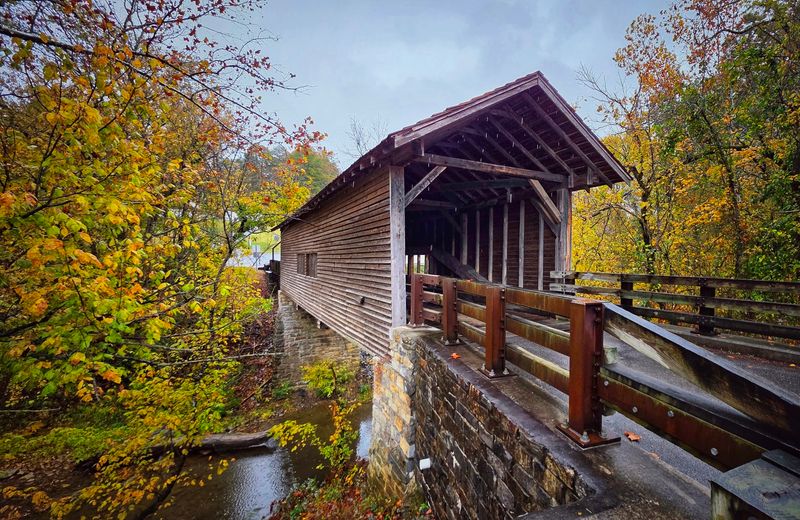
Tucked into the countryside outside Sevierville, the Harrisburg Covered Bridge has a story that stretches back to 1875. A flood damaged the original structure, and it was rebuilt in the years that followed to keep the crossing in use.
The bridge spans the East Fork of the Little Pigeon River. Its rustic wooden frame and quiet rural surroundings feel far removed from the busy tourist traffic near Pigeon Forge and Gatlinburg.
I like this stop because it gives you a peaceful contrast to the crowds nearby. The area around it is open farmland, so the bridge really is the main attraction.
It is a favorite for photographers who want that classic Southern country look. If you are already headed to the Smokies, a short detour here lets you see a piece of Sevier County history that many visitors drive right past.
3. Bible Covered Bridge, Elizabethton area, TN
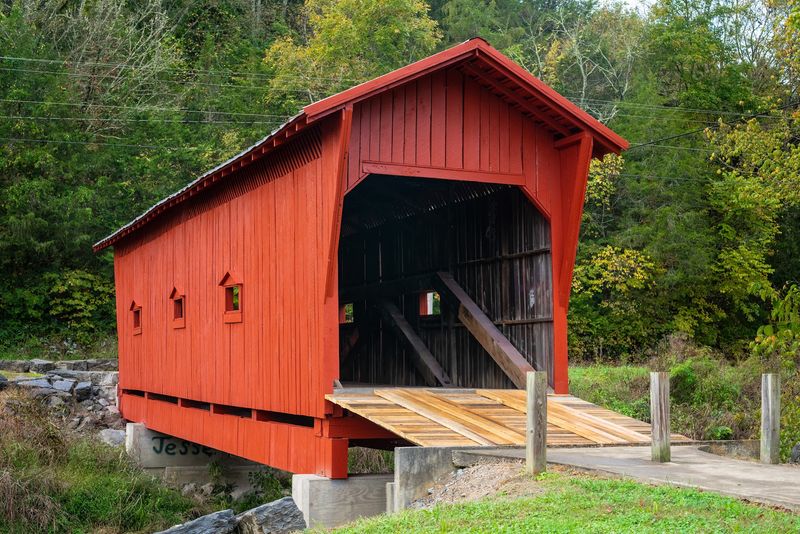
Sometimes the quietest bridges are the ones worth finding, and the Bible Covered Bridge in Carter County fits that description. It sits in a rural stretch of East Tennessee where the pace slows down considerably.
The bridge takes its name from the Bible family, a nod to the local roots that shaped this part of the state. It is smaller and less polished than the famous span in downtown Elizabethton.
That simplicity is part of the appeal. Without crowds or heavy traffic, you get a clear sense of what these crossings once meant for country travel.
The drive out here winds through the kind of scenery East Tennessee is known for, with rolling hills and open land. For travelers who enjoy hunting down lesser-known spots, this is a rewarding find that rounds out a Carter County covered bridge tour.
4. Doe River Covered Bridge, Elizabethton, TN
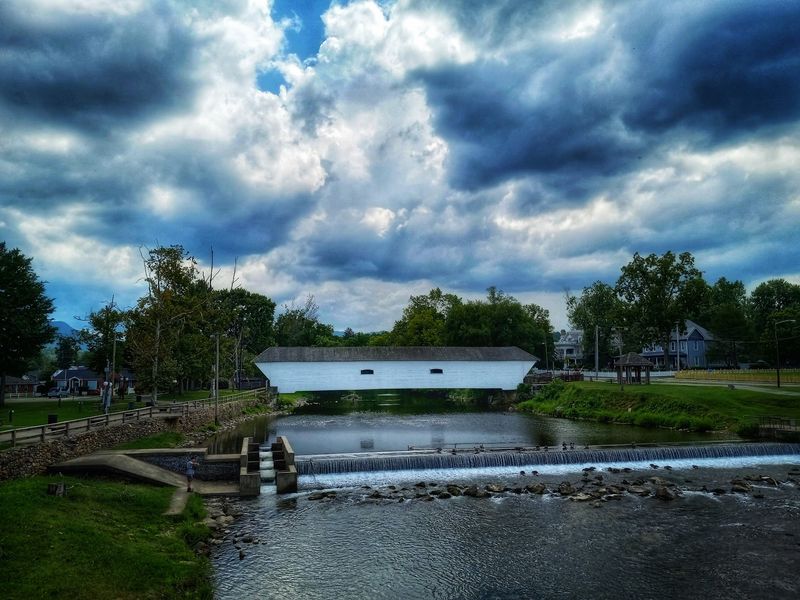
Locals often use the name Doe River Covered Bridge for the beloved white span in Elizabethton, and it points to just how tied this bridge is to its waterway. The Doe River has shaped the town for generations, and the bridge is its centerpiece.
Completed in the 1880s, the structure was engineered well enough to survive floods that took out other crossings over the years. That durability is a big reason it is still standing today.
The bridge sits within walking distance of shops and dining in the historic district. You can make an afternoon of it by pairing a visit with a stroll through downtown.
Evening light on the water gives the white timber a soft glow that draws photographers back again and again. It remains one of the most photographed landmarks in upper East Tennessee, and admission costs nothing.
5. Parks Covered Bridge, Cades Cove area, TN
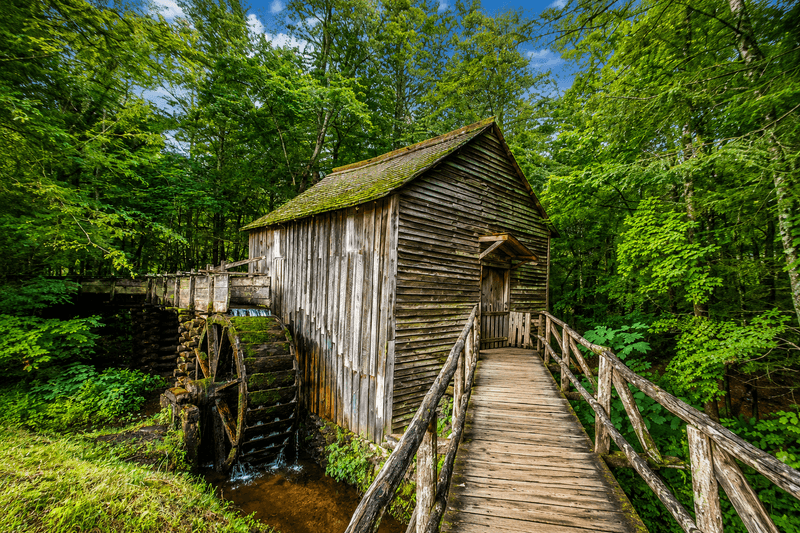
Anyone who has driven the loop through the Great Smoky Mountains knows how much history hides in these hills. Covered bridges and old crossings dot the region, offering glimpses of how mountain communities once moved across creeks and rivers.
Cades Cove is one of the most visited valleys in the national park, known for its preserved cabins, churches, and mills. The surrounding landscape shows what rural mountain life looked like long ago.
Wooden structures here fit naturally into the scenery of forest, fields, and flowing water. The setting alone makes any covered crossing in this area feel like a trip back in time.
Wildlife sightings are common along the Cades Cove loop, so keep your eyes open as you drive. Pairing scenic bridges with the park’s historic buildings makes for a full day of exploring, and entry to this section of the Smokies does not require a fee.
6. Emert’s Cove Covered Bridge, Pittman Center, TN
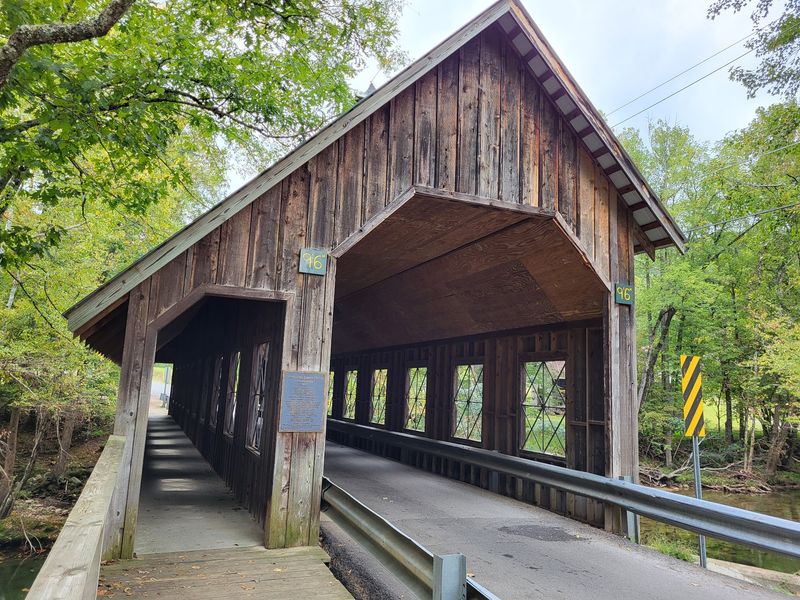
Newer than most on this list, the Emert’s Cove Covered Bridge was built in 2000, yet it captures the old-fashioned look beautifully. It stands near Pittman Center, just outside Gatlinburg.
The bridge crosses the Middle Fork of the Little Pigeon River. Its long wooden frame and traditional design were built as a tribute to the covered bridges of earlier generations.
Because it is a modern construction, it is sturdy and safe while still delivering that classic postcard appearance. That combination makes it a favorite for weddings and family photos.
The mountain foothills around it add to the scenery, and the location keeps you close to Smokies attractions without the heavy crowds. If you want a covered bridge that looks historic but is easy to reach and photograph, this Sevier County spot delivers on both counts.
7. Wartburg Covered Bridge, Morgan County, TN
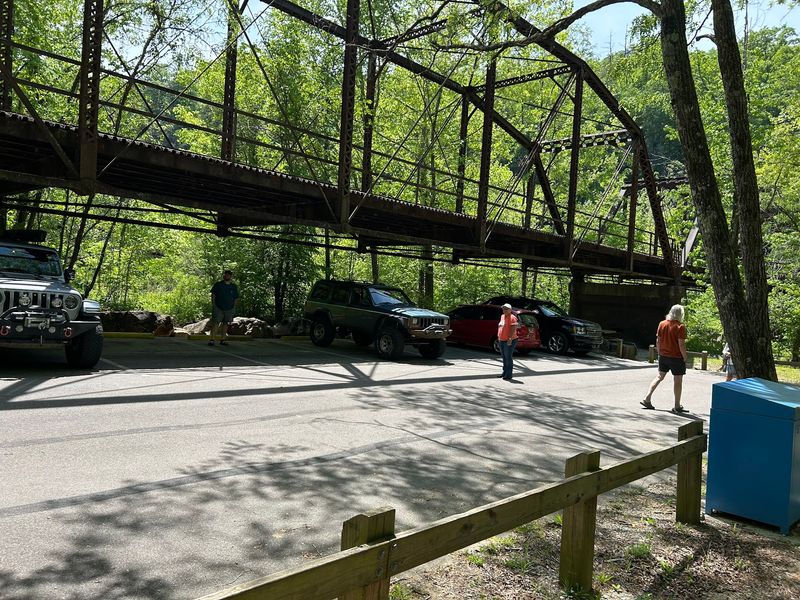
Head into Morgan County and you enter a part of Tennessee shaped by German settlers and rugged Cumberland Plateau terrain. Wartburg, the county seat, carries that heritage in its name and its history.
Covered crossings in this region reflect the practical building traditions of the plateau communities. Wood was plentiful, and roofed bridges lasted far longer than open ones.
The countryside here is quiet and heavily wooded, which makes any drive feel like a genuine escape. Fall color in this area can be striking as the plateau forests change.
The town also serves as a gateway to nearby outdoor destinations, so a bridge visit pairs well with hiking or scenic driving. For travelers who want to combine history with the natural beauty of the Cumberland Plateau, this corner of Tennessee is an easy choice.
8. Fall Branch Covered Bridge, Northeast Tennessee, TN
Rounding out the list is a stop in the rolling farm country of northeast Tennessee, near the Fall Branch community. This region sits between the mountains and the valley, giving it a gentle, open landscape.
Covered bridges here tie into the area’s long agricultural roots, when farmers relied on sturdy crossings to move crops and livestock. The design kept the wooden deck protected from rain and weather.
The surrounding scenery is all rolling hills and pasture, the kind of view that rewards a slow country drive. It feels a world away from the busier parts of the state.
I would save this one for a lazy weekend when you have time to wander back roads without a schedule. It is a fitting final stop, showing how these bridges connected rural communities and still connect travelers to Tennessee’s past.
Enjoyed this story?
Add Fast Food Club as a preferred source to see more of our reporting on Google.