


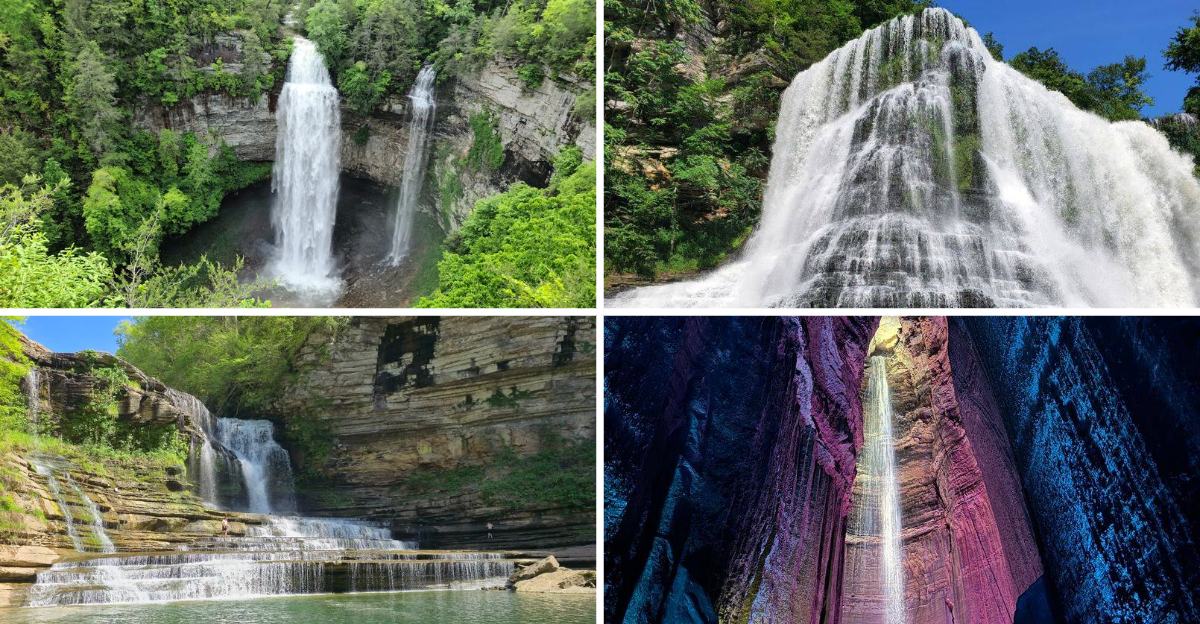
Tennessee is full of rushing water, and some of the best waterfalls sit at the end of winding roads and forest trails. A few tower higher than anything else east of the Mississippi, while others hide inside caves or spill over rocky bluffs you can walk right up to.
This list covers eight of the state’s most rewarding falls, along with what makes each one special and what you should know before you go. Whether you want an easy stroll or a longer hike, there is something here for your next road trip.
Pack good shoes, bring water, and get ready to chase some of the prettiest scenery Tennessee has to offer.
1. Fall Creek Falls, Spencer, Tennessee
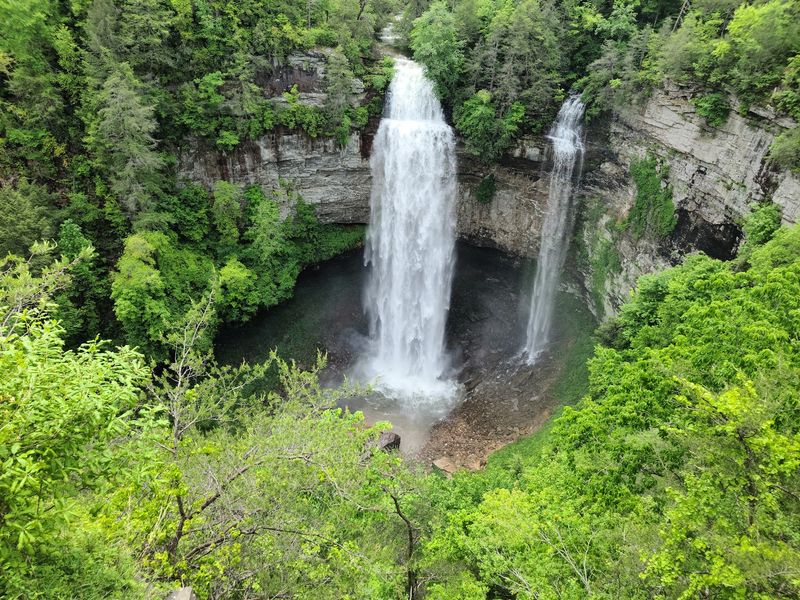
At 256 feet, Fall Creek Falls ranks among the tallest free-falling waterfalls in the eastern United States. The water drops in a single ribbon into a shaded gorge, and there is an overlook near the parking area if you want the view without much walking.
The falls sit inside Fall Creek Falls State Park, one of the largest and most visited state parks in Tennessee. The park spreads across the Cumberland Plateau and includes several other cascades, plus cabins, a campground, and miles of trails.
If you want a closer look, a steep trail leads down to the base of the falls. It is a workout on the way back up, so save some energy.
Admission to the park is free, which makes it an easy stop for families. I like this one as a starting point because you can see multiple waterfalls in a single visit.
2. Burgess Falls, Sparta, Tennessee
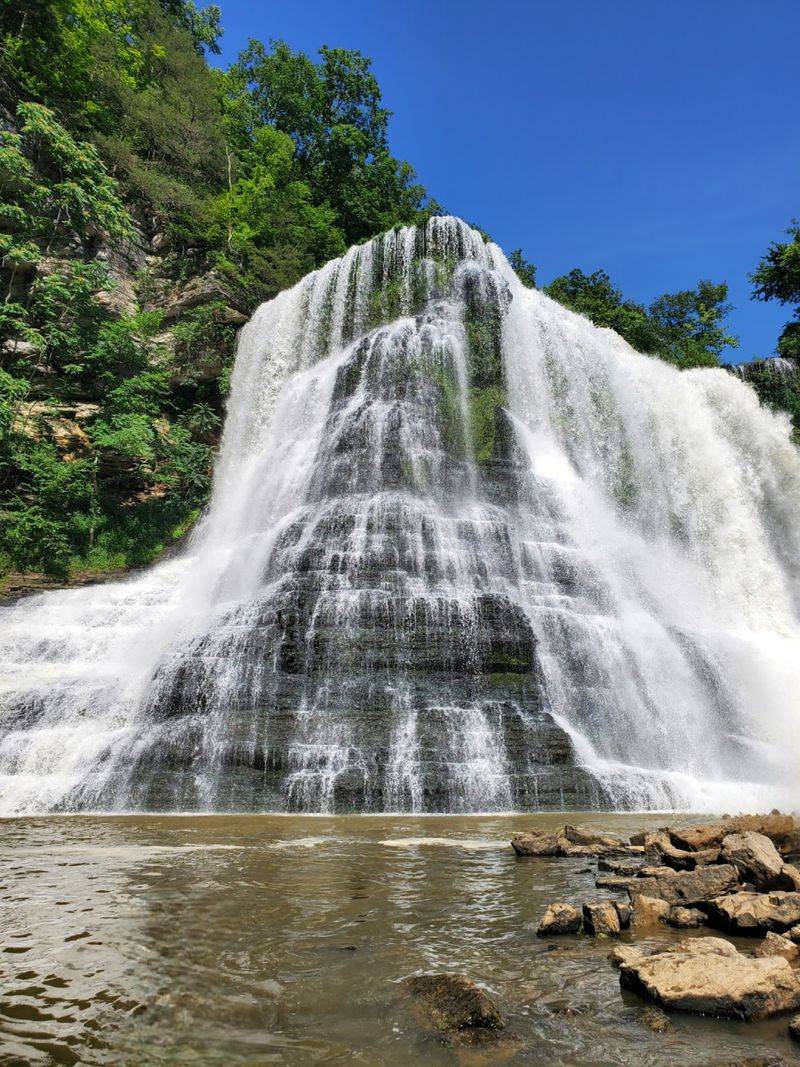
Four separate waterfalls line the trail at Burgess Falls, and the biggest one drops around 130 feet at the end. The Falling Water River gathers strength as it moves through the gorge, so each cascade grows larger than the last.
The main trail runs about three-quarters of a mile one way and passes overlooks along the route. The final viewpoint gives you a wide look at the tallest drop from above.
Because the trail follows the river, this is a great spot to watch the water build momentum as you walk. Fall color here can be striking when the leaves turn.
Burgess Falls State Natural Area does not charge admission. Trail conditions can change, so check the park’s status before making the drive, since sections have closed for repairs in the past.
3. Cummins Falls, Cookeville, Tennessee
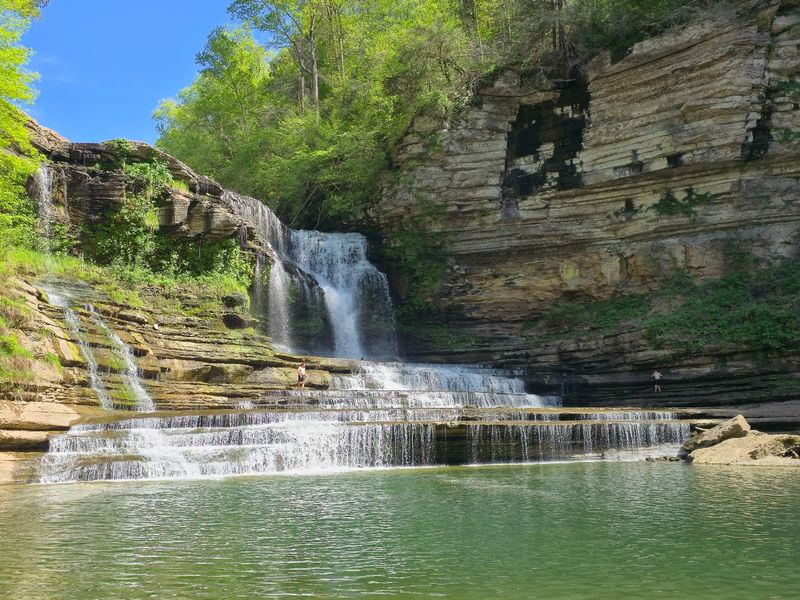
Swimming is the whole reason many people make the trip to Cummins Falls. The falls pour into a large natural pool at the bottom of the gorge, and the water spreads out over wide rock ledges.
Cummins Falls stands about 75 feet tall and is one of the larger waterfalls in the state by volume. The base area is a popular spot for wading during warmer months.
Reaching the pool requires a gorge hike that involves rock scrambling and river crossings, so it is not a casual stroll. A permit is required to access the base, and the number of visitors is limited each day.
Water levels can rise quickly here, so the park closes the gorge when conditions are unsafe. Buy your gorge access pass ahead of time and check the forecast before you head out.
4. Ruby Falls, Chattanooga, Tennessee
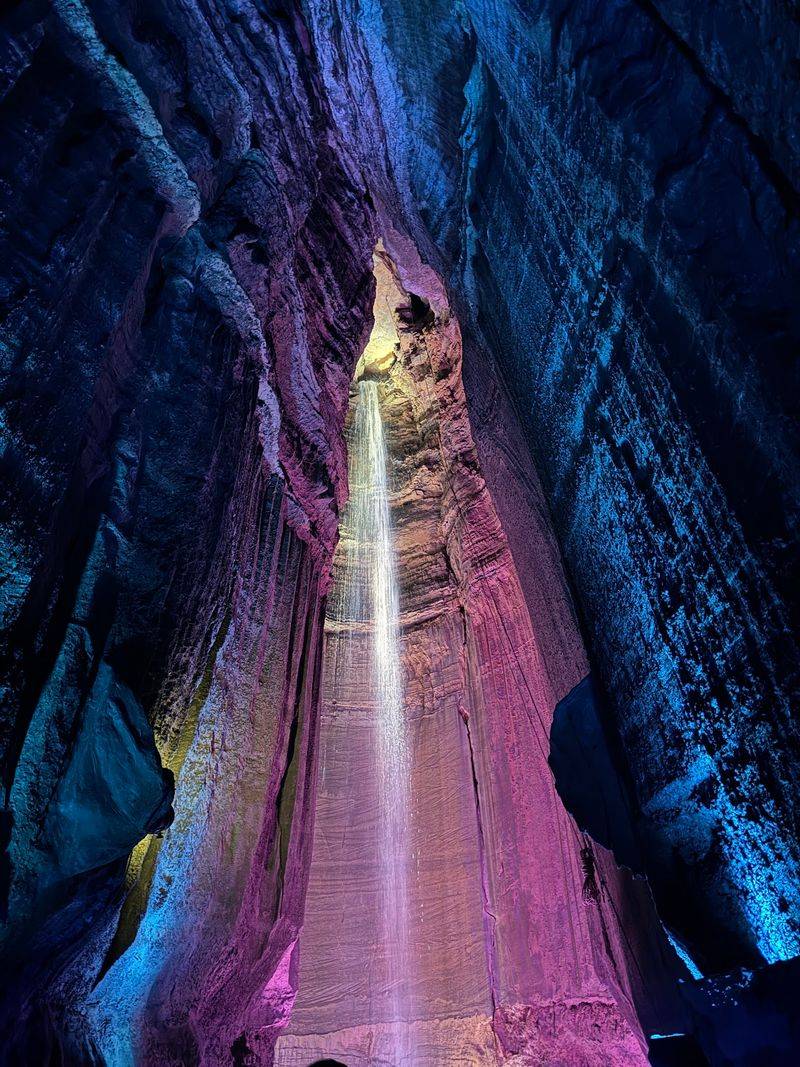
Here is a waterfall you reach by going underground. Ruby Falls sits deep inside Lookout Mountain, and an elevator carries visitors more than 260 feet down before a walking tour leads to the falls.
At roughly 145 feet, it is one of the tallest and deepest underground waterfalls open to the public in the country. The cavern route passes rock formations along the way, and lighting highlights the falls at the end.
This is a guided attraction, so you buy a ticket and go with a group. That makes it a solid rainy-day option since the whole experience happens inside the mountain.
Ruby Falls has been welcoming visitors since the 1920s and remains one of Chattanooga’s best-known stops. Book tickets in advance during busy travel seasons to avoid long waits.
5. Rainbow Falls, Gatlinburg, Tennessee
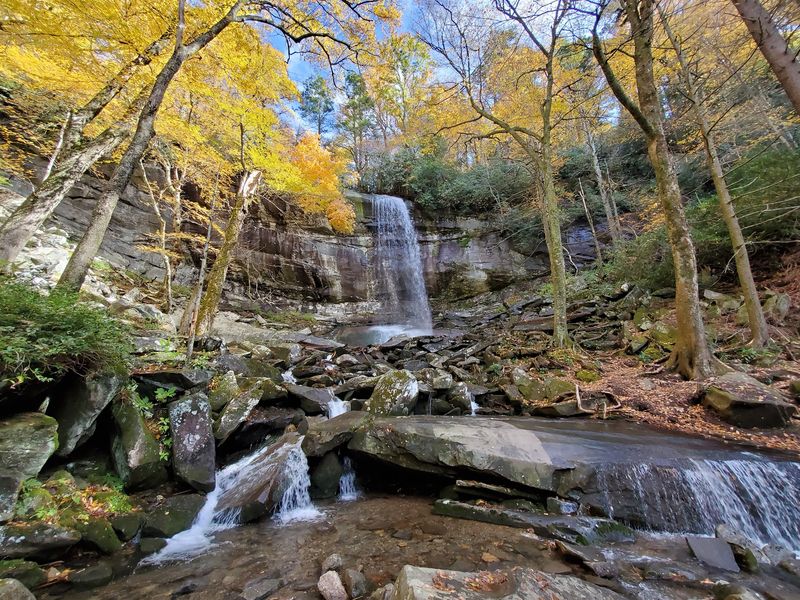
Great Smoky Mountains National Park hides plenty of waterfalls, and Rainbow Falls is one of the tallest single drops in the park at about 80 feet. On sunny afternoons, mist near the base can catch the light and produce a faint rainbow.
The hike is the commitment here. The trail runs roughly 5.4 miles round trip with a steady climb, so plan for a half-day outing and pack water.
You will follow LeConte Creek most of the way, crossing footlogs and passing smaller cascades before reaching the main falls. In winter, freezing temperatures can turn the falls into columns of ice.
The national park charges no entrance fee, though a parking tag is now required for vehicles. This one rewards hikers who want to earn their view.
6. Greeter Falls, Altamont, Tennessee
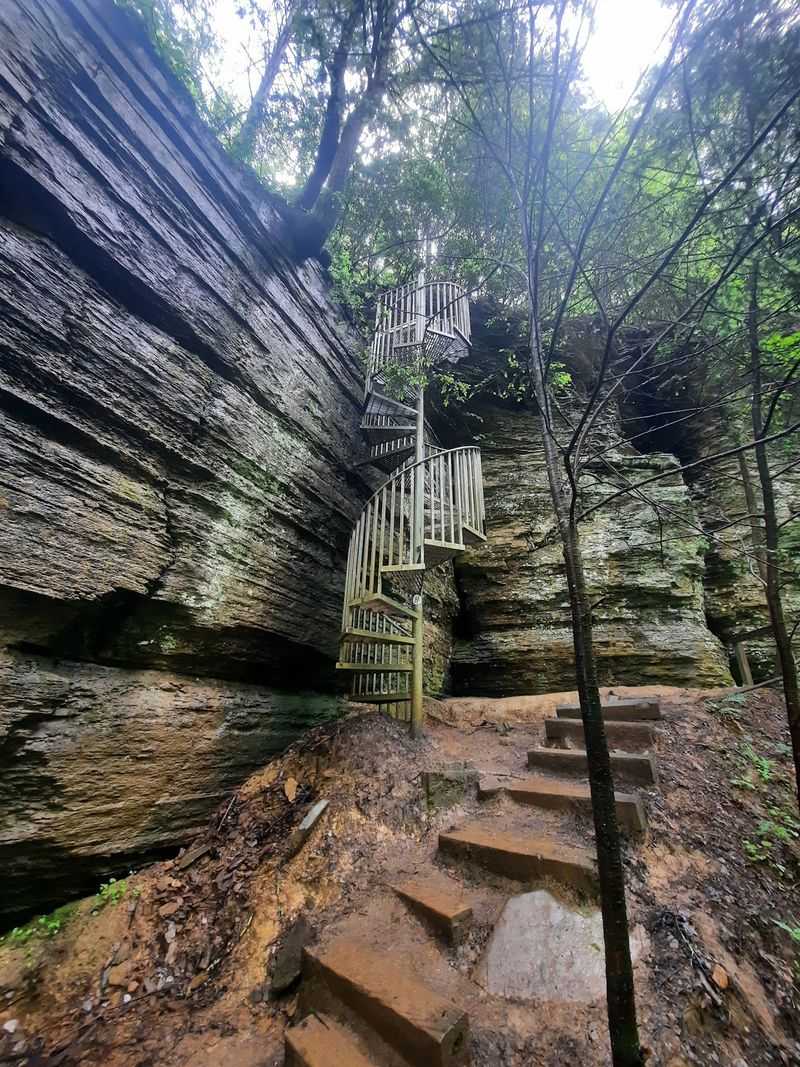
A spiral staircase leads you down to the best view at Greeter Falls, which is not something most waterfall trails can claim. The lower falls drop about 50 feet into a rounded pool inside the Savage Gulf area.
There are actually two falls here, an upper cascade and the taller lower drop. The trail connects both, so you get more than one payoff for the walk.
The metal staircase makes the descent easier, though the rocks near the water can be slick, so watch your footing. The pool at the base draws swimmers when the weather is warm.
Greeter Falls sits within the larger Savage Gulf State Park, a spot known for rugged gorges and long trails. It works well as a shorter hike if you are not up for an all-day trek.
7. Ozone Falls, Rockwood, Tennessee
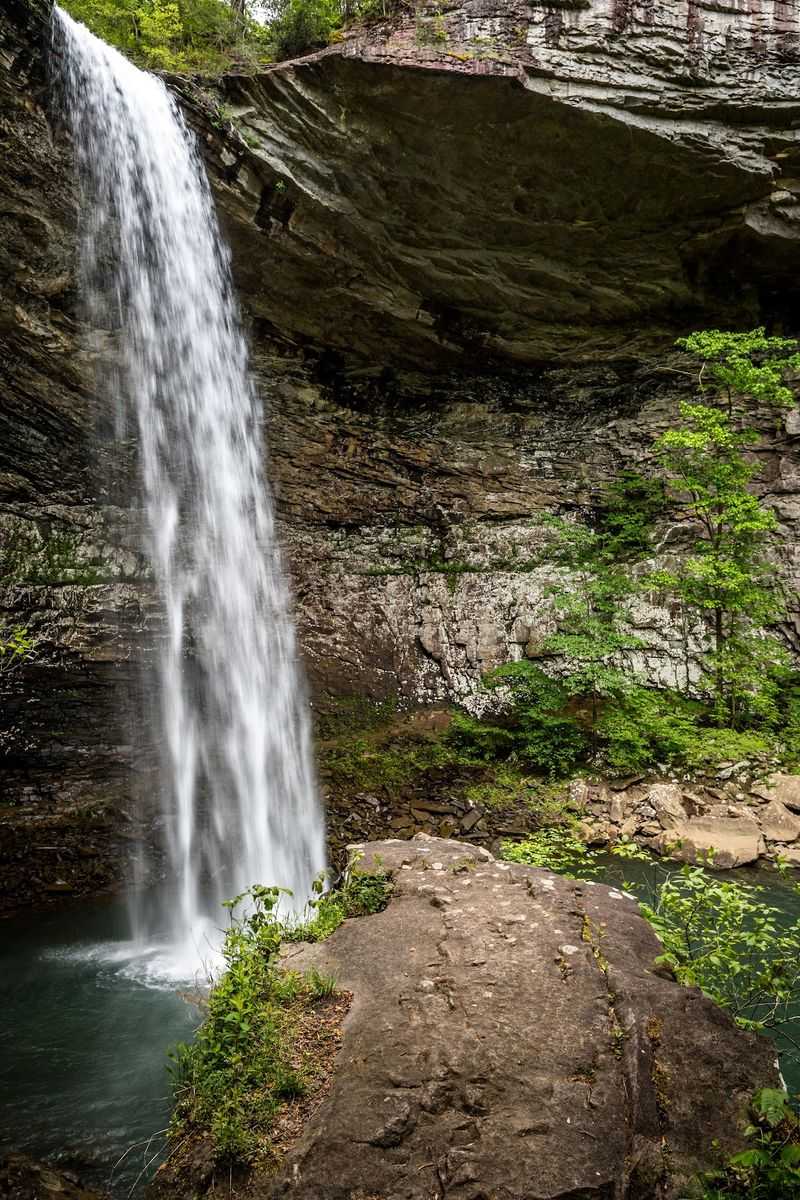
Just off Highway 70, Ozone Falls gives you a big waterfall without a big hike. The falls plunge about 110 feet over a rock overhang into a clear pool below.
A short trail leads from the parking area to the top of the falls, and a rockier path continues down to the base for those who want the full view. The overhanging cliff creates a dramatic straight drop.
Ozone Falls State Natural Area is small and easy to visit, which makes it a handy stop on a drive between Nashville and Knoxville. Admission is free.
The route to the bottom involves some scrambling over boulders, so wear shoes with grip. I would save this one for a quick side trip when you want maximum scenery for minimum effort.
8. Twin Falls, Rock Island, Tennessee
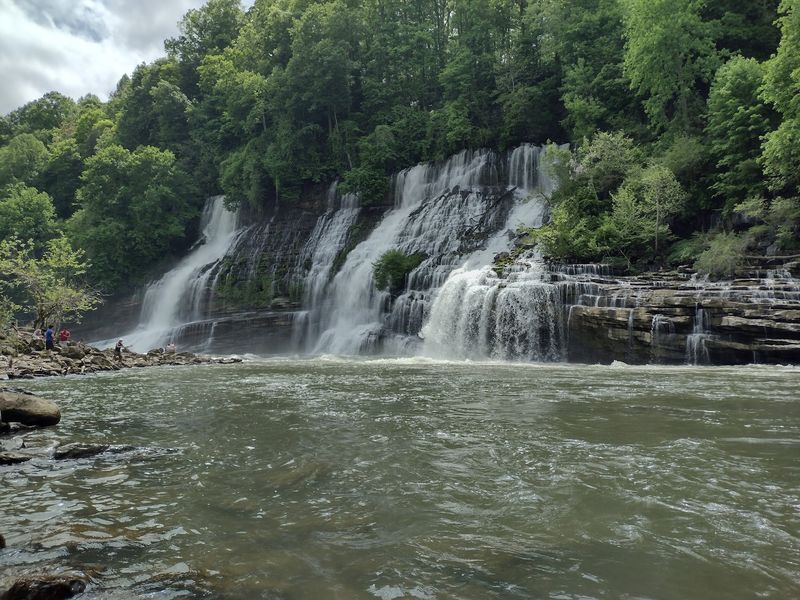
Most waterfalls flow over a cliff, but Twin Falls pours straight out of the rock face itself. Water bursts from openings in the bluff and tumbles into the Caney Fork River below.
The falls formed after a nearby dam changed the flow of the river, sending water through the porous rock wall. The result is one of the most unusual waterfall views in the state.
Twin Falls sits inside Rock Island State Park, which also features a historic mill, a gorge, and river access. An overlook gives you a clear view without a long walk.
The park is free to enter and popular for paddling and fishing. Currents in this area can be strong and unpredictable, so stay in designated spots and follow posted signs.
Enjoyed this story?
Add Fast Food Club as a preferred source to see more of our reporting on Google.