


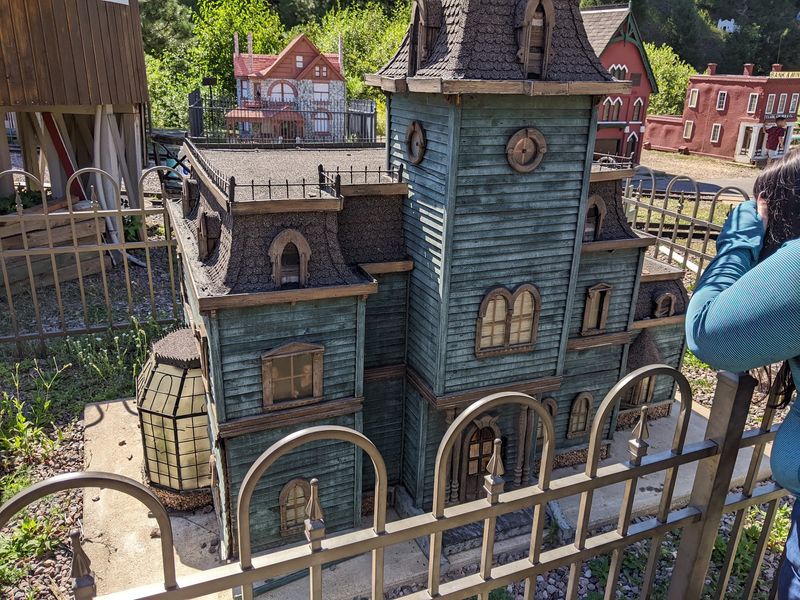
Colorado gets a lot of attention for its big-name spots, but some of the best experiences come from towns you can walk across in a few minutes. These little places pack in history, mountain scenery, quirky main streets, and a slower pace that keeps people coming back season after season.
Some sit high in the Rockies, others hide in river valleys or along old mining routes, and each one has its own reason to earn a return trip. If you like the idea of skipping the crowds and finding places with real character, this list is built for you.
Here are eight small Colorado towns that reward repeat visits, whether you want fall color, historic streets, natural hot springs, or just a quiet spot to slow down for a weekend.
1. Ouray
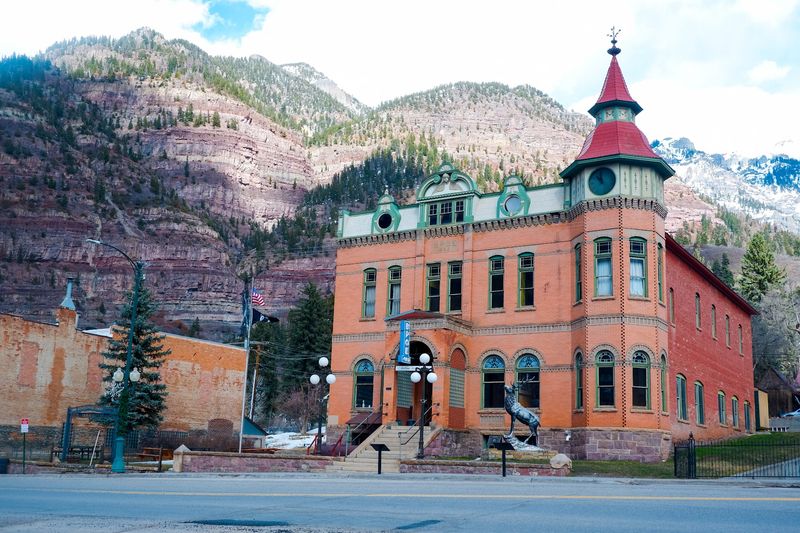
Nicknamed the Switzerland of America, Ouray sits in a natural bowl surrounded by steep San Juan Mountain peaks. The whole town is compact enough to explore on foot, which makes it easy to return to over and over.
Water is a big part of the draw here. The Ouray Hot Springs Pool offers several soaking areas fed by natural mineral springs, and it stays open year round.
Just outside town, Box Canyon Falls sends water rushing through a narrow gorge, with walkways that bring you close to the action for a small admission fee.
In winter, Ouray becomes a hub for ice climbers thanks to the Ouray Ice Park, a free public climbing area built inside a natural gorge. Even if you never touch an ice axe, watching the climbers is a show in itself.
The historic main street is lined with brick buildings from the mining era, giving the town a preserved, old-fashioned feel that pairs well with the dramatic scenery.
2. Telluride
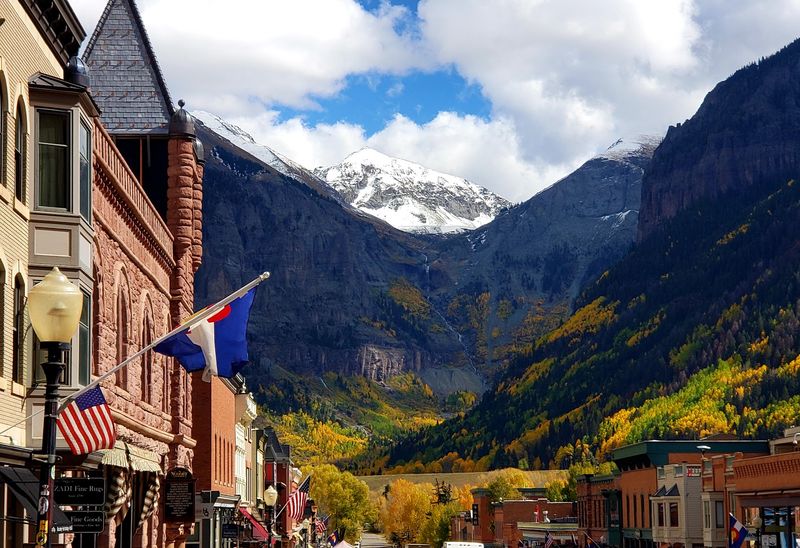
Once a rugged mining camp, Telluride has grown into a small mountain town wrapped by cliffs and waterfalls, yet it still keeps its historic core intact. The colorful Victorian buildings along the main streets are protected as a National Historic Landmark District.
One of the best free perks in town is the gondola that connects Telluride with Mountain Village. Riding it gives you sweeping views of the valley and the surrounding peaks, and it runs for much of the year at no cost to passengers.
At the end of the box canyon, Bridal Veil Falls drops in a tall ribbon of water that becomes a landmark for hikers and photographers.
The town hosts a busy calendar of festivals through the warmer months, drawing music and film fans from around the country.
I like Telluride as a return trip because the setting changes so much with the seasons, from summer wildflowers to gold aspens in fall.
3. Crested Butte
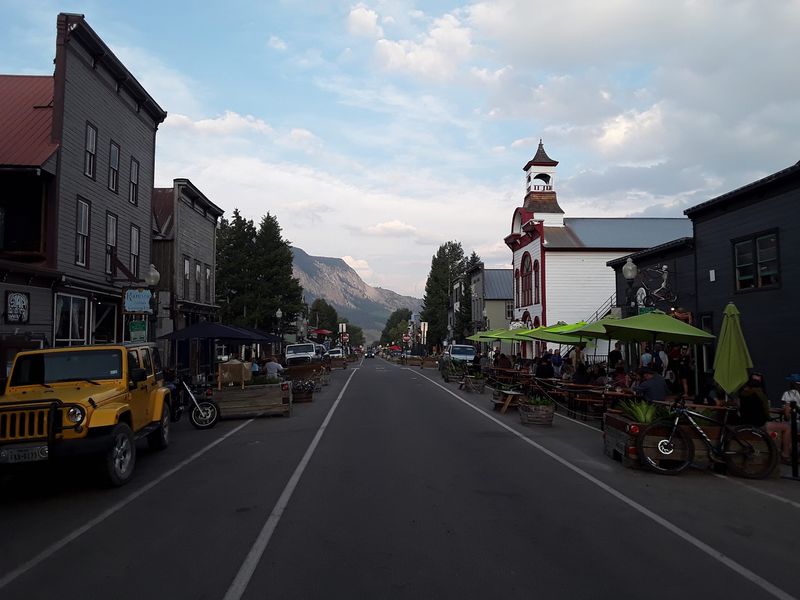
Wildflowers put Crested Butte on the map for many travelers. The town is widely known as the Wildflower Capital of Colorado, and it celebrates that title every summer with a long-running wildflower festival.
The main street here is a stretch of colorful historic buildings, many dating back to the town’s coal mining days. Walking it feels like stepping into a preserved slice of the late 1800s.
Mountain biking is another reason people keep coming back. The area helped shape the sport’s early history, and the Mountain Bike Hall of Fame is located right in town.
Winter shifts the focus to Crested Butte Mountain Resort, known for steep terrain that challenges experienced skiers.
Because the town sits at the end of a valley rather than along a busy through route, it holds onto a laid-back, close-knit feel that makes each visit relaxing.
4. Salida
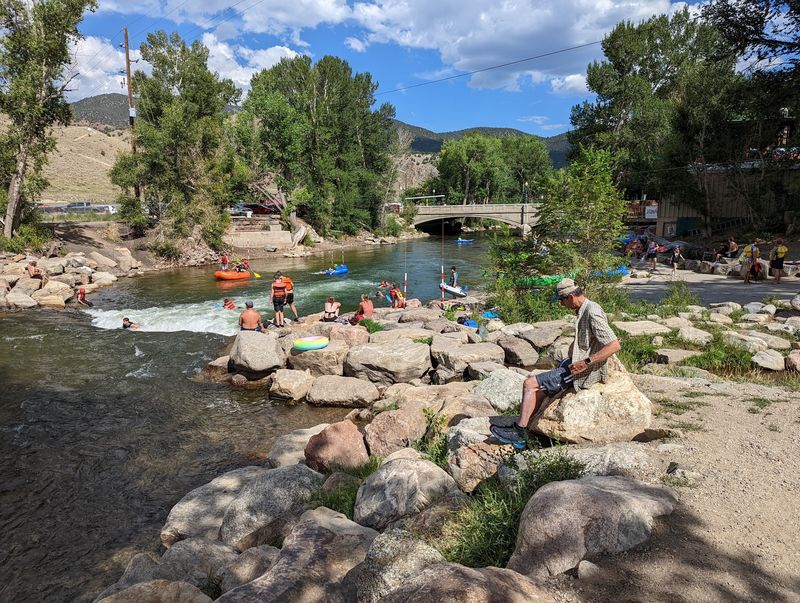
Rafters and paddlers know Salida well thanks to its spot along the Arkansas River. The town’s whitewater park runs right through the heart of downtown, so you can watch kayakers work the rapids without leaving the sidewalk.
Salida also claims one of the largest historic downtown districts in Colorado, filled with early 1900s brick buildings that now house shops, galleries, and cafes.
The arts scene is a real anchor here, and the town has been recognized as a Creative District, with galleries and studios sprinkled across the walkable center.
Rising just behind town is Tenderfoot Mountain, often called S Mountain, with a road and trails that lead to wide views of the valley.
For a return trip, I would save Salida for river season, when the water is high and the downtown feels especially lively.
5. Georgetown
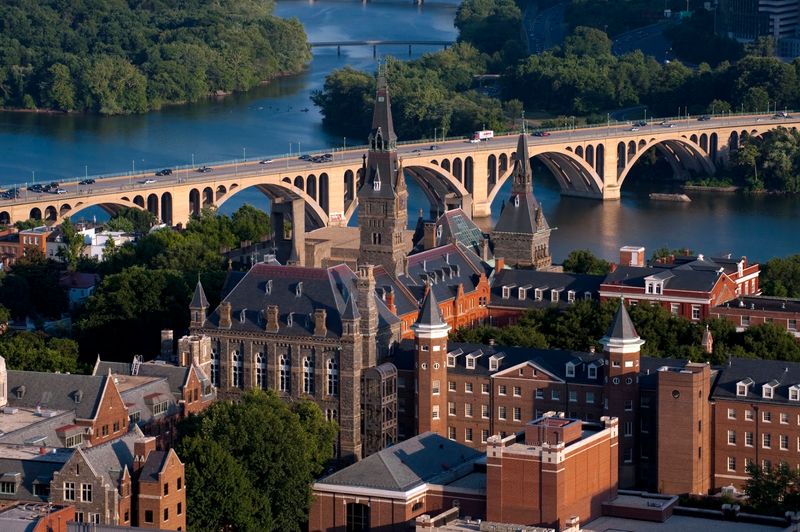
History rides on rails in Georgetown. The town is home to the Georgetown Loop Railroad, a narrow-gauge train that climbs a dramatic loop of track and high bridge between Georgetown and Silver Plume.
Founded during the silver boom, Georgetown kept much of its 19th century architecture, and its historic district is packed with well-preserved Victorian homes and storefronts.
The setting is easy to reach, sitting just off Interstate 70 in the mountains west of Denver, which makes it a simple day trip that people repeat often.
Nearby, the Georgetown Wildlife Area gives visitors a chance to spot bighorn sheep, especially in the colder months when the animals move to lower ground.
Small enough to explore in an afternoon yet full of history, Georgetown works whether you want a quick stop or a slow wander through old streets.
6. Pagosa Springs
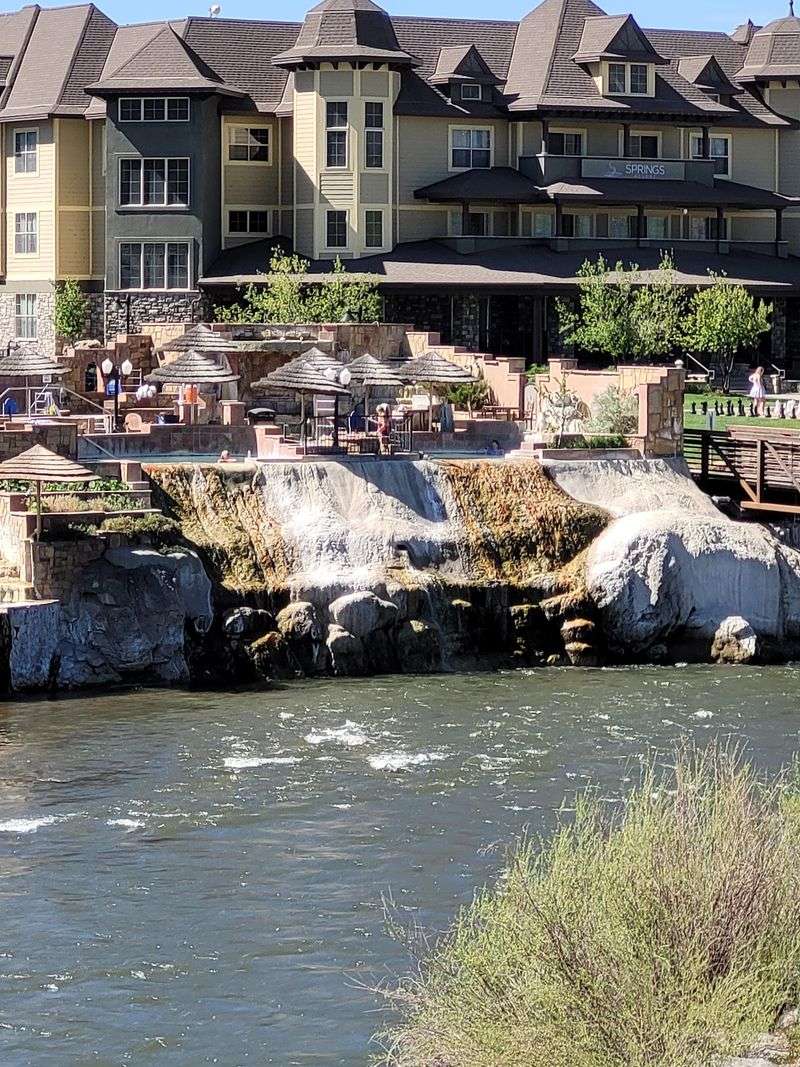
Steaming water is the signature of Pagosa Springs. The town sits atop one of the deepest geothermal hot springs in the world, and the mineral pools terraced along the San Juan River are a big reason visitors return.
You can soak in a range of pools set at different temperatures, with the river flowing right alongside for a quick cool-down.
Beyond the springs, the surrounding San Juan National Forest offers trails, fishing spots, and access to Wolf Creek Pass, an area known for heavy snowfall in winter.
The downtown is small and walkable, with shops and eateries clustered near the river.
What makes Pagosa a repeat favorite is the combination of relaxation and outdoor adventure in one place, so you can hike hard one day and soak the next.
7. Silverton
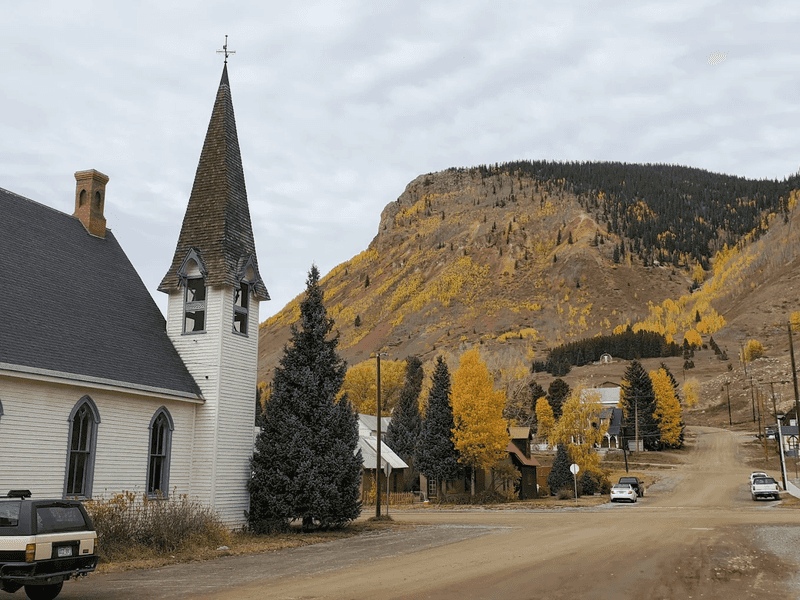
End of the line takes on a fun meaning in Silverton, the mountain terminus of the historic Durango and Silverton Narrow Gauge Railroad. The steam train chugs up from Durango through a rugged canyon and unloads passengers right in this old mining town.
Sitting above 9,000 feet, Silverton keeps a rough-and-ready look with a main street of historic buildings and a famously unpaved side street known as Blair Street.
The town anchors the southern end of the San Juan Skyway and the Million Dollar Highway, one of the most scenic drives in the state.
Winter brings deep snow and backcountry skiing at nearby Silverton Mountain, which offers big-mountain terrain for advanced riders.
Because the drive in is such an event on its own, many travelers treat Silverton as a highlight worth revisiting on any San Juan road trip.
8. Estes Park
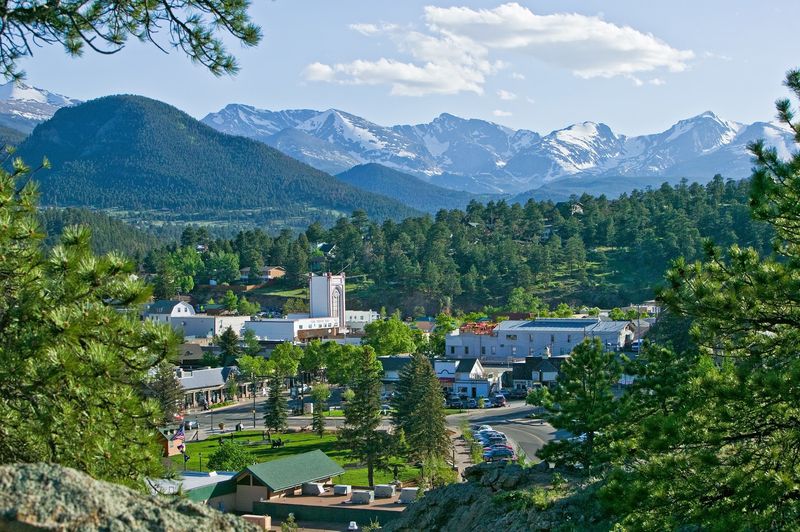
Gateway status gives Estes Park a steady stream of return visitors, since it serves as the main eastern entrance to Rocky Mountain National Park. The park’s trails, alpine lakes, and Trail Ridge Road draw people back through every season the road is open.
Elk are practically town mascots here, often wandering through open areas and the golf course, especially during the fall rut when their bugling echoes through the valley.
Downtown runs along the Big Thompson River, with a riverwalk, shops, and taffy makers filling the walkable center.
The historic Stanley Hotel, opened in 1909, sits on a hill overlooking town and offers tours of its grand halls.
With the national park at its doorstep and plenty to do in town, Estes Park earns its spot as a place travelers happily circle back to year after year.
Enjoyed this story?
Add Fast Food Club as a preferred source to see more of our reporting on Google.