


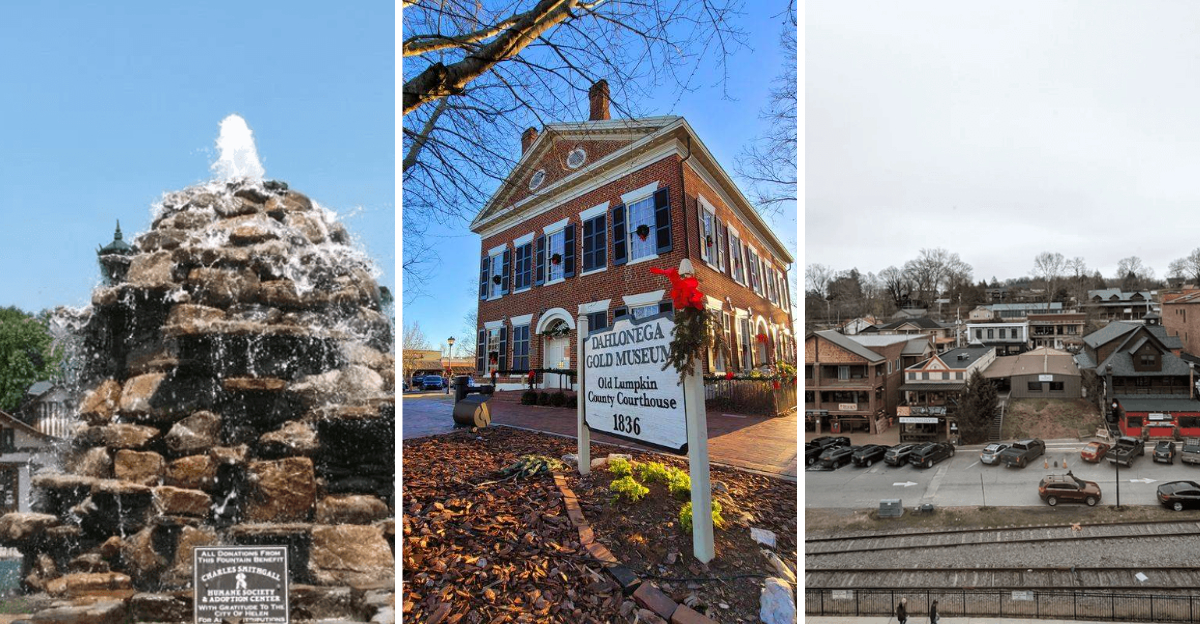
Georgia is packed with big-city buzz in Atlanta and Savannah, but some of the best days come from the small towns most people drive right past. Think old brick storefronts, front-porch diners, mountain views, riverside walks, and downtown squares where you can actually find parking.
These places move at a slower pace, and that is exactly the point. If you have ever wanted a weekend that feels more like a deep breath than a checklist, this list is for you.
Below are eight tiny Georgia towns that pack a surprising amount of history, scenery, and good food into a small footprint. Each one gives you a different reason to fall in love, from Appalachian trailheads to antique-lined main streets.
Save this list, and pick one to start with.
1. Helen
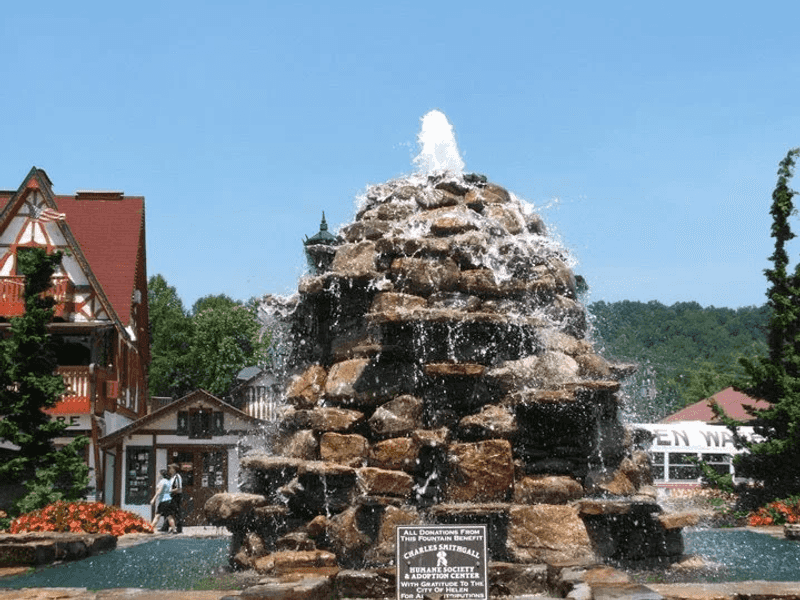
Nowhere else in Georgia will you find a Bavarian alpine village tucked into the North Georgia mountains. Helen reinvented itself in the 1960s with German-style architecture, and today the downtown storefronts still carry that cobblestone-and-timber look.
The Chattahoochee River runs right through town, and tubing down it is one of the most popular warm-weather activities. Several outfitters rent tubes and shuttle riders back to the start.
Fall is the busy season here, when Helen hosts its long-running Oktoberfest celebration and the surrounding mountains turn colors. Anna Ruby Falls and Unicoi State Park sit just a short drive away for hikers.
I like Helen for a first-time North Georgia trip because you get shops, a river, and mountain trails within a few blocks of each other. Parking fills up fast on weekends, so arriving early makes the whole visit easier.
2. Dahlonega
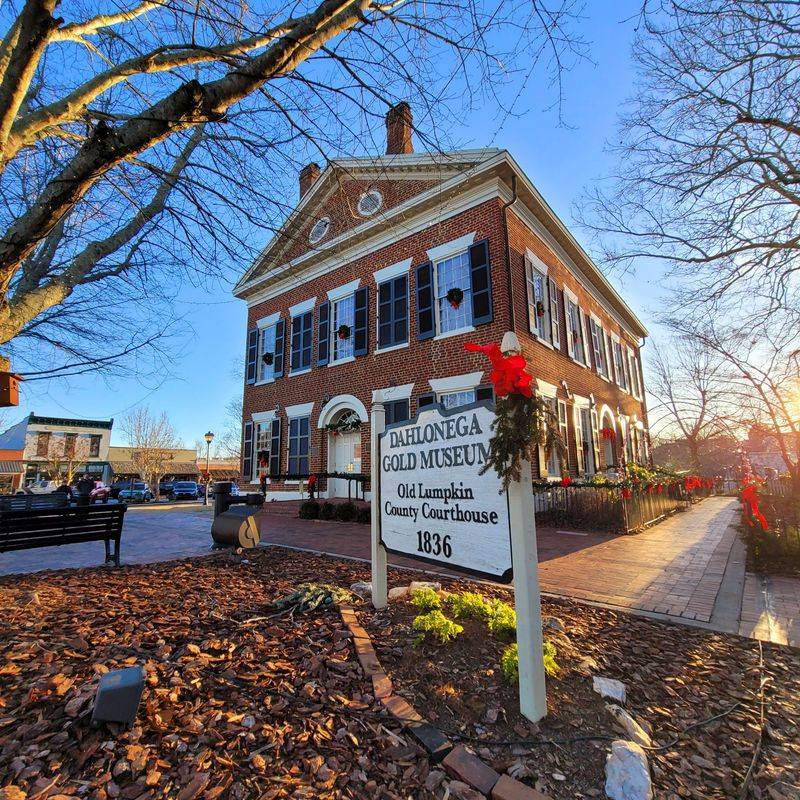
Gold put Dahlonega on the map long before California ever did. The first major U.S. gold rush started here in the late 1820s, and the town square still centers on the old Lumpkin County Courthouse, now the Dahlonega Gold Museum.
Visitors can pan for gold at nearby attractions like Consolidated Gold Mine, where underground tours explain how miners worked the tunnels. It is a hands-on stop that kids and adults both enjoy.
The historic square is ringed with shops, cafes, and galleries, and it stays lively year-round. Because Dahlonega sits at the southern end of the North Georgia wine region and near the Appalachian Trail approach, it works well as a base for day trips.
I would save this one for a fall weekend, when the mountain scenery peaks and the walkable downtown makes it easy to wander from shop to shop without moving your car.
3. Blue Ridge
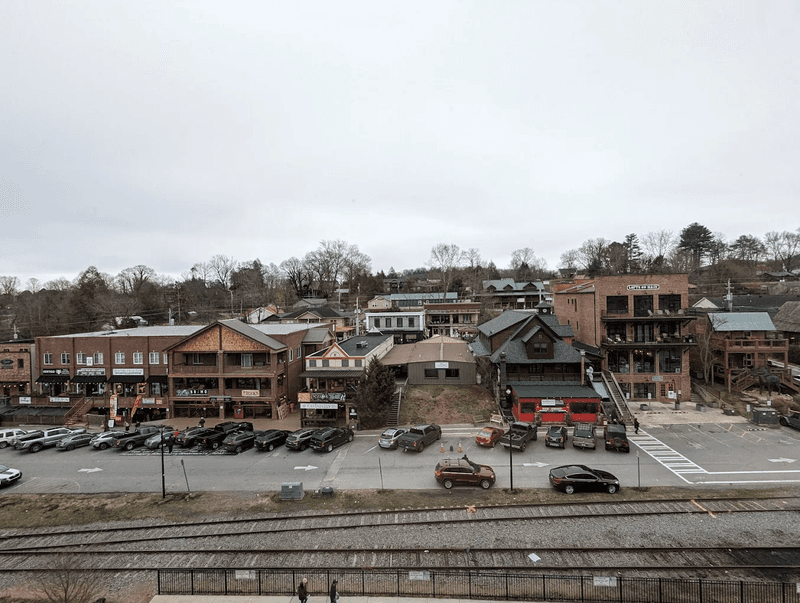
Train lovers have a real reason to stop in Blue Ridge. The Blue Ridge Scenic Railway departs from a restored 1905 depot and follows the Toccoa River on a round trip toward the towns of McCaysville and Copperhill.
Downtown Blue Ridge is lined with antique stores, outfitters, and specialty shops along a compact main street. The Chattahoochee-Oconee National Forest surrounds the area, giving easy access to waterfalls, fishing, and mountain trails.
Anglers know this stretch of the Toccoa River well, and the region is often called a trout-fishing destination. Lake Blue Ridge adds boating and swimming options in the warmer months.
What sets this town apart is the combination of a working scenic railroad and a genuine mountain-town downtown in one visit. Booking train tickets ahead is smart, especially during leaf season and holiday runs when seats sell quickly.
4. Madison
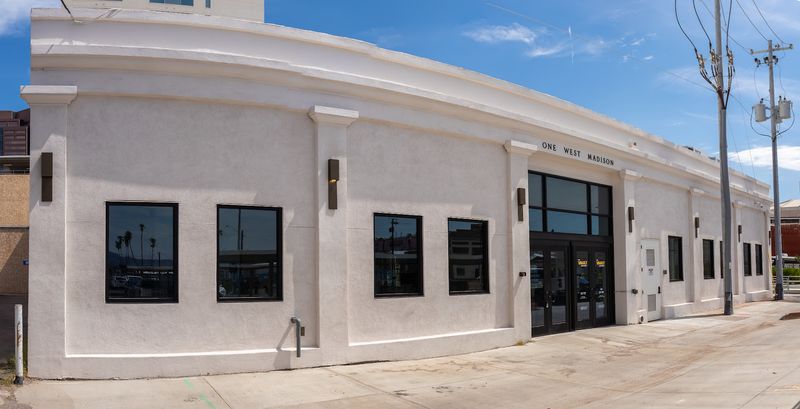
Grand antebellum homes line the streets of Madison, and the town is often described as one of the most beautiful small towns in the South. Its historic district is one of the largest in Georgia, with hundreds of preserved structures.
Walking tours pass Greek Revival mansions, historic churches, and shaded neighborhoods. The Madison-Morgan Cultural Center, housed in an 1895 school building, offers exhibits and performances throughout the year.
Downtown centers on a classic courthouse square with locally owned shops and places to eat. The whole layout is compact and flat, which makes it an easy place to explore on foot.
Madison earns its spot for the sheer concentration of well-kept historic architecture in such a small area. If you enjoy old homes and quiet, tree-lined streets, this is a stop worth planning a whole afternoon around.
5. Thomasville
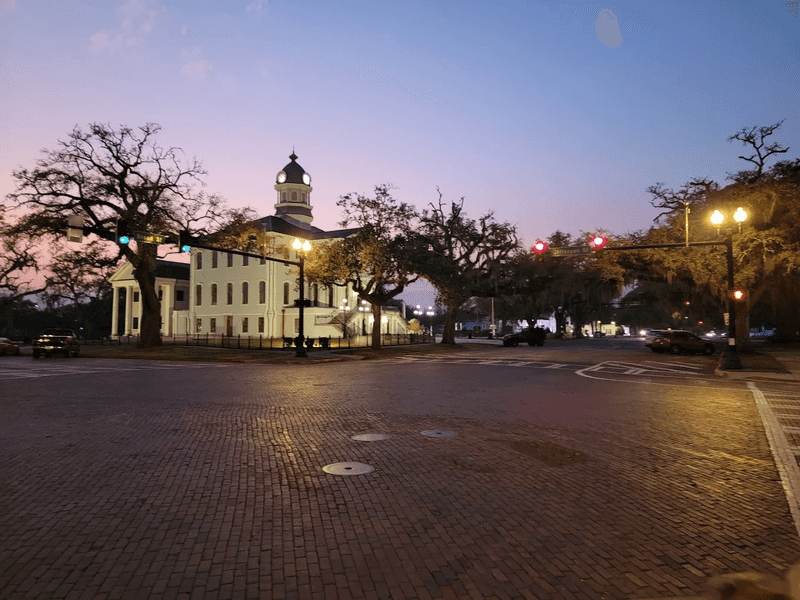
A single giant tree draws a steady stream of curious visitors to Thomasville. The Big Oak is a live oak estimated to be more than 300 years old, with a canopy that stretches wide across a downtown corner.
Beyond the famous tree, Thomasville has a brick-paved downtown filled with shops, bakeries, and eateries. The town built its early reputation as a winter resort destination in the late 1800s, and several historic homes reflect that era.
Rose lovers should visit in spring, when the annual Rose Show and Festival celebrates the town’s nickname, the City of Roses. Gardens and plantings appear around the district.
Located in South Georgia near the Florida line, Thomasville is an easy detour off the usual routes south. I like it because the walkable downtown and that landmark oak give you a full, relaxed day without needing much of a plan.
6. Senoia
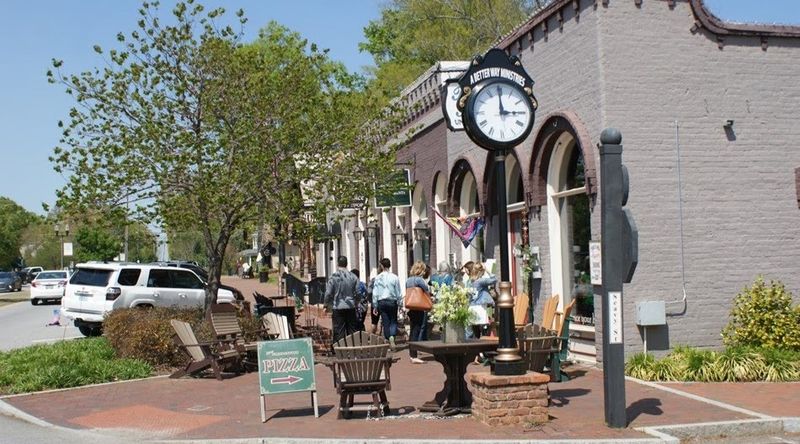
Film and television crews have made Senoia one of the most recognizable small towns in Georgia. The town’s downtown has appeared in numerous productions, and it has become a stop for fans touring Georgia’s film locations.
Even setting the cameras aside, the main street holds its own with locally owned shops, cafes, and a tidy historic core. Everything sits close together, so you can park once and walk the whole downtown.
Located southwest of Atlanta, Senoia makes a simple day trip from the city. Guided tours and themed shops connect the town to its on-screen history for visitors who want that angle.
What makes Senoia different is that mix of small-town charm and pop-culture fame in one tidy package. Even if you have never watched a single episode filmed here, the walkable square and independent storefronts give you plenty of reasons to slow down.
7. Clayton
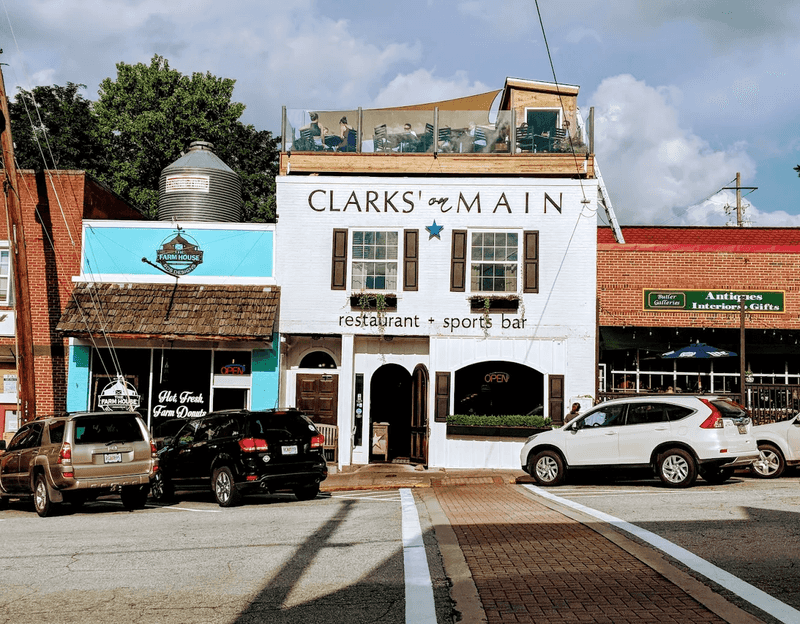
Waterfalls and whitewater put Clayton on the radar for outdoor lovers in the northeast corner of the state. Rabun County surrounds the town with mountains, rivers, and some of Georgia’s most scenic wild areas.
The Chattooga River, known for rafting and its dramatic gorge, runs nearby along the Georgia-South Carolina border. Tallulah Gorge State Park, one of the deepest gorges in the eastern U.S., sits a short drive south with rim trails and overlooks.
Downtown Clayton has grown into a lively little hub of shops, coffee spots, and restaurants along Main Street. It works as a comfortable home base between adventures.
I would point first-time visitors here because you can hike a dramatic gorge, chase waterfalls, and still return to a walkable downtown by evening. Spring and fall bring the best weather and the fullest water flow.
8. St. Marys
The gateway to a barrier island wilderness sits at the far southeastern tip of Georgia. St. Marys is the main departure point for the ferry to Cumberland Island National Seashore, home to wild horses, undeveloped beaches, and maritime forest.
The ferry requires advance reservations, so planning ahead is essential if the island is your goal. Back on the mainland, the waterfront town has a small historic district with shops and eateries near the river.
The Cumberland Island National Seashore visitor facilities in town help travelers prepare for the day trip. Beyond the ferry, the quiet riverside setting makes St. Marys a relaxing stop on its own.
What earns this town a spot is its role as the doorway to one of Georgia’s most unspoiled coastal landscapes. If you want a genuine escape from crowds, few places in the state feel this far off the grid while still being easy to reach.
Enjoyed this story?
Add Fast Food Club as a preferred source to see more of our reporting on Google.