


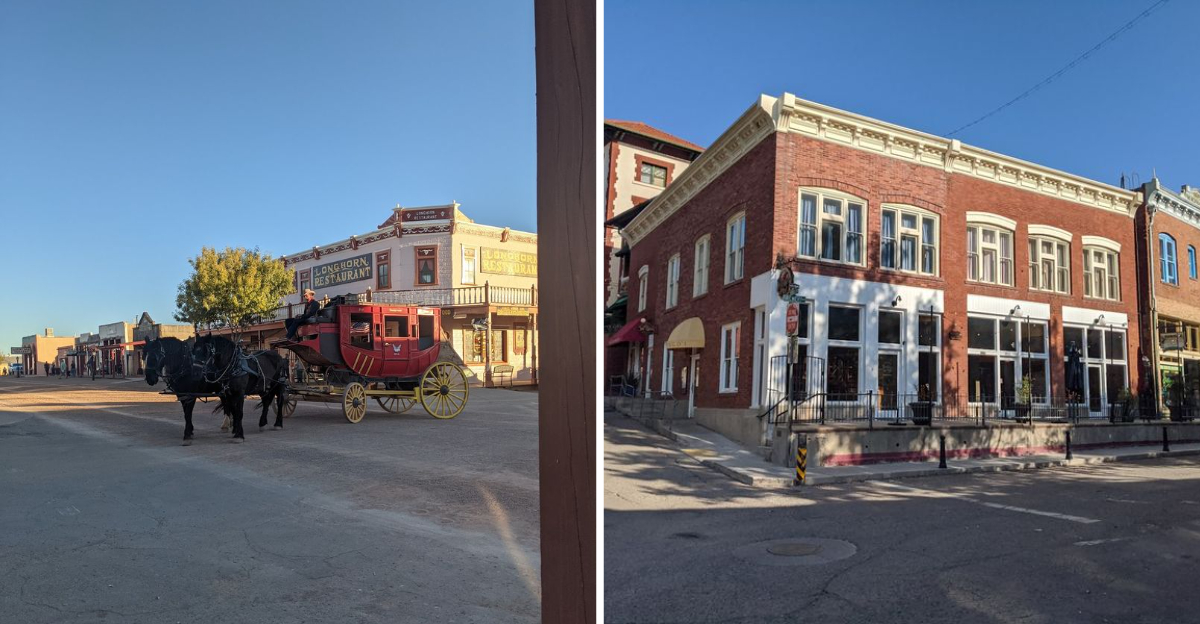
Arizona is full of towns where the main street still looks like it did decades ago. Old storefronts, wooden sidewalks, and vintage signs make these places feel like a step back in time.
Some grew up around mining, others around ranching or the railroad, but all of them held onto their old character. If you love slow drives and towns with a real story, this list is for you.
1. Bisbee, Arizona
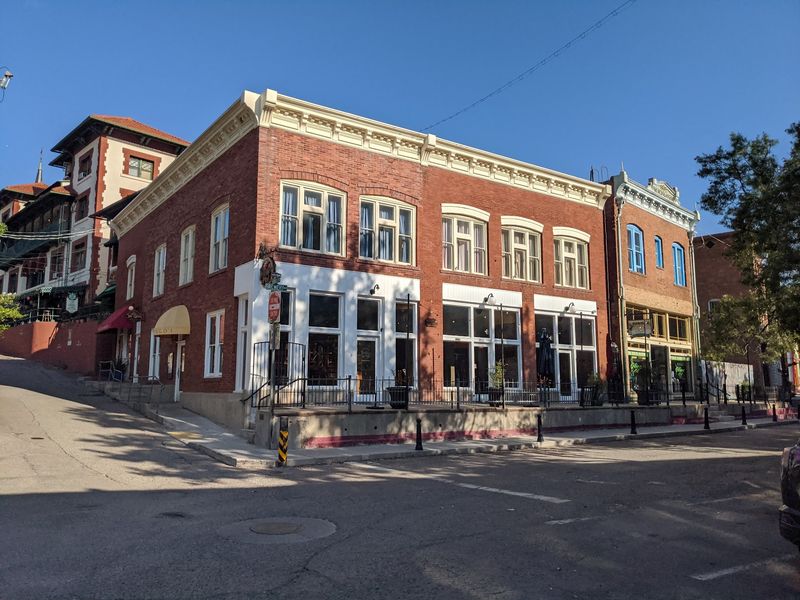
Copper built Bisbee, and the town never let go of that history. The old business district sits in a narrow canyon, with brick buildings from the early 1900s stacked up the hillsides.
Main Street winds past antique shops, galleries, and cafes housed in structures over a century old. The Queen Mine tour lets visitors ride into a real underground mine on the same rail cars miners once used.
The Bisbee Mining and Historical Museum sits in a former mining company building on the plaza. It is a Smithsonian affiliate and covers the town’s copper boom in detail.
Steep staircases connect the streets, and the whole downtown has a lived-in, artistic feel. I like Bisbee because it never turned into a fake tourist set.
It still functions as a real town with people living and working in those old buildings.
2. Jerome, Arizona
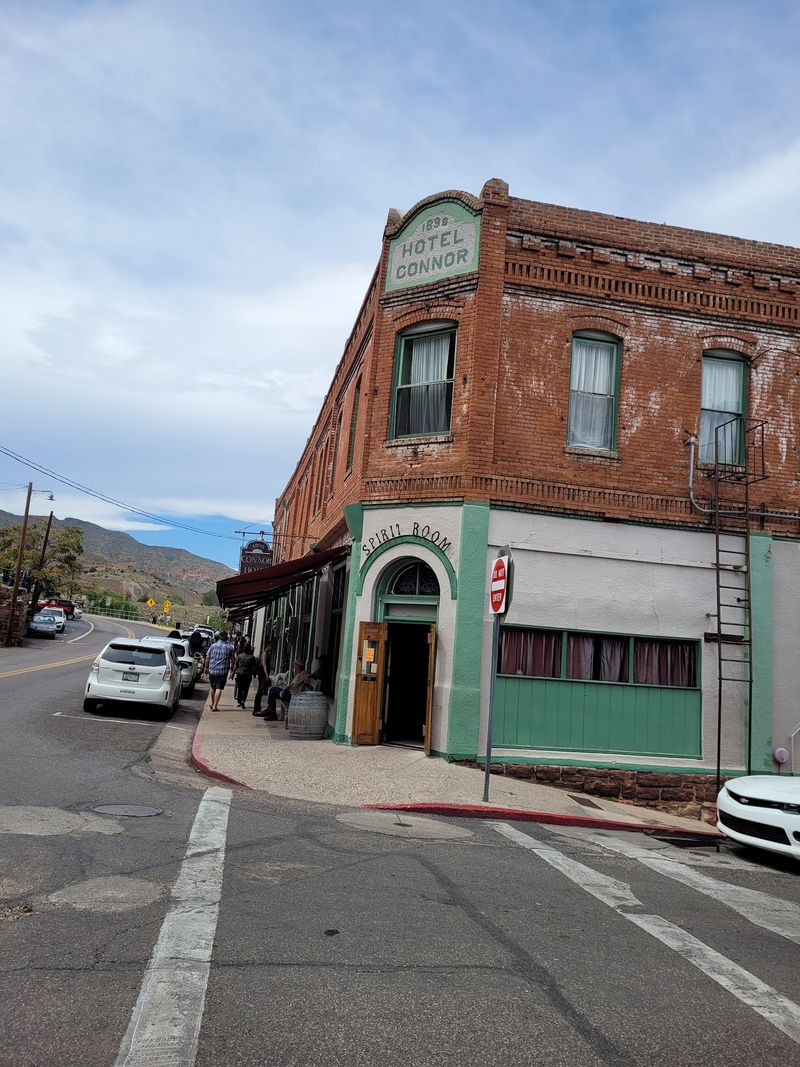
Clinging to the side of Cleopatra Hill, Jerome once earned the nickname of a wild copper camp. When the mines closed, the population dropped so low that it became known as a near-empty town before artists moved in and revived it.
The main streets snake up the mountain, with buildings from the early 1900s that now hold galleries, shops, and eateries. The views over the Verde Valley stretch for miles.
The Jerome State Historic Park preserves the Douglas Mansion, a 1916 home built by a mining family, now full of photos and mining equipment.
Because the town is built on such a steep grade, some buildings have slowly shifted over the decades, adding to its offbeat reputation. Parking can be tight, so arrive early on weekends.
Jerome makes a natural stop on a drive through Arizona wine country and old mining routes.
3. Tombstone, Arizona
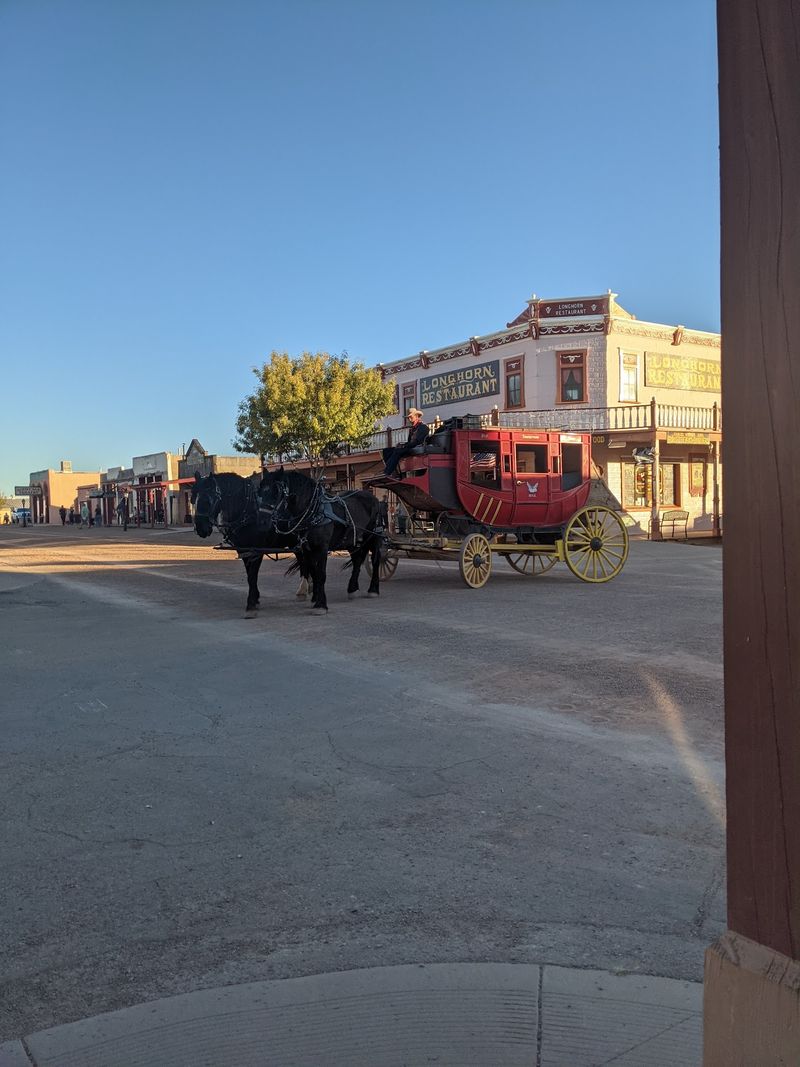
Few places lean into the Old West as fully as Tombstone. Allen Street still has wooden boardwalks, saloon-style storefronts, and stagecoaches rolling past visitors.
The town rose in the 1880s during a silver rush and became one of the largest boomtowns in the Southwest. Much of that frontier layout remains intact today.
The O.K. Corral hosts daily gunfight reenactments tied to the famous 1881 shootout.
The Bird Cage Theatre, a former entertainment hall, is preserved with much of its original furnishings.
Actors in period clothing walk the streets, and horse-drawn tours give background on the town’s early days. It is touristy, no question, but the buildings and street plan are genuinely historic.
I would save Tombstone for a day when you want history mixed with a little theater. The Boothill museum and old newspaper office round out the visit.
4. Williams, Arizona
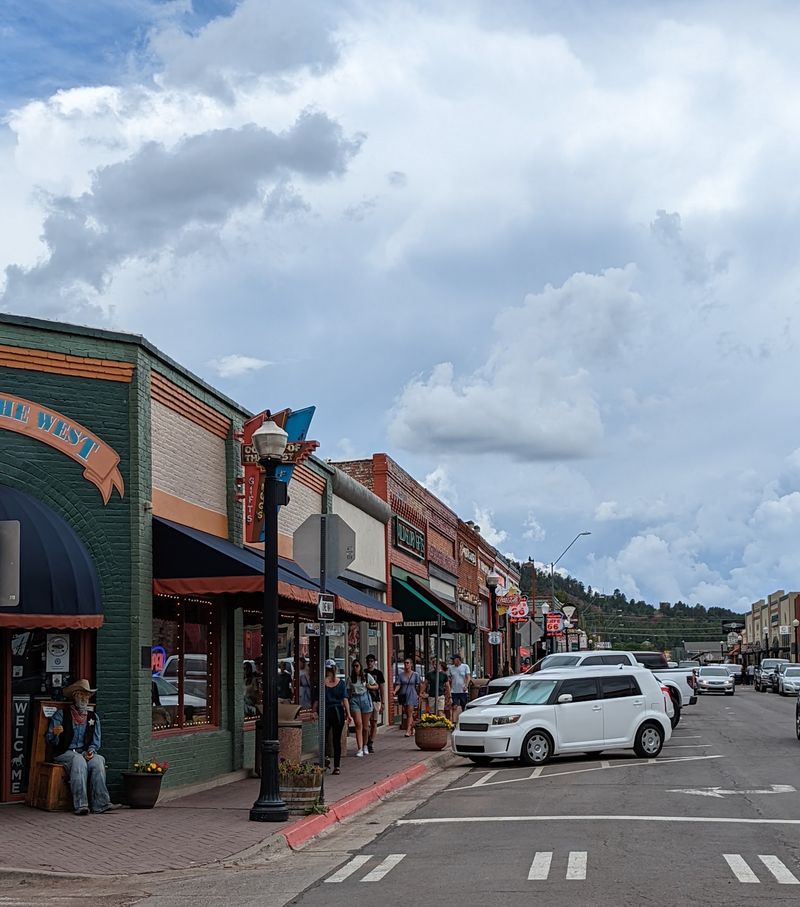
Route 66 fans have a soft spot for Williams, and for good reason. It was the last town on the Mother Road to be bypassed by the interstate, back in 1984.
The downtown still shows off its mid-century roots, with vintage neon signs, classic diners, and old gas station buildings lining the historic route. Retro cars and Route 66 memorabilia are everywhere.
Williams is also the gateway for the Grand Canyon Railway, which runs a scenic train up to the South Rim. The depot dates back to the early 1900s.
Soda fountains, candy shops, and old-fashioned eateries keep the throwback feeling going down the main drag. Because it sits at high elevation, the town sees real snow in winter.
For anyone chasing that classic road trip vibe, Williams delivers without trying too hard.
5. Prescott, Arizona
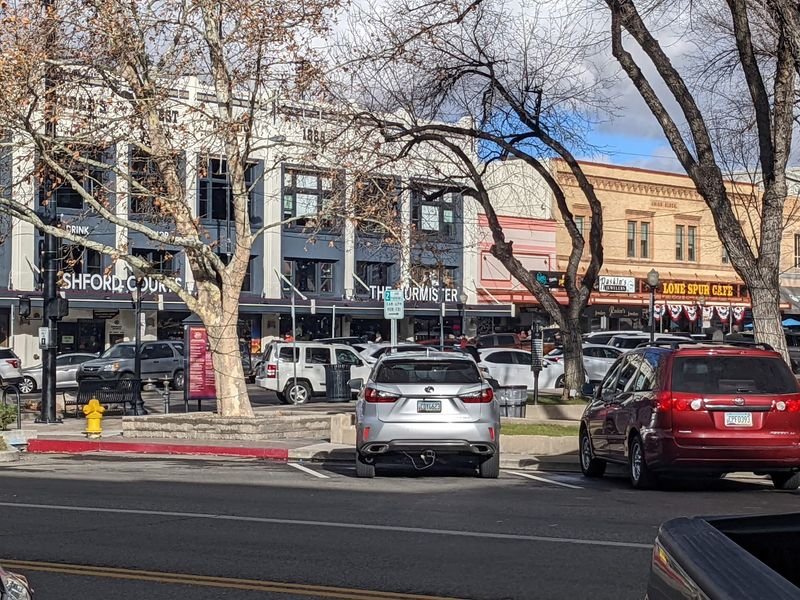
Once the territorial capital of Arizona, Prescott holds onto its history in a big way. The heart of downtown is Courthouse Plaza, a grassy square surrounded by shady trees and stately buildings.
Whiskey Row, along Montezuma Street, is lined with 19th-century brick storefronts that now house shops and restaurants. The block was rebuilt after a fire in 1900, keeping much of its early look.
The Sharlot Hall Museum preserves original territorial buildings and exhibits about frontier life. Victorian homes fill the surrounding neighborhoods.
Prescott sits at a mile high, so it enjoys four real seasons, including cool summers and snowy winters. The plaza hosts frequent events and remains a genuine gathering spot for the community.
I like Prescott because the old architecture blends into everyday life rather than sitting behind glass.
6. Globe, Arizona
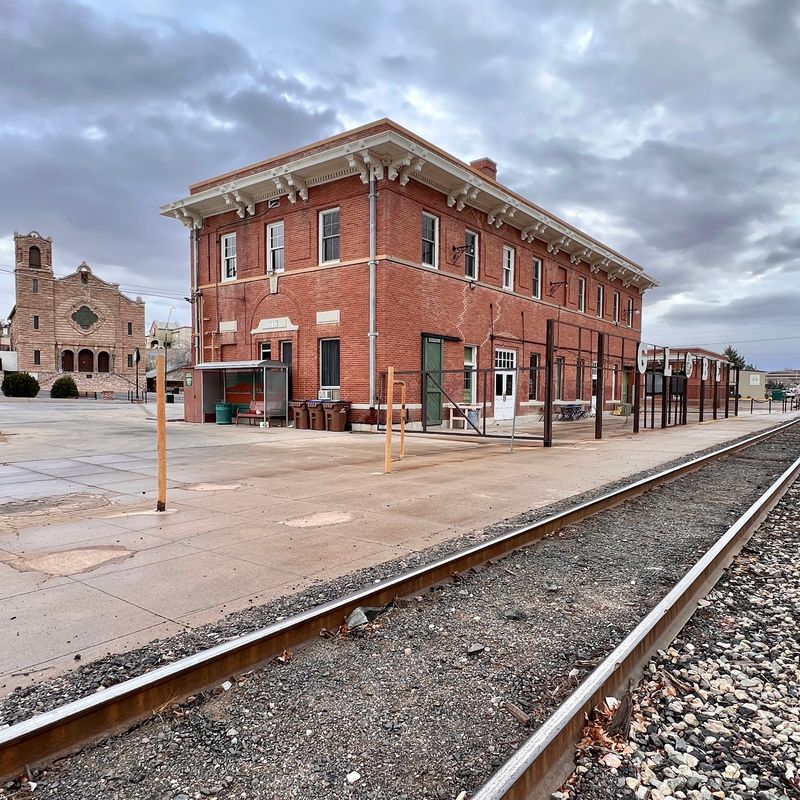
Mining shaped Globe, and its downtown still reflects that early boom. Broad Street runs through a collection of brick commercial buildings from the late 1800s and early 1900s.
The town started as a silver and copper camp and grew into a busy county seat. Many of the original storefronts remain, now filled with antique stores and local businesses.
Nearby, the Besh-Ba-Gowah Archaeological Park preserves the ruins of a Salado village dating back over 700 years, complete with a museum. It is a rare pairing of frontier and ancient history in one town.
Globe sits along the scenic route toward the Salt River Canyon, making it an easy stop on a longer drive. The Cobre Valley area keeps a quiet, unhurried pace.
For travelers who prefer authentic over polished, Globe fits the bill.
7. Wickenburg, Arizona
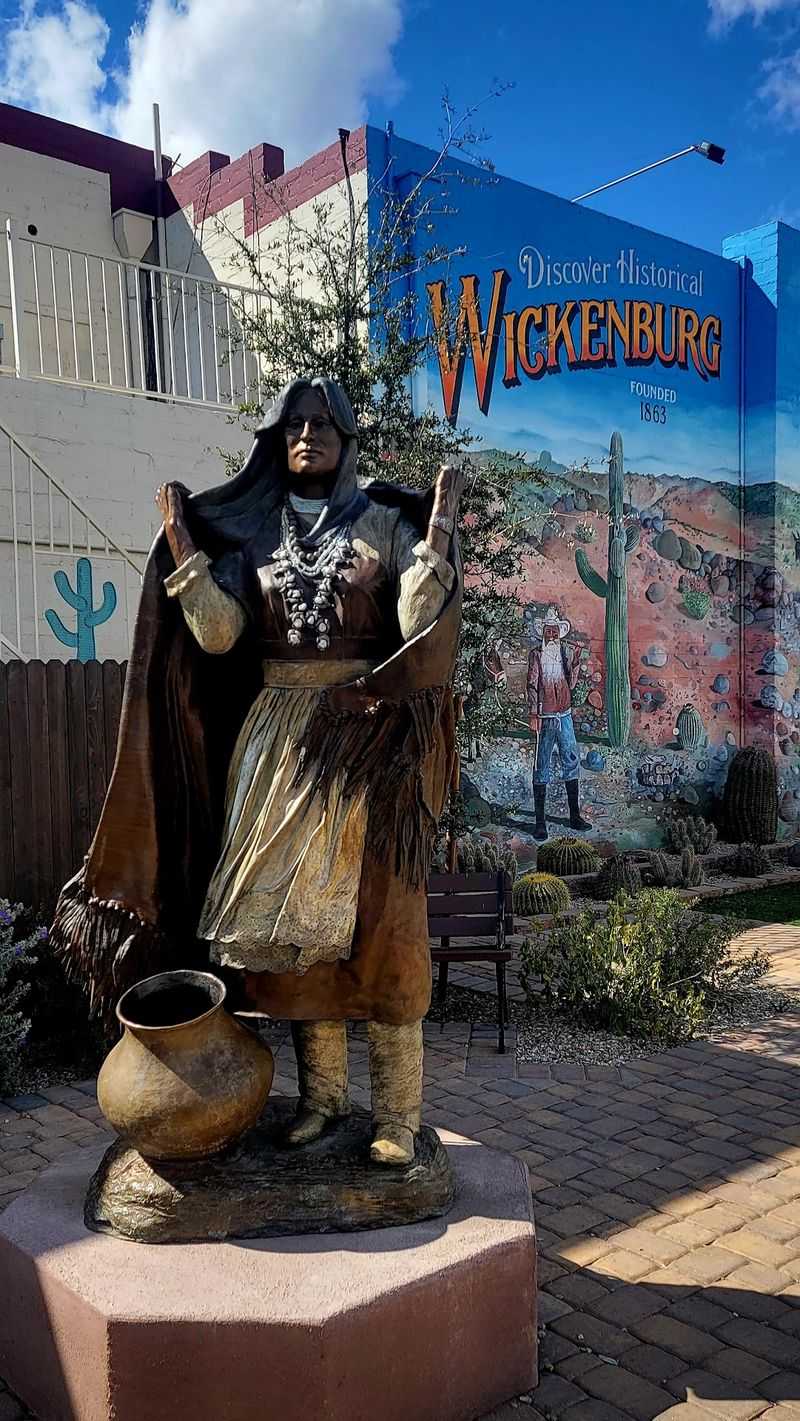
Cowboy culture runs deep in Wickenburg, a town founded on gold mining in the 1860s. Its downtown holds onto a genuine Western feel without turning it into pure spectacle.
Bronze statues of historical figures stand along the sidewalks, part of a self-guided walking tour through the old district. Vintage buildings house shops and cafes along Frontier Street.
The Desert Caballeros Western Museum showcases Western art, cowboy gear, and regional history in an impressive collection. It is one of the better small-town museums in the state.
Wickenburg is also known for its dude ranches, which have welcomed visitors for generations. The old railroad depot still stands as a landmark downtown.
I would send this one to anyone who wants ranch country history with a walkable main street.
8. Clarkdale, Arizona
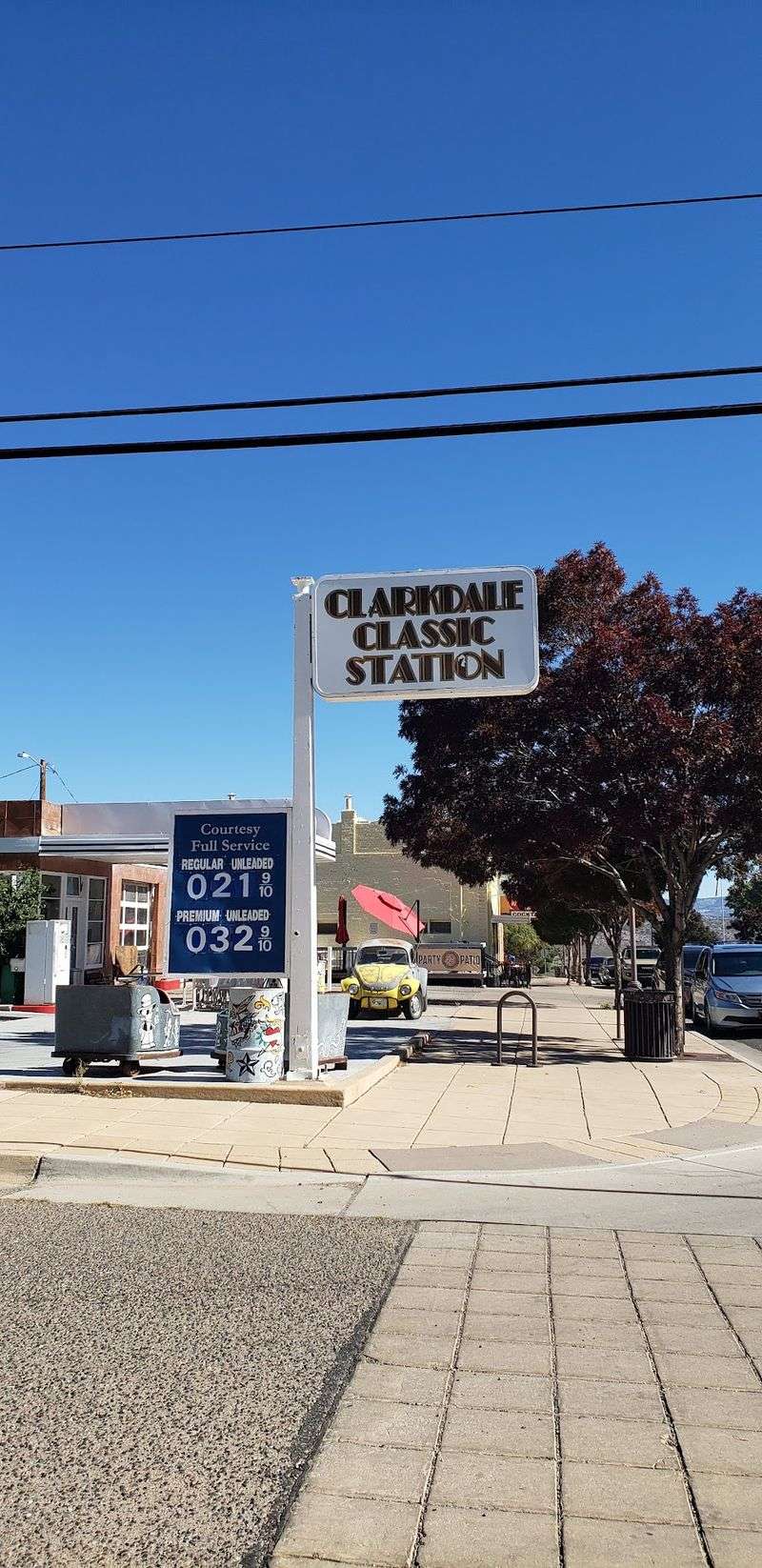
Built as a planned company town in 1912, Clarkdale has a layout unlike most Arizona towns. It was designed to house workers from the nearby copper smelter, complete with a central town park.
The main street area keeps its early 20th-century character, with tidy buildings and wide, orderly streets. It is often called one of Arizona’s first master-planned communities.
The Verde Canyon Railroad departs from Clarkdale, carrying passengers through remote canyon scenery not reachable by road. The trip is a favorite among railway fans.
Clarkdale also sits near Tuzigoot National Monument, an ancient hilltop pueblo overlooking the Verde River. The pairing of a company town and ruins makes for an unusual visit.
It stays quieter than nearby Jerome, which is part of its charm.
9. Florence, Arizona
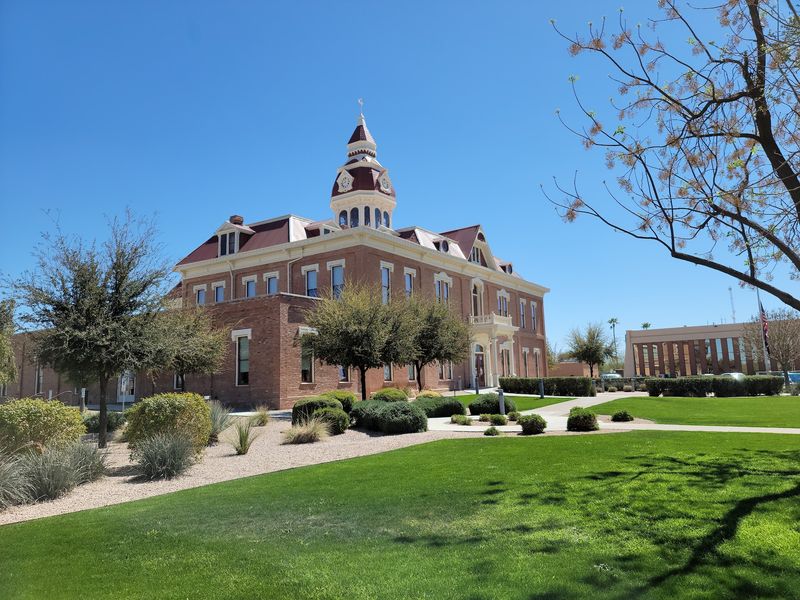
As one of Arizona’s oldest towns, Florence carries a deep well of history along its streets. Founded in 1866, it holds more than 130 buildings listed on the National Register of Historic Places.
The downtown mixes adobe structures with Victorian-era architecture, a blend you rarely see side by side. Some buildings date to the 1870s and 1880s.
The McFarland State Historic Park preserves the 1878 courthouse, one of the oldest standing buildings in the area. It now serves as a museum on local and territorial history.
Florence has appeared in several films thanks to its well-kept historic look. The Pinal County Historical Museum adds more depth for anyone curious about the region’s past.
For a town that has quietly held onto its roots for over 150 years, Florence rewards a slow walk down its main street.
Enjoyed this story?
Add Fast Food Club as a preferred source to see more of our reporting on Google.