


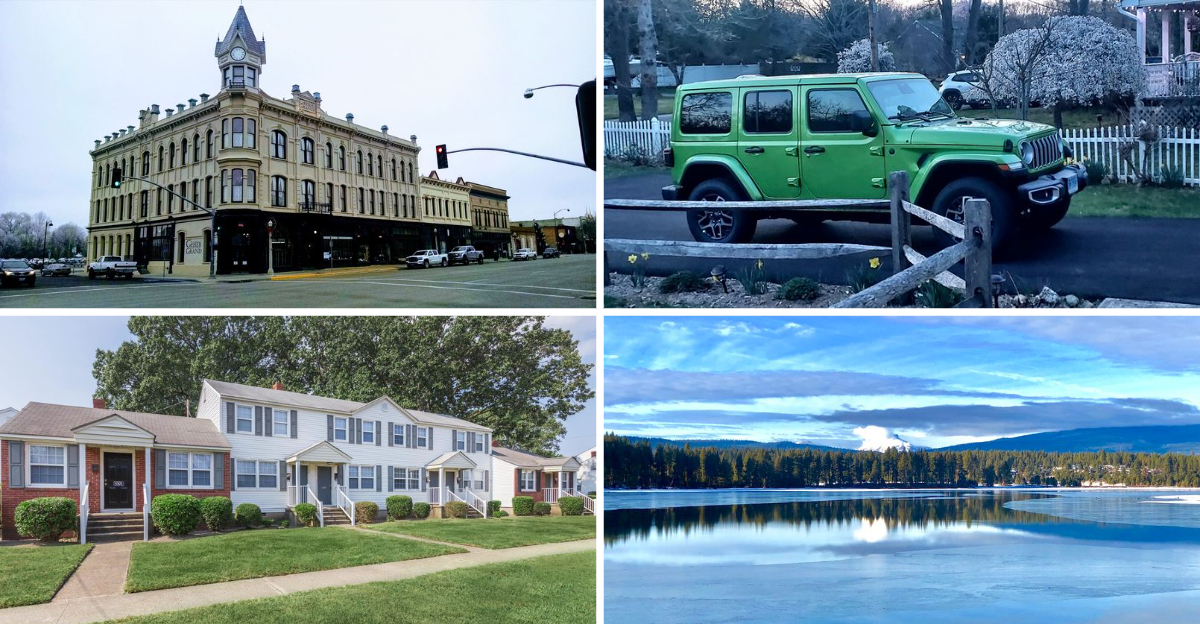
Oregon gets a lot of attention for Portland and the coast, but the real magic for many retirees hides in the smaller towns. These are places where the pace slows down, the cost of living is easier to manage, and neighbors still wave when you drive by.
If you are dreaming about a calmer routine without giving up scenery, good food, and friendly faces, this list is worth a look. Below are nine small Oregon towns that give retirees room to breathe, along with real reasons each one stands out.
Some sit near rivers, some near mountains, and some near quiet farm country. Grab a cup of coffee and read on, because one of these might be the place you have been picturing.
1. Baker City
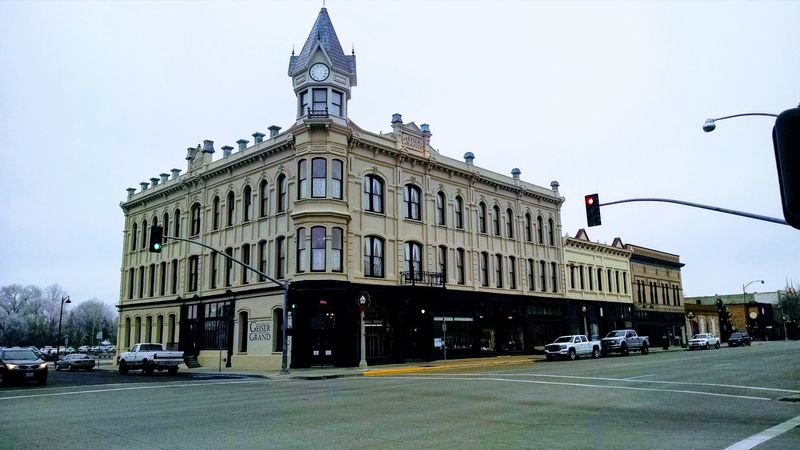
Sitting in eastern Oregon, Baker City surprises people with its historic downtown full of restored brick buildings. The Baker Historic District is listed on the National Register of Historic Places, which gives the whole area a stately, old-fashioned look.
The Elkhorn Mountains rise nearby, so scenery is never far away. The National Historic Oregon Trail Interpretive Center sits just outside town and covers pioneer history for anyone who enjoys learning about the region.
Housing here tends to run below the state average, which is a big draw for retirees stretching a fixed income. The dry, high-desert climate also means less of the coastal gray that some people want to escape.
Days move slowly, and the walkable downtown makes errands and coffee stops easy. For anyone who wants history, mountain views, and a lower price tag, Baker City checks a lot of boxes.
2. Joseph
Tucked at the base of the Wallowa Mountains, Joseph has become known as an art town with bronze foundries and sculptures lining its main street. You can walk the sidewalks and see finished works right out in the open.
Wallowa Lake sits just south of town, offering a calm spot for fishing, picnics, and easy walks. The Wallowa Lake Tramway carries visitors up Mount Howard for wide views of the valley.
The town is small and quiet, which appeals to retirees who want a creative community without big-city noise. Galleries and small shops give people reasons to stroll rather than rush.
Winters can be cold and snowy, so it suits folks who do not mind the seasons. If mountain beauty and a strong arts scene sound appealing, Joseph delivers both in a compact, friendly package.
3. Cottage Grove
Covered bridges are the calling card here, and Cottage Grove is often called the Covered Bridge Capital of Oregon. Several historic bridges dot the surrounding area, making for easy scenic drives.
The town sits in the southern Willamette Valley, so it stays green and mild compared to eastern Oregon. That milder weather is a plus for gardeners and walkers who like being outside much of the year.
A restored historic downtown gives residents places to shop, grab a bite, and gather. The Row River Trail, a paved rail-trail, runs from town toward Dorena Lake and is popular for biking and walking.
Being close to Eugene means bigger hospitals and shopping are within reach without living in the middle of it. For retirees who want small-town calm with easy access to city services, Cottage Grove fits nicely.
4. Klamath Falls
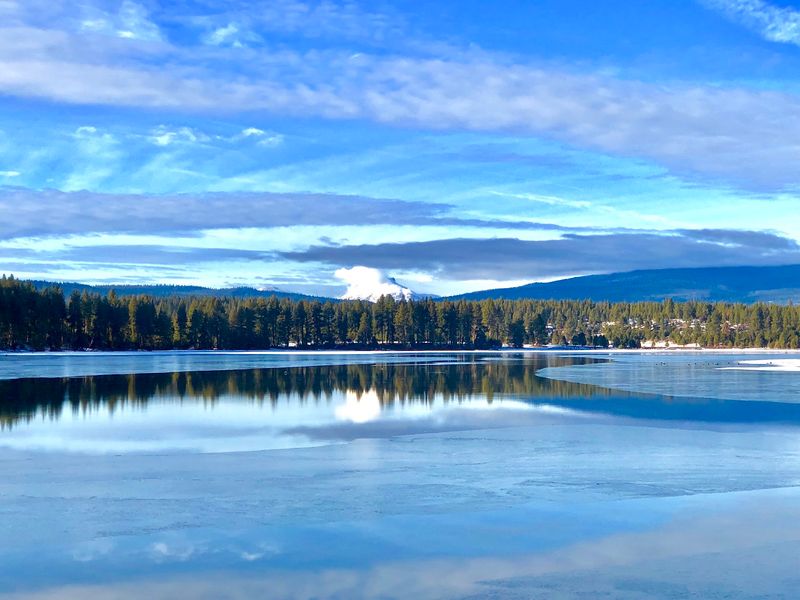
Bird watchers already know this corner of southern Oregon well. Klamath Falls sits near the Klamath Basin, a major stop along the Pacific Flyway, where large numbers of birds pass through during migration.
The area is known for its sunny days, often getting more sunshine than much of western Oregon. That kind of weather appeals to people who want less rain in retirement.
Upper Klamath Lake offers fishing and paddling, and the surrounding refuges draw nature lovers year-round. Housing costs here tend to be more affordable than in many Oregon towns closer to the coast.
The downtown has been working on revitalization, with restaurants and shops giving the area more life. For an outdoorsy retiree who wants sunshine, water, and a budget-friendly setting, Klamath Falls is worth a serious look.
5. Astoria
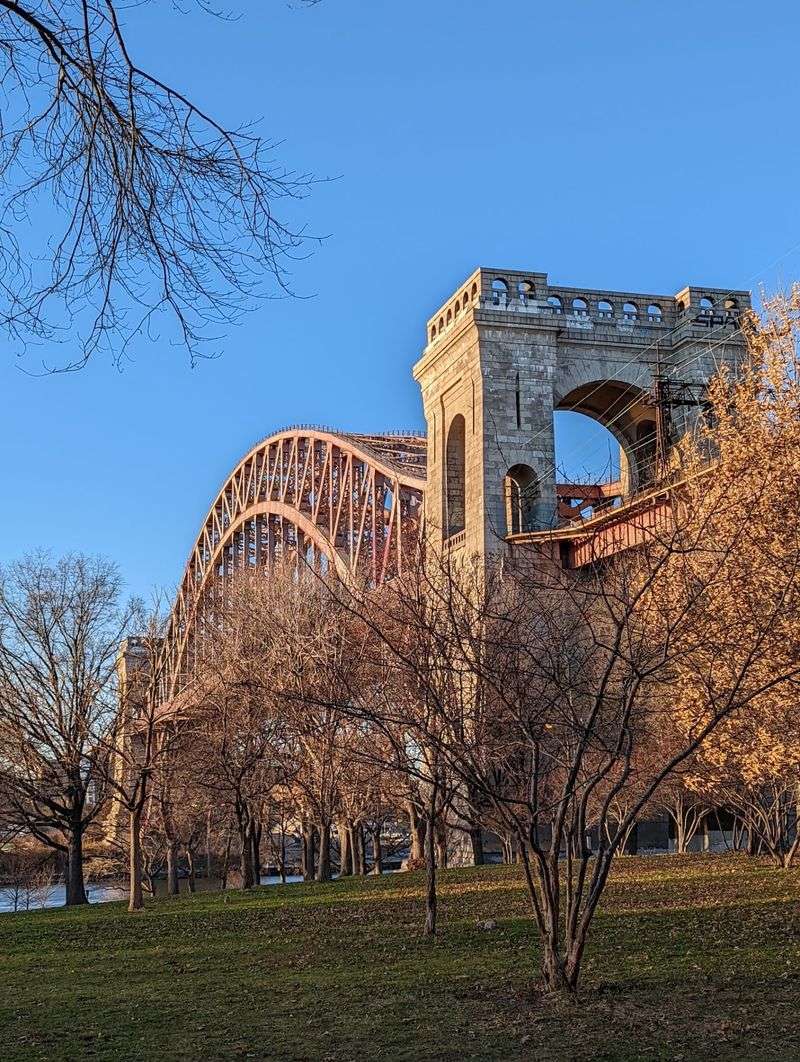
Perched where the Columbia River meets the ocean, Astoria carries the charm of a working waterfront town with deep history. It is one of the oldest American settlements west of the Rocky Mountains.
The Astoria Column stands on a hilltop, and climbing its steps rewards you with sweeping river and ocean views. The Columbia River Maritime Museum covers the area’s seafaring past and is a favorite indoor stop.
Victorian homes climb the hillsides, giving neighborhoods a distinct look. The Riverwalk lets you stroll along the water and watch ships pass.
The coast means cooler, damp weather, so it suits people who enjoy that maritime feel. Astoria is not the cheapest town on this list, but its history, walkability, and river setting make it a favorite for retirees who love the sea without wanting resort-town prices.
6. Hood River
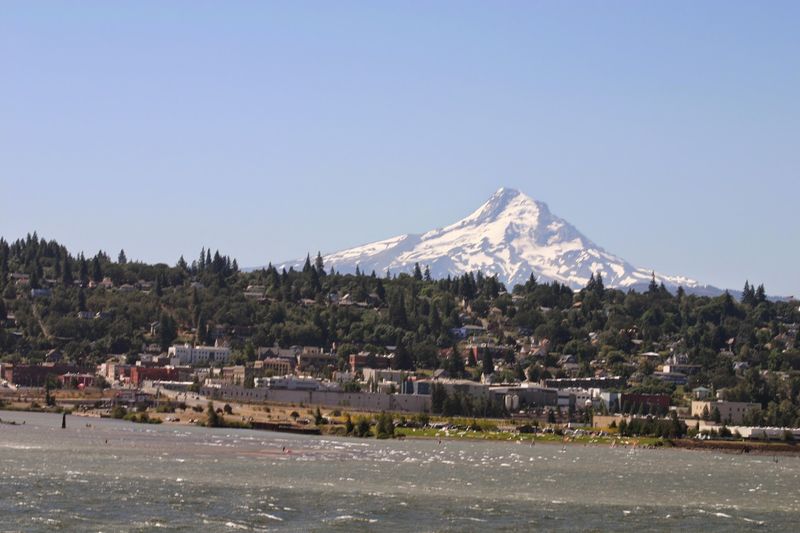
Fruit orchards stretch across the hills here, and Hood River sits in the heart of Oregon’s Fruit Loop, a driving route dotted with farm stands and orchards. Apples, pears, and cherries are all part of the local harvest.
Mount Hood towers to the south while the Columbia River Gorge frames the town, making the scenery hard to beat. The area is also famous for windsurfing and kiteboarding on the river.
The downtown is lively with shops and eateries, and the setting draws people who love the outdoors. Hiking and biking trails are easy to reach from town.
Prices here run higher than the eastern Oregon towns, so it fits retirees with a bit more room in the budget. For those who value orchards, mountain views, and an active outdoor community, Hood River earns its spot.
7. La Grande
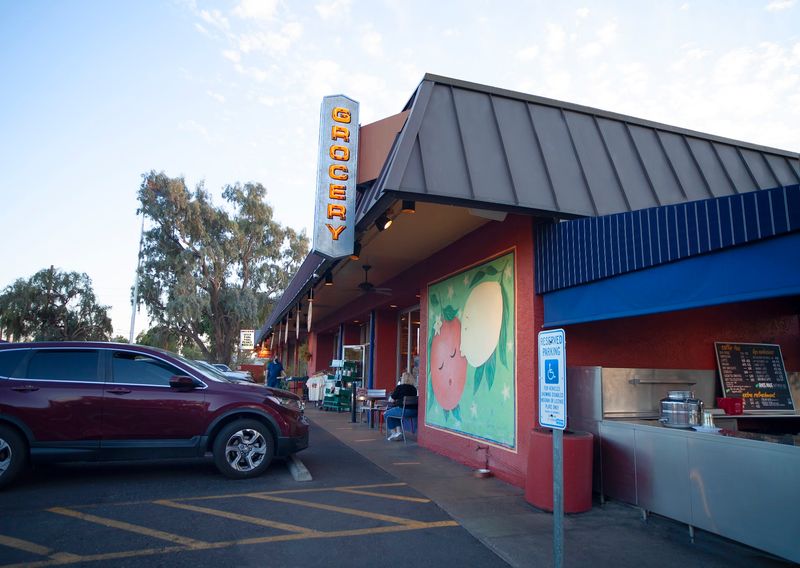
Nestled in the Grande Ronde Valley, La Grande blends farm country calm with a bit of college-town energy thanks to Eastern Oregon University. That mix keeps the town lively without feeling crowded.
The Blue Mountains surround the valley, offering nearby hiking, fishing, and quiet drives. Seasons here are distinct, with real snow in winter and warm, dry summers.
Housing costs tend to sit below Oregon’s average, which helps retirees make their money go further. The presence of the university also brings events, arts, and cultural programs to town.
Downtown La Grande has a friendly, walkable feel with local shops and cafes. For anyone who wants affordability, mountain scenery, and a touch of college-town culture, La Grande makes a strong case.
8. Florence
Sand dunes are a big part of the story here. Florence sits along the central Oregon coast next to the Oregon Dunes National Recreation Area, where massive dunes stretch toward the ocean.
Old Town Florence lines the Siuslaw River with historic buildings, shops, and restaurants that make for easy afternoon walks. The waterfront setting gives the town a relaxed, coastal rhythm.
Fishing, crabbing, and beach time are all part of daily life for many residents. Nearby lakes add even more spots for paddling and quiet mornings.
The coastal climate stays mild but damp, which suits people who prefer cool over hot. For retirees who want ocean access, dunes to explore, and a walkable riverfront, Florence brings a lot of coastal appeal at a gentler pace than the bigger beach towns.
9. Enterprise

Ranch country stretches in every direction from Enterprise, the county seat of Wallowa County in far northeast Oregon. The wide open space and mountain backdrop give the area a peaceful, unhurried feel.
The historic Wallowa County Courthouse anchors the small downtown, built from local stone. It is one of the more striking buildings in this part of the state.
Enterprise sits close to Joseph and Wallowa Lake, so the region’s scenery and recreation are all within easy reach. That makes it a quieter home base near some of Oregon’s best mountain views.
Because it is remote, the pace here is genuinely slow, which is exactly what some retirees are after. For anyone who wants big skies, ranchland calm, and mountains on the horizon without the tourist bustle, Enterprise is a fitting final stop.
Enjoyed this story?
Add Fast Food Club as a preferred source to see more of our reporting on Google.