


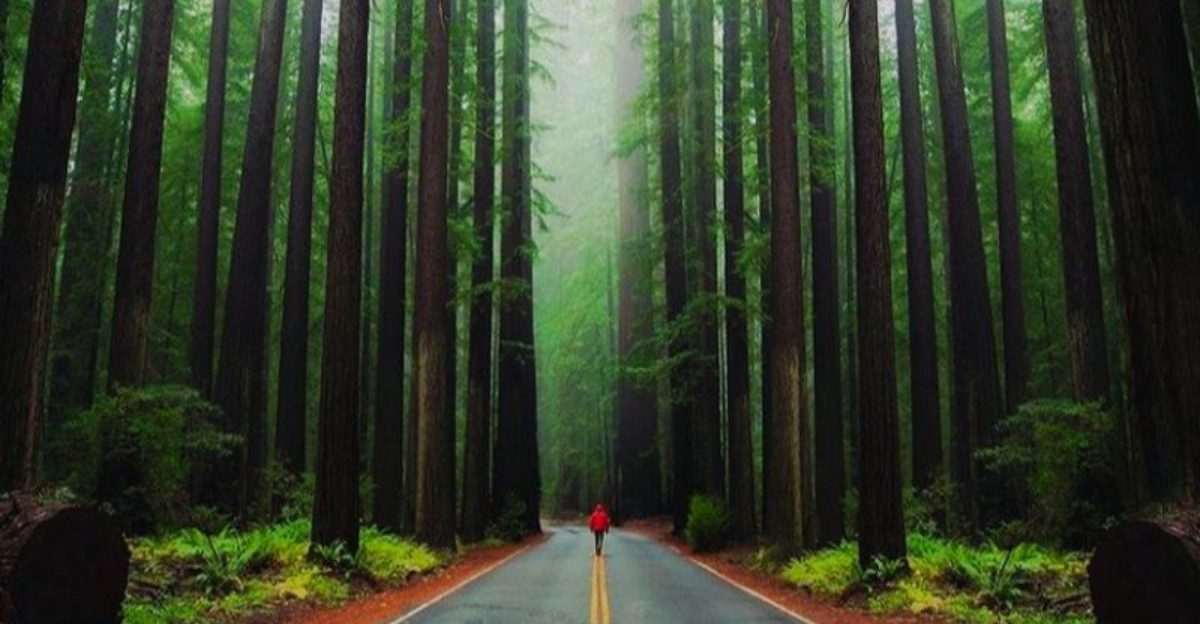
Tucked away in Humboldt County, California, the Avenue of the Giants is one of those rare places that makes you feel like you have stepped straight into a fairy tale. Stretching 31 miles through ancient redwood forests, this two-lane highway runs parallel to Highway 101 and offers some of the most breathtaking scenery in the entire country.
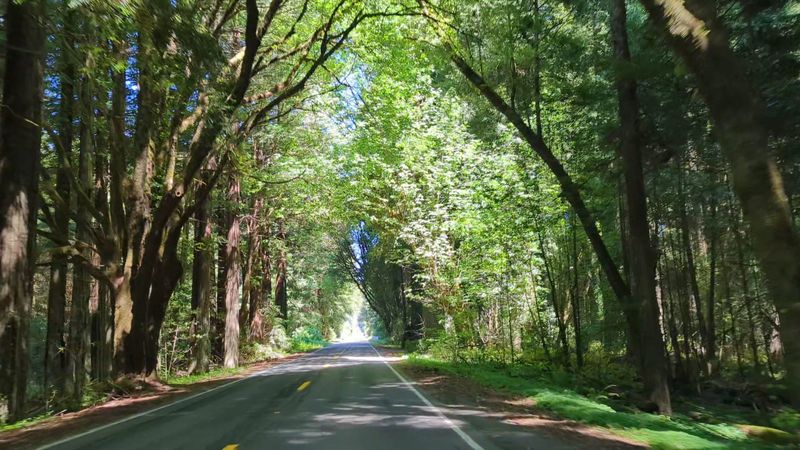
Massive coast redwood trees, some over 2,000 years old and taller than a 35-story building, line both sides of the road and create a natural tunnel that feels almost magical. Whether you are a first-time visitor or a longtime California traveler, this legendary drive is guaranteed to leave you speechless.
The Ancient Redwood Canopy Overhead
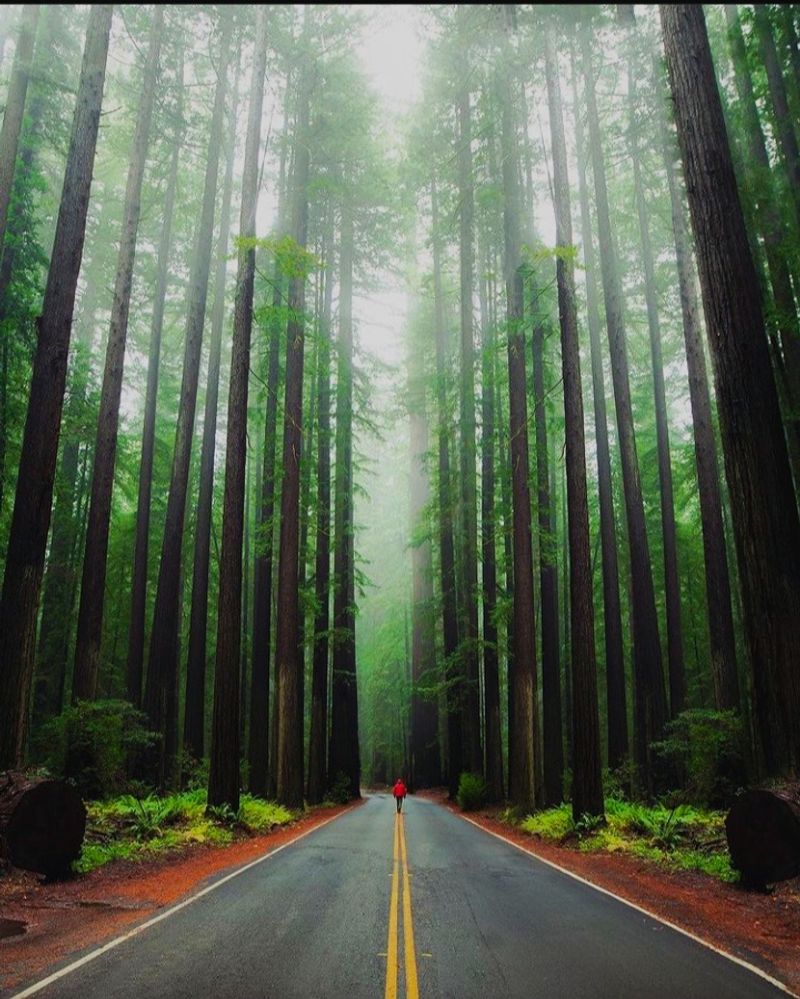
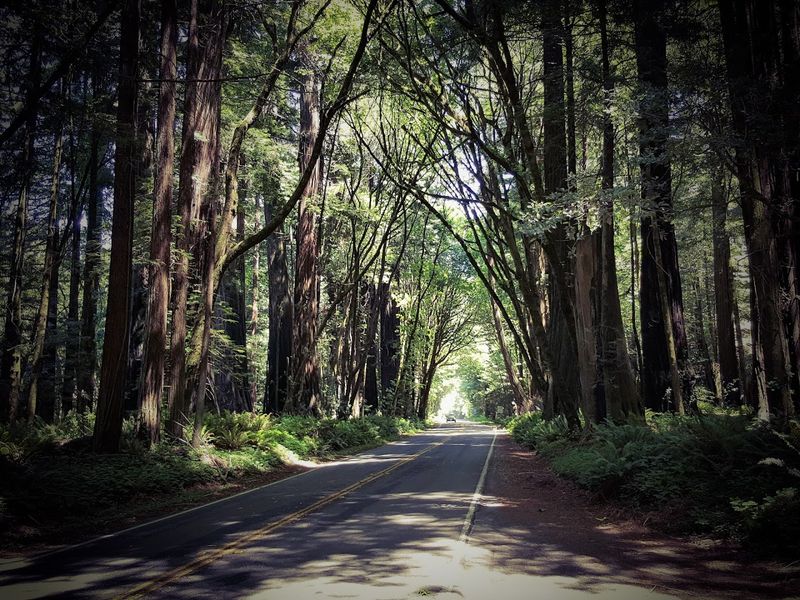
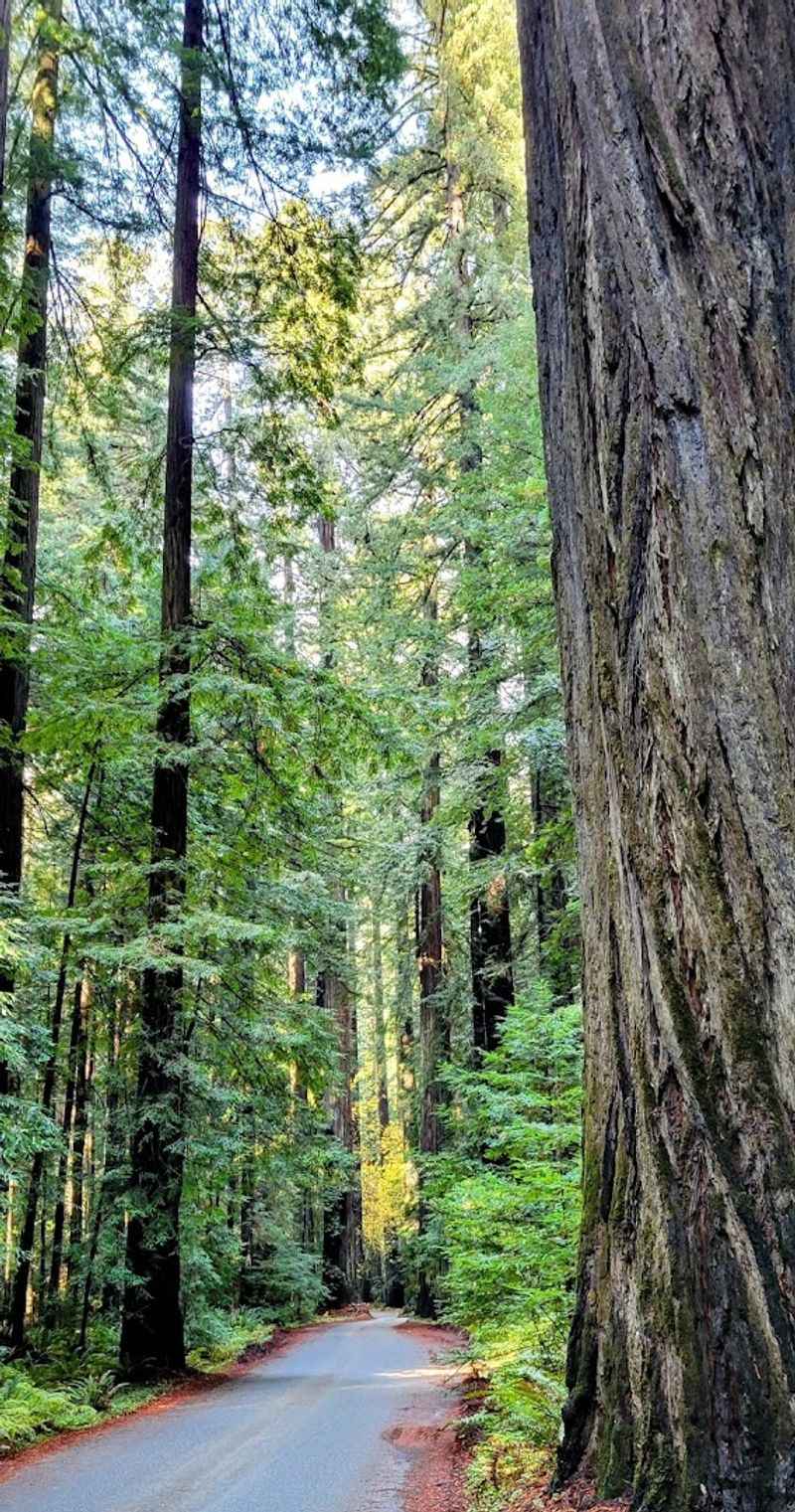
Standing beneath a redwood canopy is like being inside a living cathedral. The trees along the Avenue of the Giants grow so tall and so close together that their branches interlock overhead, blocking out much of the sky and wrapping the road in a cool, green glow.
Coast redwoods are the tallest living things on Earth, and many of the giants here have been growing since before the Roman Empire fell. The sheer scale of these trees is almost impossible to process until you are actually standing next to one.
First-time visitors often go completely silent when they enter the canopy for the first time. Bring a jacket, because the shade keeps temperatures noticeably cooler than surrounding areas, even during warm summer afternoons.
This natural roof is one of the most photographed features of the entire drive.
Humboldt Redwoods State Park: The Heart of the Drive
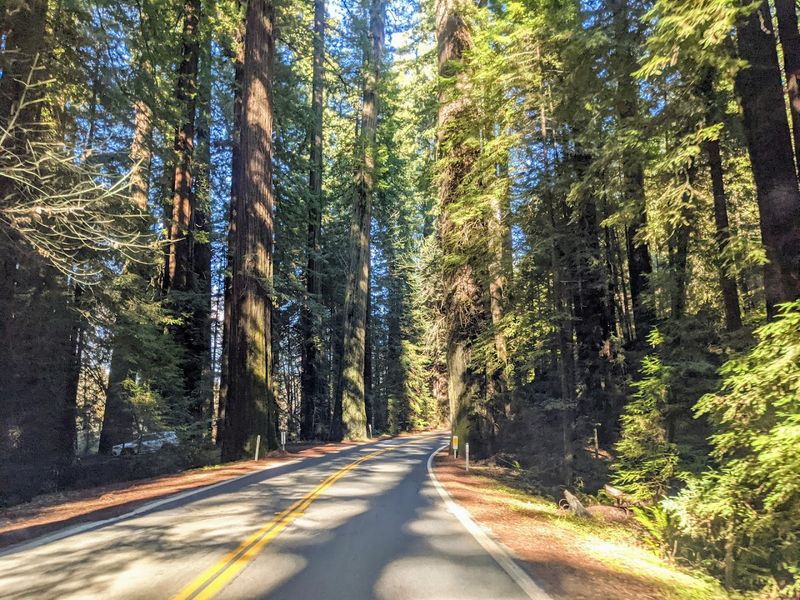
Most of the Avenue of the Giants runs directly through Humboldt Redwoods State Park, which protects the largest remaining old-growth coast redwood forest in the world. The park covers over 53,000 acres and is home to more than 100 miles of trails.
Rangers and volunteers work hard to keep this ecosystem healthy, and their dedication shows in every quiet corner of the park. You will find crystal-clear streams, abundant wildlife, and trees so massive that multiple adults cannot wrap their arms around them.
The Visitor Center near Weott is a great first stop. Staff there hand out free maps and can point you toward the best spots based on how much time you have.
Even a two-hour visit to the park feels like a full reset for your mind and body. Plan to linger longer than you expect.
Founder’s Grove and the Tallest Trees You Can Walk Among
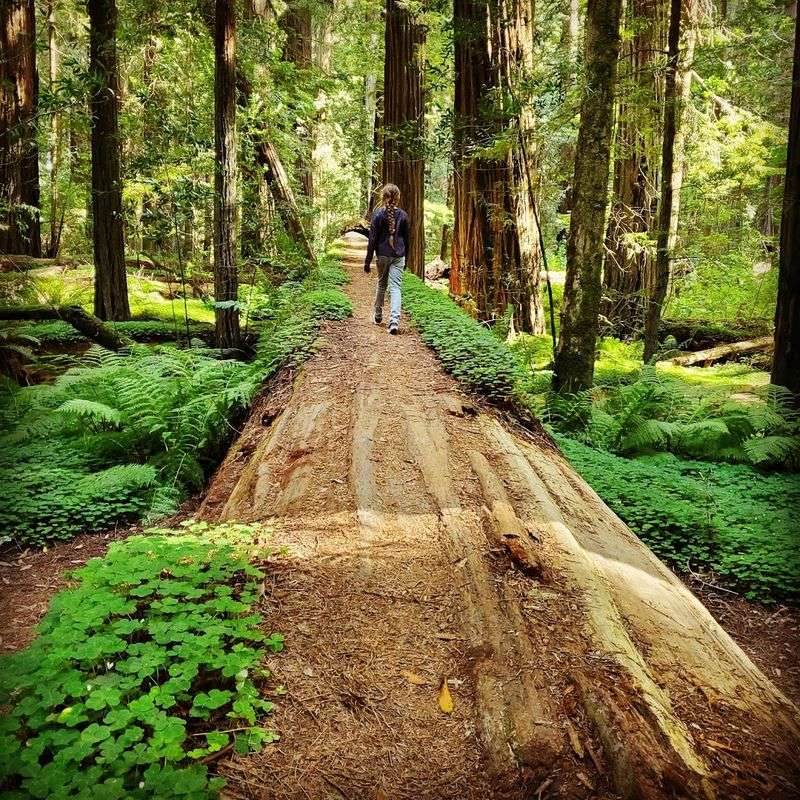
Founder’s Grove is a short, flat loop trail that most visitors can complete in about 30 minutes, but the experience stays with you for years. Named in honor of the founders of the Save the Redwoods League, this grove contains some of the most impressive trees along the entire avenue.
The Founders Tree, one of the tallest trees in the park, towers at around 346 feet. Nearby, the massive fallen Dyerville Giant lies across the forest floor like a toppled skyscraper, giving you a real sense of just how enormous these trees grow.
Kids especially love walking along the trunk of the fallen giant, which stretches longer than a football field. The trail is paved and accessible, making it friendly for strollers and wheelchairs.
Go early in the morning to enjoy the grove without crowds and to catch the magical mist that often lingers between the trees.
Rockefeller Forest: A Grove Worth Slowing Down For
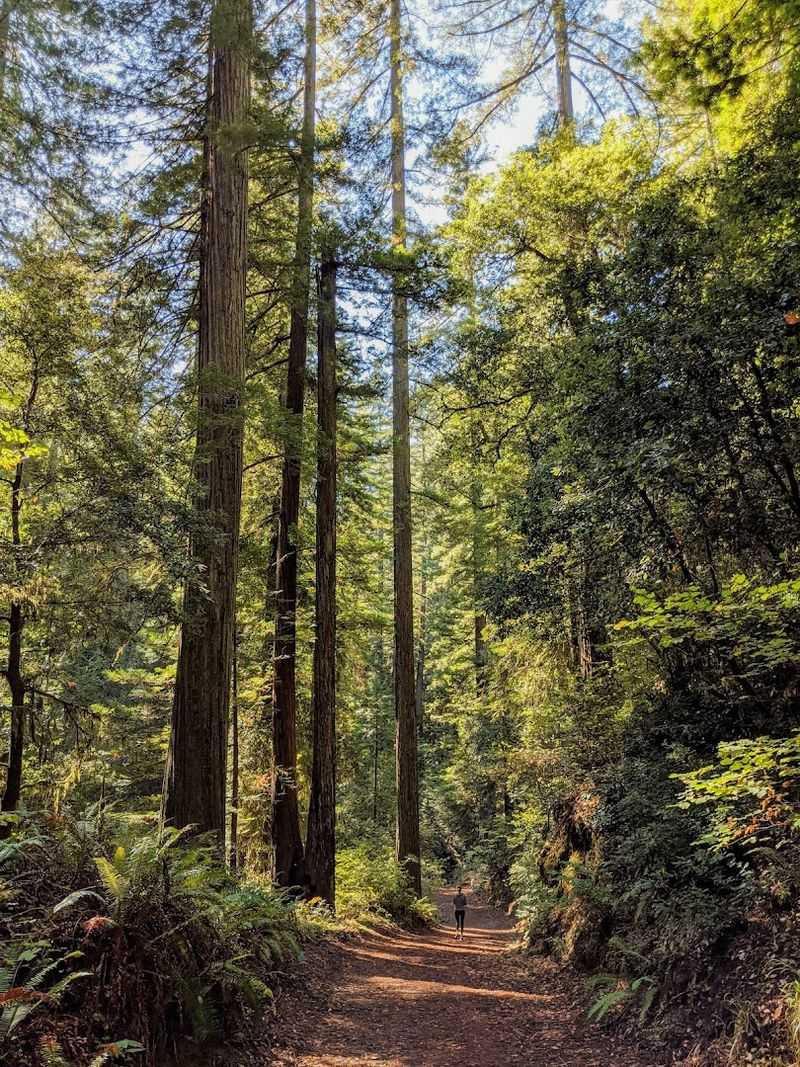
Rockefeller Forest holds the title of the largest contiguous old-growth coast redwood forest on the planet. That is not a small claim.
Walking through it feels like stepping into a world that has barely changed in thousands of years.
A short drive off the main avenue takes you to the Bull Creek Flats trailhead, where you can explore miles of mostly flat terrain beneath these record-breaking trees. The forest is so dense that even on a bright afternoon, the light inside feels like early evening.
John D. Rockefeller Jr. donated funds to help save this grove in the 1920s, which is how it earned its name.
Without that donation, much of this forest might have been logged. Walking here carries a quiet sense of gratitude for the people who fought to protect it.
Pack a picnic and plan to spend at least two hours exploring.
The Immortal Tree: A Living Legend on the Side of the Road
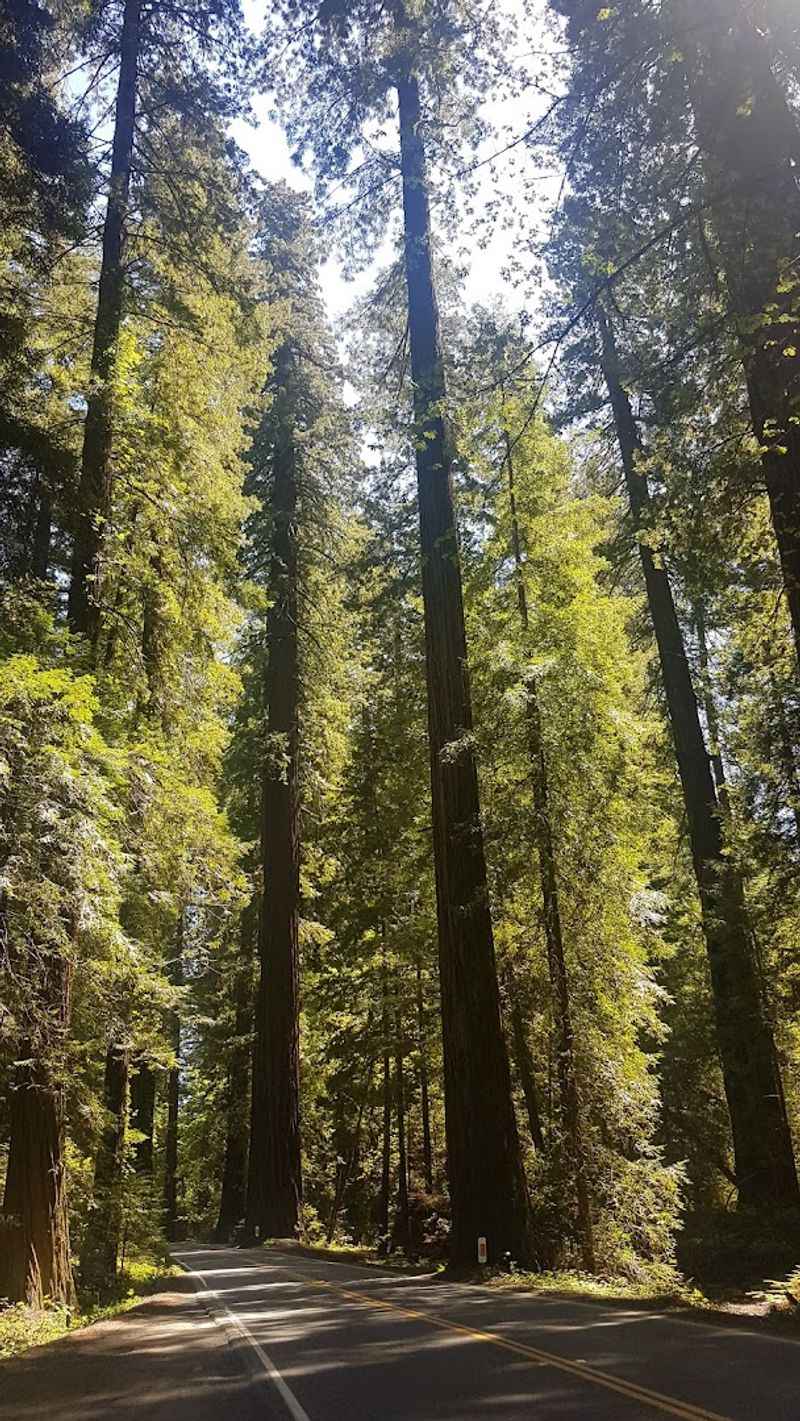
Some trees earn their nicknames honestly. The Immortal Tree, located right along the Avenue of the Giants near the town of Redcrest, has survived floods, lightning strikes, and chainsaw attempts that would have felled almost any other tree.
Standing at roughly 950 years old and about 243 feet tall, this redwood has a dramatic history posted on signs at its base that reads almost like an adventure story. Loggers tried to cut it down in the early 1900s, but their saws gave out before the tree did.
Stopping here takes only about 10 minutes, but it sparks something in most visitors. There is something deeply moving about standing beside a living thing that has outlasted so much history.
The small roadside pullout makes it easy to stop without any hiking required, which is perfect for road-trippers who want a quick but memorable encounter.
Driving Through a Tree: The Chandelier Drive-Thru
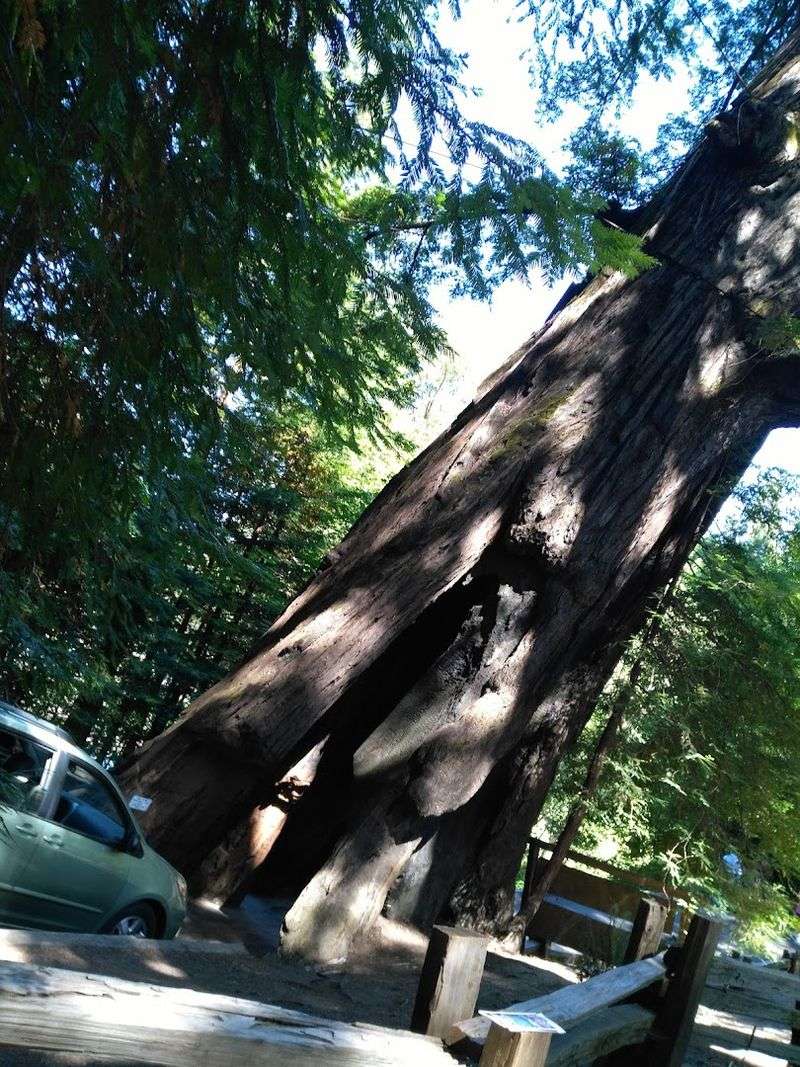
Just south of the Avenue of the Giants near Leggett, the Chandelier Drive-Thru Tree is one of the quirkiest roadside attractions in all of California. A tunnel was carved through the base of a living redwood in 1937, and cars have been squeezing through ever since.
The tree itself is 276 feet tall and approximately 2,400 years old. The hole cut through its base measures about 6 feet wide and 9 feet tall, which means most standard cars fit through with careful maneuvering.
Trucks and SUVs should check their dimensions before trying.
There is a small admission fee to enter the private property where the tree stands, but the novelty factor is absolutely worth it. Kids go wild for the experience of literally driving through a tree.
Grab a souvenir from the gift shop on your way out and snap a photo with the measuring stick at the entrance.
Wildlife Watching Along the Avenue
The Avenue of the Giants is not just about trees. The surrounding forest and riverside meadows are home to a surprisingly rich collection of wildlife that rewards patient observers.
Roosevelt elk are the biggest stars of the show.
These massive animals, which are the largest elk subspecies in North America, frequently graze in the open meadows near the Eel River. Spotting a bull elk with a full rack of antlers is one of those moments that feels almost unreal.
Pull over slowly and stay in your vehicle to avoid disturbing them.
Black-tailed deer, great blue herons, river otters, and even black bears also call this corridor home. Birdwatchers will enjoy scanning the treetops for marbled murrelets, a seabird that nests in old-growth forests.
Bring binoculars and keep your eyes open at dawn and dusk when wildlife activity peaks significantly along the river corridor.
Swimming and Playing in the Eel River
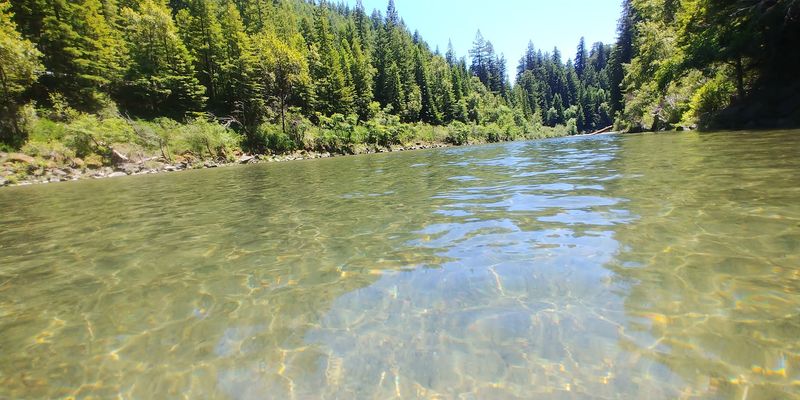
Running alongside much of the Avenue of the Giants, the South Fork of the Eel River is a beloved summer playground for locals and visitors alike. During the warmer months, the river slows to a gentle, clear flow that is perfect for swimming, wading, and floating on inner tubes.
Several pullouts and small beaches along the avenue give easy access to the water. The riverbanks are shaded by both redwoods and alders, making it one of the more refreshing spots to cool off on a hot California afternoon.
Water shoes are a smart choice since the riverbed is rocky in many spots. Families with young kids tend to love the shallower sections near Myers Flat and Miranda.
Keep in mind that winter and spring water levels can be dangerously high, so swimming is really only safe and enjoyable from late June through early September.
Camping Under the Stars in the Redwoods
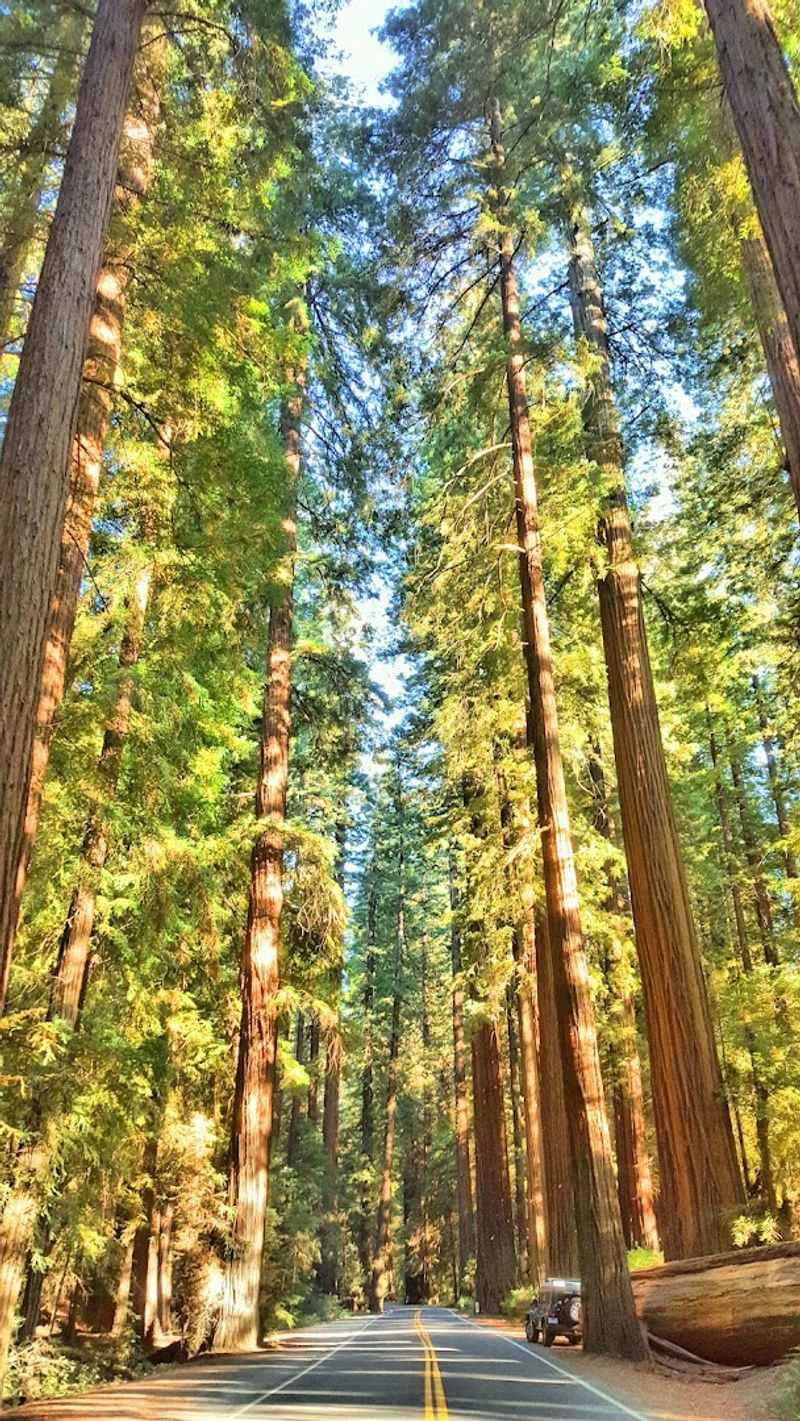
Few camping experiences in the United States compare to falling asleep beneath a canopy of ancient redwoods. Humboldt Redwoods State Park offers several campgrounds along and near the avenue, including Burlington, Albee Creek, and Hidden Springs.
Burlington Campground sits right next to the visitor center and fills up fast during summer weekends, so reservations through ReserveCalifornia.com are strongly recommended. Albee Creek offers a more secluded feel and is surrounded by old-growth trees that make every morning feel cinematic.
Nights in the redwoods are cool and quiet in a way that is hard to describe. The thick canopy muffles outside noise, and the only sounds you usually hear are the wind moving through the treetops and the occasional owl.
Mornings bring a low mist that drifts between the trunks, turning the campground into something straight out of a fantasy novel. Bring layers no matter what month you visit.
The Towns Along the Route: Small, Charming, and Worth a Stop
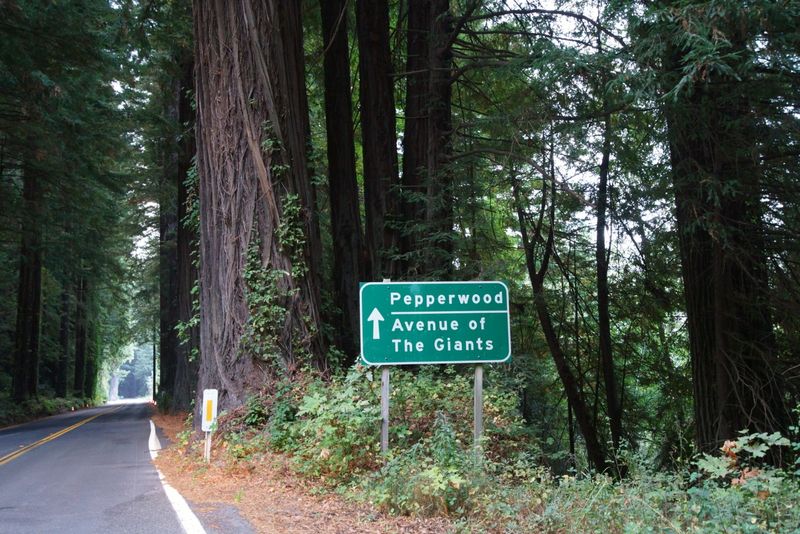
Scattered along the avenue are a handful of tiny towns that feel frozen in a gentler era of American road-trip culture. Miranda, Myers Flat, Weott, Pepperwood, and Phillipsville each offer their own small-town charm without any of the tourist-trap energy.
You can find locally owned diners serving hearty breakfasts, small general stores stocked with camping supplies, and quirky gift shops selling redwood souvenirs that range from tasteful to hilariously tacky. Part of the fun is stopping without a plan and seeing what you discover.
Myers Flat has a particularly cozy atmosphere, with a historic inn and easy river access nearby. Weott is the closest town to the main visitor center and a practical stop for snacks and restrooms.
These communities survived devastating floods in 1964 and have quietly rebuilt over the decades, giving them a resilient, deeply rooted character that you can feel just by walking down the main street.
Photography Tips for Capturing the Magic
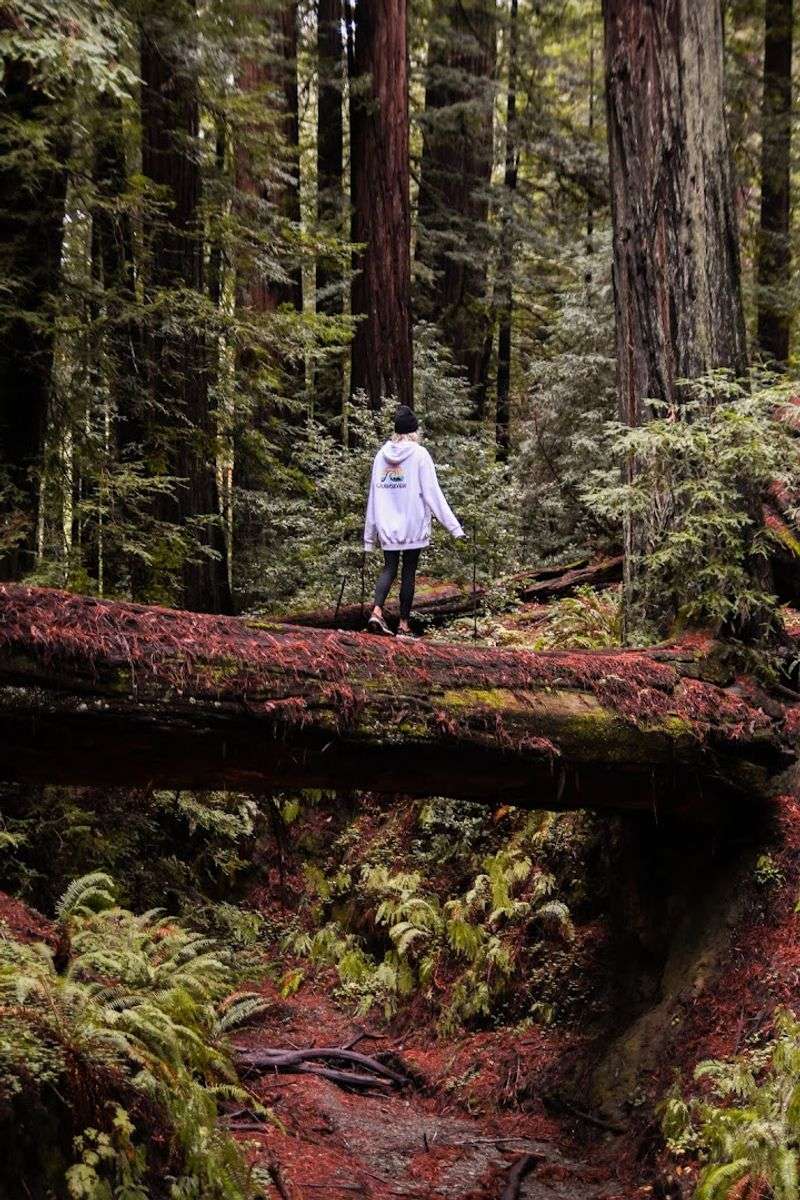
Getting a great photo on the Avenue of the Giants is both easy and surprisingly tricky. The trees are so tall and the forest so dense that standard smartphone cameras sometimes struggle to capture the full scale of what you are seeing.
A wide-angle lens makes a huge difference.
Early morning is by far the best time to shoot. The low-angle light filters through the canopy in warm golden streaks, and the morning mist creates layers of depth that give photos an almost dreamlike quality.
Overcast days are also fantastic for forest photography because they eliminate harsh shadows.
Try shooting upward from the base of a massive tree to show how it disappears into the canopy above. Including a person in the frame gives viewers an instant sense of scale that no description can fully replace.
Shoot in RAW format if your camera allows it, and bring extra batteries since cold forest air drains them faster than expected.
The History of Saving These Trees
The Avenue of the Giants exists today because of the passionate work of conservationists who recognized over a century ago that these trees were disappearing fast. The Save the Redwoods League was founded in 1918 after three scientists visited Northern California and were horrified by the scale of logging they witnessed.
By the early 20th century, roughly 95 percent of California’s original old-growth redwood forest had already been cut down. The league began purchasing groves and lobbying for state protection, eventually helping to establish Humboldt Redwoods State Park in 1921.
Their work was not always easy. Timber companies were powerful, and logging provided jobs for many local families.
The tension between conservation and economy shaped the region for decades. Understanding this history adds a whole new layer of meaning to every tree you see standing along the avenue today.
These survivors represent hard-won victories for the natural world.
Best Time to Visit and How to Plan Your Trip
Summer is the most popular season on the avenue, and for good reason. From late June through early September, the weather is mild, the river is swimmable, and the days are long enough to explore at a relaxed pace.
Expect company on weekends and book campgrounds well in advance.
Spring brings lush green ferns and occasional wildflowers, but rain is common through May. Fall is arguably the most underrated time to visit.
The alders and maples along the river turn brilliant shades of gold and orange, creating a striking contrast with the deep green redwoods that never change color.
Winter is quiet and moody, with mist and rain adding drama to the forest. However, flooding can occasionally close sections of the avenue between December and March.
The drive itself is free, and most pullouts and trailheads have no entry fee. Budget about a full day to explore at a comfortable, unhurried pace.
Enjoyed this story?
Add Fast Food Club as a preferred source to see more of our reporting on Google.