


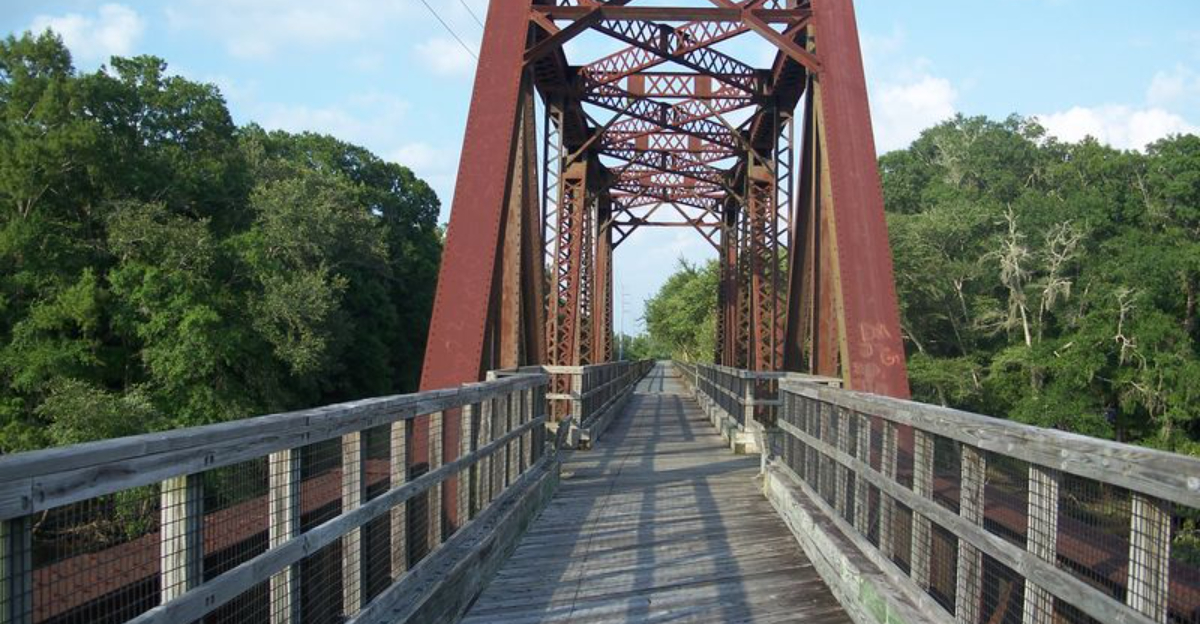
Florida is full of surprises, and the Nature Coast State Trail is one of its best-kept secrets. Stretching 32 miles through the heart of the Sunshine State, this rail-trail connects four small towns packed with history, wildlife, and Southern charm.
Whether you are a seasoned cyclist or just looking for a relaxing ride through nature, this trail has something special for everyone. Grab your helmet and get ready to explore one of Florida’s most scenic and underrated adventures.
Chiefland: The Southern Gateway to the Trail
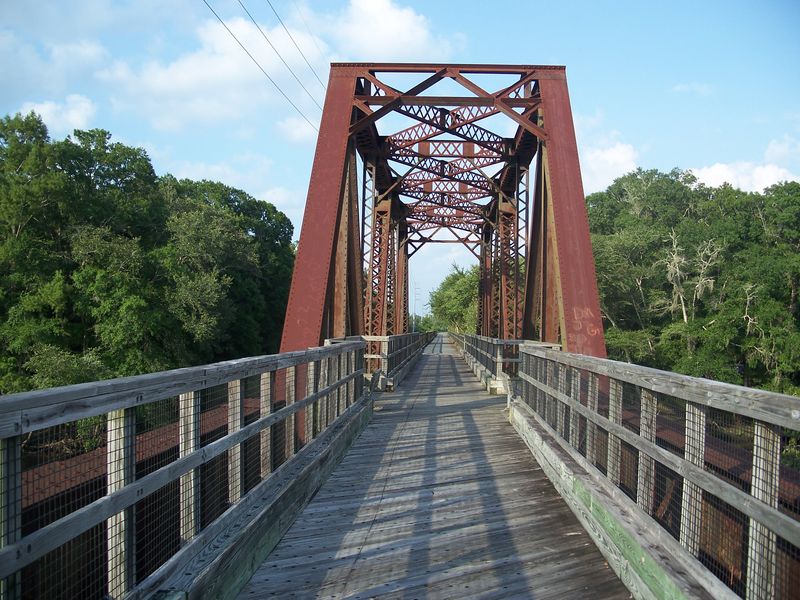
Chiefland is where many riders begin their journey on the Nature Coast State Trail, and it sets the tone perfectly. This quiet town has a small-town warmth that feels like stepping back in time.
The trailhead here is well-marked and easy to find, making it a welcoming starting point for families and solo riders alike.
Local restaurants near the trailhead serve up hearty breakfasts and Southern comfort food — just what you need before hitting the trail. Chiefland also has basic amenities like restrooms and parking, so you can start your ride without stress.
The surrounding landscape is flat and open, giving you a sense of wide-open Florida before the trail begins weaving through wooded corridors.
Fuel up, stretch your legs, and take a moment to appreciate this laid-back community before pedaling north toward the rest of the adventure.
Fanning Springs: A Refreshing Riverside Pit Stop
Just a few miles up the trail from Chiefland, Fanning Springs feels like a gift from nature itself. The town sits right along the Suwannee River, and its crown jewel is Fanning Springs State Park — a place where the water is so clear and blue-green it almost looks unreal.
Riders often stop here to cool off with a swim in the 68-degree spring water.
The park has picnic tables, restrooms, and a short boardwalk that lets you peek at manatees and fish gliding through the springs. It is a perfect midpoint break, especially on warm Florida days.
Even if you are not up for a swim, watching the spring water bubble up from underground is mesmerizing.
Fanning Springs reminds you that Florida’s natural beauty goes far beyond its famous beaches. This stop alone makes the whole trail worth riding.
Trenton: Small-Town Heart With Big Trail Energy
Trenton may be small, but it punches well above its weight when it comes to trail hospitality. Sitting at roughly the midpoint of the Nature Coast State Trail, this Gilchrist County seat gives riders a chance to refuel and rest without losing momentum.
The town square has a classic Florida small-town feel, with local diners and shops that welcome trail visitors with open arms.
History buffs will appreciate that Trenton has roots going back to the early 1900s, and some of the old buildings along the main street still carry that vintage charm. A quick walk around town while your legs recover is genuinely enjoyable.
Keep an eye out for local murals that tell the story of the region’s agricultural and natural heritage.
Trenton is the kind of place where locals wave at strangers and everyone seems to know everyone — a refreshing change of pace.
Inglis and Yankeetown: The Northern Double Feature
At the northern end of the Nature Coast State Trail, you hit a two-for-one deal: the neighboring towns of Inglis and Yankeetown. These tiny communities sit near the Gulf Coast and the mouth of the Withlacoochee River, offering a completely different vibe from the trail’s southern towns.
The air smells like saltwater, and the landscape opens up into marshes and coastal flats.
Yankeetown, with its quirky name and fishing-village personality, is especially fun to explore. Local legend says the town got its name because Northern snowbirds settled there in the early 20th century.
Inglis sits just across the river and offers a few local eateries and fuel stops for tired cyclists.
Together, these two towns wrap up the trail experience with a coastal flourish. Watching the sun dip toward the Gulf from this end of the trail is a memory worth every pedal stroke.
The Trail’s Rail History: Riding on the Old Atlantic Coast Line
Before it was a bike trail, the Nature Coast State Trail followed the path of the old Atlantic Coast Line Railroad. Trains once rolled through this corridor carrying timber, citrus, and phosphate from Florida’s interior to the coast.
Knowing that history as you ride adds a layer of meaning to every mile.
Rail-trails like this one are a brilliant example of how communities can breathe new life into forgotten infrastructure. The flat, straight stretches you enjoy on your bike today are a direct result of the railroad’s original engineering.
Old trestles and bridges along the route serve as quiet reminders of the industry that once defined this region.
Spotting a rusted mile marker or an old railroad bed along the side of the trail is like finding a small treasure. Florida’s past and present share the same pavement here, and that is pretty cool.
Wildlife Encounters You Will Not Forget
Riding the Nature Coast State Trail is basically like pedaling through a wildlife documentary. The trail cuts through some of Florida’s most biodiverse landscapes, and animals are not shy about making an appearance.
White-tailed deer, gopher tortoises, sandhill cranes, and wild turkeys are regular visitors along the route.
Birdwatchers will be in heaven here. The trail passes through habitats that attract everything from red-shouldered hawks to painted buntings.
Early morning rides are especially rewarding because wildlife is most active in the cooler hours before the Florida sun heats everything up.
One tip: keep your speed moderate and stay alert near brushy areas. Gopher tortoises sometimes wander onto the path, and startling one is never a good idea for either party.
The Nature Coast region earned its name for a reason — nature truly runs the show out here, and every ride feels like a new discovery.
Trail Surface and Accessibility: Who Can Ride Here?
One of the best things about the Nature Coast State Trail is that almost anyone can enjoy it. The trail is paved for most of its length, making it accessible for road bikes, hybrid bikes, and even families with young children in bike trailers or tag-alongs.
You do not need a mountain bike or special gear to have a great time.
The terrain is remarkably flat throughout, which is great news for beginners or anyone who has not been on a bike in a while. Florida’s geography works in your favor here — no big hills, no technical sections, just a smooth and steady roll through beautiful scenery.
Some unpaved sections exist on certain connector routes, so it is worth checking the Florida DEP trail map before you go.
Wheelchair users and rollerbladers also use portions of the trail, making it a genuinely inclusive outdoor space for the whole community.
Best Time of Year to Ride the Nature Coast State Trail
Florida weather is legendary for being warm year-round, but that does not mean every season is equally perfect for a 32-mile ride. The sweet spot for the Nature Coast State Trail is October through April, when temperatures are mild and humidity drops to manageable levels.
Mornings during this window can feel almost magical — cool, crisp, and quiet.
Summer riding is absolutely possible, but you need to be strategic. Start before 8 a.m. to beat the heat, carry extra water, and watch for afternoon thunderstorms that roll in quickly across North Central Florida.
Sunscreen is non-negotiable any time of year, as several stretches of the trail are fully exposed to the sun.
Spring wildflowers bloom along the trail corridor in March and April, adding splashes of color to your ride. Fall brings migrating birds and slightly cooler air — two very good reasons to plan your trip for that time of year.
Packing Smart: What to Bring on a 32-Mile Ride
A 32-mile trail sounds long, but with the right gear, it is completely manageable for most riders. Water is your number one priority in Florida.
Plan to carry at least two large water bottles or a hydration pack, and know where refill stations are located along the route — Fanning Springs State Park is a reliable midpoint option.
Snacks matter more than people expect on longer rides. Energy bars, bananas, or trail mix can keep your legs moving when fatigue starts creeping in around mile 20.
A small bike repair kit with a spare tube, tire levers, and a hand pump is also worth tossing in your bag because flat tires do not care about your schedule.
Wear moisture-wicking clothing, bring a light rain jacket in summer, and always strap on a helmet. Sunglasses and sunscreen round out the essentials.
Preparation is what turns a good ride into a great one.
Suwannee River Views Along the Route
Few things in Florida cycling compare to catching your first glimpse of the Suwannee River from the Nature Coast State Trail. The river is famous across the South, immortalized in Stephen Foster’s song “Old Folks at Home” — Florida’s official state song.
Seeing it in person, with its dark, tannin-stained water flowing quietly through cypress and oak, is genuinely moving.
The trail passes near the river in the Fanning Springs area, and several overlooks give you a chance to stop and soak in the scenery. Kayakers and canoeists often paddle below while cyclists roll across the bridges above — it is a beautiful overlap of outdoor recreation.
Manatees are sometimes spotted in the river during cooler months when they seek out the warmer spring water nearby.
The Suwannee adds a poetic, almost timeless quality to the ride. It is one of those views that sticks with you long after you have racked your bike for the day.
Connecting Trails and Side Routes Worth Exploring
The Nature Coast State Trail does not exist in isolation — it connects to a broader network of greenways and trails across North Central Florida. Riders who want to extend their adventure can link up with the Cross Florida Greenway or explore connector paths that lead into state forests and wildlife management areas.
The Florida DEP has done solid work building out this trail network over the years.
Local cycling clubs in the area often organize group rides that combine the Nature Coast State Trail with nearby routes, giving visitors a chance to explore more of the region in a single trip. Asking at local bike shops in Chiefland or Trenton is a great way to get insider tips on side routes that do not always show up on official maps.
Mixing in a side trail or two can turn a single-day ride into a full weekend of exploration. The Nature Coast region rewards curious riders who go off-script.
Local Food and Culture: Eating Your Way Through the Trail Towns
One of the underrated joys of riding the Nature Coast State Trail is the food waiting for you in each town along the way. This is not a part of Florida where you will find chain restaurants on every corner — instead, you get locally owned diners, family-run barbecue spots, and old-school lunch counters that have been serving the same faithful regulars for decades.
In Chiefland, look for spots serving classic Southern breakfasts with biscuits and gravy or shrimp and grits. Trenton has a handful of casual lunch spots perfect for a mid-ride refuel.
Near Yankeetown and Inglis, fresh seafood is the star — grouper sandwiches and fried shrimp baskets taste especially good after a long morning on the saddle.
Eating local is one of the best ways to connect with the culture of a place. The Nature Coast’s food scene is humble, honest, and absolutely delicious in the most unpretentious way possible.
Planning Your Trip: Logistics, Parking, and Trailheads
Getting the logistics right before you ride makes the whole experience smoother and more enjoyable. The Nature Coast State Trail has several designated trailheads with parking areas, including access points in Chiefland, Trenton, and near Fanning Springs.
Most are free to use, though Fanning Springs State Park charges a small day-use fee if you plan to swim.
If you want to do a one-way ride rather than an out-and-back, consider setting up a vehicle shuttle between the Chiefland and Inglis trailheads. Some local bike outfitters in the area offer shuttle services during busy season.
Cell service can be spotty in certain rural stretches of the trail, so downloading an offline trail map before you leave is a smart move.
Check the Florida Department of Environmental Protection website for the most current trail conditions, closures, and facility information. A little planning goes a long way toward making your Nature Coast adventure truly unforgettable.
Enjoyed this story?
Add Fast Food Club as a preferred source to see more of our reporting on Google.