


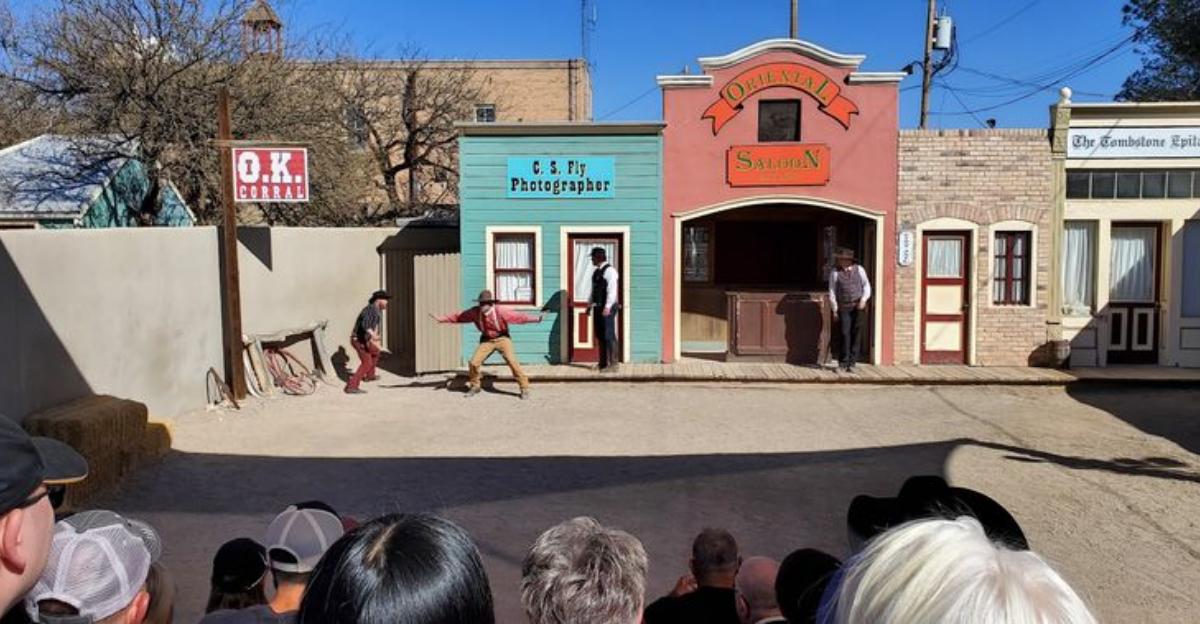
Tucked away in the dusty hills of southeastern Arizona, Tombstone is a town that feels like it was pulled straight out of a Hollywood Western. From legendary gunfights to haunted theaters, this historic town is packed with stories that have shaped American history.
Whether you love history, adventure, or just want to experience something truly unique, Tombstone delivers on every front. Get ready to saddle up and explore one of the most fascinating towns the American Southwest has to offer.
The O.K. Corral: Where Legend Comes Alive
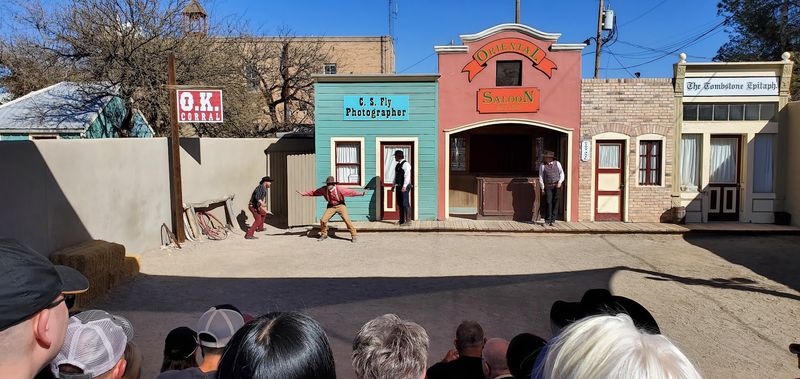
Few places in America carry as much gunpowder-scented legend as the O.K. Corral.
On October 26, 1881, a 30-second shootout here became one of the most talked-about moments in Wild West history. Wyatt Earp, his brothers, and Doc Holliday faced off against a gang of outlaws in a showdown that still echoes through time.
Today, the O.K. Corral on historic Allen Street hosts live re-enactments that bring that legendary gunfight back to life.
Actors dressed in period-accurate costumes perform the scene with dramatic flair and surprising detail. It feels less like a tourist attraction and more like stepping into a time machine.
Visitors of all ages find themselves completely swept up in the action. The site also features exhibits, artifacts, and the actual location markers where each participant stood.
Honestly, no trip to Tombstone is complete without witnessing this iconic piece of American folklore firsthand.
Allen Street: The Heartbeat of Old Tombstone
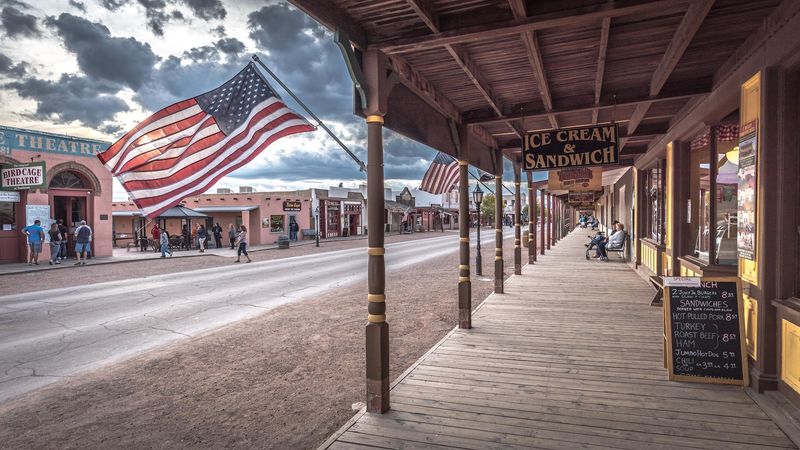
Step onto Allen Street and you might swear the calendar just flipped back to 1880. The wooden boardwalks, old-fashioned storefronts, and period-accurate signage create an atmosphere that is genuinely hard to find anywhere else in the country.
This street is the spine of Tombstone, holding its history together one plank at a time.
Shops selling cowboy hats, handmade leather goods, and vintage souvenirs line both sides of the road. Local performers occasionally roam the street in full Western costume, ready to pose for photos or share a tall tale.
Street performances and staged events happen regularly, making every visit feel a little different.
Families especially love wandering Allen Street at their own pace, popping in and out of shops and soaking up the Old West energy. It is the kind of place where you slow down, look around, and appreciate how carefully this community has preserved its remarkable heritage.
Boothill Cemetery: Resting Place of Outlaws and Legends
Established in 1878, Boothill Cemetery is one of those places that quietly takes your breath away. The name itself tells a story — those buried here often died with their boots on, meaning they met violent or sudden ends.
Among the graves lie outlaws, lawmen, gamblers, and ordinary settlers who helped shape the early Southwest.
Walking through the rows of weathered wooden markers feels like reading a chapter of a history book nobody officially wrote. Some epitaphs are darkly humorous, while others carry a quiet sadness that reminds you real people lived and died here.
The famous victims of the O.K. Corral gunfight rest here too.
Boothill is free to visit and open most days, making it an easy stop on any Tombstone itinerary. Guided tours are available for those who want more context behind the names and dates.
Bring a camera — every angle offers a hauntingly beautiful photo opportunity.
The Bird Cage Theatre: Where Ghosts Still Punch Their Timecards
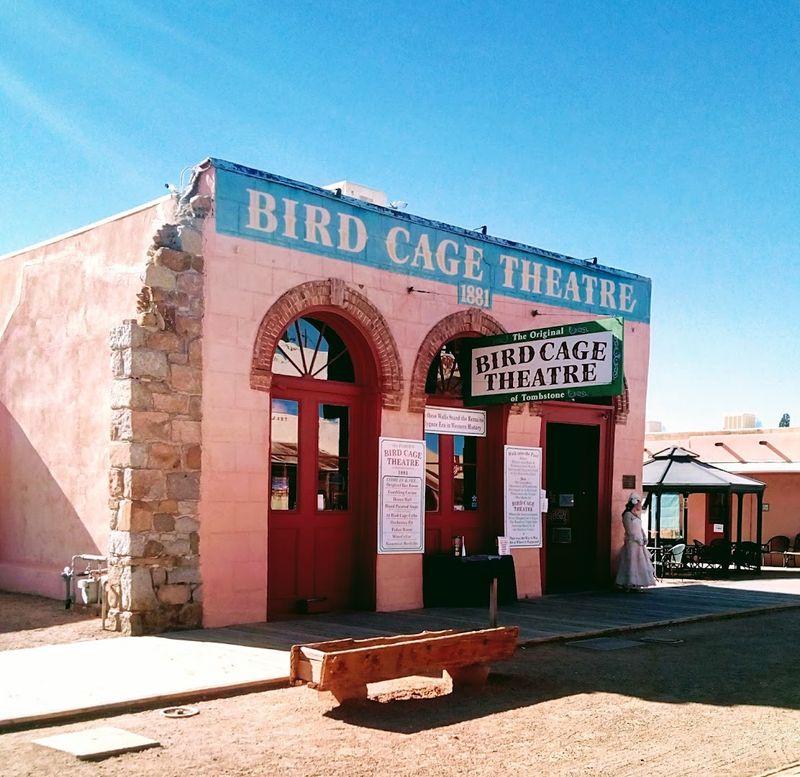
Bullet holes still dot the walls. The original fixtures have never been replaced.
And according to many visitors and staff, the spirits of Tombstone’s rowdiest residents never quite checked out. The Bird Cage Theatre, which operated from 1881 to 1889, was once called the wildest nightspot between New Orleans and San Francisco by the New York Times.
Inside, you will find 140 bullet holes, original costumes, gambling tables, and the very cribs where performers once entertained guests. The building has been kept largely untouched, which only adds to its eerie, time-capsule quality.
Ghost hunters and history lovers alike flock here for very different reasons, yet both leave equally impressed.
Tours run regularly and guides share stories that range from historically fascinating to genuinely spine-tingling. Whether or not you believe in ghosts, the Bird Cage Theatre delivers an atmosphere so thick with history you can almost hear the honky-tonk piano still playing.
Tombstone Courthouse State Historic Park: Justice on the Frontier
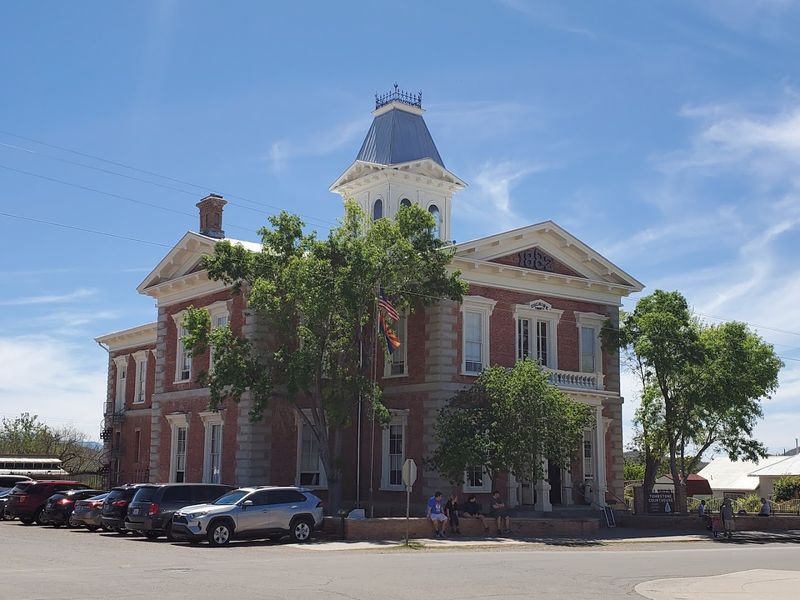
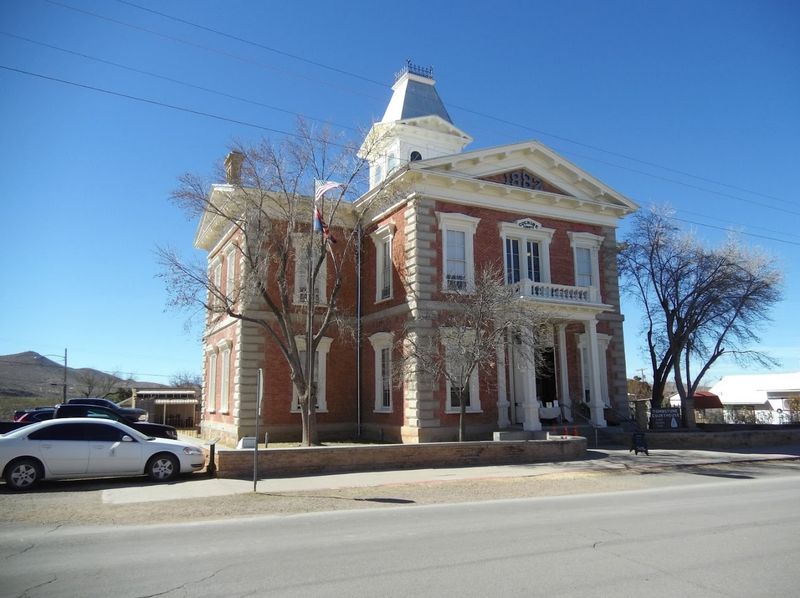
Back in the 1880s, this courthouse was the center of law and order in one of the wildest territories in the American West. Today, the Tombstone Courthouse State Historic Park stands as a beautifully preserved reminder of frontier justice — and the very complicated, sometimes brutal process of establishing it.
The building itself is a stunning example of Victorian-era architecture that looks almost too elegant for such a rough-and-tumble town.
Inside, exhibits cover everything from the legal cases of the era to the tools used by lawmen and outlaws alike. A replica gallows outside gives visitors a sobering glimpse into the harsh realities of frontier punishment.
Historical photographs and personal artifacts make the stories feel immediate and real.
Admission is affordable, and the knowledgeable park rangers are happy to answer questions. History students especially benefit from visiting here, as the exhibits connect the broader story of American westward expansion to very specific, human-sized moments in time.
Wyatt Earp: The Man Behind the Myth
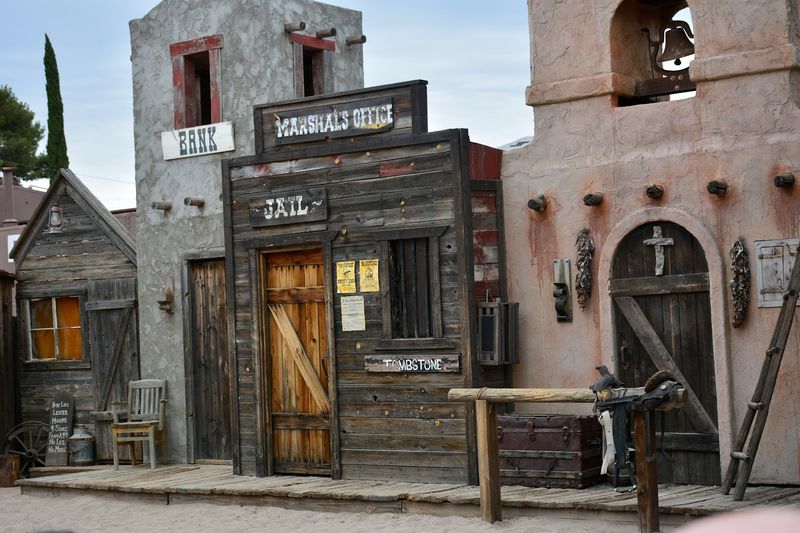
Wyatt Earp is probably the most famous name connected to Tombstone, and for good reason. As a lawman, gambler, and frontier figure, he walked a fascinating line between hero and antihero throughout his long life.
His actions during and after the O.K. Corral gunfight made him a polarizing figure who inspired decades of books, films, and television shows.
Tombstone takes its connection to Earp seriously, with monuments, museums, and guided tours dedicated to exploring his complicated legacy. Visitors can walk the same streets he patrolled, visit the sites where key events in his life unfolded, and even meet actors who portray him during re-enactments.
The depth of historical content available here is genuinely impressive.
Understanding Wyatt Earp means understanding something true about the American frontier experience — the gray area between law and lawlessness, survival and ambition. Tombstone gives you the perfect setting to wrestle with that history in a meaningful, engaging way.
Doc Holliday: The Gambler Who Had Your Back
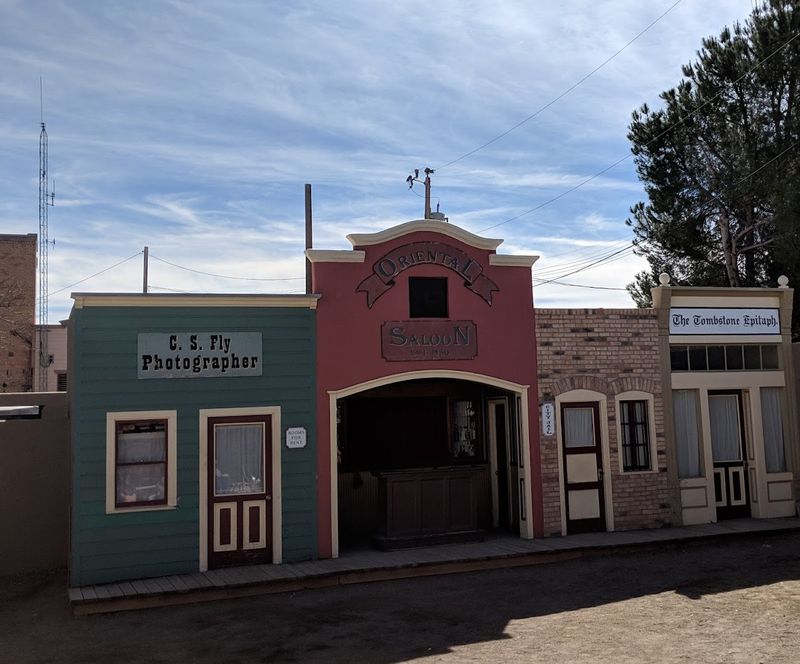
Doc Holliday was a dentist, a gambler, and one of the most unlikely heroes of the Wild West. Battling tuberculosis for most of his adult life, he still managed to be one of the most feared gunfighters in the Southwest.
His loyalty to Wyatt Earp during the events surrounding the O.K. Corral cemented his place in Western mythology forever.
Tombstone celebrates his legacy with exhibits, re-enactments, and even a dedicated saloon that carries his name. Visitors can learn about his medical background, his gambling career, and the sharp wit that made him as famous for his tongue as for his aim.
The layers of his personality make him one of history’s most compelling characters.
Quirky fact: Doc Holliday actually outlived the O.K. Corral gunfight by six years, dying in Colorado in 1887.
Tombstone keeps his memory sharp and surprisingly warm, honoring the complicated man behind one of the West’s most enduring legends.
Tombstone’s Saloons: Cold Drinks and Hot History
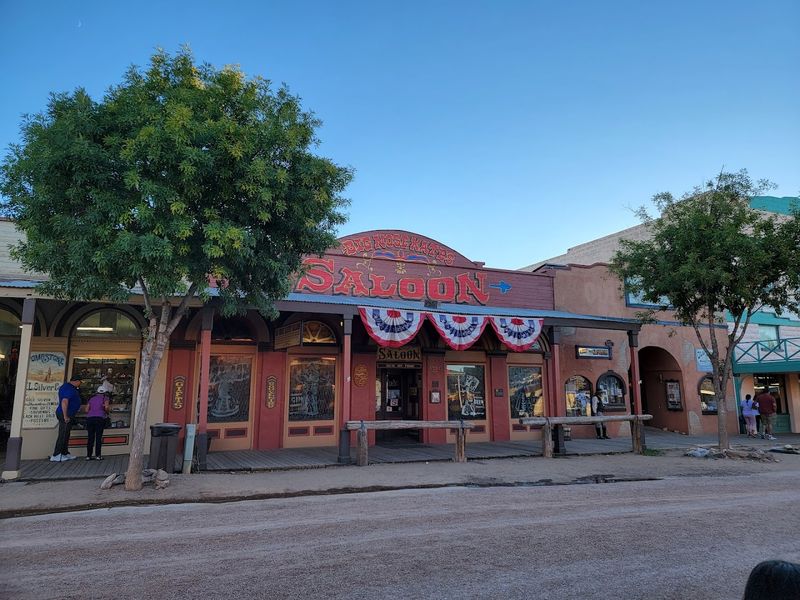
During its heyday, Tombstone reportedly had more saloons per capita than almost any other town in the American West. That tradition has not entirely faded.
Today, several historically inspired saloons along Allen Street serve cold drinks in settings that feel authentically vintage, complete with swinging doors, wooden bars, and live music that leans heavily on country and folk roots.
The Crystal Palace Saloon is one of the most beloved, having operated in various forms since 1879. Walking in feels like crashing a party that started 140 years ago and somehow never ended.
The staff often dress in period clothing, adding to the immersive atmosphere that makes Tombstone so unique.
Even if you are not a big drinker, stopping into a Tombstone saloon is worth it purely for the atmosphere and the stories. Local bartenders are usually fountains of fascinating trivia and personal anecdotes about the town’s colorful, sometimes scandalous past.
Silver Mining: The Treasure That Started It All
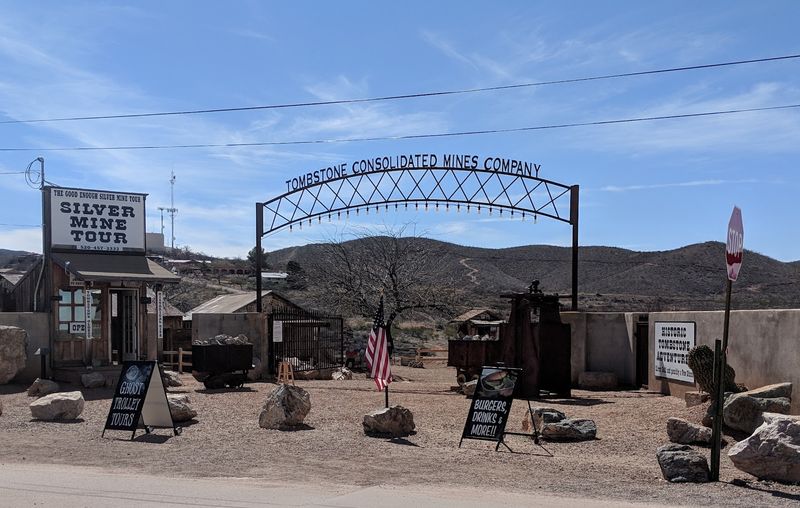
Before the gunfights and the ghost stories, silver is what put Tombstone on the map. In 1877, prospector Ed Schieffelin discovered rich silver deposits in the area despite being warned he would only find his tombstone in Apache territory.
He named the resulting mine — and eventually the entire town — after that grim warning, turning it into a badge of defiant pride.
At its peak in the early 1880s, Tombstone was producing millions of dollars worth of silver annually, drawing thousands of fortune-seekers from across the country. The population swelled, businesses multiplied, and the town became one of the most economically significant places in the Arizona Territory.
That boom-town energy is baked into every corner of the town’s identity.
Mining history tours and exhibits throughout Tombstone explain how silver shaped the community’s rise and eventual decline. Understanding this chapter makes the rest of Tombstone’s story make a whole lot more sense.
Annual Helldorado Days Festival: The West Lives On
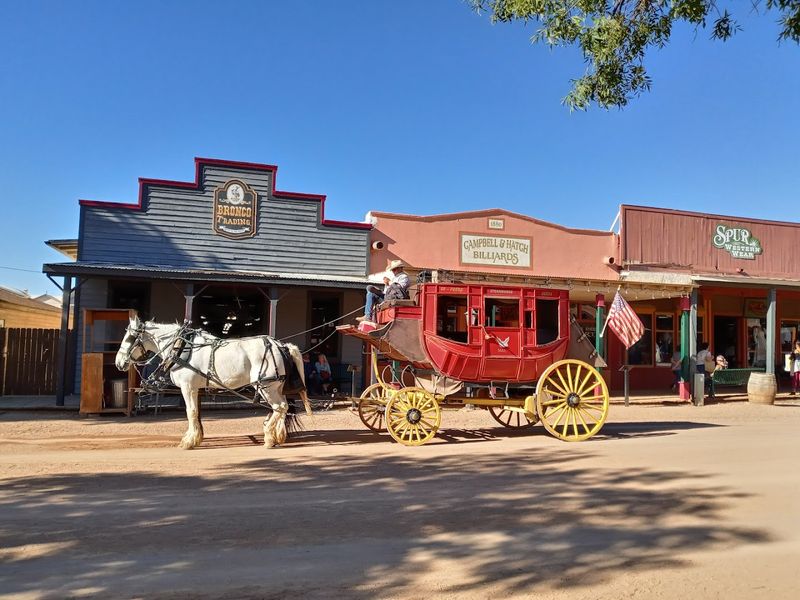
Every October, Tombstone cranks its Wild West energy up to maximum with the annual Helldorado Days festival. Started back in 1929, this beloved event is one of the longest-running Western heritage celebrations in the entire country.
Thousands of visitors descend on the town to watch gunfight re-enactments, live entertainment, parade floats, and period-costume contests that bring out some truly impressive creativity.
The festival has a warm, community-driven spirit that makes it feel less like a tourist event and more like a genuine town celebration. Locals take enormous pride in their history, and Helldorado Days is their annual love letter to the era that defined Tombstone.
Food vendors, artisan markets, and live music fill the streets with energy and noise.
Planning a visit around Helldorado Days is highly recommended for first-timers. Hotels book up quickly, so reserving accommodations well in advance is smart.
The experience of seeing Tombstone in full celebratory mode is something that sticks with you long after you head home.
The Tombstone Epitaph: News Fit for a Legend
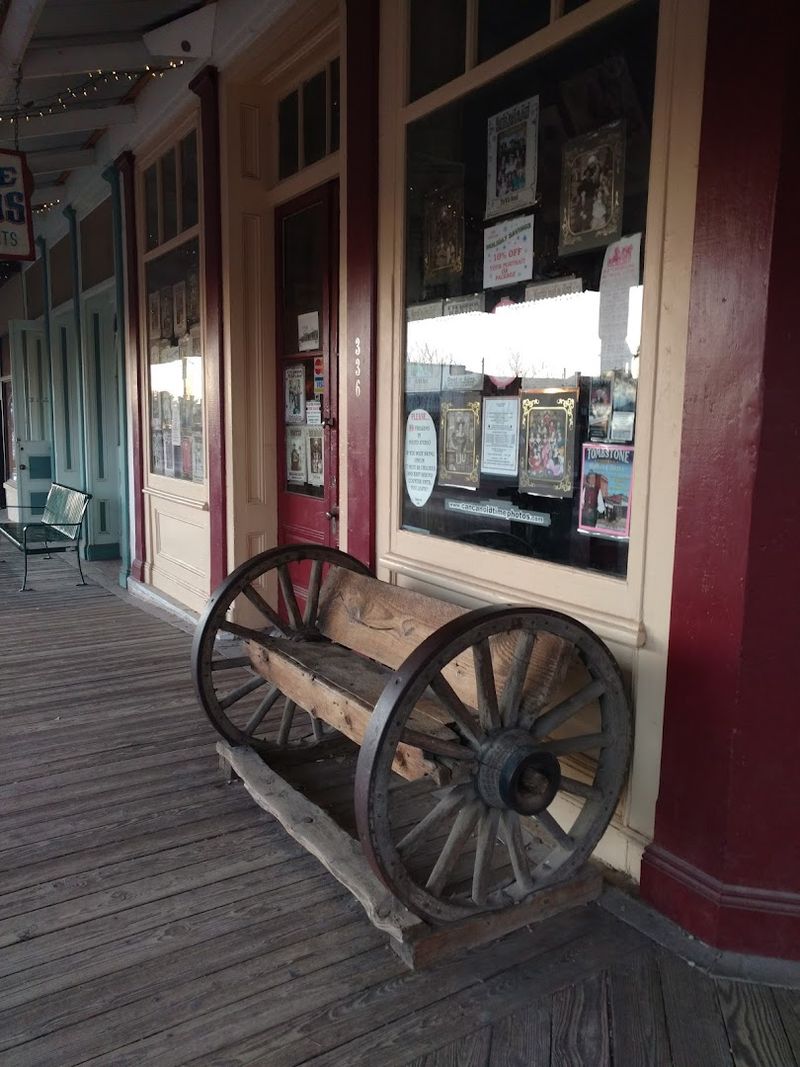
What better name for a newspaper in a town called Tombstone than The Epitaph? Founded in 1880 by John Clum, this publication covered the O.K.
Corral gunfight, the rise and fall of the silver mines, and virtually every major event in the town’s turbulent early history. It remains one of the oldest continuously published newspapers in Arizona.
Today, The Epitaph serves both as a working local paper and as a piece of living history. Visitors can stop by and even pick up a copy printed in the style of the original 1880s edition, making for one of the most unique souvenirs you can take home from any American town.
The office itself is a small but charming historical landmark.
Reading through old headlines from Tombstone’s wildest years is a fascinating exercise in time travel. The Epitaph captured raw, unfiltered frontier life with a directness that modern journalism rarely matches.
It deserves far more recognition than it typically receives.
Desert Scenery Around Tombstone: Beauty Beyond the Boardwalks
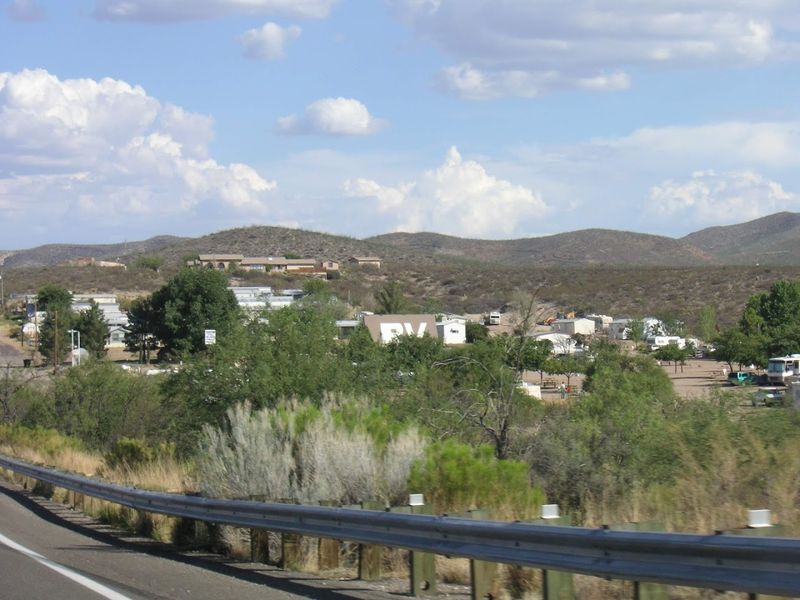
The town itself is spectacular, but the landscape surrounding Tombstone deserves serious appreciation too. Situated in the Sulphur Springs Valley at roughly 4,500 feet elevation, the area enjoys a surprisingly mild climate compared to lower desert regions of Arizona.
Rolling grasslands, rugged mountain ranges, and wide-open skies create a setting that photographers absolutely adore.
The nearby Dragoon Mountains, where Apache leader Cochise once sought refuge, are visible from town on clear days. Hiking trails wind through terrain that feels genuinely untouched, offering a peaceful counterpoint to the lively historical drama happening on Allen Street.
Wildlife including mule deer, javelinas, and dozens of bird species call this area home.
Sunrise and sunset views around Tombstone are the kind that make you stop whatever you are doing and just stare. Bringing a camera with a good wide-angle lens is strongly recommended.
The natural beauty here rivals anything you will find in more famous Arizona destinations.
Staying in Tombstone: Sleeping Where History Never Rests
Spending a night in Tombstone turns a day trip into a full-on adventure. Several historic bed-and-breakfasts and boutique hotels operate within or very close to the historic district, offering accommodations that range from cozy and rustic to surprisingly elegant.
Some properties even claim their own ghost stories, which either adds to the appeal or gives you reason to sleep with the lights on.
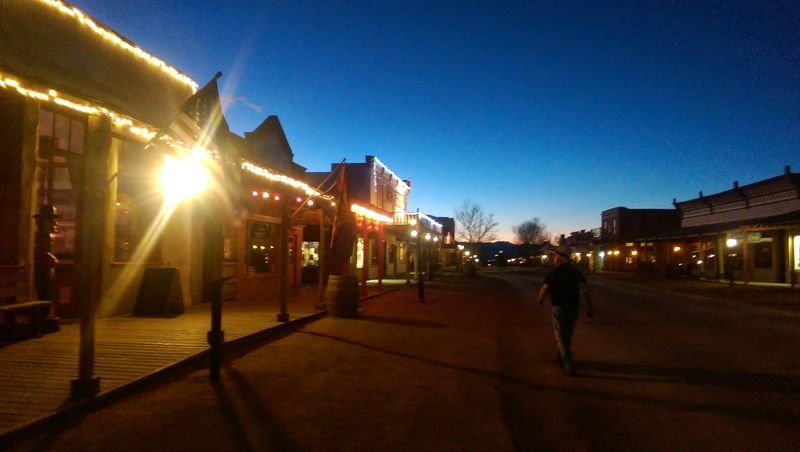
Staying overnight means you get to experience the town after the daytime crowds thin out, and that is when Tombstone gets genuinely atmospheric. The quiet streets, the distant sound of live music from a saloon, and the vast starry sky overhead create a mood that is hard to describe but impossible to forget.
Booking early is always a good idea, especially around festival weekends and holidays. Many local innkeepers are passionate historians who love sharing insider knowledge about the town.
Their recommendations for hidden gems and lesser-known sites often turn out to be the best parts of any visit.