


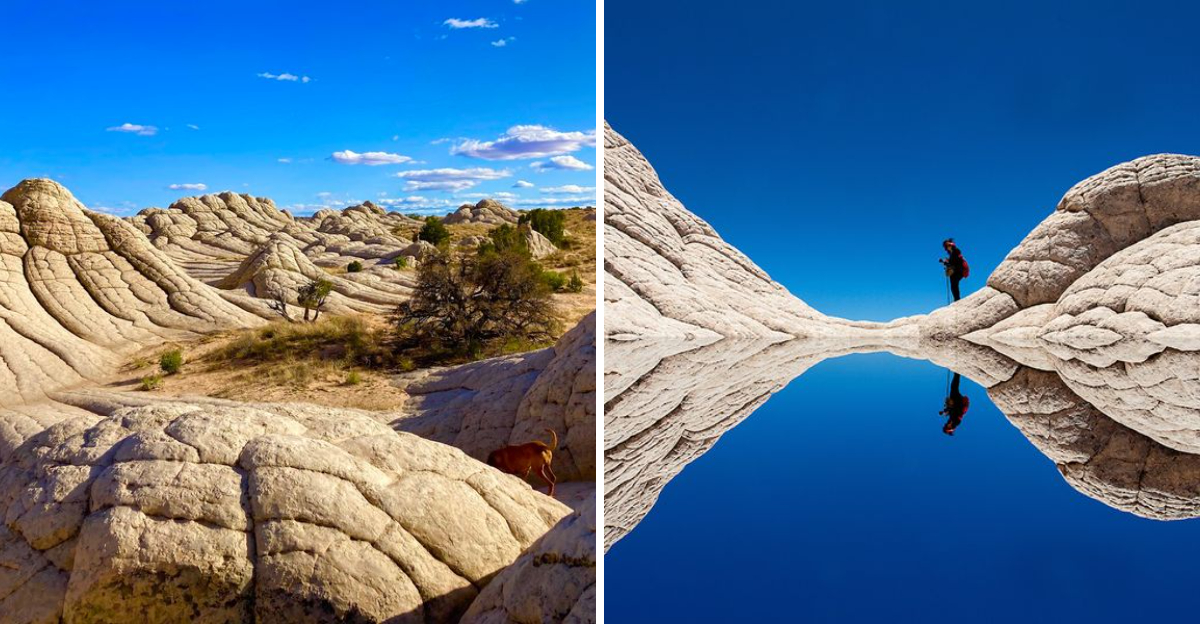
Tucked away in the remote Vermilion Cliffs of northern Arizona, White Pocket is one of those places that makes you stop and wonder if you’ve somehow landed on another planet. Swirling patterns of white and red sandstone twist and bubble across the landscape in formations unlike anything else on Earth.
Most people skip it entirely because getting there takes effort, but that’s exactly what makes it so special. If you’re ready for a real adventure, White Pocket deserves a top spot on your Arizona bucket list.
The Otherworldly Sandstone Formations
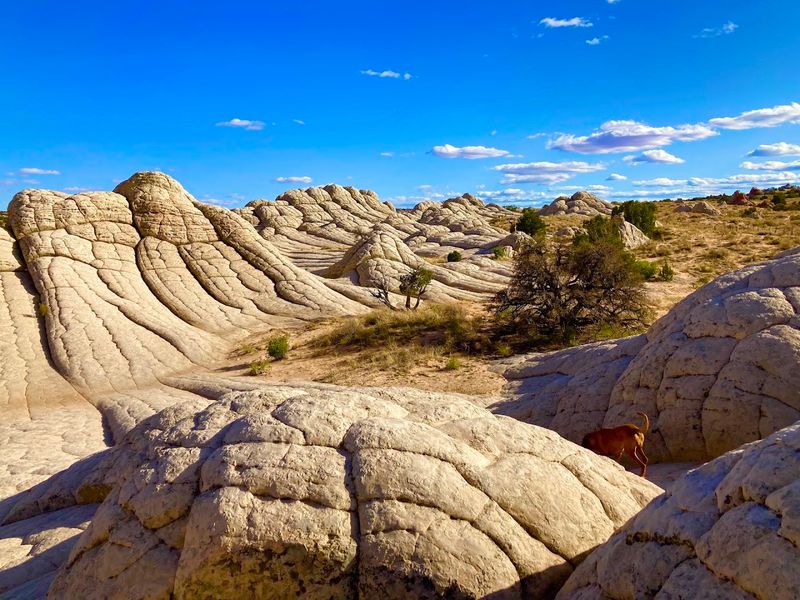
Picture stepping onto a surface that looks like someone pressed giant thumbs into wet clay and then let it harden forever — that’s White Pocket. The sandstone here swirls in patterns of white, grey, and deep red that scientists still debate over.
Nobody fully agrees on how these formations came to be, which only adds to the mystery.
Some geologists believe ancient sand dunes shifted and compressed in unusual ways before turning to stone. Others point to rare mineral interactions.
Whatever the cause, the result is jaw-dropping.
Every angle offers something new — smooth wave-like ridges, small pockets, and textured walls that beg to be photographed. The formations are compact enough that you can walk the entire area without logging serious miles.
Bring a wide-angle lens and plenty of memory cards, because you will use them all.
Getting There: The Off-Road Challenge
Reaching White Pocket is not a Sunday afternoon cruise — and that’s the whole point. From Page, Arizona, expect roughly three hours of driving each way.
About an hour of that is paved highway, followed by thirty minutes on the bumpy House Rock Valley Road, and then another ninety minutes through deep, loose sand.
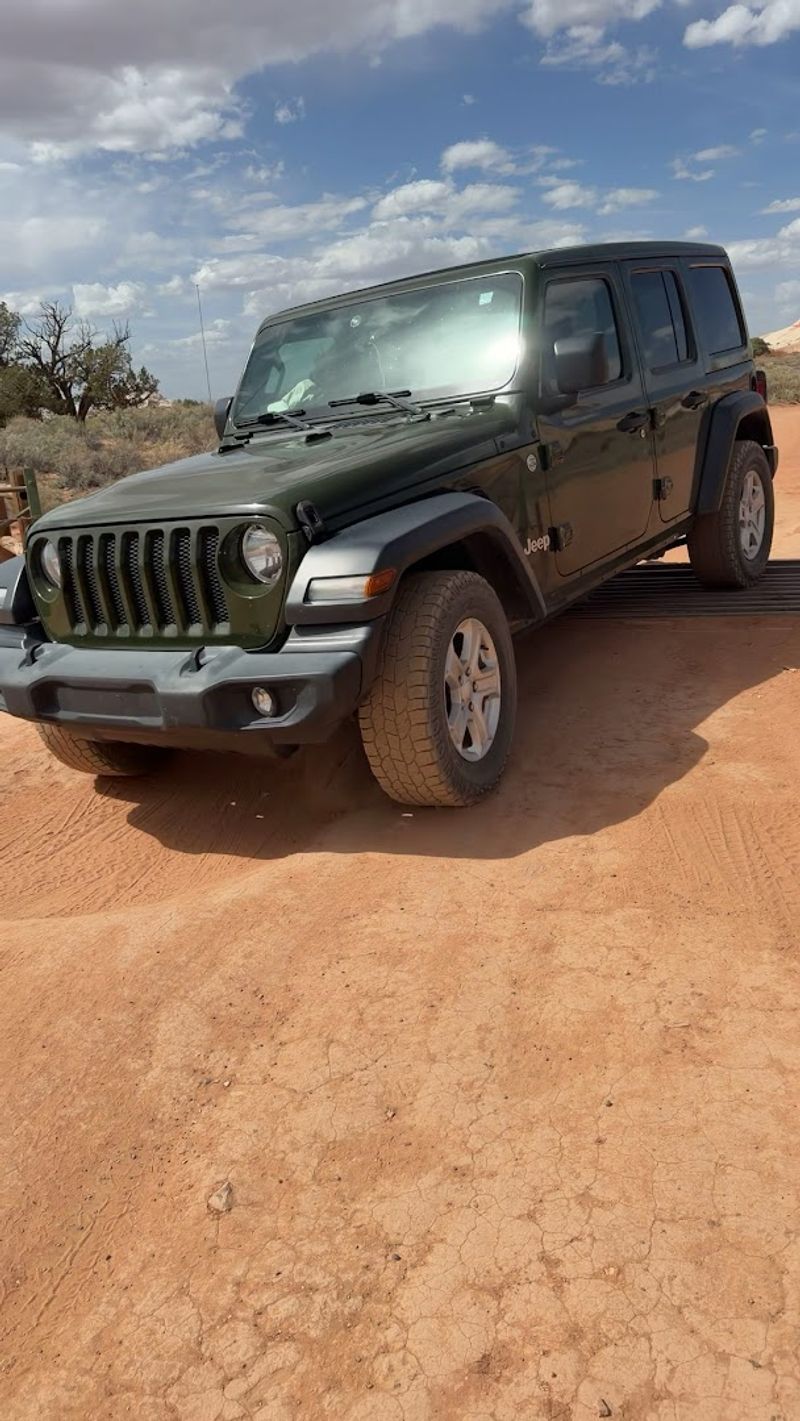
A high-clearance 4×4 vehicle is absolutely mandatory. People who ignore the warning signs in regular SUVs often end up stuck with no cell service and no easy rescue in sight.
Deflating your tires slightly before hitting the sandy stretch can make a significant difference in traction.
First-timers should seriously consider renting a proper off-road vehicle, like a Jeep Wrangler or Ford Bronco, from a local outfitter. The road weeds out casual visitors, which is a big reason why White Pocket stays beautifully uncrowded.
Why Booking a Guided Tour Is Worth Every Penny
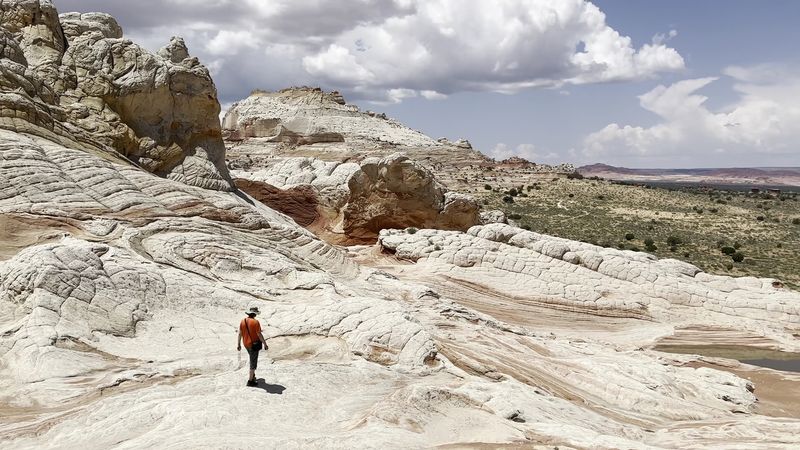
Here’s a tip that seasoned travelers swear by: book a guided tour to White Pocket instead of going solo. Tour operators know the roads, the best spots to photograph, and the hidden corners that most visitors walk right past.
They handle the hard driving so you can relax and enjoy the ride.
Guided tours are often only slightly more expensive than renting an off-road vehicle on your own. When you factor in the stress of navigation, the risk of getting stuck, and the value of insider knowledge, the math becomes pretty obvious.
Tour guides also provide laminated maps, share geological background, and know when to visit for the best lighting. Several reviewers specifically called out the tour experience as a highlight of their entire Arizona trip.
If you want a smoother, richer visit without the white-knuckle moments, a guided tour is the smart move.
Best Time of Day and Season to Visit
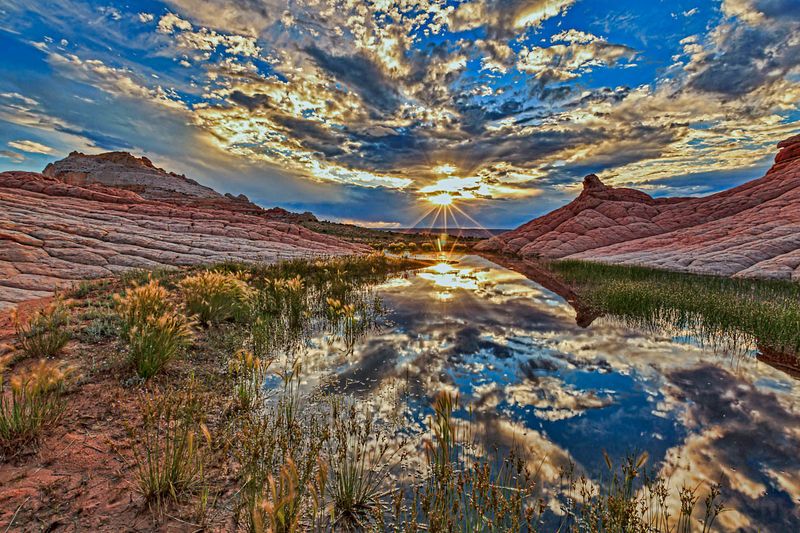
Timing your visit to White Pocket can completely transform the experience. Midday sun in the Arizona desert is brutal — temperatures can easily push into the high 90s or even above 100 degrees Fahrenheit, even in October.
The harsh overhead light also flattens the rock textures, making photography less dramatic.
Early morning and late afternoon are the sweet spots. Soft golden light rakes across the swirling sandstone and brings out every ridge, color, and shadow in stunning detail.
Photographers especially rave about the warm tones that appear just after sunrise.
For the best overall experience, February is a local guide favorite — cooler temperatures, fewer visitors, and beautiful winter light. Spring and fall are also excellent choices.
Summer visits are possible but require serious heat preparation. Whatever season you choose, plan to arrive early and stay longer than you think you’ll need.
What to Pack for a Successful Day Trip
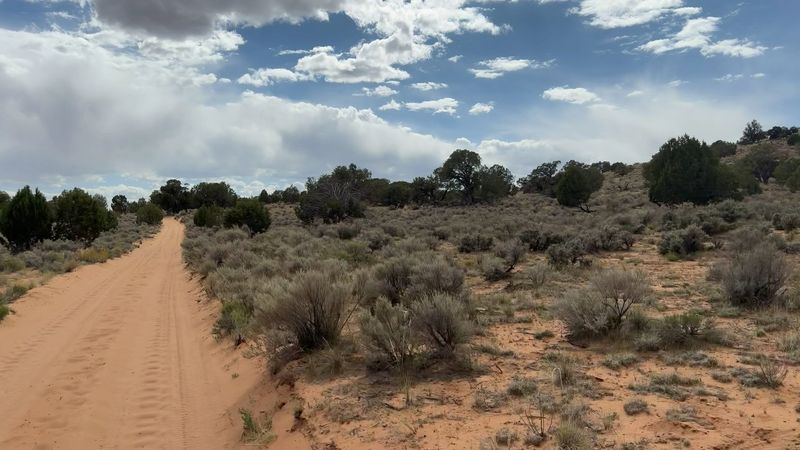
Preparation is everything when visiting a remote location like White Pocket. Cell service is essentially nonexistent out there, so downloading offline maps before you leave is non-negotiable.
Google Maps works well for this — just make sure to save the area while you still have a signal in town.
Water is your most critical supply. Bring far more than you think you need, at least a gallon per person for the day.
Sunscreen, a wide-brimmed hat, and UV-protective clothing are equally essential under the intense desert sun.
Pack snacks and a real lunch since there are no facilities anywhere near the site. A first-aid kit, jumper cables, a tire repair kit, and a tow strap are smart additions in case something goes sideways on the drive.
The more prepared you are, the more relaxed and enjoyable the whole adventure becomes.
No Permit Required — A Rare Perk
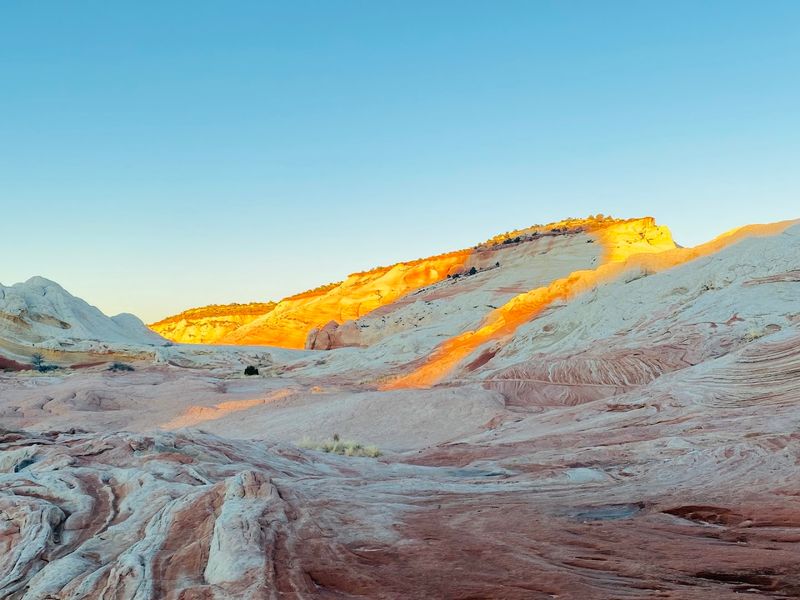
One of the most refreshing things about White Pocket is that it requires zero permits to visit. Managed by the Bureau of Land Management, the area is completely free and open to the public — a genuine rarity among the famous geological wonders of the Arizona-Utah region.
Compare that to the nearby Coyote Buttes, where permits for spots like The Wave are notoriously difficult to win through a competitive lottery system. White Pocket offers a similarly surreal landscape without any of that bureaucratic stress.
That said, free access comes with a personal responsibility. Visitors are expected to respect the ecosystem, stay on established paths where possible, and pack out everything they bring in.
The sandstone is fragile in certain areas, so step carefully and avoid disturbing any natural formations. Treating the land with respect ensures it stays beautiful for every future visitor who makes the journey.
Primitive Camping and Stargazing Opportunities
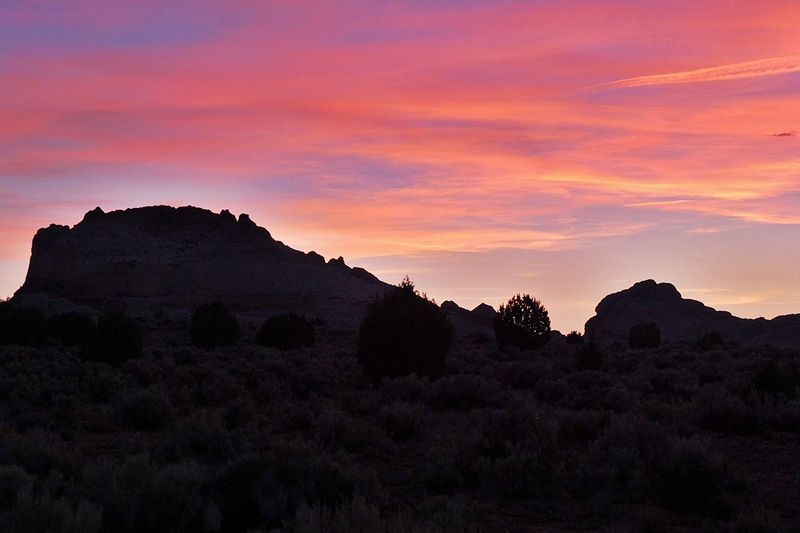
Not everyone has to treat White Pocket as a quick in-and-out day trip. The area offers primitive campsites that put you right in the heart of one of the darkest night skies in the American Southwest.
A local guide with years of experience at White Pocket once mentioned that February nights there are simply unforgettable.
Without light pollution for miles in any direction, the Milky Way appears so clearly it almost looks fake. Stargazers and astrophotographers have called this one of the most rewarding night sky experiences in Arizona.
Bring a quality sleeping bag, since desert temperatures drop dramatically after sunset.
Camping also solves the timing problem entirely — you can explore during the magical golden hours of morning and evening without any rush. Just make sure your vehicle is properly equipped for the drive in and out, and always leave the campsite cleaner than you found it.
Nearby Stops Worth Adding to Your Itinerary
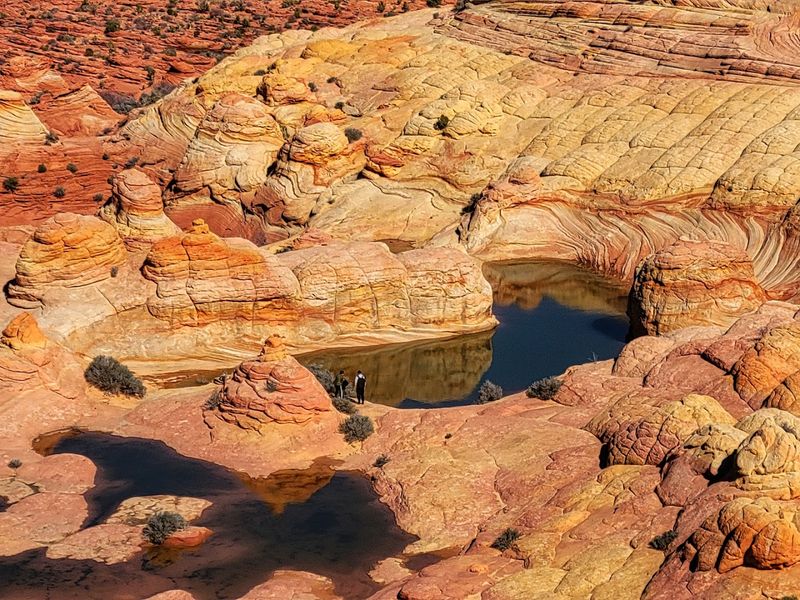
The drive to White Pocket passes through some genuinely spectacular scenery that deserves more than a glance through the windshield. Navajo Bridge, which spans the Colorado River at Marble Canyon, is a quick and rewarding stop.
California condors are frequently spotted soaring near the bridge, especially if you check out the dedicated condor viewing station nearby.
Cliff Dwellers Lodge area offers another interesting pause along the route, with unusual boulders and historical character that give the drive extra personality. The Vermilion Cliffs themselves are breathtaking throughout the entire journey.
If your schedule allows, Coyote Buttes South is located in the same general region and can sometimes be combined into a longer day of exploration. Planning your route the night before with offline maps helps you squeeze the most out of the area.
Northern Arizona rewards curious travelers who are willing to wander.
Family-Friendly Exploration at White Pocket
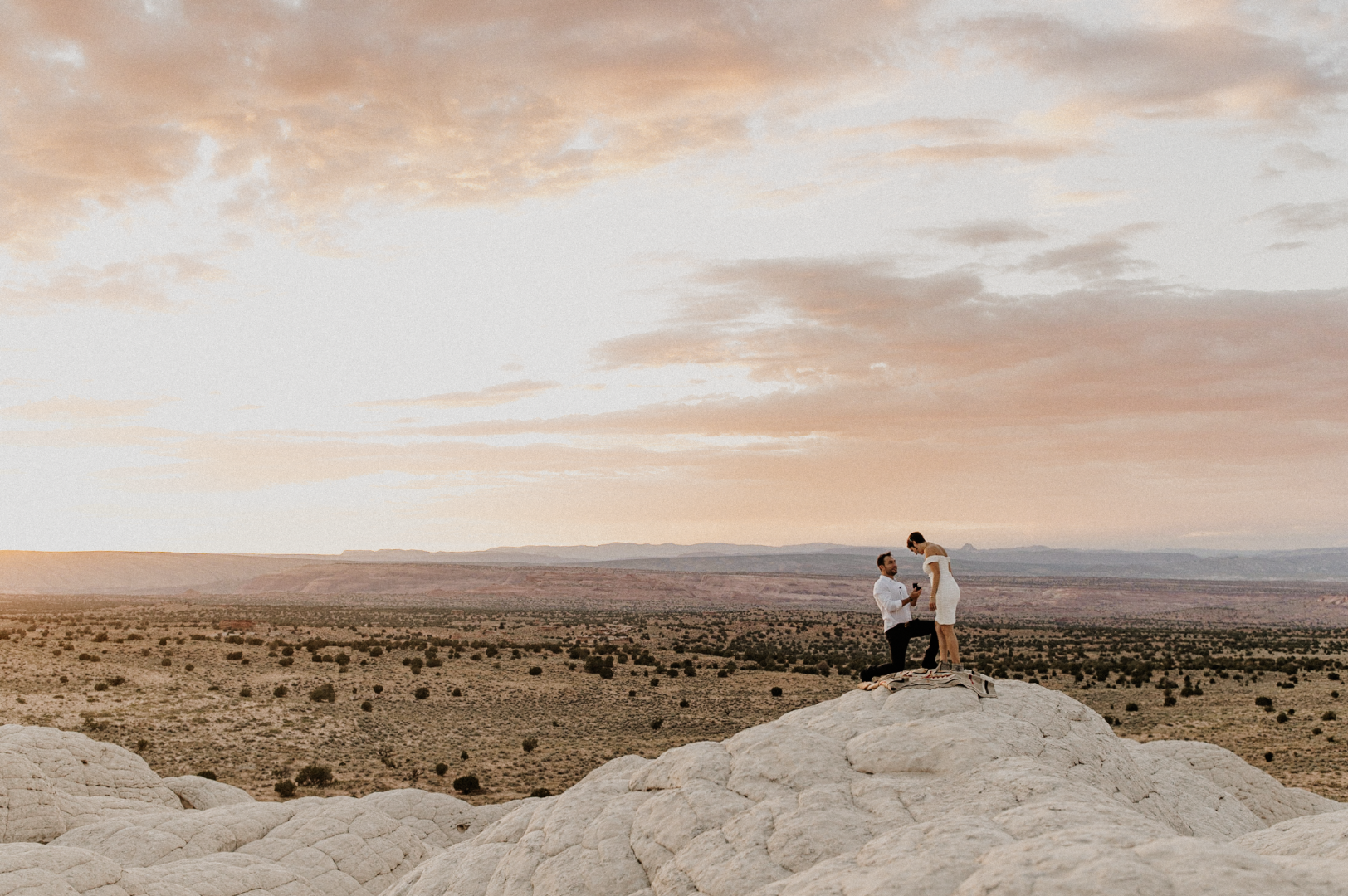
Surprisingly, White Pocket is more accessible for families than its remote reputation might suggest. Once you arrive at the parking area, it’s a short and manageable walk to the main formations.
The sandstone surface has a naturally rough texture that provides excellent grip, making it easier to climb up and down without slipping.
One reviewer mentioned that their four-year-old was happily scrambling around the rocks while a parent carried a baby in a carrier on their back. The compact nature of the site means little ones won’t need to hike long distances to see the best features.
Still, bring plenty of snacks, water, and sun protection for kids, who can overheat quickly in the desert environment. Early morning visits are especially smart for families since temperatures are cooler and the light is gentler.
White Pocket rewards curious young explorers with a landscape that genuinely feels like a playground from another world.
Photography Tips for Capturing White Pocket

White Pocket is a photographer’s dream, but getting the best shots takes a little strategy. The swirling patterns and layered textures reward low-angle compositions — crouching down close to the rock surface reveals details that standing shots completely miss.
A wide-angle lens captures the sweeping scale, while a macro lens reveals intricate surface patterns.
Golden hour is your best friend here. The warm light of early morning or late afternoon wraps around the formations and creates depth, shadow, and color contrast that midday sun simply cannot produce.
Polarizing filters help manage glare on bright sandstone surfaces.
Several visitors have returned specifically with drones to capture aerial views of the swirling formations from above. If you fly a drone, always follow FAA regulations and BLM guidelines for the area.
Whether you’re shooting with a phone or a professional camera, White Pocket will fill your memory card with images worth keeping forever.
How White Pocket Compares to The Wave
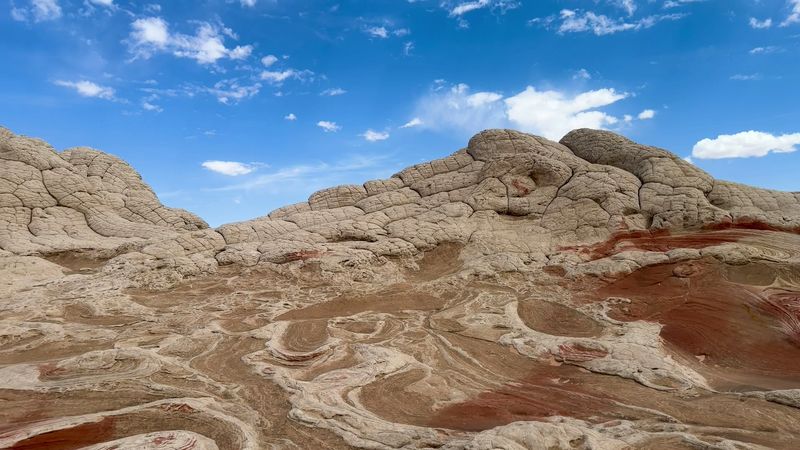
The Wave at Coyote Buttes North is arguably the most famous sandstone formation in the American Southwest — but getting a permit to visit feels like winning the lottery, because it essentially is. White Pocket offers a similarly surreal, swirling rock experience without any of the permit drama.
Where The Wave draws massive online attention and fierce competition for its daily visitor slots, White Pocket stays quietly under the radar. The formations are different in character — White Pocket features more varied textures, bubble-like surfaces, and a wider area to roam freely.
Some visitors who have seen both actually prefer White Pocket for its sense of open exploration.
The trade-off is the demanding drive, but many people consider that a fair price for a crowd-free, permit-free experience. If you’ve been shut out of The Wave lottery, White Pocket is not just a consolation prize — it’s a genuine destination in its own right.
Safety Precautions You Should Never Skip
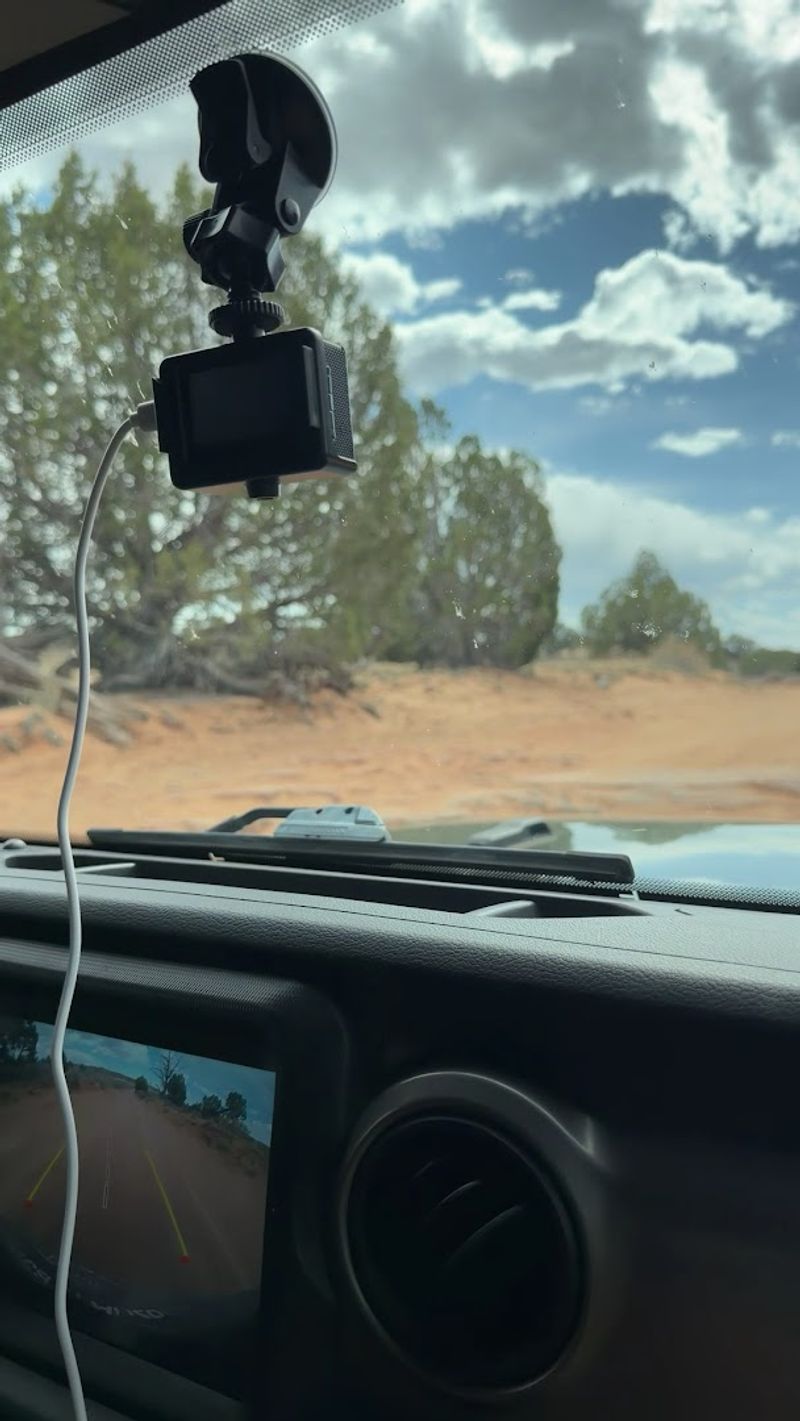
Remote adventure always comes with real risks, and White Pocket is no exception. Cell service disappears well before you reach the parking area, which means a breakdown or a stuck vehicle becomes a serious situation fast.
A satellite communicator device — like a Garmin inReach — is one of the smartest investments you can make for a trip like this.
Always tell someone your plans before heading out. Share your expected route, destination, and return time with a friend or family member who can alert authorities if you don’t check in.
Carry a tow strap and know how to use it, because getting stuck in deep sand is a real possibility even for experienced off-road drivers.
Watch the weather closely before your visit. Even light rainfall can make the bentonite clay sections of House Rock Valley Road dangerously slick.
Staying informed and over-prepared is what separates a great adventure from a very stressful one.
Why White Pocket Feels Like a Hidden Gem Worth Protecting
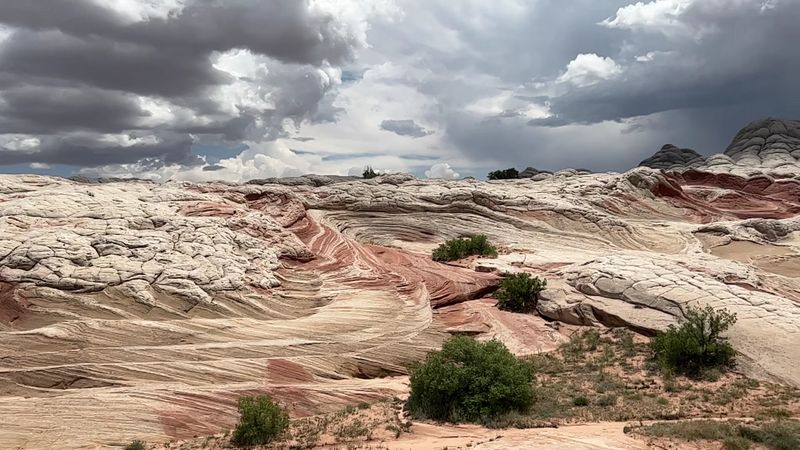
Part of what makes White Pocket so magical is exactly what makes it so fragile — it’s wild, remote, and largely untouched by the kind of heavy foot traffic that has worn down other famous natural landmarks. The 4×4 requirement acts as a natural filter, keeping visitor numbers low and the experience peaceful.
Responsible tourism matters enormously in a place like this. Staying on established paths, avoiding stepping on biological soil crusts, and packing out every piece of trash are simple actions that collectively preserve the landscape for future generations.
Reviewers consistently describe White Pocket as one of the most peaceful and awe-inspiring places they’ve ever visited — a place where you genuinely feel small in the best possible way. That feeling is worth protecting.
Visit with intention, leave no trace, and share the experience with people who will treat it with the same respect it deserves.
Enjoyed this story?
Add Fast Food Club as a preferred source to see more of our reporting on Google.