


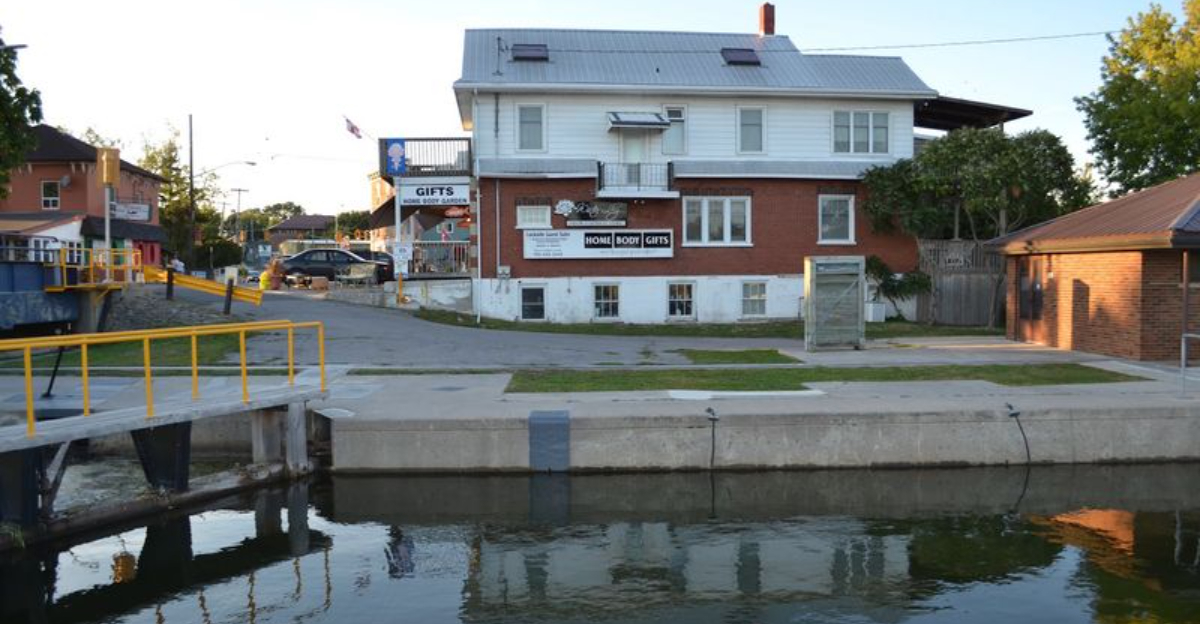
Somewhere in the quiet reaches of northwestern Wisconsin sits a small city built around a lake that shares its name. Retirees keep discovering it, often by accident, and then find reasons to stay.
The cost of living runs gentle on a fixed income, the pace slows down without feeling sleepy, and the surrounding countryside gives every season something to offer. What draws people here is not glitz or crowds but a steady, welcoming rhythm that fits life after a career winds down.
This article walks through the town’s story, its setting, the daily comforts that make it work for older residents, and the practical notes worth knowing before a visit. Curious where all this affordable calm is hiding?
Keep reading, because the name is coming soon.
A Lakeside City in Barron County
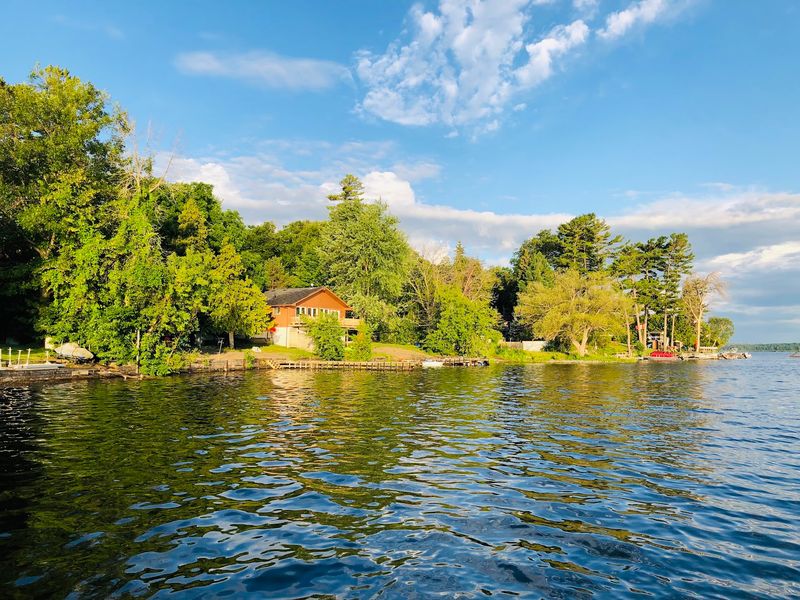
Tucked into the northwestern corner of Wisconsin, Rice Lake is a small city that carries the same name as the body of water it hugs. The official address lands simply in Wisconsin, within Barron County, and the city government keeps its details online at the municipal website for anyone wanting the direct source.
Roughly 9,040 people call this place home according to the 2020 census, which puts it in that comfortable range where neighbors recognize one another but services still feel complete. It functions as the commercial and tourist center for the rural areas that surround it, meaning the shops, clinics, and gathering spots serve a much wider community than the city limits suggest.
For retirees weighing where to settle or spend a slower season, that mix matters. A town large enough to cover daily needs yet small enough to stay affordable is harder to find than it sounds.
The lake gives the city its identity and its name, and the town has grown around that shoreline for generations. What follows is a closer look at why this modest northern spot keeps landing on the radar of people looking to stretch their savings and settle into something calmer.
How the Town Grew Around Its Waters
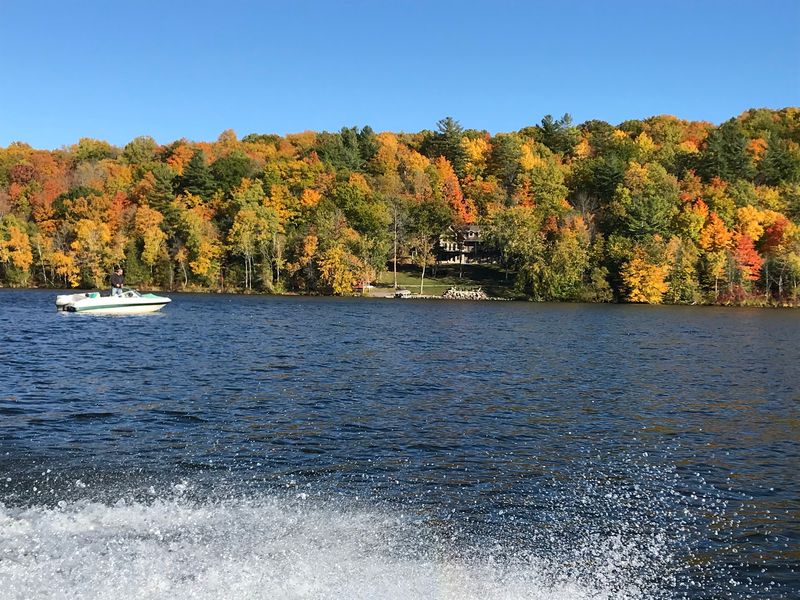
Long before it became a stopping point for retirees, this corner of Barron County took shape as a working community rooted in the land and water around it. The city’s story is tied directly to the lake it borders, and that connection shaped both its name and its early purpose.
Over the decades it settled into a role that still defines it today, serving as the commercial hub for the farms, small settlements, and rural stretches spread across northwestern Wisconsin. When people from the surrounding countryside needed supplies, services, or a place to trade, they came here.
That history explains a lot about the present character. A town that spent generations as a gathering point tends to keep an open, practical spirit, and that shows in how newcomers are folded into daily life.
Growth stayed measured rather than explosive, which kept housing and living costs from climbing the way they have in flashier destinations. For someone on a retirement budget, that slow and steady past turns out to be a genuine advantage.
The roots run deep, and the affordability that comes with them is not a passing trend but the result of how the place quietly built itself.
The Lake That Shares Its Name
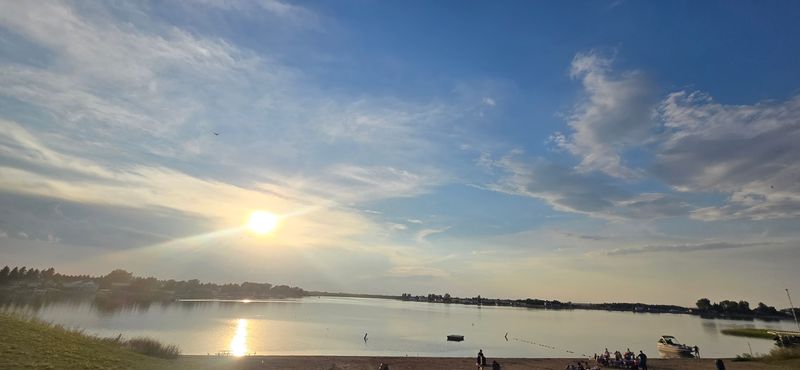
Water sits at the heart of everything here, and the lake that lends the city its name is the reason so many people first take notice. The shoreline shapes the town’s layout, its recreation, and the way residents spend warm afternoons.
Having a lake right at the edge of town means outdoor time never requires a long drive. Fishing, paddling, and simply sitting near the water are part of ordinary life rather than special outings reserved for vacations.
For retirees, that kind of easy access is worth more than it might appear on paper. When a favorite pastime waits a few minutes away, staying active and engaged becomes the default rather than a chore.
The lake also draws seasonal visitors, which helps keep the local economy steady and supports the shops and restaurants that residents rely on year round. That balance between a tourist draw and a livable community gives the town a dual personality.
Whether the goal is quiet reflection by the shore or a morning spent on the water, the lake anchors daily rhythms. It remains the single feature that most defines what living here actually feels like.
Why Your Dollar Stretches Further Here
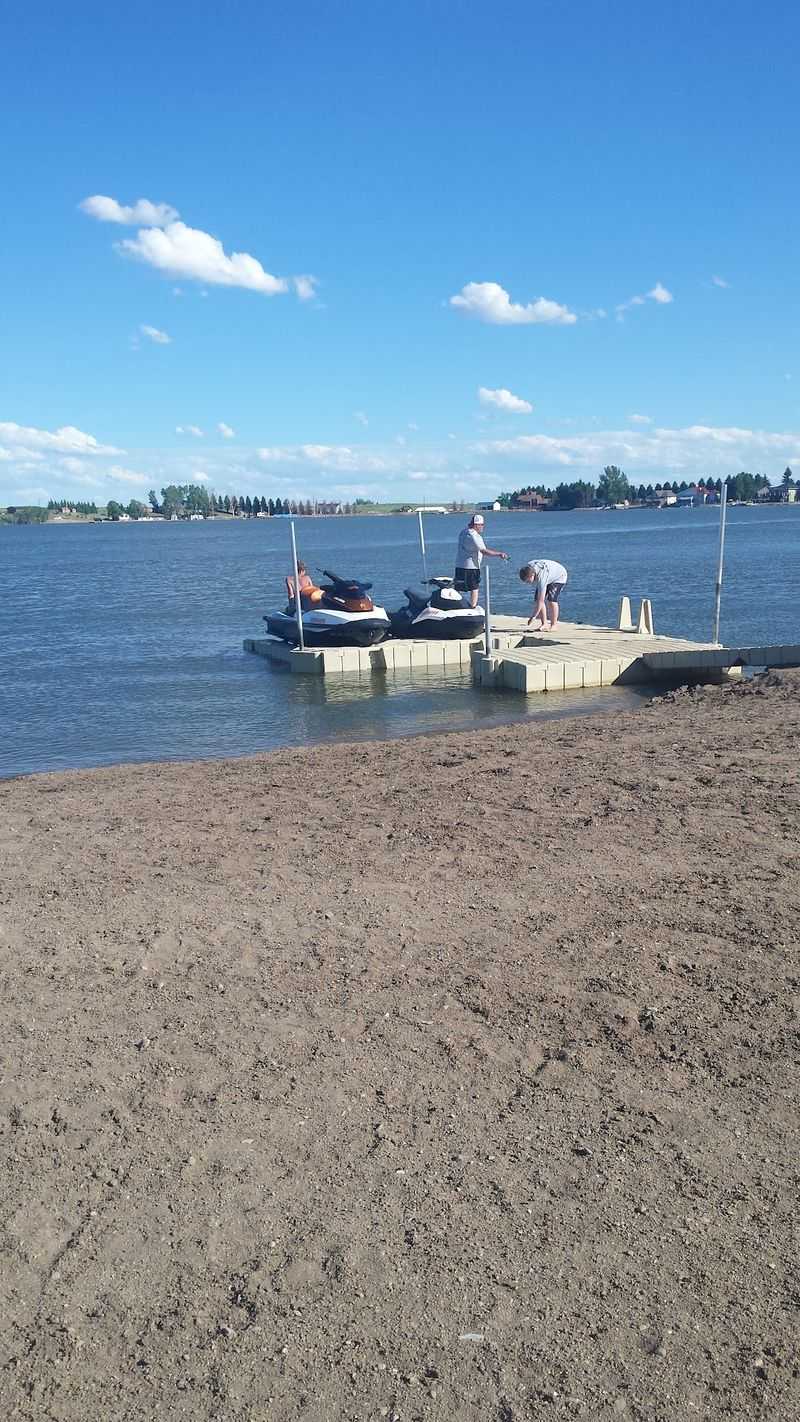
Affordability is the quiet headline that keeps pulling retirees toward this northern city. Living costs here tend to run lower than in larger metropolitan areas, which matters enormously for anyone managing a fixed income after a career ends.
The measured growth that shaped the town over the decades helped keep housing within reach, and that reputation for value is a big part of why the place is gaining attention now. A budget that would feel tight in a big city can feel comfortable here.
Being a commercial center for the surrounding rural region also means everyday necessities stay accessible without the premium pricing that comes with tourist hotspots or crowded suburbs. Groceries, services, and errands all sit close at hand.
For people trading a high cost of living for something more sustainable, the math often makes the decision easy. Savings that once vanished into monthly expenses can instead go toward hobbies, travel, or simply peace of mind.
None of this comes at the expense of a functioning community. The town still delivers the services residents expect, which is exactly what makes its low cost of living feel like a genuine benefit rather than a compromise.
A Population Just Right for Belonging
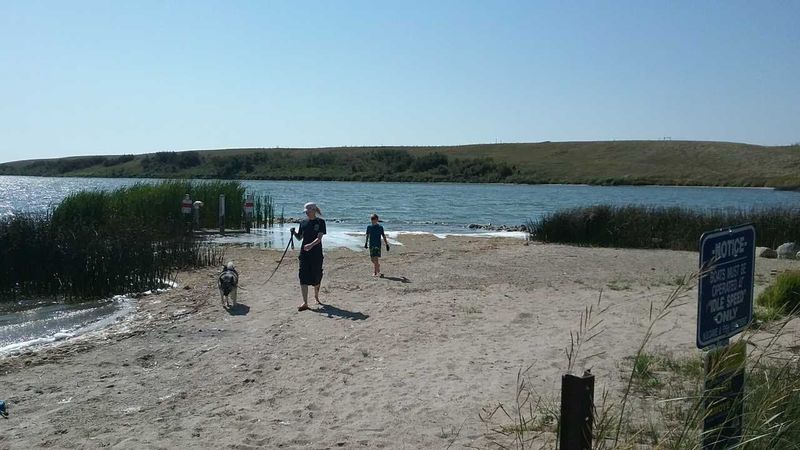
Numbers tell part of the story, and the 2020 census counted 9,040 residents within the city limits. That figure places the town in a sweet spot that many older adults find ideal for settling down.
A community of that size is large enough to support real amenities yet small enough that faces become familiar and neighbors turn into friends. Loneliness can be a real concern in retirement, and a town this scale naturally works against it.
People here tend to recognize one another at the shops, the clinic, and the gathering spots downtown. That everyday familiarity builds a sense of belonging that bigger places often struggle to offer.
Because the city also serves the broader rural region, the social circle extends well beyond the official population count. Visitors and residents from the surrounding countryside keep the town lively without overwhelming it.
For anyone leaving behind the anonymity of a crowded city, that human scale can feel like a genuine relief. The town is big enough to matter and small enough to feel like home, which is precisely the balance retirees keep mentioning when they explain why they stayed.
Downtown as the Beating Heart
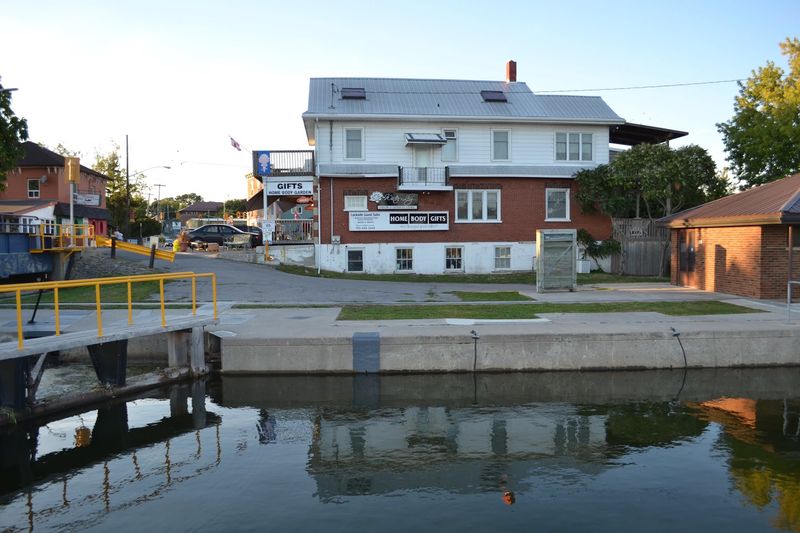
Every small city needs a center where life comes together, and here that role belongs to the downtown district. As the commercial hub for northwestern Wisconsin’s rural stretches, it carries more energy than the modest population might suggest.
Shops, services, and local businesses cluster in a walkable core, which makes running errands or spending an afternoon out both simple and social. For retirees who prefer not to drive long distances, that compact layout is a real convenience.
The commercial center also means residents rarely need to leave town for the basics. Everything from daily supplies to specialty services tends to sit within easy reach.
That practicality carries an emotional bonus too. A lively downtown gives people a reason to get out, see familiar faces, and stay connected to the wider community rather than retreating indoors.
Because the district serves such a wide surrounding area, it stays busy enough to remain interesting without tipping into the congestion of a big city. The result is a downtown that feels purposeful and welcoming, the kind of place where a quick errand can easily turn into a pleasant hour spent catching up with neighbors.
Outdoor Living Around the Shoreline
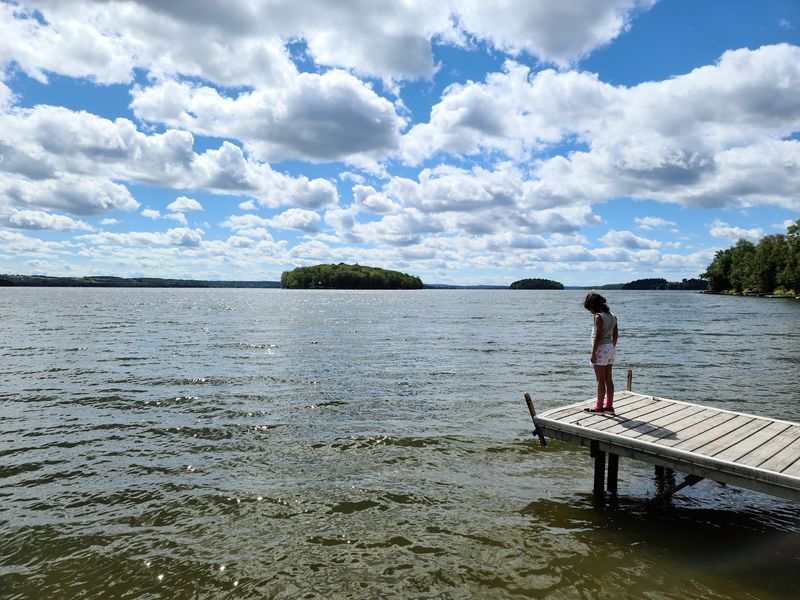
Fresh air and open space define daily life in a town wrapped around a lake. Recreation here leans heavily on the water and the countryside, giving residents plenty of reasons to stay active well into their later years.
The lake invites fishing and paddling, while the surrounding rural landscape opens up room for walking, birdwatching, and quiet time outdoors. None of it demands a long journey, which keeps these activities part of an ordinary week.
Staying physically engaged is one of the great keys to a satisfying retirement, and a setting like this makes it feel effortless rather than forced. The outdoors is simply there, waiting whenever someone wants it.
Seasonal changes keep the routine from growing stale. Warmer months bring life to the shoreline, while cooler stretches offer their own slower kind of beauty across the region.
For people who spent working years indoors and behind desks, the chance to trade that for time near the water can feel like a reward long overdue. The town’s natural surroundings turn out to be one of its most persuasive arguments, offering both gentle exercise and genuine calm in equal measure.
A Hub for the Surrounding Countryside
Beyond its own borders, the city plays a role that shapes its whole personality. Serving as the commercial and tourist center for the surrounding rural areas gives it a reach and a stability that many towns its size never achieve.
Farmers and residents from across northwestern Wisconsin come here for supplies, services, and connection, which keeps the local economy diverse and resilient. That steady flow of people supports the businesses retirees depend on for daily life.
Being a regional hub also means the town punches above its weight when it comes to amenities. Services that might disappear in an isolated village of similar size remain available here because they draw from a much larger population.
For older residents, that reliability brings peace of mind. Knowing that essential services and shops will stick around is no small comfort when planning for the years ahead.
The tourist draw adds seasonal energy without changing the town’s fundamentally grounded character. It stays practical and welcoming even as visitors come and go, which is a rare and valuable balance for a place that hopes to keep its residents comfortable and settled for the long haul.
The Unhurried Pace of Everyday Life
Slowing down is the whole point for many people entering retirement, and the atmosphere here supports that shift beautifully. Days move at a gentler tempo, free from the rush and noise that define larger cities.
That calm does not mean boredom. With the lake, the downtown, and the surrounding region all close at hand, there is plenty to fill the hours, just without the pressure of a packed schedule.
The pace suits people who have earned the right to take their mornings slowly and their afternoons on their own terms. Errands become social, walks become unhurried, and time feels more like a friend than an opponent.
Retirees often mention how easy it is to settle into a comfortable routine here. The town seems built for that kind of steady, contented rhythm.
For anyone leaving behind decades of deadlines and traffic, the change can feel restorative. The relaxed atmosphere is not a marketing line but a genuine quality of the place, and it may be the single trait that keeps drawing thoughtful newcomers who want their later years to feel spacious rather than squeezed.
Who Feels Most at Home Here

Not every town fits every person, and the appeal of this one is fairly specific. It speaks loudest to retirees and older adults who value affordability, calm, and a strong sense of community over nightlife and big city energy.
People who love the outdoors find plenty to enjoy thanks to the lake and the rural landscape all around. Those who prefer a walkable downtown and familiar faces will feel right at ease.
Anyone stretching a fixed income appreciates how far their money goes, while those craving connection benefit from the town’s human scale. The combination lands squarely in the wheelhouse of someone ready for a slower, more grounded chapter.
It also suits folks from the surrounding rural areas who want the convenience of a regional center without the drawbacks of a crowded metropolis. The town threads that needle neatly.
Younger visitors chasing constant excitement might find it too quiet, and that is exactly the point. The place knows its audience, and that clarity is part of what makes it such a comfortable fit for the retirees who keep quietly choosing it.
Getting There Through Northern Wisconsin
Reaching this lakeside city means heading into the northwestern part of the state, roughly in Barron County. It sits far enough north to feel like a true getaway yet remains accessible for anyone driving through Wisconsin’s road network.
The town’s role as a regional hub means the routes leading in are well traveled by residents of the surrounding countryside. That steady traffic keeps connections to nearby communities reliable.
For visitors scouting the area as a potential retirement spot, the drive itself offers a preview of the rural landscape that defines the region. The countryside gradually gives way to the small city center near the shoreline.
Once in town, the compact downtown makes getting around simple. Short distances between shops, services, and the lake reduce the need for long trips, which is a welcome feature for older drivers.
Planning a first visit is straightforward, and the city’s official municipal website offers a starting point for practical details. The location strikes a nice balance, remote enough to feel peaceful but connected enough to stay convenient, which is exactly what many people hope to find when they go looking for somewhere quieter to land.
Seasons That Reshape the Scenery
Life this far north comes with a full calendar of changing seasons, and each one gives the town a different character. The lake and surrounding countryside shift their look and their offerings as the year turns.
Warmer months bring the shoreline to life, drawing both residents and the seasonal visitors who help support local businesses. It is the time when outdoor recreation reaches its peak.
Cooler stretches settle the town into a quieter rhythm, and the rural landscape takes on a calmer beauty. For retirees who enjoy variety without upheaval, that seasonal cycle keeps daily life feeling fresh.
The changing weather also shapes the flow of tourism that supports the local economy. Peak seasons bring energy, while off seasons offer the kind of stillness that many older residents genuinely prefer.
Adapting to the northern climate is part of the package, and those who embrace it tend to appreciate the distinct personality each season brings. Rather than a drawback, the four seasons become one more reason the place stays interesting throughout the year, giving residents a constantly renewing backdrop for their unhurried retirement days.
Community Ties That Keep People Rooted

Connection is the glue that holds a small town together, and this one seems to have plenty of it. A community of roughly 9,000 people creates natural opportunities for neighbors to know and support one another.
Serving as the center for the surrounding rural areas widens that web of relationships even further. People come together here not just to shop but to stay linked to the broader region.
For retirees, that sense of belonging can be one of the most meaningful parts of the experience. Feeling known and welcomed makes a place feel less like a location and more like a home.
The town’s human scale encourages the kind of everyday interactions that build lasting friendships over time. Familiar faces at the shops and downtown become a quiet source of comfort.
Community ties like these often turn out to be the reason people stay long after they first arrive. The affordability may draw them in, but the sense of belonging is what tends to keep them planted, and that combination is exactly what makes this modest northern city so appealing to those entering a new chapter.
A Quiet Choice Worth Considering
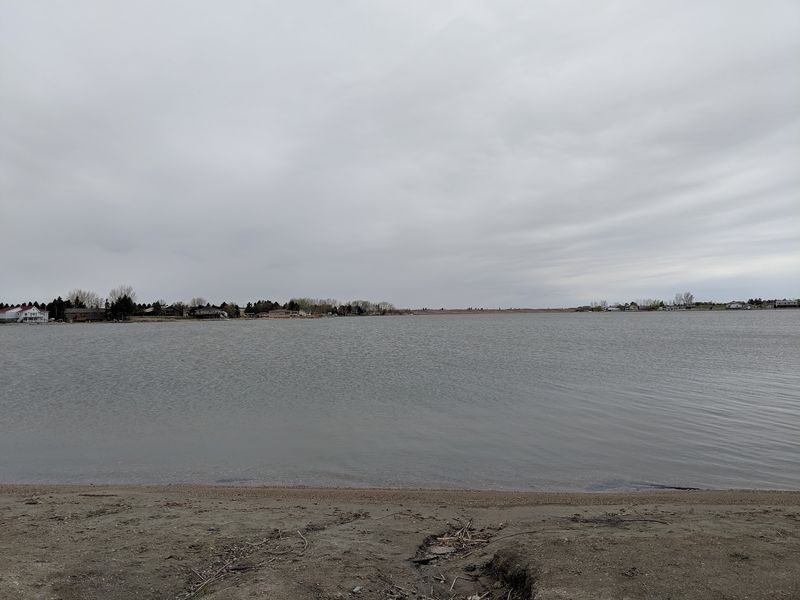
Putting it all together, this small city in northwestern Wisconsin makes a genuinely persuasive case for anyone dreaming of an affordable and peaceful retirement. It blends a low cost of living with a strong community and easy access to the outdoors.
The lake gives the town its name and its soul, the downtown keeps daily life convenient, and the surrounding region ensures the amenities stay reliable. Few places of this size manage to check so many boxes at once.
For retirees searching for somewhere their savings stretch further and their days feel calmer, Rice Lake offers a compelling answer. It rewards those who value belonging and simplicity over crowds and commotion.
The town is not loud about its charms, which is part of why it has stayed such a well kept secret among people in the know. That quiet quality only adds to its appeal.
Anyone curious about a slower, more grounded chapter would do well to take a closer look at this friendly northern city. It may just turn out to be the affordable, welcoming home so many retirees have been hoping to find.
Enjoyed this story?
Add Fast Food Club as a preferred source to see more of our reporting on Google.