


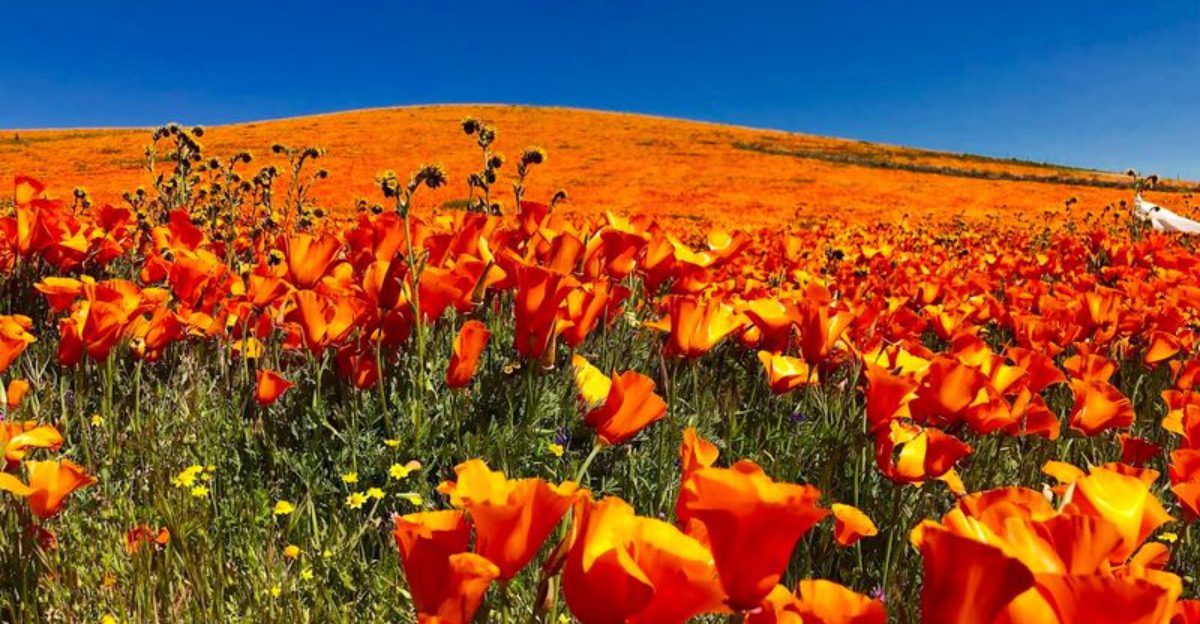
Tucked away in the high desert of Southern California, the Antelope Valley California Poppy Reserve transforms every spring into a breathtaking canvas of orange, purple, and yellow wildflowers. Located in Lancaster, CA, this stunning state natural reserve draws thousands of visitors who come to witness nature putting on one of its greatest shows.
The rolling hills covered in California poppies look so vivid and dreamlike that many visitors compare the scene to a painting by the famous French artist Claude Monet. If you have never visited this magical place, here are 13 reasons why it absolutely belongs on your must-see list.
The California Poppy Bloom That Stops You in Your Tracks
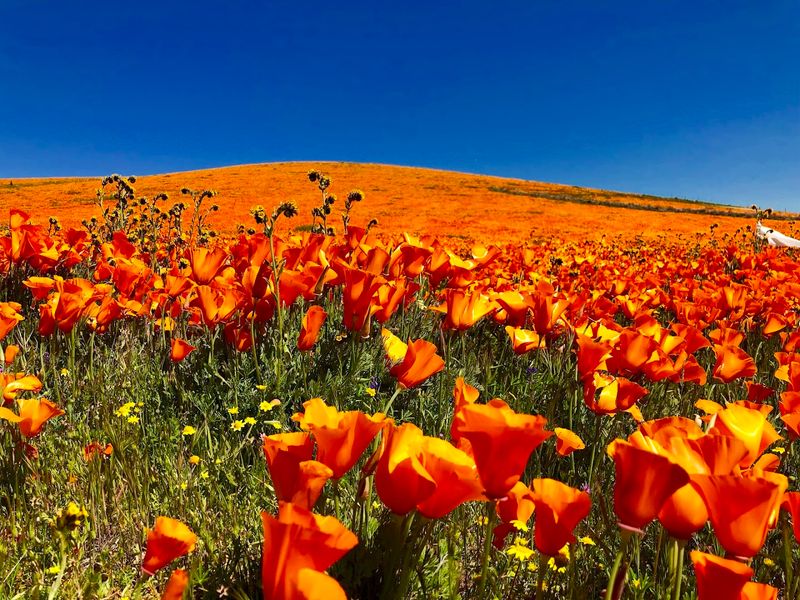
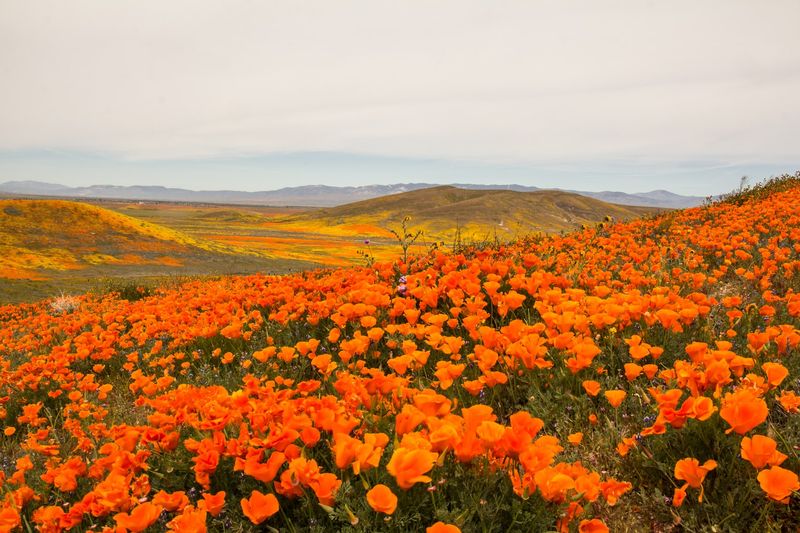
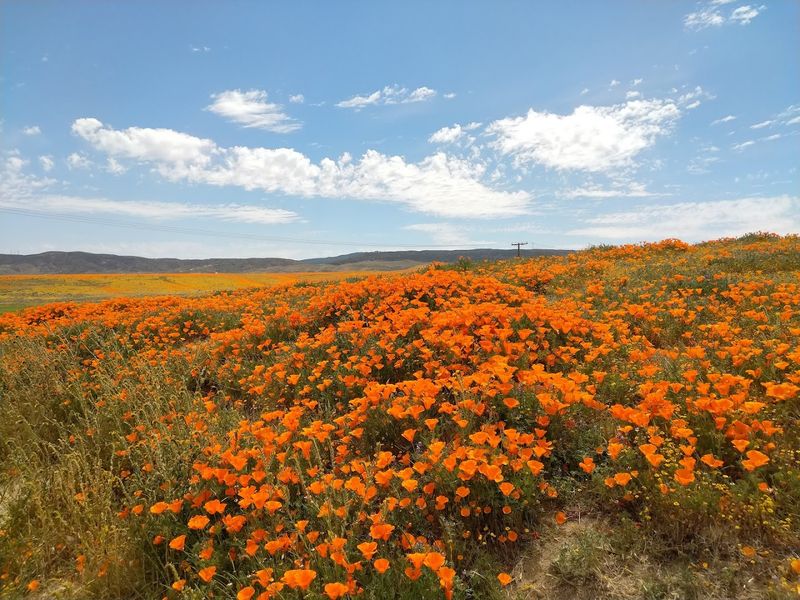
Picture standing at the top of a gently rolling hill and seeing nothing but a sea of blazing orange stretching as far as your eyes can reach. That is exactly what greets visitors at the Antelope Valley California Poppy Reserve during peak bloom season, typically running from March through May.
The California poppy is the state flower, and this reserve is its most famous home. On a good rainfall year, the hills transform into something so colorful and vivid that photos barely do it justice.
Visitors consistently describe the moment of first seeing the bloom as genuinely jaw-dropping.
Rainfall during winter months plays the biggest role in how spectacular the bloom turns out. Checking the reserve’s live webcam before your trip is a smart move so you can plan your visit at just the right time for maximum color.
Rolling Hills Straight Out of an Impressionist Masterpiece
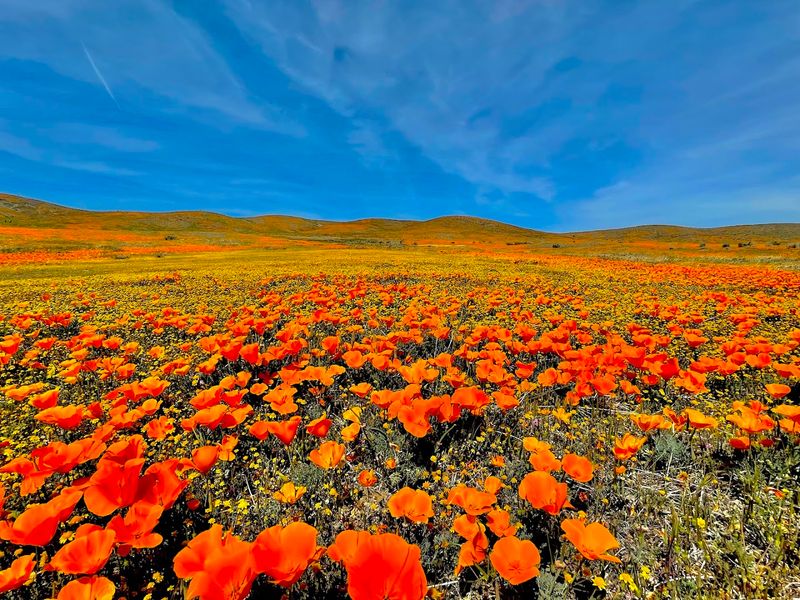
There is a reason people compare this reserve to a Monet painting. The way light shifts across the gentle hills throughout the day creates a soft, almost watercolor effect that feels more like art than reality.
Early morning and late afternoon light are especially magical here.
The reserve sits within the western Mojave Desert, and the contrast between the rugged desert landscape and the explosion of delicate wildflower color is genuinely striking. Purple lupines, yellow goldfields, and orange poppies layer together across the hills like brushstrokes on a canvas.
Photographers and painters make special trips to capture this scenery, and it is easy to understand why. Even visitors who are not particularly into art or nature find themselves stopping every few steps just to soak it all in.
The beauty here is the kind that quietly takes your breath away.
Eight Miles of Hiking Trails for Every Fitness Level
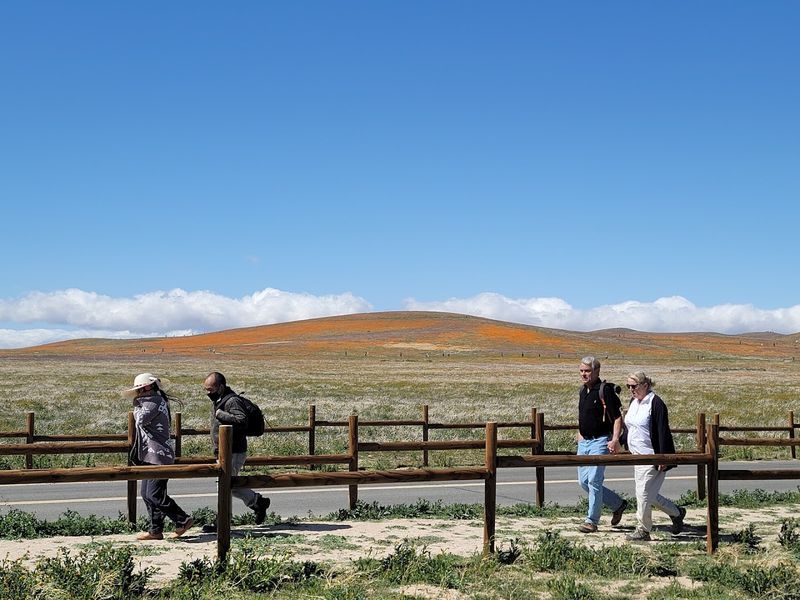
Whether you are a seasoned trail runner or someone who prefers a gentle stroll, this reserve has something for you. With around eight miles of marked hiking trails, visitors can choose routes that match their energy and fitness level without feeling pressured to tackle anything too challenging.
Trails range from flat, easy paths near the entrance to hillside routes that offer sweeping panoramic views of the entire reserve. When you pay the $10 entrance fee, you receive a map that outlines the different trail options so you can plan your walk right from the start.
One reviewer mentioned that the hills provide a surprisingly good workout even on trails labeled as easy. Wearing comfortable shoes and bringing plenty of water are both highly recommended, especially since the Mojave sun can be intense even on cooler spring days.
Sunscreen is a must.
Wildflower Variety That Goes Way Beyond Poppies
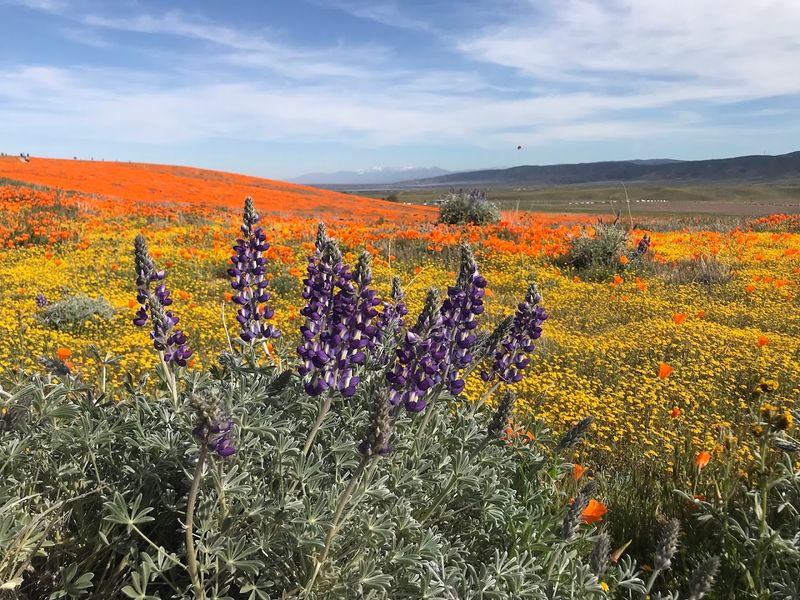
Many people arrive expecting only orange poppies, but the reserve is actually home to a surprisingly rich variety of wildflowers. Purple grape soda lupines, yellow goldfields, cream cups, and owl’s clover all share the hillsides, creating a multi-colored display that shifts depending on where you walk.
Fun fact: one reviewer asked about the purple flowers they smelled during their visit, and the park owner replied that they were most likely grape soda lupines, named for their sweet, distinctive scent. Stumbling across a patch of them in full bloom is a genuinely delightful surprise.
Even in years when the poppy bloom is lighter than usual, the variety of other wildflowers keeps the landscape colorful and interesting. Botanists and casual nature lovers alike find plenty to admire.
Bring a wildflower field guide or download a plant identification app before your visit for an extra layer of fun.
The Jane Pinheiro Interpretive Center Is Worth Your Time
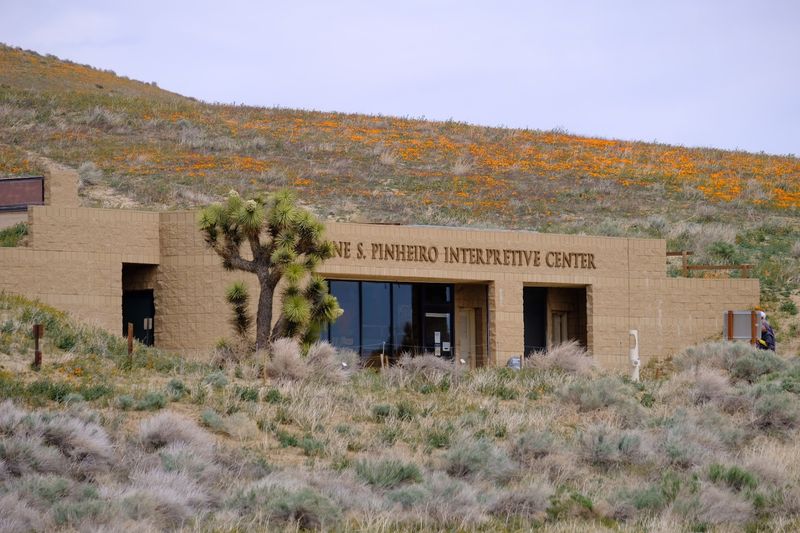
Before hitting the trails, spend a few minutes inside the Jane Pinheiro Interpretive Center. Named after a local artist and naturalist who worked tirelessly to protect the reserve, this small but well-designed visitor center gives you helpful context about the landscape, the wildflowers, and the desert ecosystem surrounding you.
Inside, you will find interesting displays, educational materials, and knowledgeable volunteers and rangers who are happy to answer questions. Several reviewers praised the friendly staff and noted that the center adds real depth to the visit beyond just walking the trails.
The center also has a gift shop stocked with poppy-themed merchandise at reasonable prices. Postcards, books, and small souvenirs make for charming mementos of your trip.
Bathrooms inside the center are reportedly clean and well-maintained, which is always a welcome bonus after a long drive out to Lancaster.
Wildlife Encounters That Add a Fun Surprise to Every Visit
The reserve is not just about flowers. The Mojave Desert ecosystem supports a lively cast of wildlife, and sharp-eyed visitors are often rewarded with some fun sightings along the trails.
Lizards darting between rocks are among the most commonly spotted creatures, delighting kids and adults alike.
Birds are also plentiful, and birdwatchers will find the open hillside habitat productive for spotting various species. One reviewer even mentioned catching a glimpse of the solar eclipse from the reserve, proving that this place offers memorable sky-watching opportunities too.
A word of caution from experienced visitors: Mojave Green Rattlesnakes do live in the area and blend in remarkably well with the surroundings. Staying on marked trails at all times is strongly advised, not just to protect the flowers but also to keep yourself safe.
The trails are clearly marked and easy to follow.
Visiting at Sunrise or Sunset Changes Everything
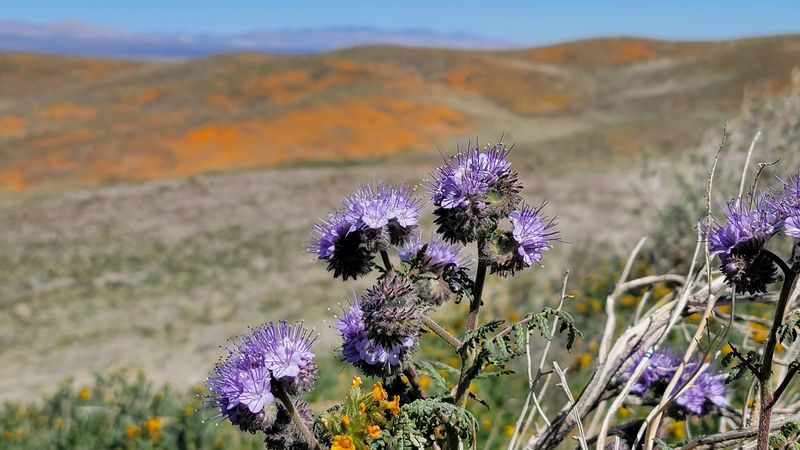
Timing your visit around sunrise or sunset is one of the best-kept secrets among regular visitors. The soft, warm light during these hours makes the poppy fields glow in a way that feels almost surreal, deepening the colors and casting long shadows across the rolling hills.
Several reviewers specifically recommend arriving at sunset to avoid the midday crowds and enjoy the cooler temperatures. One visitor noted that the park is open until 7 PM daily, giving you a reasonable window to catch that golden evening light without having to wake up before dawn.
Photographers especially love the late afternoon hours when the low-angle light rakes across the hillsides and makes every petal seem to radiate from within. Even if you are not carrying a camera, the experience of watching the sun dip behind the hills while surrounded by wildflowers is genuinely unforgettable and deeply peaceful.
What to Know About the $10 Entrance Fee and Parking
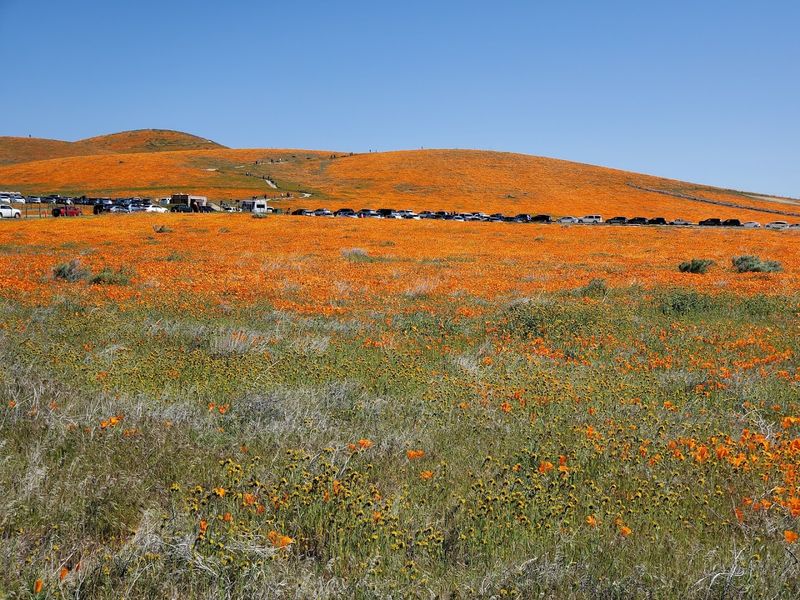
Getting into the reserve costs $10 per vehicle, payable by cash or card at the entrance. For what you get in return, most visitors agree it is absolutely worth every penny.
The fee helps fund the maintenance of trails, restrooms, and the visitor center that make the experience so enjoyable.
Parking can fill up quickly during peak bloom weekends, and lines sometimes stretch out onto the rural roads leading to the reserve. Arriving early, ideally before 10 AM, is strongly recommended to secure a spot in the main lot without a long wait.
Several reviewers mentioned leaving when lines got too long.
Here is a handy tip: if the parking lot is full, some visitors park along the road near the entrance and walk in, which a few reviewers noted can save time and money. Always check local conditions before heading out, especially on holiday weekends when crowds peak.
Planning Around Bloom Season Makes All the Difference
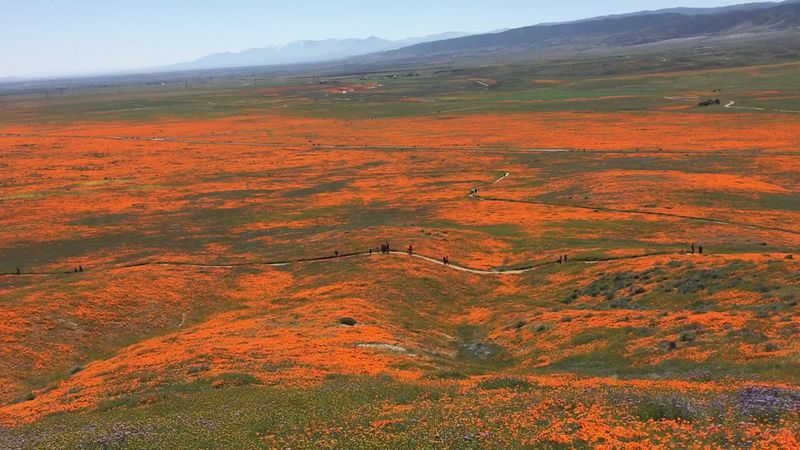
One of the most important lessons experienced visitors share is that timing your trip around the bloom makes an enormous difference. The poppy season generally runs from March through May, but the exact peak varies from year to year depending on winter rainfall and temperature patterns.
The reserve offers a live webcam on its website at parks.ca.gov that lets you check current bloom conditions before making the drive out to Lancaster. Spending two minutes checking the cam can save you two hours of travel disappointment, as a few reviewers learned the hard way.
A super bloom, which happens when conditions are perfect and the hills turn almost entirely orange, is a rare and spectacular event. Even in lighter bloom years, the reserve is still beautiful and worth visiting.
Managing your expectations while staying flexible with your timing is the smartest approach for planning a rewarding trip.
A Family-Friendly Outdoor Adventure Kids Will Remember
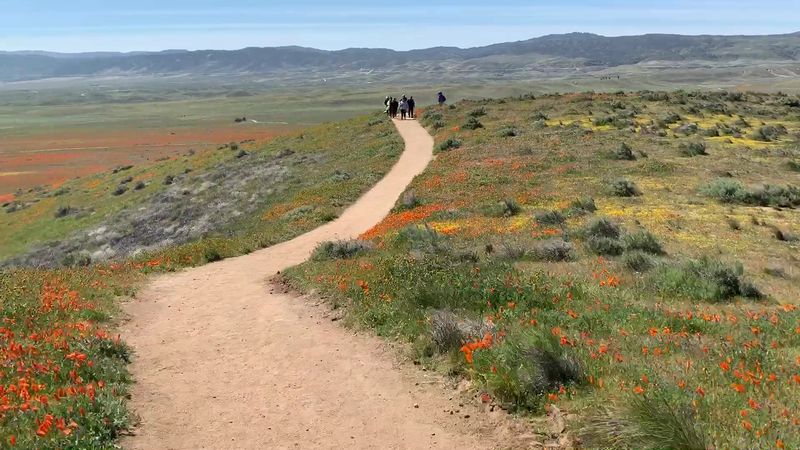
Few outdoor destinations in Southern California work as well for families as this one. The trails are easy enough for young children to handle, the scenery keeps everyone entertained, and the whole experience feels like stepping into a storybook world of color and fresh air.
Kids love spotting lizards along the trail edges and counting how many different flower colors they can find. The visitor center has educational displays that make the experience feel like a real learning adventure rather than just a walk in the field.
Rangers and volunteers are also great at engaging younger visitors with fun facts.
Multiple reviewers specifically mentioned bringing their kids and having a wonderful time. Packing snacks, water, sunscreen, and bug spray before you leave home will keep everyone comfortable throughout the visit.
No food or drinks are sold inside the park, so coming prepared is genuinely important for families with young ones.
Essential Gear to Pack Before You Head Out
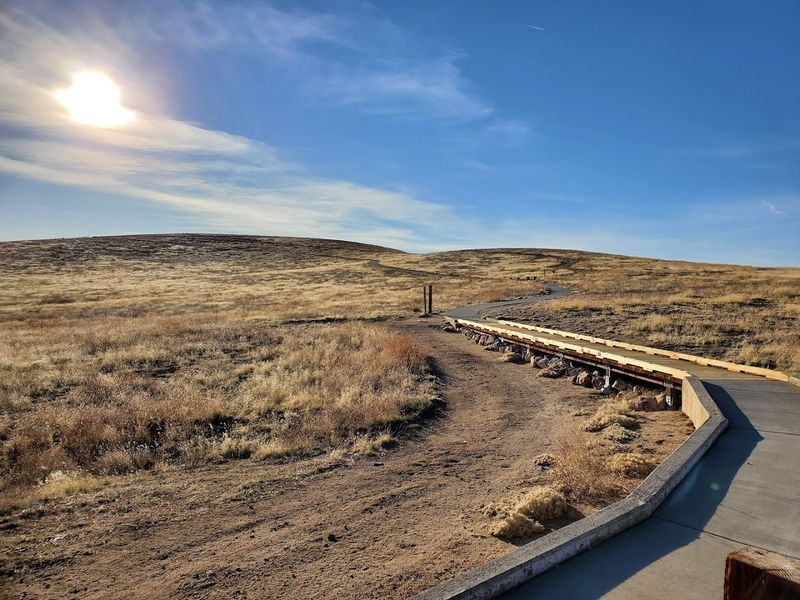
The Antelope Valley sits in the Mojave Desert, and even during spring bloom season, the environment can throw some surprises at you. Wind is one of the most commonly mentioned challenges by visitors, with several reviewers describing it as intense enough to warrant bringing a light jacket or windbreaker regardless of the air temperature.
Sunscreen and sunglasses are absolute essentials given the wide-open, exposed terrain. The sun reflects off the light-colored soil and can catch you off guard even on overcast days.
A hat adds an extra layer of protection that experienced hikers swear by.
Bug spray is another item worth tossing in your bag. Several visitors noted encountering bugs along the trails, particularly near patches of dense flowers.
Bringing your own water and snacks is also critical since no food or beverages are sold inside the park. A small backpack keeps everything organized and easy to carry on the trail.
How the Reserve Looks Even Outside of Poppy Season
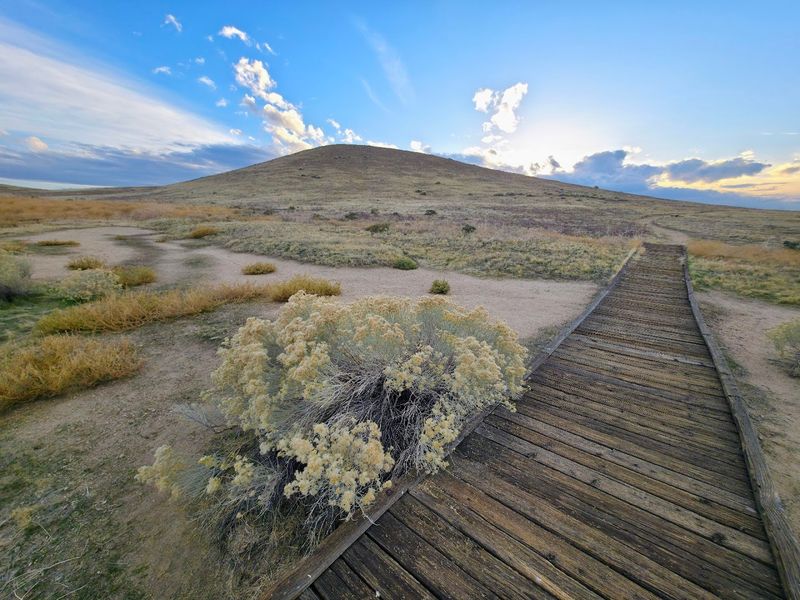
Not everyone can make it out during the March-to-May bloom window, and that is completely okay. Several visitors have reported that the reserve holds its own even outside of poppy season, offering beautiful scenery, clean trails, and a peaceful desert atmosphere that is genuinely refreshing year-round.
One reviewer who visited for a run outside of poppy season described the hills as beautiful and the bathrooms as impressively clean and spacious. The open landscape, big skies, and rolling terrain make for a satisfying hike regardless of whether the flowers are in bloom or not.
The reserve is open daily from 7 AM to 7 PM throughout the year, making it accessible for early risers and evening walkers alike. If you find yourself in the Lancaster area outside of spring, a quick stop here is still worth your time.
The peaceful, wide-open desert scenery has its own quiet kind of beauty.
Why This Reserve Deserves a Spot on Every California Bucket List
Some places earn their reputation honestly, and the Antelope Valley California Poppy Reserve is absolutely one of them. With a 4.5-star rating from over 2,000 reviews, it consistently delivers an experience that visitors describe as unforgettable, peaceful, and genuinely awe-inspiring in a way that few natural destinations can match.
The combination of accessible trails, stunning wildflower displays, fascinating wildlife, and the dreamlike visual quality of the landscape makes it stand out even in a state as naturally beautiful as California. Whether you are a first-time visitor or a returning regular, the reserve has a way of feeling fresh and magical each time.
Located at 15101 Lancaster Rd, Lancaster, CA 93536, and reachable by phone at +1 661-724-1180, planning your visit is straightforward. Mark your calendar for late March or early April, check the webcam, pack your bag, and get ready to see one of California’s most spectacular natural wonders up close.
Enjoyed this story?
Add Fast Food Club as a preferred source to see more of our reporting on Google.