


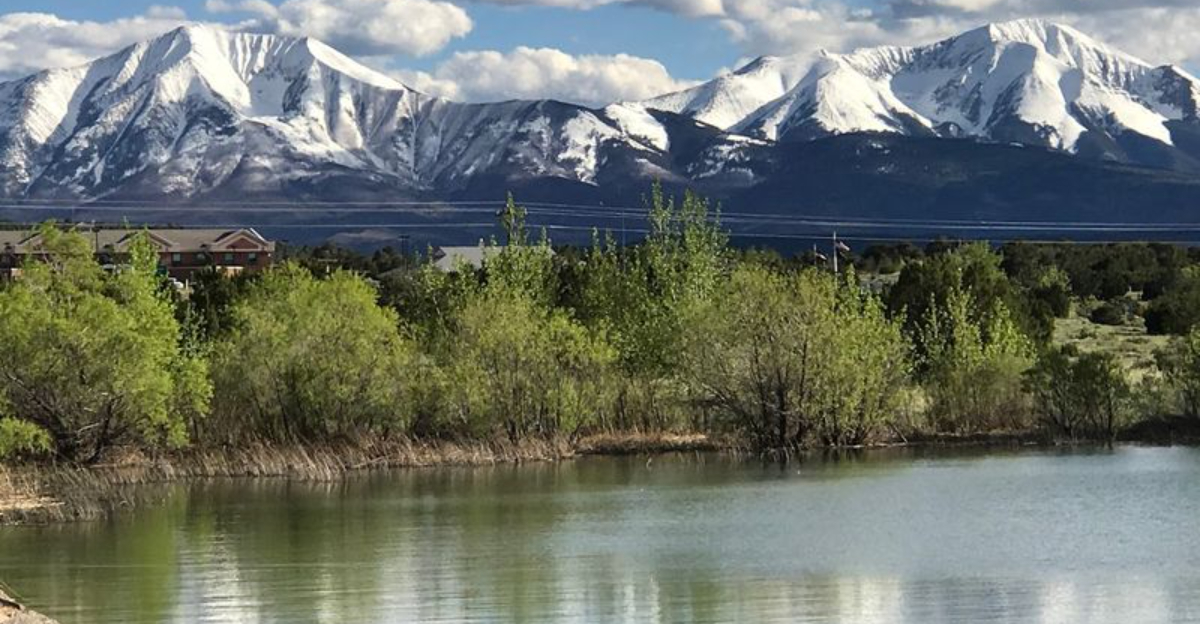
Tucked away in the southern corner of Colorado, the Spanish Peaks area is one of those rare places that feels like a reward for those who seek it out. La Veta, the small town nestled in the shadow of these twin volcanic mountains, offers stunning scenery, rich history, and a peaceful pace of life that bigger Colorado destinations simply cannot match.
Whether you love hiking, road trips, or just soaking in breathtaking views, this hidden gem has something special waiting for you. If you have never heard of it before, get ready to add it straight to your bucket list.
The Legendary Twin Peaks That Define the Skyline
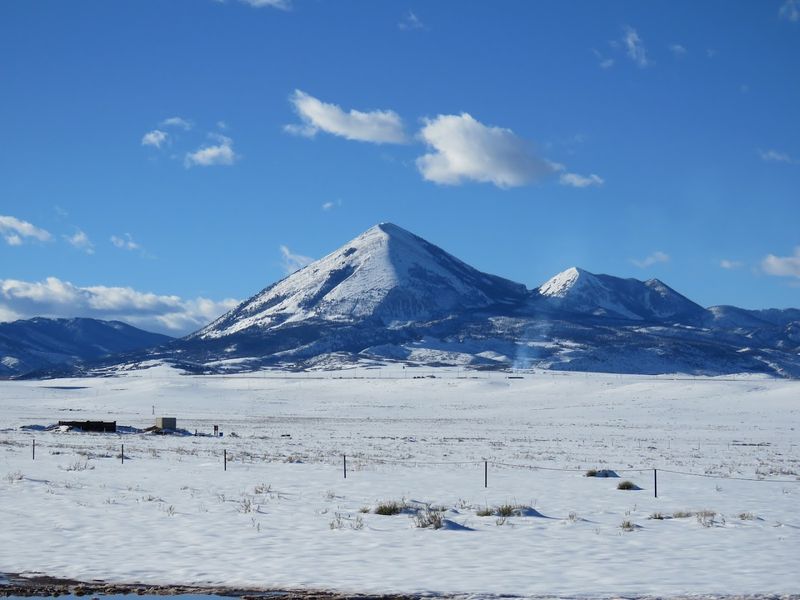
Rising boldly from the southern Colorado plains, the Spanish Peaks are two massive volcanic mountains that have guided travelers for centuries. Known as East Spanish Peak and West Spanish Peak, they stand at roughly 12,683 and 13,626 feet respectively.
Native American tribes called them the Wahatoya, meaning “breasts of the world,” a name that speaks to how deeply these mountains were respected.
From almost any direction, the peaks dominate the horizon in a way that feels almost magical. Visitors often pull over just to stare, and honestly, who could blame them?
The contrast of rugged rocky summits against open grasslands below creates a scene that looks like a painting.
Whether you spot them glowing at sunrise or dusted with fresh winter snow, the Spanish Peaks never fail to leave a lasting impression on everyone who passes through this spectacular corner of Colorado.
Highway of Legends Scenic Byway: A Road Trip Like No Other
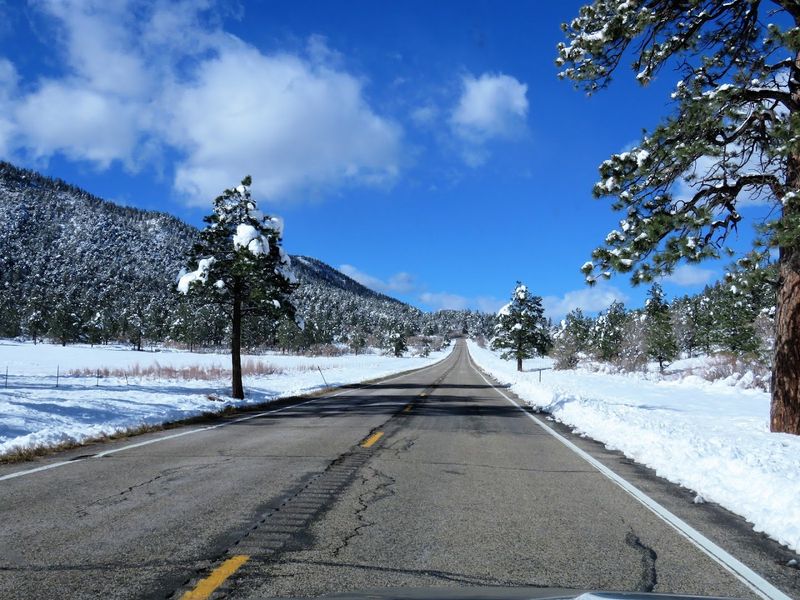
Colorado Highway 12, nicknamed the Highway of Legends, is widely considered one of the most scenic drives in the entire state. Stretching about 82 miles between Trinidad and Walsenburg, this winding two-lane road takes you through tiny towns, open ranchland, dense pine forests, and jaw-dropping mountain passes.
The drive connects you to the heart of Spanish Peaks country, and every curve seems to reveal something new and beautiful. After a fresh snowfall, clumps of white cling to tall pines while the peaks glow with fresh powder, creating a scene straight out of a storybook.
Plan at least two to three hours for this route, because you will want to stop often. Monument Park, with its peaceful little mountain lake, is a favorite rest spot.
Mule deer are frequently spotted near dusk, so keep your eyes open and your camera ready along the way.
Geological Dikes That Will Absolutely Blow Your Mind
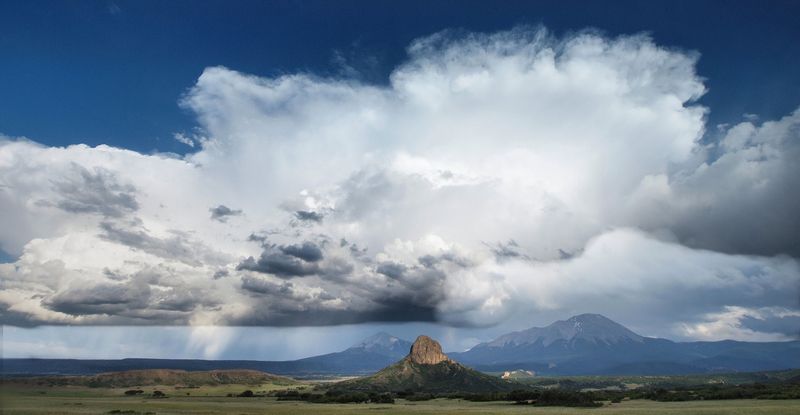
Hundreds of ancient rock walls called dikes radiate outward from the Spanish Peaks like the spokes of a giant wheel. These freestanding formations were created millions of years ago when molten magma forced its way through cracks in surrounding rock, then hardened over time as the softer rock eroded away.
Some of these dikes stretch for miles and tower several feet above the ground, creating natural walls that crisscross the landscape in a pattern unlike anything else in the country. Geologists and curious travelers alike are completely fascinated by them.
One visitor described seeing the dikes for the first time as awe-inspiring, noting they had never encountered this type of formation anywhere else. Profile Rock and the Wall of Taos are among the most dramatic and photographed examples.
Exploring the dike system gives you a hands-on geology lesson that no textbook could ever fully capture.
La Veta: The Charming Small Town at the Heart of It All
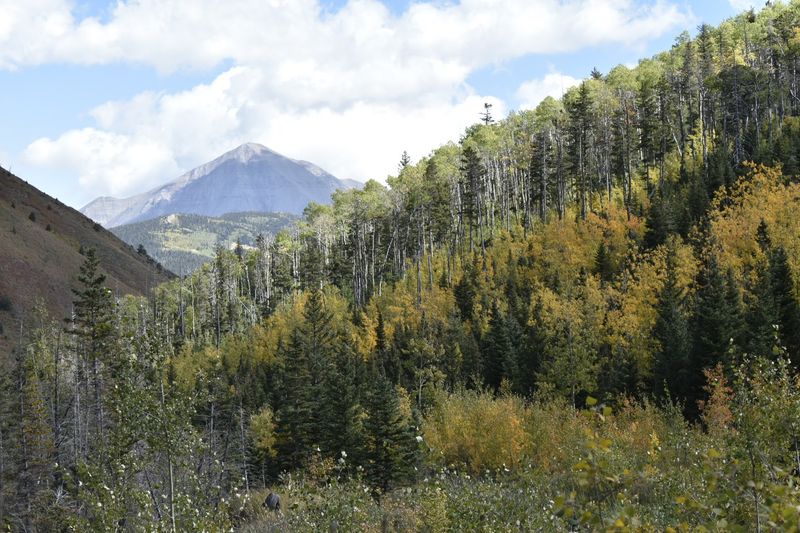
La Veta is the kind of town where locals wave at strangers and the pace of life feels wonderfully unhurried. Sitting at around 7,000 feet elevation just east of the Spanish Peaks, this small community of roughly 800 residents has a warmth and character that immediately makes visitors feel welcome.
The town center features locally owned shops, art galleries, cozy restaurants, and a historic feel that has been carefully preserved over the years. Artists and outdoor lovers have long been drawn here, giving La Veta a creative, spirited energy that balances perfectly with its rugged mountain surroundings.
Fort Francisco Museum, located right in town, tells the fascinating story of early settlers and Native American history in the region. After a day of hiking or exploring, settling into a local cafe with a warm drink while watching the peaks glow at sunset feels like the most perfect ending imaginable.
Hiking Trails for Every Skill Level and Adventure Style
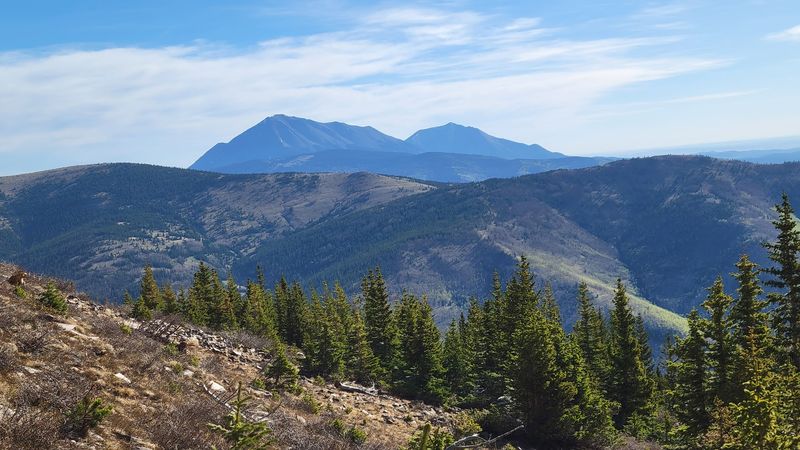
Outdoor lovers are absolutely spoiled for choice when it comes to hiking around the Spanish Peaks. Trails range from easy, flat walks through wildflower meadows to challenging summit routes that reward hikers with panoramic views stretching across multiple states on a clear day.
The West Peak Trail is one of the most popular routes, climbing through forests and rocky terrain before opening up to dramatic ridge views. Shorter family-friendly options wind through the dike formations, giving younger hikers a fun and educational experience without the intense elevation gain.
Because this area does not draw the massive crowds seen at more famous Colorado destinations, trails here feel refreshingly peaceful. You might hike for hours and encounter only a handful of other people.
Spring and fall bring especially gorgeous conditions, with wildflowers blooming in summer and golden aspen leaves painting the hillsides come September and October.
Cordova Pass: A High-Altitude Adventure for the Bold
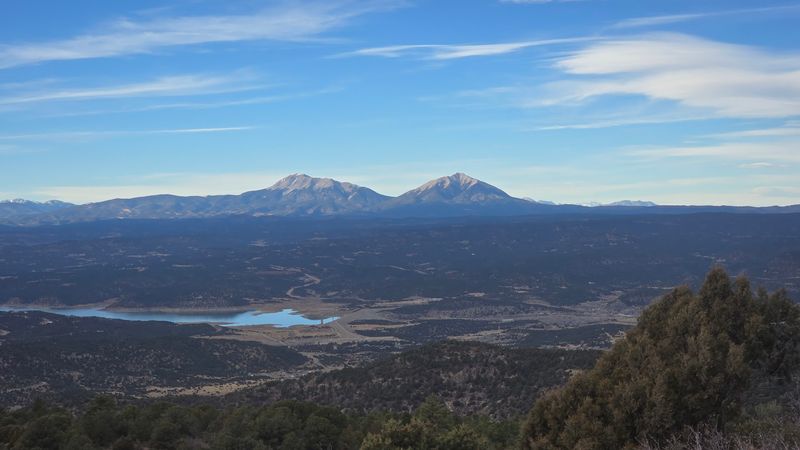
Cordova Pass sits at a breathtaking elevation of over 11,000 feet, making it one of the highest drivable passes in the entire Spanish Peaks region. Reaching the top requires a four-wheel-drive vehicle, but the reward is a sweeping, unobstructed view of the twin peaks and surrounding wilderness that feels almost otherworldly.
A quieter alternative, Cucharas Pass, tops out near 9,941 feet and is fully paved, making it accessible for standard vehicles. Both passes offer a sense of adventure and altitude that reminds you just how wild and untamed southern Colorado truly is.
Picnic areas near the summits make these passes ideal spots to stop, breathe the crisp mountain air, and take in scenery that stretches endlessly in every direction. Motorcyclists particularly love these routes for the thrilling curves and dramatic landscapes.
Riding until the road runs out, as one visitor put it, is a feeling worth chasing.
San Isabel National Forest: Wild and Wonderfully Uncrowded
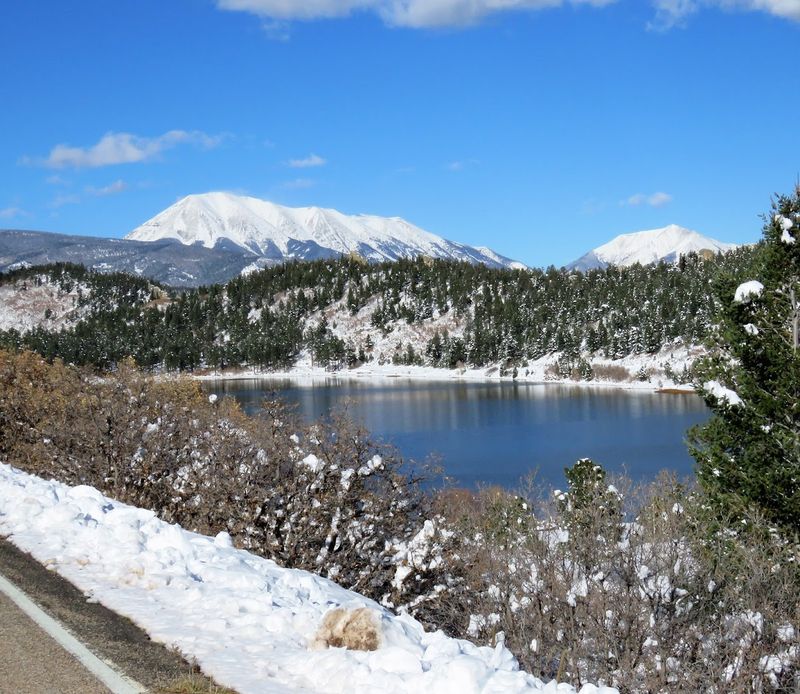
San Isabel National Forest wraps around the Spanish Peaks like a protective green blanket, offering millions of acres of wilderness for campers, hikers, hunters, and anyone craving a genuine escape from modern life. This forest does not appear on most tourists radar, which means you can enjoy it without fighting for a parking spot.
Camping options range from developed campgrounds with basic amenities to primitive backcountry sites where the only sounds you will hear at night are wind through the pines and the occasional owl. Fishing in mountain streams and lakes within the forest is a beloved local pastime, with trout being the most common catch.
Wildlife sightings are a regular bonus here. Mule deer, black bears, wild turkeys, and elk all call this forest home.
Visiting during the golden hours of early morning or late afternoon dramatically increases your chances of spotting something truly memorable in the wild.
Stonewall: A Tiny Town With a Dramatic Rocky Backdrop
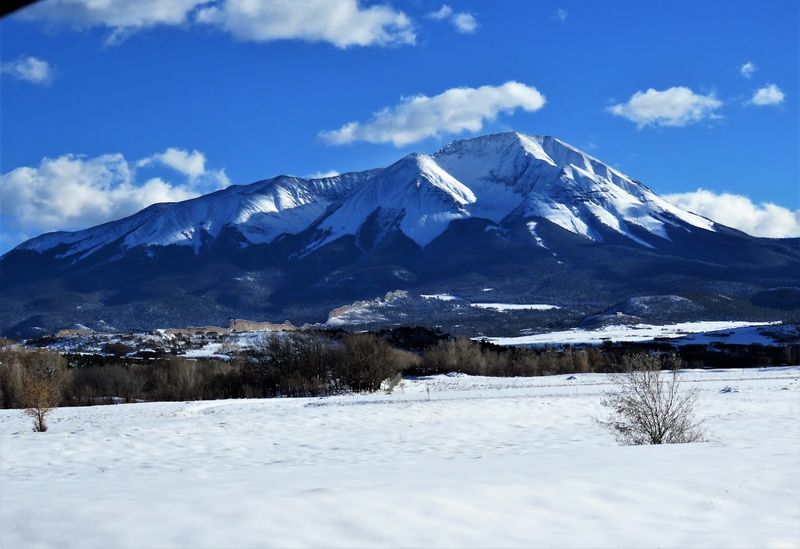
Stonewall is one of those blink-and-you-might-miss-it towns along the Highway of Legends, but stopping here is absolutely worth your time. Named for the striking natural rock wall that towers behind it, Stonewall sits at the point where Highway 12 turns northward toward the Spanish Peaks, marking a dramatic shift in the landscape.
The towering red rock formation that gives the town its name rises sharply from the valley floor, creating a natural landmark that has impressed travelers for generations. Photographers especially love capturing the way afternoon light plays across the layered rock faces.
The surrounding area offers quiet fishing spots along the Purgatoire River and peaceful scenery that feels completely removed from the busy modern world. Stonewall represents everything that makes this region so special: raw natural beauty, deep history, and a quietness that lets you actually hear yourself think for a change.
Cuchara: A Mountain Village Full of Cozy Charm
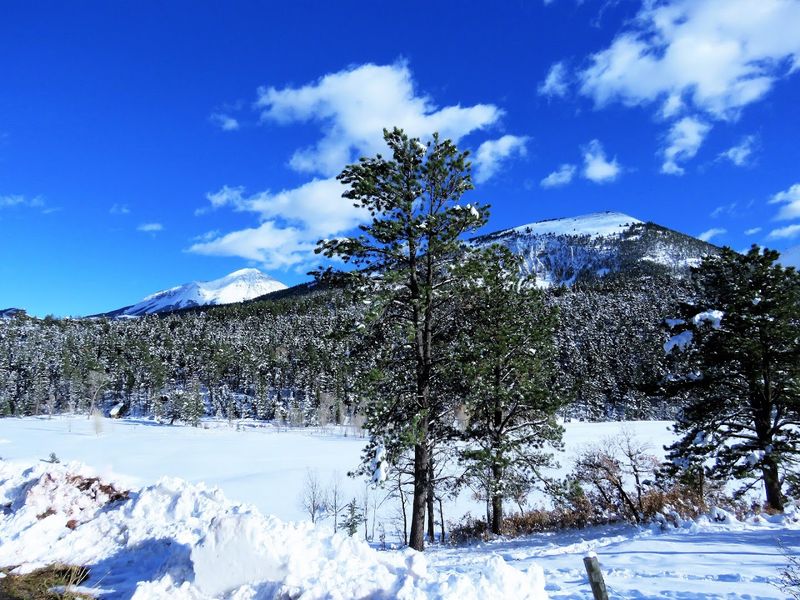
Nestled in a valley surrounded by towering pines and aspen groves, Cuchara is a tiny mountain village that packs an enormous amount of character into a very small space. With a population of just a few dozen permanent residents, this place feels like a mountain retreat frozen somewhere between the past and present.
A handful of shops, cabins, and local eateries line the short main road, giving the village a rustic, storybook quality that visitors instantly adore. During summer weekends, Cuchara fills with hikers, cyclists, and families escaping the heat of lower elevations, though it never feels truly overcrowded.
The nearby Cuchara ski area operated for decades before closing, but the mountain terrain around the village still draws snowshoers and cross-country skiers in winter. Sitting on a cabin porch here with nothing but forest sounds and mountain views around you is genuinely one of life’s simple but profound pleasures.
Wildlife Watching Opportunities That Rival Any Nature Documentary
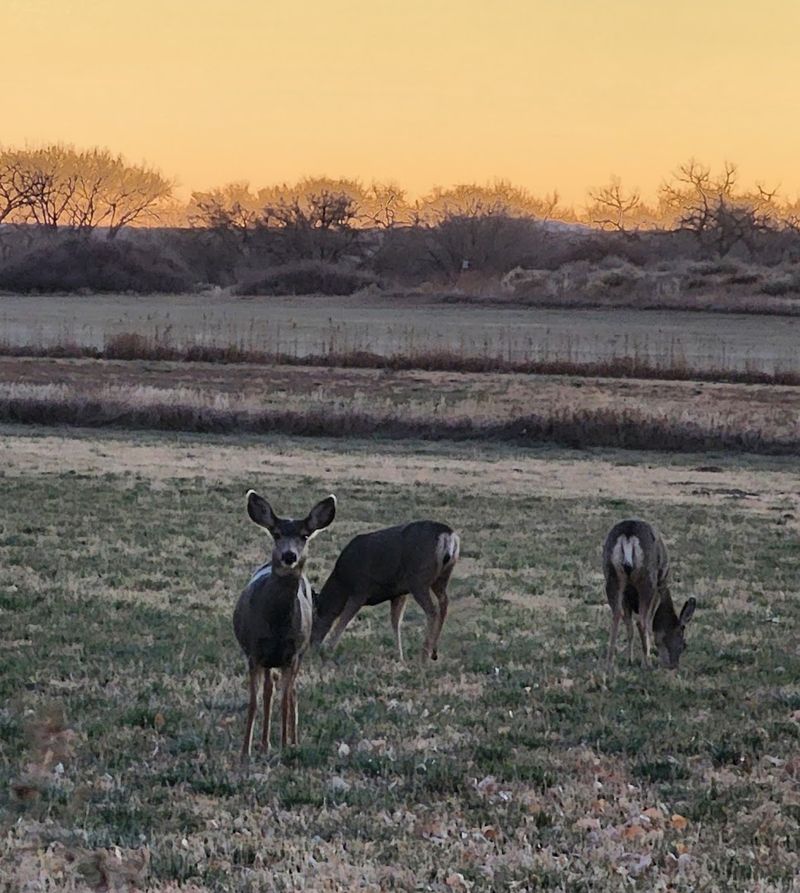
Southern Colorado around the Spanish Peaks is a wildlife lover’s paradise that rarely gets the recognition it deserves. Mule deer are practically a daily sighting, especially near dawn and dusk when they venture out to graze along roadsides and open meadows.
Driving carefully at these hours is genuinely important for both your safety and theirs.
Elk herds roam the higher forests, particularly in fall during the rut when bugling bulls echo across the mountain valleys in a sound that raises goosebumps instantly. Black bears are present throughout the region, so proper food storage while camping is an absolute must.
Bird watchers will find the area equally rewarding. Hawks, eagles, wild turkeys, and a variety of songbirds populate the forests and meadows year-round.
Unlike wildlife encounters at more visited Colorado destinations, the animals here seem genuinely less accustomed to human presence, making each sighting feel raw and truly special.
Photography Paradise From Every Single Angle
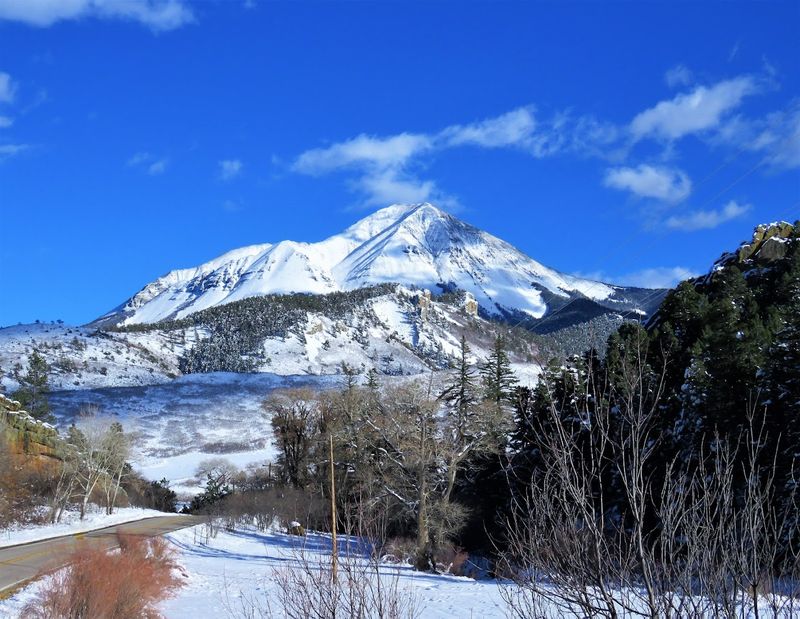
Photographers have been quietly calling the Spanish Peaks area one of Colorado’s best-kept visual secrets for years. The combination of volcanic peaks, ancient rock dike formations, rolling grasslands, dense forests, and tiny historic towns creates an almost endless variety of striking compositions in every direction you point a lens.
Seasonal changes dramatically shift the mood of the landscape. Spring wildflowers blanket meadows in vivid color, summer thunderstorms roll dramatically across the plains below the peaks, autumn transforms aspen groves into shimmering gold, and winter coats everything in clean white silence.
Early morning light hitting the peaks from the east produces an especially gorgeous warm glow that professional and amateur photographers alike chase eagerly. One longtime visitor described a single photo of the Spanish Peaks as looking like a painting from every angle.
Bring plenty of memory cards, because you absolutely will not want to stop shooting here.
Rich Native American and Pioneer History Woven Into the Land
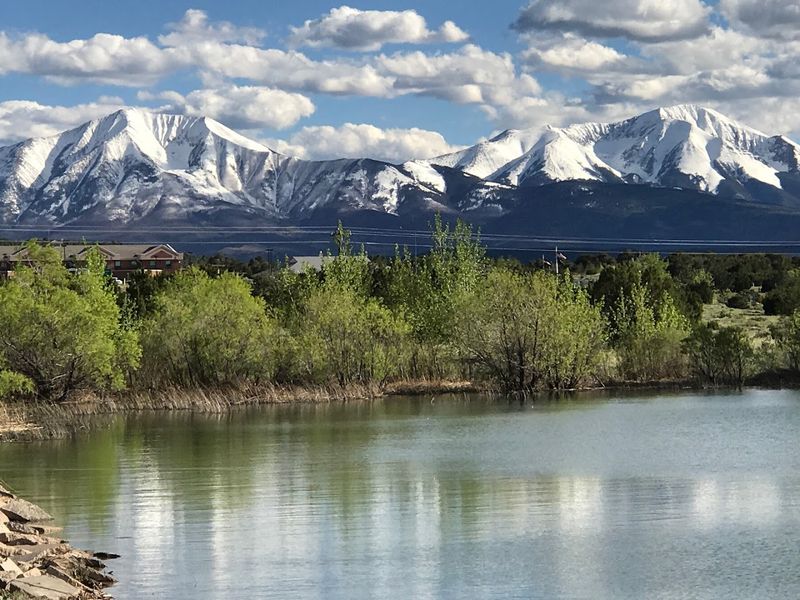
Long before European settlers arrived, the Spanish Peaks held deep spiritual significance for the Ute, Comanche, and other Native American tribes who lived and traveled through this region. The Ute name Wahatoya, meaning breasts of the world, reflects just how central these mountains were to the cultural identity of the people who called this land home.
Spanish explorers later passed through the area, and the peaks eventually became a crucial landmark for traders and settlers traveling along the Santa Fe Trail. Fort Francisco, built in 1862 in what is now La Veta, served as a trading post and community hub during a turbulent period of westward expansion.
Today, the Fort Francisco Museum preserves artifacts, photographs, and stories from both Native American and pioneer eras. Walking through its exhibits feels like stepping directly into a living history book, connecting you to the many layers of human experience embedded in this remarkable landscape.
A Peaceful Escape From Colorado’s Most Overcrowded Destinations
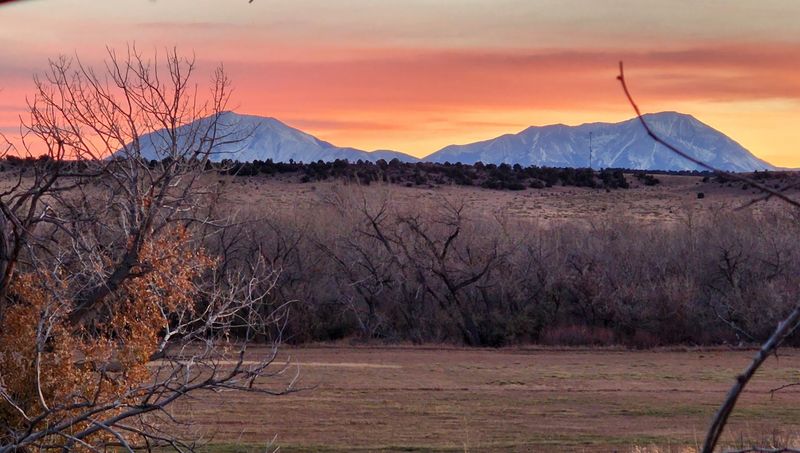
While places like Rocky Mountain National Park and Maroon Bells attract millions of visitors every year, the Spanish Peaks area remains genuinely, blissfully uncrowded. Roads are quiet, trails are peaceful, and the overall experience feels like what Colorado must have been like before tourism exploded across the state.
For travelers burned out by packed parking lots and hour-long waits at popular overlooks, this corner of southern Colorado feels like a revelation. You can hike all day, explore mountain passes, wander through historic towns, and end the evening watching a spectacular sunset without encountering more than a handful of other people.
One reviewer summed it up perfectly: if you want an outdoor adventure that is not crowded with people, this is the place for you. The Spanish Peaks region offers everything Colorado is famous for, beauty, adventure, history, and wildness, delivered with a quiet generosity that makes every visit feel deeply personal and refreshingly unhurried.
Enjoyed this story?
Add Fast Food Club as a preferred source to see more of our reporting on Google.