


Tucked into the rolling hills of southern Oregon, there is a small town where wooden storefronts still line the main street and brick buildings have stood for more than a century. Gold once pulled thousands of hopeful settlers into this valley, and the profits they left behind became the buildings people still stroll past today.
What makes this spot so appealing is how little it seems to have changed, even as the world around it raced ahead. A short drive from Medford turns into a slow walk through history, and the whole place fits neatly into a single unhurried day.
Keep reading to find out where this quiet corner of Jackson County sits, why the entire downtown carries a national honor, and how to make the most of an afternoon spent wandering its old lanes.
Where This Time Capsule Sits on the Map
Jackson County holds a little town called Jacksonville, resting at Oregon 97530, roughly five miles west of Medford in the southern part of the state.
The community grew up along Jackson Creek, the same waterway that gave the place its name. That creek matters more than most because it was the site of one of the first placer gold claims in the region.
Reaching it takes hardly any effort. Medford serves as the nearest hub, and the short hop west means travelers can land at a regional airport and be walking historic streets within a half hour.
The setting leans rural and calm, with hills folding around the edges of town and the older streets angling toward the creek. Because everything sits close together, a car mostly becomes a way to arrive rather than a way to get around once you are there.
For a fuller sense of what the town offers, the official page at cityofjacksonvilleoregon.com lays out the basics. It stands as an easy anchor point for anyone mapping out a route through the valley, and its compact size makes it a friendly first stop.
The Gold Rush That Built Everything
Few towns owe their existence quite so directly to a single lucky strike. When gold turned up along Jackson Creek, word spread fast, and prospectors poured in hoping to make their fortunes.
That rush transformed a quiet stretch of creekside land into a busy frontier settlement almost overnight. Merchants, builders, and families followed the miners, and the money flowing through the area funded the sturdy brick and timber structures that still define the town.
The name itself carries the story. Jacksonville took its title from Jackson Creek, the very waterway where those early placer claims were staked.
What happened next is the part that gives the place its frozen-in-time feeling. As the gold thinned out and railroads chose to bypass the town, the frantic growth simply stopped, leaving the old buildings standing rather than being torn down for something newer.
That quiet decline turned out to be a gift for anyone who loves history. Instead of modern towers replacing the past, the original streetscape endured, and today it reads almost like an open book of nineteenth century frontier life waiting to be explored on foot.
A Whole Downtown With National Recognition
Most towns count themselves lucky to have a single historic landmark. Here, the honor stretches across the entire core of the community.
Because so much of the original architecture survived intact, the town earned recognition as a National Historic Landmark District. That designation means the whole downtown, not just one building, is considered worth preserving.
Strolling the main streets, the effect becomes obvious. Storefronts from the frontier era line up one after another, their brick facades and wooden porches giving a consistent sense of a place that stopped changing generations ago.
The preservation runs deep enough that many buildings still serve everyday purposes. Shops, offices, and eateries operate behind walls that have watched over the town for well over a hundred years.
That continuity is what sets the district apart. Rather than roping off history behind glass, the town keeps its old bones in active use, letting people wander in and out of buildings that once served miners and merchants.
For anyone drawn to architecture and the stories behind it, the walk itself becomes the main attraction, no ticket required.
California Street, the Heart of It All
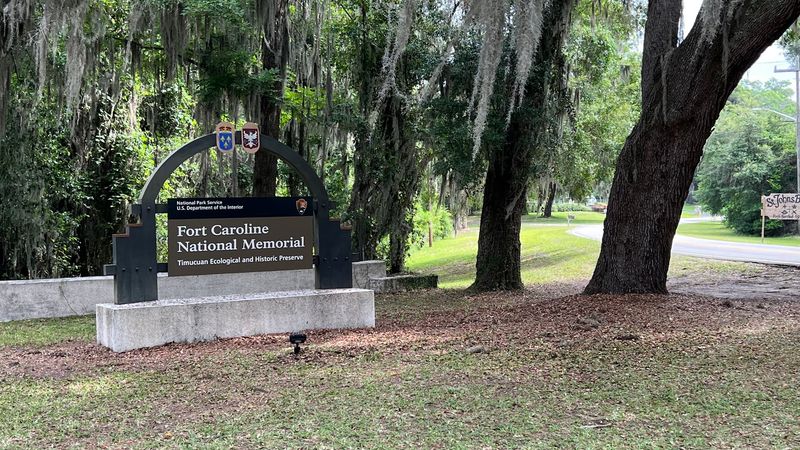
Every historic town has a spine, and here it runs right down the middle of the old commercial center. The main street draws visitors in with its unbroken line of period buildings and easy walking pace.
Nothing about the route feels rushed. The distances are short, the sidewalks are flat, and the storefronts sit close enough together that browsing from one to the next takes no planning at all.
Small independent shops fill many of the ground floors, tucked into buildings that have hosted businesses since the frontier days. That mix keeps the street lively without erasing its historic character.
Because the town stayed compact, this central stretch works as both the beginning and the middle of most visits. People park nearby, wander in, and let the street guide them from one storefront to the next.
The lack of sprawl is part of the charm. There is no confusing grid to navigate and no long trek between points of interest, just a walkable line of history that rewards a slow afternoon.
For a first-time visit, following the main street from end to end is the simplest way to understand what the whole town is about.
Jackson Creek and the Setting Around It
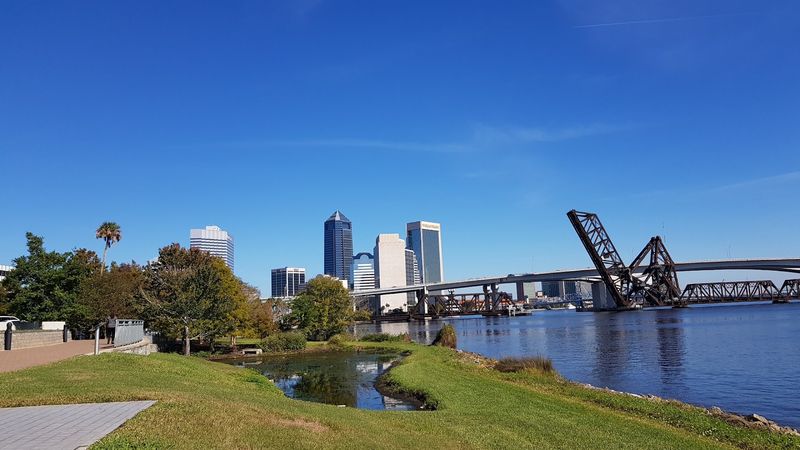
Water shaped this town long before the shops arrived. Jackson Creek flows through the community and gave the settlement both its name and its original reason for existing.
That creek was where prospectors staked one of the first placer gold claims in the area, making it the literal source of the town’s early wealth. Following its path today offers a quiet reminder of how geography set everything in motion.
The surrounding landscape adds to the sense of stepping back in time. Hills rise around the edges of town, keeping the scale intimate and the horizon green.
Because the creek runs right through the community, the natural setting never feels far away. A short walk can carry someone from the historic storefronts toward greener, quieter ground in just a few minutes.
That blend of built history and natural surroundings is part of what makes the day trip so satisfying. The town offers plenty to explore on foot, and the countryside is always waiting just past the last row of old buildings.
For travelers who like a little nature mixed with their history, the creekside setting delivers both without demanding a long drive.
Wandering the Old Streets on Foot
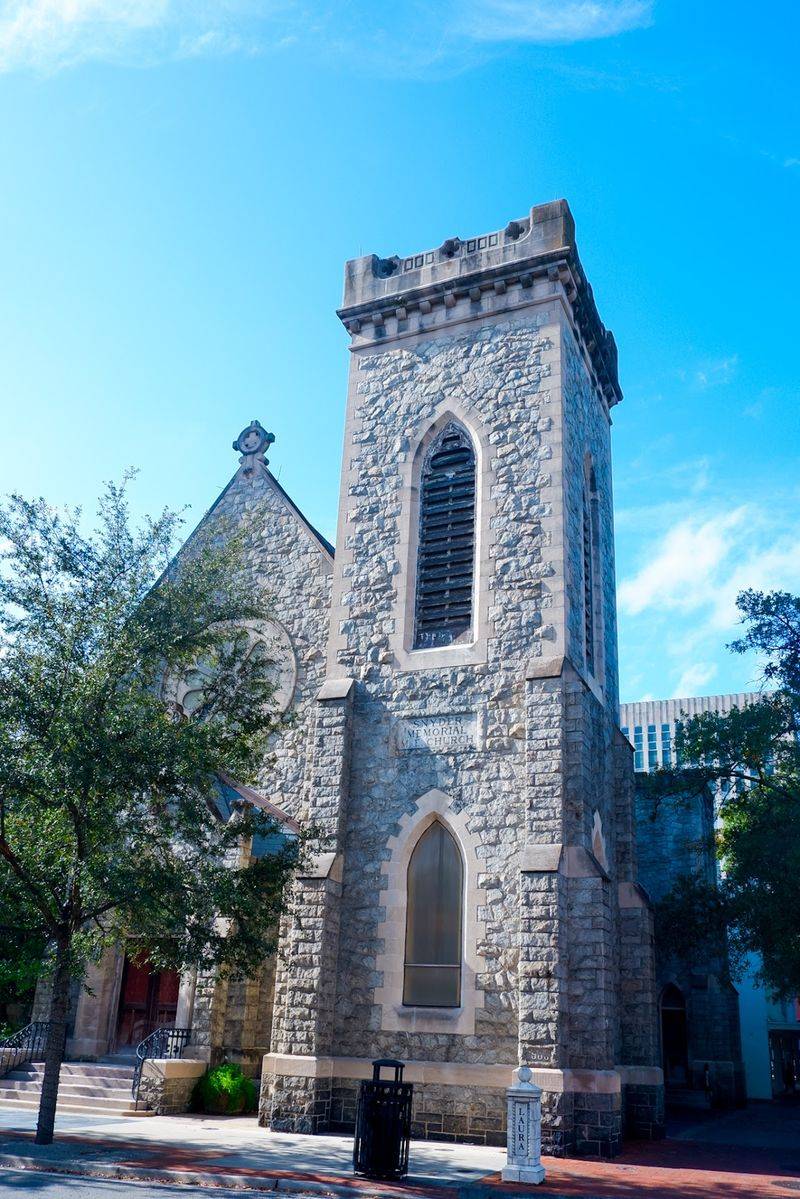
Comfortable shoes are the only real requirement for enjoying this place. The compact layout practically begs to be explored one block at a time.
Distances between the main points of interest stay short, so a leisurely wander covers most of the historic core without ever feeling like a workout. The flat central streets make the whole area easy to manage for almost anyone.
Part of the fun comes from noticing details. Dates carved into buildings, old signage, and the varied styles of frontier architecture reward those who slow down and look up.
Because the town grew during a single boom and then paused, the streetscape holds together in a way that newer places rarely do. Walking it feels less like touring separate attractions and more like moving through one continuous scene.
The pace suits the town perfectly. There is no reason to hurry when the whole point is to soak in the atmosphere of a place that time mostly left alone.
Set aside an unstructured hour or two, let curiosity lead, and the streets tend to fill the time on their own with small discoveries around every corner.
Local Shops Behind Historic Walls
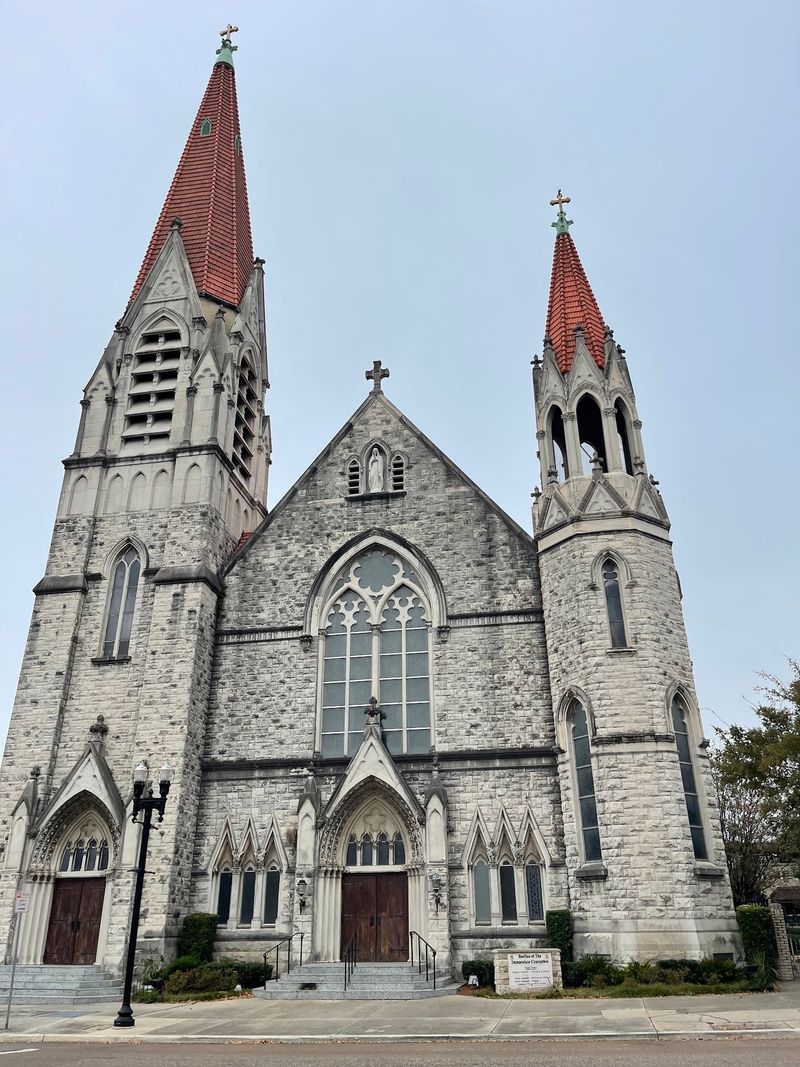
Old buildings do not sit empty here. Many of the ground floors along the main streets house small, independent businesses that keep the district humming.
The blend works because the shops occupy structures that have held commerce since the frontier era. Buying something today means stepping into a building that once served miners and settlers.
Browsing becomes an easy pleasure when everything sits within a short stroll. Shoppers can drift from one storefront to the next without ever hunting for parking or crossing a busy road.
That density of small businesses gives the town a personality all its own. Rather than familiar chains, the streets favor local character, which fits the historic setting far better.
Because the town stayed small, the shops tend toward the individual and the curious rather than the mass-produced. Wandering in and out of them turns into its own form of sightseeing.
For a day trip, this mix of retail and history means the walk never runs dry. There is almost always another doorway worth peeking through, and the old walls around each shop quietly add to the experience.
The Mood That Makes It Feel Frozen in Time
Something about the town slows a visitor down almost instantly. The unhurried streets and preserved buildings create a calm that feels rare in a modern travel stop.
Because the frantic growth stopped generations ago, the place never developed the noise and sprawl of busier towns. What remains is a quiet, low-key atmosphere that suits a relaxed afternoon.
The consistency of the old architecture reinforces the feeling. With so many buildings dating from the same era, the streetscape reads as a single preserved scene rather than a patchwork of old and new.
That sense of stillness is exactly what the title promises. The town genuinely does feel like a corner where the clock moved slower than everywhere else.
Travelers looking to unwind tend to appreciate the gentle pace most. There is no pressure to rush from attraction to attraction when the mood itself is the draw.
Regulars often mention how easy it is to lose track of time here, and that quiet spell is precisely why the place earns its reputation as a perfect escape from the everyday rush.
Who Will Love a Day Here
Not every destination suits every traveler, but this one casts a fairly wide net. History lovers find the most obvious reward, with a whole district of preserved frontier buildings to explore.
The relaxed pace also welcomes those simply hoping to unwind. Because nothing demands rushing, the town fits an easy, low-pressure kind of outing.
Couples and small groups tend to enjoy the walkable layout, where strolling from shop to shop becomes the shared activity. The short distances keep the day gentle rather than exhausting.
Curious wanderers who like reading a place through its architecture will find plenty to notice. The old buildings quietly tell the story of a boom-and-pause frontier town.
Anyone based near Medford has an especially strong case for a visit, since the town sits only about five miles west. That short hop turns a spare afternoon into a full change of scenery.
Solo explorers work well here too, thanks to the compact and easy-to-navigate core. Whatever the group size, the town rewards those who prefer substance and calm over spectacle and crowds.
Getting There and Planning the Trip
Reaching this historic stop asks very little of a traveler. The town sits at Oregon 97530, about five miles west of Medford in Jackson County.
That proximity to Medford makes it one of the simplest side trips in the region. A short drive west is all it takes to swap a modern city for a preserved frontier street.
Once in town, a car mostly becomes optional. The compact historic core is best explored on foot, so parking once and walking tends to work far better than driving from block to block.
Planning stays flexible thanks to the town’s small size. Because so much of the interest sits within the walkable district, a visit can stretch to fill a full afternoon or wrap up in a couple of relaxed hours.
The official site at cityofjacksonvilleoregon.com is a reliable place to check current details before heading out. It serves as a helpful anchor for anyone building a day around the town.
For the smoothest experience, treat Medford as the launch point, keep the schedule loose, and let the historic streets set the pace once you arrive.
Why This Little Town Earns a Spot on Your List
Some destinations impress with size and spectacle, and others win people over with quiet character. This one clearly belongs to the second group.
The combination of a gold rush origin, a fully preserved historic district, and a creekside setting gives the town a story that few day trips can match. Every street carries a little of that frontier past.
Its location near Medford removes the usual excuse of a long drive. A short trip west opens up a place that feels genuinely removed from the modern rush.
What lingers most is the sense of calm. The town moves at its own gentle pace, and that unhurried mood is exactly what makes it such a satisfying escape.
For travelers who value history, walkability, and a break from the ordinary, the appeal adds up quickly. A single afternoon here is enough to feel like a proper getaway.
Keep it in mind the next time an easy, meaningful day trip is in order, and this quiet Oregon town will happily welcome the visit with its old streets and slower clock.
Enjoyed this story?
Add Fast Food Club as a preferred source to see more of our reporting on Google.