


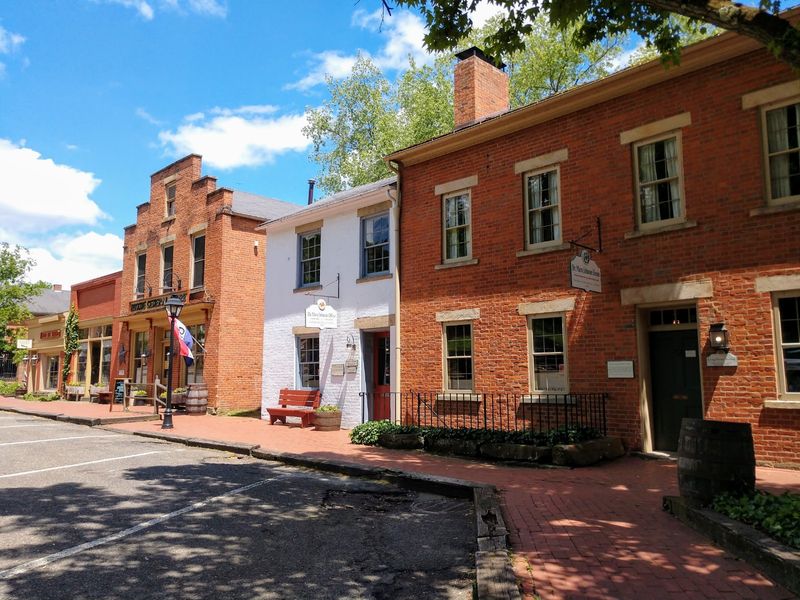
Some places ask you to slow down whether you planned to or not. Tucked into eastern Ohio sits a restored canal town where one main street holds nearly two centuries of stories, plus a lineup of shops that reward the curious wanderer.
A working blacksmith still shapes metal here, a boat still glides along an old canal on weekends, and gardens spill color between buildings that predate your grandparents’ grandparents. The place fills a weekend without ever feeling rushed, and the price of admission stays friendly.
Families come for the hands-on corners, couples come for the quiet stroll, and history lovers come for the buildings that never left the 1800s behind. Keep reading, because this town has more layers than its short street suggests.
Where Time Slows Along Whitewoman Street
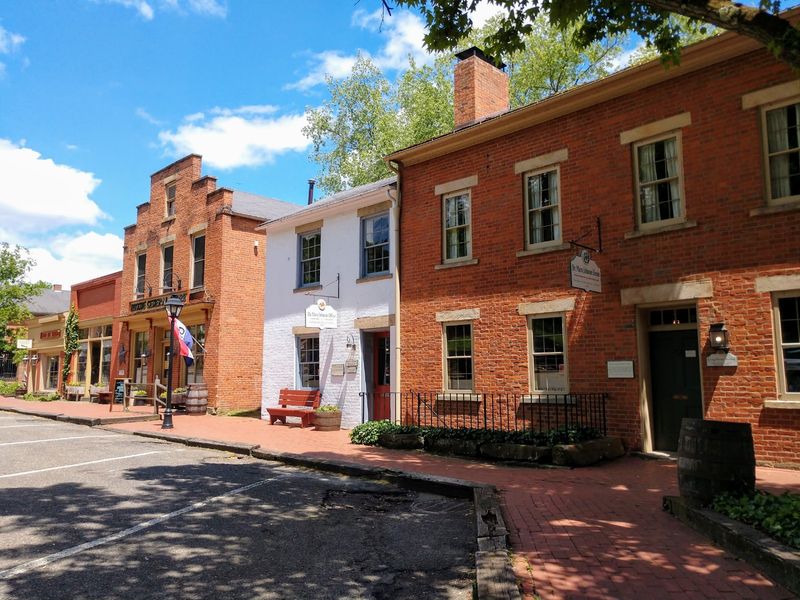
Right off the highway near Coshocton, Ohio, a single street opens into another century. The address to plug into your map is Historic Roscoe Village, 600 N Whitewoman St, Coshocton, OH 43812.
The whole place is a restored port town from the 1830s, back when a canal ran directly behind the buildings and kept the local economy humming. Costumed guides, old-timey shops, and craft demonstrations still fill the lineup today.
The layout works in your favor. Town is small and easy to navigate, with historic buildings marked clearly along one walkable road.
That compact size is part of the appeal, since you can cover the highlights without a long hike. Folks tend to linger anyway, drawn from shop to shop by the details.
The setting earns steady praise, holding a 4.6-star average across more than a thousand ratings. That kind of consistency says something about how the place treats a slow afternoon.
A Canal Town Born From Water
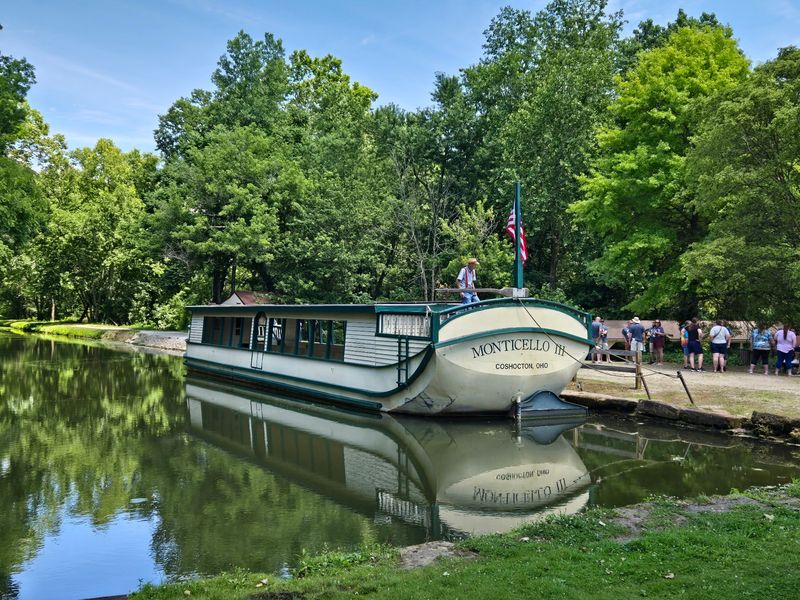
Behind the charming storefronts hides the reason this town exists at all. The Ohio and Erie Canal once ran right past Roscoe, and that waterway helped the community flourish in its early years.
Goods, boats, and travelers moved along that channel, turning a small settlement into a busy canal-era port. The town leaned into commerce, and the buildings that line the street today were once workplaces and living quarters for its early notable faces.
The interpretive displays scattered through the buildings tell this story at your own pace. You move through the history without a strict schedule, pausing where curiosity pulls you.
Learning how the canal shaped daily life turns a simple walk into something richer. The exhibits connect the quiet street you see now with the working port it used to be.
That water-driven origin still resonates through the whole place, giving every restored building a reason to be there.
The Canal Boat Ride Everyone Talks About
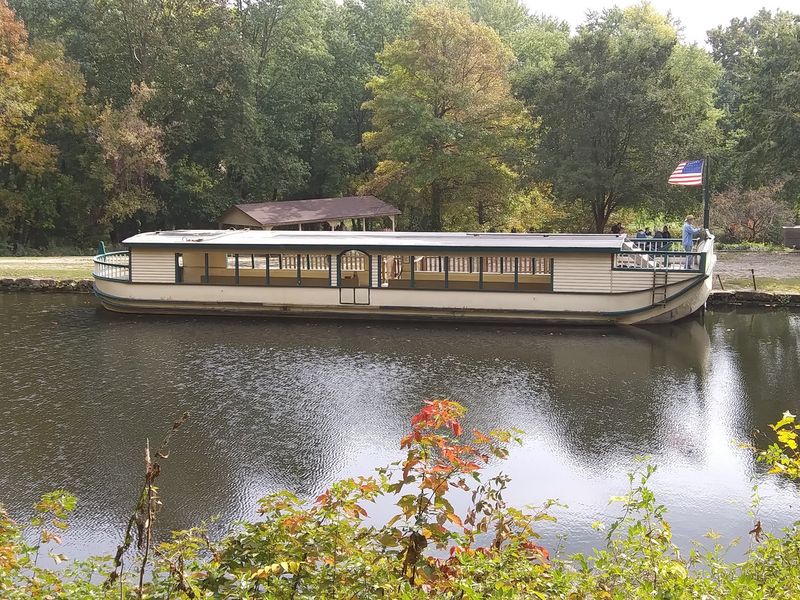
Of all the draws here, one rises above the rest in conversation. The canal boat ride pulls in more mentions than any other attraction, and plenty of guests plan their whole trip around it.
The experience runs calm and relaxing, gliding along the old canal that gave the town its start. Some folks come specifically for the boat and then stay to explore everything else.
Timing matters more than you might expect. The ride tends to run on weekends, and arriving earlier in the day gives you the best shot at a spot.
Show up too late and you may miss the boat entirely, which sends more than a few people home planning a return trip. Early birds who catch the first departures get the fullest day out of their visit.
There is a gift shop and a large parking lot near the boarding area, so the whole stop is easy to fold into your plans. A leisurely float on old water is the kind of memory that keeps people coming back.
The Blacksmith Still Working the Forge
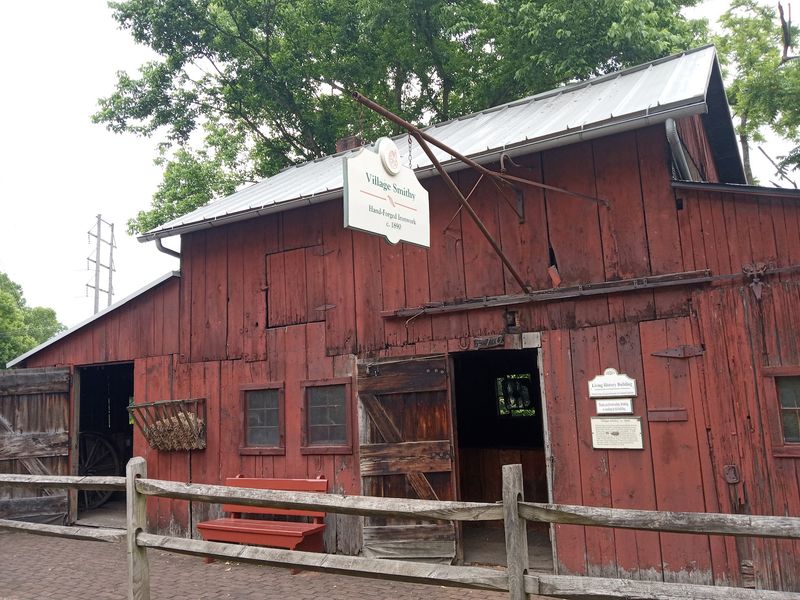
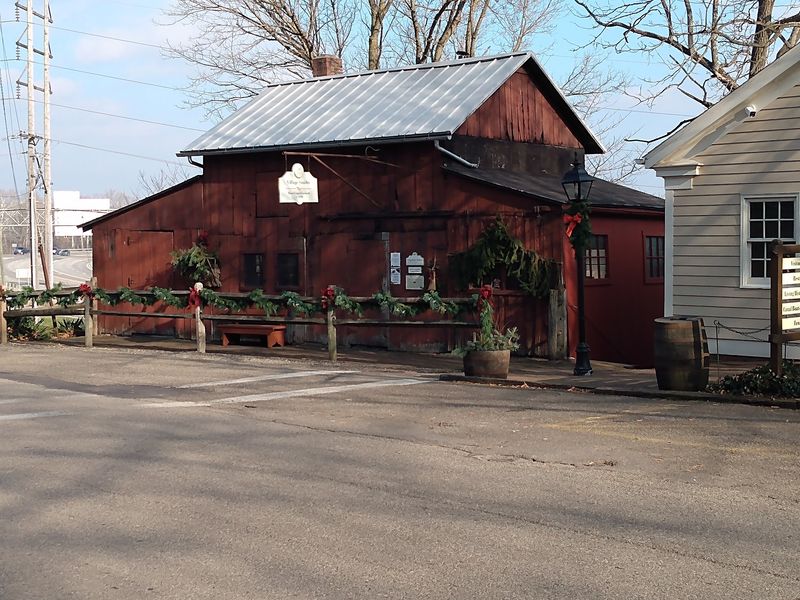
When the crowds talk about live demonstrations, one figure stands out above the rest. The working blacksmith remains the most talked-about hands-on presence in the village.
He shapes metal the old way, giving guests a genuine look at a canal-era trade in motion. Among the buildings that lean on video guides, the forge offers something real and active.
The contrast is part of why the blacksmith gets so much attention. Several stops rely on virtual narrators, so a person actually plying a craft feels like the heart of the place.
Guests who value that authenticity gravitate straight to the forge. Watching iron take shape connects you to the workers who once kept this port running.
The blacksmith shop anchors the living-history side of the village. It proves that even a compact town can still spark real wonder when someone picks up a hammer.
Shops Full of Handmade Finds
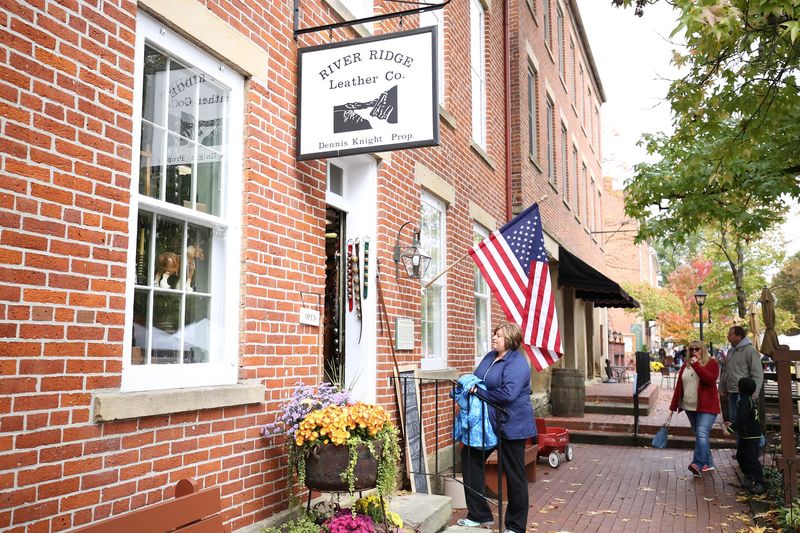
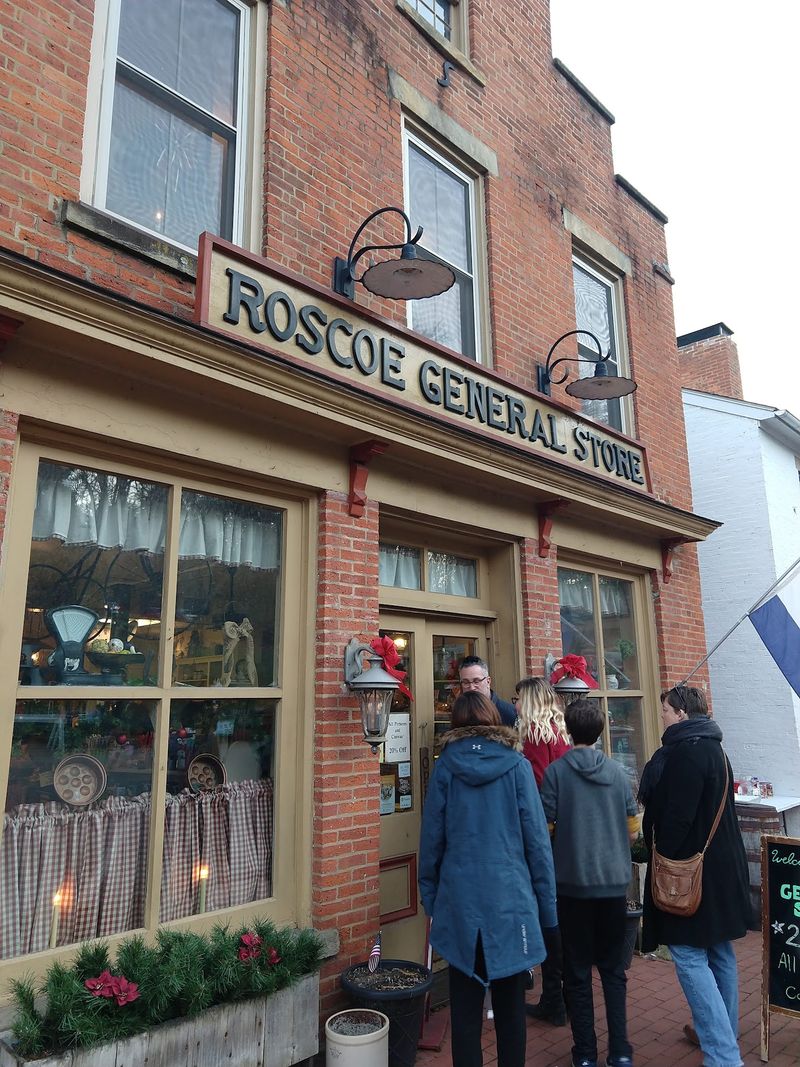
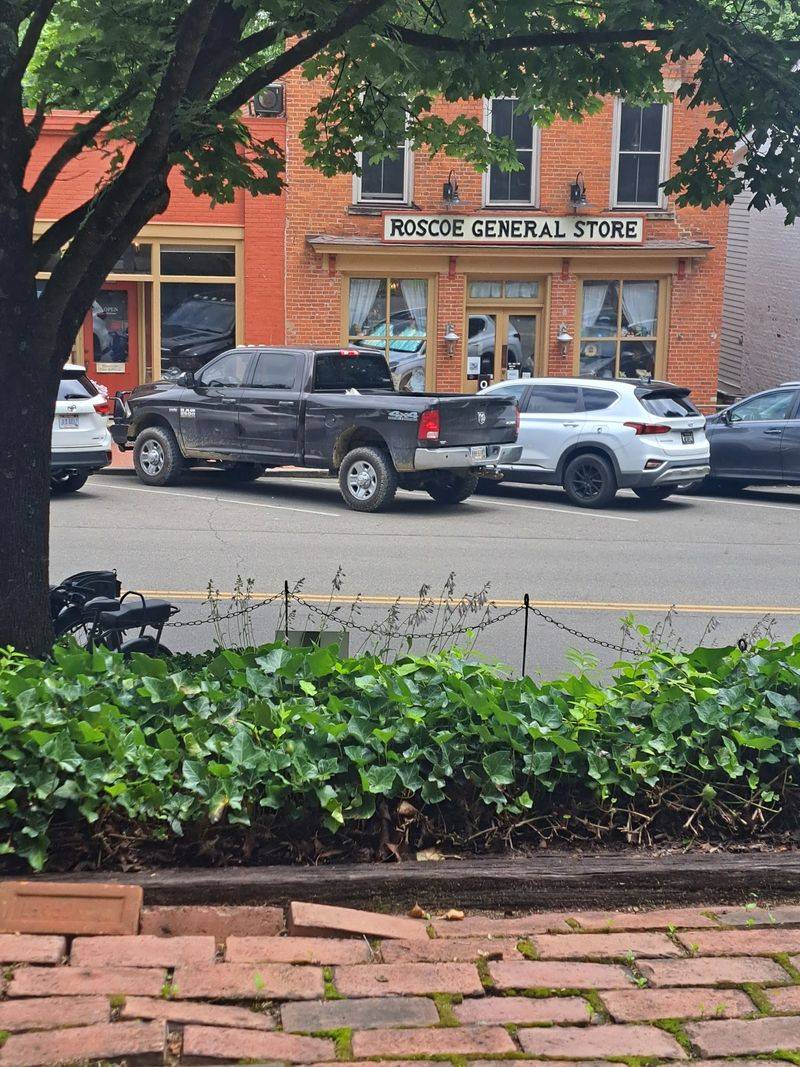
Browsers, this is your street. The single lane is lined with locally run shops selling handmade crafts, knickknacks, and curiosities that reward a slow pass.
The mix has shifted over the years. The higher-end stores of decades past have given way to a fresh lineup of makers and craft sellers, and the new blend keeps drawing steady interest.
Art galleries, a candy shop, and a leather shop all earn nods from those who wander through. The leather shop in particular gets singled out as a stop worth finding.
Shop owners and workers tend to be helpful and friendly, happy to answer questions about their trades. Some even dress the part and offer small demonstrations between sales.
Prices sit in line with similar establishments elsewhere, so the browsing stays guilt-free. A slow afternoon of poking through these stores is exactly the pace this town rewards.
Gardens Tucked Between the Buildings
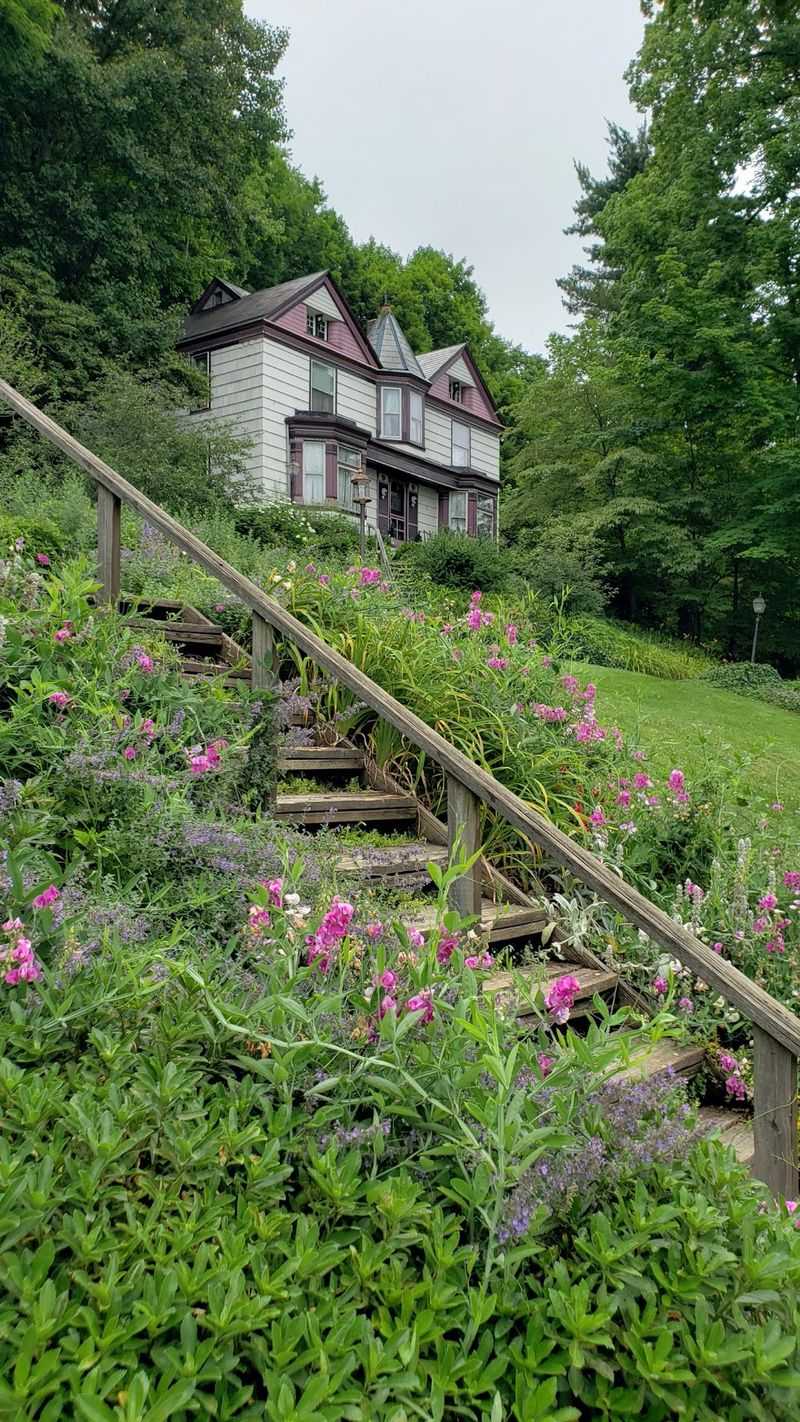
Green surprises wait between the storefronts. Gardens pop up throughout the village, and they earn frequent mention from those who stroll the street.
The plantings soften the historic setting and give walkers a reason to pause. They fit naturally into a town built for a leisurely pace.
Beyond the flowers, the surrounding area offers walking paths, fishing, and swimming for those who want to stretch the outing. The village leans into being a relaxing place rather than a packed itinerary.
Picnic areas sit near the main museum, along with a small shopping cluster and restrooms. That setup makes it easy to rest and refuel without leaving the grounds.
The gardens turn simple stretches of walkway into little pockets of calm. They quietly remind you that this town was designed for lingering, not hurrying.
Start Your Day at the Visitor Center
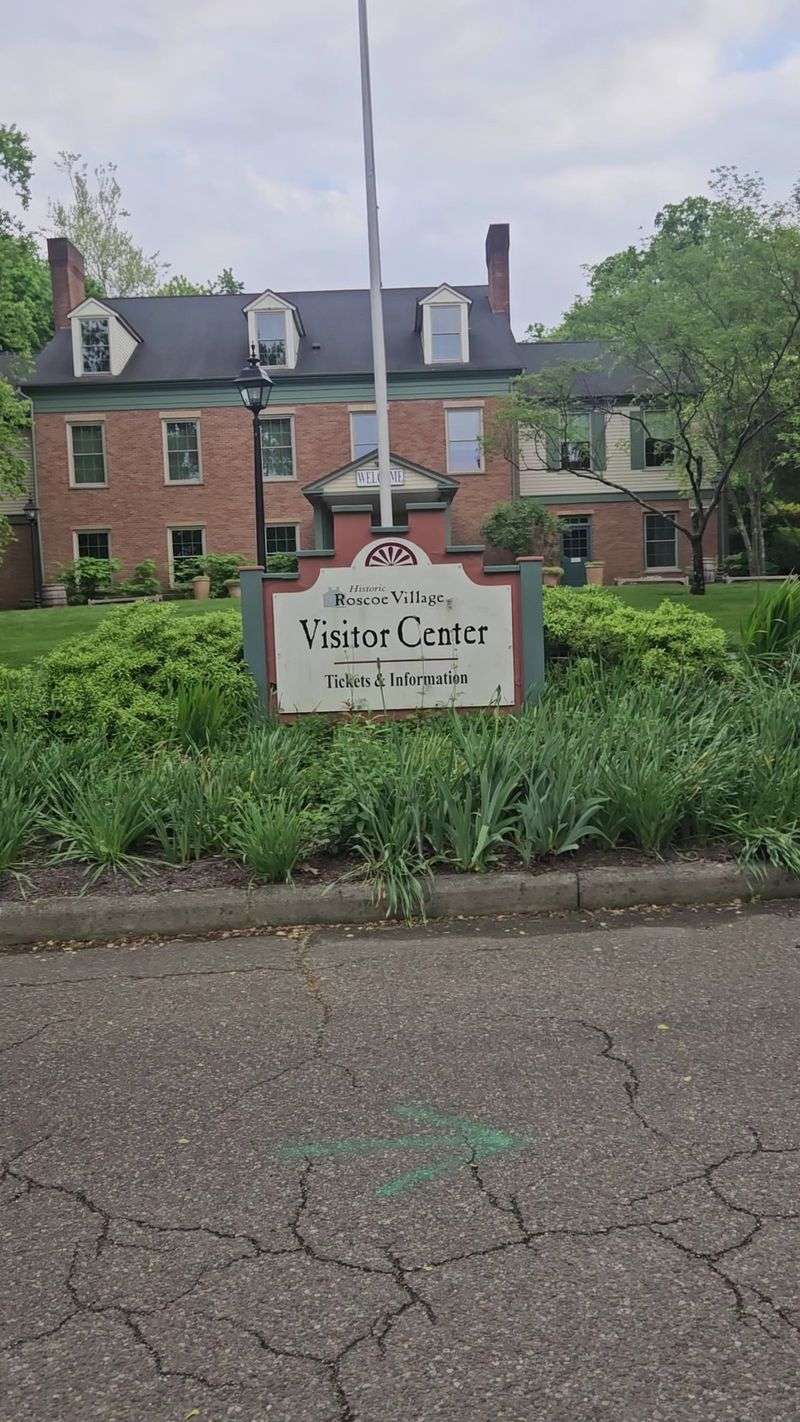
Smart trips here begin at the same spot. The Visitor Center serves as the front door, complete with an introductory film that sets up the town’s story.
Staff at the center handle ticket prices and admissions, pointing you toward which parts of town your pass covers. It is the place to sort out your plan before you set foot on the street.
Upstairs sits a museum with additional exhibits and retail items. A scavenger hunt available in the museum keeps younger guests engaged as they explore.
Parking is easiest right here, so many suggest leaving the car at the Welcome Center rather than on the street. The center holds plenty of information to get you oriented.
A quick stop at the start saves confusion later, especially around what each ticket includes. Beginning here turns a good visit into a smooth one.
The Self-Guided Living History Tour
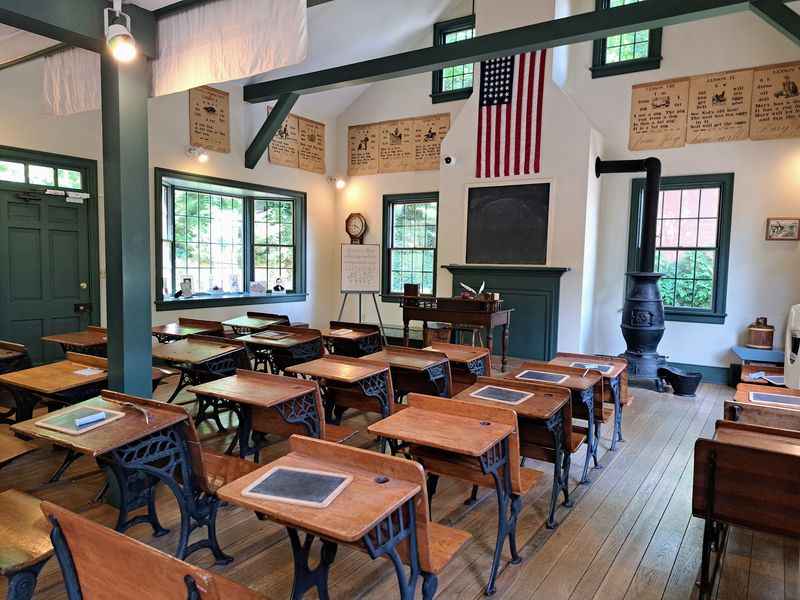
History fans get a proper walk-through here. The self-guided tour opens up restored living-history buildings, including a recreated one-room schoolhouse tucked among the shops.
You move at your own pace through interpretive displays, stopping as long as each exhibit holds your interest. Narrators and displays fill in the details of canal-era life.
Some stops still rely on video guides rather than costumed staff, which reads as informative if less lively. The trade-off is that you can cover the tour on your own schedule.
Ticket prices land in the reasonable range, though a big family should budget with that in mind. The historic tour and the main museum carry separate fees, so check what your pass covers.
Plan to arrive earlier in the day if the tour is a priority, since buildings can close before the posted hour. A little planning keeps the full experience within reach.
Craft Classes and Old-Time Trades
Beyond browsing, the village keeps old trades alive. Craft classes cover skills like broom making and other canal-era crafts, and demonstrations pop up at several buildings.
Broom making earns its own mentions from guests who catch it in action. Watching these trades reminds you how much daily life once depended on skilled hands.
Some stops offer demos with staff dressed in period attire, answering questions as they work. Others lean on videos, which cover the basics without the same spark.
There is a wish among guests for more hands-on options, like trying broom weaving, candle making, or the printing press yourself. That craving for interactive stops speaks to how engaging the trades already are.
The Hays activity center has been a favorite for kids, packed with things to do. Craft corners give younger visitors a reason to stay curious all day.
Festivals That Fill the Calendar
The town knows how to throw a gathering. Several special events run throughout the year, giving repeat guests fresh reasons to return.
The Apple Butter Festival draws its own following each season. It joins a lineup that keeps the village lively well beyond an ordinary weekend.
Come the holidays, the Christmas candle lighting turns the street into a seasonal favorite for families. Music, crafters, and a warm atmosphere round out the event calendar.
These gatherings have become family traditions for people who have been coming back for many years. The events give the historic setting a festive energy that regular days do not.
Timing a visit around a festival changes the whole feel of the town. If your dates line up, the extra activity is well worth planning around.
Hours, Tickets, and Getting There
A few practical notes keep your trip smooth. The village runs Tuesday through Sunday from 10 AM to 4 PM, and it stays closed on Mondays.
Because buildings can close near that 4 PM mark, arriving early is the safest bet. Late arrivals sometimes miss the boat ride and the tour buildings entirely.
Adult tour tickets have run around 11 to 13 dollars, with the main museum and craft activities carrying separate fees. Parking is free, which keeps the day easy on the wallet.
The town sits about an hour south of Canton, just off the highway exit near Coshocton. Plan to spend roughly three to six hours to take in the full experience.
Meal times can get crowded at the local eateries, so timing lunch a little early or late helps. A quick check-in at the Visitor Center clears up exactly what each ticket includes.
A Weekend That Rewards a Slow Pace
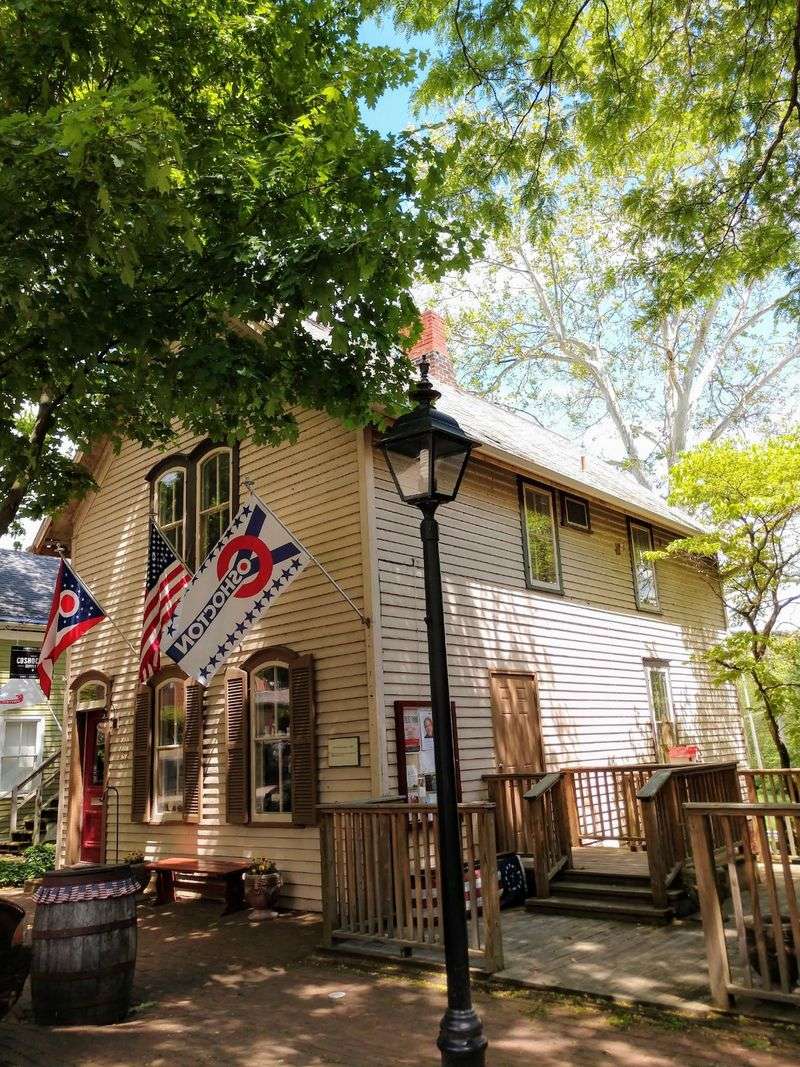
Some destinations reward speed. This one rewards the opposite, welcoming anyone happy to stroll a single street and let the hours stretch.
The quaint atmosphere pulls in families, couples, and history lovers alike. Kids find plenty to explore at the activity center and scavenger hunt, while browsers work through the shops at their leisure.
The whole town reads as peaceful, with a short walking distance that never feels demanding. That easy scale is exactly what a slow weekend calls for.
Staff interactions tend to be warm and knowledgeable about the trades and the village itself, and the friendly greetings stick with guests. The restored buildings, working forge, and quiet canal all add up to a genuine trip back into an older Ohio.
For a weekend built around wandering rather than rushing, this restored canal town delivers a full, unhurried escape. Show up early, take your time, and let the old street set the pace.
Enjoyed this story?
Add Fast Food Club as a preferred source to see more of our reporting on Google.