


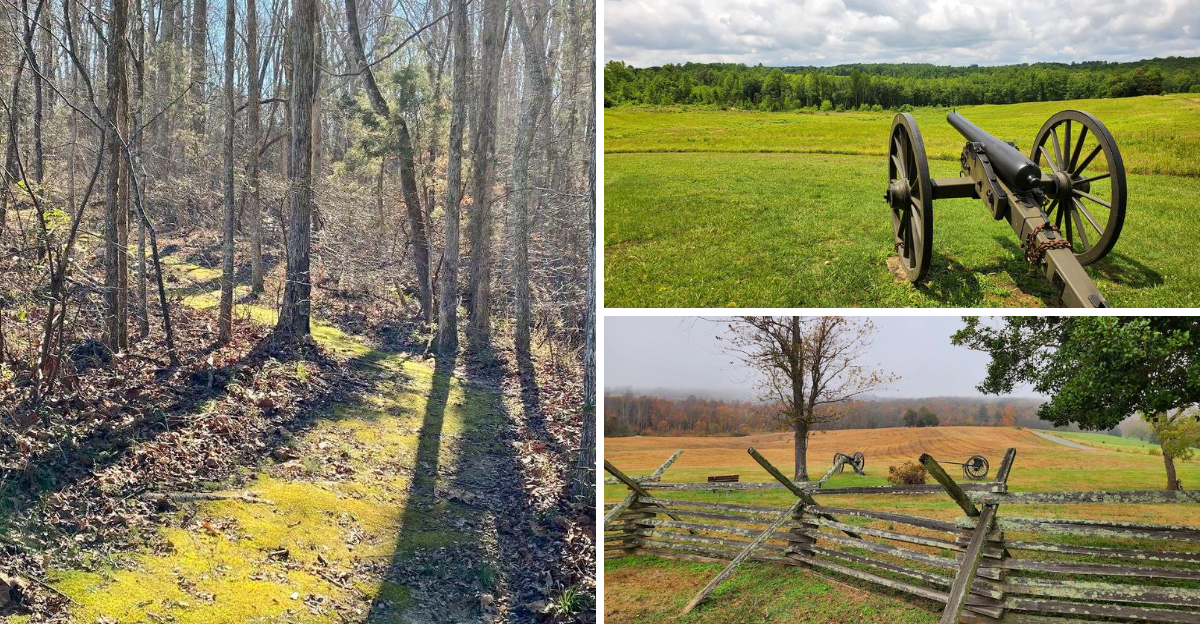
Tucked away in the quiet countryside of Rice, Virginia, Sailor’s Creek Battlefield Historic State Park carries a weight that you can almost feel the moment you step onto its grounds. This is where the Civil War’s last major battle was fought on April 6, 1865, just three days before General Lee surrendered at Appomattox.
The rolling hills, misty mornings, and haunting silence make this 370-acre park feel like something straight out of a Stephen King story. If you love history, mystery, and a little bit of spine-tingling atmosphere, this place absolutely deserves a spot on your must-visit list.
The Last Battle’s Eerie Silence
Some places hold their history so close that you can almost hear it whispering. At Sailor’s Creek, the silence hits differently than at other parks.
There are no playgrounds, no picnic crowds, just open fields where thousands of soldiers once clashed in a desperate, bloody fight that helped end the Civil War.
Fought on April 6, 1865, this battle saw nearly 8,000 Confederate soldiers captured in a single afternoon. Walking the same ground today, knowing what happened here, sends a chill straight down your spine.
The wind moves through the tall grass in a way that feels almost intentional.
Visitors consistently say the atmosphere is unlike anything they have experienced at other battlefields. There is a heaviness here that words struggle to capture.
Come early on a weekday morning for the full effect.
Fog-Drenched Mornings That Look Like Movie Scenes
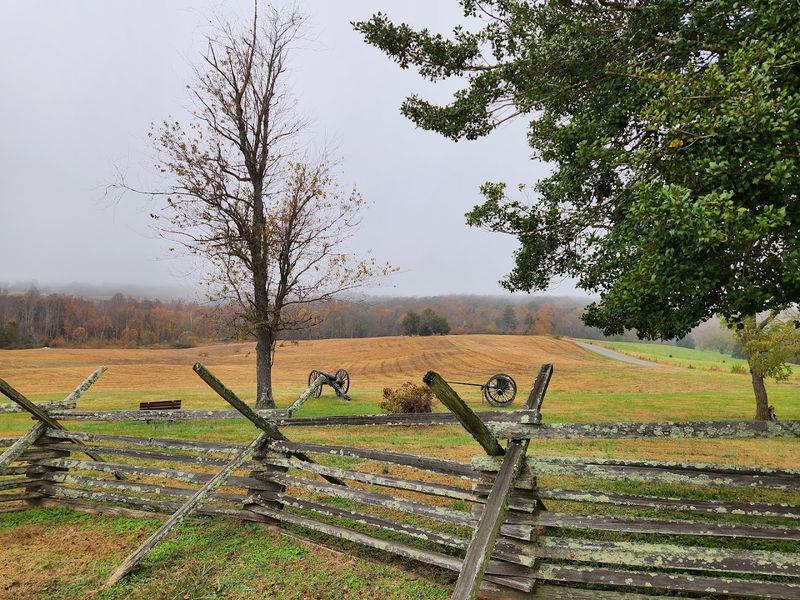
One visitor described the morning dew at Sailor’s Creek as making for “some wonderful photos,” and that is a serious understatement. When fog settles low over the battlefield at sunrise, the whole landscape transforms into something that feels almost fictional.
Trees emerge from the mist like dark silhouettes, and the creek itself seems to disappear into a gray void.
Photographers and history lovers alike have noted that early morning visits create an entirely different experience than afternoon trips. The light is softer, the air is cooler, and the park feels completely deserted.
That combination of natural beauty and historical weight is genuinely unsettling in the best possible way.
Planning your visit for a cool spring or autumn morning is the smartest move you can make. Bring a camera, because you will want proof that a place this atmospheric actually exists.
The Overton-Hillsman House: A Field Hospital Frozen in Time
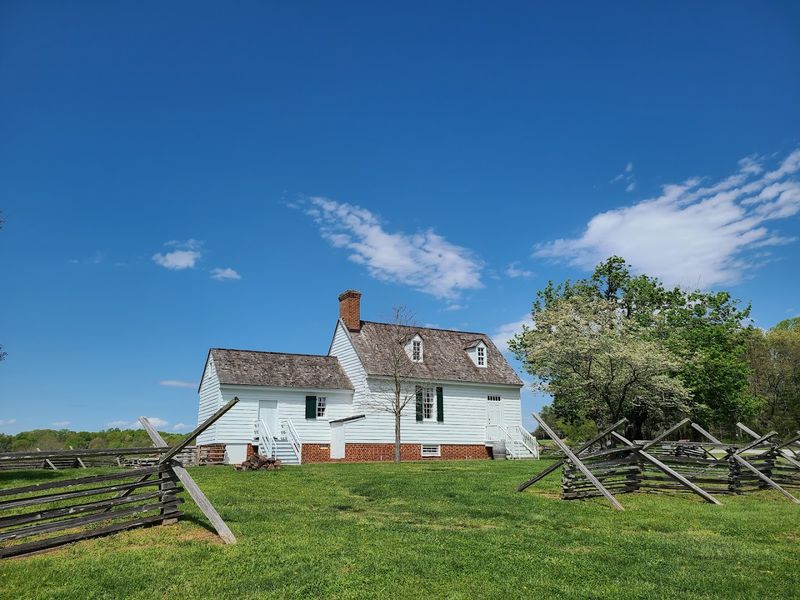
Walking into the Overton-Hillsman House is like stepping through a door that time forgot to close. During the battle, this home was converted into a Confederate field hospital, and the screams of wounded soldiers once echoed through its wooden rooms.
Today, it stands meticulously restored with period-correct furnishings laid out exactly as historical records describe.
Rangers offer guided tours on weekends, and calling ahead is absolutely the right move. One visitor called it the highlight of their entire trip, and it is easy to understand why.
Every detail, from the surgical tools to the arrangement of cots, has been carefully researched and placed with intention.
Standing in a room where Civil War surgeons once worked by candlelight is not something you forget quickly. The house carries an energy that no museum display can fully replicate.
Tours are limited, so book early.
Trails That Lead Nowhere Familiar
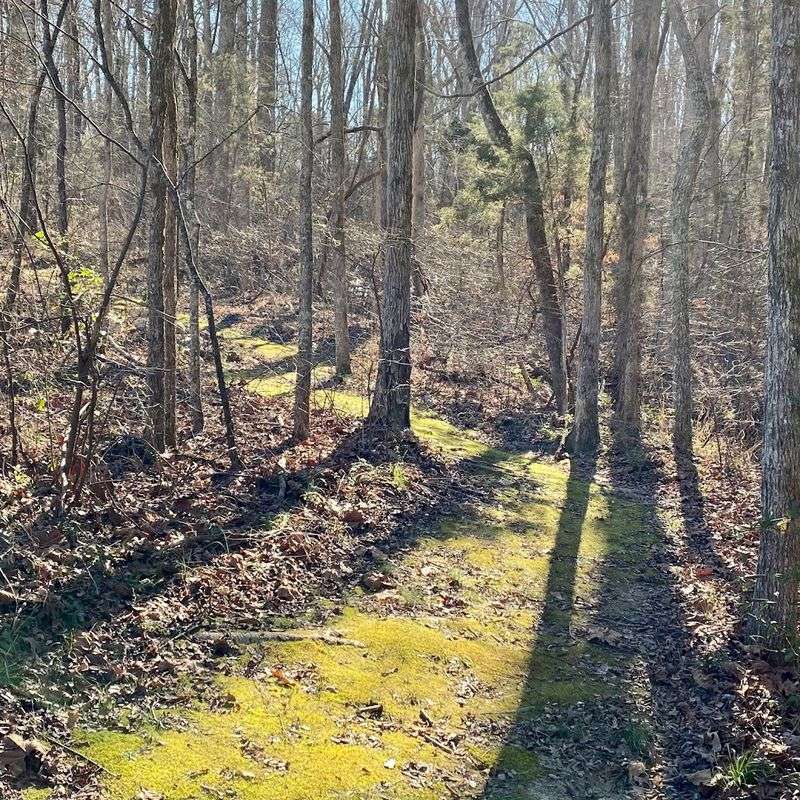
Most hiking trails come with cheerful signs pointing toward scenic overlooks or picnic spots. Sailor’s Creek trails have a different personality entirely.
The Wheaton Trail, Kershaw Trail, and others wind through open fields and forested ridges where the terrain itself tells the story of a desperate military retreat.
Some trails lack interpretive markers, which one reviewer honestly pointed out feels like something is missing. But that absence creates its own strange effect.
You are left alone with the landscape, your imagination filling in what the signs do not say. The hills are real, the creek is real, and somewhere beneath your feet, history is buried.
Trail difficulty is generally low to moderate, making them accessible for most visitors. However, the open field sections can get hot and buggy in summer, so lightweight, breathable clothing and insect repellent are strongly recommended for warm-weather visits.
Artifacts Pulled Straight From the Ground
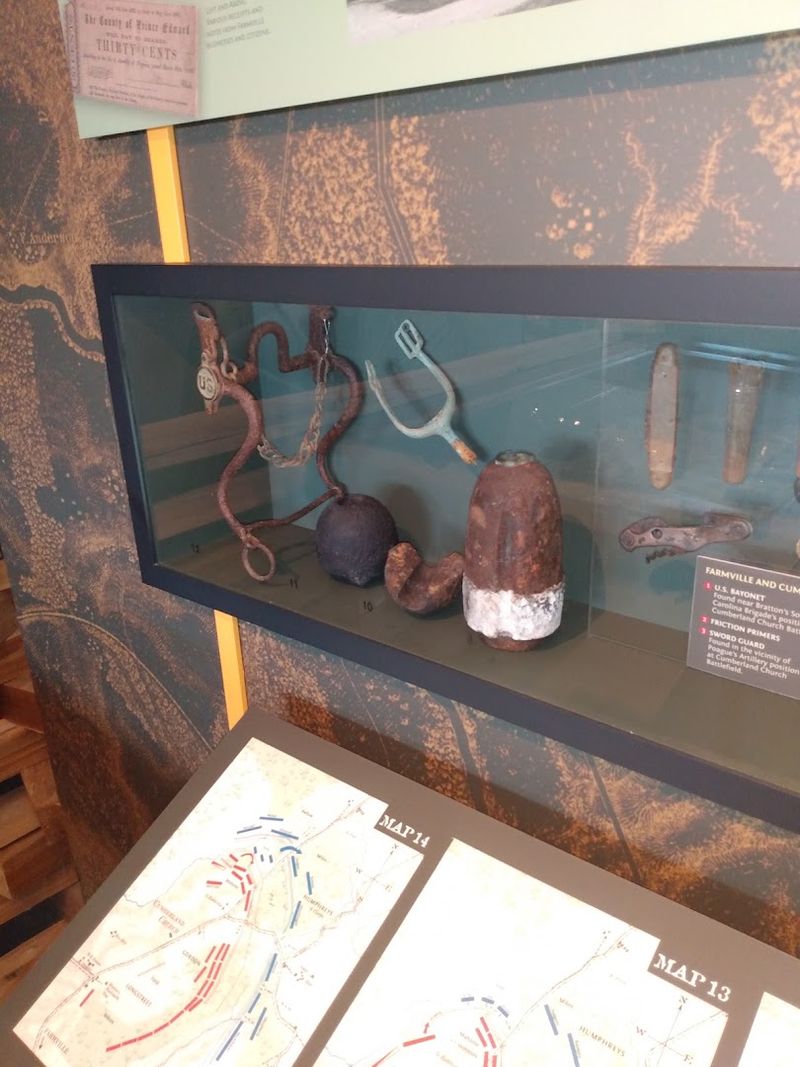
Imagine holding something that a soldier dropped during one of the most chaotic hours of the Civil War. The visitor center at Sailor’s Creek houses an impressive collection of artifacts dug directly from the battlefield, including weapons, swords, flags, and personal items that soldiers left behind in their final desperate hours.
These are not replicas. They are the real thing, and that distinction matters enormously.
There is a significant difference between reading about a Civil War musket and standing inches from one that was actually used on this very ground. The displays are arranged to walk visitors through a clear historical timeline.
Reviewers consistently praise the quality of the exhibits, calling them top-notch and genuinely educational. Kids who might otherwise tune out a history lesson often find themselves completely absorbed when they realize these objects have real stories attached to real people.
Rangers Who Know Every Dark Detail
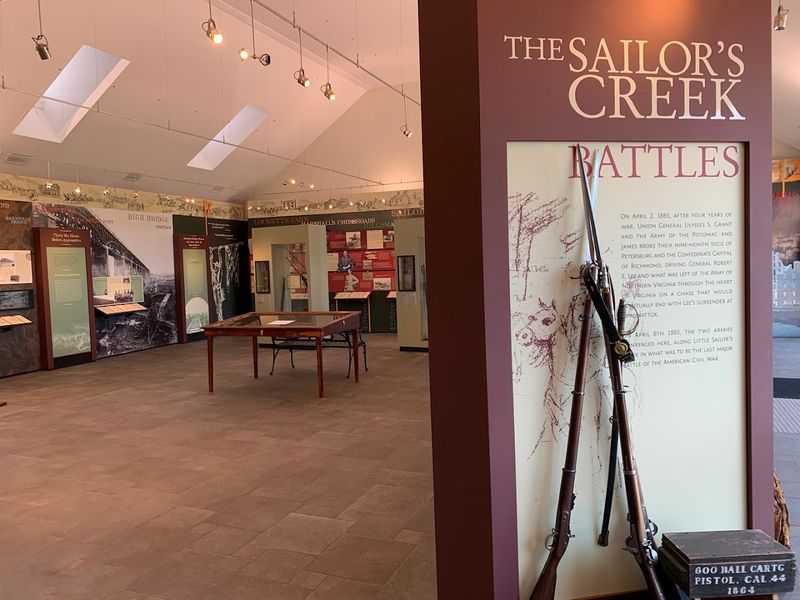
Not every park ranger makes you feel like you have just met a living encyclopedia, but the staff at Sailor’s Creek seems to genuinely love what they do. Visitor after visitor mentions how knowledgeable and passionate the rangers are, often going well beyond what you would expect from a standard state park experience.
One reviewer watched a ranger replace the American flag with such careful, respectful precision that it made the entire visit feel more meaningful. Another had a conversation so engaging that it turned a quick stop into a two-hour deep exploration of the battle’s final hours.
That kind of human connection is rare.
Rangers can point you toward the best trails for your interests, explain the most confusing parts of the three-battle sequence, and share details that no exhibit panel covers. Ask questions freely.
These folks genuinely enjoy sharing what they know.
The Battlefield in Winter: A Stark, Haunting Beauty
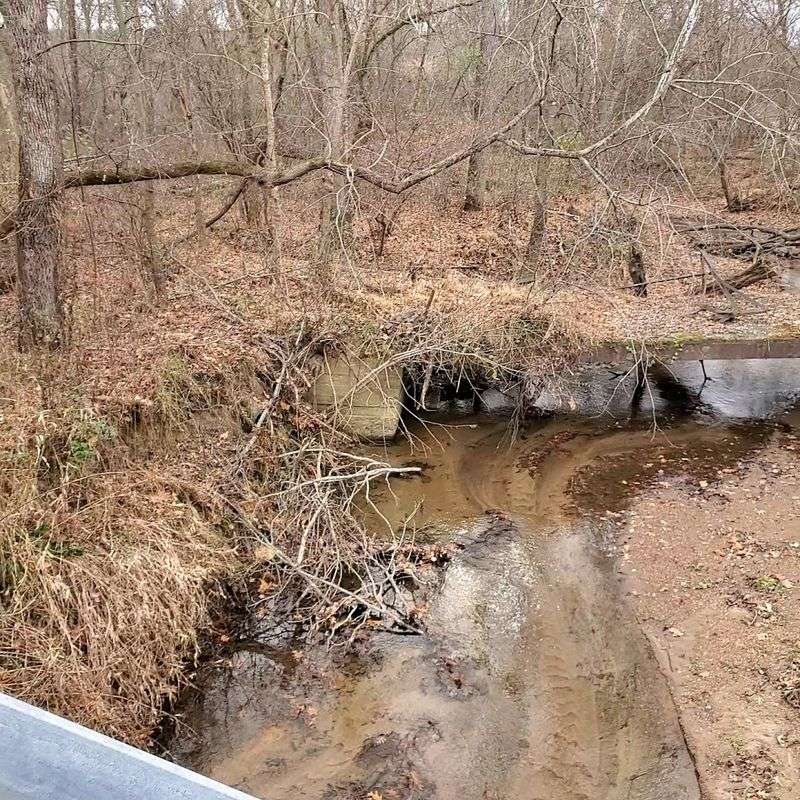
Most people skip state parks in January, and that is exactly what makes a winter visit to Sailor’s Creek so special. Without leaves on the trees, the terrain opens up completely, letting you see the ridgelines and creek positions that made this battlefield so strategically significant.
The stark landscape strips everything down to its bones.
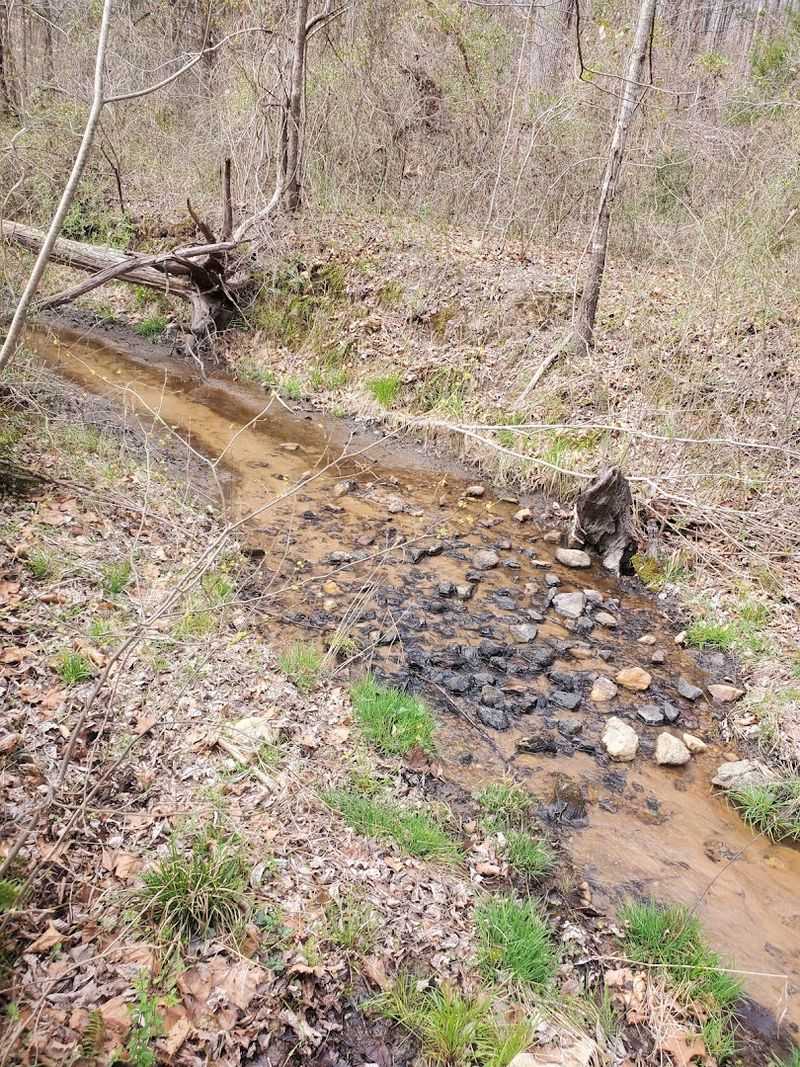
One hiker who visited in January 2021 wrote that the winter atmosphere was underappreciated and completely worth it. The trails were mostly empty, the air was crisp, and the muddy creek added a raw, unfiltered quality to the whole experience.
It looked, in their words, like the landscape was still recovering.
Some trails near the creek can get muddy after rain or snow, so waterproof boots are a smart choice for winter visits. The visitor center stays open year-round, and rangers are just as helpful in the off-season as during peak months.
Re-Enactors Who Blur the Line Between Past and Present
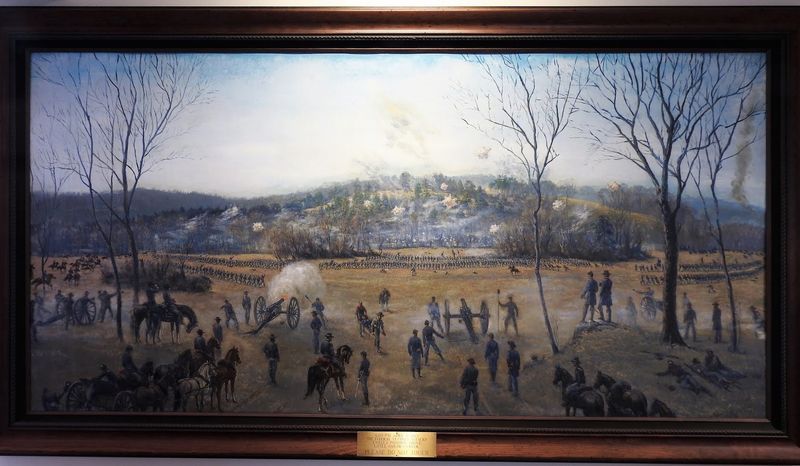
There is something genuinely unsettling about rounding a bend on a trail and coming face-to-face with someone dressed in a full Civil War uniform, explaining how a musket works with complete seriousness. Sailor’s Creek hosts re-enactment events where volunteers bring the battle back to life with striking authenticity.
Visitors who have caught these events describe them as unexpectedly emotional. Seeing horses, period weapons, and uniformed soldiers moving across the same fields where the real battle happened creates a kind of double-vision effect that is hard to shake.
History stops being abstract and becomes something you can almost touch.
Check the park’s official website or call ahead at +1 804-561-7510 to find out when re-enactment events are scheduled. These events are especially great for students, families with curious kids, or anyone who finds standard museum visits a little too passive for their taste.
Wildflowers Growing Over Where Soldiers Fell
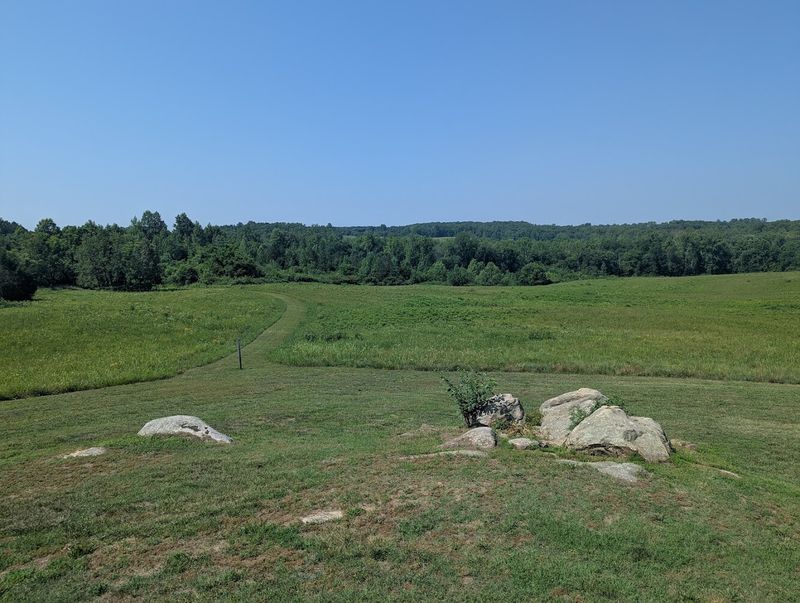
Spring at Sailor’s Creek brings something unexpected: waves of wildflowers spreading across the same fields where thousands of men fought and died in 1865. The contrast between that violent history and the delicate blooms is genuinely striking.
Nature does not pause for grief, and somehow that makes the place feel even more powerful.
One reviewer specifically mentioned planning a return visit during butterfly season, and it is easy to see why. The open meadows become a living tapestry of color that attracts pollinators by the hundreds.
Birds are active throughout the park, and the combination of wildlife and history creates an experience that is hard to find anywhere else.
Bring binoculars if birdwatching is your thing. The park is home to a surprisingly rich variety of species.
Spring and early summer offer the most vivid wildflower displays, typically peaking between late April and early June depending on the year.
The Creekside Walk That Feels Like a Scene From a Ghost Story
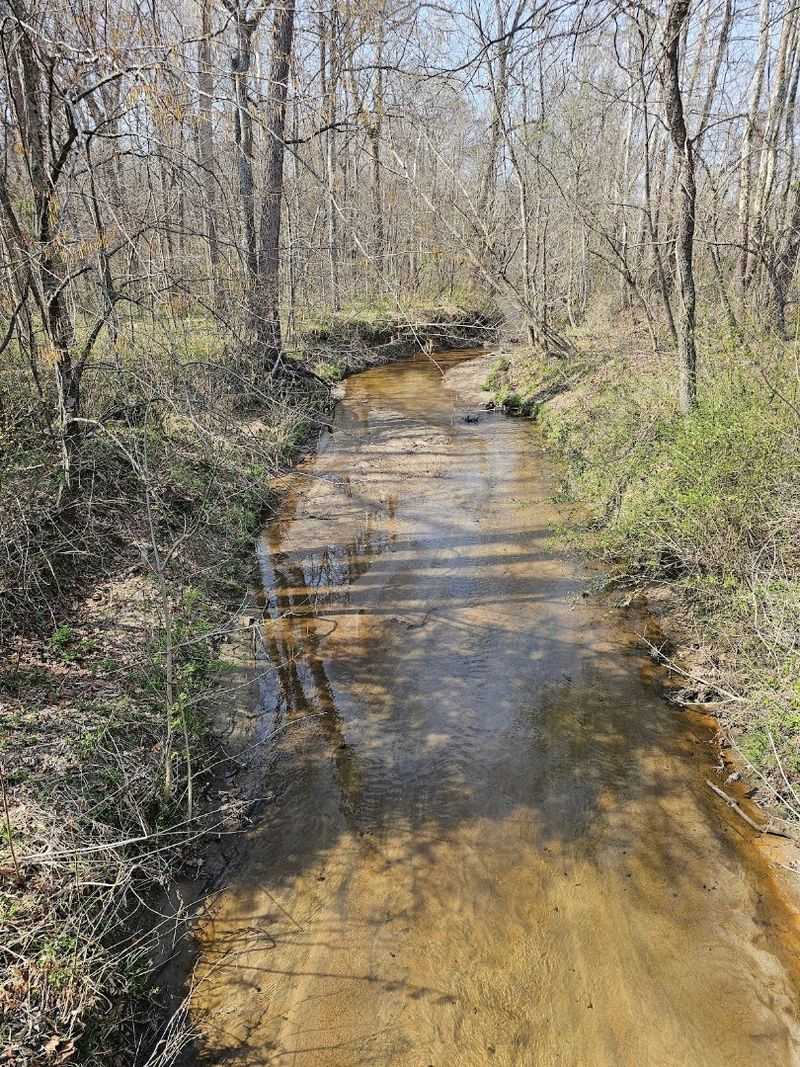
Walking along the actual creek that gave this battlefield its name is a different experience from hiking the open ridge trails. The water moves quietly, the trees lean in close, and the path narrows until the outside world feels very far away.
More than one visitor has described this section of the park as genuinely eerie.
The creek itself was a significant obstacle during the battle, trapping Confederate soldiers between Union forces and the water. Standing on its bank, you can almost reconstruct the chaos of that afternoon in your mind.
The geography tells the story better than any textbook.
Muddy conditions near the creek are common after rain, so plan your footwear accordingly. The creekside sections are most atmospheric in early morning or late afternoon when the light filters through the trees at low angles, casting long shadows across the water and the trail ahead.
A 370-Acre Space That Swallows You Whole
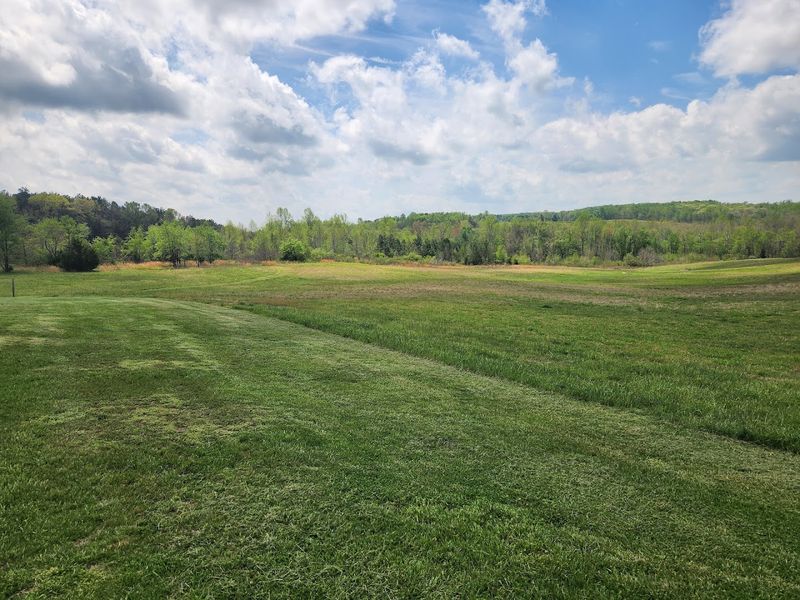
Three hundred and seventy acres sounds large on paper, but you do not truly feel it until you are standing in the middle of a field with no building in sight, the tree line a quarter-mile away in every direction. Sailor’s Creek has a way of making you feel very small and very alone, even on a busy weekend.
That sense of scale is part of what makes this park feel so different from typical historic sites. You are not shuffled through a narrow corridor of displays.
You are released into the actual landscape where history happened, free to wander and absorb it at your own pace.
Driving between trailheads is an option for visitors who want to cover more ground without a long continuous hike. The park spans multiple road access points, so picking up a trail map from the visitor center before heading out is genuinely helpful.
Tick Country: The Creepy Crawly Side of the Park
Here is something the park brochures do not always lead with: ticks are a very real part of the Sailor’s Creek experience. One visitor who brought three kids along specifically flagged that ticks were everywhere, adding a whole different layer of creepiness to an already atmospheric place.
It is not exactly a Stephen King detail, but it is close enough.
The open field trails and creek-adjacent paths are prime habitat for deer ticks and dog ticks, especially from late spring through early fall. Wearing long pants, tucking them into socks, and applying a solid insect repellent before hitting the trails is not optional advice here.
It is just smart.
Do a thorough tick check when you return to your car. Check behind ears, under arms, and around ankles.
Despite the critters, families with kids consistently report having a fantastic time, so a little preparation goes a long way.
Why This Park Connects Directly to Appomattox
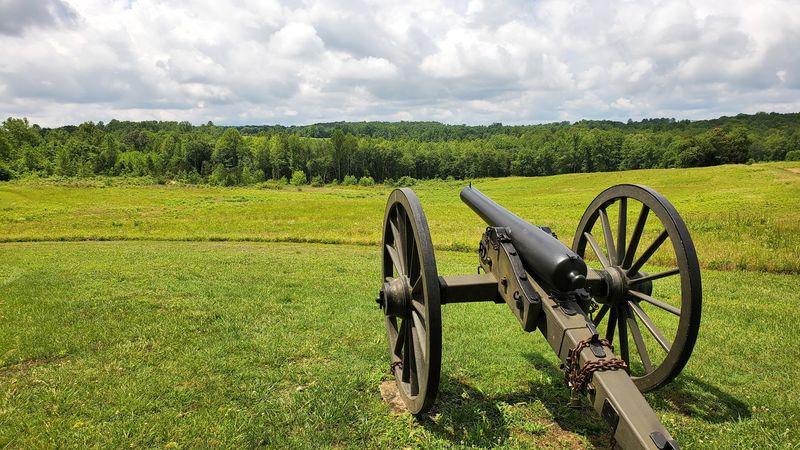
Most people know the name Appomattox, but far fewer know about the battle that made Lee’s surrender inevitable just three days earlier. Sailor’s Creek is where the Confederate Army of Northern Virginia lost roughly a quarter of its remaining force in a single afternoon.
After that kind of loss, surrender was not a choice. It was arithmetic.
Understanding this connection transforms the park from an interesting stop into an essential one. You are not just visiting a battlefield.
You are standing at the hinge point of American history, the moment when the outcome of the Civil War became mathematically certain. That is a genuinely staggering thing to sit with.
The visitor center does an excellent job of explaining this connection through maps, timelines, and exhibits. Reviewers who came in knowing little about the battle left feeling like they had finally understood something important about how the war actually ended.
Enjoyed this story?
Add Fast Food Club as a preferred source to see more of our reporting on Google.