


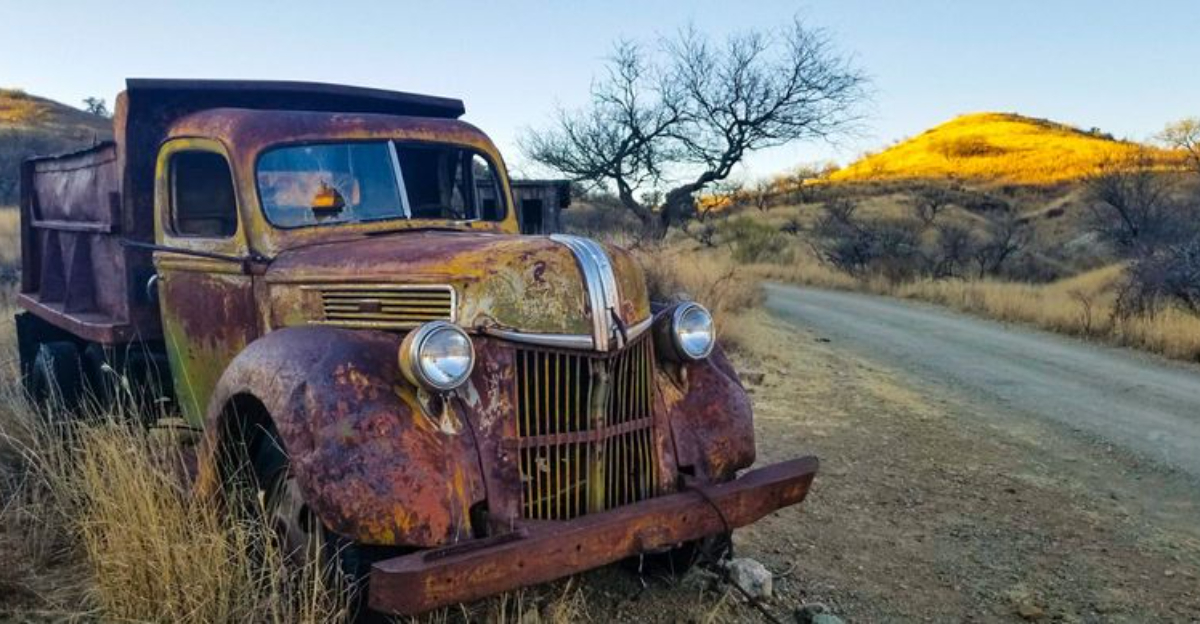
Tucked away in the rugged hills of Santa Cruz County, Ruby, Arizona is one of the most hauntingly beautiful ghost towns in the entire Southwest. Once a thriving mining camp founded back in 1877, this remote settlement now sits in eerie silence near the base of Montana Peak.
Crumbling buildings, dark legends, and a troubled history make Ruby a place that stays with you long after you leave. If you love history, mystery, or just a good spine-tingling story, this forgotten town has plenty to offer.
The Dark and Violent History of Ruby
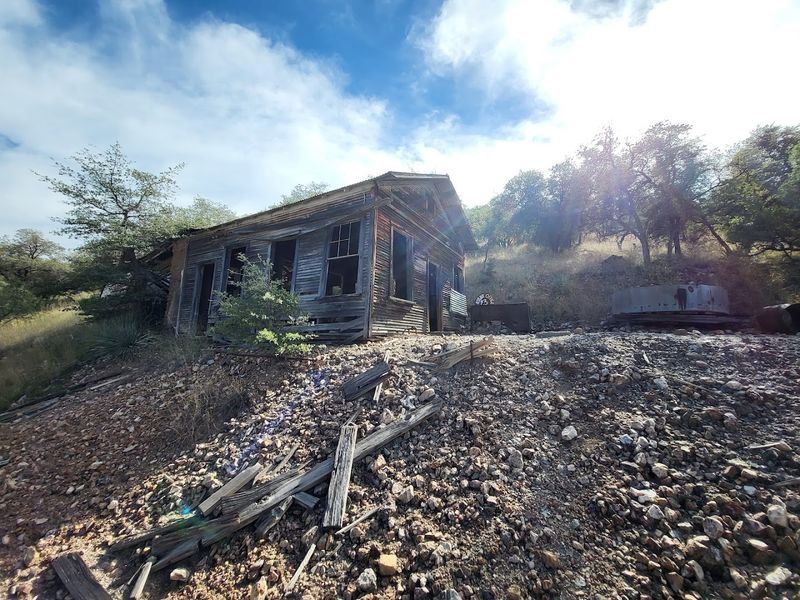
Few ghost towns in Arizona carry as much blood-soaked history as Ruby. Founded in 1877 as Montana Camp, this remote mining settlement saw its share of lawlessness long before it earned its official name.
Murders, robberies, and brutal attacks left deep scars on the community.
The most chilling chapter came in 1920 and 1921, when two separate store robberies resulted in the deaths of four people, including two store owners and their wives. The killers were eventually caught, but the trauma never truly left the town.
Walking through Ruby today, you can almost feel the weight of those dark events pressing down on you. The silence is thick and heavy, broken only by the wind rustling through the ruins.
History enthusiasts and true crime fans alike find this place absolutely unforgettable.
Montana Peak Looming Overhead
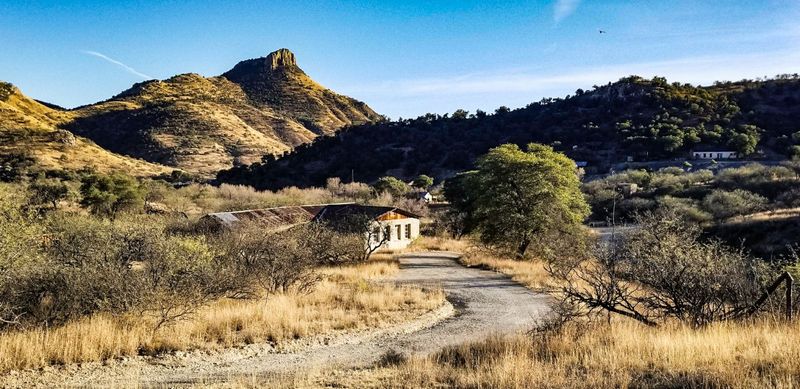
Standing near the ruins of Ruby, it is impossible to ignore the imposing presence of Montana Peak towering above. The mountain gave the town its original name, Montana Camp, and has watched silently over this settlement for nearly 150 years.
There is something deeply unsettling about that kind of ancient witness.
The peak sits within the Pajarita Wilderness, a protected area that keeps the land around Ruby largely untouched by modern development. That isolation only adds to the ghostly atmosphere.
No shopping centers, no traffic noise, just raw, wild Arizona landscape.
Hikers who venture up the slopes of Montana Peak get breathtaking views of the surrounding valleys and the crumbling town below. Seeing Ruby from above makes it look even smaller and more fragile, a tiny human mark on an enormous, indifferent wilderness.
It is both humbling and eerie.
The Adobe Ruins That Refuse to Disappear
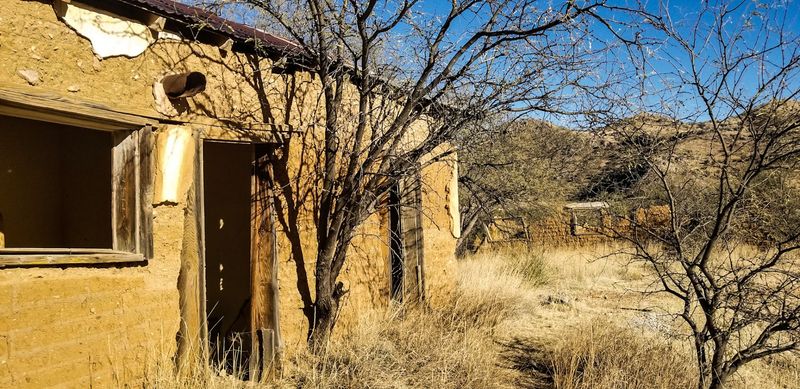
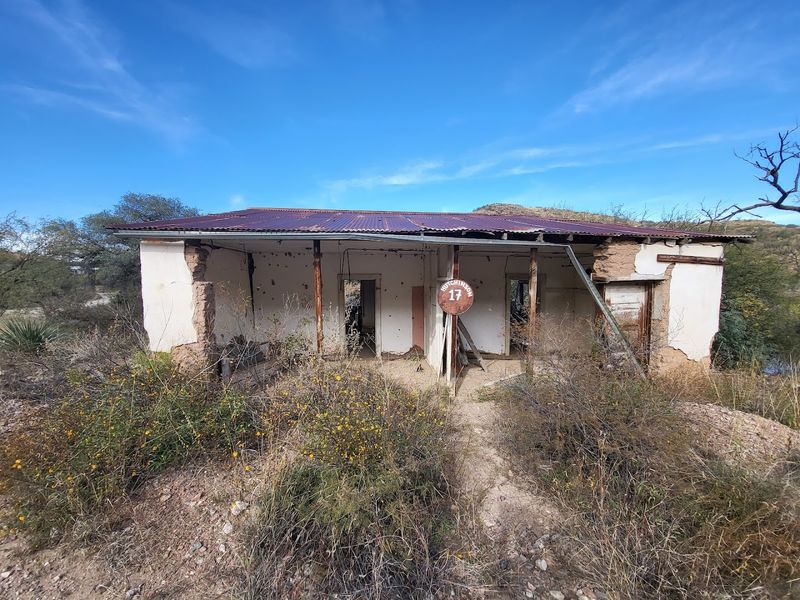
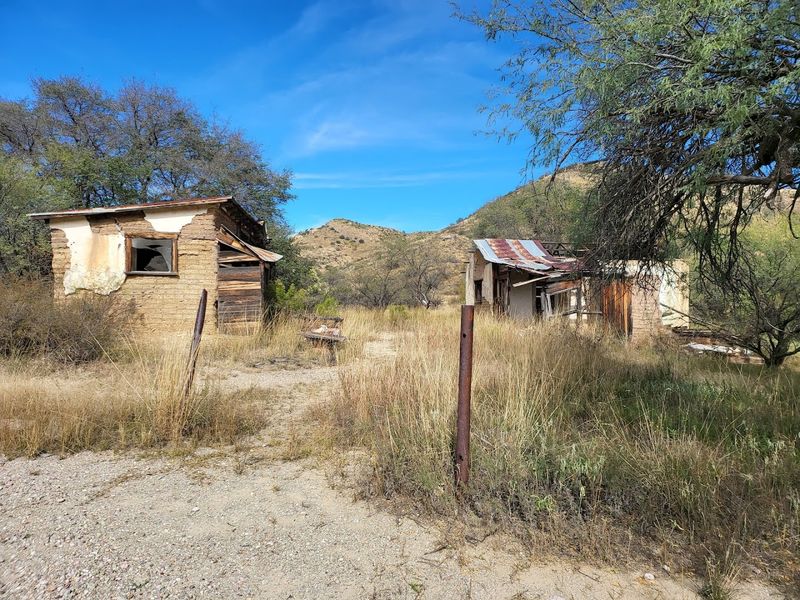
Most ghost towns crumble quickly once people leave, but Ruby’s adobe structures have proven surprisingly stubborn. Several buildings still stand, their thick mud-brick walls holding firm against decades of desert sun, monsoon rains, and freezing winter nights.
They look tired, but they refuse to fall.
Walking among these ruins feels like stepping into a forgotten world. Doorways open onto empty rooms where families once cooked meals and children once played.
Roofs have caved in, floors are buried under dust, and yet the bones of these buildings remain recognizable and real.
Photographers absolutely love Ruby for this reason. The textures of crumbling adobe against bright blue Arizona sky create stunning images that feel both beautiful and deeply sad.
Even if you are not into photography, standing inside one of these roofless rooms and looking up at the open sky is an experience you will not forget.
Proximity to the U.S.-Mexico Border
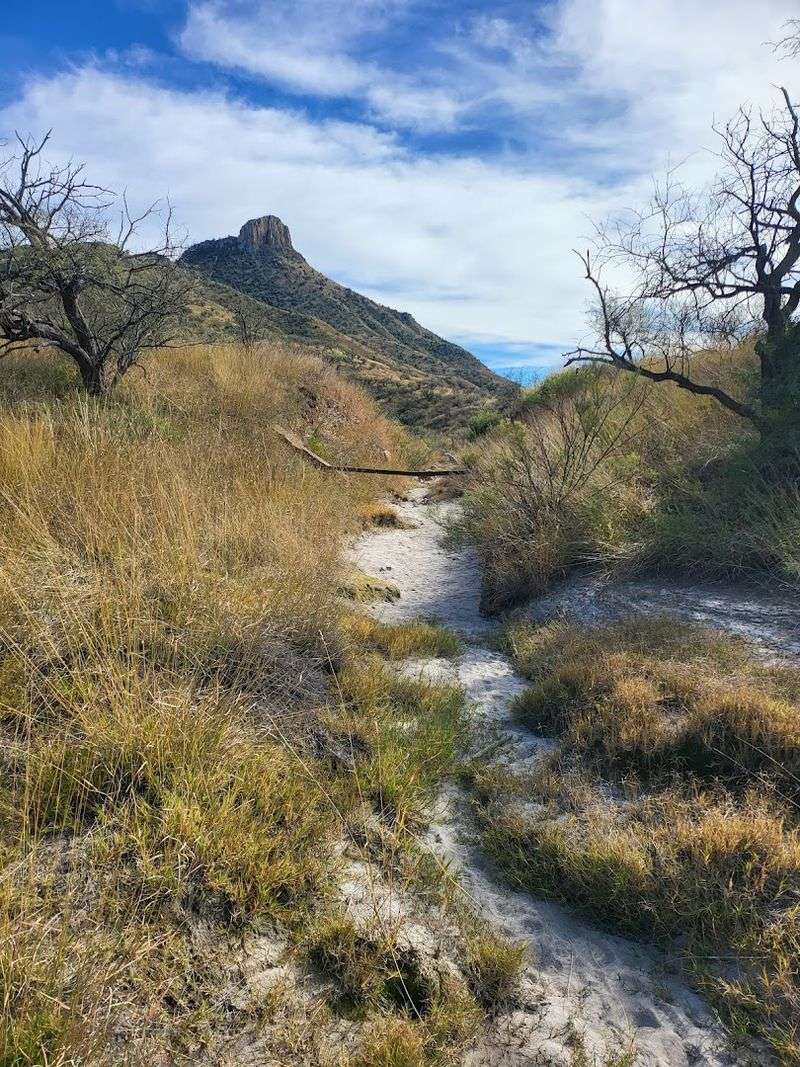
Ruby sits just seven miles north of the U.S.-Mexico border, a fact that shaped its entire existence. During the town’s active years, cross-border trade, migration, and conflict were everyday realities.
That border proximity made Ruby both a place of opportunity and a place of danger.
Even today, that nearness to the international boundary gives Ruby an extra layer of tension. The remote location and rugged terrain mean that this area has long been traveled by people crossing between countries, adding modern complexity to the site’s already complicated history.
Visitors are strongly advised to be aware of their surroundings when exploring Ruby and to let someone know their plans before heading out. The isolation that makes this ghost town so atmospheric also means help is a long way away if anything goes wrong.
Preparation and awareness are non-negotiable here.
The Old Ruby Store and Its Grim Legacy
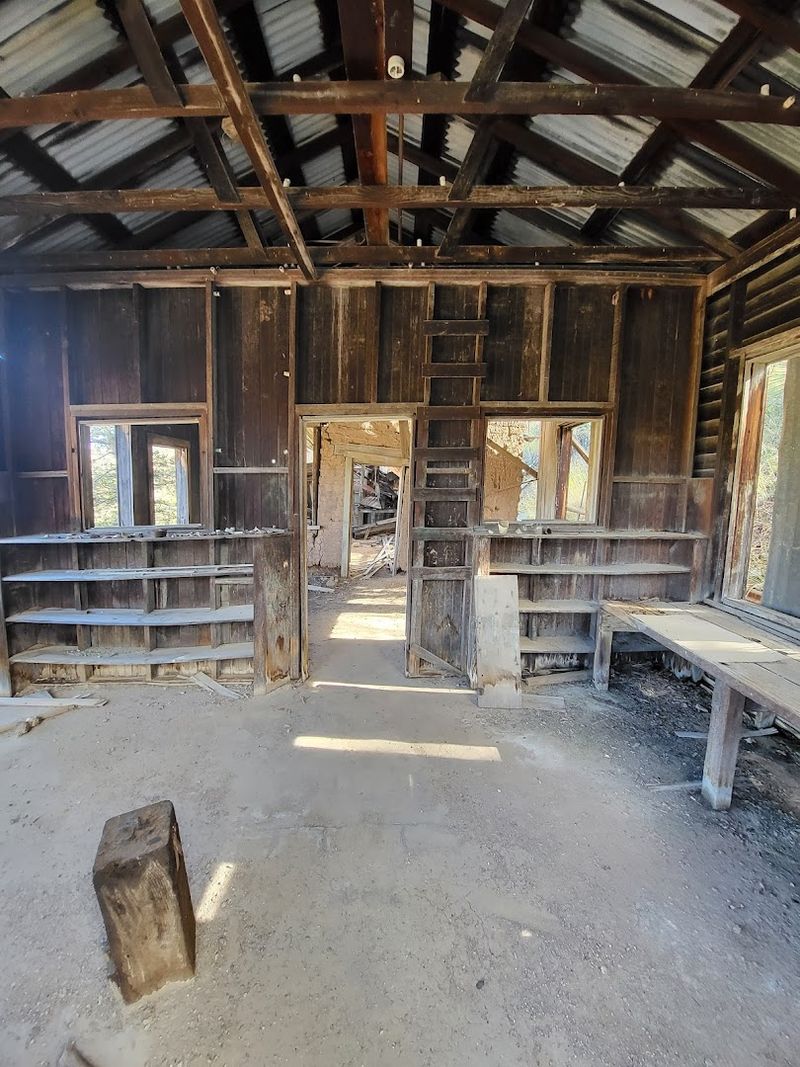
If walls could talk, the old Ruby store would have some genuinely terrifying stories to tell. This humble building was the site of two separate violent robberies in the early 1920s that shocked the entire region.
Families were killed in cold blood, and the community never fully recovered from the shock.
The store was the social and economic heart of Ruby during its active years. Miners picked up supplies here, neighbors exchanged news, and children got their first taste of candy from its shelves.
Hard to imagine such an ordinary place becoming the scene of such horror.
Today the building stands as a quiet, crumbling reminder of how quickly life can turn. There is no dramatic marker or flashing sign, just weathered walls slowly returning to the earth.
That understated quality makes it somehow more powerful than any museum exhibit ever could be.
Wildlife Thriving in the Ghost Town Ruins
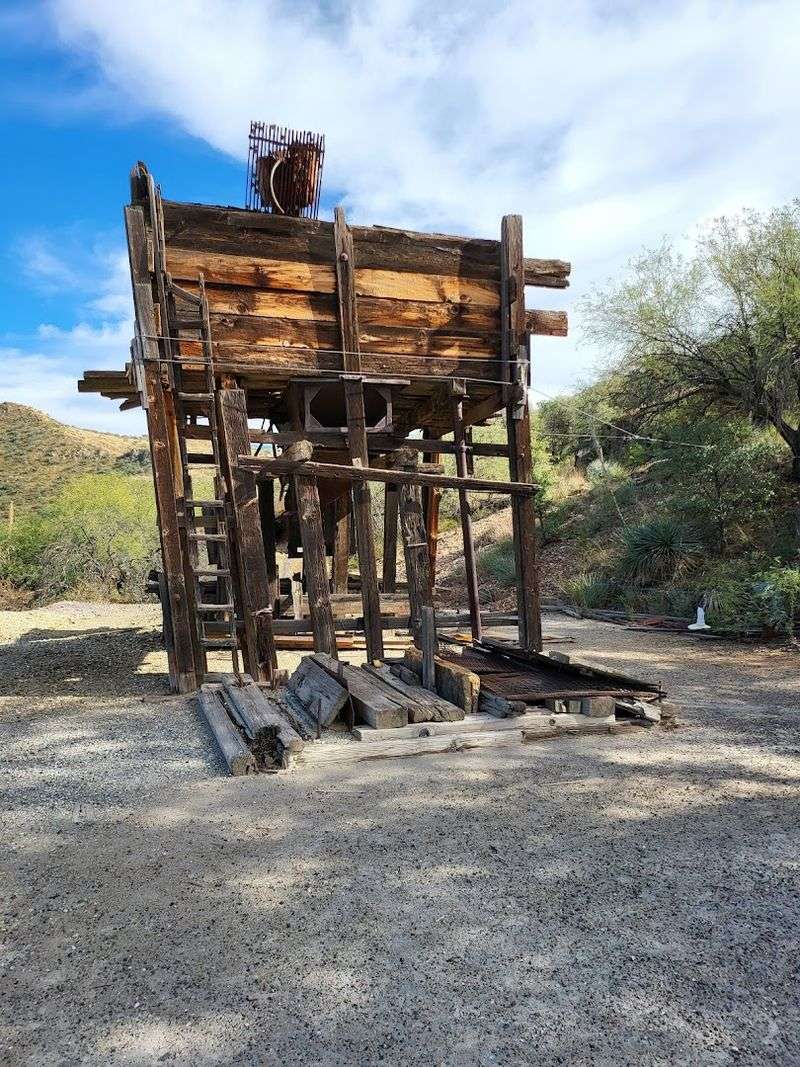
Nature has quietly moved back into Ruby, reclaiming the spaces humans abandoned decades ago. Mule deer wander between crumbling walls, javelinas snuffle through overgrown lots, and coyotes howl at dusk from the surrounding hillsides.
The wildlife here is genuinely impressive.
Birdwatchers consider the Pajarita Wilderness area around Ruby to be a hidden gem. The region sits along important migratory routes, and species rarely seen elsewhere in Arizona show up regularly.
Elegant trogons, painted redstarts, and zone-tailed hawks have all been spotted nearby, making birding enthusiasts absolutely giddy.
There is something poetic about watching a deer step delicately through a doorway that once framed a busy family home. The animals have no idea they are walking through history.
That blend of wild nature and human ruins creates an atmosphere that is peaceful, melancholy, and just a little bit magical all at once.
The Isolated Road Journey to Get There
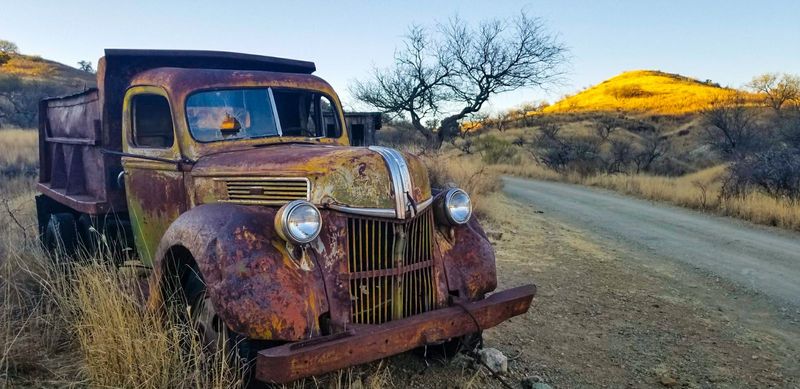
Getting to Ruby is half the adventure, and not in a fun, comfortable way. The route from Rio Rico winds roughly 25 miles west along unpaved roads that can be rough, rutted, and genuinely challenging after heavy rain.
A high-clearance vehicle is not just recommended, it is practically required.
That difficult drive is actually part of what keeps Ruby so wonderfully unspoiled. Casual tourists rarely make the effort, which means the ghost town retains a raw, untouched quality that more accessible sites have long lost.
Every pothole you bounce through is basically a ticket to something special.
Plan your trip carefully and check road conditions before heading out, especially during Arizona’s monsoon season when flash flooding can make already rough roads completely impassable. Bring extra water, a spare tire, and a good map.
Cell service out here is essentially a fantasy, so go prepared or stay home.
The Haunting Atmosphere at Nightfall
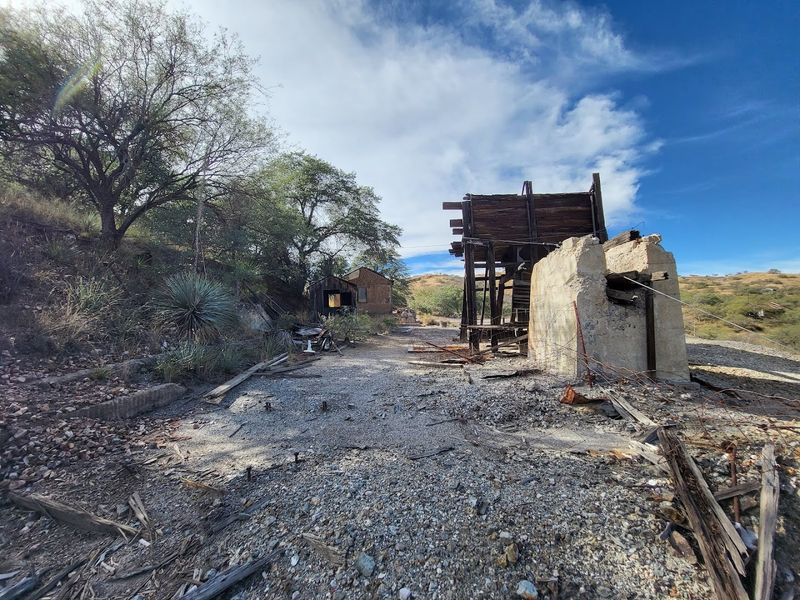
As the sun drops behind Montana Peak and shadows stretch across the ruins, Ruby transforms into something genuinely unsettling. The temperature drops fast in this high desert environment, and sounds that seemed ordinary in daylight suddenly take on a creepy quality.
Wind through broken windows sounds startlingly like voices.
Plenty of visitors have reported an overwhelming sense of being watched while exploring Ruby after dark. Whether that is genuine paranormal activity or just an overactive imagination in a spooky setting is up for debate.
Either way, the feeling is undeniably powerful and hard to shake.
Amateur ghost hunters and paranormal enthusiasts have made Ruby a bucket-list destination for exactly this reason. Even skeptics tend to admit that the combination of violent history, total isolation, and crumbling ruins creates an atmosphere unlike anything else in Arizona.
Spend a night near Ruby and see if you sleep soundly.
Mining Heritage Buried Beneath the Ground
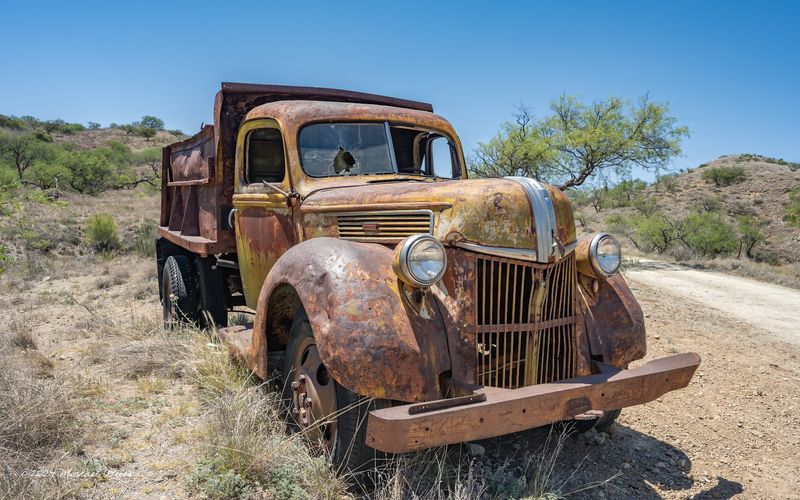
Ruby owes its entire existence to the rich mineral deposits hidden beneath the surrounding hills. Gold, silver, lead, and zinc were all pulled from the earth here, fueling a mining boom that drew hundreds of workers and their families to this remote corner of Arizona.
The mines made Ruby, and their decline destroyed it.
The primary operation was the Montana Mine, which produced significant quantities of ore through the late nineteenth and early twentieth centuries. At its peak, Ruby had a school, a post office, and all the trappings of a real community built entirely on what came out of the ground.
Abandoned mine shafts still dot the landscape around Ruby, and visitors need to be extremely careful around them. These old openings are genuinely dangerous, with unstable ground and the risk of sudden collapse.
Admire them from a safe distance and never, ever attempt to enter one.
The Post Office That Once Connected Ruby to the World
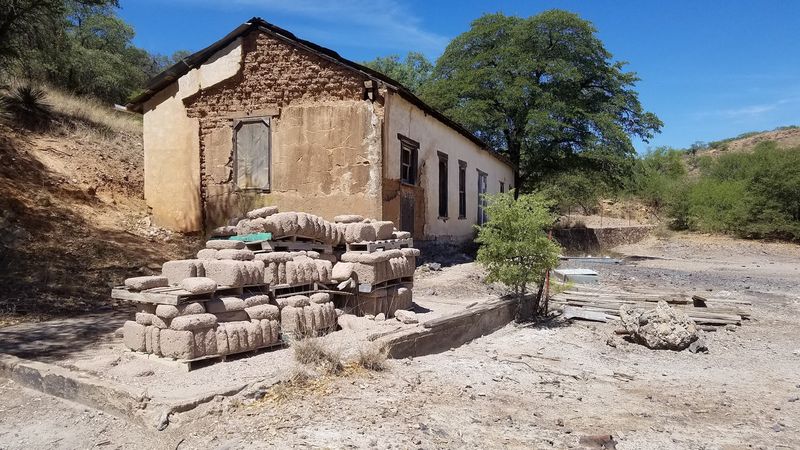
Every real town needs a post office, and Ruby had one. Established in 1912, the Ruby Post Office gave the settlement its official name, replacing the original Montana Camp label.
Postmaster Julius Andrews named it after his wife, Lilly Ruby Andrews, a sweet detail that feels oddly touching in such a rough place.
That post office was a lifeline for residents who lived miles from the nearest city. Letters from family members back east, orders from supply catalogs, and official government documents all passed through that small building.
It was a thin but vital thread connecting Ruby to the wider world.
The post office finally closed in 1941 as the town’s population dwindled to almost nothing. Today the building is just another ruin, but knowing the story behind the name gives Ruby a human warmth that balances out all the darker history.
Someone loved someone enough to name a whole town after her.
Pajarita Wilderness Surrounding the Town
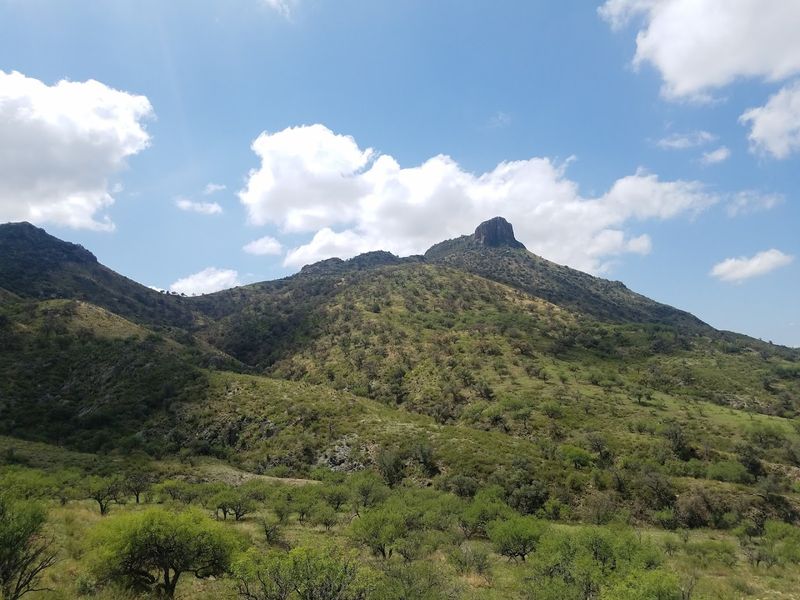
Ruby does not just sit in the desert. The ghost town is nestled within the Pajarita Wilderness, a federally protected area that preserves some of the most biologically rich terrain in southern Arizona.
The combination of elevation, moisture, and diverse plant life makes this wilderness genuinely special.
Sky island ecosystems like this one host an extraordinary mix of species from both the Sonoran Desert and the Sierra Madre mountains of Mexico. The result is a mashup of plants and animals that you simply would not find anywhere else in the United States.
Botanists, birders, and ecologists all get excited about this place.
Exploring the wilderness around Ruby adds a whole new dimension to any visit. Ancient oak trees, seasonal streams, and dramatic rocky outcrops create a landscape that is beautiful in every direction.
The wilderness does not care about the human drama that played out in Ruby. It just keeps growing, wild and indifferent.
Legends of Outlaws and Bandits
Ruby attracted more than honest miners during its active years. Its remote location near the Mexican border made it an attractive hideout and crossing point for outlaws, smugglers, and bandits operating on both sides of the international line.
Law enforcement was scarce, and trouble was plentiful.
The 1920 and 1921 murders at the Ruby store were carried out by a group of Mexican nationals who had been committing crimes on both sides of the border. The manhunt that followed was intense and covered enormous distances of rugged terrain.
Three of the killers were eventually executed for their crimes.
Stories like these have given Ruby a legendary status in Arizona outlaw history. Local historians love to dig into the details, and there is no shortage of dramatic material to work with.
Every crumbling wall in Ruby seems to hide a story that is equal parts fascinating and deeply unsettling.
Visiting Ruby Today: What to Expect
Ruby is not a state park with paved paths and gift shops. Visiting requires real effort, solid preparation, and a genuine sense of adventure.
The Arizona State Land Department manages the site, and visitors typically need a recreational permit to access the area legally. Check current requirements before heading out.
Bring plenty of water, sun protection, sturdy footwear, and snacks. The nearest services are many miles away, and the desert environment is unforgiving to the unprepared.
Summer temperatures can be brutal, so early morning visits or cooler months are strongly recommended for comfort and safety.
Despite the challenges, Ruby rewards every visitor who makes the effort. The combination of raw history, stunning wilderness scenery, and genuine ghost town atmosphere is unlike anything else in the Southwest.
Go respectfully, leave nothing behind, and take only photographs and memories. Ruby has already lost enough to time without losing anything more to careless visitors.
Enjoyed this story?
Add Fast Food Club as a preferred source to see more of our reporting on Google.