



Tucked away in the North Country of New York State, Watertown is a charming city that most people overlook when planning retirement. Sitting just 25 miles south of the Thousand Islands and nestled along the Black River, this community offers a peaceful lifestyle without the big-city price tag.
Believe it or not, retirees are stretching a modest $1,900 monthly budget surprisingly far here. From affordable housing to low-cost recreation, Watertown might just be the hidden gem you have been searching for.
Affordable Housing That Won’t Drain Your Savings

Picture waking up every morning in a home you actually own outright — no mortgage stress, no sky-high rent eating into your fixed income. In Watertown, New York, that dream is closer to reality than you might think.
The median home price hovers well below the national average, giving retirees real purchasing power.
Renters also catch a break here. A decent one-bedroom apartment typically runs between $600 and $800 per month, leaving plenty of room in a $1,900 budget for everything else.
Compared to cities like Albany or Buffalo, the savings are striking.
Older neighborhoods near the downtown area offer charming older homes with character and history. Many retirees find that downsizing to a smaller property in Watertown frees up cash for travel, hobbies, or healthcare.
Housing affordability alone makes this city worth a serious look.
Low Property Taxes Compared to Downstate New York
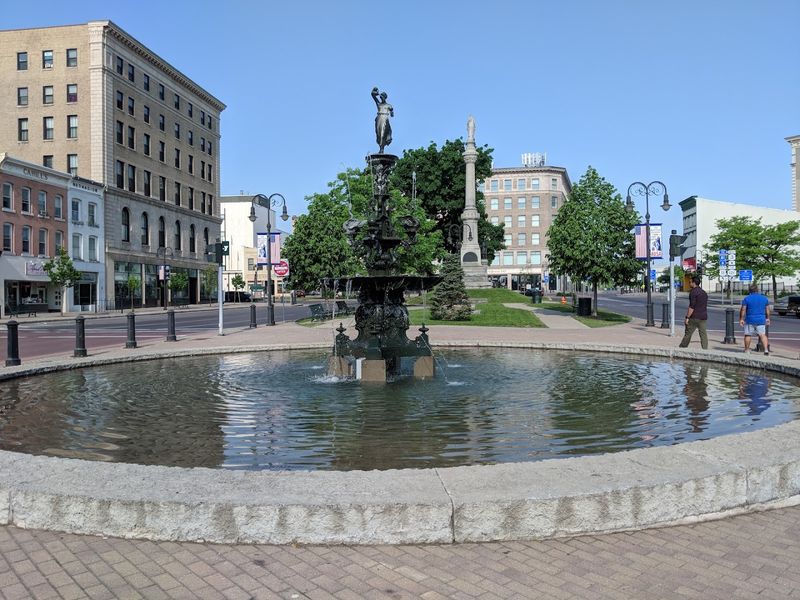
New York State has a reputation for brutal property taxes, but not every corner of the state follows that script. Watertown and Jefferson County offer significantly lower property tax rates than downstate counties like Westchester or Nassau.
For retirees on fixed incomes, that difference adds up to hundreds or even thousands of dollars saved each year.
Many seniors in Watertown also qualify for the STAR property tax exemption program, which reduces school taxes for eligible homeowners aged 65 and older. Combined with the already modest assessed values in the area, the annual tax bill stays surprisingly manageable.
Owning a modest home in Watertown could mean paying property taxes well under $3,000 annually in some cases. That kind of savings gives retirees breathing room to cover medical expenses, utilities, and leisure activities without constantly watching the clock on their budget.
Grocery Bills Stay Refreshingly Light Here
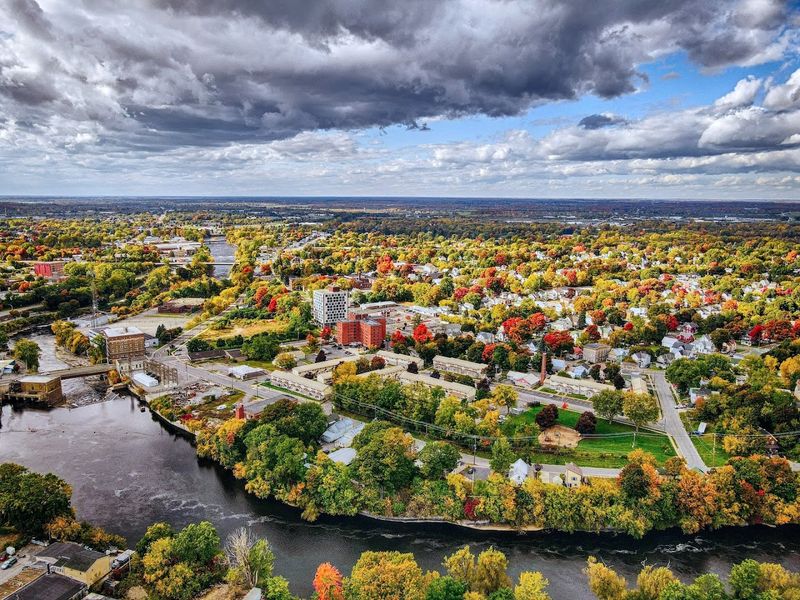
Food costs can quietly sabotage any retirement budget, but Watertown keeps grocery spending surprisingly reasonable. Several major supermarket chains operate in the city, including Price Chopper and Walmart Supercenter, giving residents competitive pricing and frequent sales that stretch every dollar further.
Local farmers markets pop up during the warmer months, offering fresh produce at prices that often beat chain stores. Shopping seasonally and locally is not just a trend here — it is a practical money-saving habit that many longtime residents swear by.
A single retiree living modestly can expect to spend around $250 to $350 per month on groceries in Watertown. That leaves comfortable room within a $1,900 budget for other essentials.
The mix of big-box convenience and local farm freshness means eating well does not have to come at a premium price in this North Country city.
Healthcare Access Without the Urban Price Tag
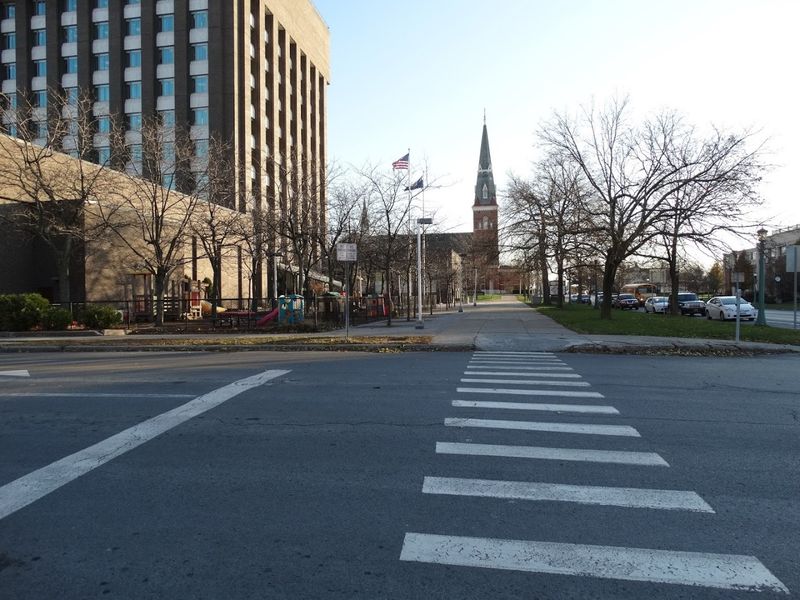
Access to quality healthcare is non-negotiable for retirees, and Watertown delivers without forcing you to drive hours for a basic checkup. Samaritan Medical Center, the area’s primary hospital, provides a wide range of services including cardiac care, orthopedics, and emergency medicine — all within city limits.
Beyond the hospital, numerous primary care clinics, specialist offices, and urgent care facilities serve the Watertown community. Many accept Medicare, which is a significant advantage for retirees managing healthcare costs on a fixed income.
Healthcare costs in smaller upstate cities tend to run lower than in metropolitan areas, both in terms of copays and out-of-pocket expenses. Residents report shorter wait times and a more personal relationship with their doctors compared to big-city experiences.
For a retiree budgeting around $1,900 per month, accessible and affordable healthcare in Watertown is genuinely reassuring rather than stressful.
Utility Costs That Behave Themselves Year-Round
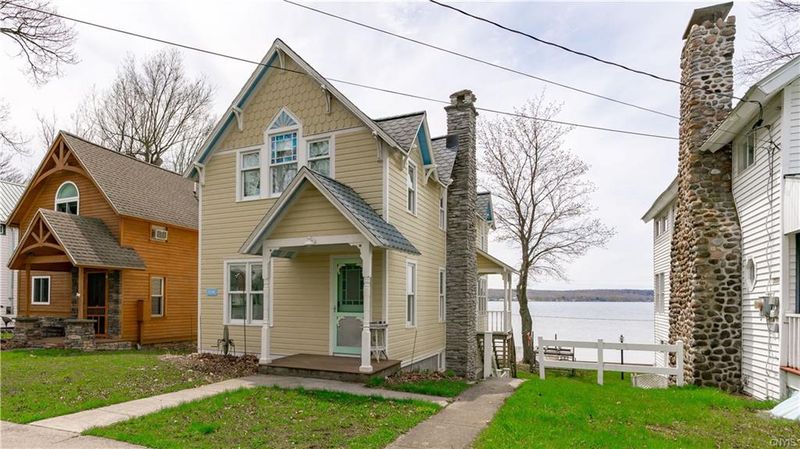
Cold winters are a reality in Watertown — the city sits in a region known for heavy lake-effect snow from Lake Ontario. Heating bills during January and February can climb, but natural gas rates in Jefferson County remain competitive compared to metro New York areas.
Smart retirees budget around $150 to $200 per month averaged across the year for heating and cooling combined.
Electric bills stay moderate thanks to relatively low baseline rates and the smaller square footage many retirees choose. Water and sewer services provided through the city are reasonably priced and reliable, with few surprise spikes that blow a monthly budget.
Bundling internet and phone services through local providers can keep communication costs under $80 per month. Overall, a retiree in Watertown can realistically budget around $300 to $350 monthly for all utilities combined, leaving meaningful room within that $1,900 target for everything else that matters.
Transportation Expenses Stay Surprisingly Manageable

One of the underrated perks of retiring in a smaller city like Watertown is how little you spend on getting around. The city is compact enough that many errands, medical appointments, and social outings are within a short drive — or even a comfortable walk for those who enjoy staying active.
Gas prices in upstate New York tend to track slightly below downstate averages, and the shorter distances mean a single tank lasts much longer. Car insurance rates in Jefferson County are notably lower than in New York City or its suburbs, saving retirees hundreds of dollars annually.
Citibus provides public transit service throughout Watertown for those who prefer not to drive. Fares are affordable and routes cover key destinations including shopping centers, medical facilities, and downtown.
A retiree who drives modestly can realistically keep total monthly transportation costs under $200, which is a genuine win on a tight budget.
Outdoor Recreation That Costs Almost Nothing
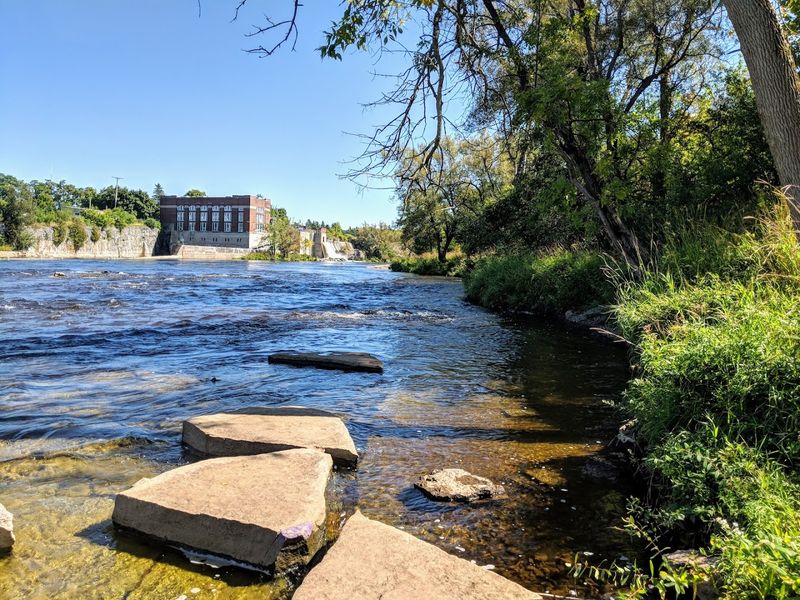
Retirement is supposed to feel like freedom, and Watertown delivers that feeling in spades — mostly for free. The Black River winds right through the city, offering fishing, kayaking, and scenic walking paths that cost nothing more than showing up.
Thompson Park, one of the crown jewels of the city’s park system, features walking trails, picnic areas, and stunning views that locals never seem to tire of.
Just a short drive away, the Thousand Islands region opens up a world of boating, hiking, and wildlife watching. The Adirondack Mountains are also within reasonable driving distance for day trips.
Winter brings snowshoeing and cross-country skiing opportunities that outdoor-loving retirees genuinely treasure.
Spending time outdoors in this corner of New York costs almost nothing beyond basic gear. For retirees who find joy in nature rather than expensive entertainment, Watertown’s surroundings are practically a daily gift that keeps the budget intact and the spirit lifted.
A Tight-Knit Community That Welcomes Newcomers

Moving to a new city after retirement can feel intimidating, but Watertown has a way of making newcomers feel at home quickly. The city’s population of around 25,000 creates that sweet spot where you can be anonymous when you want to be and deeply connected when you need to be.
Neighbors tend to know each other here, and that social fabric matters enormously for retiree wellbeing.
Community organizations, church groups, senior centers, and volunteer opportunities are plentiful throughout Watertown. The Jefferson County Office for Aging provides dedicated resources and programs specifically designed to support older residents navigating retirement life.
Loneliness is one of the biggest threats to health in retirement, and Watertown’s culture of community involvement naturally combats it. Whether you join a local club, volunteer at a food pantry, or simply chat with neighbors on the front porch, building meaningful connections here happens organically and without spending a dime.
Dining Out Without Blowing the Budget

Eating out is one of life’s simple pleasures, and in Watertown you do not have to feel guilty about treating yourself. The city’s restaurant scene is a satisfying mix of classic diners, family-owned eateries, and casual spots where a hearty meal rarely costs more than $12 to $15 per person.
That is a far cry from the $25-plus entrees common in larger New York cities.
Watertown’s dining options span pizza joints, Mexican restaurants, Chinese takeout, and beloved local diners that have served the community for decades. Happy hour specials and early-bird menus cater naturally to the retiree crowd looking to enjoy a night out without the sticker shock.
Budgeting around $150 to $200 per month for dining out in Watertown is realistic without feeling overly restrictive. That kind of social spending — sharing meals with friends and family — adds real quality to retired life while keeping the monthly total well within reach.
Cultural and Entertainment Options on a Shoestring

Retirement does not have to mean boredom, and Watertown punches above its weight when it comes to cultural offerings. The Watertown Family YMCA, local theater productions, art galleries, and the Jefferson Community College cultural series all provide enriching entertainment options that rarely break the bank.
Many events are free or cost just a few dollars to attend.
The historic Watertown Public Library is a treasure trove of free resources including books, audiobooks, films, and community programs. For retirees who love learning, the library alone can fill hours of meaningful, cost-free engagement every single week.
Seasonal festivals, farmers markets, and downtown events give the city a lively energy throughout the year. Did you know Watertown has been home to a thriving arts community for well over a century?
That creative spirit still shows up in local galleries and performance spaces that welcome residents of all ages and budgets.
Proximity to the Thousand Islands Is Pure Magic

Living just 25 miles from one of North America’s most breathtaking natural wonders is something Watertown retirees mention again and again when asked what they love most. The Thousand Islands stretch across the St. Lawrence River between the United States and Canada, offering a jaw-dropping landscape of rocky islands, Victorian-era cottages, and crystal-clear water that draws visitors from around the world.
For residents, access to this region is effortless and largely free. Day trips to Clayton, Alexandria Bay, or Cape Vincent become routine weekend adventures rather than rare vacations.
Fishing the St. Lawrence is legendary among anglers, and the scenery alone makes every drive worthwhile.
Boldt Castle, one of the region’s most famous landmarks, sits just a short boat ride away and costs very little to visit. Having this kind of natural and historical splendor practically in your backyard is a retirement perk that money alone simply cannot buy elsewhere.
Fort Drum Brings Stability to the Local Economy

Fort Drum, home of the 10th Mountain Division, sits just outside Watertown and plays a massive role in the region’s economic health. The base employs thousands of military personnel and civilian workers, pumping steady money into local businesses, restaurants, and services.
That economic stability translates into a more resilient local job market and consistent demand for housing — which actually helps keep prices reasonable rather than volatile.
For veterans retiring in Watertown, Fort Drum’s presence is especially valuable. VA healthcare services, commissary access, and military community events are all within reach, providing meaningful support systems that civilian-only communities simply cannot match.
The military culture around Watertown also contributes to a strong sense of community pride and civic engagement. Retirees who served in the military often find that settling near Fort Drum gives them an instant social network and shared identity that makes the transition into retirement feel far less isolating.
Sample Monthly Budget Breakdown That Actually Works
Seeing real numbers laid out makes the idea of retiring in Watertown on $1,900 per month feel tangible rather than wishful. Here is a realistic breakdown: housing at $750, groceries at $300, utilities at $300, transportation at $175, healthcare copays and prescriptions at $200, and personal spending including dining and entertainment at $175.
That totals exactly $1,900 — with every category accounted for.
This budget works because Watertown’s cost of living index sits meaningfully below both the national average and the New York State average. Retirees drawing Social Security benefits, a small pension, or modest retirement account distributions find that their income actually covers their lifestyle here without constant anxiety.
Of course, individual circumstances vary, and unexpected expenses always arise. But the foundational costs in Watertown are low enough that even a modest emergency fund can handle surprises without derailing everything.
That financial breathing room is what makes retirement here feel genuinely sustainable and not just theoretically possible.
Enjoyed this story?
Add Fast Food Club as a preferred source to see more of our reporting on Google.