


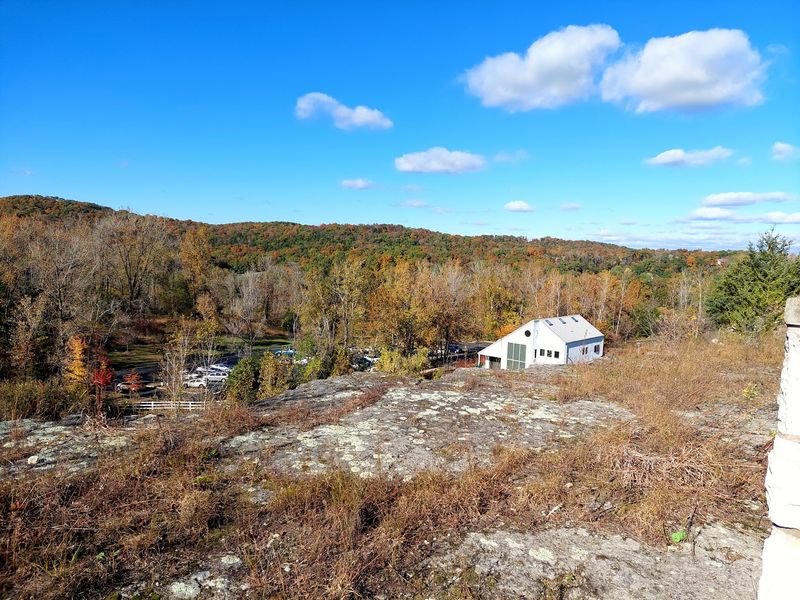
Some of the best views in Missouri come without hours of switchbacks or aching legs, and that surprises a lot of people who expect a payoff to cost them serious sweat. Tucked along the Missouri River near the wine country town of Augusta, a former sand quarry has been reshaped into a park where white sandy shores meet blue water and a short paved path leads straight to a bluff-top lookout.
You can walk to a sweeping overlook of the river valley in minutes, then spend the rest of the day fishing, paddling, or wandering easy trails. Cabins and campsites wait for anyone who wants to stay past sunset and catch the stars.
This is a place that packs big scenery into a small effort, and the rest of this guide breaks down exactly what makes it worth the drive.
Where To Find This Riverside Escape
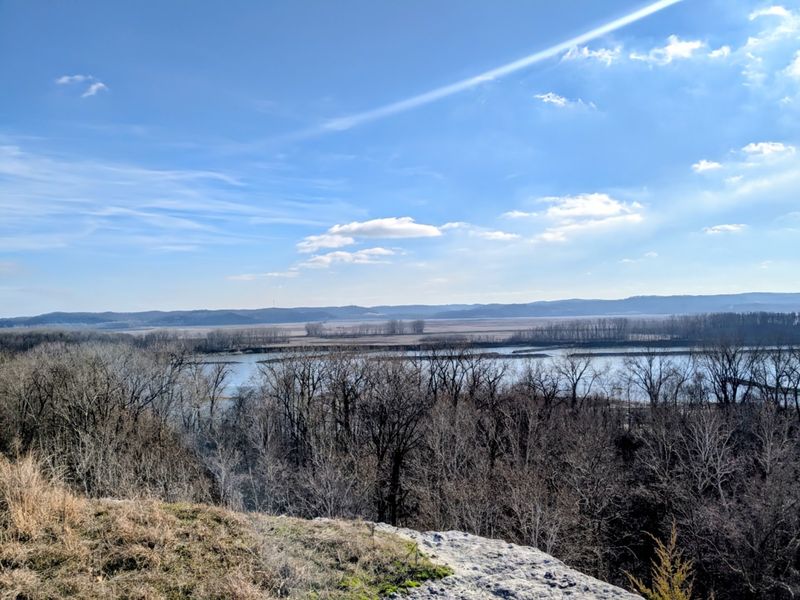
Set at 4600 S Missouri 94 in Augusta, Missouri, Klondike Park sits in St. Charles County, one of the most park-rich corners of the state. The address puts it right along Highway 94, an easy landmark that keeps the place simple to reach from the greater St. Louis area.
Run by St. Charles County Parks, the grounds cover roughly 250 acres of trails, water, and bluffs. The land was once a working silica-sand quarry, which explains the pale, sandy ground you spot almost everywhere.
What sets it apart is how much variety fits into one stop. There are paved paths and rugged natural trails, a clear quarry lake, camping cabins, and a connection to the historic Katy Trail.
Regulars often call it a hidden gem, and the numbers back up the affection, with a 4.8-star average across more than 700 opinions. That kind of consistency is rare for a public park.
The main entrance area gives you a quick sense of the layout, so first-time guests rarely feel lost for long. It is a spot built for both quick visits and full-day plans.
From Sand Quarry To Public Playground
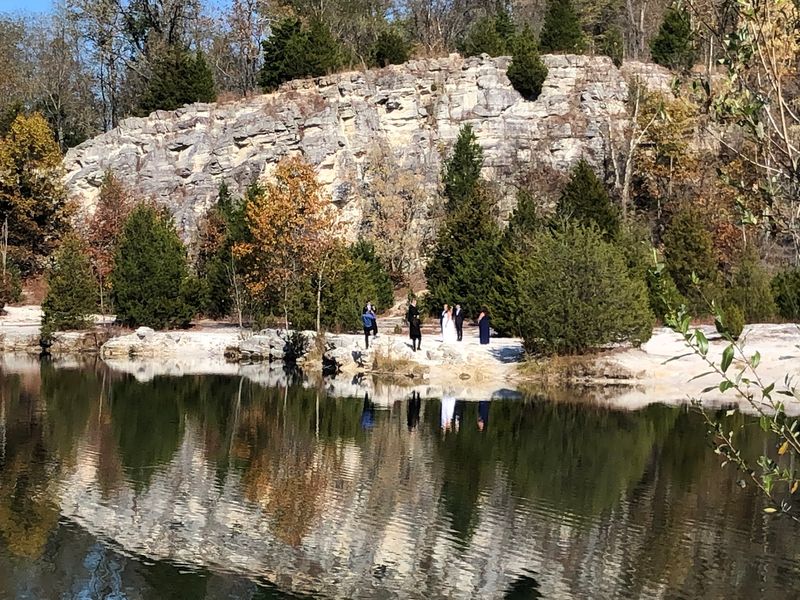
Long before hikers and campers arrived, this land worked hard as a silica-sand quarry. That industrial past is not hidden away, and in fact it shapes almost everything you notice today.
The white sand that lines the lake and dusts the hills is a leftover from those mining years. Instead of erasing that history, the county leaned into it and turned the reclaimed ground into a nature area.
A meeting facility and camp store near the entrance holds a small display about the site’s history, and it comes highly recommended for anyone curious about how the place transformed. Taking a few minutes there adds real context to the walk ahead.
The result is a landscape that feels unlike the rest of Missouri. Pale ground, a bright quarry lake, and rolling hills give the park an identity all its own.
Seeing a former quarry reborn as a beloved outdoor retreat is a quiet success story. It proves that hard-used land can find a second life as something people treasure.
The Overlook You Barely Have To Work For
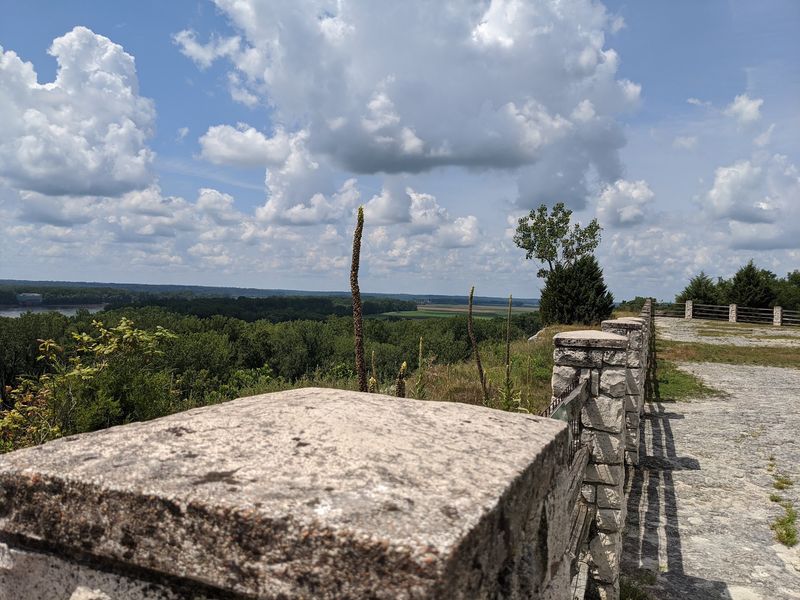
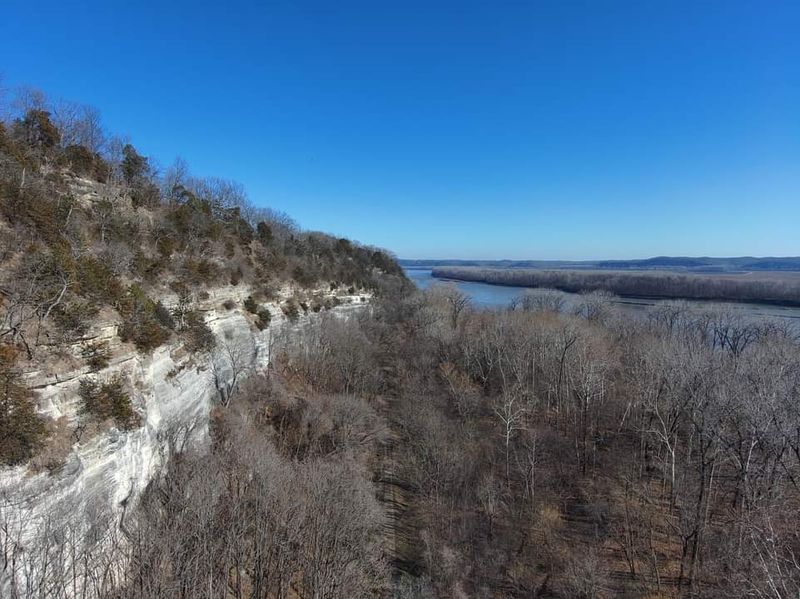
Big views usually come with a price in leg power, but the star lookout here rewards very little effort. A paved trail runs almost straight up to the overlook from the clubhouse parking lot, making it one of the easiest payoffs in the region.
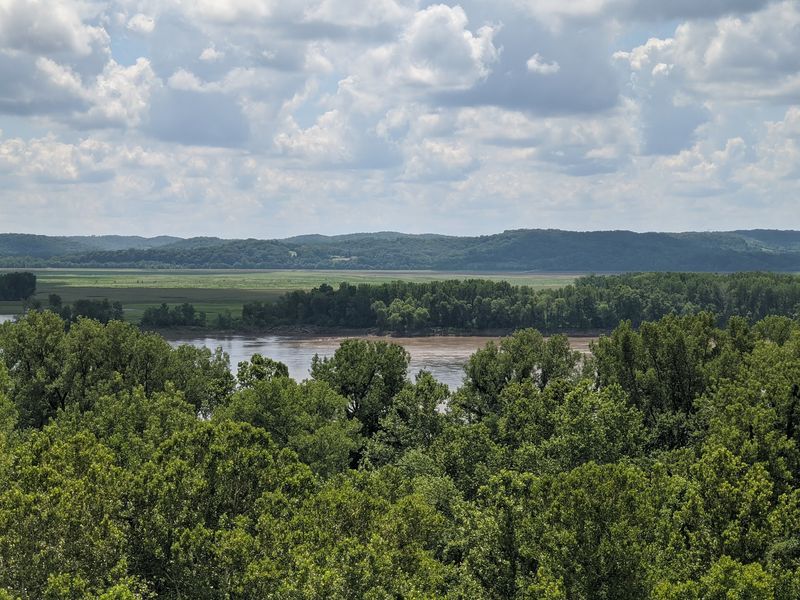
The climb involves only about 150 feet of elevation change from the visitor center, and while it does lean a little steep, most folks reach the top in a short walk. That short push opens up some of the most picturesque scenery of the Missouri River Valley.
From the bluff, the view stretches across the river and out toward the historic Katy Trail below. On a clear day you can even pick out Ameren’s Labadie power plant in the distance.
The paved surface makes this option friendly for people who want scenery without technical footing. It is the section most guests point to when they describe why the park is special.
Reaching a 360-degree panorama this quickly is what earns the park its reputation for big views without the long slog.
A Quarry Lake With White Sandy Shores
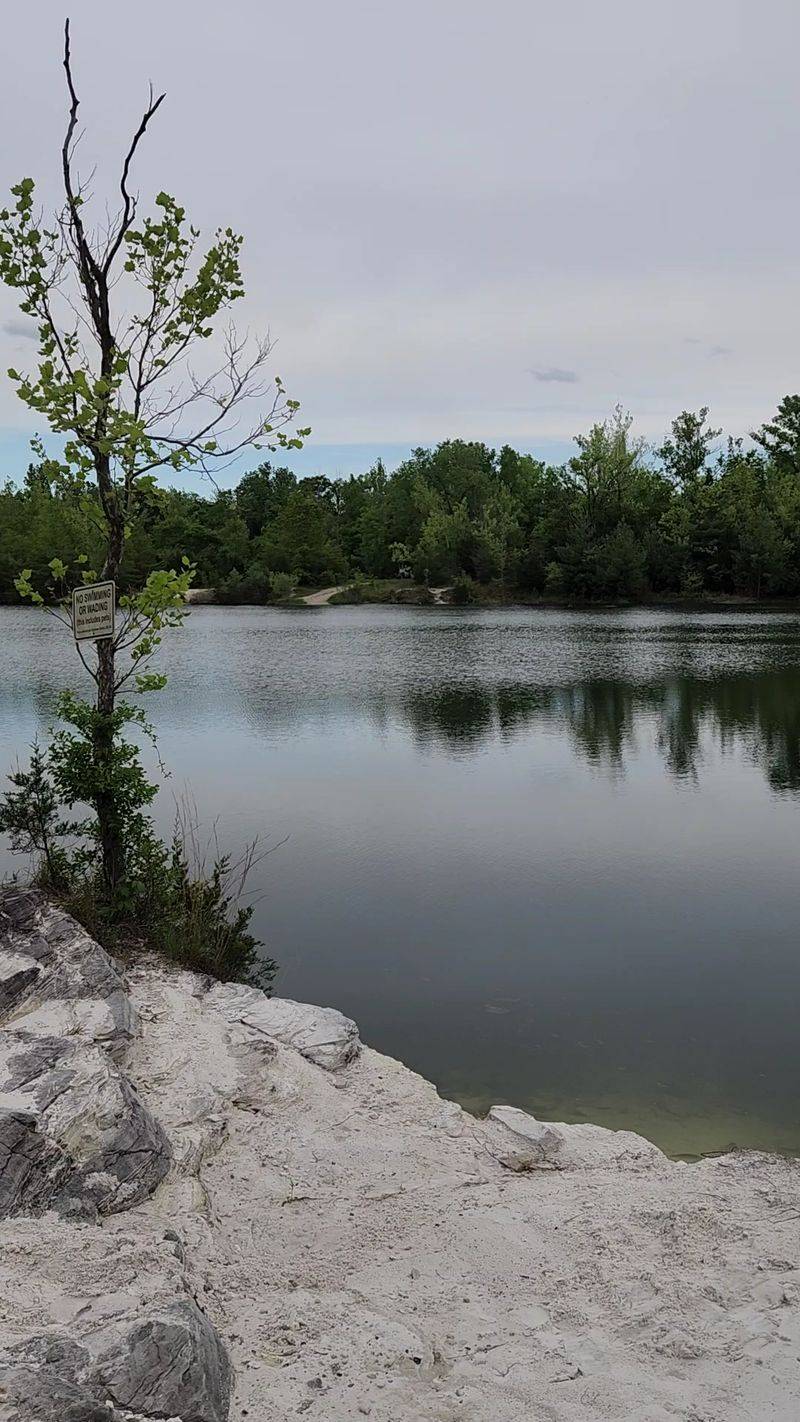
Below the bluffs sits a clear quarry lake ringed with clean white sand, and it may be the most photographed feature in the whole park. The pale shore against blue water gives the area a look you would not expect this far inland.
A half-mile paved path loops the water, staying flat and peaceful the entire way. Benches sit along the walk, so it doubles nicely as an easy stroll or a relaxed lunch spot.
The sand around the edges is soft enough that some guests wander barefoot in certain areas. It is worth knowing, though, that swimming is not allowed here.
Even so, the lake is fully stocked for fishing, and a separate parking lot sits right beside it for quick access. That convenience makes it simple to bring gear or a picnic without a long haul.
Calm, scenic, and beginner-friendly, the lake anchors the low-effort side of the park. It is the kind of place where you can slow down and let the afternoon drift.
Trails For Every Kind Of Hiker
More than four miles of natural and paved trails thread through the park, giving walkers plenty of choices for any energy level. Some paths stay smooth and gentle, while others turn rocky, rooty, and genuinely rugged.
The Hogsback Trail near the clubhouse climbs up to the bluffs and loops back down almost within sight of the road, a favorite among regular hikers. The Razorback Trail runs about two miles and moves between sunny rocky ridges and cooler, shaded fern-filled valleys.
For something flatter, the Lake Loop is an asphalt walkway, while the Herpetology Pond Loop keeps to a natural surface where small amphibians dart away as you pass. Adventurous groups sometimes string routes together, like Outlook to Hogsback to Rock Crusher, for a 3.5-mile loop.
Good shoes and water are smart, since the tougher trails can be steep, narrow, and covered in fallen leaves. Signage is a bit sparse, but a decent sense of direction keeps most people on track.
Having so many terrain types in one park is a rare treat. It means you can return again and again and rarely repeat the same walk.
Paddling And Fishing On Calm Water
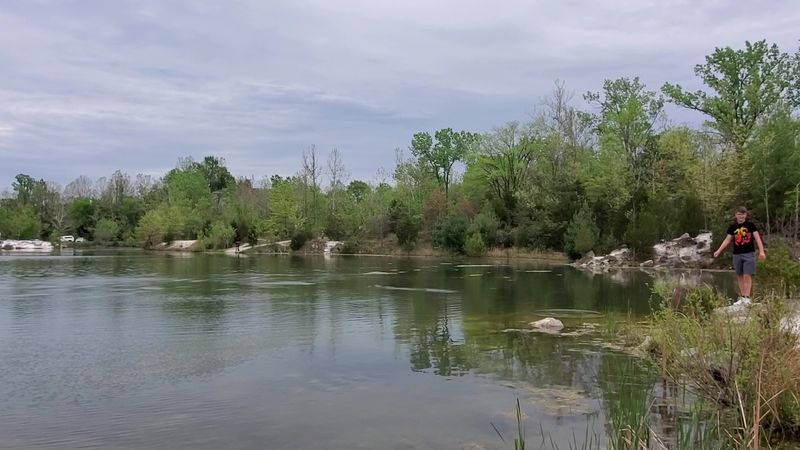
Water lovers get more than a pretty view here, because the quarry lake welcomes both anglers and paddlers. Kayak rentals let you glide across the calm surface without hauling your own boat, which makes spur-of-the-moment plans easy.
The lake comes fully stocked, and early spring outings have turned up smallmouth bass for folks casting with plastics. Fishing from the shore or the paved loop keeps things low-key and accessible.
Paddling around often brings little surprises, like baby turtles sunning near the edges. A holiday paddle can quickly become the highlight of a family day out.
Boat ramps also provide access to the Missouri River for those who want a bigger adventure beyond the lake. That connection opens the door to serious river exploring.
One reminder worth repeating is that swimming is off the table, so the water here is for casting and paddling rather than a dip. Still, the mix of options makes the lake a busy little hub of activity.
Camping Cabins Tucked Into The Shade
Anyone hoping to stay past sunset can book one of the camping cabins set among heavy tree cover. The shade keeps them cool, and the setting feels tucked-away and private, especially at cabins that do not face the main trail.
Each cabin holds up to six people, with one room of two bunk beds and a loft with two twin beds, plus a pull-out futon for an extra person or two. Inside you get a small living area and a dining spot, while outside there is a grill, a picnic table, and a fire ring.
The setup is basic but comfortable, and the cabins run about $65 per night, a price many find very fair. Electricity is limited to a single low-amp outlet, often in an awkward back-wall spot, so long extension cords come in handy.
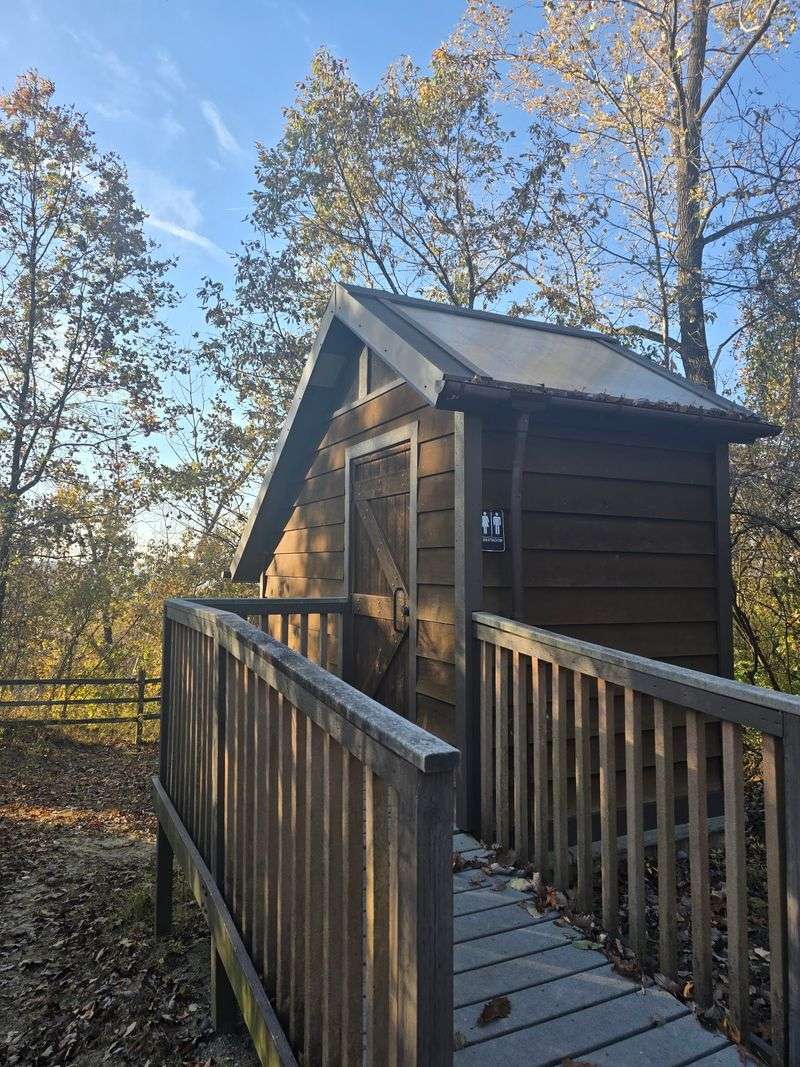
Restrooms and a shower house sit nearby, though the walk can involve steps, which is worth planning for if stairs are tricky. Tall guests should also note the loft and top bunks sit close to the ceiling.
Cozy, affordable, and well kept, the cabins are a favorite base for weddings, family groups, and weekend getaways. They turn a day trip into a proper overnight adventure.
Primitive Campsites Under The Stars
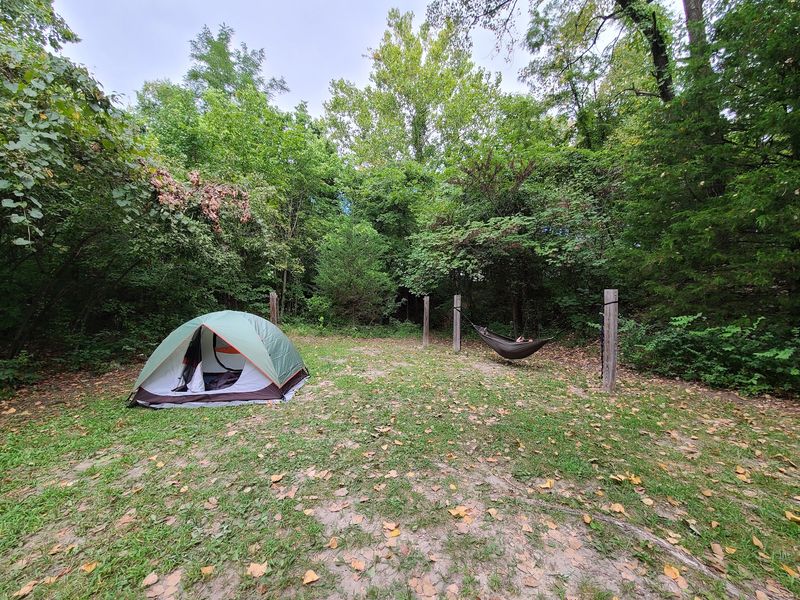
Those who prefer a tent and open sky will find around 35 primitive campsites scattered across the grounds. Most are non-electric, so this is old-fashioned camping rather than a plug-in setup.
The sites are grouped in small clusters, and some pockets hold only about six spots, which keeps things quiet and far from crowded. A camp kitchen is available for filling water jugs, washing dishes, or cooking a meal.
Bathrooms and showers are walkable, though the trek can feel long in the dark, so a small backup plan for late-night trips is smart. The showers use a push-button system that runs for about 30 seconds at a time and include a detachable head, though the temperature stays fixed.
One honest note is that traffic on Highway 94 can be heard from certain sites, which may nudge light sleepers toward earplugs. It is a minor trade-off for the setting.
Clear night skies and well-kept grounds keep campers coming back year after year. For many, it ranks among their favorite places to pitch a tent in the state.
A Desert-Like Habitat In The Heart Of Missouri
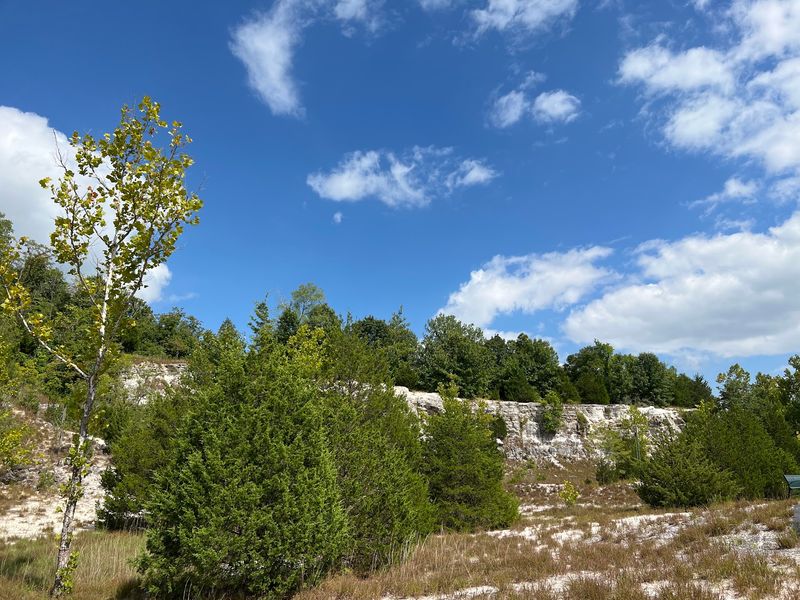
Few Missouri parks can claim cactus and lizards, yet the sandy ground here creates exactly that kind of unusual habitat. The dry, pale terrain supports plants and creatures you simply do not expect in this region.
Alongside the cactus, the park hosts many different bird species, making it a genuine draw for birding fans. A dedicated birding and wildlife area gives watchers a focused place to spot feathered residents.
The scenic trail toward the bluffs is even known for vultures riding the air currents, a striking sight against the rolling hills. Lizards scurrying across the sand add to the offbeat, almost otherworldly feel.
That contrast between a Missouri setting and a near-desert landscape is a big part of the park’s charm. It makes the whole place feel like a small pocket of somewhere far away.
Nature lovers who enjoy spotting the unexpected will find plenty to keep their eyes busy. The variety of life here is a reward for slowing down and paying attention.
Art And History At The Visitor Center
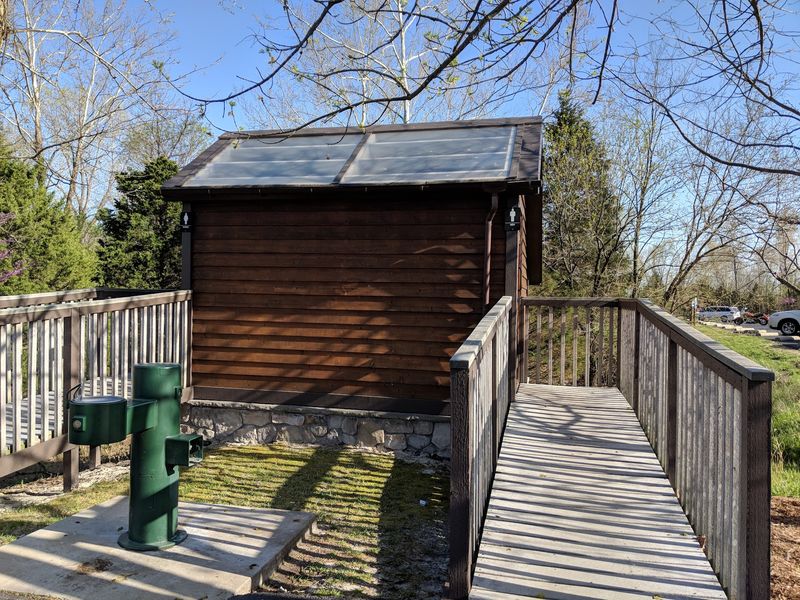
Not everything worth seeing here happens on the trail, and the visitor center proves it. Walking around the building rewards you with plenty of artwork on display, a pleasant contrast to the rugged outdoors.
The meeting facility and camp store near the entrance also holds a small history display about the old quarry site. Spending a few minutes there gives you real background before heading out to explore.
Adding to the creative vibe, guests sometimes spot artists set up around the park, painting the scenery in real time. Coming across someone at their easel is a nice, unexpected touch.
The building doubles as a practical stop too, functioning as a camp store and gathering space. It ties together the park’s dual personality of nature and community.
Culture and history rarely share space with hiking and camping, but here they blend easily. That mix gives the visit an extra layer beyond the scenery.
The Katy Trail Connection
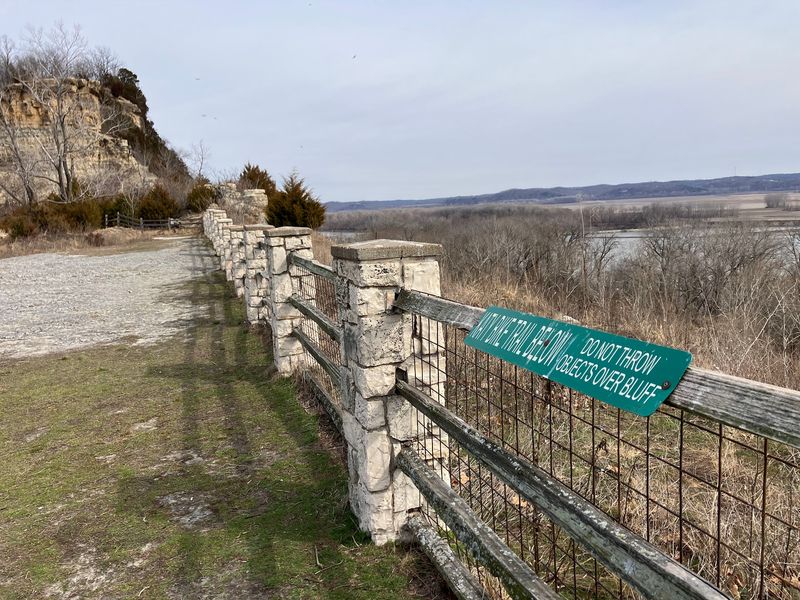
Cyclists and long-distance walkers get a bonus feature that many parks cannot offer. A trail here drops down and links to the famous Katy Trail in two separate spots, opening up miles of extra exploring.
Along that route, a scenic view of the Missouri River adds a reward before you even reach the connector. The overlook above also frames the historic Katy Trail from up high.
The link makes the park a handy access point for one of the most celebrated rail-trails in the country. Riders can roll in, park, and set off on a much longer journey.
Bike-friendly paths within the park support that adventurous streak too, blending short loops with the option to go far. It is a setup that suits both casual pedalers and serious mileage seekers.
Having a nationally known trail right at the doorstep raises the park’s appeal well beyond its own boundaries. It quietly turns a local stop into a gateway for bigger trips.
Family-Friendly Corners And Easy Access
Bringing little ones along works out fine, even if the park keeps things simple on the play front. There are a few small playgrounds rather than a big elaborate setup, so the focus stays on the natural scenery.
The lake area is easily accessible, with clean sand and flat surroundings that suit slower-paced outings. Plenty of benches line the walk, giving families spots to rest or unpack a lunch.
Open parking makes arrival painless, and on cooler days you may find the lots wide open. Clean restrooms scattered around the grounds add real convenience for a family day.
The paved lake loop and the paved route to the overlook both help when strollers or small legs are part of the group. Those smooth paths mean scenery without a struggle.
Easygoing, tidy, and welcoming, the park handles casual outings and photo sessions with ease. It is a comfortable choice for a relaxed day with the whole crew.
Planning Your Visit And Booking A Stay
A little prep goes a long way at this park. The cabins run about $65 per night, and because the online booking system has been unreliable, calling ahead by phone is the surest way to reserve one.
The park itself is managed by St. Charles County Parks, with details posted through the county’s website for those who like to research first. Day guests should bring sturdy shoes and water, since the rougher trails can be steep and uneven.
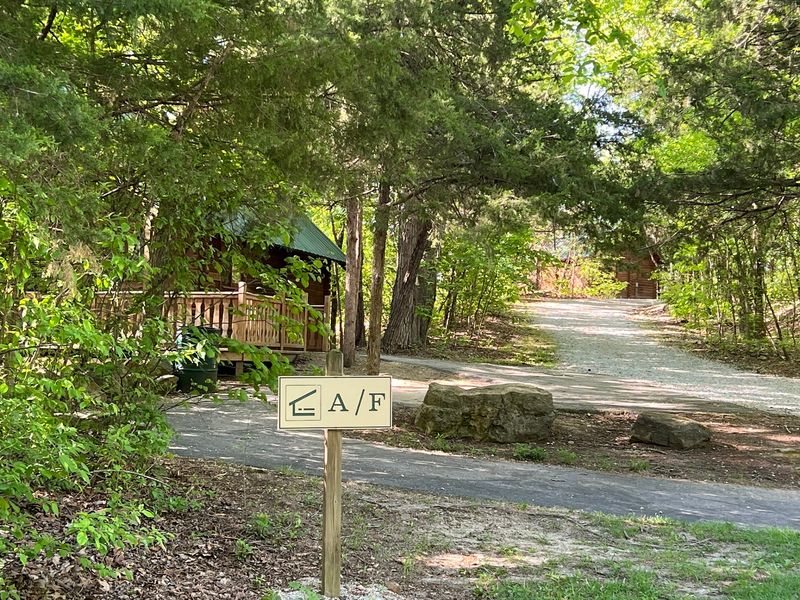
Signage throughout the park runs a bit thin, so a basic sense of direction helps you stay oriented. The cabin markers in particular can be cryptic, using letters and symbols that take a moment to decode.
Campers may want a few extras, like long extension cords for the single cabin outlet and a small backup for late-night bathroom trips. A quick spray for stink bugs in the cabins is another handy tip.
The park sits in the heart of Augusta’s wine country, with the nearby towns of Washington and Dutzow offering easy add-ons. A little planning turns a good visit into a smooth one.
Why This Park Earns Its Fans
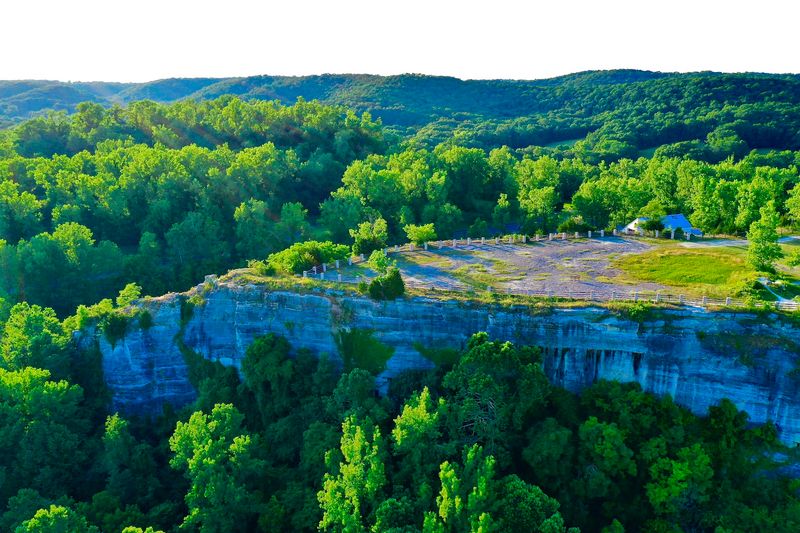
Pulling everything together, this is a park that delivers far more than its modest size suggests. Big bluff-top views, a sandy quarry lake, varied trails, and affordable cabins all share one tidy stretch of St. Charles County ground.
The 4.8-star average across more than 700 pieces of feedback tells the story of a place people return to on purpose. Regulars describe it as a hidden gem and one of their favorite parks anywhere.
What keeps the affection strong is the balance. You can chase a rugged loop or amble a flat paved path, cast a line or paddle a kayak, camp under the stars or just stop for a scenic lunch.
The county’s steady upkeep shows in the clean restrooms, tidy grounds, and well-capped trails. That care is part of why the experience feels closer to a state or national forest than a small local park.
For anyone chasing a huge payoff without a huge climb, Klondike Park stands out as an easy yes. It is the rare spot that fits a full day, or a full weekend, into one memorable stop.
Enjoyed this story?
Add Fast Food Club as a preferred source to see more of our reporting on Google.