


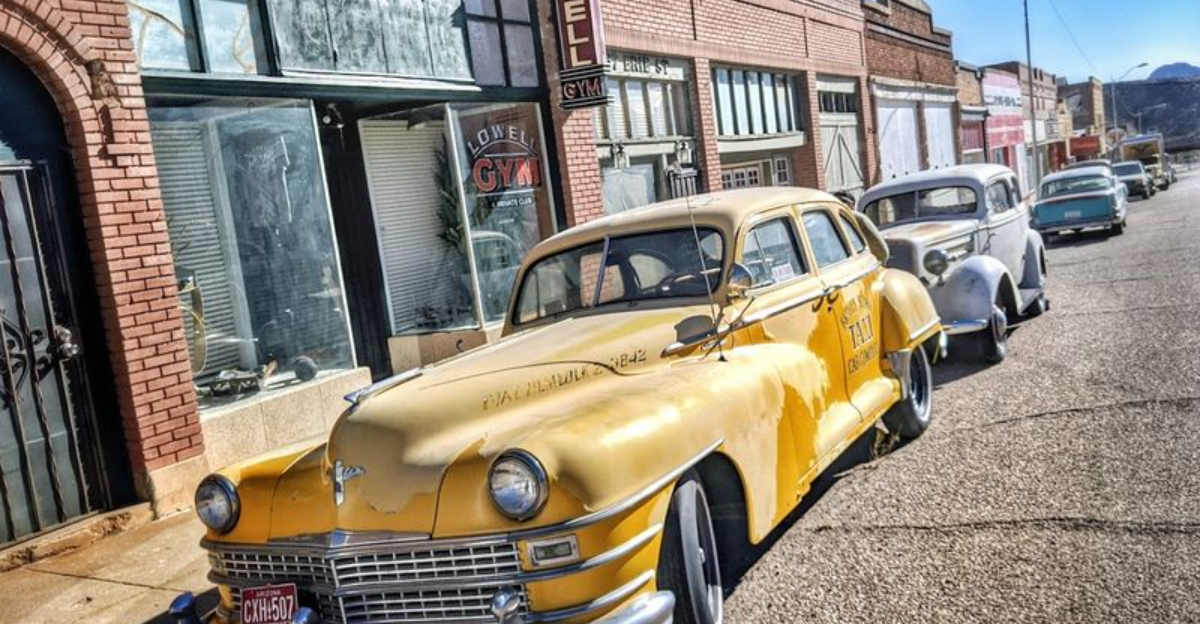
Tucked away in the rugged hills of Cochise County, Arizona, the ghost town of Lowell holds a secret that car lovers and history buffs dream about. Once a lively mining community filled with workers from Finland, Serbia, and Montenegro, Lowell was eventually swallowed up by time after being incorporated into Bisbee in the early 1900s.
What was left behind is nothing short of jaw-dropping: hundreds of vintage cars sitting right where they were parked decades ago, slowly becoming part of the desert landscape. If you have ever wondered what it feels like to walk through a real-life time capsule, Lowell, Arizona is the place to find out.
The Ghostly History of Lowell, Arizona
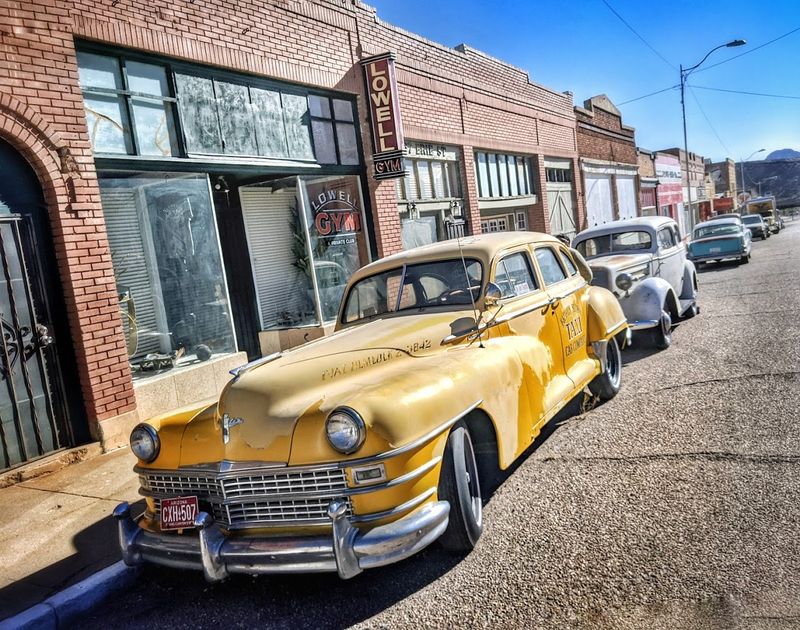
Long before the desert reclaimed its streets, Lowell was a bustling residential neighborhood packed with hardworking miners and their families. Founded in the early 1900s, it was officially incorporated into the city of Bisbee, though it always kept its own distinct identity.
Workers from countries like Finland, Serbia, and Montenegro called this dusty corner of Arizona home.
The Lavender Pit copper mine nearby was the heartbeat of the community. When mining slowed and eventually stopped, so did life in Lowell.
People moved away, leaving behind homes, businesses, and yes, their cars.
Today, Lowell sits frozen in time, a haunting reminder of what once was. Walking through its streets feels like stepping into a history book nobody ever finished writing.
The empty buildings and rusting vehicles tell a quiet story of hard work, community, and eventual abandonment that visitors find both moving and unforgettable.
Hundreds of Vintage Cars Frozen in Place
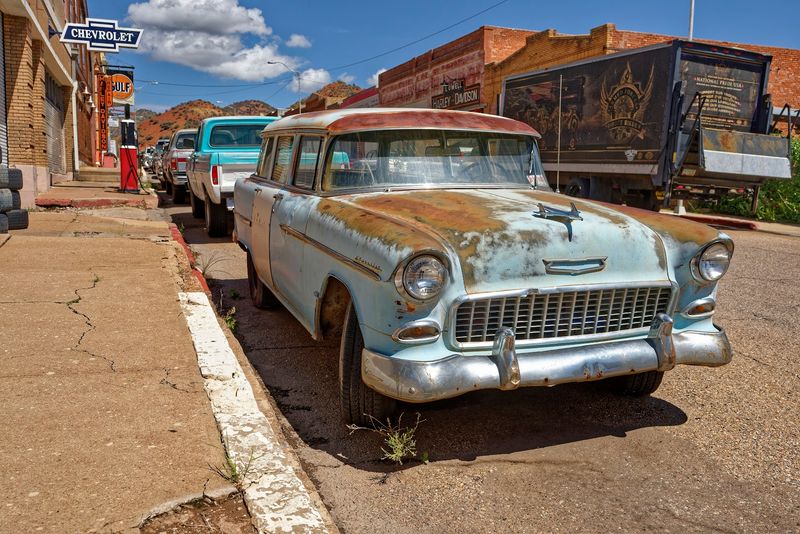
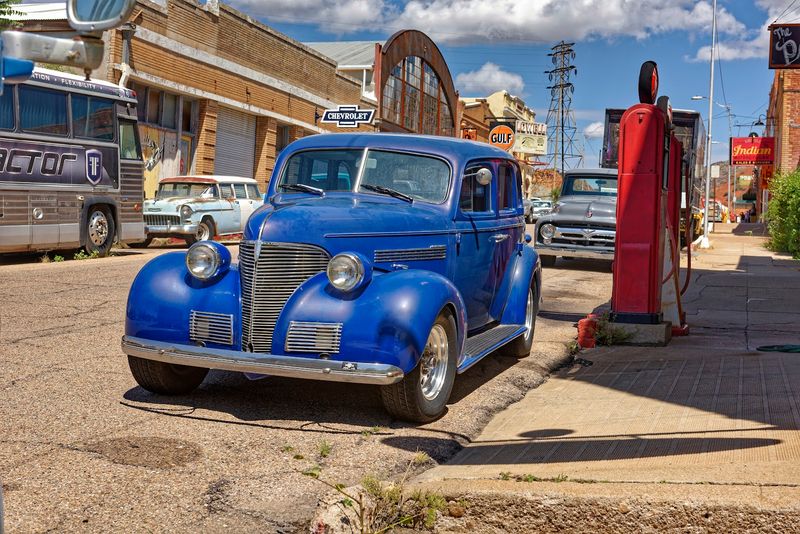
Imagine walking down a street where every single car looks like it rolled straight off a showroom floor in 1955 and never moved again. That is exactly what you get in Lowell.
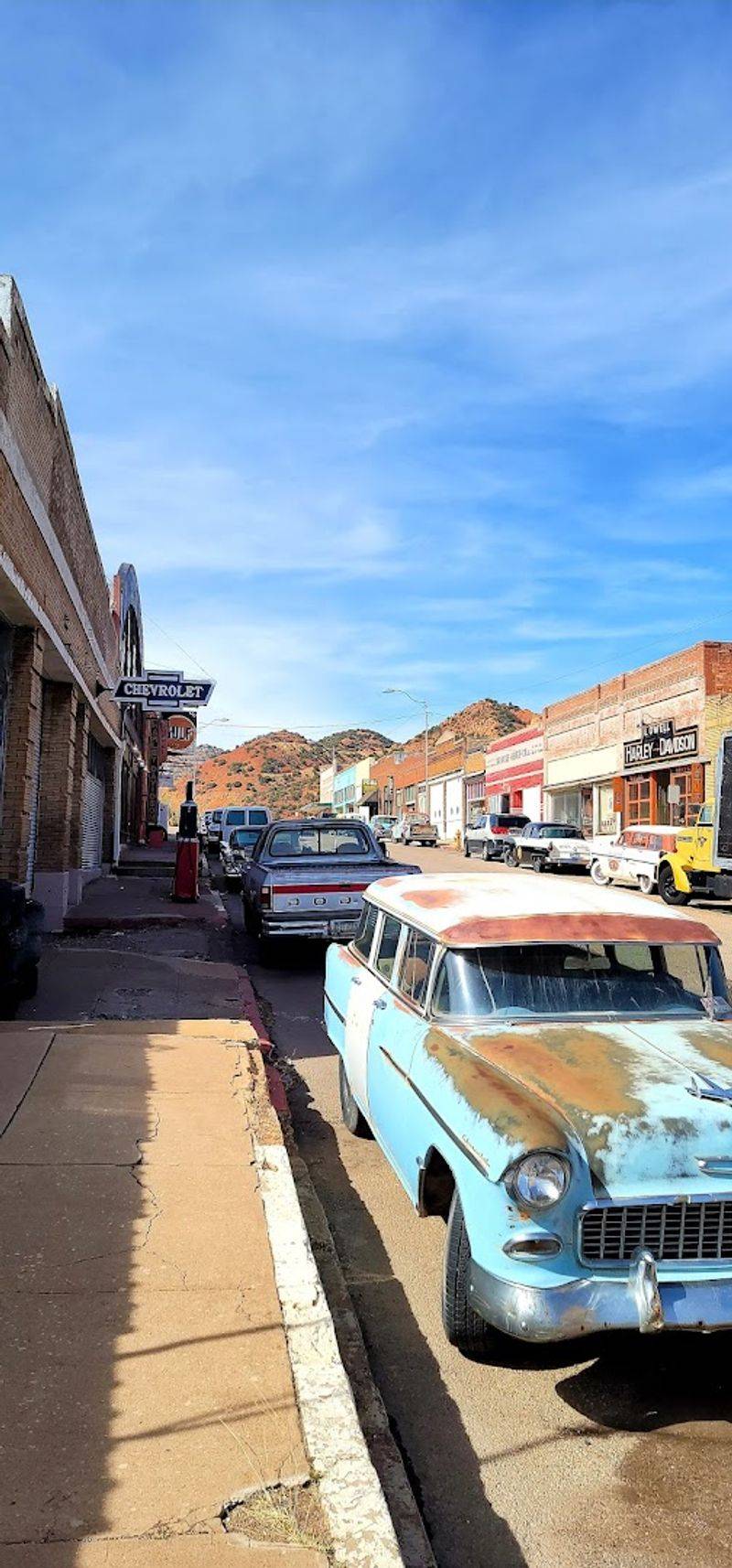
Hundreds of old vehicles, ranging from classic American sedans to trucks and station wagons, line the streets in various states of beautiful decay.
Some still have their original paint clinging on despite decades of Arizona sun. Others have become home to desert plants creeping through cracked windshields.
Rust and patina have turned these machines into accidental works of art.
Car enthusiasts travel from all over the country just to photograph and admire these relics. You will spot brands like Ford, Chevrolet, and Dodge sitting side by side, untouched and unrestored.
There is something deeply poetic about seeing a once-powerful machine quietly surrender itself back to the earth over many slow, sun-scorched years.
The Lavender Pit Mine That Started It All
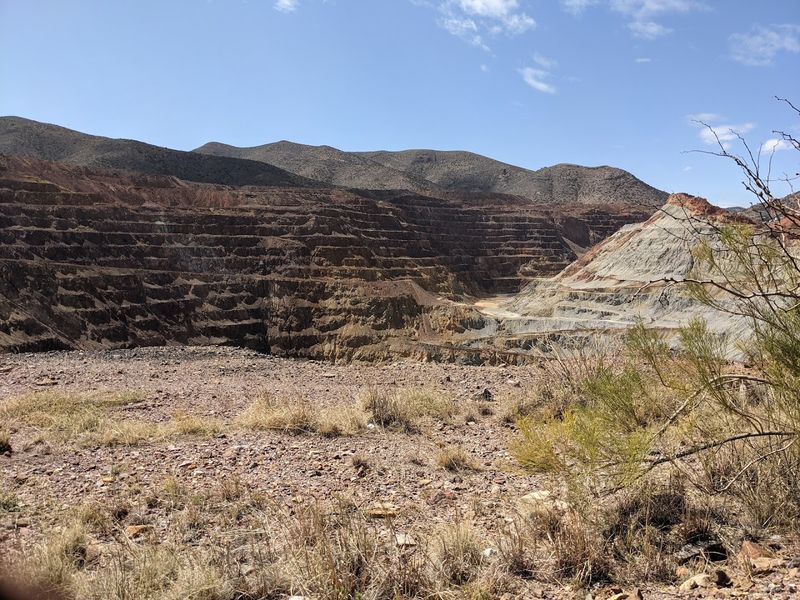
You cannot talk about Lowell without mentioning the Lavender Pit, the enormous open-pit copper mine that gave the town its purpose. Named after Harrison Lavender, a manager at the Phelps Dodge mining company, the pit stretches nearly a mile wide and drops hundreds of feet deep into the earth.
It is one of the most visually striking mining sites in the entire American Southwest.
Mining operations at the Lavender Pit ran from 1950 to 1974. During those years, Lowell was alive with activity as miners worked long shifts pulling copper ore from the colorful rock walls.
When the mine closed, the economic foundation of the neighborhood simply collapsed.
Visitors today can stop at an overlook and stare into the massive crater, imagining the scale of the operation. The pit itself has become a tourist attraction, drawing curious travelers who want to understand the industrial force that once powered this now-silent community.
Old Route 80 Running Right Through Town
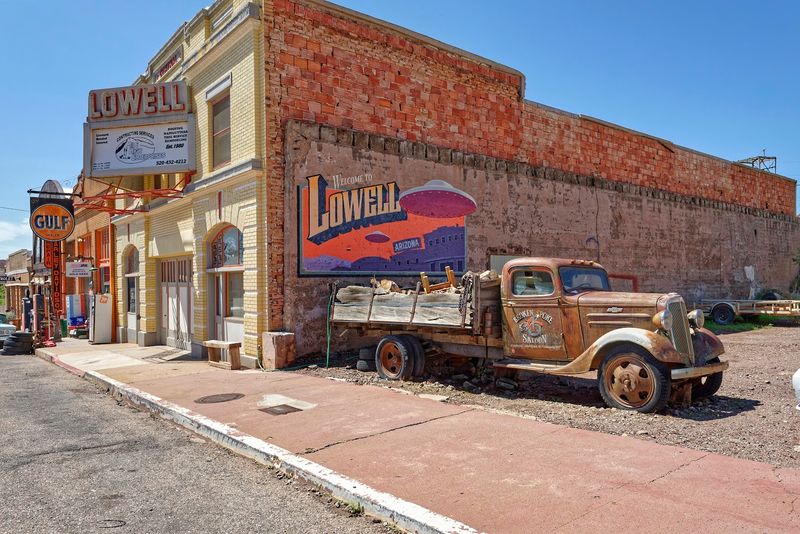
One of the most magical things about Lowell is that old U.S. Route 80 cuts straight through the heart of it.
This historic highway once connected Savannah, Georgia all the way to San Diego, California, and Lowell sat right along its path. That road brought travelers, commerce, and life to the little town for many decades.
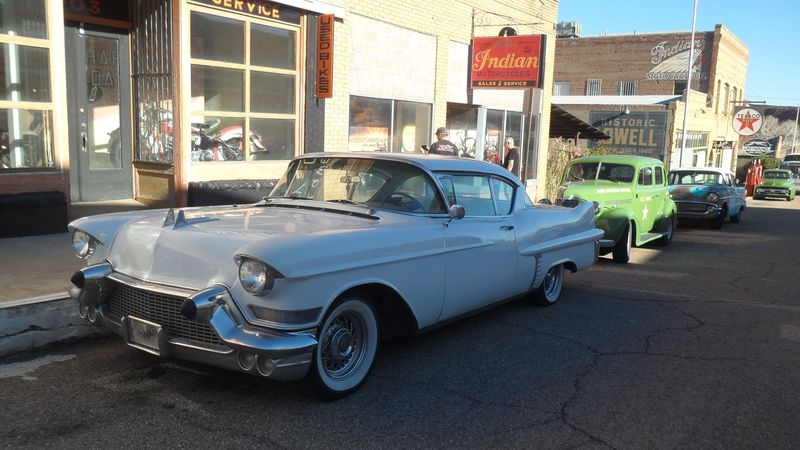
Today, driving through Lowell on what remains of that old route feels surreal. The vintage cars that line both sides of the road create the impression of a drive-in movie theater where the audience never left.
Some of the old storefronts still have their original signs, faded but readable.
Route 80 through Lowell has become one of the most photographed stretches of road in Arizona. Photographers love capturing the contrast between the crumbling buildings and the rugged desert sky above.
It is the kind of scene that makes you slow down, roll down the window, and just soak it all in.
Immigrant Miners Who Built the Community
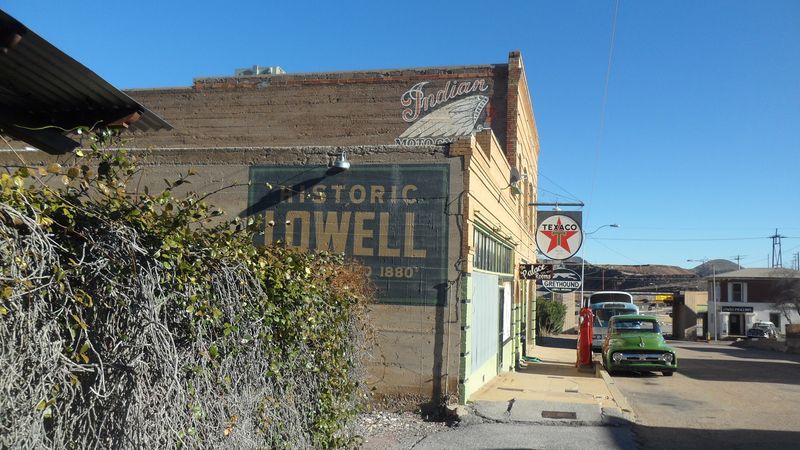
Lowell was not just an American story. It was a melting pot of cultures, languages, and traditions brought over by miners who crossed oceans in search of a better life.
Workers from Finland, Serbia, Montenegro, and other countries settled here, bringing their food, music, and customs with them. They built homes, raised families, and formed tight-knit communities in the Arizona desert.
The diversity of Lowell made it a remarkably vibrant place for its time. Neighbors who spoke different languages still found ways to connect over shared hard work and shared struggles.
Cultural traditions from Eastern Europe blended naturally with the rugged lifestyle of the American Southwest.
Visiting Lowell today, you can still feel echoes of that multicultural spirit. Old neighborhood layouts and building styles hint at the different communities that once thrived here.
Their legacy lives on not just in history books, but in the very bones of the town they helped build.
Exploring Lowell on Foot: A Walker’s Time Capsule
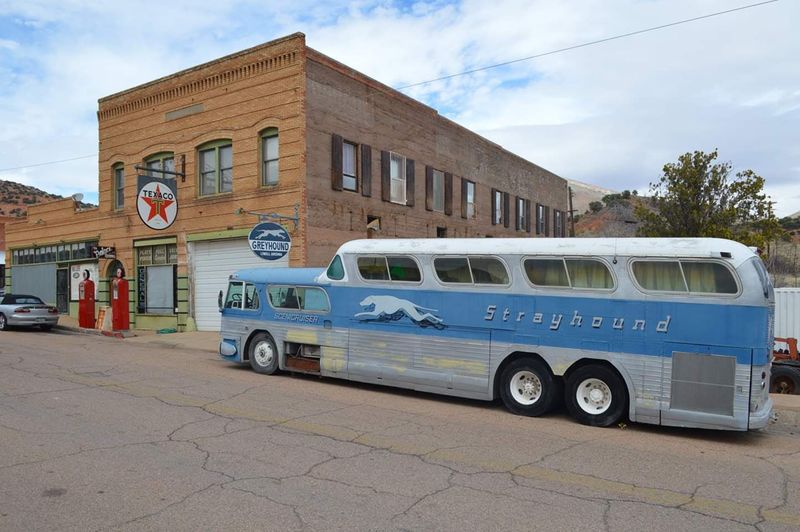
Forget guided tours and audio headsets. The best way to experience Lowell is simply to park your car and start walking.
The town is compact enough to explore entirely on foot, which means you can get up close to every rusting bumper, every cracked windshield, and every faded sign without rushing.
There is no admission fee to wander through Lowell’s streets, which makes it one of the most accessible ghost town experiences in Arizona. Families, solo travelers, and photography enthusiasts all show up regularly to take in the atmosphere at their own pace.
Morning visits are especially rewarding when the light is soft and the air is still cool.
Wear comfortable shoes because the terrain can be uneven. Bring water too, since the Arizona sun does not mess around.
But most importantly, bring curiosity. Every corner you turn in Lowell reveals something unexpected, a forgotten detail that makes the whole experience feel deeply personal and genuinely fascinating.
Photography Paradise: Capturing Lowell’s Rusty Beauty
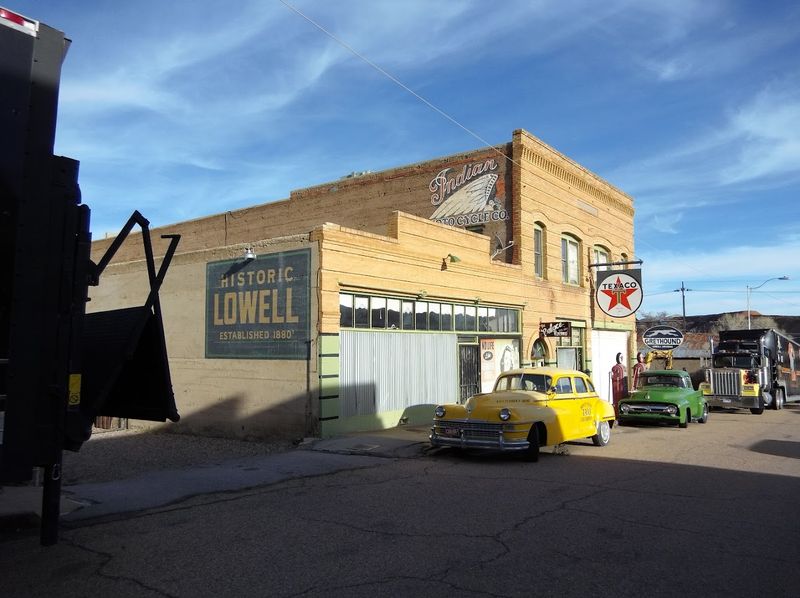
Ask any travel photographer in Arizona where to find the most hauntingly beautiful shots, and Lowell’s name will come up fast. The combination of crumbling architecture, vintage vehicles, and wide desert skies creates a visual feast that is almost impossible to capture badly.
Every angle tells a story.
The peeling paint on old cars reflects light in ways that professional photographers call organic and irreplaceable. Rust patterns, cracked leather seats visible through broken windows, and sun-bleached chrome all add layers of texture that make for extraordinary images.
Social media feeds absolutely light up whenever someone posts photos from Lowell.
Golden hour, which is the hour just after sunrise or just before sunset, is when Lowell truly transforms. The warm orange light turns every rusting surface into something that looks almost cinematic.
If you are visiting with a camera, plan to arrive early or stay late. You will not regret it one single bit.
Bisbee’s Quirky Neighbor: The Connection Between Two Towns
Lowell and Bisbee are technically the same city today, but they feel like two completely different worlds sitting just minutes apart. Bisbee is famous for its colorful Victorian buildings, art galleries, and thriving bohemian culture.
Lowell, by contrast, is quieter, older, and draped in a kind of melancholy beauty that Bisbee simply does not have.
Incorporating Lowell into Bisbee in the early 1900s was a practical decision driven by growth and administration. But even after the merger, Lowell maintained its own personality.
Its working-class roots and industrial identity set it apart from Bisbee’s more artsy reputation.
Many visitors who come to Bisbee for its galleries and restaurants are surprised to discover Lowell just down the road. The contrast between the two neighborhoods is striking and worth experiencing back to back.
Together, they paint a fuller picture of what life in this corner of southeastern Arizona has looked like across more than a century of history.
The Eerie Atmosphere That Keeps Visitors Coming Back
There is a specific feeling that washes over you the moment you step into Lowell, and it is hard to shake once you have felt it. The silence is the first thing you notice.
No traffic noise, no chatter, just wind moving through rusted metal and the occasional creak of an old sign swinging on its hinges.
That eerie quiet is part of what makes Lowell so addictive for visitors. Ghost town enthusiasts often describe the experience as emotionally powerful, like being allowed into a private moment from the past.
Some people come back multiple times just to sit with that feeling again.
Even skeptics who are not usually into history or abandoned places tend to find Lowell unexpectedly moving. Something about seeing everyday objects like cars and storefronts frozen in time triggers a deep human curiosity.
It reminds you that every place that feels permanent today will eventually become someone else’s mystery tomorrow.
Vintage American Car Models You Can Spot in Lowell
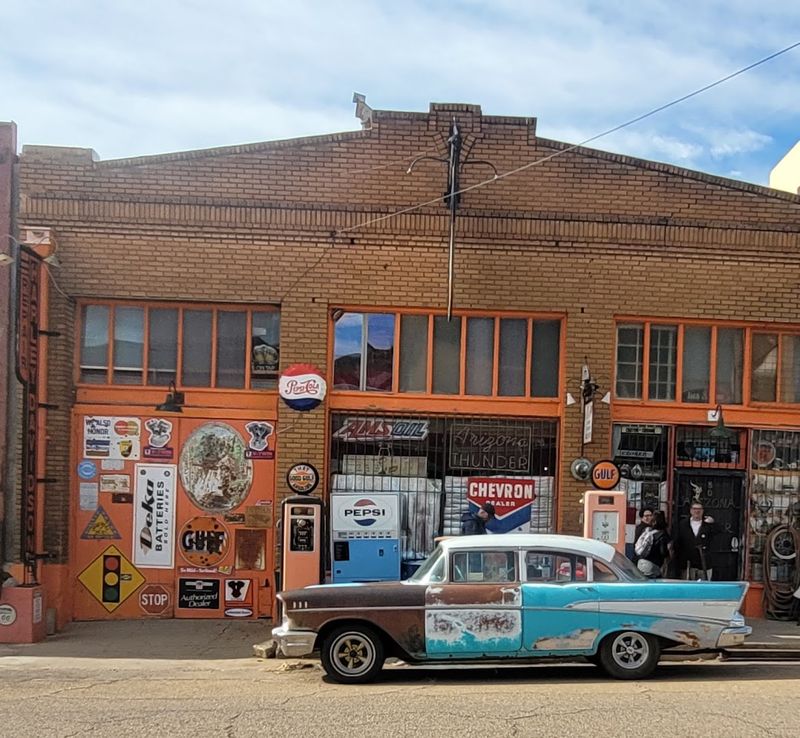
Car spotters visiting Lowell are in for a genuine treat. The lineup of abandoned vehicles reads like a catalog of mid-century American automotive history.
You can find everything from boxy 1940s Fords to sleek 1960s Chevrolets, with plenty of Dodges, Plymouths, and even a few trucks scattered throughout.
What makes the collection so remarkable is that these cars were never meant to be a museum. They were simply left behind by people who moved on and never came back for them.
That accidental quality gives the collection an authenticity that no curated exhibit could ever replicate.
Each vehicle has its own personality shaped by decades of exposure to the Arizona elements. Some are nearly complete while others are missing doors, hoods, or engines.
Spotting a rare model hidden behind overgrown desert brush feels like finding buried treasure. Bring a car identification guide if you want to name everything you see, because there is a lot to discover here.
How Lowell Compares to Other American Ghost Towns
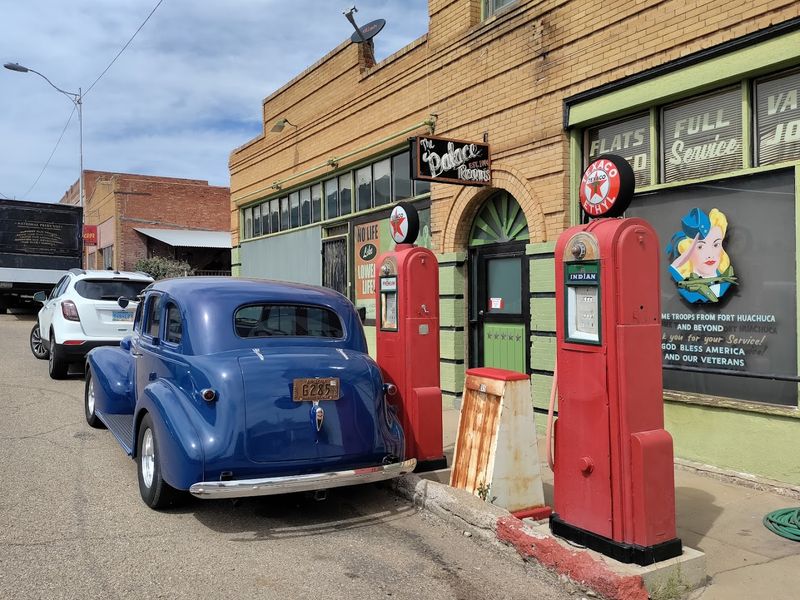
America has no shortage of ghost towns, from the silver rush ruins of Nevada to the coal country leftovers of Appalachia. But Lowell stands out from the crowd for one very specific reason: the sheer number of vintage cars still sitting on its streets.
Most ghost towns have buildings. Lowell has buildings AND an accidental car museum.
Places like Bodie in California or Rhyolite in Nevada draw crowds for their dramatic ruins and Wild West stories. Lowell offers something a bit different, a more recent kind of abandonment that feels closer to living memory.
The cars and storefronts belong to an era that many older visitors actually remember.
That relatability is a big part of Lowell’s appeal. When you see a car that your grandparent might have driven, the history stops feeling distant and starts feeling personal.
That emotional connection is something truly special, and it is what keeps Lowell ranking among the most interesting ghost towns in the entire American Southwest.
Tips for Planning Your Visit to Lowell, Arizona
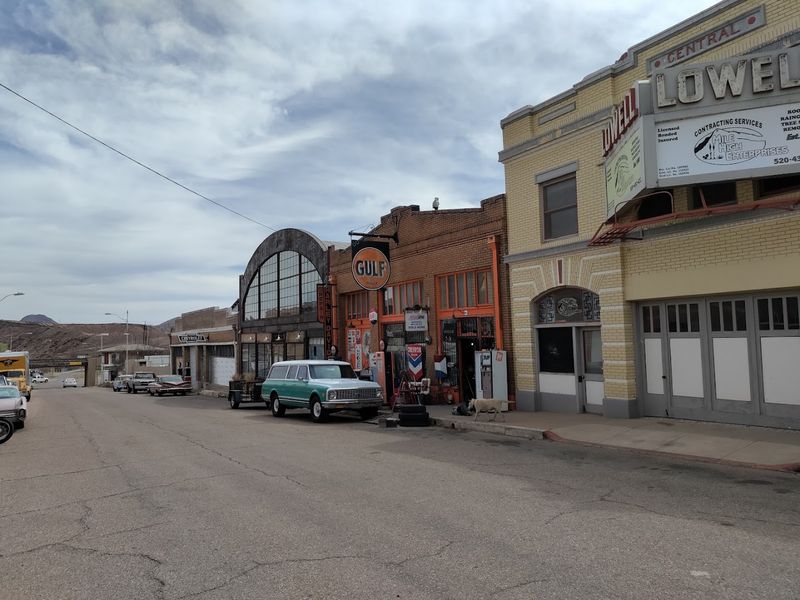
Planning a trip to Lowell does not require a lot of preparation, but a few smart moves will make your visit much more enjoyable. First, Lowell is located just outside Bisbee in Cochise County, so Bisbee makes a perfect home base with plenty of hotels, bed and breakfasts, and restaurants to choose from.
The best times to visit are spring and fall when temperatures are comfortable for walking around outside. Summer in southeastern Arizona can get very hot, so early morning visits during those months are strongly recommended.
Always bring more water than you think you need.
There are no official visitor centers or entrance fees for Lowell itself. The town is essentially open and accessible, though visitors should be respectful of private property and leave everything exactly as they found it.
Taking photos is absolutely encouraged, but taking souvenirs or disturbing the vehicles is not. Treat it like the open-air museum it naturally has become.
Why Lowell Deserves a Spot on Every Arizona Bucket List
Arizona is famous for the Grand Canyon, Sedona’s red rocks, and Monument Valley’s towering buttes. But Lowell offers something those iconic spots cannot: a deeply human story written in rust, silence, and forgotten machinery.
It is not just a place to look at. It is a place to feel something.
Travelers who seek out unusual and off-the-beaten-path destinations consistently rate Lowell as one of their most memorable Arizona experiences. The combination of ghost town atmosphere, automotive history, multicultural heritage, and raw desert beauty is genuinely one of a kind.
No other place in the state quite matches it.
Whether you are a history lover, a car enthusiast, a photographer, or just someone who appreciates the strange and beautiful, Lowell will leave a mark on you. It is the kind of place you find yourself describing to friends long after you have returned home, searching for words that do the experience justice.
Enjoyed this story?
Add Fast Food Club as a preferred source to see more of our reporting on Google.