


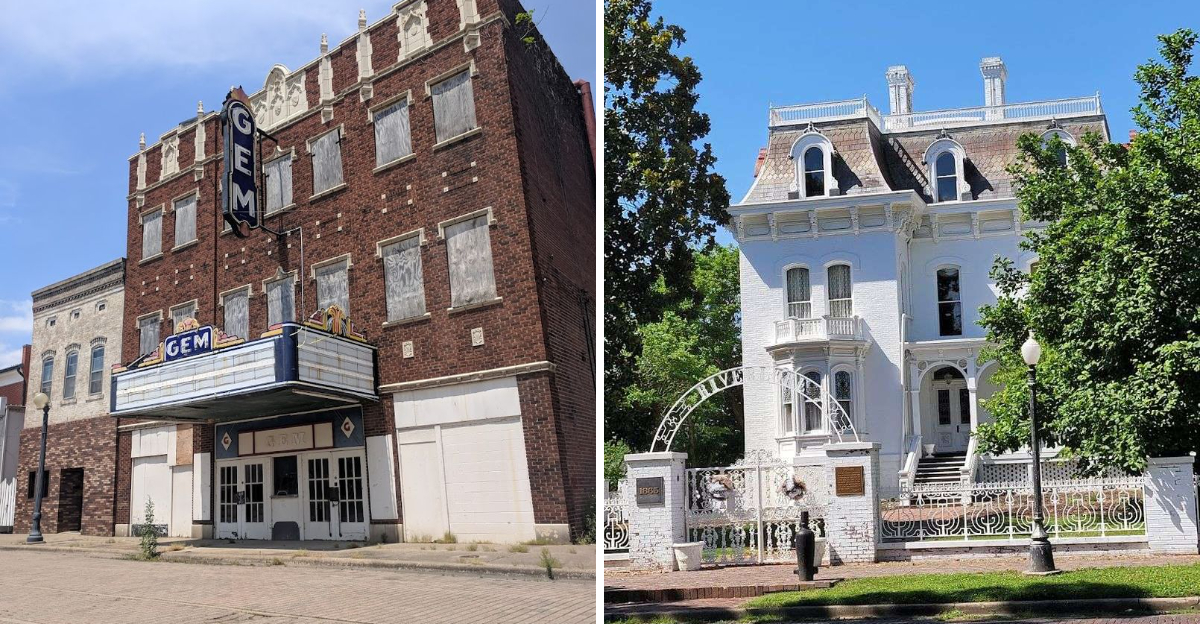
Tucked away at the very tip of Illinois, where the Ohio and Mississippi Rivers meet, Cairo is a town that time seems to have forgotten. Once a thriving river city full of life and commerce, Cairo now stands as a haunting shell of its former self, with crumbling buildings and empty streets that send chills down your spine.
Population has dropped from over 15,000 residents in its heyday to fewer than 2,000 today, leaving behind a landscape that looks straight out of a horror movie. If you are brave enough to explore, here are 13 reasons why Cairo, Illinois is one of the eeriest ghost towns in America.
The Ghostly Streets of Downtown Cairo
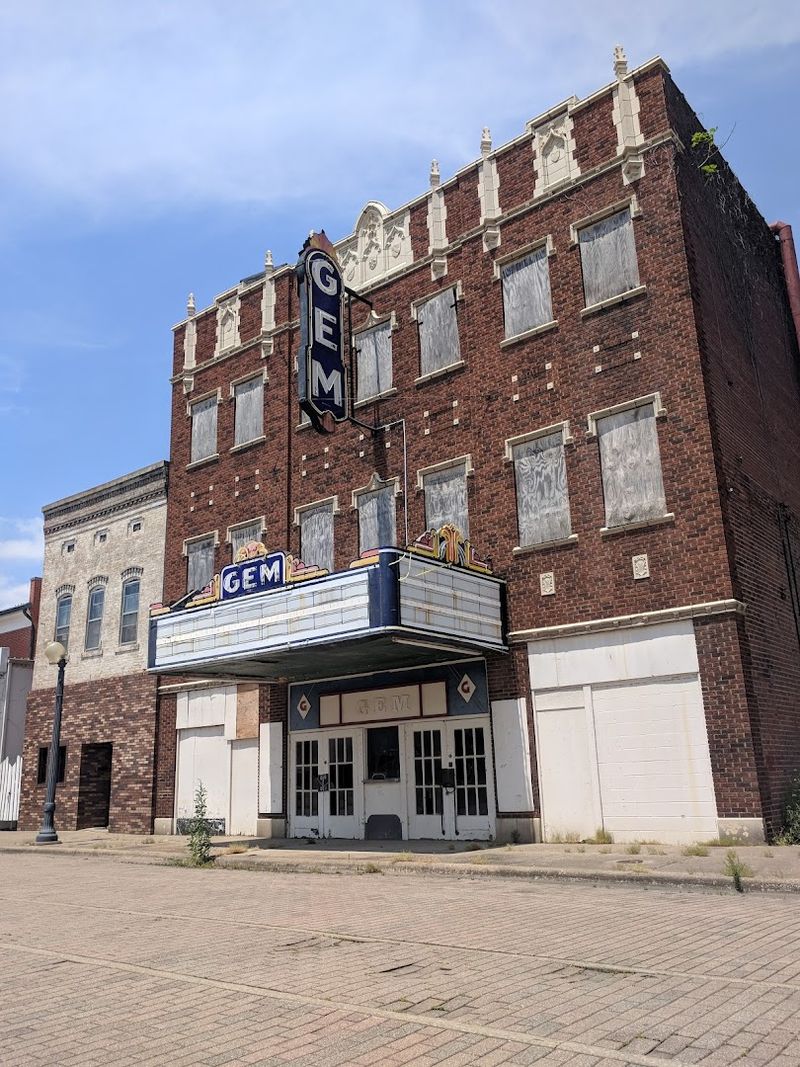
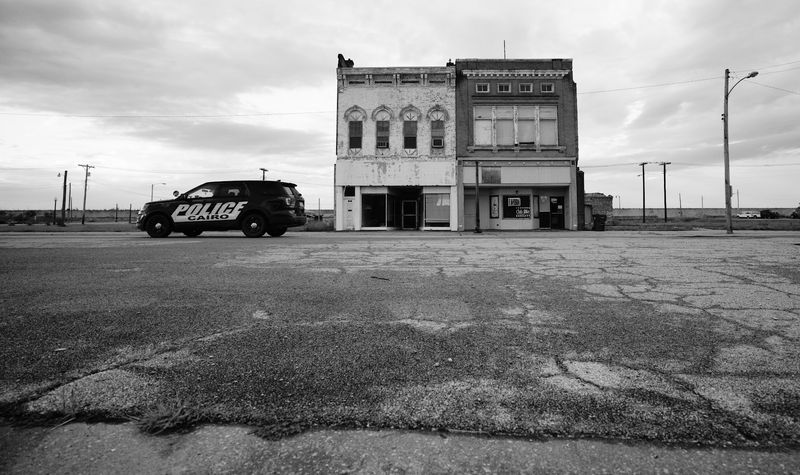
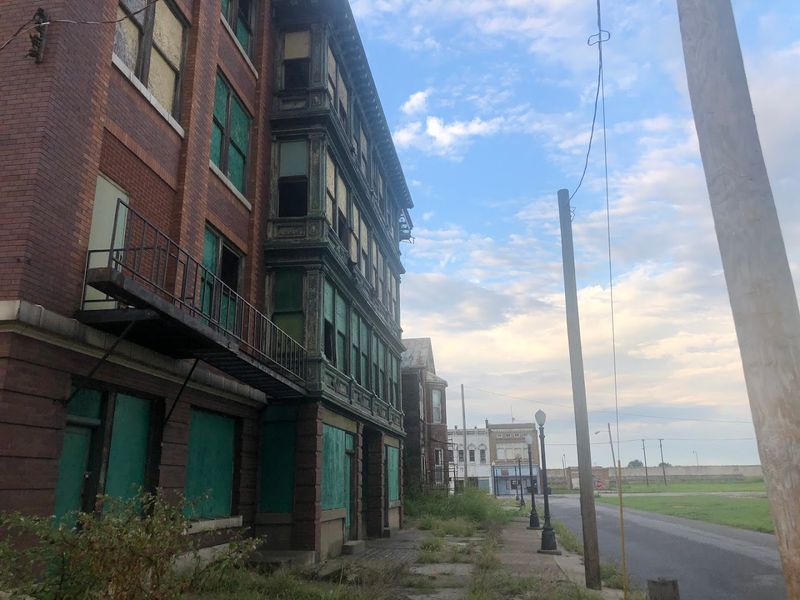
Walking through downtown Cairo feels like stepping into a time capsule nobody wanted to open. Rows of once-grand storefronts now stand hollow, their windows shattered and facades crumbling into the sidewalk below.
The silence is so thick it almost feels alive.
Back in the 1800s, this downtown strip buzzed with merchants, travelers, and river workers. Today, nature is slowly reclaiming every inch of it.
Vines creep up brick walls, and weeds push through the cracked pavement like they are trying to erase any memory of the past.
What makes it even stranger is that some storefronts still have old signage hanging above the doors. You half expect someone to walk out and greet you.
Cairo’s downtown is a powerful reminder of how quickly a community can fade when the economy and people move on.
Magnolia Manor: A Grand Home Frozen in Time

Built in 1872, Magnolia Manor is one of Cairo’s most jaw-dropping historic landmarks, and it carries an atmosphere that is equal parts beautiful and unsettling. The Italianate Victorian mansion was once home to Charles Galigher, a prosperous merchant who spared no expense on its construction.
Walking through its rooms today feels like the owners simply stepped out and never came back.
Period furniture, original woodwork, and vintage decor remain largely intact, giving visitors the strange sensation of time standing still. Some guests have reported odd sounds and unexplained cold spots during tours.
Whether you believe in the supernatural or not, the manor has a heavy, watchful energy that is hard to shake.
Local historians work hard to preserve this treasure, but the surrounding decay of Cairo makes the manor feel even more isolated. It is a grand beauty surrounded by silence.
Fort Defiance State Park: Where Two Rivers Meet Danger
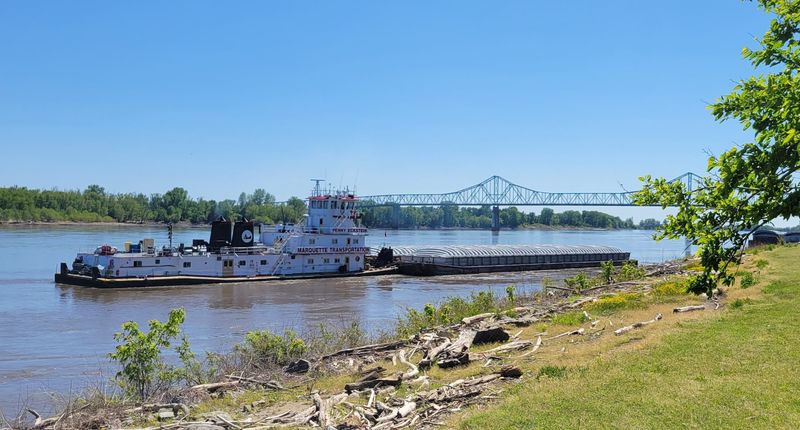
At the very southern tip of Illinois, Fort Defiance State Park sits where the mighty Mississippi and Ohio Rivers collide in a swirling, unpredictable rush of water. The park was once a strategic Civil War stronghold used by General Ulysses S.
Grant. Standing there today, you can almost feel the weight of that history pressing down on you.
The park itself is largely undeveloped, with few amenities and a raw, wild atmosphere that feels slightly ominous. Floodwaters have repeatedly battered the area, leaving the land scarred and the grounds perpetually muddy.
Signs of past flooding are everywhere, from waterline marks on trees to eroded banks.
There are no crowds here, no gift shops, no noise. Just the relentless sound of two massive rivers churning past each other and the wind cutting across a flat, lonely landscape.
It is hauntingly beautiful in the most unsettling way possible.
The Haunted Levees That Hold Back the Rivers
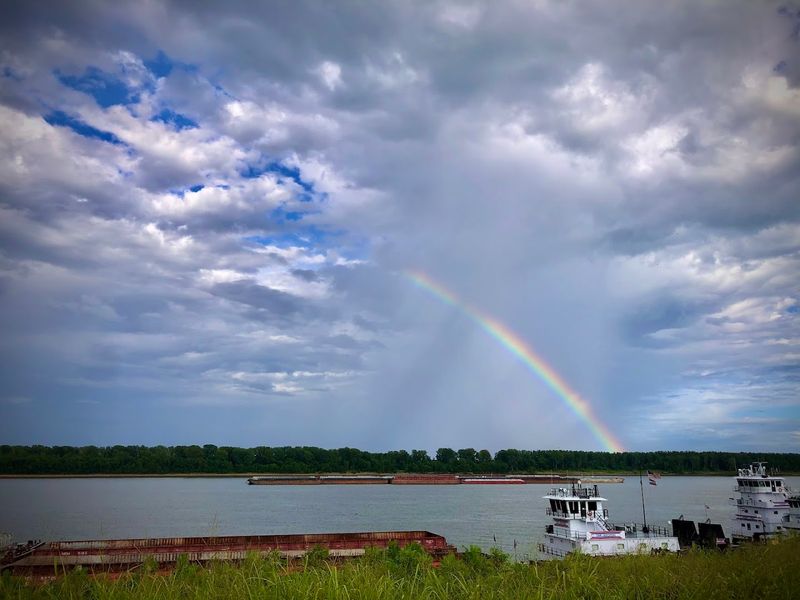
Cairo is the only city in Illinois completely surrounded by levees, and that fact alone makes it feel like a place cut off from the rest of the world. The towering earthen walls were built to protect the low-lying city from the two massive rivers pressing in on both sides.
But walking alongside them, you get an uneasy feeling, like being trapped inside a bowl just waiting to overflow.
Flooding has been a constant threat throughout Cairo’s history. In 2011, the Army Corps of Engineers made the controversial decision to blast open a levee upstream, intentionally flooding farmland to protect Cairo.
The town survived, but the psychological damage to its already fragile community was immense.
The levees stand tall and imposing, a constant reminder that nature is always just one storm away from reclaiming this narrow strip of land. Few places in America feel quite so precarious.
Abandoned St. Mary’s Park: Nature’s Slow Takeover
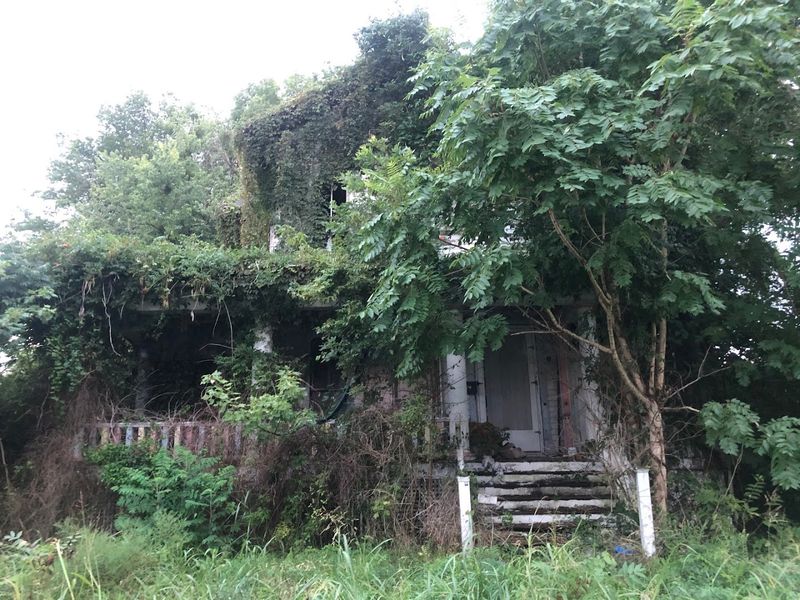
Once a gathering place for families and children, St. Mary’s Park in Cairo now sits in a state of quiet ruin. Rusted playground equipment leans at odd angles, and the cracked concrete paths are barely visible beneath layers of overgrown weeds.
The swings that once held laughing kids now creak in the wind with no one around.
There is something particularly unsettling about an abandoned playground. The contrast between what it once represented, joy, community, childhood, and what it looks like now creates a deeply eerie feeling.
Visitors who stumble upon it often describe a sense of deep sadness mixed with genuine unease.
Cairo has several spaces like this scattered throughout the city, parks and gathering spots that have been swallowed by neglect. Each one tells a story of a community that once thrived but slowly lost the people needed to keep these spaces alive and full of laughter.
The Crumbling Cairo Custom House
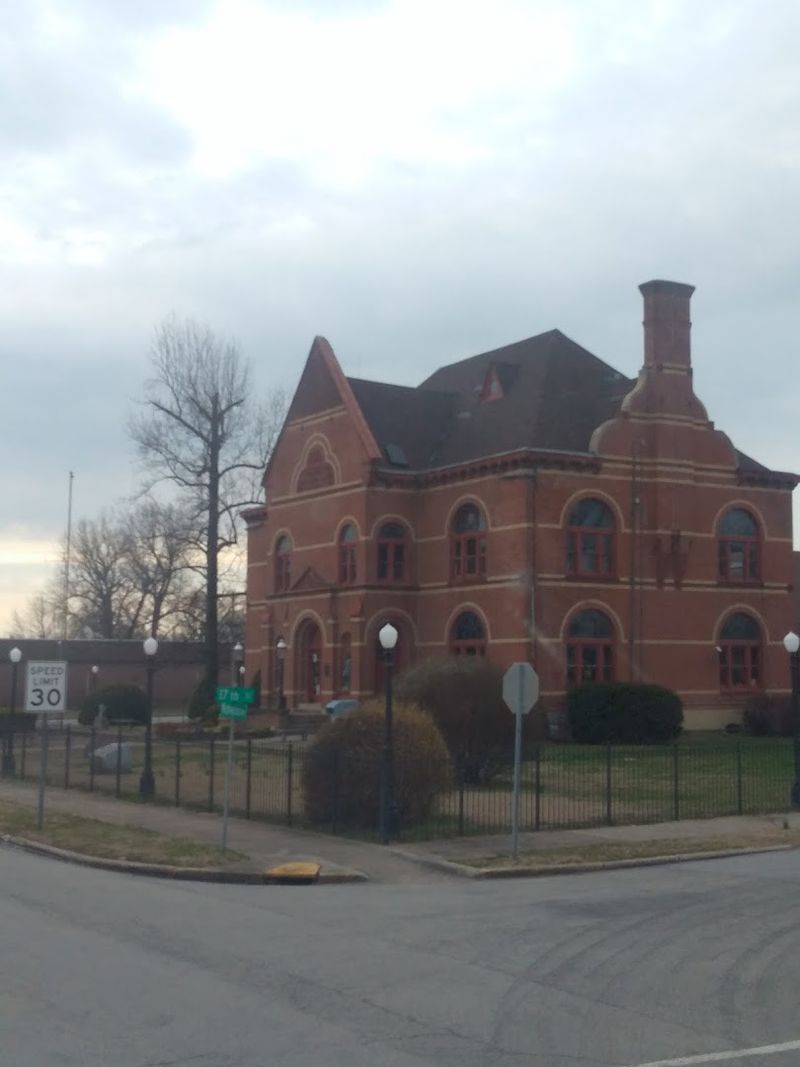
Few buildings in Cairo carry as much historical weight as the old Custom House, a stunning piece of 19th-century architecture that once served as the federal building for the region. Designed with grand ambitions, it features detailed stonework and ornate details that speak to Cairo’s former status as an important river trade hub.
Seeing it now, battered and neglected, is genuinely heartbreaking.
The building has changed hands and purposes over the years, but consistent funding for restoration has been nearly impossible to secure. Sections of the roof have collapsed, and the interior reportedly resembles a scene from a disaster movie.
Pigeons and other wildlife have taken up permanent residence inside its crumbling walls.
Preservation advocates have fought for years to save it, arguing that the Custom House represents a critical piece of American history. For now, it stands as a monument to both Cairo’s glorious past and its painful, ongoing decline.
Racial Tension and a Troubled Past That Still Echoes
Cairo’s story is not just one of economic decline. It is also a story of deep racial division that tore the community apart during the Civil Rights era.
In the late 1960s and early 1970s, Cairo became a flashpoint for racial violence, economic boycotts, and armed standoffs that drew national attention. The scars from that period never fully healed.
African American residents, who made up a significant portion of Cairo’s population, faced systemic discrimination in housing, employment, and public services for decades. The tension between communities drove many families, both Black and white, to leave the city entirely.
The exodus accelerated the population collapse that defines Cairo today.
Understanding this history is essential to understanding why Cairo looks the way it does now. The emptiness of its streets is not just about economics.
It is the visible result of years of conflict, injustice, and unresolved pain that drove people away permanently.
Desolate Residential Streets Full of Hollow Houses
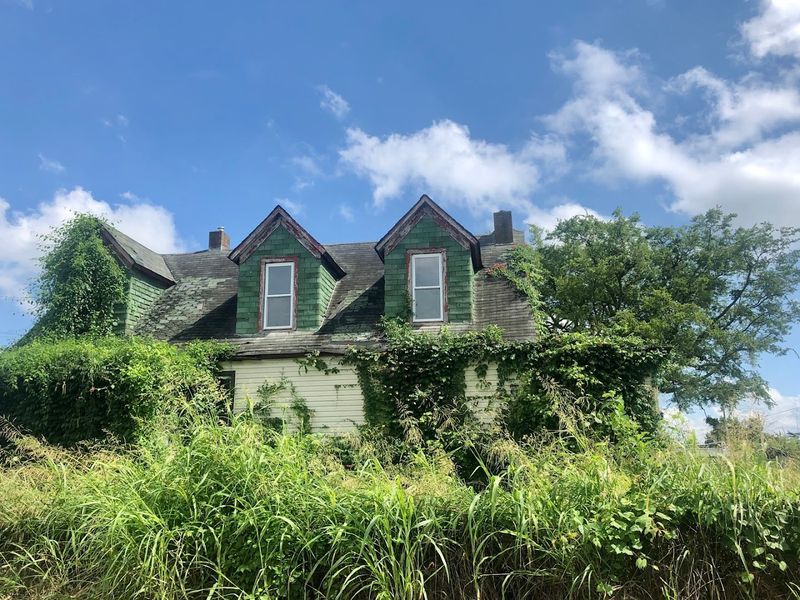
Driving through Cairo’s residential neighborhoods is an experience that sticks with you long after you leave. Block after block of once-charming homes now sit empty, their porches sagging, their windows boarded up or missing entirely.
Lawns have turned into small jungles, and some houses have partially collapsed under their own weight.
At its peak, Cairo had enough residents to fill every one of these homes with families, noise, and life. Today, occupied houses are the exception rather than the rule.
You might go several blocks without seeing a single sign of current human habitation, which creates a deeply strange and unsettling atmosphere.
Some residents who remain have described the experience of living surrounded by so many empty homes as isolating and surreal. Children growing up in Cairo today are growing up in a neighborhood that looks like the set of a post-apocalyptic film.
That reality is both haunting and heartbreaking.
The Eerie Silence of a Once-Busy River Port
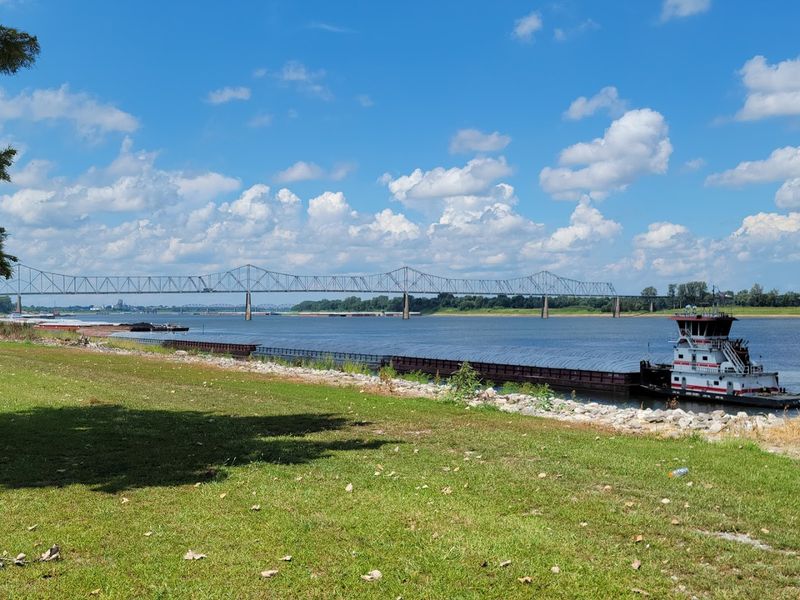
Cairo was built on the promise of the river. Sitting at the confluence of two of America’s greatest waterways, it was once one of the busiest river ports in the entire Midwest.
Steamboats loaded with goods crowded its docks, and the waterfront hummed with commercial energy around the clock. That world is completely gone now.
The riverfront today is a study in industrial decay. Rusted structures, crumbling concrete, and overgrown embankments line the water’s edge where docks once stood.
The river still moves powerfully past Cairo, indifferent to the city’s fate, carrying barge traffic that no longer stops here.
Standing at the water’s edge on a foggy morning, with the rivers stretching endlessly in both directions and the ruins of Cairo behind you, is one of the most atmospheric experiences you can have in Illinois. The ghost of a great port city lingers here in a way that is impossible to ignore.
Cairo’s Population Collapse: A Town Disappearing in Real Time
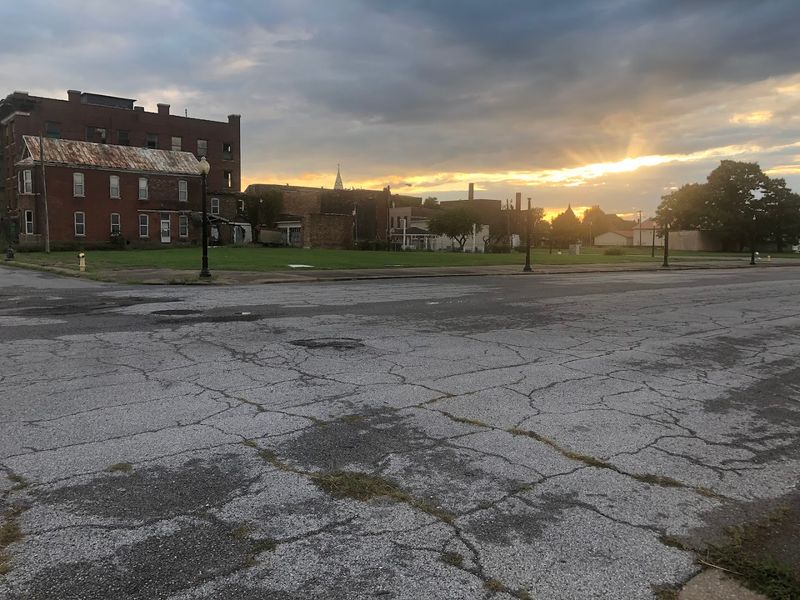
The numbers behind Cairo’s decline are staggering. At its peak around 1920, Cairo had a population of over 15,000 people.
By 2020, the U.S. Census counted fewer than 1,700 residents remaining.
That is a population loss of nearly 90 percent over a single century, a collapse almost unparalleled among American cities of its size.
Each decade brought another wave of departures. Factory closures, racial conflict, repeated flooding, and the decline of river commerce all played roles in pushing people out.
Schools closed, businesses shuttered, and services dwindled, making it even harder for those who remained to justify staying.
What is particularly striking is that the decline is still happening. Cairo is not a town that collapsed and stabilized.
It is a town that continues to lose residents year after year. Watching a community disappear in slow motion is one of the most haunting things about spending time in Cairo today.
Supernatural Stories and Local Ghost Legends
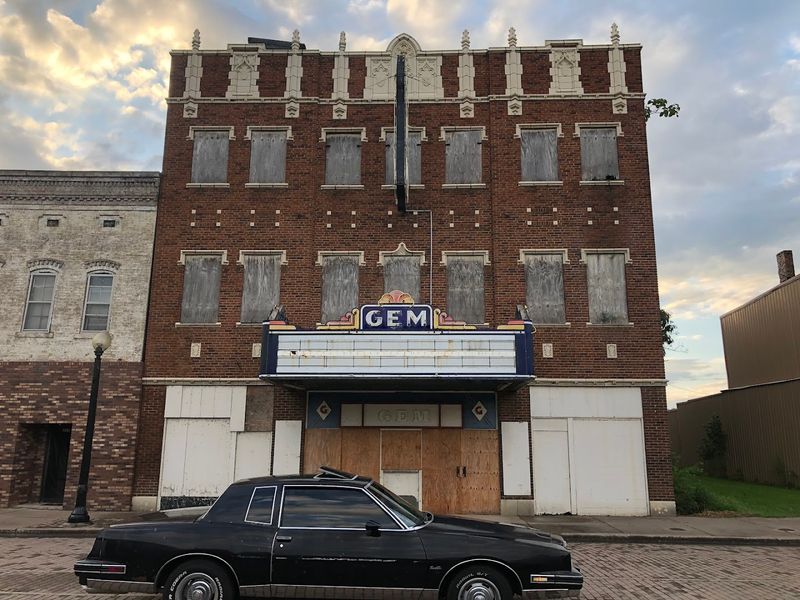
With so much history, tragedy, and abandonment packed into one small town, it is no surprise that Cairo has developed a rich tradition of ghost stories. Local legends speak of spirits wandering the halls of Magnolia Manor, mysterious figures seen near the old cemetery after dark, and unexplained sounds echoing through the empty downtown buildings.
Ghost tour operators have taken note of Cairo’s supernatural reputation, offering guided walks through the most atmospheric parts of town. Participants frequently report feeling watched, hearing footsteps in empty buildings, and experiencing sudden drops in temperature with no obvious explanation.
Whether these are genuine paranormal events or just the power of suggestion in a deeply creepy environment is up for debate.
Cairo’s history of violence, loss, and displacement gives the ghost stories an emotional weight that goes beyond typical haunted house tales. When a place has witnessed that much human suffering, the idea that some of it lingers feels surprisingly easy to believe.
Alexander County: One of America’s Poorest Counties
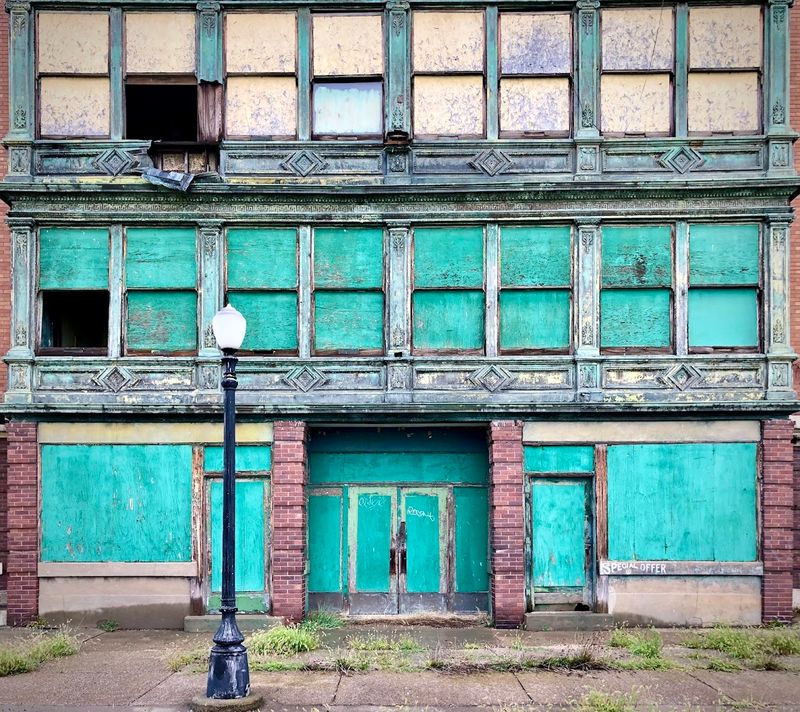
Cairo serves as the county seat of Alexander County, which consistently ranks among the poorest counties in the entire United States. Median household incomes hover far below the national average, unemployment rates are persistently high, and access to basic services like healthcare and grocery stores has become increasingly limited as the population shrinks.
The poverty is visible everywhere you look. Homes in disrepair, roads with potholes that go unfixed, and public buildings that have not seen maintenance funding in years all paint a picture of a community that has been left behind by the broader economy.
State and federal resources have been slow to arrive in meaningful quantities.
For the residents who remain, daily life requires real determination. Many are elderly, low-income, or simply have no means to relocate.
Their stories of resilience and survival in a place that the rest of the world seems to have forgotten are among the most powerful aspects of Cairo’s modern reality.
Why Cairo Still Draws Curious Visitors Despite It All
Despite everything, or maybe because of it, Cairo draws a steady stream of curious visitors every year. Urban explorers, history buffs, photographers, and people who are simply fascinated by places that time has left behind all make the pilgrimage to this strange little city at the bottom of Illinois.
There is something magnetic about a place so thoroughly marked by history and loss.
Photography enthusiasts in particular find Cairo endlessly compelling. The textures of decay, the dramatic river setting, and the remnants of grand architecture create a visual landscape unlike anything else in the Midwest.
Some of the most striking documentary photography to come out of Illinois in recent decades has been shot right here.
Visiting Cairo is not a comfortable experience. It challenges you to sit with complicated feelings about history, economics, race, and the fragility of communities.
But that discomfort is exactly what makes it worth the trip for those willing to look closely.
Enjoyed this story?
Add Fast Food Club as a preferred source to see more of our reporting on Google.