


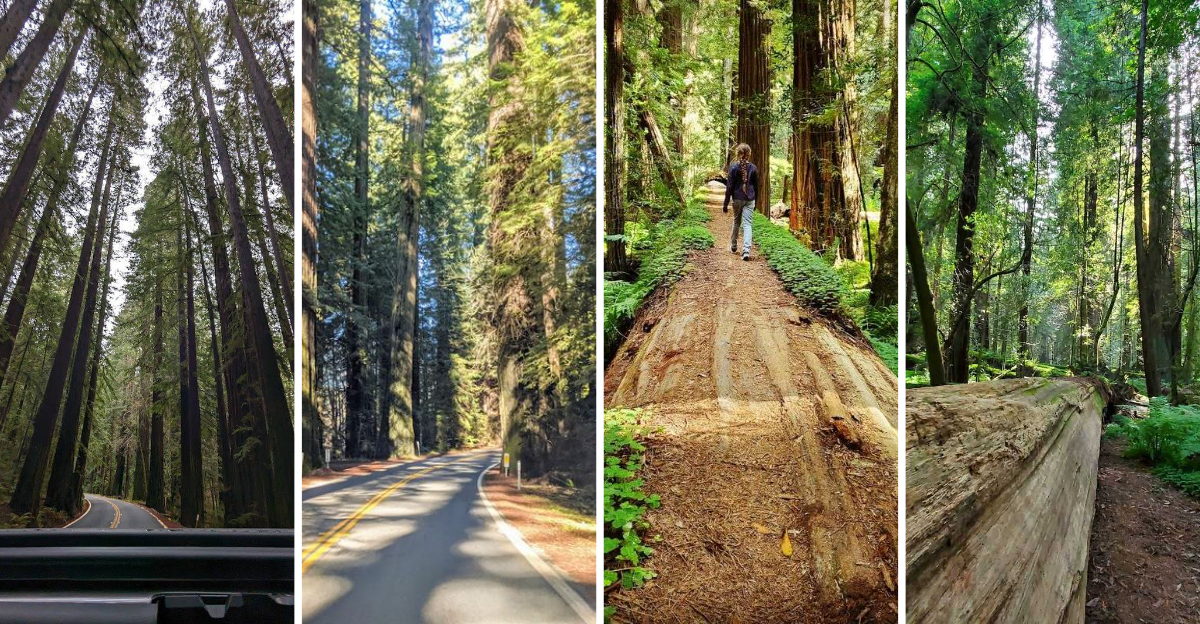
Tucked away in Humboldt County, California, the Avenue of the Giants is one of the most magical road trips you can take in the entire country. Stretching 31 miles through ancient redwood forests, this scenic highway runs parallel to Highway 101 and winds past some of the tallest living things on Earth.
The towering coast redwoods here are thousands of years old, creating a canopy so thick it feels like stepping into another world. Whether you are a nature lover, a road tripper, or just someone looking for a jaw-dropping experience, this drive belongs on your bucket list.
The Ancient Redwood Canopy Overhead
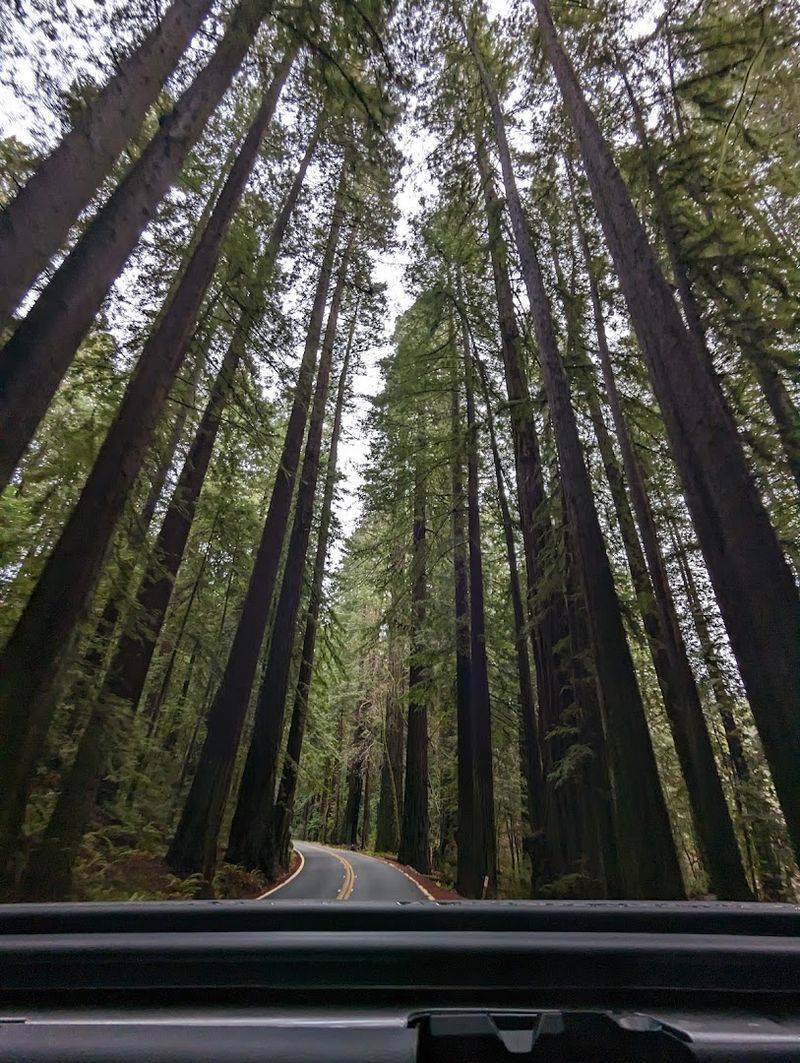
Standing beneath the redwood canopy on the Avenue of the Giants feels like being swallowed whole by nature in the best possible way. These trees can soar over 350 feet into the sky, blocking out most sunlight and creating a cool, cathedral-like atmosphere below.
The sheer scale of them is hard to wrap your head around until you are actually standing there.
Coast redwoods are the tallest trees on the planet, and many of the ones lining this highway are well over 1,000 years old. Walking among them, you realize just how small humans really are in the grand scheme of things.
The filtered green light that sneaks through the branches gives the whole forest an almost glowing, otherworldly quality.
Bring a wide-angle camera lens if you have one, because standard shots rarely capture how enormous these giants truly are.
Humboldt Redwoods State Park
Humboldt Redwoods State Park is the heart and soul of the Avenue of the Giants experience. Covering over 53,000 acres, it protects the largest remaining old-growth coastal redwood forest in the world.
That is not a small claim, and the park absolutely delivers on it with mile after mile of awe-inspiring scenery.
The park offers more than just a pretty drive. Hiking trails, campgrounds, picnic spots, and ranger-led programs make it a full destination rather than just a pass-through.
Families with kids will find plenty to do, and solo travelers can lose themselves for hours on quiet forest paths.
Fun fact: Humboldt Redwoods State Park contains roughly 17,000 acres of old-growth forest, which is about 25 percent of all remaining old-growth redwoods on Earth. That alone makes this place feel genuinely irreplaceable and worth protecting for generations to come.
Founder’s Grove Nature Loop Trail
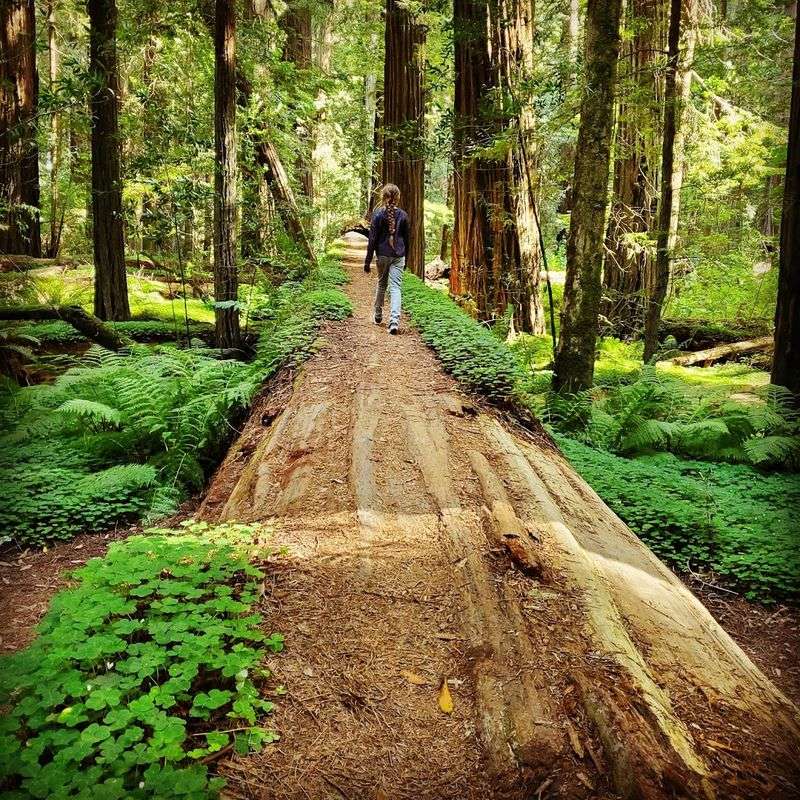
If you only have time for one short walk along the Avenue of the Giants, make it the Founder’s Grove Nature Loop. This easy half-mile trail is accessible to almost everyone and packs in more natural wonder per step than most hikes three times its length.
Kids, seniors, and everyone in between can handle the relatively flat terrain without breaking a sweat.
Along the trail, you will pass the Founders Tree, which was once considered the world’s tallest known tree before a windstorm took its top. Even without its crown, the tree is staggeringly massive and commands serious respect.
You will also pass the fallen Dyerville Giant, a tree so enormous that its root ball towers above your head like a building.
Plan to spend at least 30 to 45 minutes here, even on the short loop, because you will want to stop and stare constantly.
The Immortal Rockefeller Forest
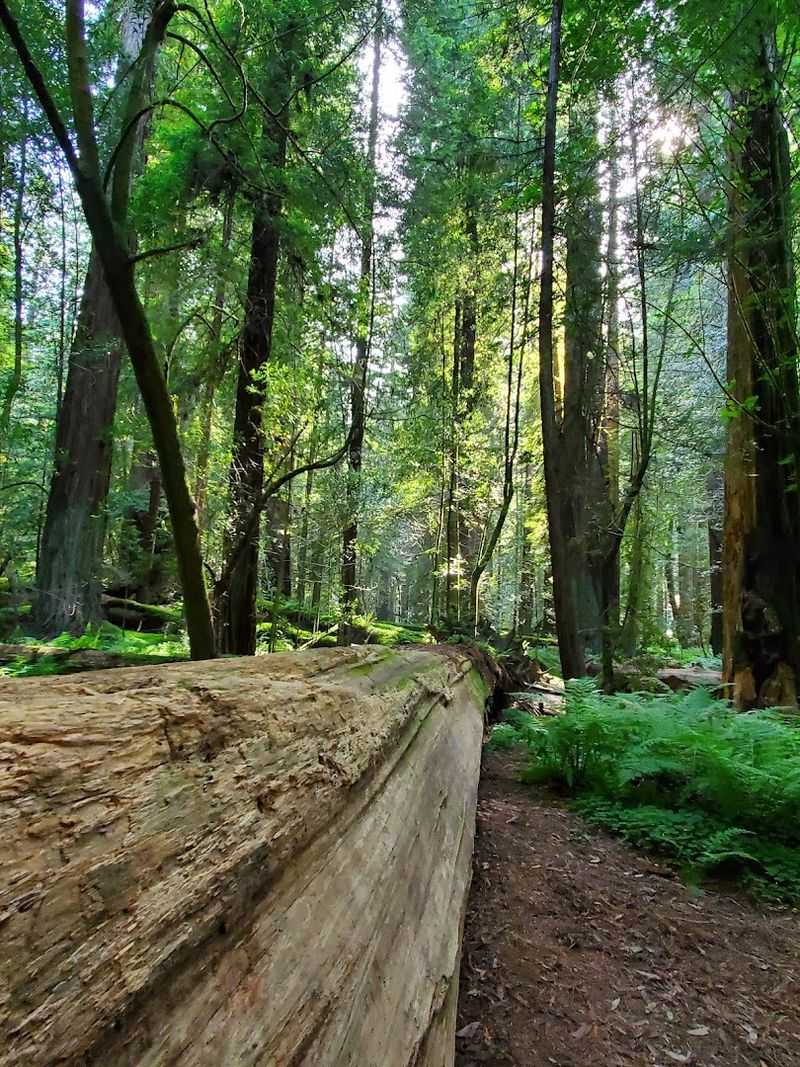
Rockefeller Forest holds the title of the largest contiguous old-growth coastal redwood forest on the planet. That is not just a local boast but a globally significant fact that makes this grove one of the most important natural places in the world.
Walking into it feels like crossing a threshold into deep, ancient time.
Named after John D. Rockefeller Jr., who helped fund its preservation in the 1920s, the forest stretches along Bull Creek and covers thousands of acres of untouched wilderness.
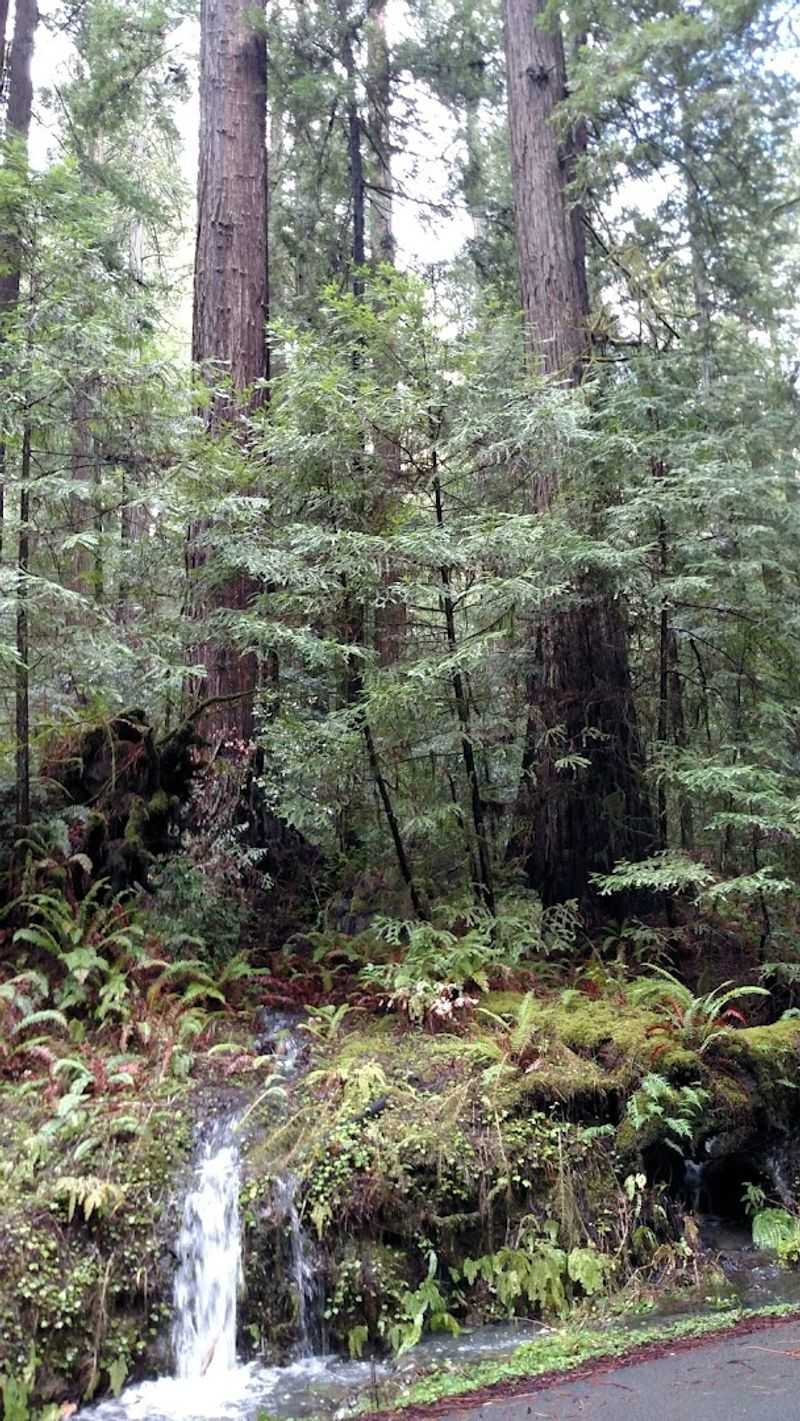
The trees here are so large and so densely packed that the forest floor stays cool and damp even on warm summer days. Mosses and ferns carpet everything in vivid shades of green.
Hikers can explore several trails that wind through the grove, including the Bull Creek Flats Trail, which follows the creek for miles through some of the most spectacular scenery in all of California.
Driving the Full 31-Mile Scenic Route
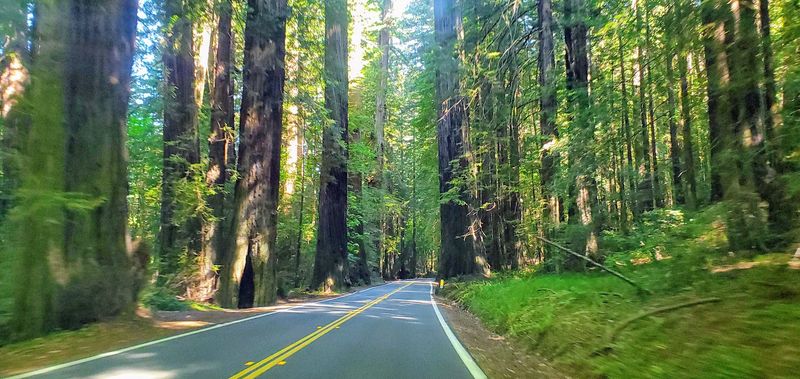
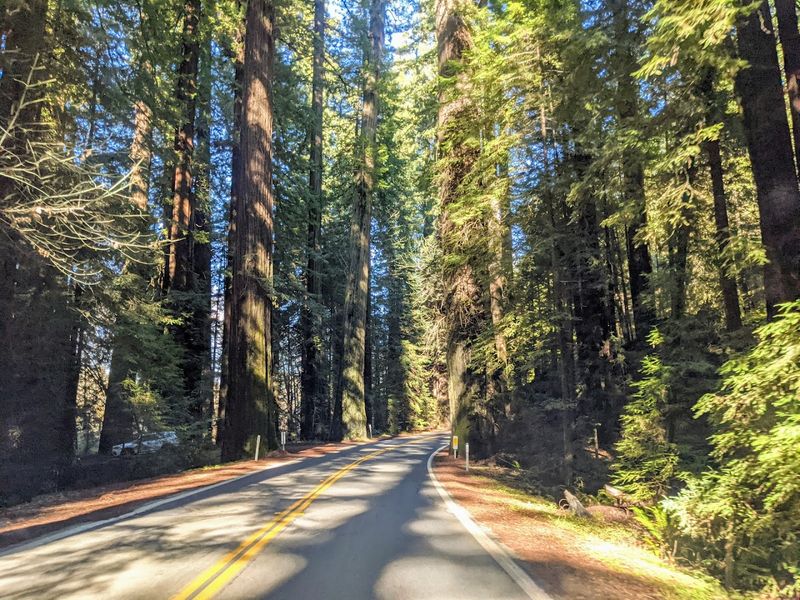
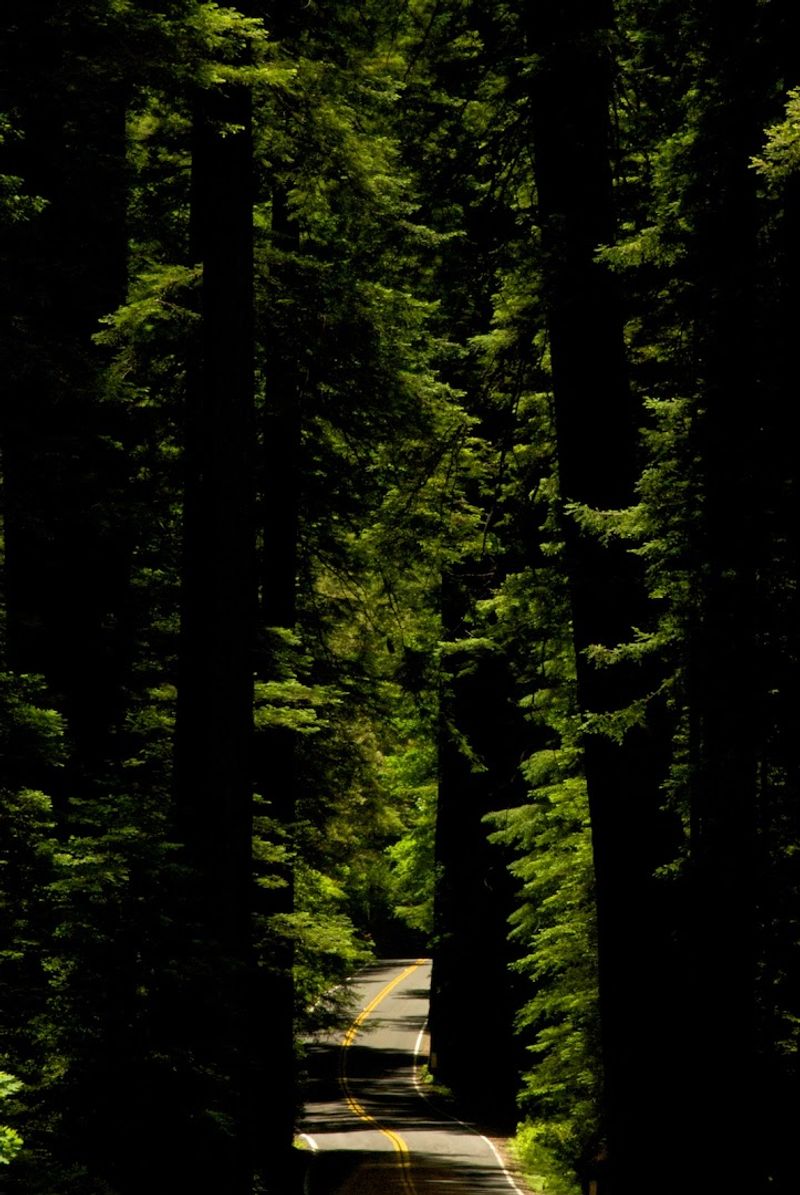
The road itself is the attraction here, and that is not something you can say about many highways in the world. The Avenue of the Giants runs parallel to US-101 from Phillipsville in the south to Pepperwood in the north, offering drivers a slower, more scenic alternative to the main freeway.
Most people take about one to two hours to drive it end to end, but plan for longer because you will want to stop constantly.
The two-lane road twists and curves through groves of redwoods, crosses small bridges over creeks, and passes through tiny historic towns that feel frozen in an earlier era. Speed limits are low, which is actually perfect because it forces you to slow down and soak everything in.
Cell service is spotty, which honestly adds to the charm.
Download offline maps before you go, pack snacks, and bring a good playlist for one of the most memorable drives of your life.
Tiny Towns with Big Character Along the Way
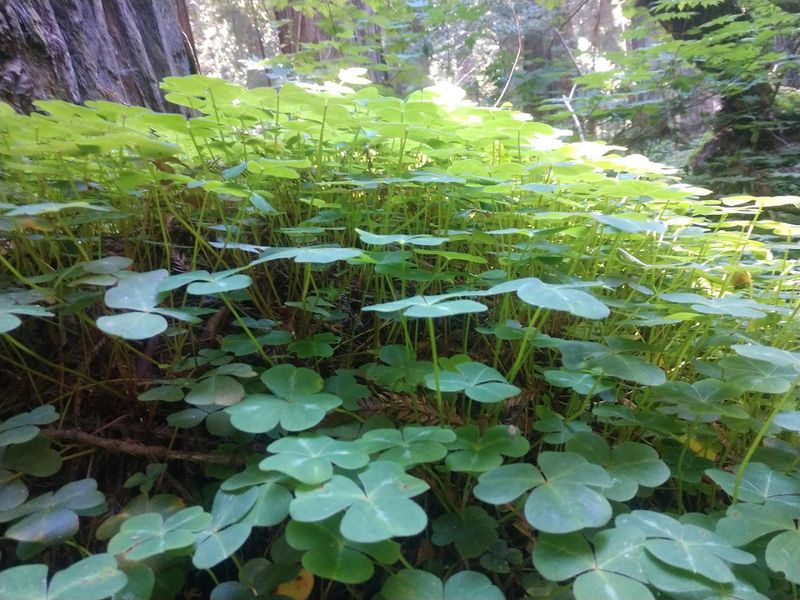
Scattered along the Avenue of the Giants are several small towns that each carry their own quirky personality and old-school California charm. Miranda, Myers Flat, Weott, and Phillipsville are just a few of the communities you will roll through on the drive.
None of them are big, but that is exactly what makes them so endearing.
Many of these towns have been here since the logging era of the late 1800s and early 1900s, and you can feel that history in the weathered storefronts and hand-painted signs. Local shops sell redwood souvenirs, homemade jams, and freshly brewed coffee that tastes especially good in the cool forest air.
Some spots also offer small diners where you can grab a hot meal without the fuss of a chain restaurant.
Chatting with locals here often leads to discovering hidden trails or swimming holes that do not appear on any tourist map.
The Legendary Chandelier Drive-Thru Tree
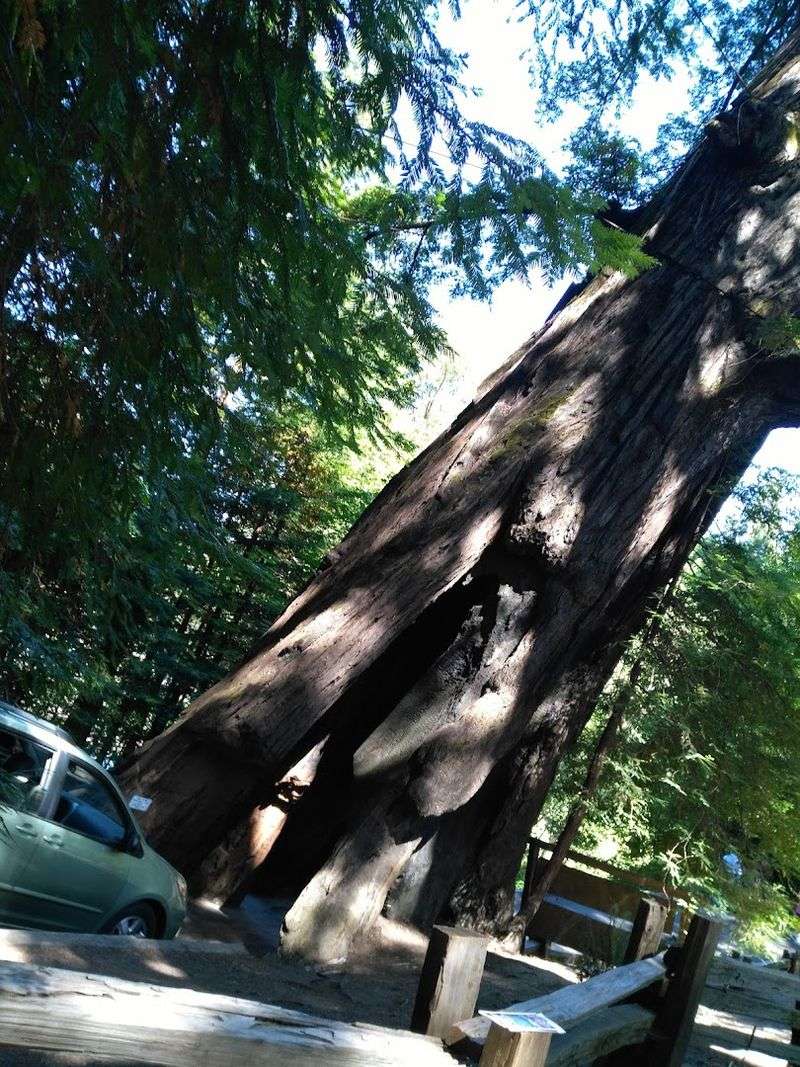
Few roadside attractions in California are as genuinely delightful as the Chandelier Drive-Thru Tree in nearby Leggett. While technically just outside the Avenue of the Giants corridor, it is close enough to include in any road trip itinerary along this stretch of Northern California.
The tree is a living, breathing coastal redwood with a tunnel carved through its base wide enough for a car to pass through.
The opening stands about 6 feet wide and 9 feet tall, which means most modern SUVs and trucks will need to fold in their mirrors to squeeze through. The whole experience is wonderfully silly and surprisingly moving at the same time, because despite the carved tunnel, the tree has continued to grow and thrive for centuries.
It is a testament to just how tough redwoods really are.
There is a small fee to enter the private park, and a gift shop sells all the redwood-themed keepsakes you could ever want.
Wildlife Watching in the Forest
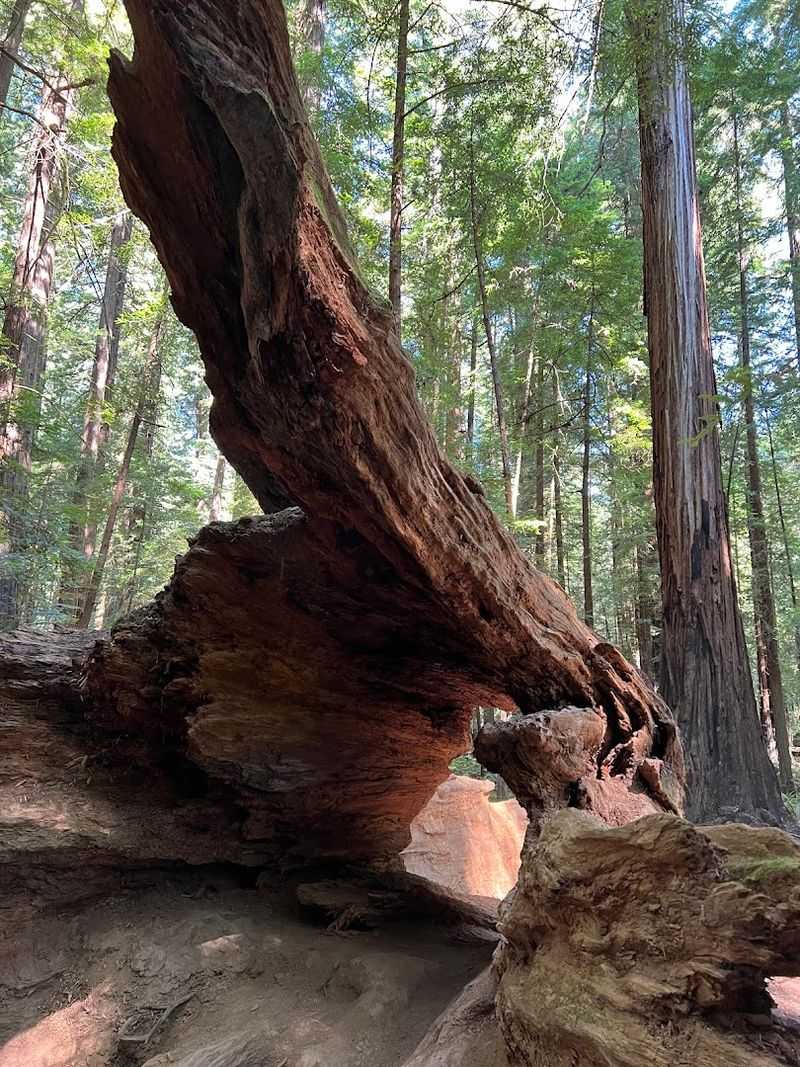
The Avenue of the Giants is not just about trees. The surrounding forest and meadows support a rich variety of wildlife that rewards patient and observant visitors.
Roosevelt elk are among the most exciting animals to spot, and herds of them are commonly seen grazing in the open meadows along the highway, particularly in the early morning or late afternoon hours.
Black bears, river otters, osprey, and a wide range of songbirds also call this region home. Birdwatchers will find plenty to get excited about, especially along the creek corridors where water-loving species gather throughout the year.
The cool, moist forest environment supports diverse insect and amphibian life too, making this a fascinating spot for nature enthusiasts of all kinds.
Always keep a respectful distance from wildlife, especially the elk, which are large and unpredictable despite looking calm. Binoculars and a field guide make great travel companions on this route.
Swimming Holes and the Eel River
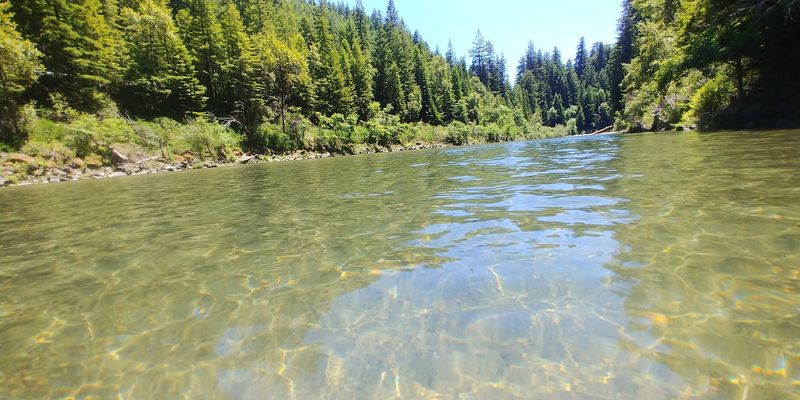
Running alongside much of the Avenue of the Giants, the South Fork of the Eel River is one of Northern California’s best-kept summer secrets. When the weather warms up, the river forms calm, clear swimming holes that are perfect for cooling off after a long hike through the forest.
The water is refreshingly cold and crystal clear, and the rocky beaches along the banks are great spots to relax and have a picnic.
Summer is the prime season for river swimming here, as winter and spring bring heavy flows that make the Eel a powerful and dangerous river. By July and August, the water levels drop to a gentle, swimmable pace that families love.
Several campgrounds along the avenue offer direct river access, making it easy to spend a full day alternating between forest hikes and river swims.
Water shoes are highly recommended since the riverbed can be slippery and rocky underfoot in most spots.
Camping Under the Redwoods
Spending a night under the redwoods is a completely different experience from just driving through them during the day. When the day-trippers head home and the forest grows quiet, the Avenue of the Giants takes on an almost magical quality.
The sounds of the creek, the rustling of leaves high above, and the occasional hoot of an owl make for a deeply peaceful and memorable night outdoors.
Humboldt Redwoods State Park has several campgrounds, including Burlington Campground near the visitor center and Hidden Springs Campground, which is a favorite among families. Sites fill up fast in summer, so reservations through California State Parks are strongly recommended weeks in advance.
Most campgrounds have restrooms and bear boxes for food storage.
Waking up in the morning to mist drifting through the trees and birdsong echoing through the canopy is the kind of experience that stays with you for years after you get back home.
The Visitor Center and Learning About Redwood History
Before heading out on the trails, stopping at the Humboldt Redwoods State Park Visitor Center in Weott is a genuinely worthwhile experience. The center is packed with fascinating exhibits about the natural history of the redwood forest, the lives of the indigenous Sinkyone and Lassik peoples who lived here for thousands of years, and the complicated history of the logging industry in this region.
Rangers and volunteers are usually on hand to answer questions and offer trail recommendations based on your fitness level and time available. The center also carries a solid selection of maps, field guides, and books about the redwoods that make excellent souvenirs.
Kids especially enjoy the hands-on displays that explain how redwoods grow so tall and live for so long.
The visitor center is free to enter and typically open daily during peak season, though hours can vary in winter months, so checking ahead is a smart move.
Photography Spots That Look Absolutely Unreal
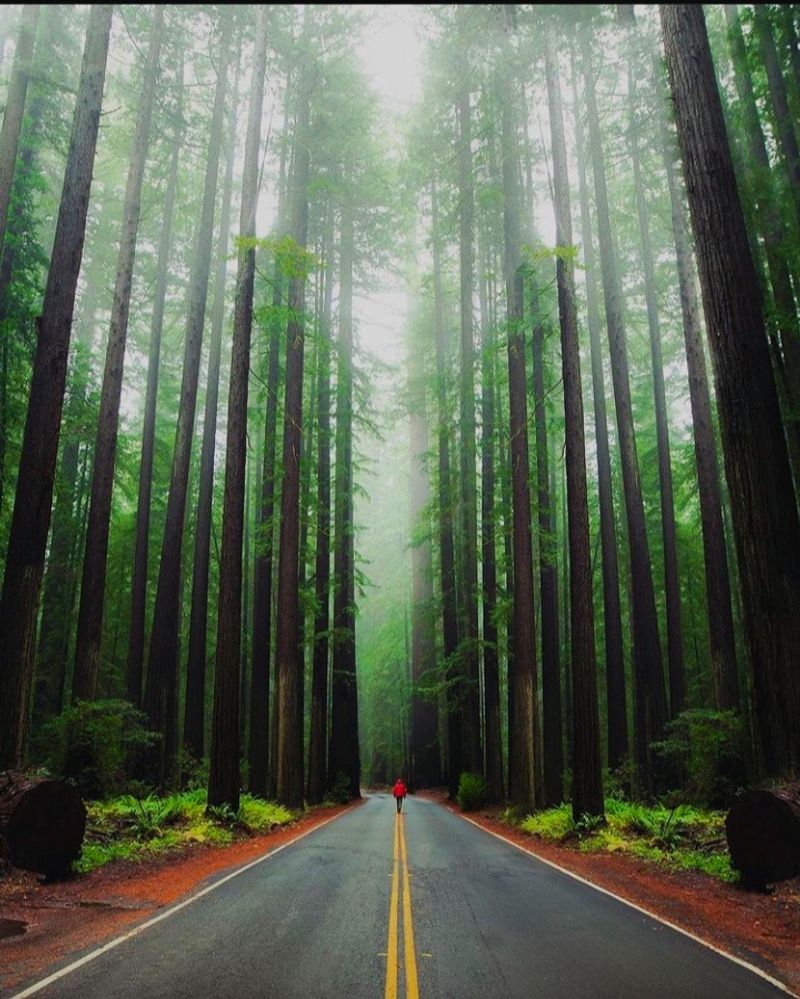
Photographers absolutely lose their minds on the Avenue of the Giants, and for very good reason. The combination of towering trees, dappled light, misty mornings, and winding roads creates compositions that look almost too beautiful to be real.
Overcast days are actually some of the best for photography here because the soft, even light brings out the rich greens and deep browns of the forest without harsh shadows.
Some of the most popular spots include the avenue road itself, the Bull Creek area, Founder’s Grove, and the banks of the Eel River at sunrise. The golden hour light that filters through the canopy in late afternoon is particularly stunning and worth timing your visit around if possible.
Wide-angle lenses capture the scale of the trees, while telephoto lenses pull in details of bark texture and wildlife from a distance.
Even a smartphone camera produces gorgeous results here, so do not let gear anxiety stop you from trying to capture the magic.
Best Times to Visit and Practical Travel Tips
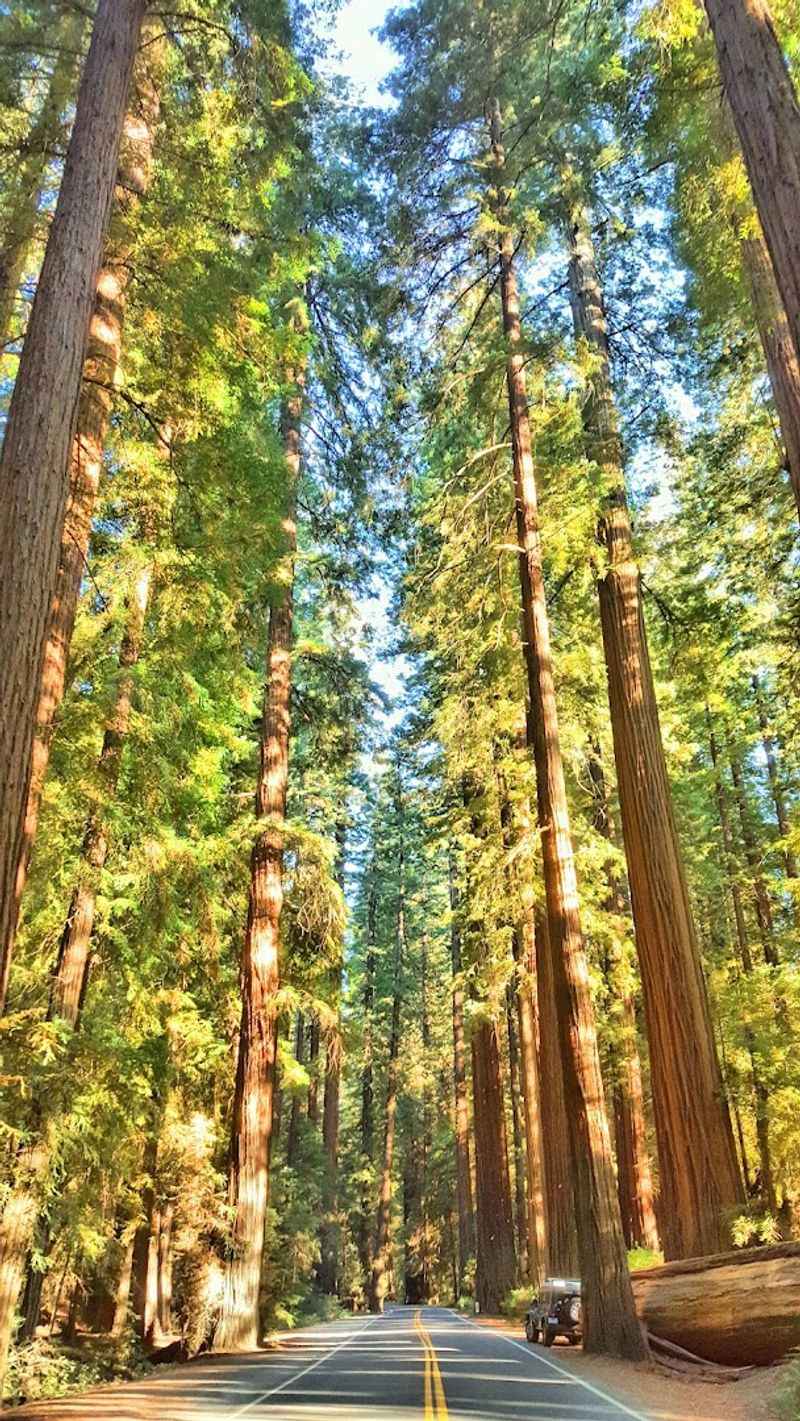
Late spring through early fall is generally considered the best time to visit the Avenue of the Giants, with June through September offering the warmest and driest conditions. Summer weekends can get busy, especially at popular trailheads and campgrounds, so arriving early in the morning helps you avoid crowds and snag parking at the most sought-after spots along the route.
The rainy season runs from November through March and brings dramatically different scenery, with rushing creeks and dramatic mist rolling through the forest. Some visitors actually prefer this moody, atmospheric version of the avenue, though muddy trails and occasional road closures are worth keeping in mind.
Layers are essential year-round since the forest stays cool even on warm days.
Gas up before entering the avenue since fuel stations are scarce along the route. Pack enough water, wear sturdy shoes, and leave extra time in your schedule because the avenue almost always takes longer to explore than you expect.
Enjoyed this story?
Add Fast Food Club as a preferred source to see more of our reporting on Google.