


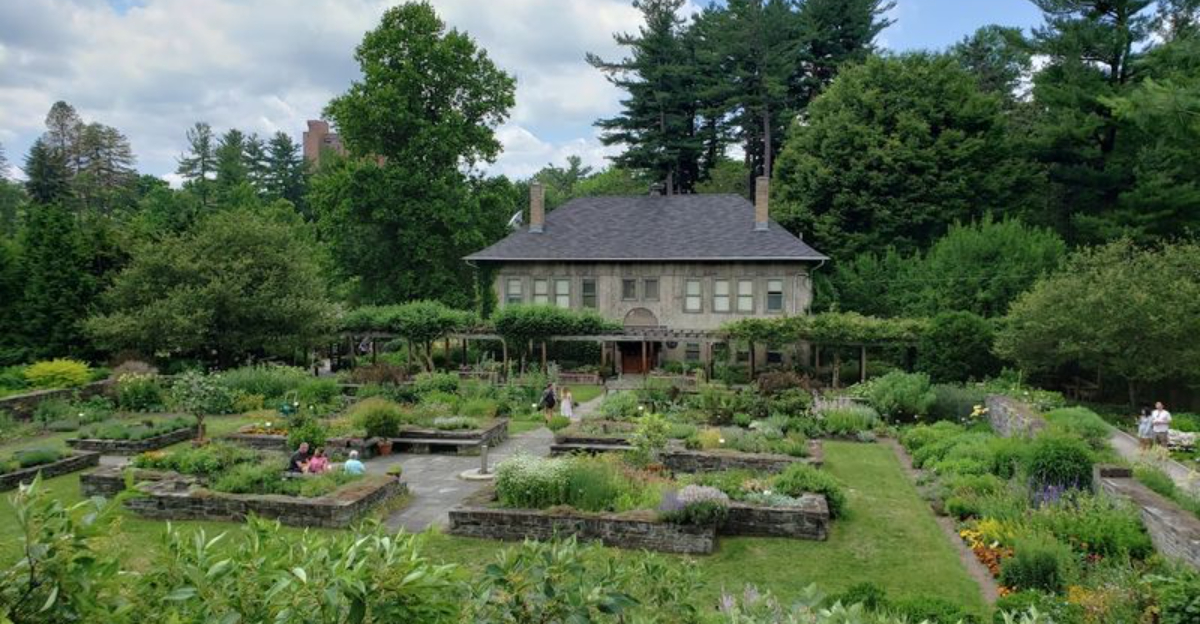
Tucked away on the Cornell University campus in Ithaca, New York, Cornell Botanic Gardens is a breathtaking 4,000-acre wonderland that most people have never heard of. Founded back in 1875, this free-to-visit gem offers specialty gardens, a sprawling arboretum, winding hiking trails, waterfalls, and so much more.
Whether you are a nature lover, a curious student, or simply someone looking for a peaceful afternoon outdoors, this place has something truly special waiting for you. Get ready to discover why locals and visitors alike call it one of New York’s greatest hidden treasures.
A Rich History That Dates Back to 1875
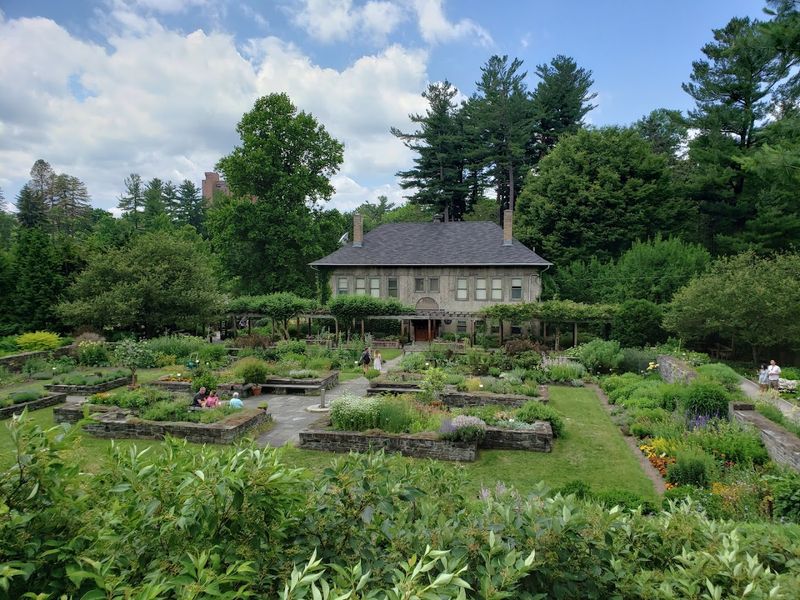
Long before most of today’s famous botanical gardens were even dreamed up, Cornell Botanic Gardens was already taking root. Founded in 1875, this remarkable place has been nurturing plants, educating visitors, and preserving New York’s natural heritage for nearly 150 years.
Originally known as Cornell Plantations, the garden grew from a small collection into a sprawling 4,000-acre site that blends science, history, and nature seamlessly. Walking through its grounds feels like stepping through chapters of a living history book.
The welcome center staff are incredibly knowledgeable and love sharing stories about the garden’s past. Visiting here is not just a stroll through pretty flowers — it is a genuine connection to a legacy of curiosity and conservation that has shaped this corner of New York for generations.
Free Admission Makes It Accessible for Everyone
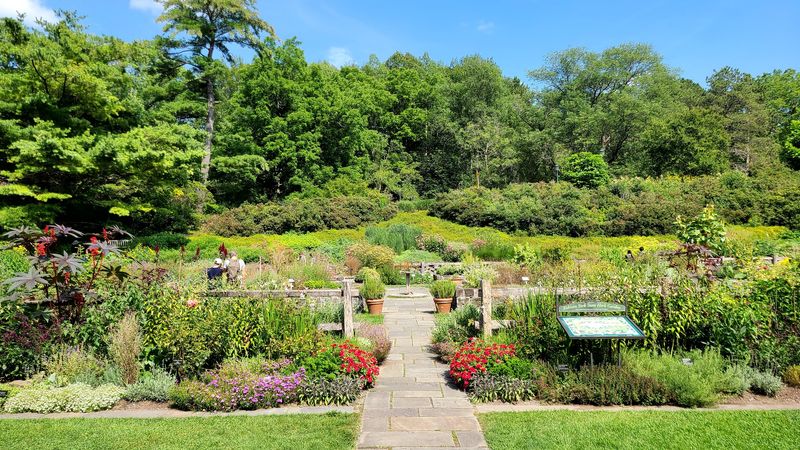
Here is something that might surprise you — visiting Cornell Botanic Gardens costs absolutely nothing to enter. That is right, admission is completely free, making it one of the most generous outdoor attractions in all of New York State.
Parking on weekends and holidays is also free, which means a full family outing here can be nearly cost-free. On weekdays, parking runs about $1.50 per hour, which is still incredibly reasonable compared to most attractions.
Families, students, solo explorers, and retirees all flock here knowing their wallets will stay happy. The lack of an entry fee removes every barrier, letting people of all backgrounds experience world-class horticulture and natural beauty without hesitation.
Few places this stunning anywhere in the state offer such an open-door welcome to absolutely everyone who walks through.
Specialty Gardens That Dazzle Every Season
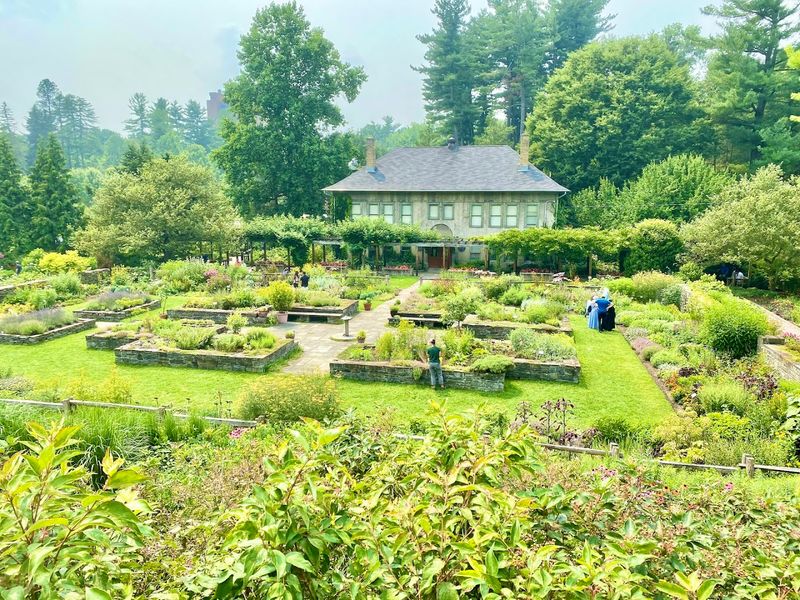
One visit to Cornell Botanic Gardens is never quite enough because every season brings a completely different palette of color and fragrance. From the beloved herb and perennial garden at its historic core to the stunning rock garden and the magical winter garden, each specialty area tells its own story.
The fragrant herb garden is a crowd favorite — visitors have described it as a sensory experience unlike anything else, filled with the scent of curry plants, pines, and blooming herbs. The Mullestein Garden is especially loved during winter, when most outdoor spaces feel cold and lifeless.
Rock garden enthusiasts will find carefully arranged native plants tucked between stones in artistic formations. No matter which month you visit, at least one garden is putting on a spectacular show just waiting to be admired up close.
The F.R. Newman Arboretum — A Tree Lover’s Paradise
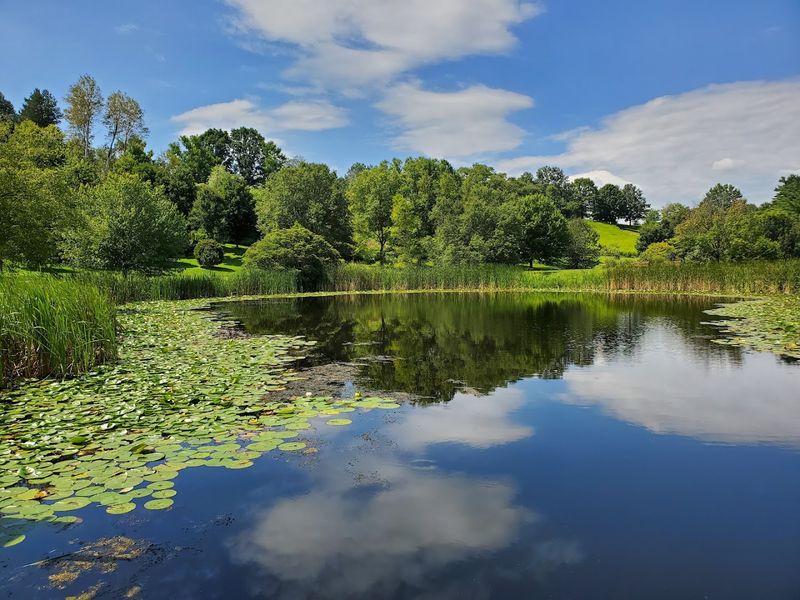
Covering roughly 150 acres, the F.R. Newman Arboretum is a crown jewel within the Cornell Botanic Gardens experience.
Specializing in trees and shrubs native to New York State, it offers visitors a rare chance to walk among living collections that feel more like an enchanted forest than a curated exhibit.
What makes this arboretum especially cool is that it is actually drivable. Pull-off spots are scattered throughout, so even visitors who cannot walk long distances can soak in the towering beauty.
On warm days, the shaded canopy keeps temperatures comfortable for hours of exploration.
One reviewer drove all the way from Wayne County just to spend time here — a testament to how special this place really is. Whether you wander on foot or cruise through slowly, the arboretum wraps you in a calm, green embrace that is hard to forget.
Hiking Trails Through Gorges, Waterfalls, and Woodlands
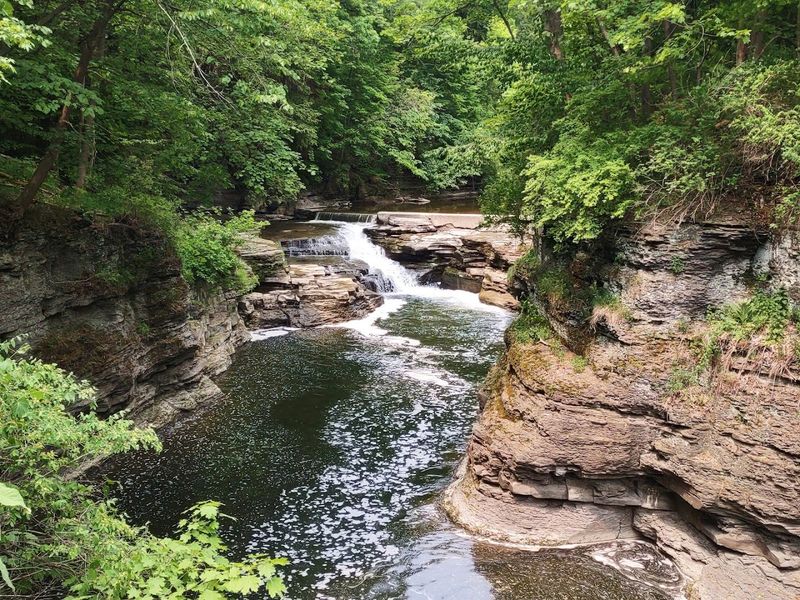
Forget everything you think you know about botanical gardens being just flat, manicured lawns. Cornell Botanic Gardens features over 3,500 acres of natural areas packed with hiking trails, gorges, waterfalls, woodlands, meadows, bogs, and fens that feel genuinely wild.
One popular route winds around Beebe Lake, covering about a mile while passing two waterfalls and crossing charming footbridges. Visitors have spotted baby geese, hummingbirds, and all sorts of wildlife along the way.
The trails are well-marked and maintained, making them suitable for families and casual walkers alike.
Unlike overly polished tourist destinations, these trails carry an authentic, unhurried energy. You feel like a real explorer rather than a tourist following a script.
Bring comfortable shoes, pack some water, and plan to spend at least a couple of hours soaking in the peaceful woodland scenery that surrounds you at every turn.
Kid-Friendly and Pet-Friendly Atmosphere
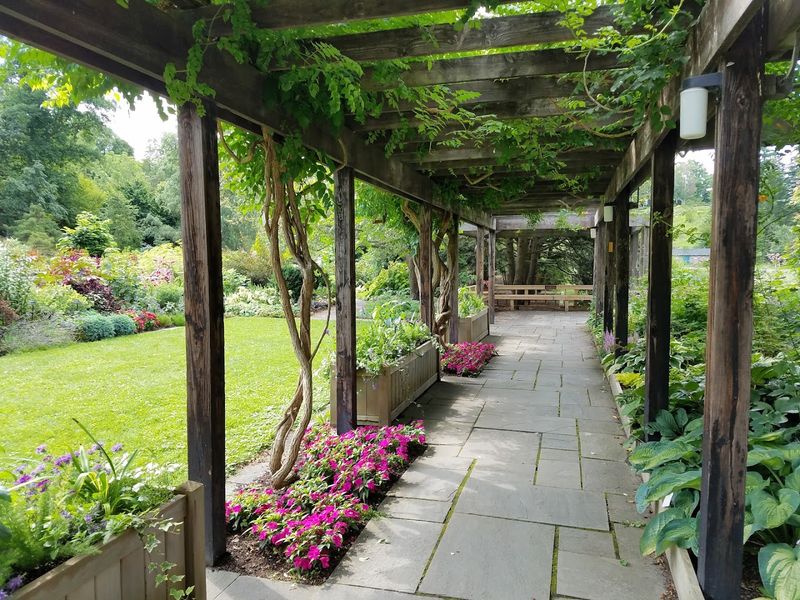
Finding an outdoor destination that genuinely works for kids, dogs, and adults all at once can feel like searching for a unicorn. Cornell Botanic Gardens somehow pulls it off effortlessly.
The wide, easy-to-navigate paths are stroller-friendly, and leashed pets are welcome throughout many areas of the grounds.
Children absolutely love exploring here because there is always something new to discover around every bend — a pond, a sculpture, a buzzing pollinator garden filled with bees and butterflies. Parents appreciate that the gardens are educational without feeling like a classroom field trip.
Informative plant labels are placed throughout, making it easy to teach kids about different species in a hands-on, natural setting. Multiple reviewers have highlighted how calm and quiet the space feels even on busy days, giving families a genuinely relaxing outing without the chaos of typical tourist attractions.
The Fellows Garden and Its Stunning Scenic Views
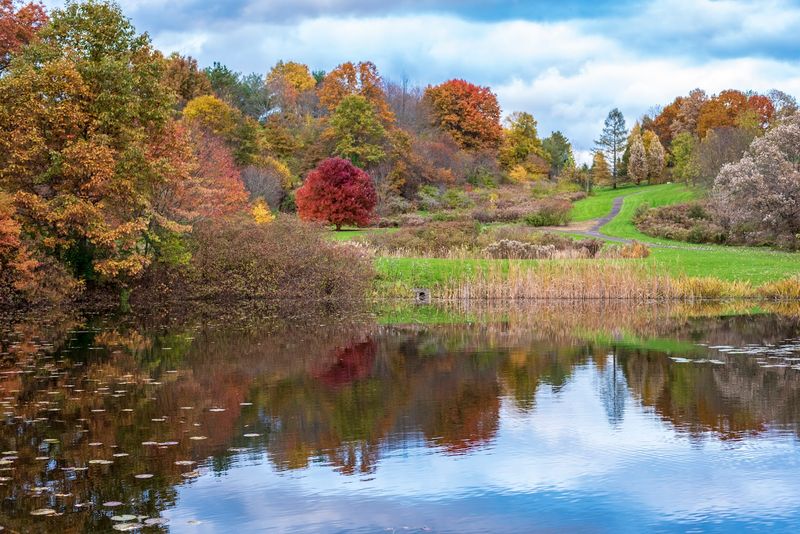
Tucked within the broader gardens, the Fellows Garden carries a quiet elegance that sets it apart from everything around it. With carefully arranged plantings, sweeping views, and a serene atmosphere, it is the kind of place where time seems to slow down just enough to breathe properly again.
Photographers especially love this spot. The structured layout creates natural framing opportunities, and the variety of textures and colors makes every shot feel intentional.
Early morning visits here, when the light is soft and golden, are particularly magical.
Comfortable benches are scattered throughout, inviting visitors to simply sit, look around, and let the clean, fragrant air do its thing. Whether you are looking for a quiet place to journal, sketch, or just stare at something beautiful for a while, the Fellows Garden delivers that rare combination of calm and visual delight every single time.
A Wildflower Garden Celebrating Native Beauty
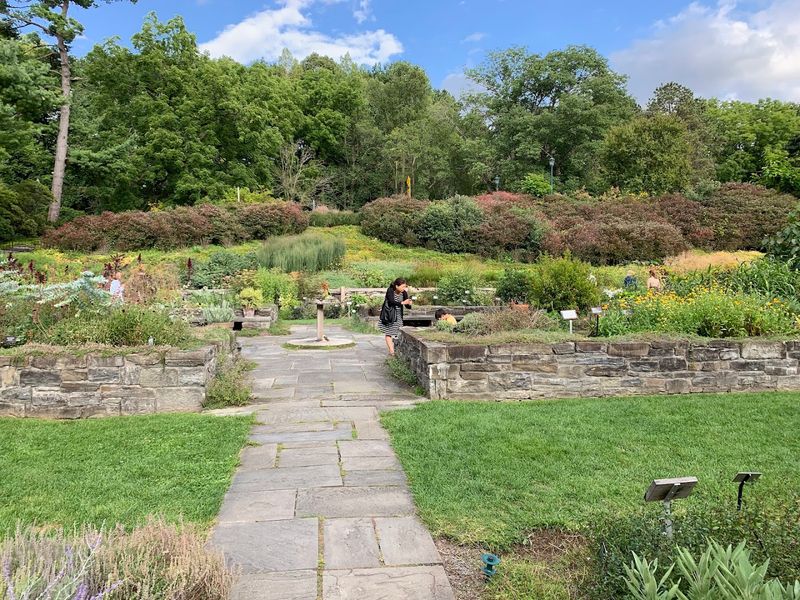
Native plants rarely get the spotlight they deserve, but at Cornell Botanic Gardens, the Wildflower Garden gives them a well-earned starring role. Featuring plants indigenous to New York and the surrounding region, this garden is a celebration of the quiet, understated beauty that thrives without human interference.
Depending on the season, the wildflower section can range from a riot of color to a peaceful forest walk lined with textured foliage. Visitors who come expecting a formal display sometimes find a more natural, rugged landscape — and end up loving it even more for that honesty.
Pollinators are everywhere here. Bees, butterflies, and the occasional hummingbird dart between blooms, making the garden feel wonderfully alive.
It is a brilliant reminder that nature does not need to be tamed to be breathtaking — sometimes the most beautiful things grow exactly where they are supposed to.
Sculpture Garden Adds an Artistic Twist
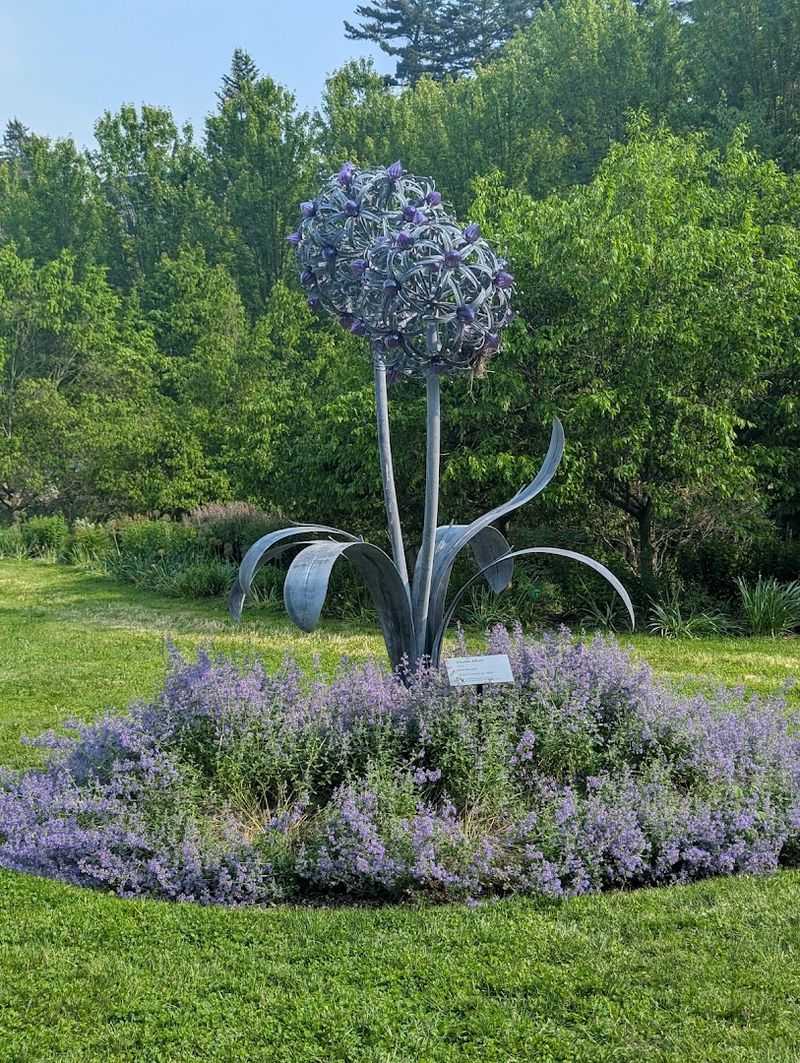
Art and nature are not always obvious partners, but Cornell Botanic Gardens proves they belong together beautifully. The sculpture garden weaves carefully selected works of art into the natural landscape, creating unexpected moments of wonder as you wander the grounds.
Stumbling upon a sculpture tucked between trees or reflected in a nearby pond adds a playful, almost treasure-hunt quality to a visit. Each piece interacts with its surroundings differently depending on the season, the light, and even the weather, meaning no two visits feel exactly alike.
Art lovers who might not consider themselves nature enthusiasts often find themselves lingering far longer than planned once they discover this section. It bridges two worlds in a way that feels completely natural rather than forced.
The sculpture garden is one of those quiet surprises that makes Cornell Botanic Gardens feel genuinely unlike any other botanical destination in the state.
Houston Lake and the Peaceful Pond Experience
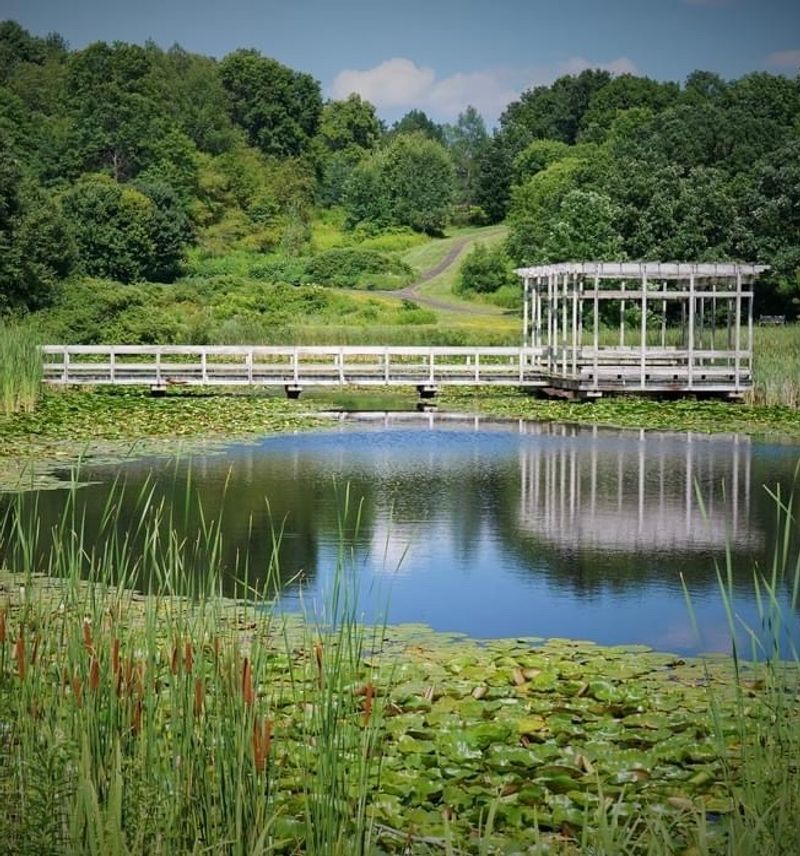
Water has a way of making any landscape feel more alive, and Cornell Botanic Gardens takes full advantage of this with Houston Lake and its surrounding pond areas. A leisurely walk along the water’s edge is one of the most relaxing things you can do on a warm afternoon in Ithaca.
The pond near the sculpture garden draws visitors who want a quieter, more contemplative experience away from the busier garden paths. Ducks, geese, and other waterfowl are frequent visitors, adding gentle movement and sound to an already serene scene.
Families with young children especially enjoy the waterside spots because there is always something happening — a ripple, a bird landing, a dragonfly hovering just above the surface. Bring a blanket and a snack, find a shaded bench near the water, and let the afternoon dissolve at whatever pace feels right.
Educational Programs That Bring Plants to Life

Cornell Botanic Gardens has never been content to just look pretty — it wants to teach you something, too. A robust calendar of educational programs runs throughout the year, covering topics from horticulture and ecology to sustainable gardening and local natural history.
The welcome center staff are famously helpful, steering visitors toward the best spots depending on what is blooming or particularly interesting during a given month. Audio stories are embedded along certain trails, letting you listen to fascinating plant and place histories as you walk at your own pace.
School groups, families, and solo learners all find something valuable in these offerings. The gardens have a way of making science feel completely approachable and genuinely exciting rather than dry or academic.
If you have ever wanted to understand why certain plants grow where they do, a visit here will answer questions you did not even know you had.
A Gift Shop Worth Browsing Before You Leave
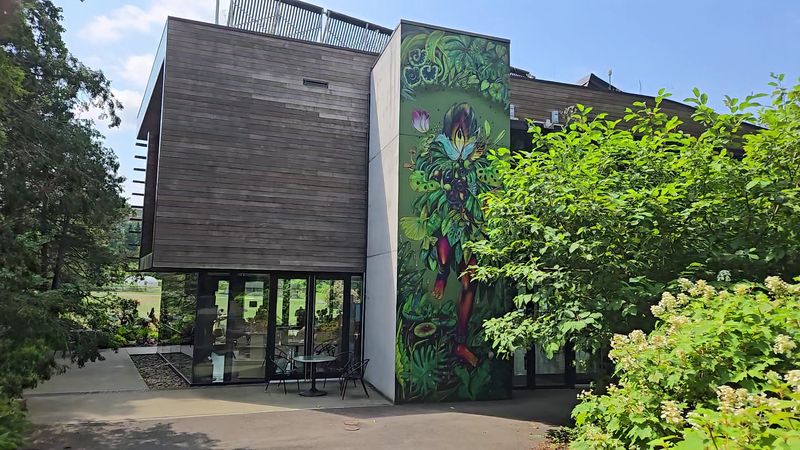
Every great adventure deserves a proper ending, and at Cornell Botanic Gardens, that means stopping by the gift shop before heading home. Stocked with plant-themed books, seeds, garden tools, nature-inspired gifts, and locally made items, it is the kind of shop where you walk in for five minutes and leave thirty minutes later with a smile and a bag full of goodies.
Staff inside are just as warm and knowledgeable as those you meet throughout the gardens, making the shopping experience feel personal rather than transactional. It is a wonderful place to pick up a meaningful souvenir that actually connects to what you experienced outside.
Gardeners will especially appreciate the seed selections and specialty plant items that are hard to find elsewhere. Whether you are shopping for yourself or looking for a unique gift for someone back home, the gift shop adds a satisfying final chapter to a truly memorable day outdoors.
A Year-Round Destination That Rewards Every Visit
Some places are worth visiting once. Cornell Botanic Gardens is worth visiting in every single season.
Spring brings bursting blooms and newborn wildlife. Summer fills the paths with fragrance and buzzing pollinators.
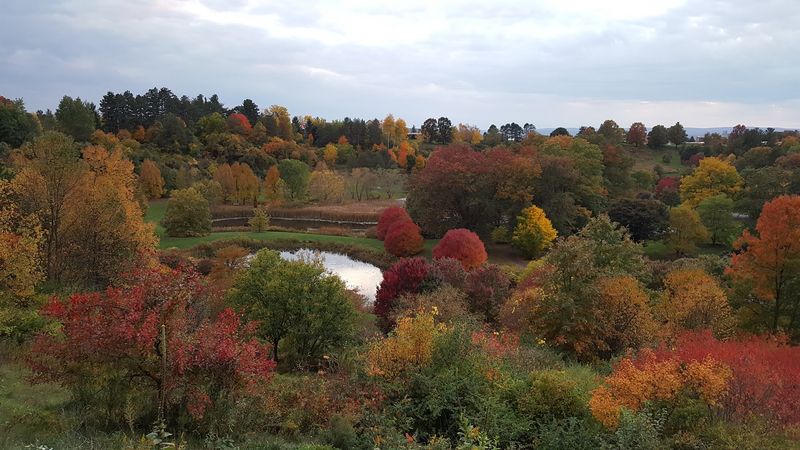
Autumn sets the arboretum ablaze with gold, orange, and red foliage that rivals any fall foliage destination in the Northeast.
Winter might be the most underrated season of all here. The Mullestein Garden stays beautiful even when everything else outside is cold and gray, offering a peaceful refuge that feels almost magical under frost and soft winter light.
Visitors consistently say they left wishing they had more time — and that feeling is exactly why so many people come back again and again throughout the year. With a 4.8-star rating from nearly 1,900 reviews, Cornell Botanic Gardens is not just a hidden treasure anymore.
It is a destination that absolutely deserves to be on everyone’s New York bucket list.
Enjoyed this story?
Add Fast Food Club as a preferred source to see more of our reporting on Google.