


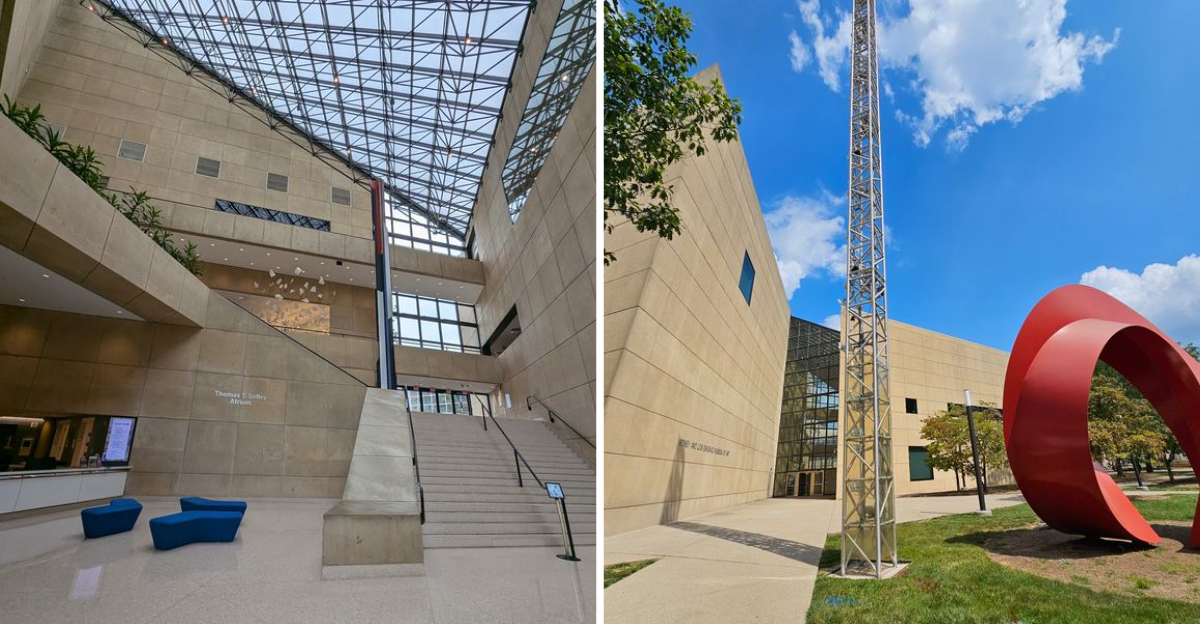
Tucked inside the Indiana University campus in Bloomington, the Eskenazi Museum of Art is one of the Midwest’s best-kept secrets. With a stunning collection that spans thousands of years and dozens of cultures, it draws visitors from all over the country.
What makes it even more amazing is that you can walk through every single gallery without spending a dime on admission. Whether you love art or are just curious, this museum has something that will genuinely surprise you.
A World-Class Collection That Rivals Big City Museums
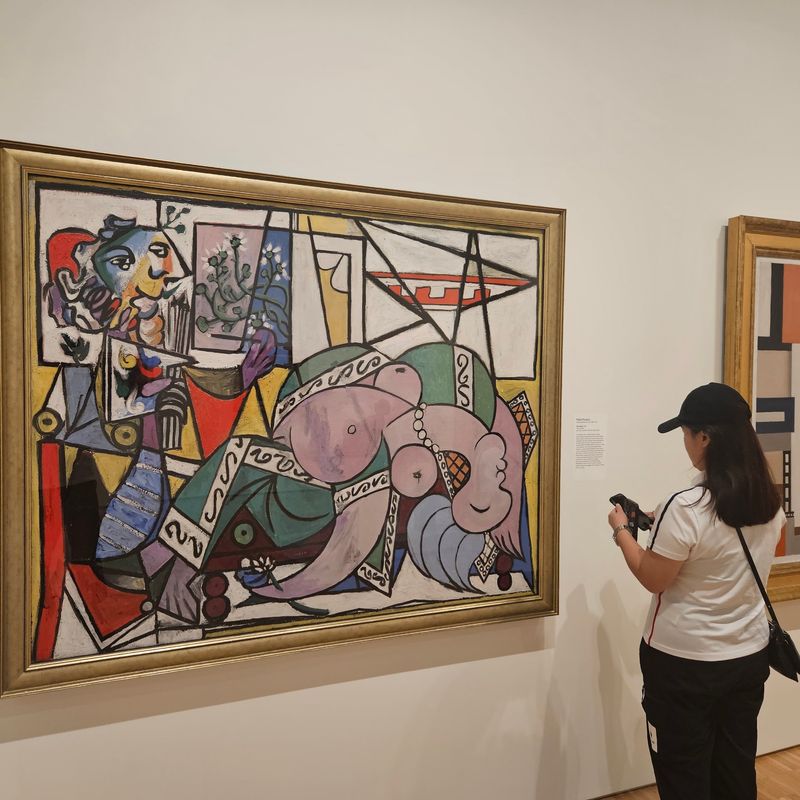
Most people don’t expect a university museum in a mid-sized Indiana city to hold artwork that competes with galleries in New York or Chicago. Yet the Eskenazi Museum of Art does exactly that.
From ancient Egyptian artifacts to Tang Dynasty ceramics, the collection covers an astonishing range of human history.
Visitors have spotted works by Pablo Picasso, Henri Matisse, and Claude Monet hanging on the walls. Jackson Pollock pieces also make appearances.
It’s the kind of lineup you’d pay top dollar to see elsewhere.
One reviewer called it a collection that “rivals that of museums in major metropolitan areas.” Spread across three floors, the exhibits are thoughtfully arranged so each room feels like a new discovery. If you love art history or simply enjoy beautiful things, this museum will completely change your expectations of what a university gallery can be.
Free Admission for Everyone, Every Day It Opens
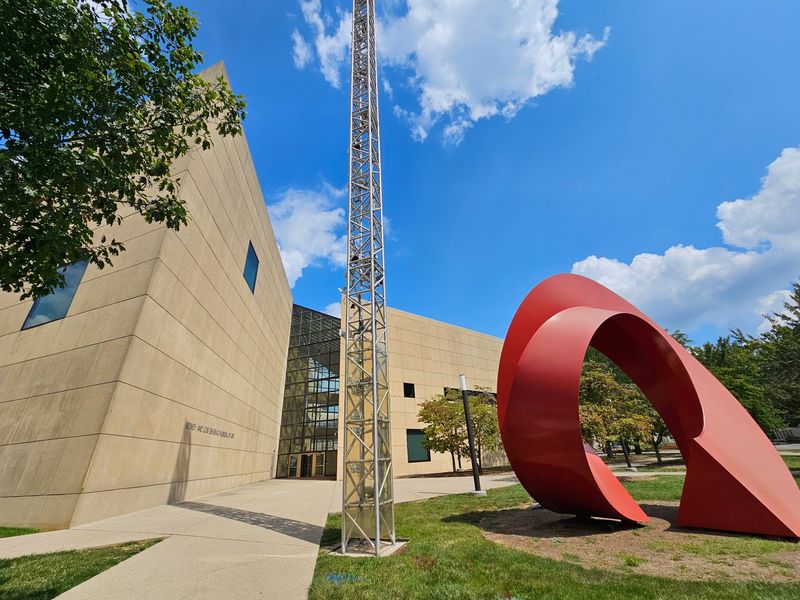
Completely free admission is not just a perk here, it is the foundation of the museum’s mission. No tickets, no membership required, no suggested donation guilt trip at the door.
You simply walk in and start exploring.
The museum is open Tuesday through Sunday from noon to 5 PM, giving visitors plenty of afternoon time to wander the galleries at their own pace. Monday is the only day it stays closed, so plan accordingly.
Reviewers consistently mention how refreshing it feels to enjoy world-class art without worrying about the price tag. As one visitor put it, “They could charge for what they have curated here, but thank goodness they choose not to.” Families, students, tourists, and locals all benefit equally.
Free admission removes every barrier that might keep someone from experiencing art, and that openness makes the museum genuinely special.
I.M. Pei’s Architectural Masterpiece Worth Seeing on Its Own
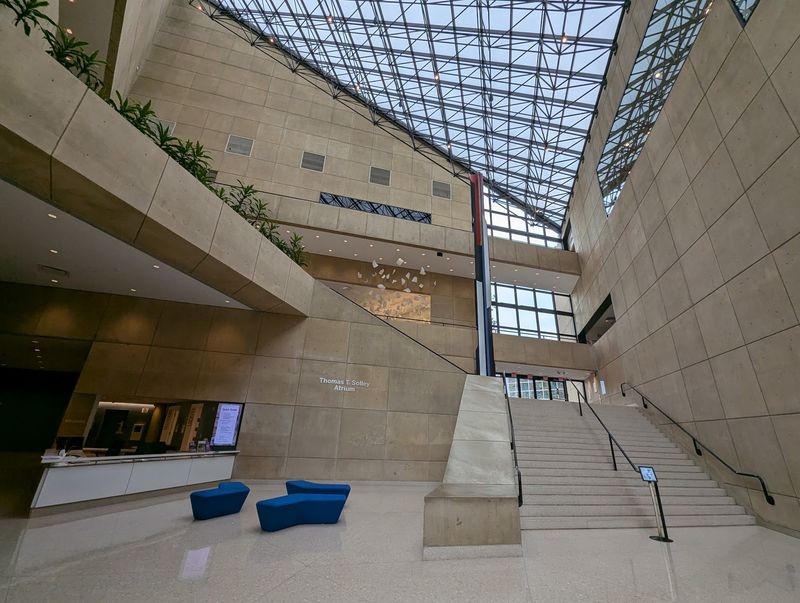
Before you even look at a single painting, the building itself will stop you in your tracks. Designed by legendary architect I.M.
Pei, the museum’s structure is a bold, angular masterpiece of modern design. The sweeping glass-walled atrium floods the interior with natural light, creating an atmosphere that feels both dramatic and calming.
One reviewer wrote that if they were a student, they would “visit daily in the winter just to sit under the amazing windows and watch the sky.” That’s the kind of effect this architecture has on people.
The open-air vistas and soaring ceilings give the museum a sense of grandeur that you don’t often find outside major urban centers. Many visitors say the building alone justifies the trip to Bloomington.
Paired with the remarkable art inside, you get an experience that is as much about space and light as it is about the collections.
Ancient Artifacts Spanning Civilizations Across the Globe
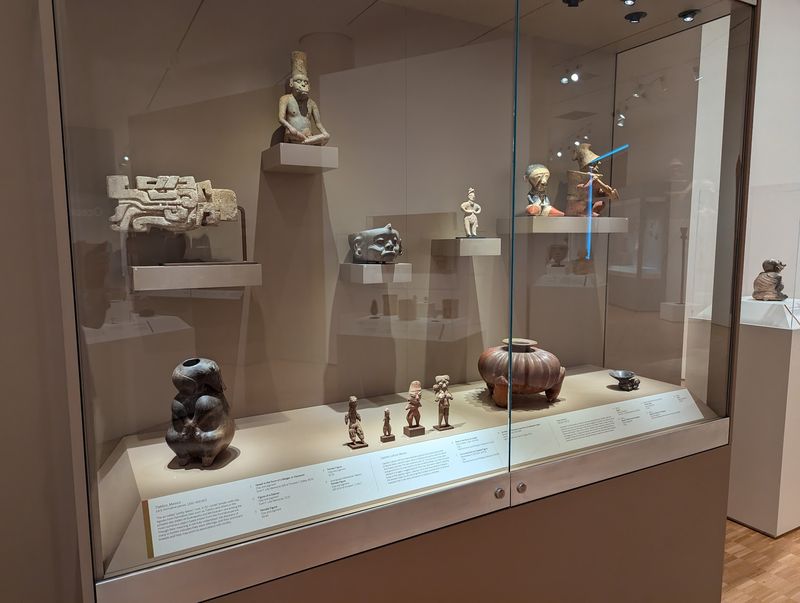
Walking through the ancient collections at the Eskenazi feels a little like flipping through a history book, except the pages are real and thousands of years old. Greek pottery, Roman sculptures, Egyptian relics, and Polynesian objects all share space in carefully arranged galleries.
One visitor described being genuinely amazed by artifacts ranging from Greek and Roman pieces to items from Egypt and Polynesia. Another mentioned discovering pieces from the Tang and Ming dynasties of China that they never expected to find in Indiana.
Each artifact is displayed with clear context, helping visitors understand not just what they are looking at, but why it matters. For students, families, or anyone curious about world history, these galleries are endlessly educational.
Seeing a real ancient object up close, without any cost, creates the kind of lasting impression that no textbook can fully replicate.
African Art Wing That Will Change the Way You See Culture
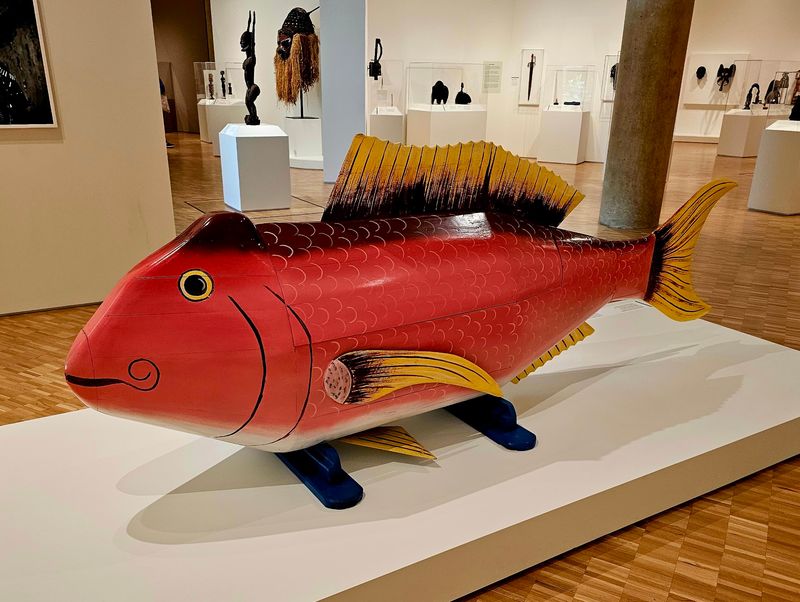
One visitor put it simply and powerfully: “I will never look at African art the same way after all I learned in their African Art wing.” That kind of reaction says everything about how impactful this section of the museum truly is.
The African collection features stunning masks, sculptures, and ceremonial objects that offer a genuine glimpse into the spiritual and social lives of various African cultures. The pieces are displayed with rich context, allowing visitors to connect with the stories behind each object rather than just admiring its appearance.
Another reviewer singled out the African collection as “especially impressive, offering a glimpse into different cultures through stunning pieces.” This wing goes beyond decoration, it sparks real curiosity and respect for traditions that many visitors may be encountering for the first time. Set aside extra time here because there is a lot to absorb and appreciate.
Asian Ceramics and Art That Span Thousands of Years
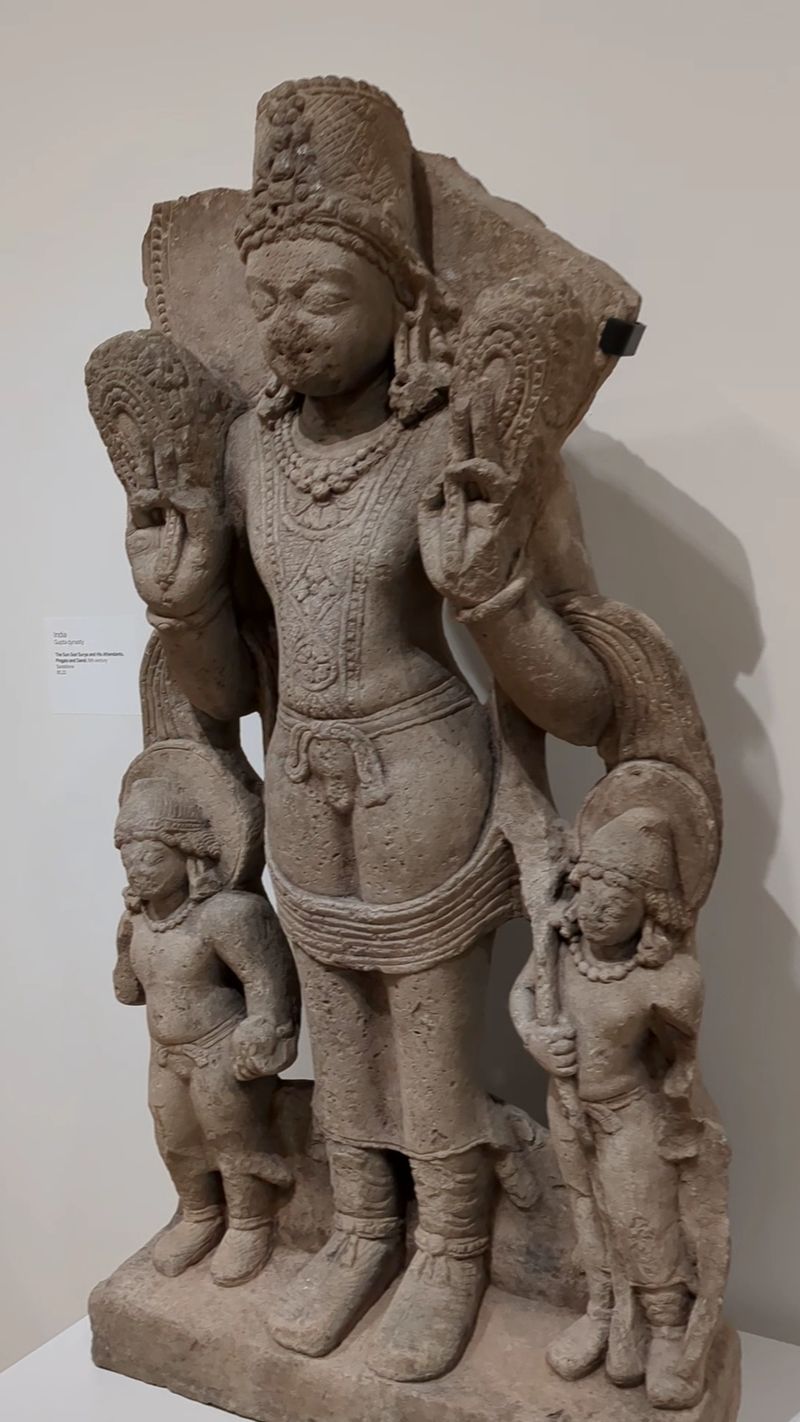
Few things are as quietly mesmerizing as a room full of Asian ceramics that have survived centuries of history. The Eskenazi Museum holds an impressive selection of Asian art, including pieces from the Tang and Ming dynasties that showcase extraordinary craftsmanship and cultural depth.
Delicate porcelain vases, carved jade objects, and painted scrolls sit alongside other remarkable pieces from across Asia. The curation is thoughtful, guiding visitors through different time periods and artistic traditions without feeling overwhelming.
Reviewers have consistently praised this collection as one of the highlights of their visit. The variety is genuinely surprising for a university museum, and the quality of the pieces rivals what you might find in dedicated Asian art institutions.
Whether you already have an appreciation for this kind of art or you are coming in fresh with curiosity, the Asian galleries offer a quietly powerful experience.
Native American Art That Honors Indigenous Traditions
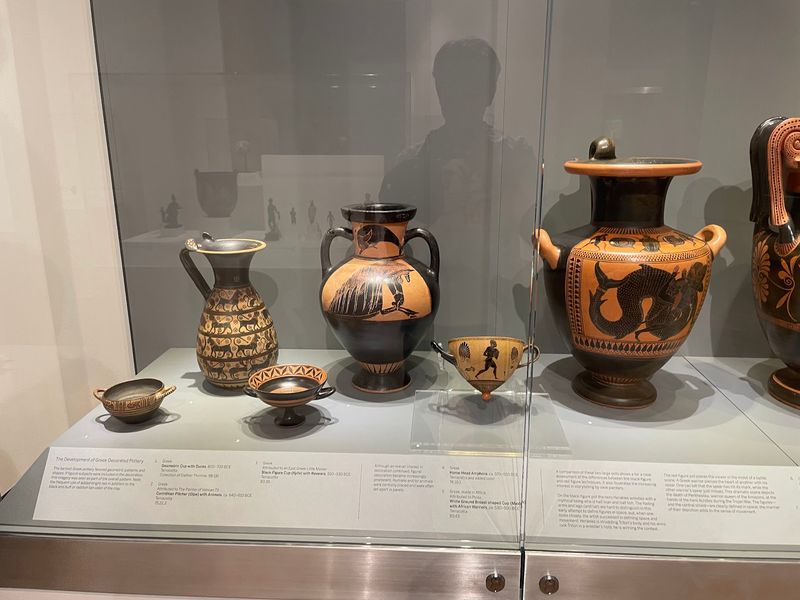
The museum’s Native American collection stands as a respectful and educational tribute to the indigenous cultures of North America. Beadwork, pottery, woven textiles, and ceremonial objects are displayed with care and context, honoring the communities they come from.
Unlike some collections that simply put objects behind glass without explanation, the Eskenazi takes time to help visitors understand the cultural significance of each piece. That approach makes the difference between looking at something and actually learning from it.
For many visitors, this section of the museum offers their most meaningful connection to American history. One reviewer highlighted Native American art as a standout part of the overall collection.
Whether you are a student researching indigenous cultures or a curious traveler, this wing adds an important and often overlooked perspective to the broader story of art and human creativity. Plan to spend quality time here.
Modern Masters Including Picasso, Monet, and Pollock
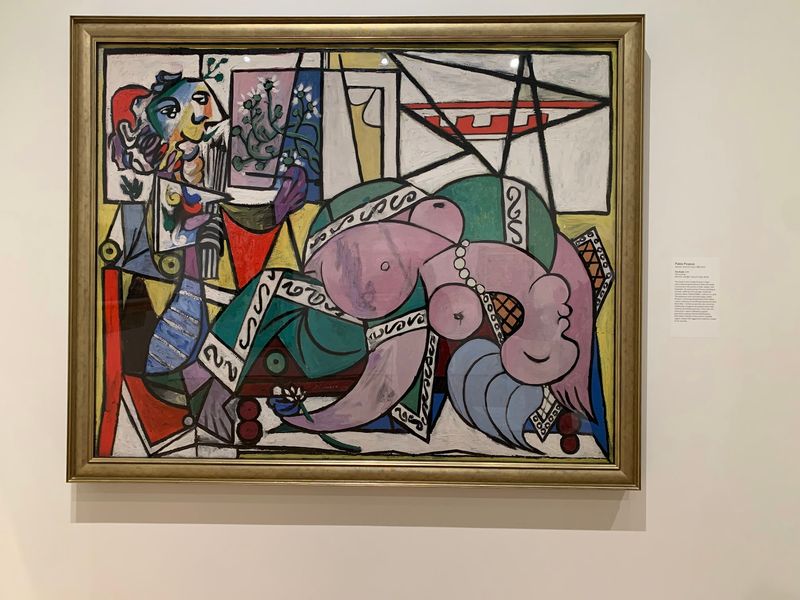
Spotting a genuine Picasso on the wall of a free university museum in Indiana is the kind of thing that makes you do a double take. The Eskenazi holds works by some of the most celebrated artists in modern history, including Pablo Picasso, Claude Monet, Henri Matisse, Auguste Rodin, and Jackson Pollock.
Visitors who came without high expectations have walked away genuinely stunned. One reviewer admitted they are not huge art museum people but found the modern masters collection completely compelling.
Another compared the lineup favorably to major metropolitan institutions.
These are not reproductions or minor works. The museum houses significant pieces that tell the real story of modern art’s evolution.
Seeing a Pollock drip painting or a Monet landscape in person hits differently than any art history class could prepare you for. For art lovers and newcomers alike, this is one of the most exciting reasons to visit.
Rotating Exhibits That Make Every Visit Feel Fresh
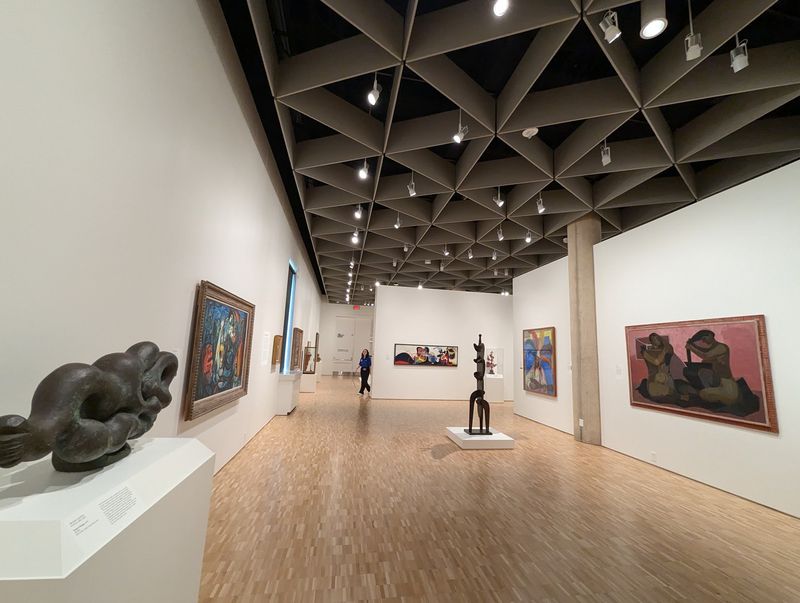
Even if you have visited the Eskenazi before, there is always a reason to come back. The museum hosts rotating exhibits and special events throughout the year, meaning the experience genuinely changes with each visit.
Past highlights have included a celebrated Steinberg exhibit that one reviewer described as unmissable.
A more recent marine yarnwork exhibit was described as “breathtaking” by another visitor. These temporary shows bring in fresh perspectives, new artists, and unexpected art forms that complement the permanent collection beautifully.
The museum’s website at artmuseum.indiana.edu keeps an updated calendar of what is currently on display. Checking before your visit helps you plan around exhibits that match your interests.
For regular Bloomington visitors or IU students who pass by often, the rotating schedule gives the museum a living, changing energy. You never quite know what you will find, and that sense of surprise is part of what makes the Eskenazi so worth returning to.
A Welcoming Museum Cafe for a Mid-Visit Break
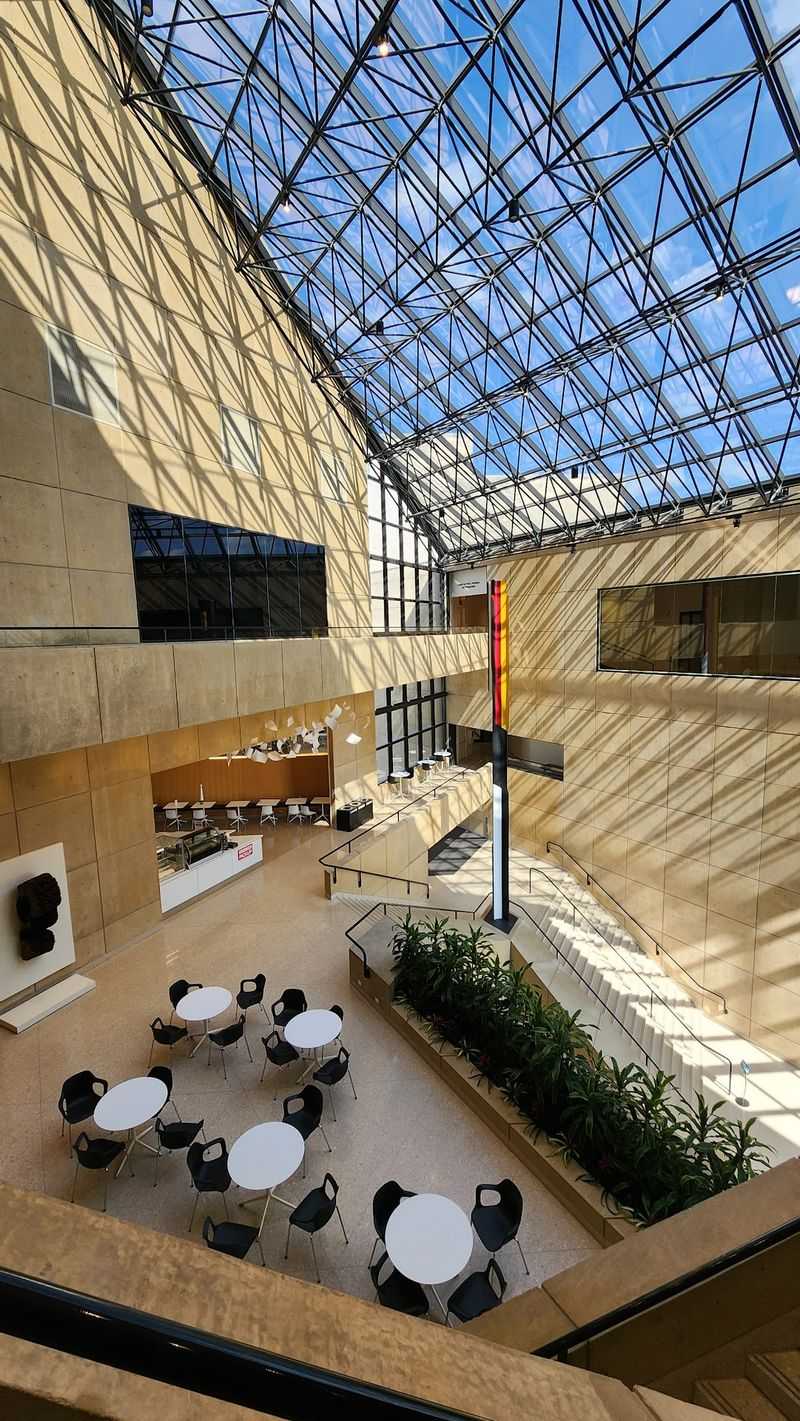
Art exploration is energizing, but it can also work up an appetite. Luckily, the Eskenazi has a cafe right inside the museum where visitors can recharge without leaving the building.
The cafe serves coffee, pastries, sandwiches, and drinks, making it a natural stopping point between gallery floors.
One reviewer specifically recommended stopping by after browsing, calling the pastries delicious. Another suggested using the cafe visit as a reward after finishing the main galleries.
It’s a small but genuinely appreciated detail that makes longer visits much more comfortable.
For families with young children or visitors who want to spend several hours exploring, having a cafe on-site removes the need to rush out and find food elsewhere. The relaxed atmosphere inside mirrors the welcoming tone of the museum itself.
Grab a coffee, rest your feet, and then head back into the galleries feeling refreshed and ready for the next floor.
Accessibility Features That Welcome Every Visitor
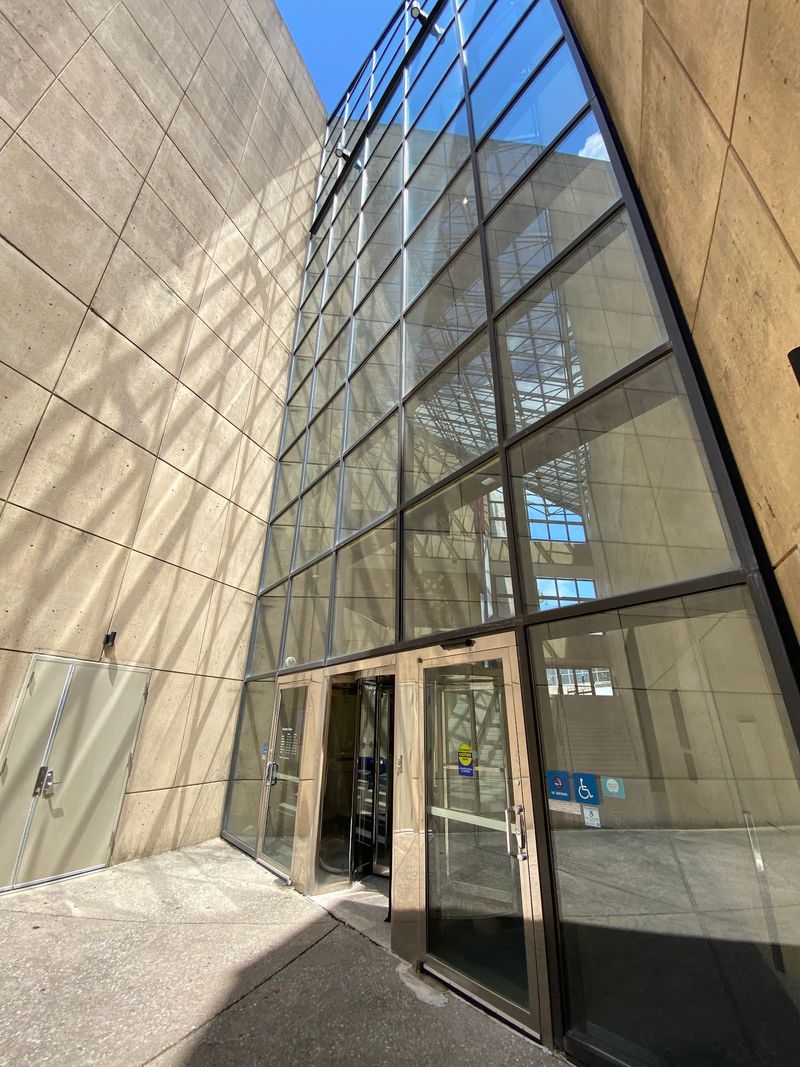
Great museums should be open to everyone, and the Eskenazi takes that responsibility seriously. The building features an elevator connecting all three floors, making it easy for visitors with mobility challenges to access every gallery without difficulty.
Wheelchairs are also available for use inside the museum at no charge.
Staff members are stationed in every room, ready to assist anyone who needs help. One visitor shared a touching story about how the staff handled a visit with a service animal, praising the team for being thoughtful, respectful, and accommodating throughout.
The overall accessibility of the Eskenazi was described as “phenomenal” by that same visitor. While some of the doors between exhibits can be on the heavier side, the museum’s commitment to inclusion shines through in almost every other detail.
Combined with free admission, these accessibility features ensure that experiencing great art is genuinely available to all, regardless of physical ability or budget.
Knowledgeable and Friendly Docent Staff Throughout
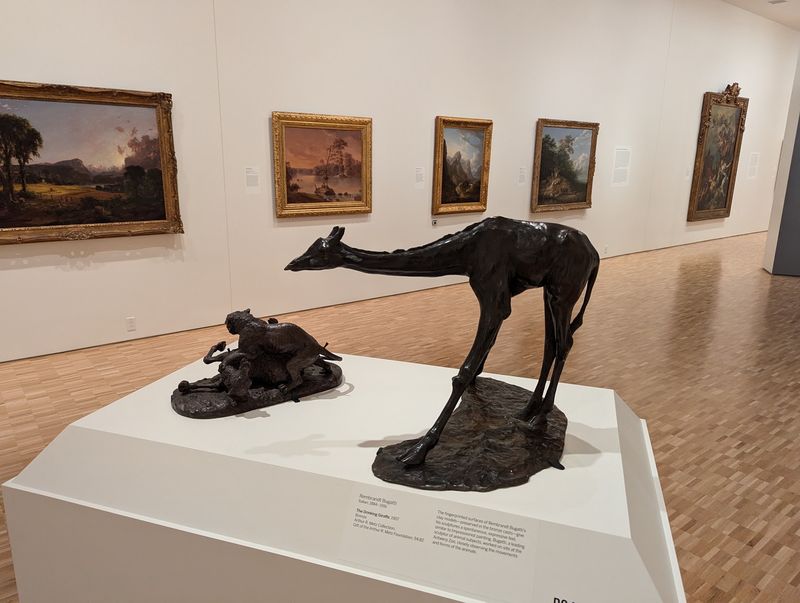
One of the quieter joys of visiting the Eskenazi is the staff. Docents and student attendants are spread throughout the galleries, ready to answer questions, share context, or simply offer a friendly greeting.
Several reviewers made a point of mentioning how welcoming the team felt from the moment they walked in.
The staff’s warmth seems to set the tone for the entire visit. Rather than feeling watched or rushed, visitors consistently describe feeling comfortable taking their time and asking questions freely.
That kind of atmosphere matters, especially for people who might feel intimidated walking into a formal art museum for the first time.
Free tours are also available, led by knowledgeable guides who bring the collections to life with stories and context. Whether you prefer to wander independently or join a guided group, the staff supports both approaches equally well.
Their enthusiasm for the collection is genuine and contagious.
A Gift Shop Full of Unique Art-Inspired Finds
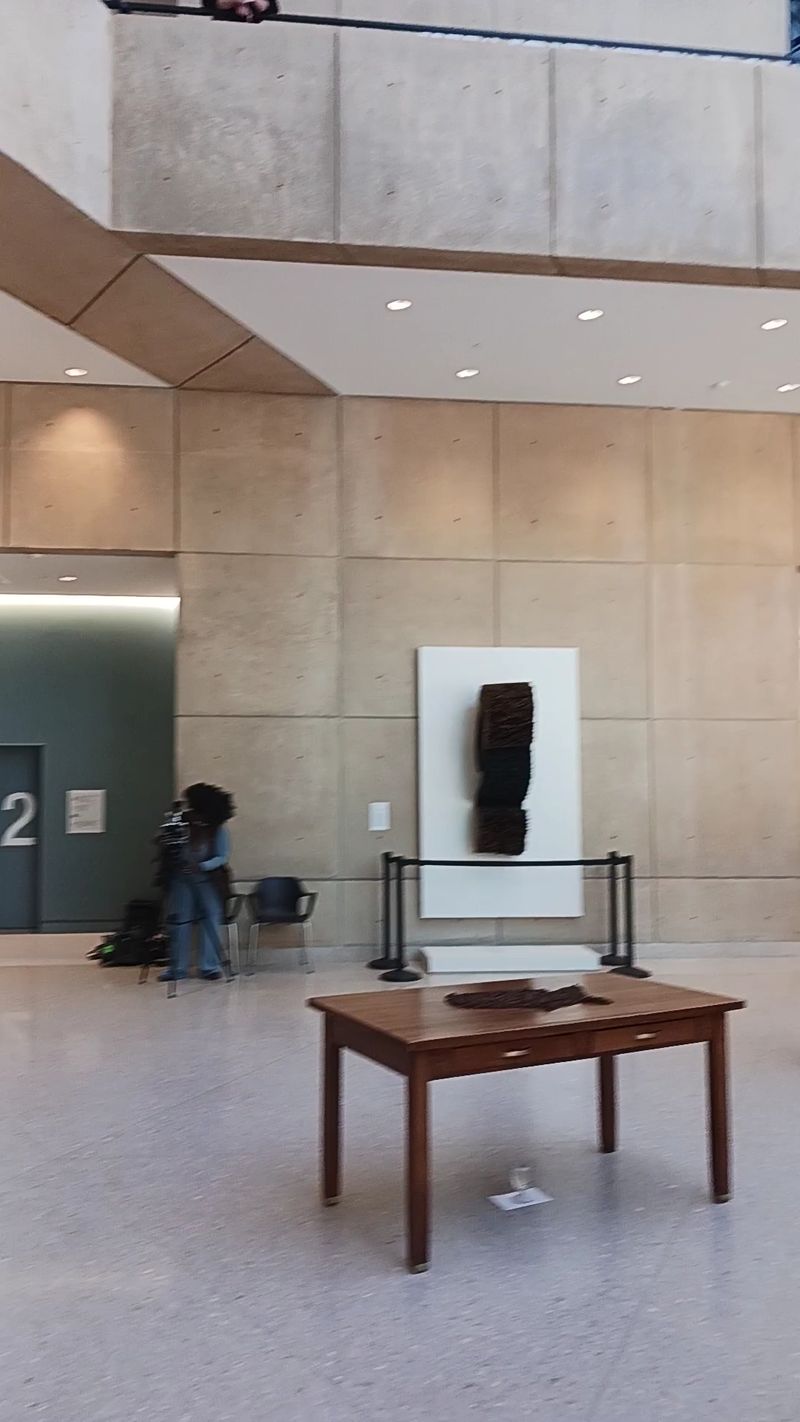
Before heading out, most visitors make a detour through the museum’s gift shop, and it’s easy to see why. Stocked with art-inspired books, prints, jewelry, and unique souvenirs, the shop offers a way to bring a little piece of the experience home with you.
Items tend to reflect the museum’s diverse collections, so you might find something connected to African art, Asian ceramics, or modern masters.
One reviewer specifically recommended exploring the gift shop as part of the full museum experience, calling it a great spot for “unique, art-inspired finds.” Prices vary widely, so there is usually something for every budget.
Even if you don’t plan to buy anything, browsing the shop is enjoyable on its own. Many of the items feel curated with the same care as the galleries themselves.
It’s a fitting final stop before stepping back out into the Indiana sunshine after a genuinely memorable visit.
Enjoyed this story?
Add Fast Food Club as a preferred source to see more of our reporting on Google.