


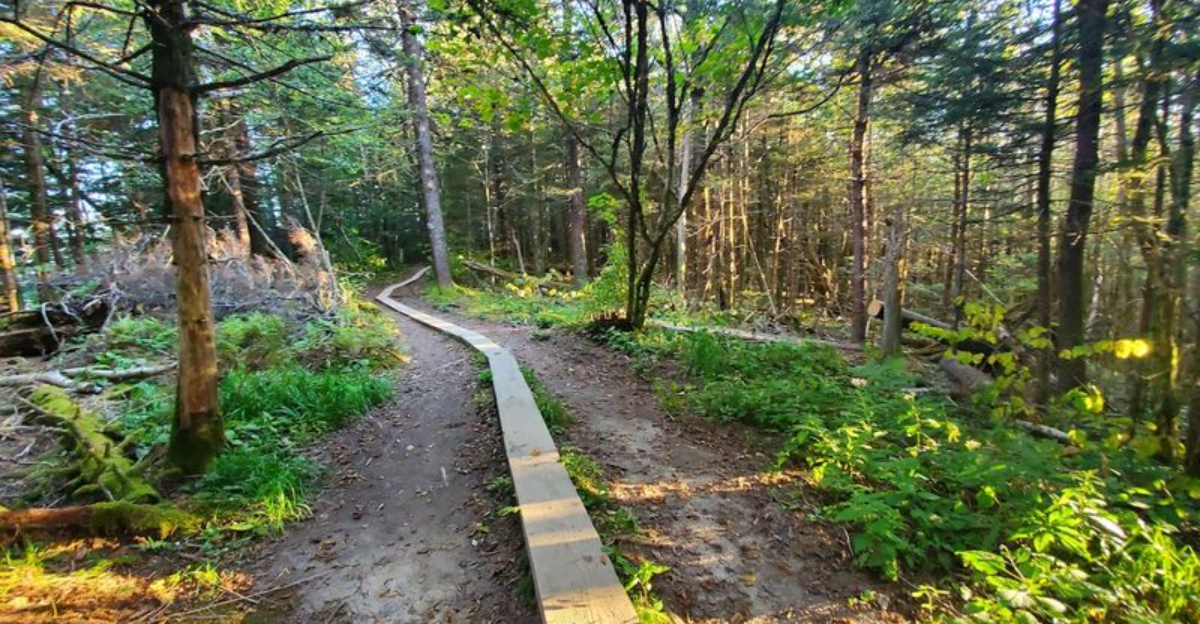
Tucked away in the heart of the Appalachian Mountains, Great Smoky Mountains National Park near Gatlinburg, Tennessee is one of those rare places that genuinely takes your breath away. With over 800 miles of trails, misty mountain ridges, and wildlife roaming freely through ancient forests, it is easy to see why it earns a near-perfect 4.9-star rating from more than 50,000 visitors.
Yet surprisingly, many people pass right by without realizing the incredible adventures hiding just beyond the park entrance. Whether you are a first-time visitor or a seasoned hiker, this park has something truly special waiting for you.
The Mysterious Blue Mist That Gives the Smokies Their Name
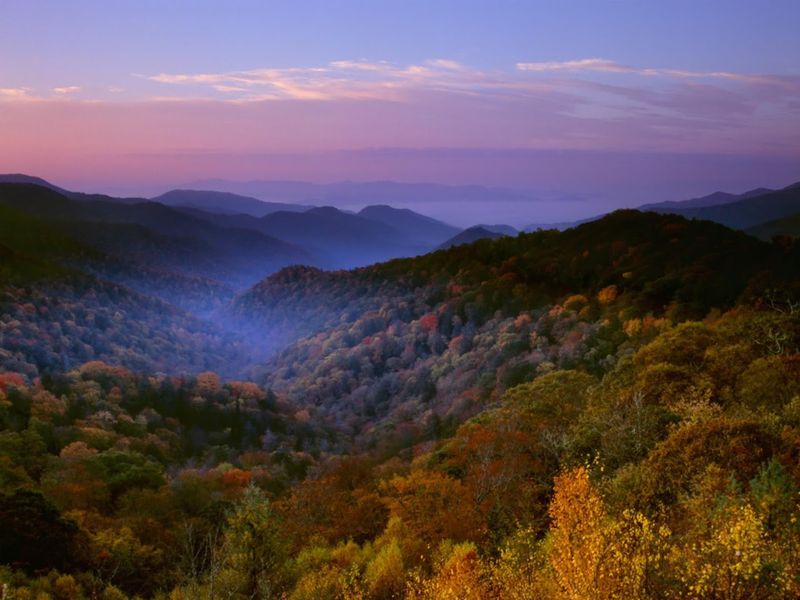
Long before tourists arrived, the Cherokee people called these mountains “Shaconage,” meaning “place of blue smoke.” That dreamy haze you see drifting over the ridges is not pollution or fog — it is actually a natural chemical reaction produced by the trees themselves releasing organic compounds into the air.
The effect is most dramatic during early morning drives along Newfound Gap Road, where the mist wraps around the mountains like a soft blanket. Visitors often pull over just to stare in silence, completely caught off guard by how magical it looks in person.
The best time to catch this show is just after sunrise, especially in late spring or early fall when humidity levels are higher. Bring a camera with a wide-angle lens, because no phone photo truly does justice to the scale and beauty of that misty blue glow stretching endlessly across the horizon.
Clingmans Dome: Standing on Top of Tennessee
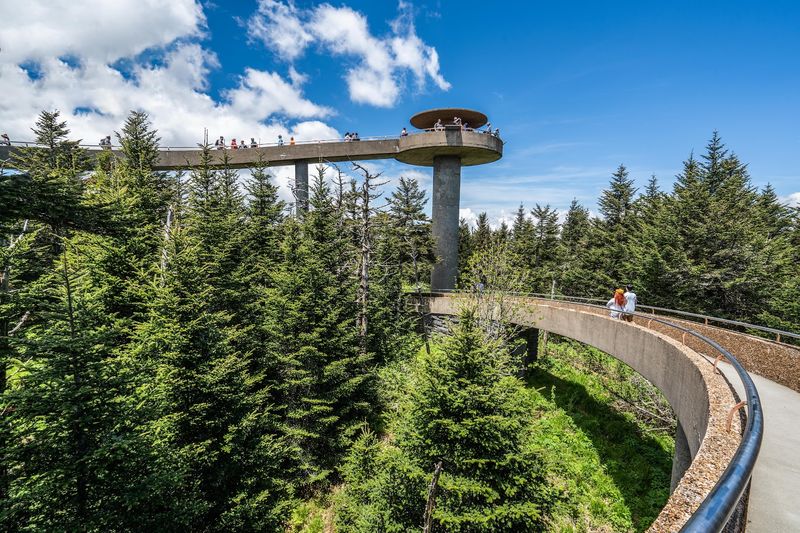
At 6,643 feet above sea level, Clingmans Dome is the highest point in the entire state of Tennessee, and standing at the top feels like something out of a dream. On a clear day, you can see up to 100 miles in every direction, watching mountain ridges fold into each other like waves frozen in time.
Getting there requires a half-mile uphill walk from the parking area — it is steep, but totally worth every step. The iconic observation tower at the summit looks like something from a sci-fi movie, a spiraling concrete ramp that curves upward into the sky.
Keep in mind the road to the summit closes during winter months, so plan your visit between late spring and early fall. Temperatures up top run about 10 to 20 degrees cooler than the valley below, so packing a light jacket is always a smart move no matter the season.
Wildlife Encounters You Simply Cannot Plan For
Pull over on any given afternoon in the Smokies and you might find yourself face-to-face with a black bear casually wandering across the road. The park is home to roughly 1,500 black bears, making it one of the best places in the eastern United States to spot them in the wild.
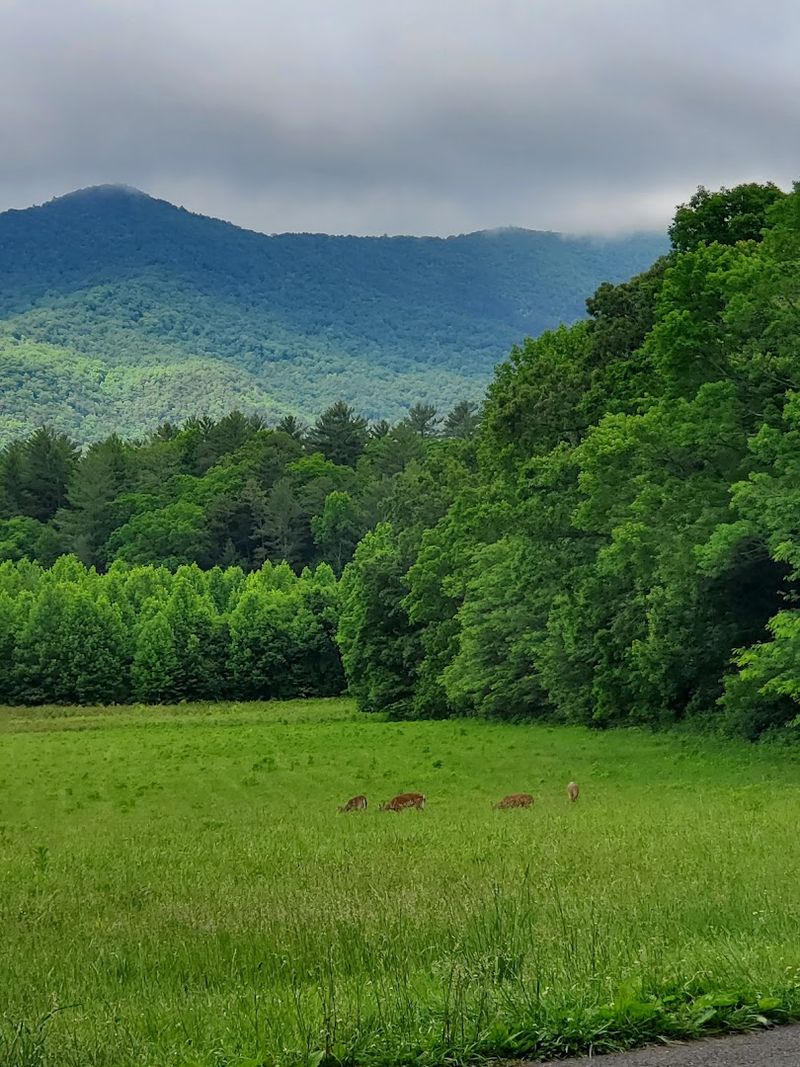
Beyond bears, the park supports white-tailed deer, wild turkeys, red foxes, and even a reintroduced population of elk near the Cataloochee Valley. Spotting wildlife here feels less like luck and more like a reliable daily event, especially during early morning and evening hours when animals are most active.
Always keep a safe distance of at least 50 yards from bears and 25 yards from other wildlife. Rangers take safety seriously and will remind you if you get too close.
Bring binoculars for the best viewing experience without disturbing the animals in their natural habitat.
Laurel Falls: The Most Popular Waterfall in the Park
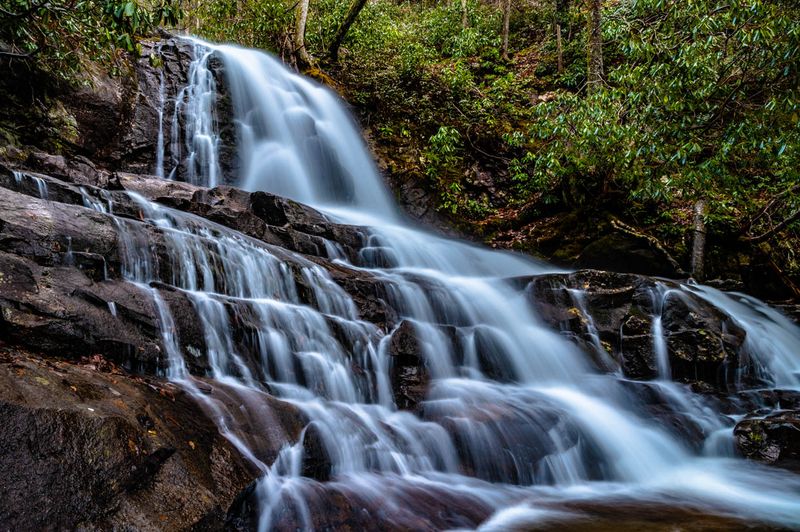
Laurel Falls earns its reputation as the most visited waterfall in the park for good reason — it is genuinely stunning and surprisingly easy to reach. The two-tiered cascade drops 80 feet through a forest of mountain laurel and hemlock, creating a scene so picturesque it looks almost painted.
The trail leading to the falls is about 2.6 miles round trip and follows a paved path, making it accessible for most fitness levels and even some strollers. That accessibility is part of what makes it such a crowd favorite, drawing visitors of all ages throughout the year.
Arrive early in the morning, especially on weekends, to avoid the biggest crowds and snag a parking spot without stress. The falls look particularly gorgeous in late spring when the surrounding mountain laurel blooms in shades of pink and white, creating a frame around the rushing water that feels almost too beautiful to be real.
Hiking the Appalachian Trail Through the Heart of the Smokies
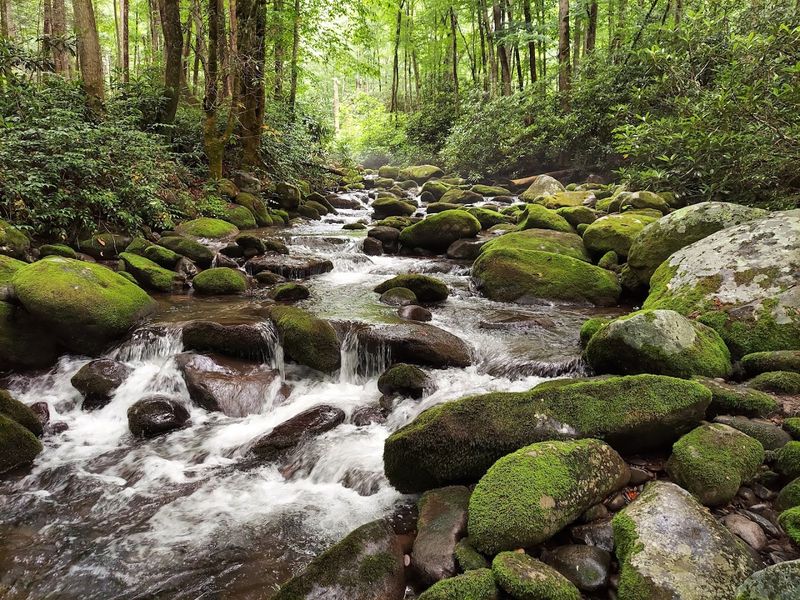
Few experiences in American outdoor adventure compare to walking even a small section of the Appalachian Trail as it passes through the Smokies. The trail runs approximately 71 miles through the park, crossing some of the most dramatic and remote terrain the entire 2,190-mile route has to offer.
Charles Bunion is widely considered one of the most rewarding day hike destinations along this stretch, offering jaw-dropping exposed rock views after a challenging but manageable climb. Many visitors combine the hike with a stop at Newfound Gap, where the trail crosses the highway and provides stunning overlook views with almost no effort required.
Even hiking just a mile or two of the AT here leaves a lasting impression. The towering trees, mossy rocks, and quiet solitude of the trail create a sense of history and scale that is genuinely hard to describe.
Start early and wear sturdy, broken-in hiking boots to protect your ankles on the uneven terrain.
The Cosby Area: A Quieter Corner Most Visitors Skip
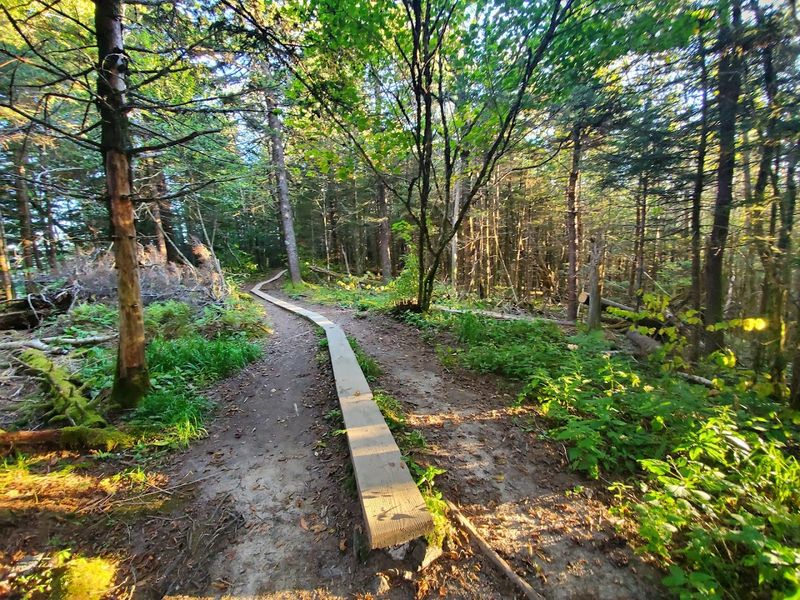
While most visitors crowd into the Sugarlands and Newfound Gap areas, the Cosby section of the park sits quietly in the northeastern corner, offering some of the best hiking with a fraction of the crowds. Locals have long considered it one of the best-kept secrets in the entire park system.
The Low Gap Trail to the Appalachian Trail is a standout route from this entrance, covering nearly three miles of well-maintained path through beautiful forest. The Cosby Knob Shelter makes a great turnaround point, and on a clear weekday, you might have the trail almost entirely to yourself.
Facilities at the Cosby Campground close during winter months, but the trails remain open year-round for day hikers. Parking here is far less stressful than at the main entrances, and the serene creek sounds and old-growth trees make every step feel like a genuine escape from the modern world.
Fall Foliage That Rivals Anywhere in the Country
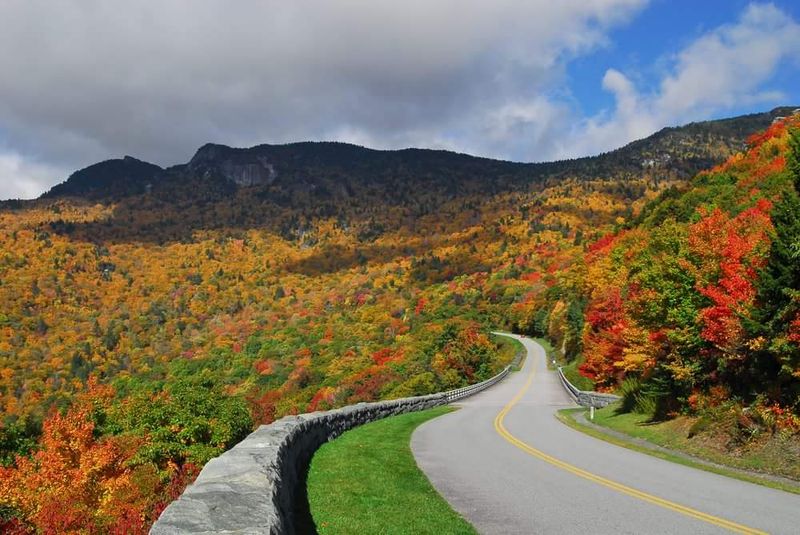
Mid-October in the Smokies is something that seasoned travelers return for year after year, and once you see it, you completely understand why. The mountains transform into an explosion of red, orange, gold, and amber that stretches across every ridge and valley as far as the eye can see.
The overlooks along Newfound Gap Road become particularly magical during peak leaf season, with each pull-off offering a postcard-perfect panorama that makes you want to stay until the light fades completely. Temperatures during the day remain pleasant, though evenings cool down quickly, so layering up is the smart approach.
Peak color typically runs from mid-October through early November, shifting from the higher elevations down to the valleys as the season progresses. Visiting on a weekday rather than a weekend makes a noticeable difference in crowd levels.
The fall colors here are genuinely world-class and absolutely worth planning a trip around.
Scenic Drives That Require Zero Hiking Experience
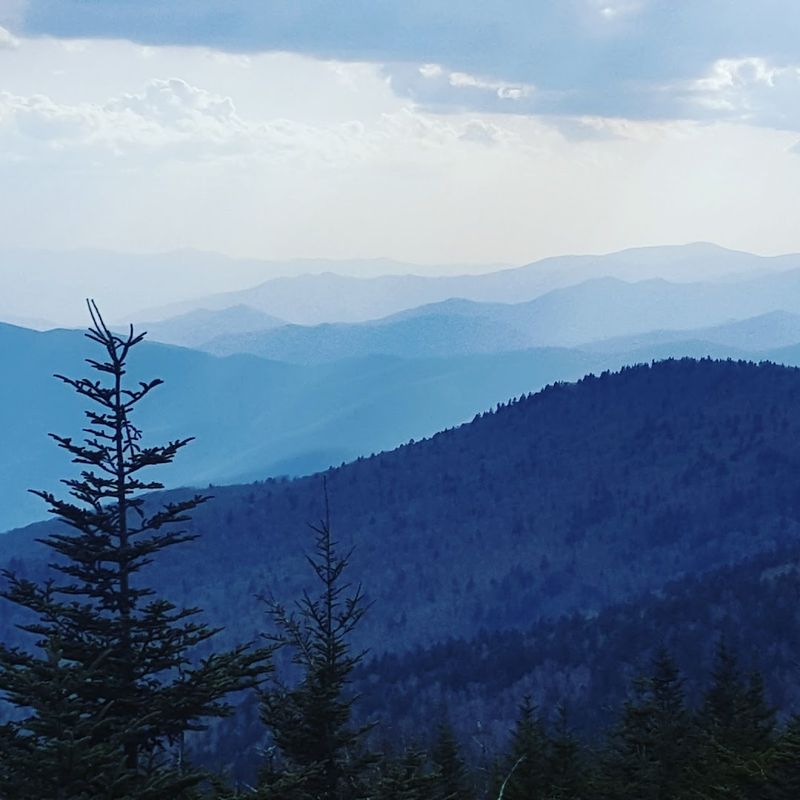
Not everyone who visits the Smokies wants to lace up hiking boots, and the good news is that the park delivers stunning beauty from the comfort of your car. Newfound Gap Road is the main corridor through the park, and nearly every mile of its 31-mile stretch offers overlooks, pull-offs, and scenery that is genuinely hard to believe.
Little River Gorge Road follows a rushing mountain stream through a narrow gorge lined with massive hemlock trees, making it one of the most dramatic and underrated drives in the entire park. Roaring Fork Motor Nature Trail is another favorite, a one-way loop through old-growth forest past historic cabins and small cascading waterfalls.
Wheelchair-accessible overlooks are available throughout the park, ensuring that visitors of all mobility levels can enjoy the views. Even without stepping out of the vehicle, the experience of winding through these ancient mountains leaves most people genuinely speechless and already planning their next visit.
Abrams Falls: A Rewarding Hike With a Spectacular Payoff
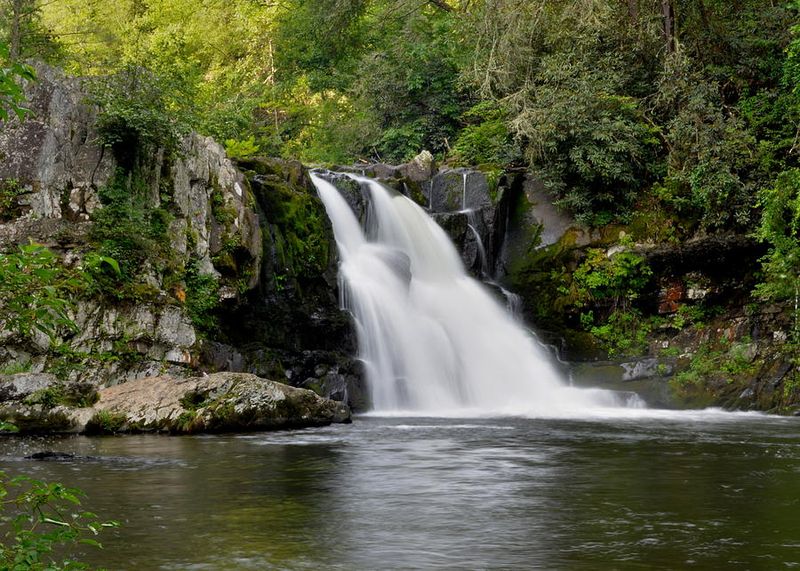
Abrams Falls may not be the tallest waterfall in the park, dropping only about 20 feet, but the sheer volume of water crashing into the crystal-clear pool below makes it one of the most dramatic and satisfying sights in the entire Smokies. Hikers consistently rank it among their favorite destinations in the park.
The trail to reach it covers about 5 miles round trip from the Cades Cove area, winding through forest and crossing streams along the way. The moderate difficulty level makes it accessible for most reasonably fit hikers, including older kids who are comfortable on uneven terrain.
Swimming in the pool at the base of the falls is tempting, but rangers strongly advise against it due to dangerous currents beneath the surface. Instead, sit on the rocks nearby, eat your lunch, and soak in the sound of the water.
Few moments in nature feel quite as rewarding as earning a view like this one.
Winter Visits: A Completely Different Kind of Magic
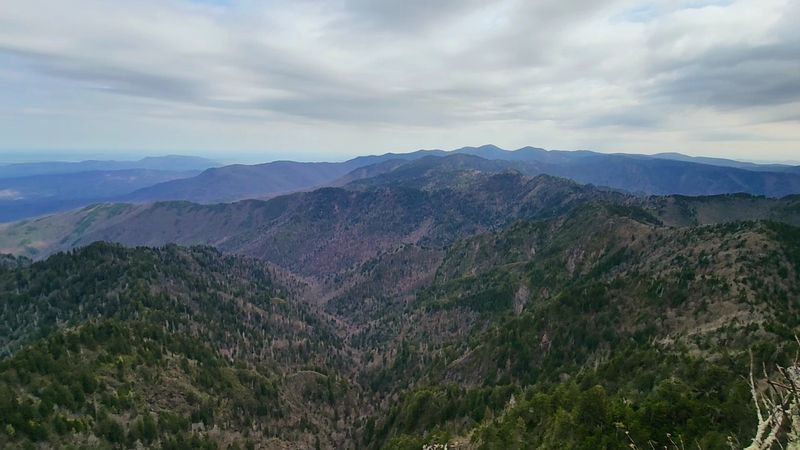
Most people think of the Smokies as a summer destination, but visiting in winter reveals a completely different and surprisingly enchanting side of the park. A light dusting of snow on the mountain ridges and forest floor creates a quiet, almost otherworldly atmosphere that feels nothing like the summer crowds.
Roads are well-maintained and park staff monitor conditions closely, keeping most routes open and safe for travel even during winter weather. The reduced visitor numbers during the off-season mean more trail solitude, easier parking, and a genuine sense of having this incredible landscape nearly to yourself.
Wildlife is often easier to spot in winter because the bare trees open up sight lines through the forest. Deer and wild turkeys become much more visible along roadsides and meadows.
The crisp, cold mountain air carries a freshness that feels almost medicinal, and the peaceful silence of a snow-covered Smoky Mountain morning is something that stays with you long after you head home.
The Free Entry Policy That Makes It Even More Special
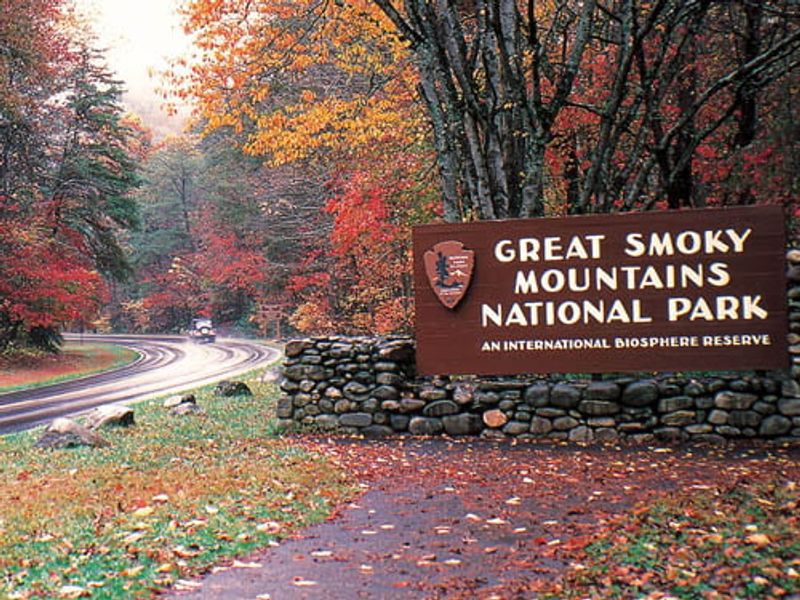
Here is a fact that genuinely surprises most first-time visitors: Great Smoky Mountains National Park is one of the only major national parks in the United States that charges no admission fee. That means you can pull up, drive through, hike, and explore without spending a single dollar on entry.
A parking pass is required for most developed trailheads and popular areas, which you can purchase at visitor centers or print ahead of time online. The passes are affordable and help fund trail maintenance and park operations, so they are well worth the small cost.
This free-entry policy makes the park extraordinarily accessible for families, budget travelers, and anyone who simply wants a spontaneous day trip surrounded by nature. It is one of the reasons the Smokies welcome more visitors annually than any other national park in the country.
Value like this, combined with scenery this spectacular, is genuinely rare.
Cades Cove: History and Wildlife in One Stunning Valley
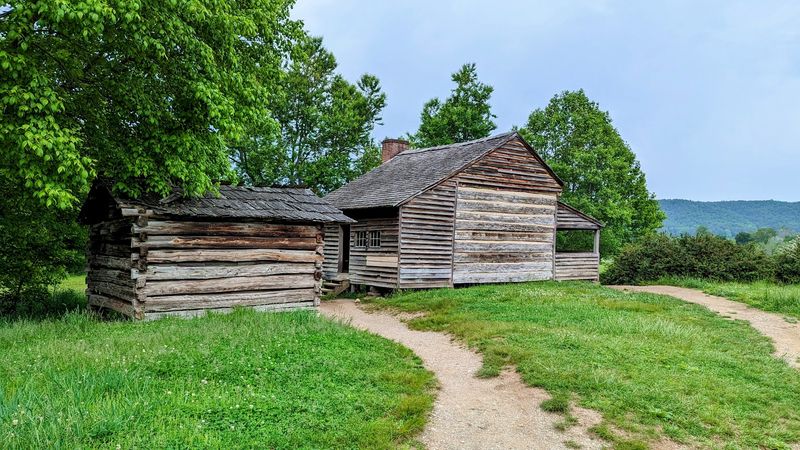
Cades Cove is one of those rare places where history and nature exist side by side in a way that feels completely effortless. This broad, flat valley tucked among the mountains preserves 19th-century homesteads, grist mills, and white wooden churches that give visitors a vivid sense of what life once looked like here.
The 11-mile loop road through the cove is one of the most popular drives in the entire park, and for good reason. Deer graze openly in the meadows, black bears are frequently spotted near the tree line, and wild turkeys strut across the road without a care in the world.
Early morning visits offer the best wildlife activity before the day-trippers arrive.
Wednesday and Saturday mornings during summer months restrict the loop to bicycles and walkers only, creating a peaceful and car-free experience. Renting a bike for a morning ride through Cades Cove is one of those experiences that locals recommend without hesitation to every first-time visitor.
Ranger Programs and Visitor Centers Worth Your Time
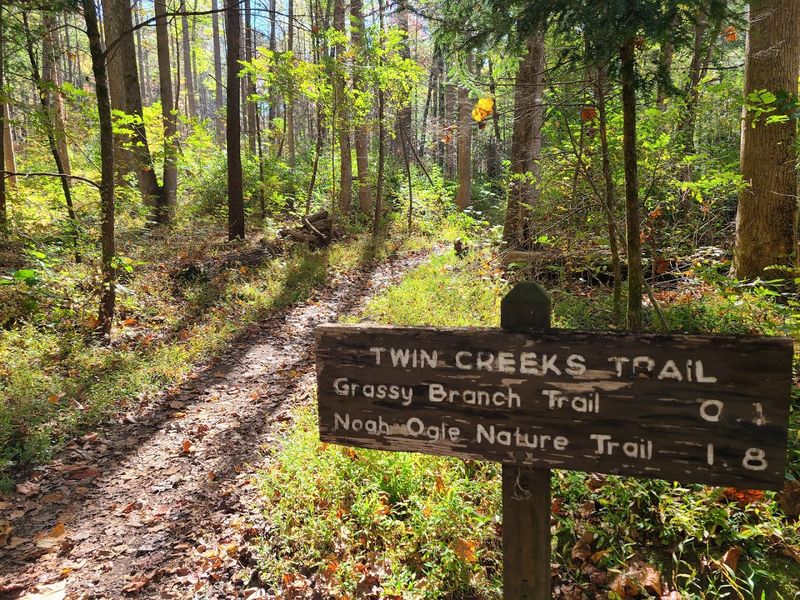
One of the most underappreciated parts of visiting the Smokies is the quality of the people who work there. Park rangers at Great Smoky Mountains National Park are well-known for going out of their way to help visitors find the right trail, understand the local ecology, and make the most of their time in the park.
The Sugarlands Visitor Center near the Gatlinburg entrance is a great first stop, offering maps, exhibits about the park’s natural and cultural history, and friendly staff who genuinely enjoy answering questions. Junior Ranger programs are available for kids and make a wonderful way to keep younger visitors engaged and excited about what they are seeing.
Ranger-led programs run throughout the year on topics ranging from firefly ecology to Cherokee history, and most are completely free. Attending even one of these talks adds a layer of depth to your visit that no guidebook can fully replicate.
The rangers here truly love this park, and that enthusiasm is contagious.
Enjoyed this story?
Add Fast Food Club as a preferred source to see more of our reporting on Google.