


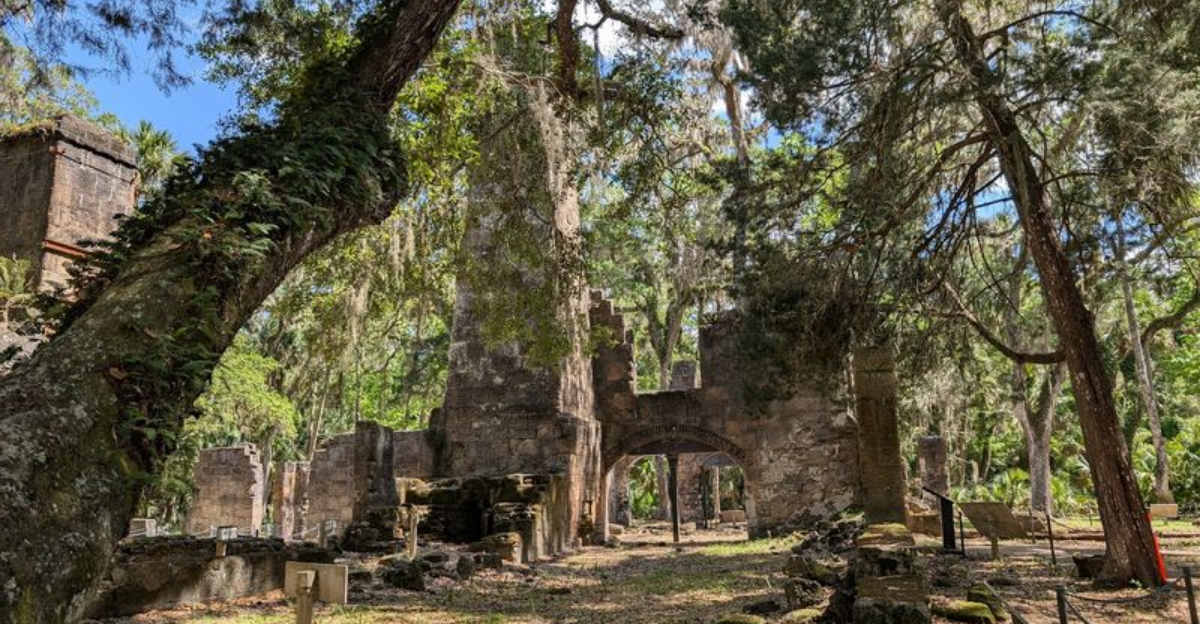
Tucked away along a shaded dirt road in Flagler Beach, Florida, Bulow Plantation Ruins Historic State Park feels like stepping into a forgotten world. The park preserves the haunting remains of one of East Florida’s largest 19th-century sugar plantations, including the towering coquina walls of an old sugar mill burned down during the Second Seminole War in 1836.
Whether you love history, nature, or just a good adventure off the beaten path, this place has something that will genuinely surprise you. With a 4.6-star rating and trails winding through lush coastal hammock, it is one of Florida’s most underrated hidden gems.
The Mysterious Coquina Sugar Mill Ruins
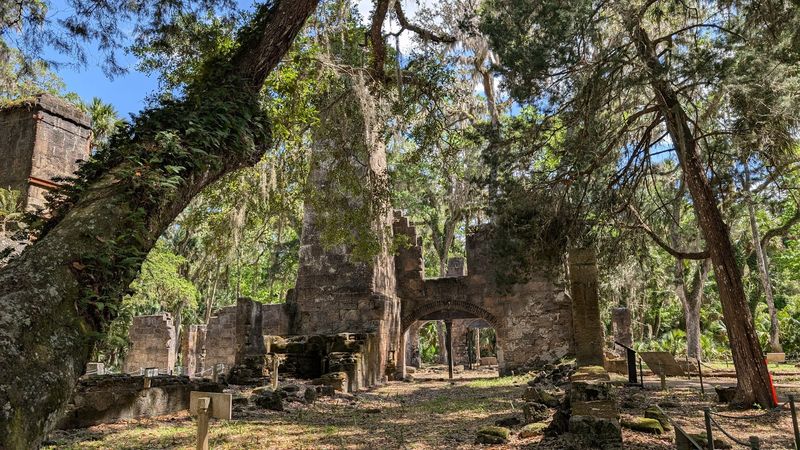
Standing before the towering coquina walls of the old sugar mill feels like something straight out of an adventure novel. These thick stone walls have survived nearly two centuries, hurricanes, and the flames of war — and they still stand tall today.
Built in the early 1800s, the mill processed sugar cane grown by the Bulow family using the forced labor of enslaved people.
The coquina stone itself is fascinating — it is made from tiny shells compressed over thousands of years, giving the walls a rough, textured look unlike anything you have seen before. Interpretive signs around the ruins explain exactly how the mill worked, from pressing cane juice to boiling it into sugar.
Visitors consistently say the ruins feel almost alive with history. Bring a camera, because the way sunlight dances across the old stone walls makes for absolutely stunning photographs.
A Nature Trail Straight Out of a Storybook
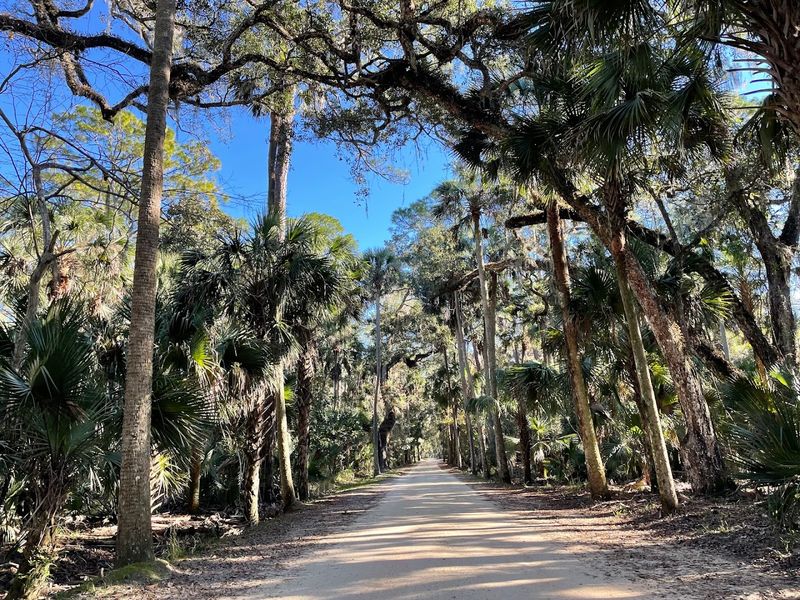
Few trails in Florida feel quite as cinematic as the one leading through Bulow Plantation Ruins Historic State Park. Massive live oak trees stretch their arms overhead, draped in curtains of Spanish moss, creating a natural canopy that blocks out the Florida sun and keeps the air surprisingly cool.
Walking this trail, you almost expect to spot a ghost around every bend.
The path winds through a lush coastal hammock ecosystem filled with saw palmetto, wild ferns, and towering trees that have stood for generations. One reviewer perfectly described it as feeling like a “Florida jungle.” The trail is well-maintained and easy enough for most ages, making it a great pick for families.
At just 0.3 miles from the picnic area to the ruins, even younger kids can handle it without complaints. Wear comfortable shoes and bring bug spray just in case.
The Haunting History of the Bulow Family Plantation
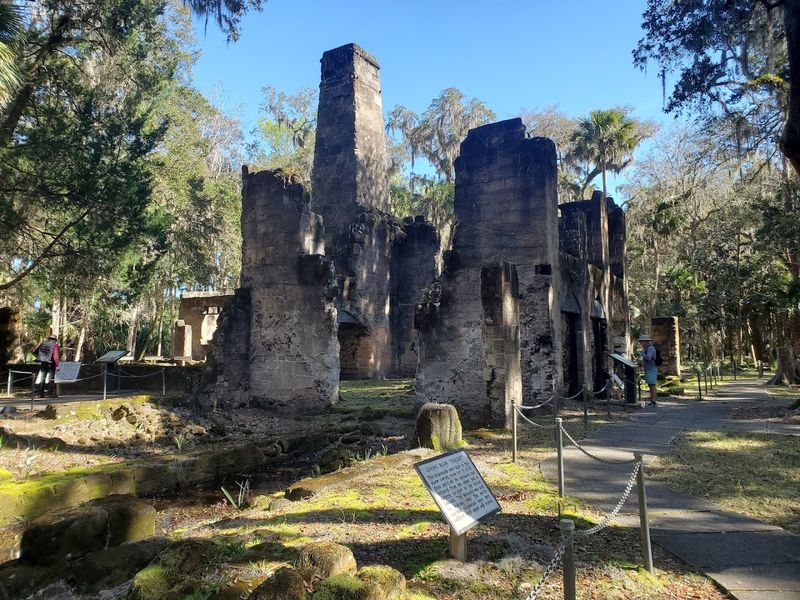
Major Charles Wilhelm Bulow established this plantation in the 1820s, turning hundreds of acres of Florida wilderness into one of the most productive sugar operations in the entire region. After he died, his son John Joachim Bulow inherited the estate — and things got complicated fast.
The plantation relied entirely on the labor of enslaved people, a dark reality the park does not shy away from acknowledging.
When the Second Seminole War broke out in 1836, Seminole warriors burned the plantation to the ground, effectively ending the Bulow family’s time in Florida. What remained were the stone structures that fire could not destroy.
Visiting today, you get a layered sense of history — the ambition, the injustice, and the dramatic collapse of an empire built in the Florida wilderness. Educational plaques throughout the park help tell the full, honest story of what happened here.
Tabby Slave Cabin Remains Hidden Along a Side Trail
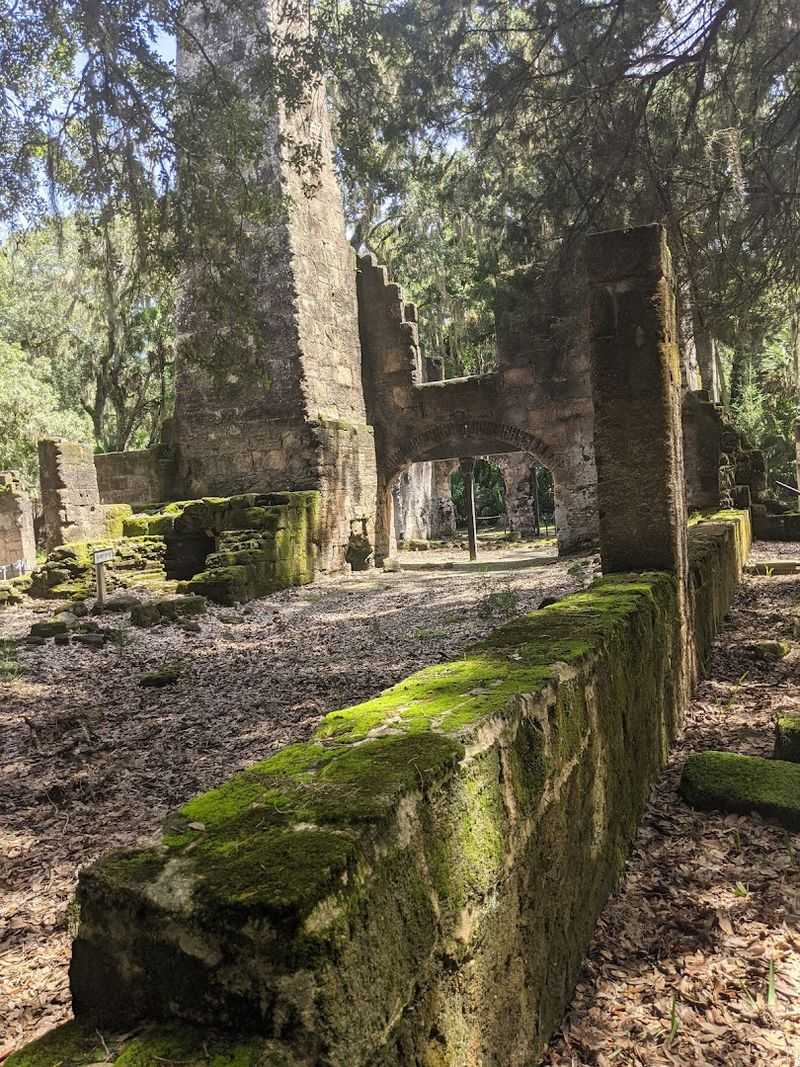
Behind the main picnic area, a small and easy-to-miss trail leads to one of the most sobering spots in the entire park — the remains of tabby slave cabins. Tabby is a building material made from oyster shells, lime, sand, and water, commonly used in the antebellum South.
These humble foundations are all that remain of the living quarters where enslaved people were forced to live while working the plantation.
It is a quiet, reflective spot that many visitors say stays with them long after they leave. Standing there, surrounded by the sounds of birds and rustling palms, you feel the weight of what this land witnessed.
One visitor noted that the park helps you “appreciate the hard work of slaves” in a meaningful, respectful way. Do not skip this trail — it adds crucial context to everything else you see in the park.
Bulow Creek Canoe and Kayak Trail
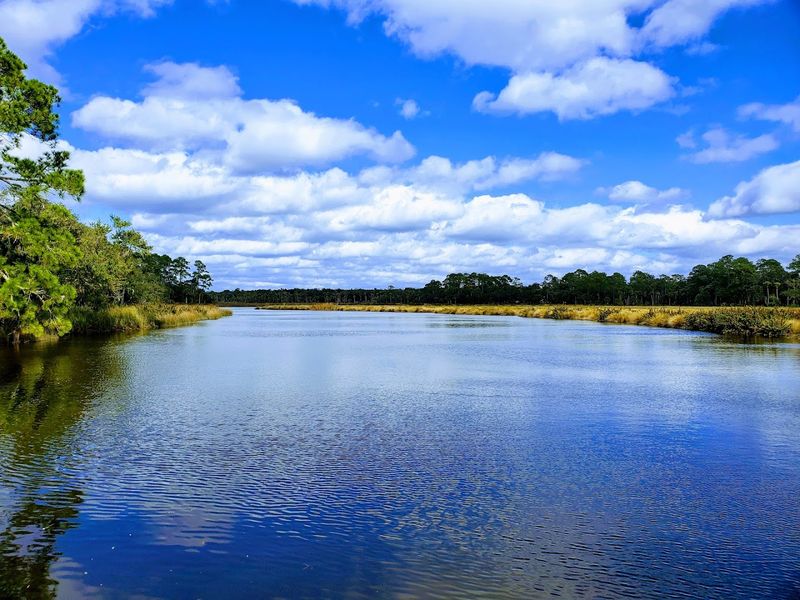
Bulow Creek is one of those places that makes you forget the modern world exists. The park features a canoe and kayak launch right on Bulow Creek, offering paddlers a serene journey through a protected coastal waterway lined with ancient cypress trees and dense subtropical vegetation.
The water is dark and mirror-like, reflecting the tree canopy above in a way that feels almost dreamlike.
Several visitors have launched kayaks here early in the morning and found themselves completely alone on the water — no crowds, no noise, just nature doing its thing. The creek is part of the Bulow Creek State Park system, meaning the surrounding land is protected and largely undeveloped.
Wildlife sightings are common, including wading birds, turtles, and even the occasional alligator. Bring your own kayak or canoe, pack some snacks, and plan to spend at least a couple of relaxing hours on the water.
Affordable Entry With an Honor System Fee Box
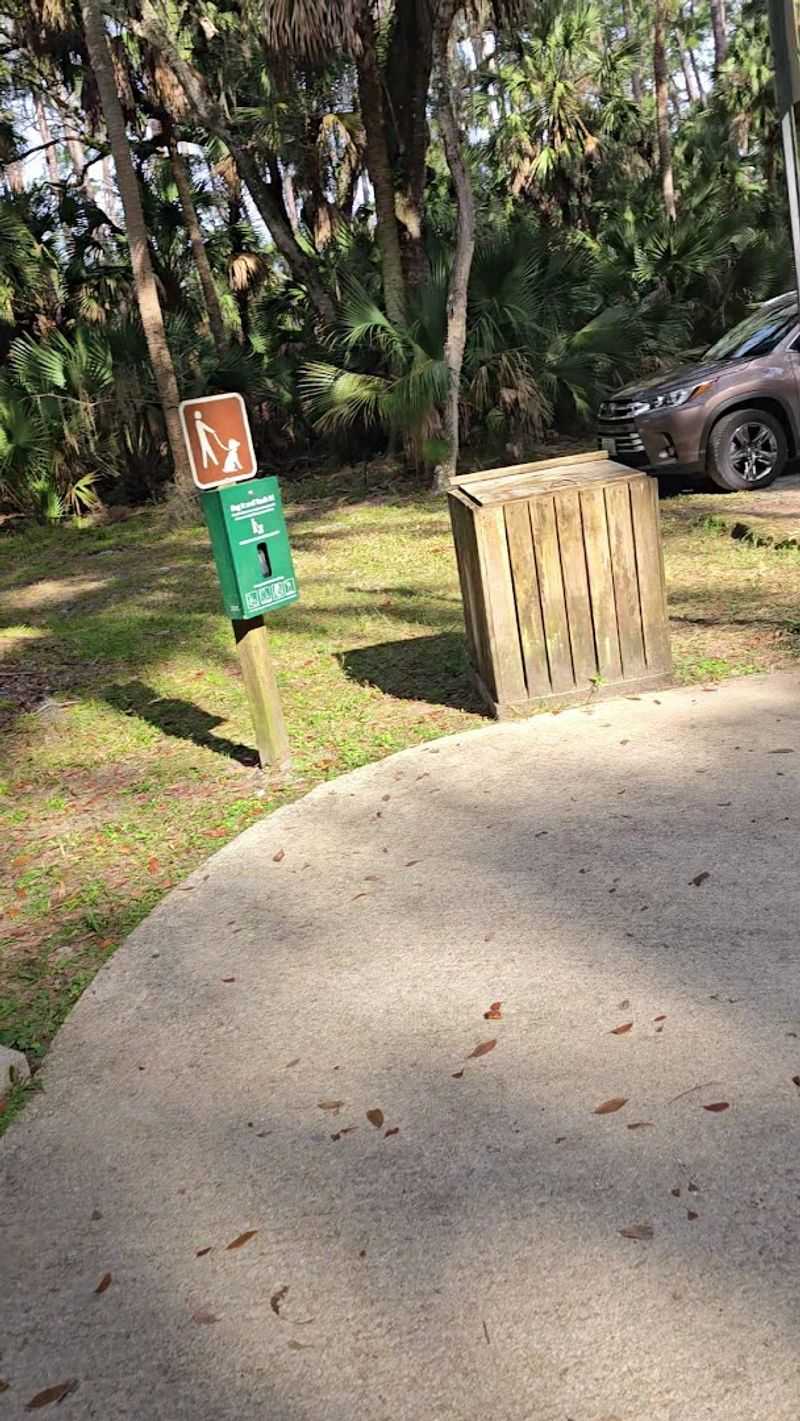
Not every great experience has to cost a fortune, and Bulow Plantation Ruins is proof of that. Entry to the park runs just four dollars per vehicle, collected through a simple honor system — you place cash in an envelope and drop it in the fee box.
There is also a QR code available if you prefer to pay digitally, which is a handy modern touch for a park that otherwise feels wonderfully old-fashioned.
Pedestrians and cyclists pay just two dollars, making this one of the most budget-friendly outdoor experiences in all of Florida. Several reviewers mentioned that the fee feels more than worth it given how much there is to see and do.
Just remember to bring exact change since the fee box does not make change. The park is open Thursday through Monday from 9 AM to 5 PM, so plan your visit on an open day to avoid disappointment.
Dog-Friendly Trails Perfect for a Weekend Outing
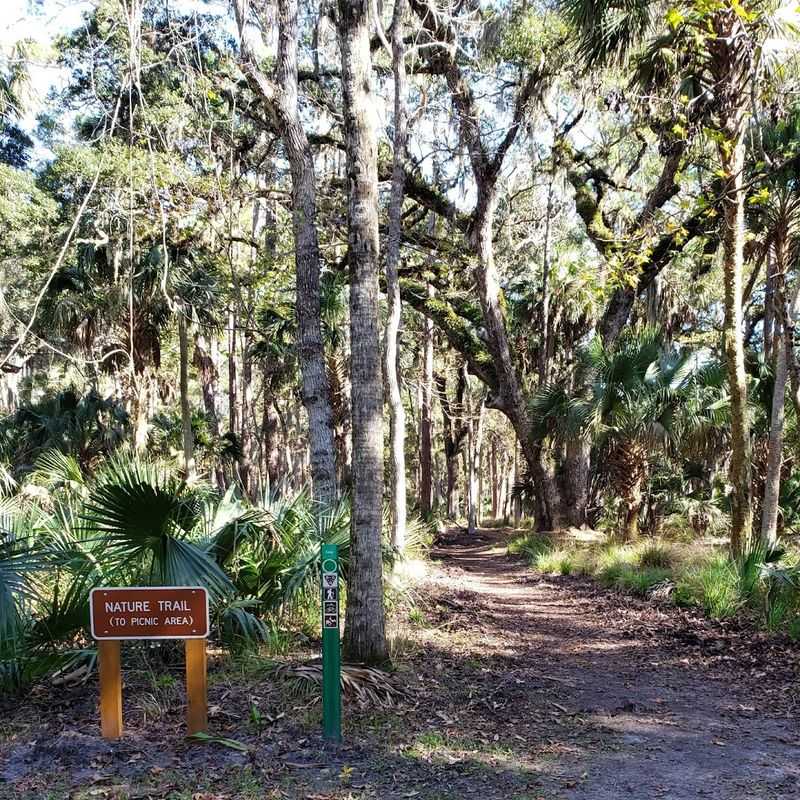
Got a four-legged adventure buddy? Bulow Plantation Ruins is a dog-friendly park, which makes it a fantastic weekend outing for pet owners who want to mix fresh air with a little history.
The shaded trails are comfortable for dogs even on warmer Florida days, and the cool canopy of live oaks keeps the temperature manageable. Just keep your pup on a leash as required by park rules.
One reviewer raved about visiting on a chilly day with a beautiful breeze, calling it a perfect trip to take after Thanksgiving. The park’s peaceful, uncrowded atmosphere means your dog gets plenty of space to sniff around without being overwhelmed by crowds.
Water bowls are not provided, so pack extra water for your furry companion. The combination of interesting smells, shaded paths, and open picnic areas makes this a genuinely enjoyable outing for both dogs and their humans.
Educational Interpretive Displays and Artifact Exhibits
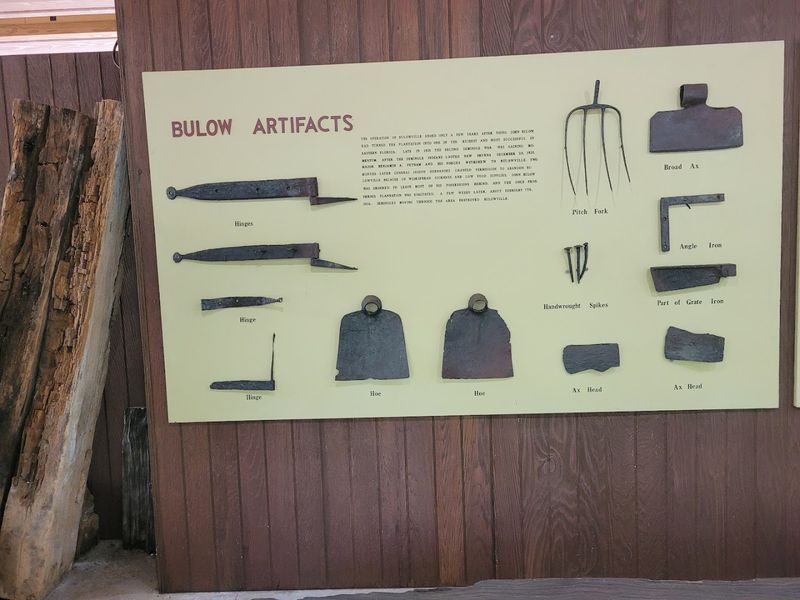
History comes alive in a completely different way when you can see the actual tools people used hundreds of years ago. Bulow Plantation Ruins features well-maintained interpretive displays and artifact exhibits that explain how sugar cane was harvested and processed in the brutal Florida heat during the 1800s.
Glass-enclosed cases protect old tools and household items that give you a tangible connection to the people who once lived and worked here.
Multiple reviewers praised the quality and detail of these educational displays, with one noting they wished they had found the park sooner. The signs are written in a clear, accessible way that both kids and adults can easily follow.
A few visitors did mention that some parts of the display could use updating, but overall the exhibits are informative and well-organized. Plan to spend some extra time reading the plaques — the history here is genuinely fascinating and layered with complexity.
Picnic Areas Shaded by Ancient Live Oaks
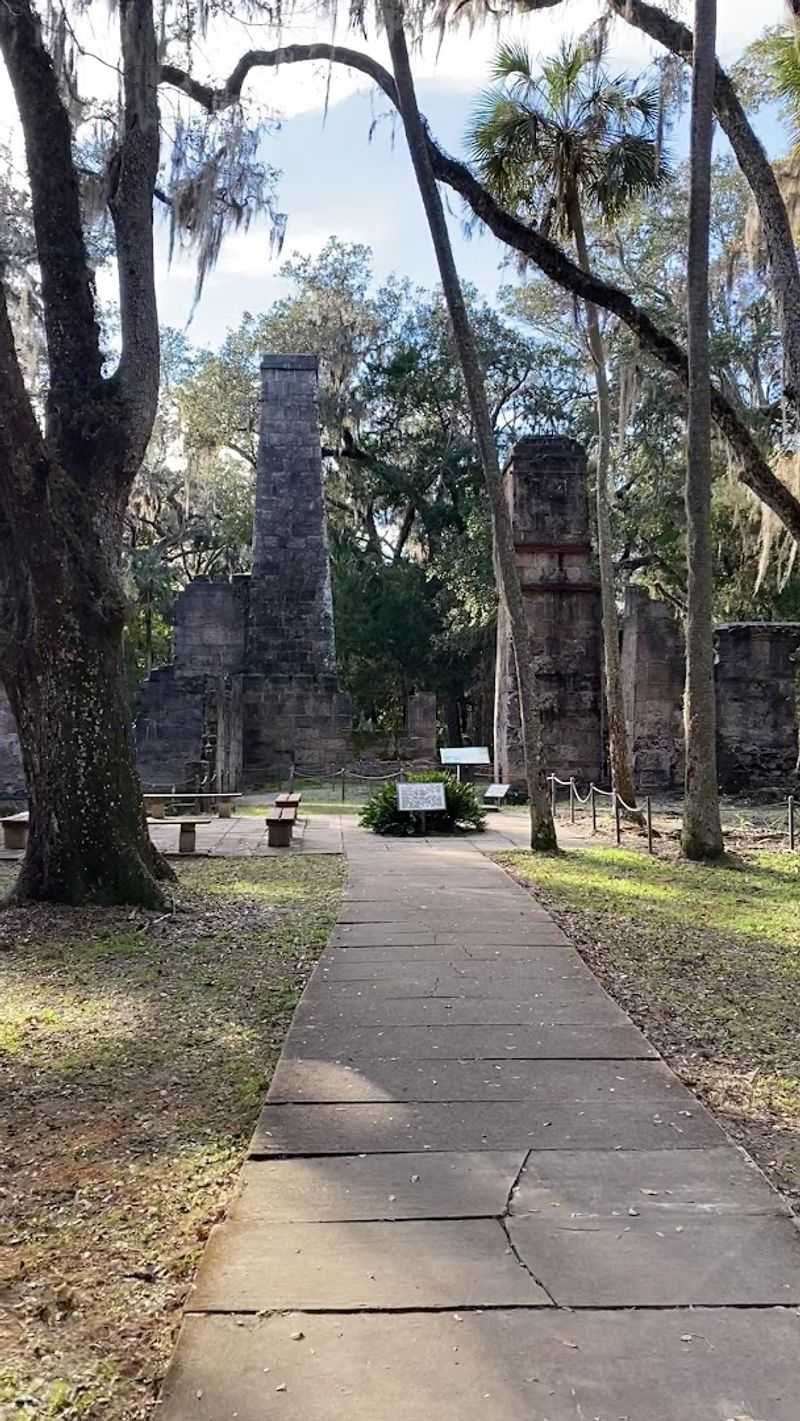
After exploring the trails and ruins, settling down at one of the park’s shaded picnic areas feels like the perfect reward. Enormous live oak trees — some of them hundreds of years old — spread their wide branches overhead, creating natural shade that makes outdoor dining genuinely pleasant even in warmer months.
The setting is quiet, green, and surprisingly peaceful for a place so rich in turbulent history.
Picnic tables are scattered throughout the area, giving families plenty of room to spread out. Pack a cooler with sandwiches and cold drinks, and you have got yourself a full afternoon adventure without spending much money at all.
The picnic area is also conveniently located near the trailhead leading to the sugar mill ruins, so you can fuel up before or after your walk. Clean restroom facilities are available nearby, which is always a welcome bonus on a family outing.
A Boat Ramp for Anglers and Water Lovers
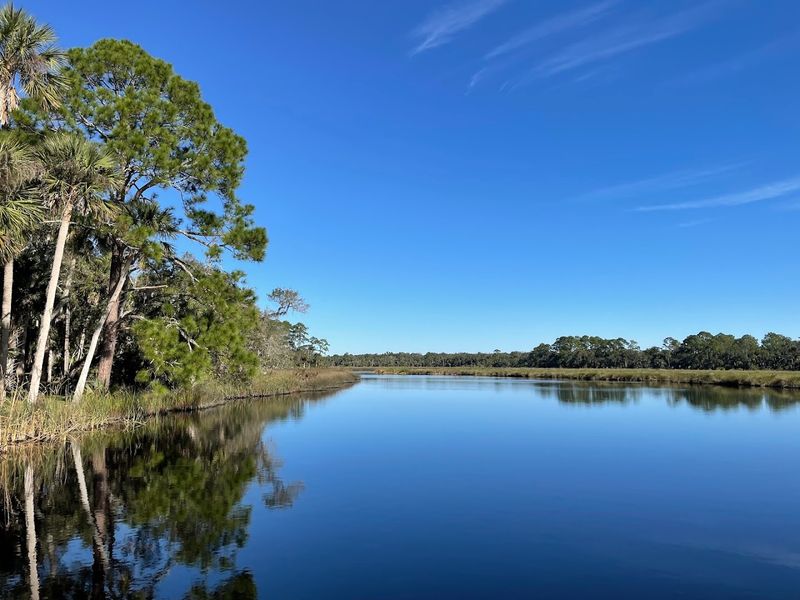
Beyond the ruins and trails, Bulow Plantation Ruins Historic State Park also offers a fully accessible boat ramp — a feature that surprises many first-time visitors. The ramp provides easy water access to Bulow Creek, making it a popular spot for anglers, kayakers, and boaters who want to explore the waterway at their own pace.
There is even dedicated parking space for trucks pulling trailers, so launching a boat is straightforward and stress-free.
Fishing off the small dock is another relaxed option for those who prefer to stay on dry land. Visitors have spotted various fish species in the creek, adding to the outdoor appeal of the park beyond its historical significance.
Whether you are launching a kayak, dropping a fishing line, or simply watching the water drift by, this corner of the park offers a completely different kind of enjoyment. It rounds out the experience beautifully for outdoor enthusiasts of all kinds.
Six-Mile Hiking Trail for the More Adventurous Visitor
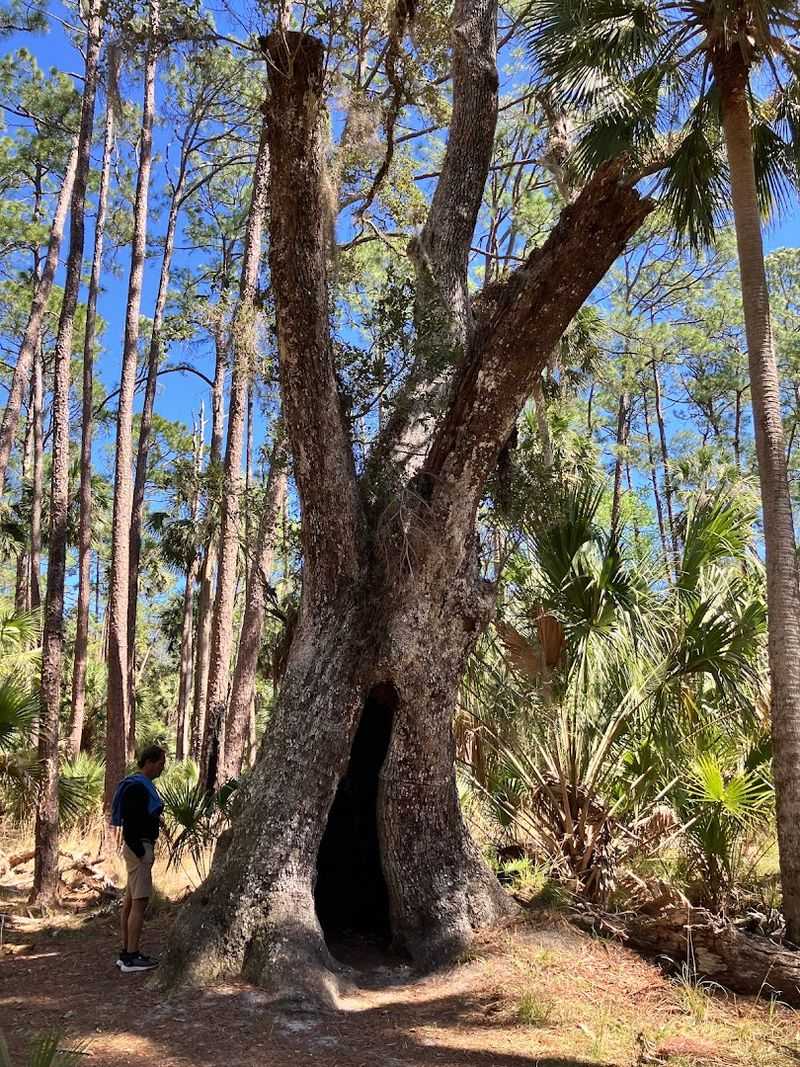
For those who want more than a short stroll, the park offers access to a six-mile hiking trail that winds deep into the surrounding coastal hammock. This longer trail connects different sections of the park and offers a much more immersive experience in Florida’s wild, subtropical landscape.
One enthusiastic reviewer said the trail made them want to hike the full 6.8 miles from the oak — high praise from someone who clearly fell in love with the place.
The trail passes through varied terrain including shaded hammock forest, open palmetto scrub, and even a scenic little footbridge over Cedar Creek. Hikers have described the view from that bridge as genuinely breathtaking.
Fair warning — once the Florida sun comes out and the humidity kicks in, the trail gets noticeably more demanding. Start early in the morning, bring plenty of water, and wear lightweight, moisture-wicking clothing to make the most of the experience.
Convenient Location Near Flagler Beach and Ormond Beach
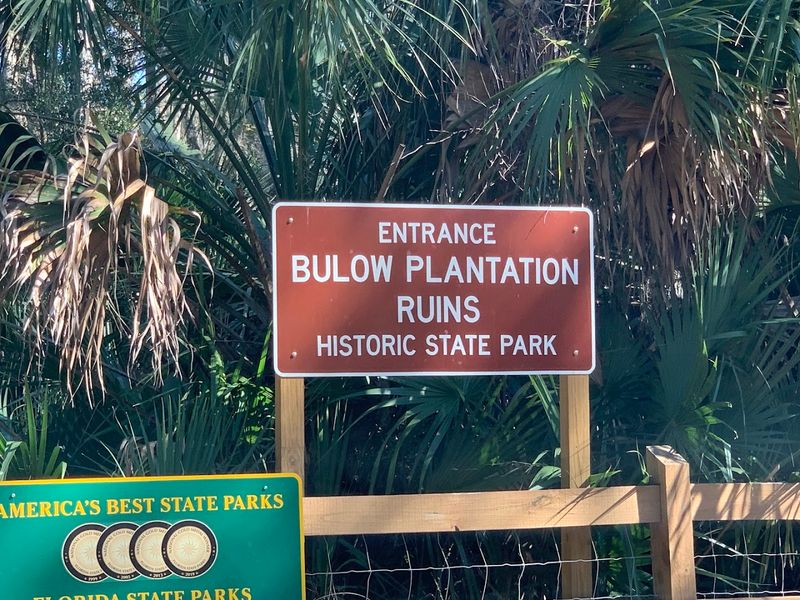
One of the best things about Bulow Plantation Ruins is how easy it is to work into a broader Florida road trip or beach vacation. Located at 3501 Old Kings Rd in Flagler Beach, the park sits within easy driving distance of popular destinations like Flagler Beach, Ormond Beach, and the famous Loop road — a scenic drive beloved by motorcyclists and road trippers alike.
You really can squeeze in a meaningful history stop without disrupting a beach day.
Several visitors discovered the park simply by noticing road signs while staying nearby, and ended up calling it one of the highlights of their entire trip. The park feels miles away from the hustle of tourist areas, yet it is genuinely close to everything.
Whether you are coming from Daytona Beach to the south or St. Augustine to the north, Bulow Plantation Ruins makes for an ideal and memorable detour worth every minute of your time.
A Photographer’s Dream Spot Full of Natural Beauty
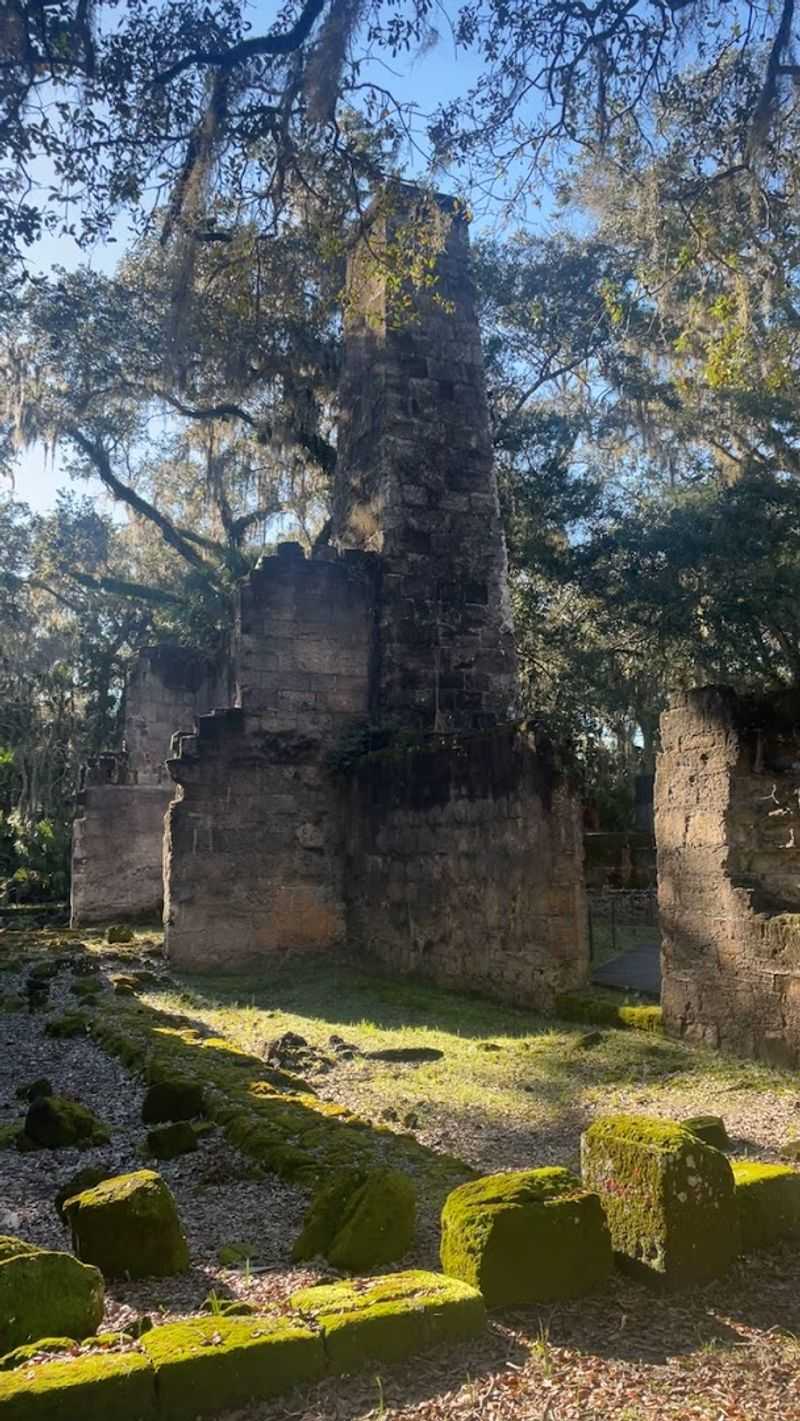
More than a few visitors have described Bulow Plantation Ruins as one of the best photography spots they have ever stumbled upon in Florida. The combination of ancient stone walls, towering oaks draped in Spanish moss, dark creek water, and dappled golden light creates an almost painterly atmosphere that is genuinely difficult to capture in words.
One local photographer called it a “really good spot to test your photography skills” — and that is putting it mildly.
Early morning visits are especially rewarding, when soft light filters through the tree canopy and mist sometimes rises off Bulow Creek. The ruins glow warmly in late afternoon sun, making golden hour visits equally spectacular.
There are no massive crowds to dodge, so you can take your time composing shots without feeling rushed. From macro shots of the textured coquina walls to wide landscape frames of the trail, creative opportunities are absolutely everywhere you look.
Enjoyed this story?
Add Fast Food Club as a preferred source to see more of our reporting on Google.