


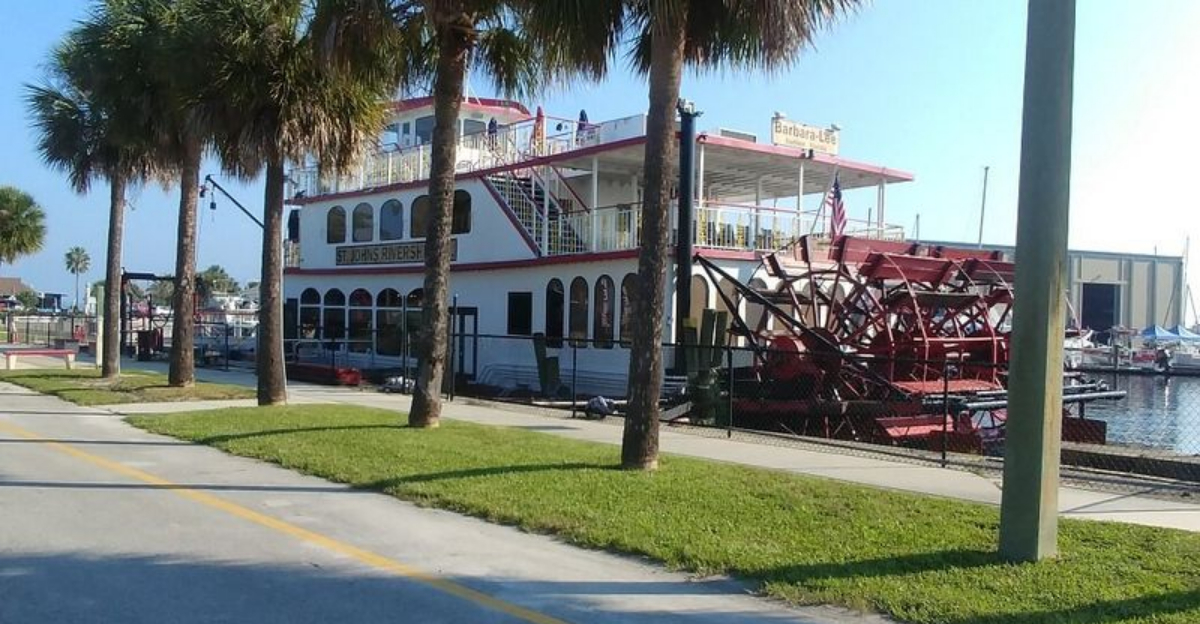
Imagine living in a charming Florida town where your paycheck actually stretches far enough to cover everything you need. Along the banks of the legendary St. Johns River, small communities offer surprisingly affordable living without giving up the beauty of natural Florida.
From low rent to budget-friendly grocery stores, life here can truly cost around $1,300 a month. If you have been searching for a place where your dollar goes further, this river town might just be your answer.
Affordable Rent Along the River
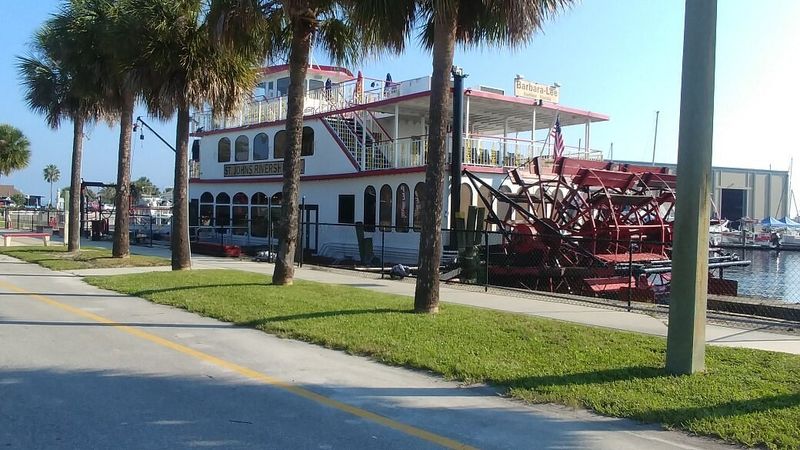
Rent is usually the biggest chunk of anyone’s budget, but towns along the St. Johns River flip that script entirely. One-bedroom apartments in communities like Palatka or Sanford can run as low as $700 to $850 per month, leaving serious breathing room in your wallet.
Many of these rentals come with covered parking, small yards, or even water views that would cost triple in Miami or Orlando. Landlords in these quieter towns tend to be more flexible with lease terms, too.
Because demand is lower than in big Florida cities, renters often find move-in specials or reduced deposits. That alone can make the first month far less stressful.
Living affordably does not mean living poorly here — it means living smartly, with the St. Johns River practically in your backyard as a daily bonus.
Grocery Bills That Stay Low
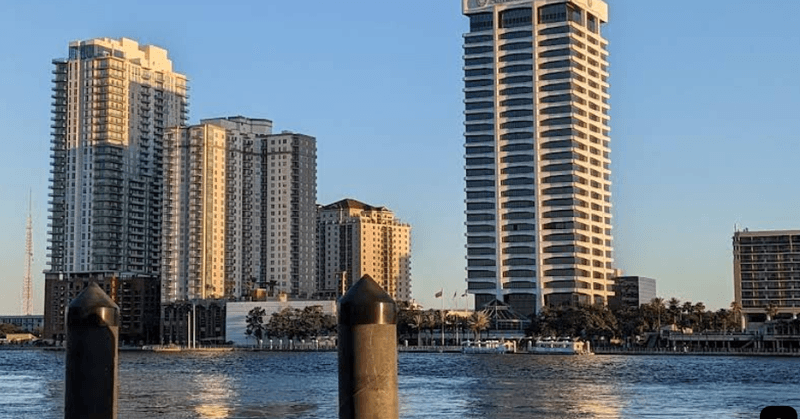
Food costs in river towns along the St. Johns are noticeably friendlier than in Florida’s bigger metros. A weekly grocery run for one person can easily stay under $60, especially when you shop at local discount chains or farmers markets scattered throughout the region.
Fresh fish is practically a community staple here. Locals often catch bass, crappie, and shad right from the St. Johns River, which can cut your protein costs down to almost nothing during fishing season.
Roadside produce stands pop up regularly, selling fresh citrus, tomatoes, and squash at prices that feel almost too good. Stocking up on seasonal Florida produce keeps your grocery bill lean without sacrificing nutrition.
When your food budget runs around $200 to $250 monthly, that $1,300 lifestyle suddenly feels completely realistic and even comfortable.
Utility Costs That Won’t Shock You
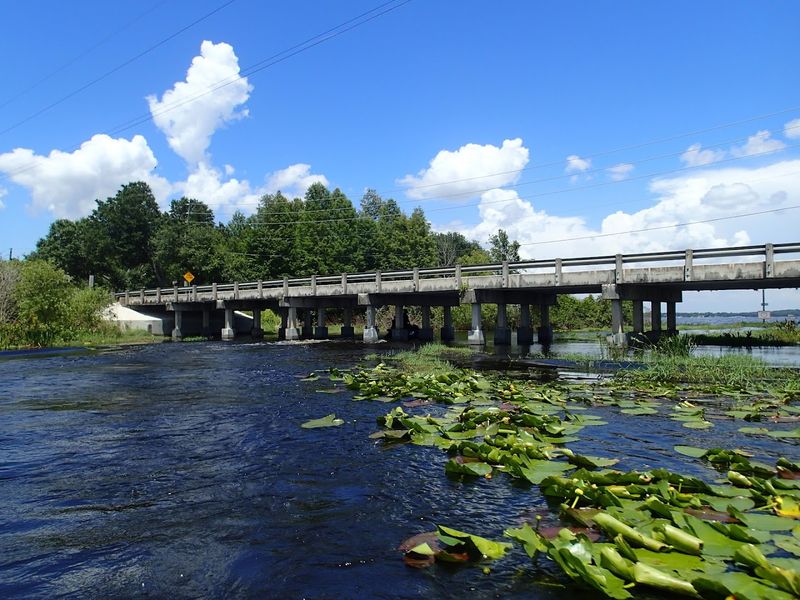
Florida summers are hot, no question about it — but utility bills in St. Johns River towns tend to be much more manageable than people expect. Average monthly electricity costs for a one-bedroom unit hover around $80 to $110, especially in older, shaded homes with good cross-ventilation.
Water bills in these smaller municipalities are typically low, often running $20 to $35 per month. Many towns along the river have older, well-maintained water infrastructure that keeps rates stable year after year.
Internet service in the area has also improved significantly, with basic plans available for around $40 to $50 monthly. When you add electricity, water, and internet together, staying under $200 for utilities is very achievable.
That kind of predictability makes budgeting feel less like guesswork and more like a solid, reliable plan you can actually stick to every month.
Free Entertainment on the Water
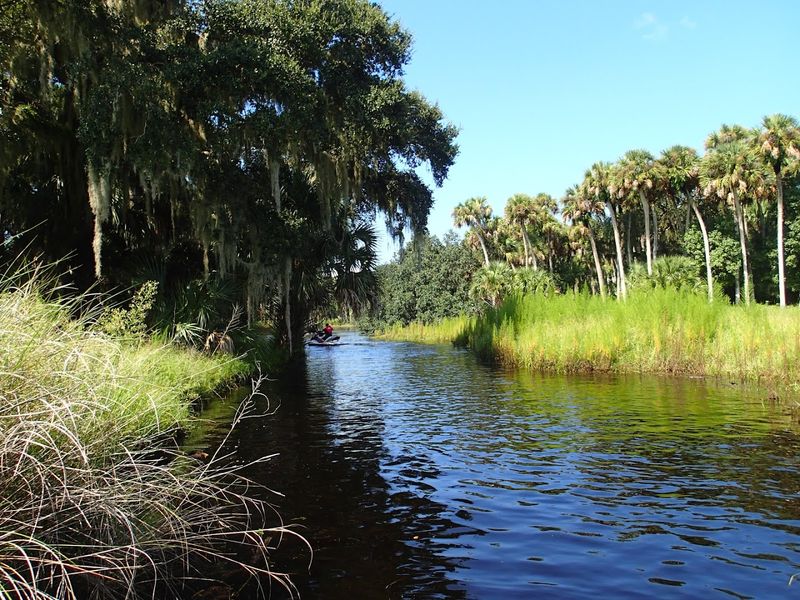
Here is something most city dwellers never experience: world-class entertainment that costs absolutely nothing. The St. Johns River is 310 miles of free fun, stretching across some of the most scenic waterways in the entire country.
Kayaking, canoeing, birdwatching, and fishing are everyday activities for locals — and none of them require an expensive membership or ticket. Bald eagles, great blue herons, ospreys, and even manatees can be spotted on a regular morning paddle without spending a single dollar.
Reviewers consistently call the St. Johns one of the best outdoor adventure spots in Florida, and it earns that reputation daily. Swapping Netflix nights for sunset river floats is not a sacrifice — it is genuinely a lifestyle upgrade.
When your entertainment budget drops close to zero because nature provides everything, that $1,300 monthly target becomes surprisingly easy to hit.
Transportation Savings in a Small Town
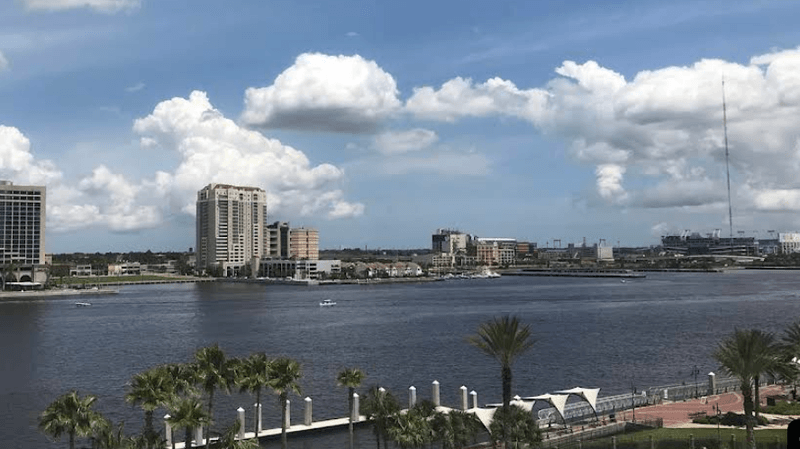
One underrated perk of living in a small river town is how little you actually need to drive. Many St. Johns River communities are compact enough that errands, work, and daily needs are all within a short distance of each other.
Gas costs drop dramatically when your daily commute is measured in minutes rather than miles. Some residents even rely on bicycles for most of their local travel, cutting transportation expenses down to almost nothing beyond basic maintenance.
Car insurance rates in rural and semi-rural Florida counties are also notably lower than in metro areas like Tampa or Jacksonville. Drivers in smaller counties often pay $80 to $120 less per month on premiums alone.
When you factor in reduced fuel costs and lower insurance rates together, transportation can realistically fit into a $150 to $200 monthly slice of that tight $1,300 budget without much effort.
Dining Out Without Breaking the Bank
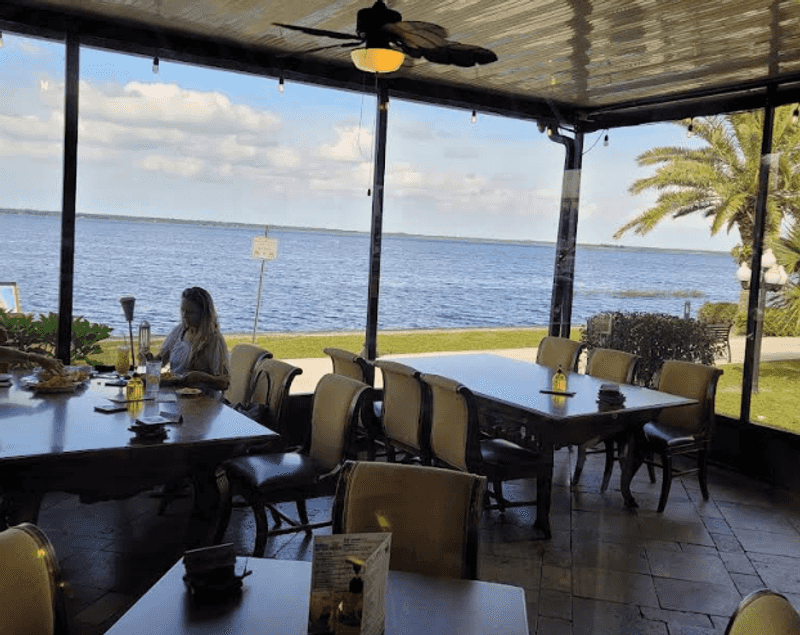
Small towns along the St. Johns River have a refreshing food scene that feels nothing like the overpriced tourist traps found in bigger Florida destinations. Local diners, fish shacks, and family-owned barbecue spots serve generous portions at prices that make you do a double-take.
A full plate of fresh catfish, hush puppies, and coleslaw at a riverside spot might run you $10 to $12. Breakfast at a local diner — eggs, toast, grits, and coffee — often stays under $8.
These are not fast food prices; they are real, home-cooked meals at community-friendly rates.
Eating out two or three times a week on a budget is completely realistic here. Locals tend to support the same handful of beloved spots for years, which keeps prices honest and portions generous.
Your dining budget can stay around $100 monthly without ever feeling like you are missing out on good food.
Healthcare Options at Lower Costs

Healthcare affordability is a real concern for budget-conscious movers, and towns along the St. Johns River region offer some practical advantages. Community health centers and federally qualified health clinics operate in several nearby counties, offering sliding-scale fees based on income.
Prescription costs at local pharmacies tend to be competitive, and generic medication programs at regional pharmacy chains keep monthly prescription budgets manageable. Many residents also take advantage of Florida’s various insurance marketplace plans, which can be quite affordable for individuals in lower income brackets.
Dental and vision clinics in smaller towns often charge significantly less than their big-city counterparts for routine care. Annual checkups, cleanings, and basic prescriptions can be budgeted at around $50 to $75 per month when planned carefully.
Staying healthy near the St. Johns River is helped along by the active outdoor lifestyle, which naturally reduces some healthcare needs over time.
The Magic of Manatee Season
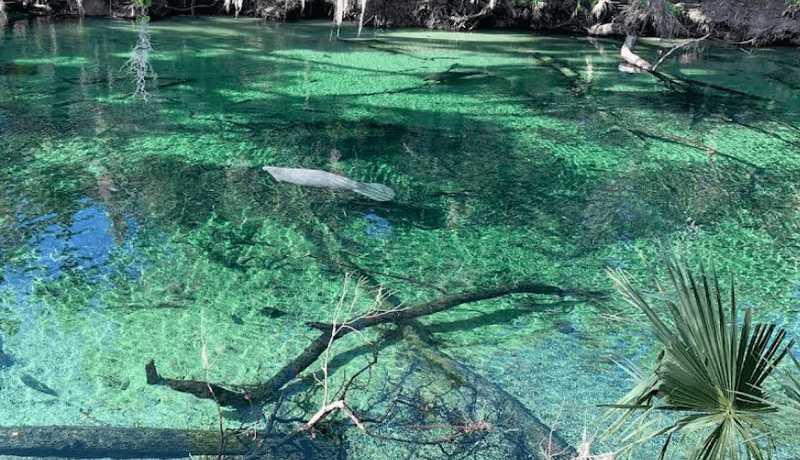
Every winter, one of nature’s most heartwarming spectacles happens right in the St. Johns River — manatees gather in the warm spring-fed waters, and watching them costs nothing at all. Blue Springs State Park, located along the river, is one of the best spots in the entire world to see these gentle sea cows up close.
Visitor reviews glow about manatee babies swimming alongside their mothers in the crystal-clear springs. Park entry fees are modest, typically around $6 per vehicle, making it one of the most affordable wildlife experiences anywhere in America.
For residents of nearby towns, this is not a vacation highlight — it is a regular winter weekend activity. Living somewhere that gives you front-row access to manatee gatherings, osprey hunts, and alligator sunbathing sessions is the kind of perk no apartment listing can fully capture.
Nature here is genuinely part of the lifestyle.
Low Property Taxes and Homeownership Potential
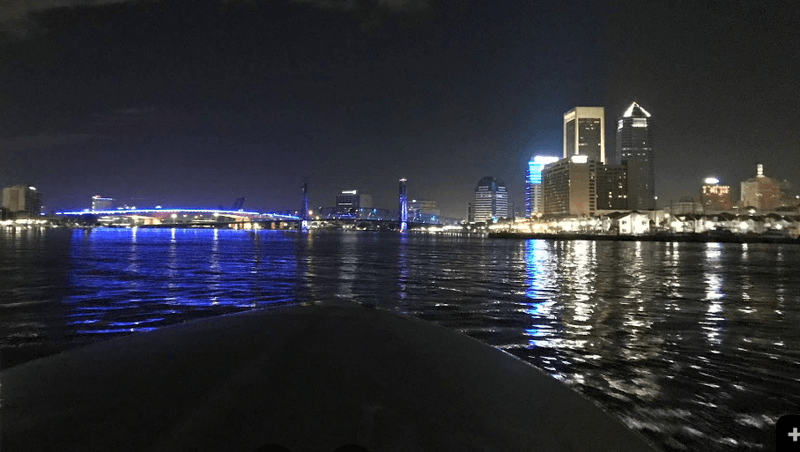
Renting is not the only affordable option along the St. Johns River corridor. Home prices in towns like Palatka, Green Cove Springs, and Welaka remain well below the Florida state average, making homeownership a realistic goal for working-class buyers.
Median home prices in some of these communities hover around $150,000 to $180,000, which translates to monthly mortgage payments that can actually compete with rent in other parts of Florida. Florida’s homestead exemption also reduces property tax bills for primary residents, adding another layer of long-term savings.
Owning a small home near the river means building equity instead of just paying a landlord every month. For families or individuals ready to plant roots, the St. Johns River region offers a rare combination of affordability and quality of life that is increasingly hard to find anywhere in the Sunshine State.
The financial math genuinely works here.
A Community That Moves at a Slower Pace
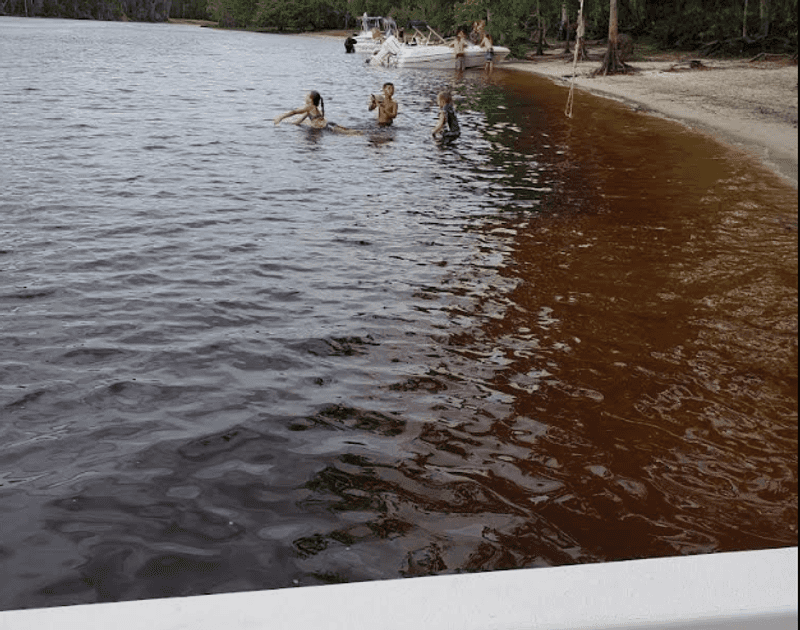
One resident who lives less than a block from the St. Johns River put it perfectly in a review: people out here move a little slower, and honestly, that is a feature, not a flaw. Small-town life along the river comes with a warmth and unhurried energy that is genuinely hard to put a price on.
Neighbors know each other. Local events are free or nearly free.
Community gatherings at the waterfront, fishing tournaments, and seasonal festivals bring people together without requiring anyone to spend much money at all.
That slower pace also tends to reduce stress-driven spending — fewer impulse purchases, fewer expensive nights out, and more time enjoying what is already around you. Living intentionally in a community that values connection over consumption naturally supports a leaner budget.
The St. Johns River lifestyle quietly teaches you that the best things really do cost very little.
Fishing as a Lifestyle and a Budget Hack
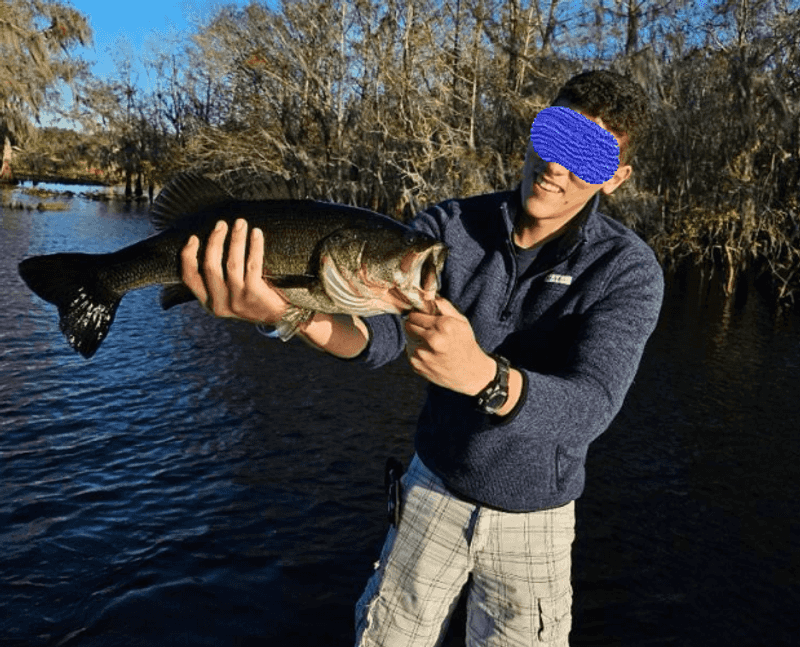
Ask any longtime St. Johns River local about their grocery strategy and fishing will come up almost immediately. The river is legendary among anglers for its largemouth bass, crappie, bluegill, shad, and even saltwater species that push upstream with the tides.
A basic fishing license in Florida runs about $17 for a year for residents, making it one of the most cost-effective food sources imaginable. Catching dinner a few nights a week during peak seasons is genuinely normal life for people who grow up along the St. Johns.
Reviews from longtime river visitors describe the shad run from late December through February as an almost magical annual event, with fish practically jumping into your boat. Bass fishing is productive year-round.
When fresh, wild-caught fish replaces store-bought protein several nights a week, your monthly food budget shrinks in a very satisfying way.
Airboat Tours and Outdoor Adventures on a Budget
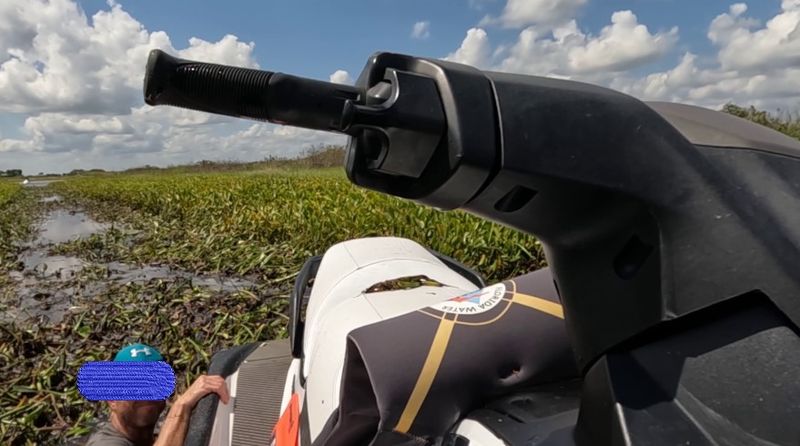
Not everything along the St. Johns River is free, but even the paid experiences are surprisingly affordable compared to Florida’s more touristy destinations. Airboat tours through the river’s vast marshlands typically run $25 to $40 per person, offering an adrenaline-filled look at alligators, birds, and wild Florida scenery that no theme park can replicate.
For locals, these tours become occasional treats rather than budget-busting splurges. Many outfitters offer discounts for residents or repeat customers, making it easy to experience the river in a new way without guilt about the cost.
Paddling options are even cheaper — kayak and canoe rentals along the river start around $15 to $20 for a half day. Exploring the cypress-lined backwaters and quiet coves of the St. Johns by paddle is one of those experiences that costs almost nothing but leaves memories that last for years.
Why the $1,300 Lifestyle Actually Works Here
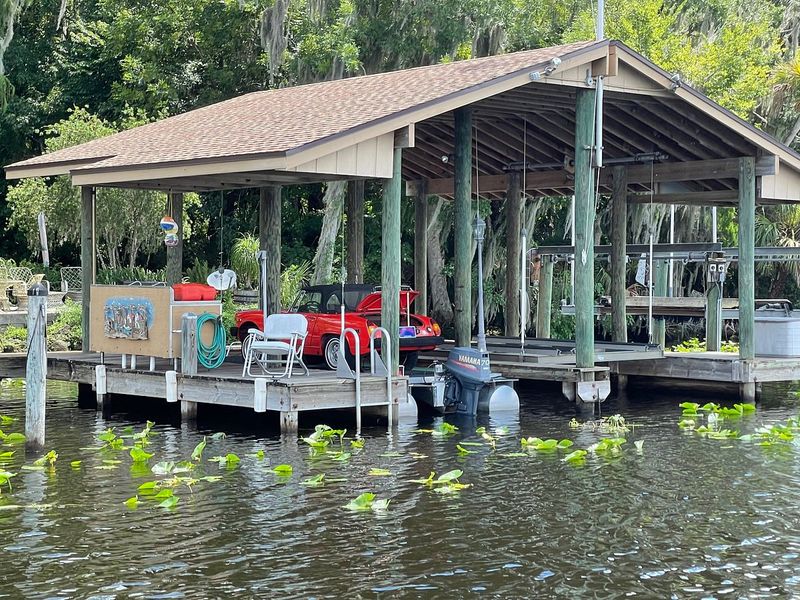
When you add everything up — rent around $800, groceries near $220, utilities under $200, transportation at $150, and occasional dining and entertainment at $100 — the $1,300 monthly budget along the St. Johns River is not just a fantasy. It is a math problem with a real solution.
The key ingredient is location. Towns like Palatka, Welaka, and Green Cove Springs sit in a sweet spot where Florida’s natural beauty is abundant but developer money has not yet inflated every price tag.
That gap creates genuine opportunity for people willing to trade urban convenience for riverfront peace.
Reviewers who have lived near or visited the St. Johns consistently describe it as one of the most atmospheric, wildlife-rich, and underappreciated rivers in the country. Living affordably along its banks is not settling for less — it is choosing a richer life on your own terms, at a price that actually makes sense.
Enjoyed this story?
Add Fast Food Club as a preferred source to see more of our reporting on Google.