


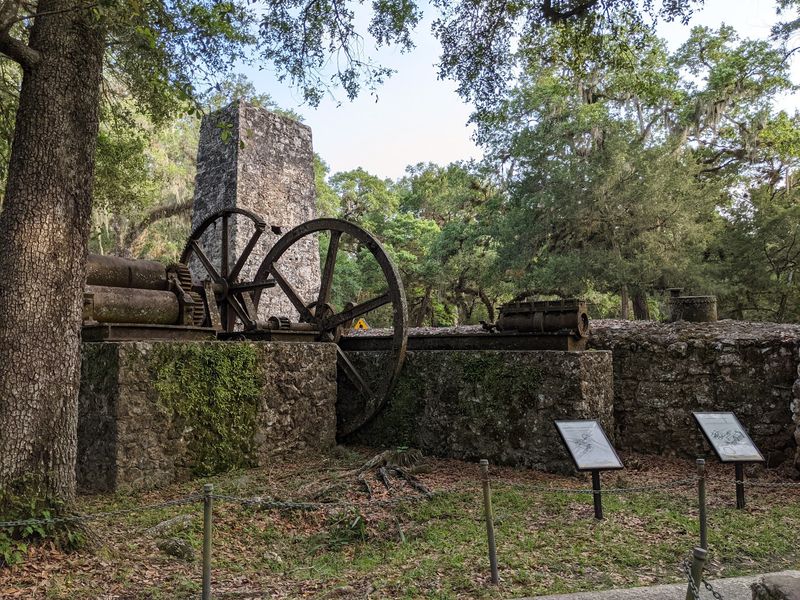
Along a busy country road in Florida sits a set of stone and iron remains that once powered a plantation spread across thousands of acres. Cars zip past all day, and plenty of drivers never realize they are cruising right by a piece of the 1800s.
The chimney, the gears, and the old cane press have all outlasted more than a century and a half of Florida weather. This little roadside stop asks for only a few minutes of your time, yet it hands back a slice of history most people never learn about.
Keep reading to find out where it hides, what still stands, and why curious travelers keep pulling over to walk through it.
Where the Old Mill Still Stands
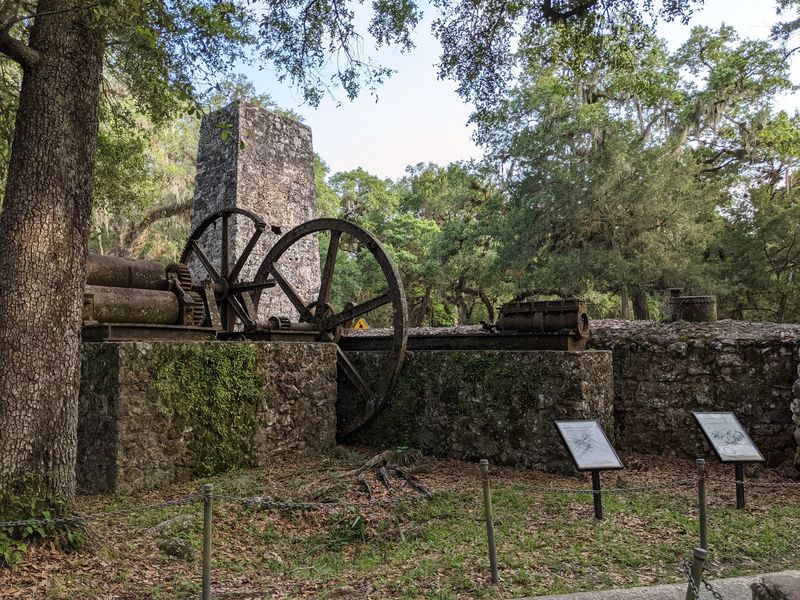
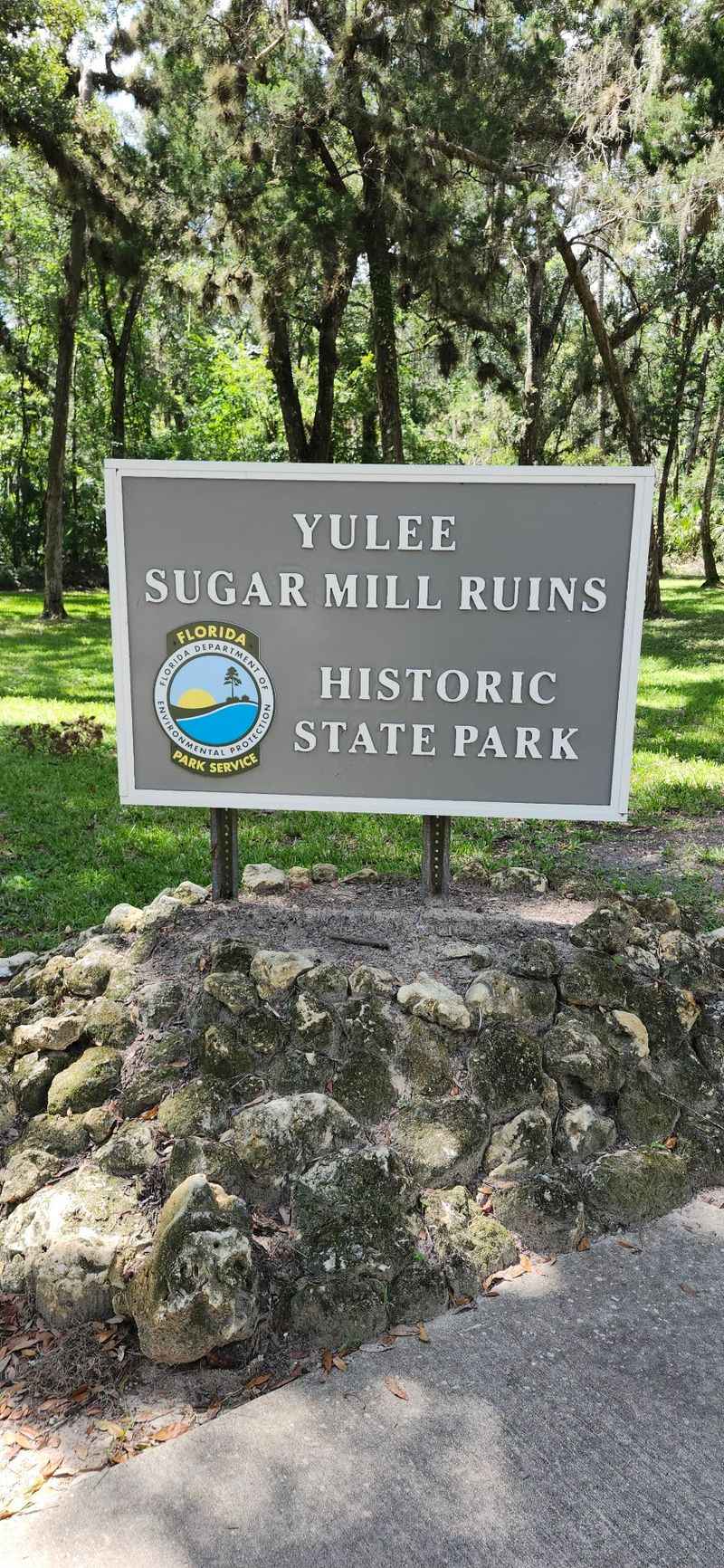
Tucked along Co Rd 490 in Homosassa, Florida, the Yulee Sugar Mill Ruins Historic State Park hugs the edge of a road that stays busier than most people expect. The ruins sit on one side, and a small parking lot waits on the other.
Crossing that road takes a little patience since traffic runs steady throughout the day. Once you make it over, the walk to the remains is short and easy.
The park itself is compact, and that surprises a lot of first-timers who expect a long driveway leading up to something grand. Instead, the history is right there at the roadside, waiting to be noticed.
What makes it worth the pause is the mix of stone, iron, and old machinery that has held on for generations. The site is free to enter and open around the clock, which makes it an easy detour for anyone passing through the region.
A Plantation That Once Sprawled for Miles
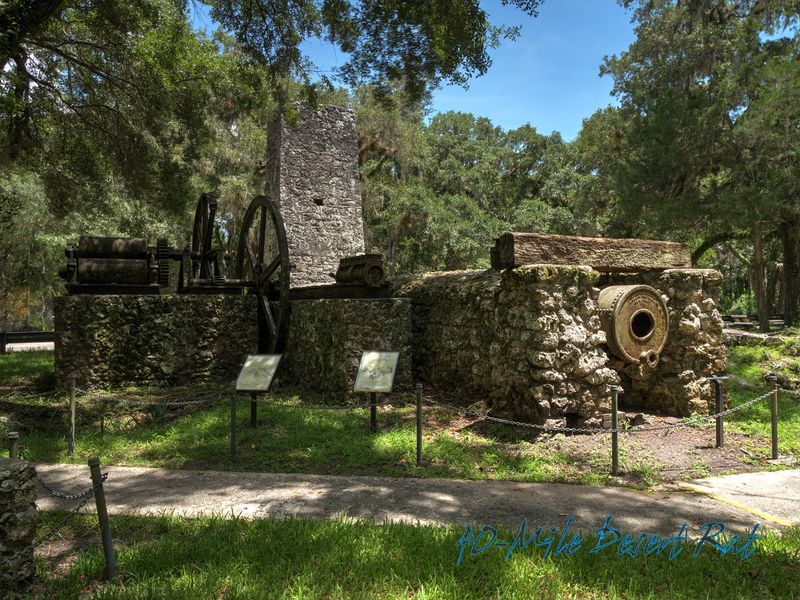
Long before it became a quiet roadside stop, this land was part of a working sugar plantation that stretched across about 5,100 acres. That is a scale hard to picture when you see the small footprint that remains today.
The steam-driven mill operated from 1851 to 1864, turning raw sugarcane into products that were shipped out and used widely. During the Civil War, the mill served as a supplier of sugar products for Southern troops.
That role gives the site a weight beyond its size. The machinery you see now was once part of a busy operation that fed a much larger economy.
Reading the history here shifts your perspective fast. What looks like a modest cluster of ruins was actually the beating heart of a sprawling agricultural enterprise that shaped this part of Florida.
The Machinery That Refused to Disappear
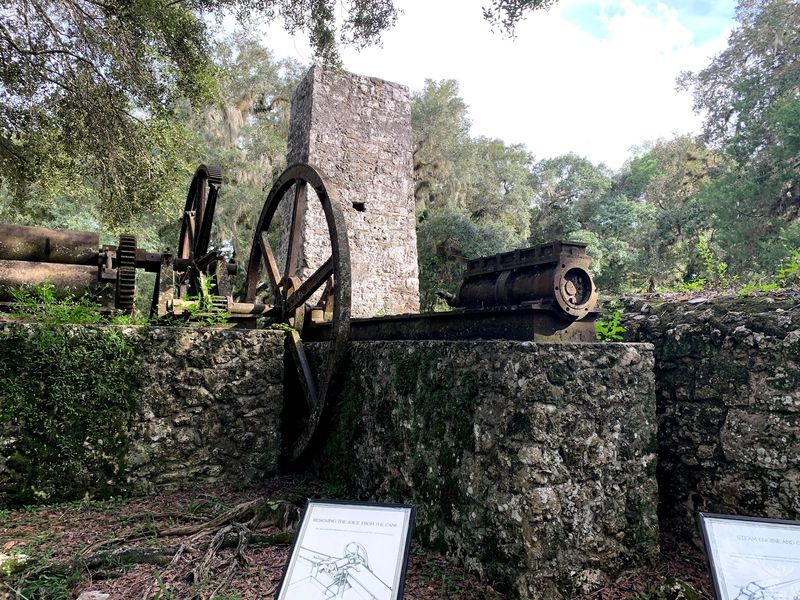
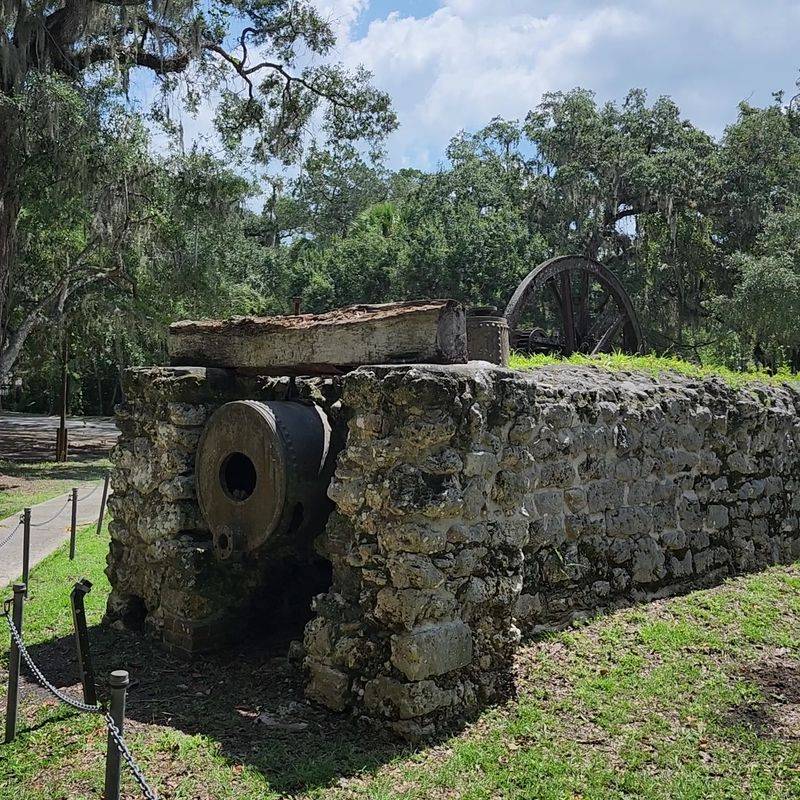
Iron gears, a cane press, and large cauldrons still sit among the remains, and they tell the story better than words ever could. These were the tools that pressed sugarcane and boiled the liquid down into syrup and other goods.
Getting a close-up glimpse of the surviving machinery is part of what draws people in. The equipment shows how the whole process worked, step by step, back when everything was done by hand.
Many who wander through mention how much more intact this mill feels compared to other ruins they have seen. The parts that remain give a clear picture of the labor behind every batch of sugar.
You can walk around and visually trace how the syrup was made in that era. It is a rare chance to stand next to real industrial history rather than just reading about it.
The Tall Chimney and What Changed
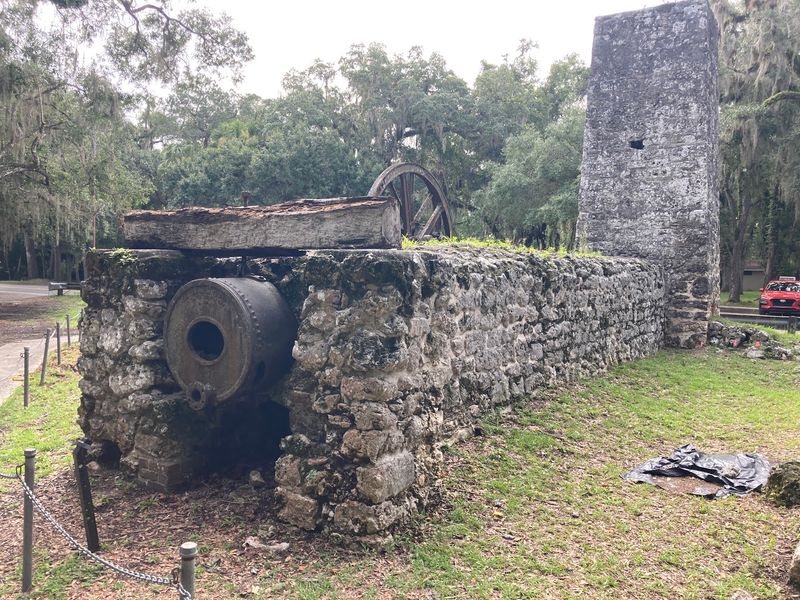
For a long time, the standout feature here was a 40-foot limestone masonry chimney that rose above the ruins. It was the kind of landmark that made the site feel taller and more dramatic than its small size suggested.
Recent changes have altered that view. The ruins have since been covered with a shelter-type structure meant to protect them, and the tall stack is no longer standing as it once did.
Hurricanes appear to have taken a toll over the years, and updates to the site reflect efforts to preserve what remains. Change is part of the story now, and it is worth knowing before you arrive.
You can still walk inside the sheltered area to look at the ruins up close, or stroll the surrounding park. The protective covering keeps the machinery safe for future generations, even if the skyline looks different than it used to.
Signs That Do the Storytelling
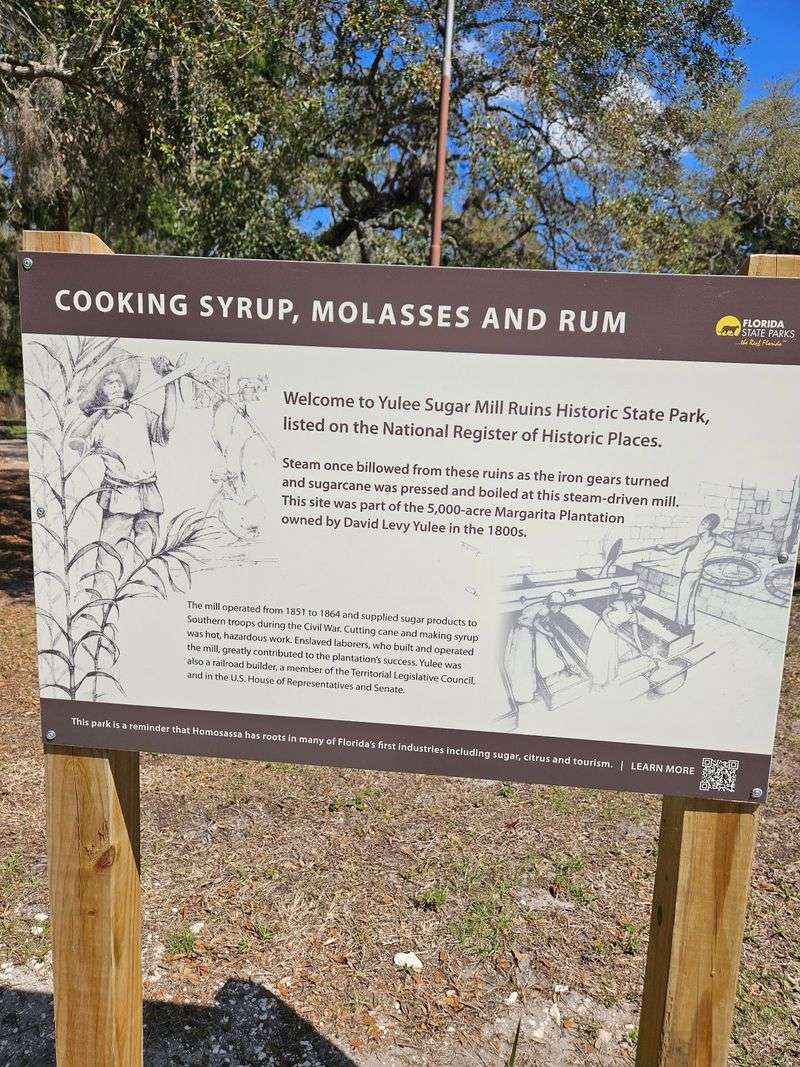
Several signs scattered around the site carry the weight of explaining what you are looking at. They cover the history of the plantation, the mill’s operation, and the people connected to it.
These informative plaques answer a lot of the questions that pop up as you walk through. Without them, the ruins would feel like a puzzle with missing pieces.
A few of the placards have gone missing over time, which is a small letdown for anyone hoping to read every detail. Even so, the remaining signage does a solid job of setting the scene.
Taking a few minutes to read them turns a quick glance into a genuine history lesson. That is where the roadside stop earns its keep, giving context to the stone and iron in front of you.
Florida’s First Senator in the Backstory
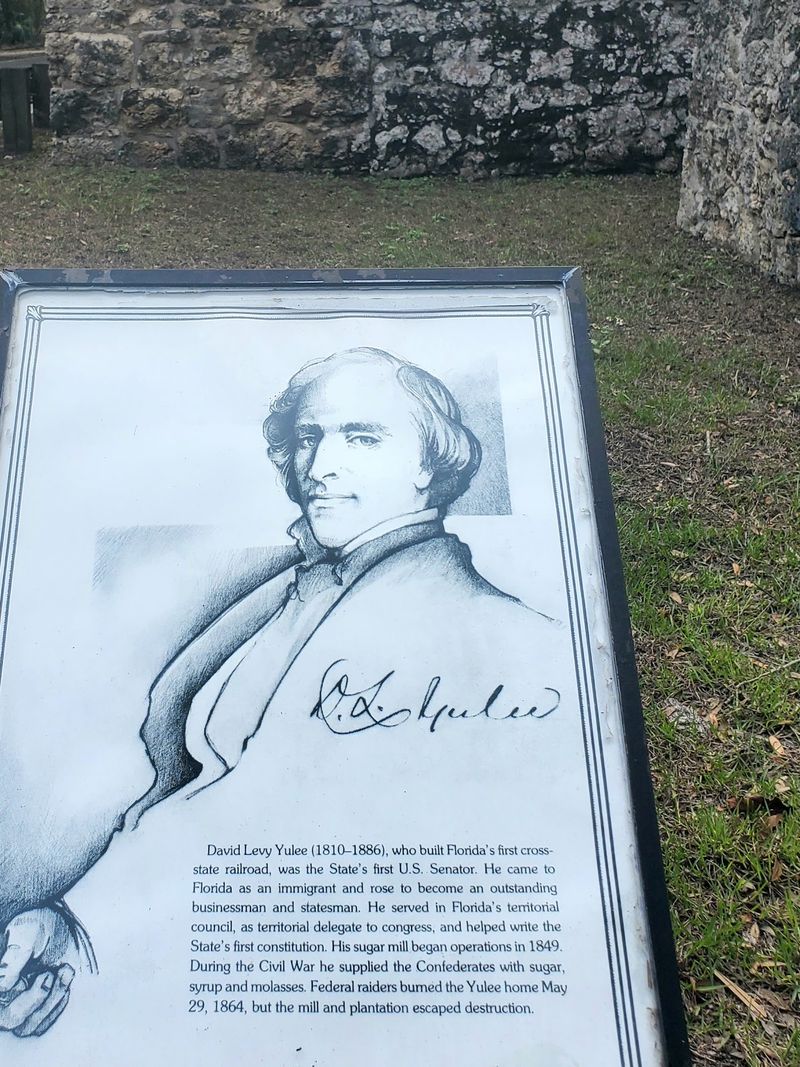
Behind the name of this park is a connection to Florida’s first senator, a detail that gives the ruins an extra layer of meaning. The mill carries the name Yulee, tying it to a notable figure from the state’s early days.
Learning that the site links back to such an important political name adds unexpected depth to a small stop. It is the kind of fact that makes people slow down and pay closer attention.
History buffs especially appreciate this thread, since it connects a modest agricultural operation to the larger political story of early Florida. The plantation was not just a business, but part of a bigger chapter.
Standing among the ruins with that knowledge changes how the place feels. Suddenly the old gears and stone represent more than sugar production; they mark a moment in the state’s founding years.
The Giant Grape Vine You Have to See
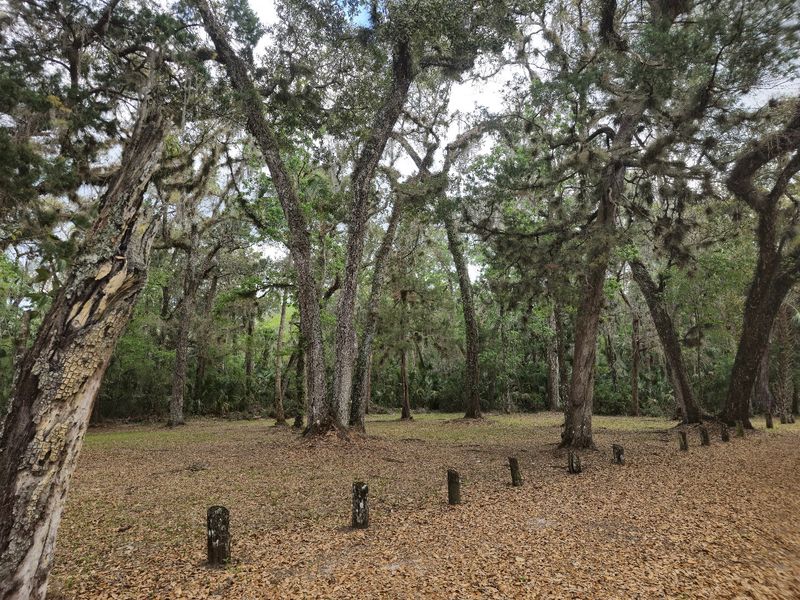
Over near the parking area grows a wild grape vine so large that people often mistake it for a tree at first. It is one of those quirky natural surprises that sticks in your memory.
The small woodland park that shares the space is dotted with oak and cypress trees, and the twisting grape vines wind around them in fascinating shapes. It gives the grounds a wild, tangled character.
Nature lovers who stop here get a bonus beyond the history lesson. The vine has become a small attraction of its own, drawing curious looks from nearly everyone who parks nearby.
It is proof that even a tiny roadside park can hold a genuine oddity. Keep an eye out for it, because it is easy to walk right past something that turns out to be one of the largest vines around.
A Quiet Little Park to Rest
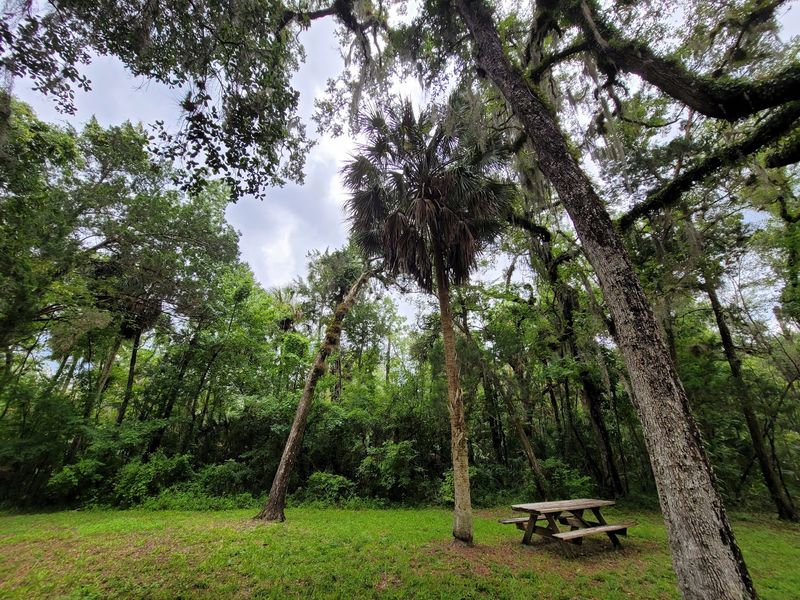
Across the road from the ruins sits a charming little park with a pavilion and picnic tables. It offers a spot to sit down and take a break during a day of sightseeing.
The setting stays calm and clean, and it rarely feels crowded. Plenty of parking makes it easy to pull in and settle for a while.
A short paved path lets you stroll through without much effort. The pavilion provides shade and a place to enjoy a snack before heading back on the road.
Families and travelers looking for a low-key pause tend to find exactly what they need here. It is the kind of quiet stop that lets you catch your breath between busier destinations.
Bring the Dog Along
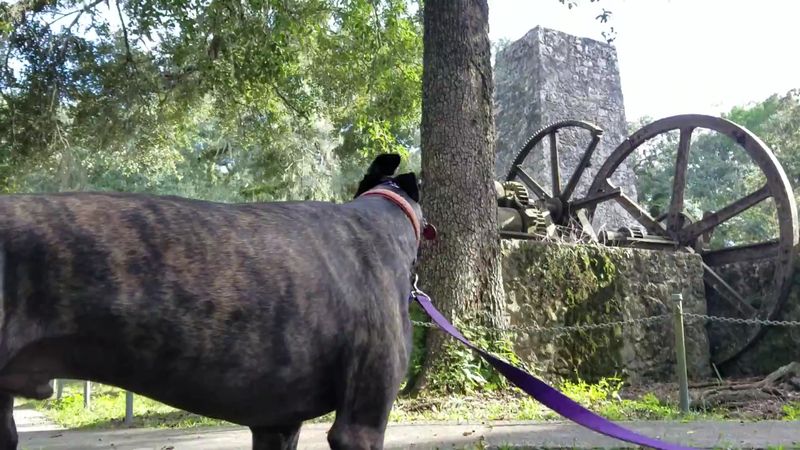
Good news for anyone traveling with a four-legged companion: this site is pet friendly. That makes it an easy addition to a road trip when the pup needs a chance to stretch its legs.
The paved walking path is short and simple to navigate, which suits a quick dog walk perfectly. People often stop here to let their pets move around and snap a few photos.
Because the grounds are open and quiet, it feels relaxed for both owners and pets. There is no rush, and no crowds to weave through.
Combining a bit of history with a comfortable dog break is a nice bonus. It turns a simple pit stop into something both you and your companion can enjoy.
How Long the Visit Really Takes
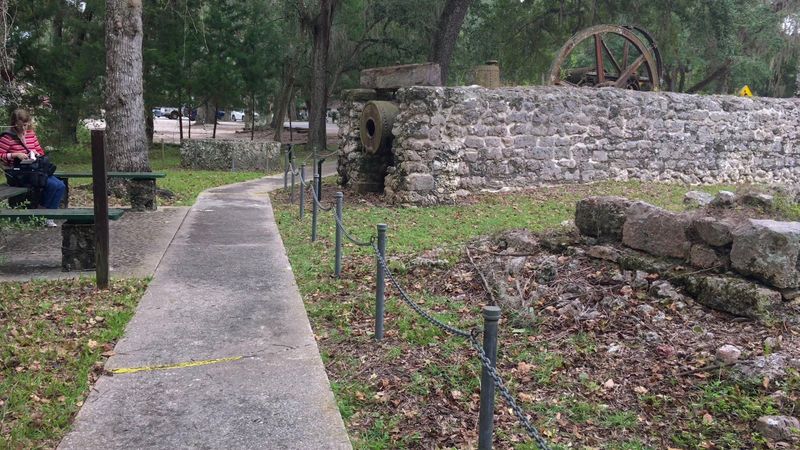
Set your expectations right and you will enjoy this stop more. Walking the ruins and reading the remaining plaques takes roughly 10 to 15 minutes for most people.
The path is hard-paved and easy to follow, running about 500 feet around the site. There is no long trail or big loop to tackle here.
Because it is so compact, the best approach is to fold it into a larger day of exploring the area. It works better as a piece of a trip than as a standalone destination.
Knowing this ahead of time keeps the visit satisfying rather than surprising. A short, meaningful pause is exactly what this place delivers, and that is part of its appeal.
Getting There and Parking Smart
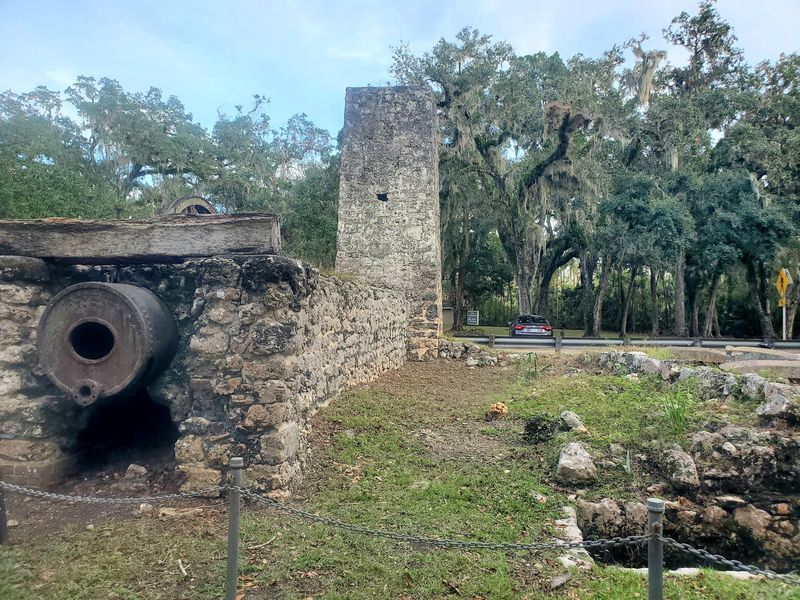
The address to plug in is Co Rd 490 in Homosassa, Florida, and the layout is straightforward once you arrive. The ruins sit on one side of the road, and the parking lot and small park sit on the other.
The most important tip is to cross the road with care. Traffic here can be constant, so watch closely before stepping across to the ruins.
Parking spots are available and rarely fill up, so finding a place to leave the car is usually simple. That takes one worry off your plate.
A helpful note for planning: the restrooms have been reported closed, which has disappointed some travelers hoping to freshen up. Plan accordingly so the stop stays smooth and stress-free.
Free Entry and Around-the-Clock Access
Few things make a stop easier than no cost to get in, and that is the case here. There is no entrance fee, so history seekers can pull over without opening their wallets.
The park is open 24 hours, every day of the week, which gives it unusual flexibility. Early risers and late-day travelers alike can fit it into their schedule.
That open-access setup matches the roadside nature of the place perfectly. You are never locked out by tight operating hours or a ticket booth.
For a spot that trades in centuries-old history, the modern convenience of free, all-hours access is a welcome touch. It lowers the bar for anyone curious enough to swing by.
Worth the Pull-Over
Not every historic site needs to be enormous to leave an impression, and this one proves the point. A compact set of ruins, a few well-placed signs, and a shaded park add up to a rewarding short detour.
People who appreciate old machinery and early Florida history tend to walk away pleased they stopped. Those hoping for a sprawling attraction may find it smaller than expected, so timing it as part of a bigger day helps.
Between the surviving gears, the plantation backstory, the senator connection, and that oversized grape vine, there is more packed into these few minutes than the roadside view suggests. Add in free entry and pet-friendly grounds, and the reasons to pause keep stacking up.
So the next time the road leads through Homosassa, ease off the gas and give this forgotten sugar mill a look. A quick walk here connects you to a chapter of Florida that most drivers speed right past.
Enjoyed this story?
Add Fast Food Club as a preferred source to see more of our reporting on Google.