


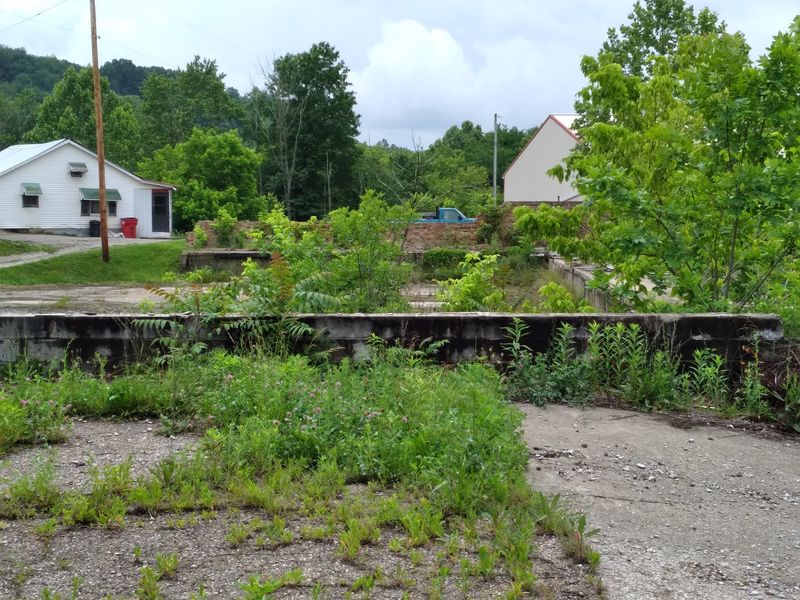
Behind a quiet church in a small Ohio village, brick walls stand open to the sky, their windows empty and their roofs long gone. Once these structures hummed with the work of shaping clay into pottery that traveled across the country.
Now they wait in silence, half hidden by trees and grass, with no signs to explain what they once were. Locals still know the story, and a nearby congregation cared enough to keep one wall from crumbling away completely.
There is something oddly moving about a place that gave a town its identity and then slipped into ruin. This article walks you through the history, the setting, and the practical details of finding this forgotten spot for yourself, so keep reading to uncover where it hides and why it still matters.
Where The Ruins Hide In Roseville
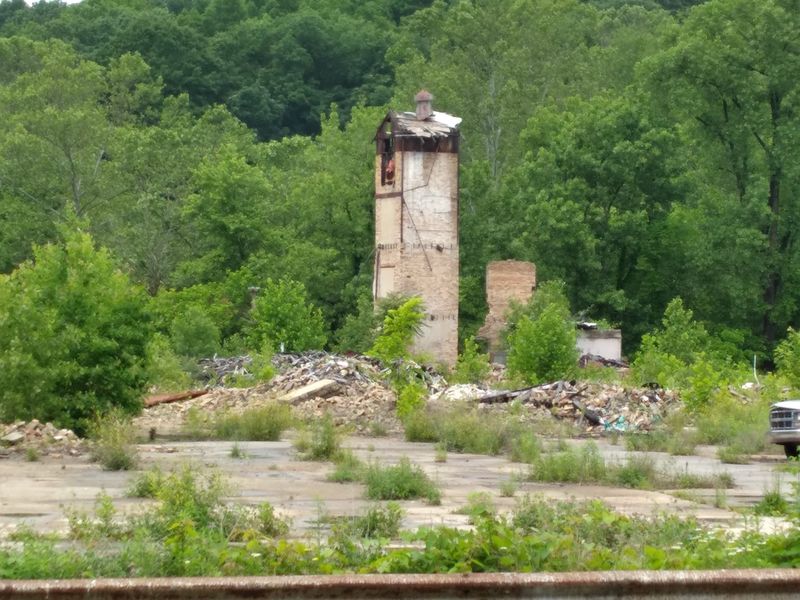
Tucked along 3rd Street in the little village of Roseville, Ohio, the crumbling brick shells sit at 5598-5538 3rd St, quietly holding onto a past most people drive right past.
The site carries the simple name Factory Site on the map, and it earns that title honestly. What remains are the ruins of an old pottery operation, set back behind a church that has watched over the property for years.
Roseville itself straddles two counties in southeastern Ohio, a region long known for clay and the industries that grew from it. The village was once a center of American ceramics, and traces of that legacy still linger in odd corners like this one.
Finding the ruins takes a little intention, since there is no grand entrance or welcome center pointing the way. The structures rest close to the road yet feel worlds apart from the everyday traffic passing through town.
For anyone curious about industrial history without the crowds, this address delivers a rare kind of quiet. It is the sort of place that rewards those willing to look a little closer at a small town.
A Church That Became An Unlikely Guardian
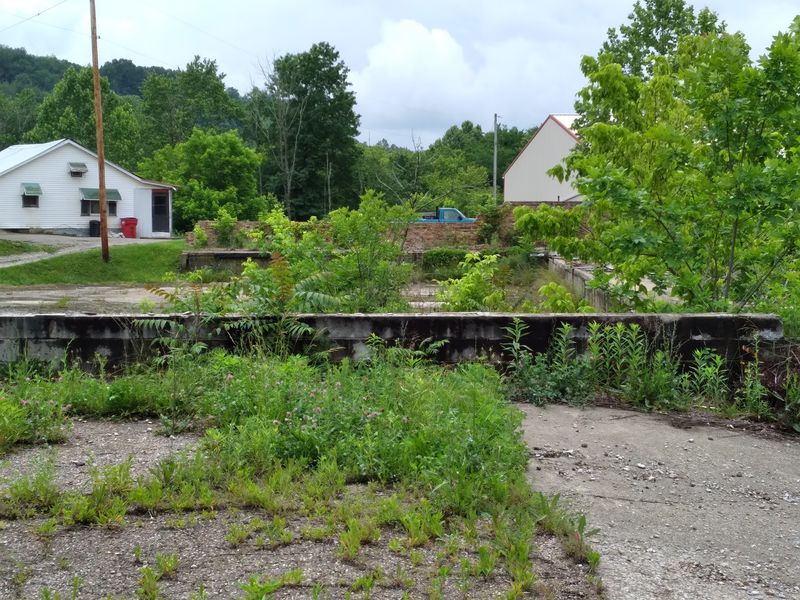
Standing directly in front of the ruins is a small-town church, and its role here turns out to be more than coincidental. The congregation took an interest in the old brick building and worked to preserve the outside of one of the structures.
That effort matters more than it might seem at first. Without someone keeping watch, weather and time would have flattened these walls long ago, erasing another piece of Roseville’s industrial memory.
The relationship between a place of worship and a former factory feels unusual, yet it has kept a fragment of local history upright. The church sits close enough that the two properties blend into a single view from the street.
There is a certain gentleness in the idea of a congregation choosing to protect crumbling brick rather than clear it away. Preservation often depends on small acts by ordinary people, and this is one of them.
Visitors who stop by often notice the church first and only then spot the ruins waiting behind it. The pairing gives the site a character that a lone set of walls never could.
The Robinson-Ransbottom Pottery Connection
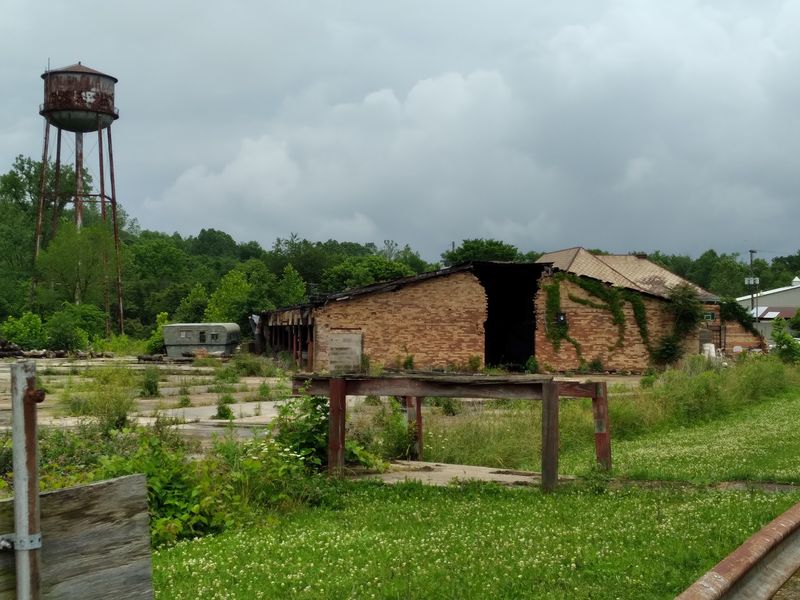
Local knowledge points to these remains belonging to Robinson-Ransbottom Pottery, a name tied closely to Roseville’s ceramic heritage. That detail comes from those familiar with the area, since the site carries no plaque or marker to confirm it outright.
Interestingly, many first assume the ruins belonged to the famous Roseville Pottery company, given the town’s name. The clarification that these walls are actually Robinson-Ransbottom sets the record straight and adds a layer of intrigue.
Robinson-Ransbottom operated in the Roseville area and became part of the broader story of clay production that defined this stretch of Ohio. The confusion between the two names shows just how deeply pottery ran through the local economy.
Without official signage, the identity of the ruins rests on the memory of people who know the ground. That word-of-mouth history gives the place a slightly secretive feel, as if it belongs to the town rather than to tourists.
Piecing together which factory once stood here becomes part of the visit itself. The mystery adds to the appeal for anyone who enjoys chasing down a forgotten chapter of American manufacturing.
Roseville’s Reign As A Pottery Town
Long before the walls fell quiet, Roseville earned a reputation as one of Ohio’s important pottery centers. The abundant clay in the surrounding hills fed factories that shaped bowls, jars, and decorative pieces sent far beyond the village limits.
Pottery was more than a trade here. It shaped the town’s jobs, its families, and its place on the map, turning a small community into a name recognized by collectors across the country.
The ruins on 3rd Street stand as a physical reminder of that era. Where machines once shaped raw earth into finished goods, only bare brick now marks the spot.
Southeastern Ohio held several such operations, and the region became known for its ceramics well into the twentieth century. Roseville sat right in the heart of that activity.
Understanding this backdrop makes the crumbling walls far more meaningful. They are not just old bricks but the last standing echo of an industry that put this village on the map.
Walls Without A Roof
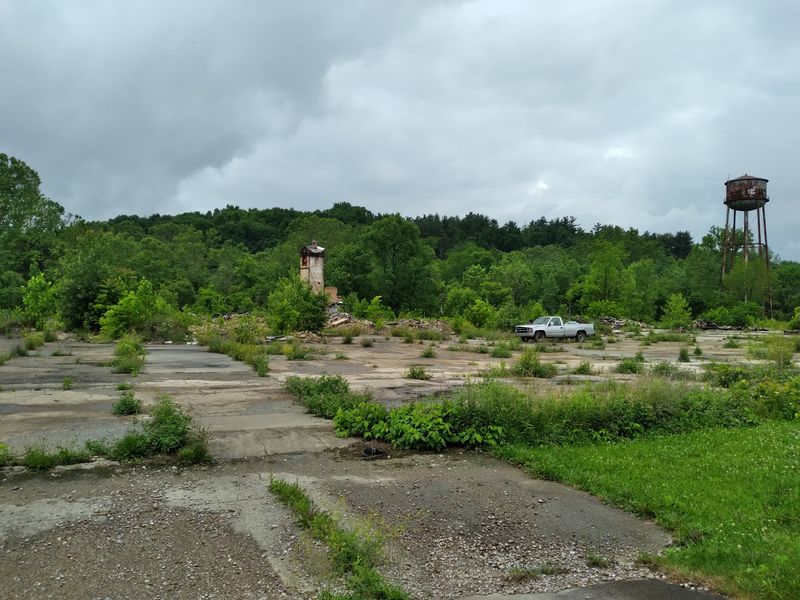
Not much remains standing at the Factory Site, and that stark reality is part of its pull. The roofs are gone, leaving open brick shells reaching toward the sky.
Empty window openings line the walls where glass and frames once sat. Through them, you can see straight into what used to be busy interior spaces, now filled with air and light instead of workers and clay.
The preserved exterior of one building offers the clearest sense of what the original structure looked like. Its brickwork still holds its shape, thanks to the care taken to keep it upright.
Other portions have not fared as well, and nature has begun reclaiming the edges. The contrast between the maintained section and the weathered remains tells its own story about time and neglect.
Ruins like these carry a quiet drama that intact buildings rarely match. There is something honest about walls that no longer pretend to be anything other than what they have become.
No Signs, No Markers, Just Stories
One striking thing about the Factory Site is how little it explains itself. There are no historical markers, no interpretive plaques, and nothing posted to tell you what once stood here.
That absence turns the visit into a small investigation. Anyone hoping to learn the full story must rely on local residents or a bit of research done ahead of time.
The lack of signage gives the ruins an untouched quality, as though they were never packaged for tourism. You get to encounter them the way a passerby might have decades ago, with questions rather than answers.
For some, this raw presentation is a drawback, since it leaves the history frustratingly incomplete. For others, the mystery is exactly what makes the stop memorable.
Either way, the silence around the site adds to its forgotten feeling. These are ruins that have slipped through the cracks of official memory, and that quiet obscurity is part of their charm.
The Quiet Mood Of A Forgotten Place
A hush settles over the Factory Site that sets it apart from busier landmarks. With little traffic and no crowds, the ruins keep to themselves behind the church.
Those who visit often describe the experience as interesting in a subdued, reflective way. It is not a place built for excitement but for slow observation and quiet curiosity.
The mood leans toward the contemplative. Standing among structures that once bustled with activity, now still and empty, invites a certain thoughtfulness about how quickly industry can rise and fade.
Some find the atmosphere a little melancholy, a reminder of what a town has lost. That bittersweet quality is honest rather than gloomy, and it fits the story of the place.
People drawn to history, old buildings, and off-the-beaten-path stops tend to appreciate this quiet character most. The ruins reward patience far more than they reward a quick glance from a car window.
Who Will Enjoy A Stop Here
Not every traveler will connect with a set of roofless brick walls, and that is worth being honest about. The Factory Site speaks most clearly to people who love history and old architecture.
Fans of industrial ruins, ceramics history, and forgotten Americana will find plenty to appreciate in a short visit. The site fits neatly into a road trip through southeastern Ohio’s clay country.
Photographers also tend to gravitate toward places like this, where texture and decay create striking subjects. The open brick shells and empty windows offer plenty of interesting angles.
Families with restless young ones may find the stop a bit too still, since there are no activities beyond looking and wondering. It is more of a thoughtful pause than a full outing.
Anyone collecting the small, overlooked stories of American towns will leave satisfied. The ruins reward the curious mind more than the thrill-seeker.
Well Regarded By Those Who Find It
Despite its obscurity, the Factory Site holds a strong 4.5-star standing among the handful of people who have taken the time to seek it out. For a spot with no signage and little fanfare, that is a warm reception.
The impressions lean positive, with folks describing the ruins as interesting and worth the stop. Even those who wished for more information still found the experience rewarding.
Comments frequently circle back to two themes: the ruins themselves and the pottery legacy behind them. Both topics come up again and again as the reasons people remember the visit.
High marks for such a modest, unmarked place suggest that the appeal is genuine rather than manufactured. There is no gift shop or attraction inflating the impression.
The steady approval tells you something simple. When history lovers stumble onto this quiet corner of Roseville, they tend to be glad they did.
Getting To 3rd Street
Reaching the ruins is straightforward once you have the address in hand. The Factory Site sits at 5598-5538 3rd St in Roseville, Ohio, within the state’s southeastern region.
Roseville lies a short drive south of Zanesville, making it an easy detour for anyone exploring the area’s clay-country towns. The village is small, so once you arrive, 3rd Street is not hard to locate.
The church out front serves as a helpful landmark, since the ruins rest directly behind it. Spotting the church means you have essentially found the site.
Because the structures sit close to the road, they come into view without much searching. A navigation app pointed at the address will bring you within sight of the walls.
Travelers passing through this part of Ohio can fold the stop into a broader loop of regional history. Its roadside position makes it convenient rather than complicated to reach.
Timing Your Visit Right
Daylight is your friend at a spot like this, where the ruins are best appreciated when you can see the brickwork clearly. A visit during open daytime hours makes the most sense.
Since the structures sit outdoors and near the road, mild, dry weather offers the most comfortable conditions for a stop. Overgrown grass around the site can make wet days a little messier underfoot.
Cooler seasons, when foliage thins out, may reveal more of the walls that summer greenery tends to hide. That said, the ruins stand year-round for anyone who wants to see them.
The visit itself is short by nature. There is no ticketed schedule to plan around, so timing comes down to convenience and good light rather than official openings.
Pairing the stop with other regional sights makes the trip feel fuller. A quick look at the ruins slots easily into a larger day of exploring southeastern Ohio.
A Landmark That Costs Nothing
One of the easiest things about the Factory Site is that seeing it does not require any admission. As a roadside historical landmark, the ruins are simply there for those who come looking.
There is no ticket booth, no entry fee, and no formal attraction wrapped around the experience. You stop, you observe, and you carry on with your day.
That simplicity suits the character of the place perfectly. A set of forgotten pottery walls would feel strange behind a paywall, and thankfully it is not.
Because the ruins sit beside a church property, ordinary courtesy goes a long way. Keeping a respectful distance and treating the grounds gently ensures the spot stays welcoming for the next curious traveler.
Free, low-key stops like this one make for satisfying additions to a road trip budget. The only real cost is the time you spend appreciating what remains.
Respecting Sacred And Historic Ground
Because the ruins share space with an active church, a little mindfulness matters here. The congregation preserved part of the old building, so treating the property with care honors their effort.
Keeping to the outside and avoiding any climbing on unstable brick is simple common sense. Aging walls without roofs can be fragile, and they deserve to be admired from a safe vantage point.
Being considerate of church activities is also wise, since the site sits so close to a place of worship. Quiet, respectful behavior keeps the welcome open for future visitors.
Leaving the grounds as you found them protects both the history and the goodwill of those who maintain it. Nothing should be disturbed or taken from the ruins.
Thoughtful conduct is really the price of admission to a place with no gate. Handle it gently, and the Factory Site remains a quiet reward for the curious.
Why These Ruins Are Worth The Detour
Some places earn their place on a map through spectacle, and others through quiet meaning. The Factory Site in Roseville, Ohio, belongs firmly to the second group.
What survives is modest: open brick walls, empty windows, and one preserved building standing guard over a faded chapter of pottery history. Yet those remains hold the story of a town that once helped shape American ceramics.
The lack of signs, the small-town church out front, and the uncertainty over exactly which factory once stood here all add to a genuinely intriguing stop. It rewards the curious far more than the casual.
For history lovers and roadside explorers, a short pause on 3rd Street offers a rare, unpolished look at the past. There is real value in seeing something before time finishes what it started.
If your travels carry you through southeastern Ohio, these forgotten walls make a memorable and free addition to the journey. Sometimes the quietest places leave the longest impression.
Enjoyed this story?
Add Fast Food Club as a preferred source to see more of our reporting on Google.