



Most people assume that living in a big, vibrant city means spending a fortune every month. Atlanta, Georgia is here to flip that idea on its head.
With smart budgeting and the right neighborhoods, you can cover rent, groceries, transportation, and entertainment for around $1,500 a month. Here is a breakdown of exactly how that budget works in this amazing Southern city.
Affordable Rent in Budget-Friendly Neighborhoods

Finding a place to live in Atlanta does not have to drain your wallet. Neighborhoods like Clarkston, Decatur, and parts of Southwest Atlanta offer one-bedroom apartments ranging from $700 to $950 per month.
That leaves plenty of room in your $1,500 budget for everything else.
Many of these areas are safe, walkable, and close to public transit. You can find clean, well-maintained units with modern appliances without paying downtown prices.
Roommate arrangements can push your rent even lower, sometimes under $600.
Atlanta has dozens of neighborhoods with distinct personalities, so you are not sacrificing culture or community by choosing affordability. Spending time researching on sites like Zillow or Apartments.com can help you land a great deal.
Smart renters in Atlanta know the city rewards those who look beyond the flashy zip codes.
Grocery Shopping on a Tight Budget
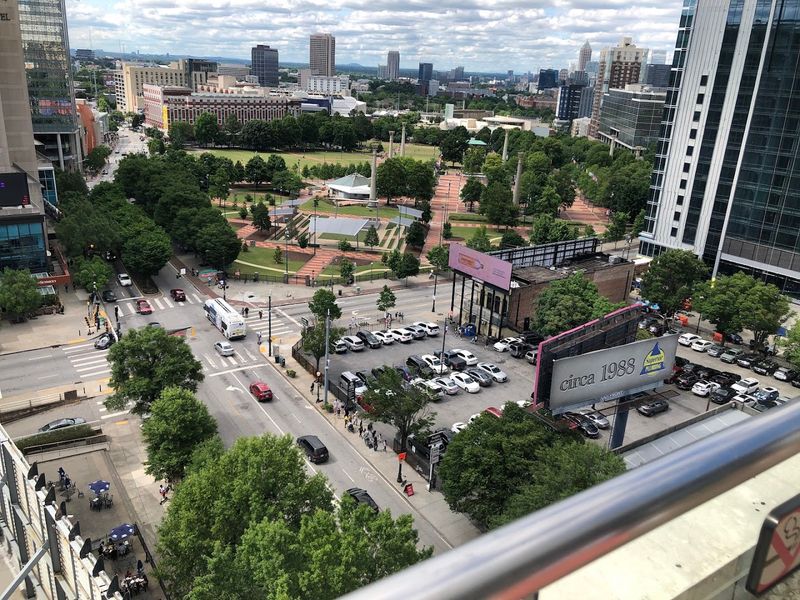
Atlanta has a surprisingly strong lineup of budget grocery options that make eating well on $1,500 a month very realistic. Stores like Aldi, Lidl, and WinCo Foods are scattered throughout the metro area, offering fresh produce, proteins, and pantry staples at prices far below national averages.
A single person can comfortably feed themselves on $200 to $250 per month by meal prepping and buying store-brand products. Farmers markets like the Morningside Farmers Market also offer fresh, local produce at competitive prices on weekends.
Atlanta also has a rich food culture rooted in Southern cooking, which tends to rely on affordable ingredients like beans, rice, greens, and chicken. Cooking at home most days and treating yourself to an occasional restaurant meal keeps costs manageable.
Groceries in Atlanta are genuinely one of the easiest budget categories to control.
Getting Around With MARTA Public Transit

Transportation is one of the biggest budget killers in most American cities, but Atlanta offers a surprisingly workable solution through MARTA, the Metropolitan Atlanta Rapid Transit Authority. A monthly MARTA pass costs around $95, giving you unlimited access to rail and bus lines across the city.
MARTA connects major hubs like Hartsfield-Jackson Airport, Midtown, Downtown, and Buckhead, making it genuinely useful for daily commutes. Many budget-conscious residents pair MARTA with a bicycle for last-mile travel, cutting out the need for a car entirely.
Skipping a car in Atlanta saves you insurance, gas, parking, and maintenance costs that can easily total $400 to $600 per month. Not every part of the city is MARTA-accessible, so choosing a transit-friendly neighborhood is key.
Living near a rail line puts real money back in your pocket every single month.
Utilities That Will Not Shock Your Wallet

Keeping the lights on and the water running in Atlanta is refreshingly affordable compared to many major U.S. cities. Average monthly utility costs for a one-bedroom apartment typically run between $100 and $150, covering electricity, water, and gas.
Georgia Power, the primary electric provider, offers budget billing plans that help smooth out seasonal spikes.
Atlanta summers can get hot and humid, which does push air conditioning costs up between June and September. Running ceiling fans, keeping blinds closed during peak heat, and using a programmable thermostat can shave meaningful dollars off your monthly bill.
Internet service in Atlanta averages around $50 to $60 per month through providers like AT&T and Xfinity, with promotional rates often available for new customers. Bundling services or negotiating your rate annually keeps costs predictable.
Utilities in Atlanta are manageable with just a little mindful attention.
Health and Wellness Without the High Price Tag

Staying healthy in Atlanta does not require an expensive gym membership or a hefty insurance premium. The Atlanta BeltLine is a free, 22-mile trail network winding through dozens of neighborhoods, perfect for jogging, cycling, and outdoor workouts.
Piedmont Park also offers free fitness classes and open green space for yoga and recreation.
Budget gym options like Planet Fitness charge as little as $10 to $25 per month, making physical fitness accessible to almost anyone. Community health clinics and Federally Qualified Health Centers across Atlanta provide low-cost or sliding-scale medical care for uninsured or underinsured residents.
Atlanta also has a strong culture around outdoor activity, farmers markets, and community wellness events that support a healthy lifestyle without spending much. Prioritizing preventive care and taking advantage of free city resources keeps your health budget lean.
Wellness in Atlanta is genuinely within reach on a tight budget.
Eating Out Affordably in a Food-Lover’s City

Atlanta has earned a serious reputation as one of the South’s best food cities, and the good news is you do not need a fat wallet to enjoy it. The city is packed with affordable lunch spots, food trucks, and casual eateries where you can eat a full, satisfying meal for $8 to $12.
Sweet Auburn Curb Market downtown is a legendary spot offering diverse, affordable food options under one roof.
Buford Highway is a treasure trove of authentic international cuisine, from Vietnamese pho to Mexican tacos, most priced well below what you would pay at a trendy Midtown restaurant. Budget-conscious foodies treat dining out as an occasional reward rather than a daily habit.
Setting aside $100 to $150 per month for eating out gives you enough to enjoy Atlanta’s food scene without busting your budget. The city makes it easy to eat well for less.
Free and Low-Cost Entertainment Across the City
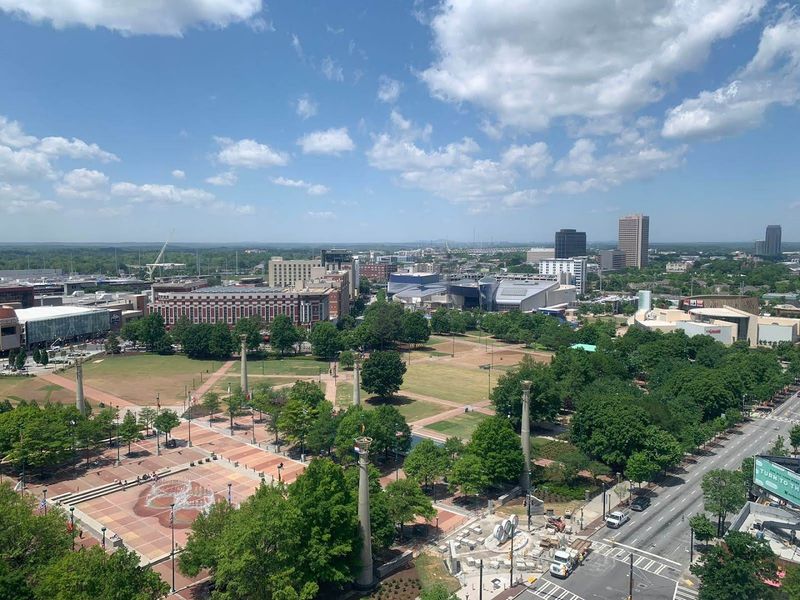
Atlanta is one of those rare big cities where having a great time does not automatically mean spending big money. Centennial Olympic Park, built for the 1996 Summer Olympics, is free to visit and hosts regular outdoor concerts, movie nights, and seasonal events throughout the year.
The park’s iconic Fountain of Rings is a beloved gathering spot for locals and tourists alike.
The Atlanta History Center offers rotating exhibits on Georgia’s past, including Civil War artifacts and Southern folk art. Free First Saturdays at the High Museum of Art give budget visitors access to world-class collections once a month.
Many of Atlanta’s neighborhoods also host free street festivals, art walks, and community markets regularly.
Setting aside just $50 per month for entertainment is genuinely enough to stay busy and socially engaged in Atlanta. The city rewards curious, resourceful residents who know where to look.
The Georgia Aquarium on a Budget

The Georgia Aquarium is one of Atlanta’s most iconic attractions and one of the largest aquariums in the world. General admission runs around $40 for adults, which sounds steep until you realize the experience easily fills four to six hours of entertainment.
Buying tickets online in advance or during promotional periods can knock $5 to $10 off the standard price.
Annual membership passes start around $80 to $100, making them a smart investment if you plan to visit more than twice a year. The aquarium sits right in the heart of downtown, steps from Centennial Olympic Park, so you can pair it with a free afternoon outdoors for a full-day experience.
Visiting during weekday mornings means smaller crowds and a more relaxed experience. The Georgia Aquarium is a genuine bucket-list attraction that budget travelers can still enjoy with a little planning and timing.
Martin Luther King Jr. National Historic Site – Free and Inspiring
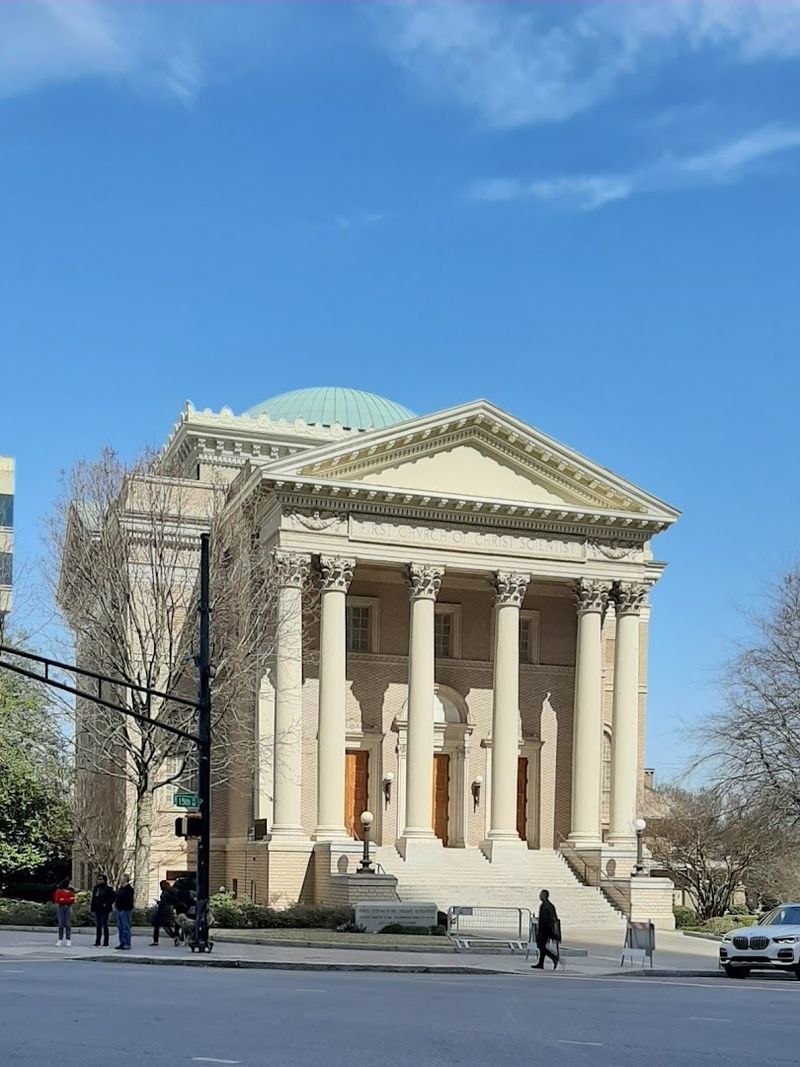
History lives and breathes on Auburn Avenue in Atlanta, where the Martin Luther King Jr. National Historic Site stands as one of the most powerful free attractions in the entire country. The site includes Dr. King’s birth home, Ebenezer Baptist Church, his tomb, and the International Civil Rights Walk of Fame.
Admission to the visitor center and most of the site is completely free.
Guided tours of the birth home are offered by the National Park Service and provide an intimate, deeply moving look at the early life of one of America’s greatest leaders. The surrounding Sweet Auburn Historic District is also worth exploring on foot, with murals, monuments, and cultural landmarks around every corner.
Spending a half-day here costs essentially nothing but leaves a lasting impression. For budget travelers and history enthusiasts alike, this Atlanta landmark is an absolute must-visit that fits perfectly into any $1,500 monthly lifestyle.
Community College and Workforce Training Savings
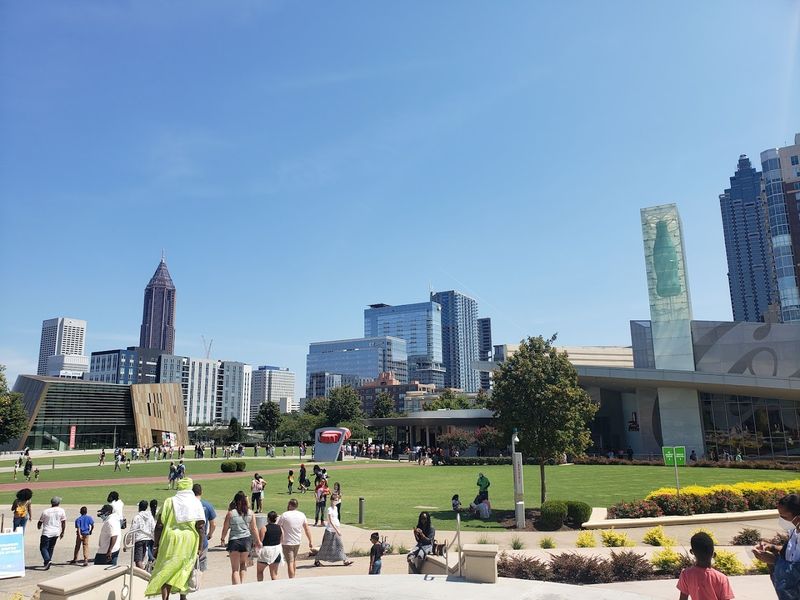
One of the most powerful ways to stretch a $1,500 monthly budget in Atlanta is by taking advantage of Georgia’s world-class affordable education options. Georgia Piedmont Technical College and Atlanta Technical College both offer programs for well under $5,000 per year, with many certificates achievable in under 12 months.
The HOPE Scholarship and Zell Miller Scholarship programs help Georgia residents cut tuition costs dramatically.
For those already working, workforce development programs through WorkSource Atlanta provide free job training, resume assistance, and career coaching. Upskilling while living frugally is one of the smartest long-term investments a budget-conscious Atlanta resident can make.
Online learning platforms like Coursera and LinkedIn Learning also offer affordable ways to build marketable skills without leaving home. Atlanta’s economy is growing fast across tech, film, logistics, and healthcare, meaning well-trained workers have real earning potential just around the corner.
Thrift Shopping and Secondhand Finds in Atlanta

Atlanta has a thriving secondhand shopping culture that budget residents absolutely love. Goodwill locations are scattered throughout the city, and the Goodwill on Ponce de Leon Avenue is practically legendary among thrift enthusiasts for its wide selection and regular half-price sale days.
You can furnish an entire apartment on a few hundred dollars if you know where to look.
Beyond Goodwill, Atlanta has a growing scene of curated vintage and consignment shops in neighborhoods like Little Five Points and East Atlanta Village. These stores carry everything from vintage furniture to designer clothing at a fraction of retail prices.
Facebook Marketplace and Craigslist also give Atlanta residents access to free or nearly-free household items from neighbors upgrading their own homes.
Building a comfortable, stylish life on a tight budget is very doable in Atlanta. The city’s secondhand economy is one of its best-kept budget secrets.
Staying Connected With Affordable Phone Plans
Staying connected in a big city like Atlanta does not require a $100-per-month phone plan. Budget carriers like Mint Mobile, Visible, and Cricket Wireless all operate on major networks and offer solid plans for as little as $15 to $35 per month.
Coverage across Atlanta and the surrounding metro area is strong on virtually every major carrier.
Switching from a premium carrier to a budget MVNO can save a single person $50 to $80 every month without sacrificing call quality or data speeds. That adds up to $600 to nearly $1,000 in savings over a full year, which is a meaningful chunk of a tight monthly budget.
Many Atlanta libraries and community centers also offer free Wi-Fi, reducing your reliance on mobile data during the day. Trimming your phone bill is one of the fastest, easiest wins available to anyone trying to live well on $1,500 a month in Atlanta.
Building a Savings Cushion While Living in Atlanta

Living on $1,500 a month in Atlanta is not just about survival – it is genuinely possible to save money at the same time. By keeping rent under $900, groceries around $220, transportation at $95, and utilities near $130, you are already sitting at roughly $1,345 in essential monthly expenses.
That leaves over $150 for savings, fun, or unexpected costs.
Atlanta-based nonprofits like the Atlanta Volunteer Lawyers Foundation and financial counseling services through United Way offer free budgeting help for residents trying to get ahead. Opening a high-yield savings account through an online bank like Ally or Marcus helps your small savings grow faster than a traditional bank account would.
Even saving $100 per month builds a $1,200 emergency fund within a year. Atlanta’s relatively low cost of living compared to cities like New York or San Francisco gives residents a genuine head start on financial stability and long-term wealth building.
Enjoyed this story?
Add Fast Food Club as a preferred source to see more of our reporting on Google.