


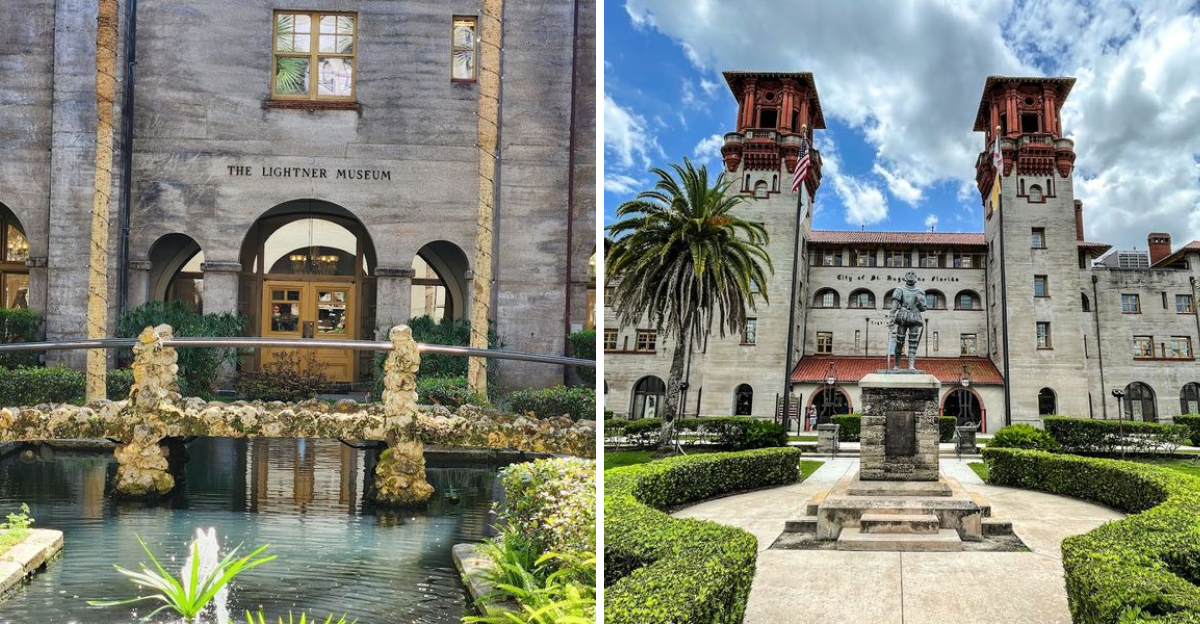
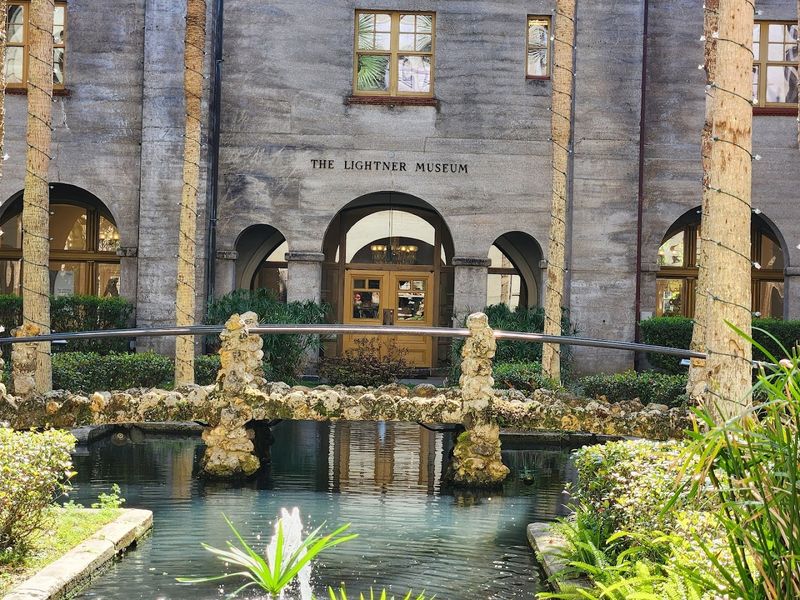
Tucked away in the heart of St. Augustine, Florida, the Lightner Museum is one of those rare places that makes you feel like you’ve traveled back in time. Built in 1888 as the luxurious Hotel Alcazar by railroad tycoon Henry Flagler, this stunning Spanish Renaissance building now houses an extraordinary collection of Gilded Age treasures.
From ornate staircases and glittering crystal to mechanical musical instruments and Victorian curiosities, every corner tells a story. Whether you’re a history lover, an art admirer, or just someone looking for a truly unforgettable experience, the Lightner Museum delivers something special at every turn.
The Grand Architecture That Steals the Show Before You Even Walk In
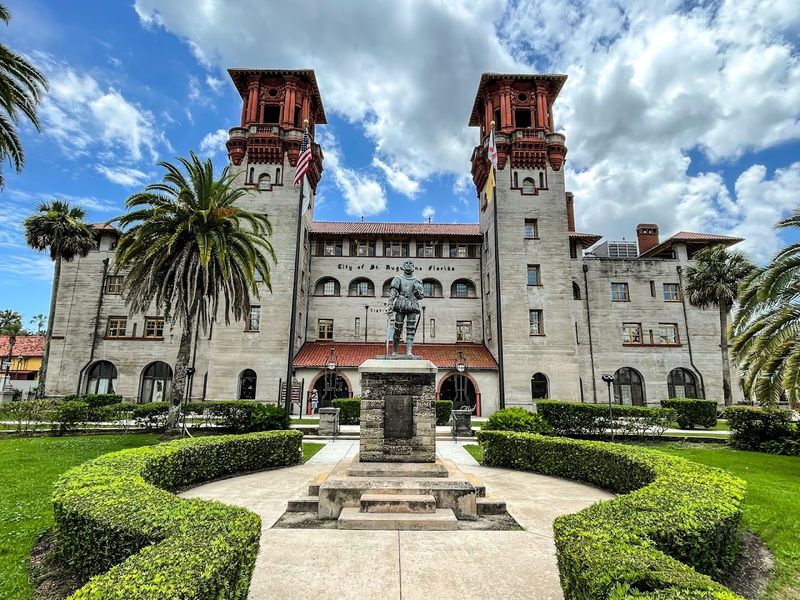
Before you even buy your ticket, the building itself will stop you in your tracks. The Lightner Museum is housed in the former Hotel Alcazar, designed in the Spanish Renaissance style with sweeping arches, elaborate stonework, and a commanding presence that feels straight out of a period drama.
Standing outside, it’s easy to imagine horse-drawn carriages pulling up to the entrance.
Henry Flagler commissioned the hotel in 1888 to complement his other grand property across the street, the Ponce de Leon Hotel, now Flagler College. The symmetry and grandeur of both buildings together create one of the most visually striking streetscapes in all of Florida.
Visitors consistently say the architecture alone is worth the trip. Even if you spent zero time inside, the exterior photo opportunities are genuinely breathtaking.
Plan to arrive a few minutes early just to soak it all in before heading through the doors.
Henry Flagler’s Gilded Age Vision Brought to Life
Henry Flagler was the kind of man who thought big — really big. A co-founder of Standard Oil alongside John D.
Rockefeller, Flagler turned his attention to Florida in the 1880s with a bold dream: transform the sleepy state into a playground for America’s wealthiest elite. The Hotel Alcazar was a crown jewel of that vision.
Flagler believed St. Augustine could become the Newport of the South, attracting socialites, industrialists, and celebrities from across the country. He spared no expense, importing skilled craftsmen and using the finest materials available to create a resort that rivaled anything in Europe.
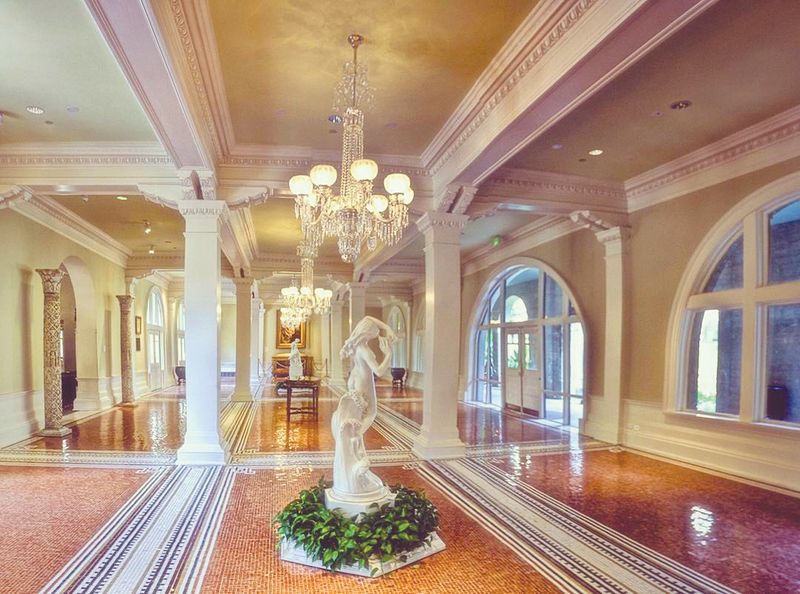
Walking through the Lightner Museum today, you can still feel the ambition behind every carved column and tiled floor. It’s a firsthand look at what the Gilded Age actually meant — not just as a historical term, but as a full-blown lifestyle of extraordinary excess and beauty.
Otto Lightner: The Eccentric Collector Who Saved It All
Here’s a fun fact: the museum wouldn’t exist if not for one gloriously quirky individual named Otto Lightner. A Chicago-based publisher, Lightner ran a magazine called Hobbies — The Magazine for Collectors, which encouraged everyday Americans to collect everything from matchbook covers to bottle caps.
He practiced what he preached, amassing an enormous personal collection of Victorian-era objects.
When the Hotel Alcazar fell on hard times during the Great Depression and eventually closed, Lightner swooped in and purchased the building in 1947. His plan was wonderfully simple: fill this magnificent space with his collections and open it to the public.
The result is what some visitors lovingly call a “collection of collections.”
His legacy is a museum that feels refreshingly personal and wonderfully unpredictable. You never quite know what you’ll find around the next corner, which makes exploring the Lightner Museum feel more like an adventure than a typical museum visit.
The World’s Largest Indoor Swimming Pool — Now a Stunning Event Space
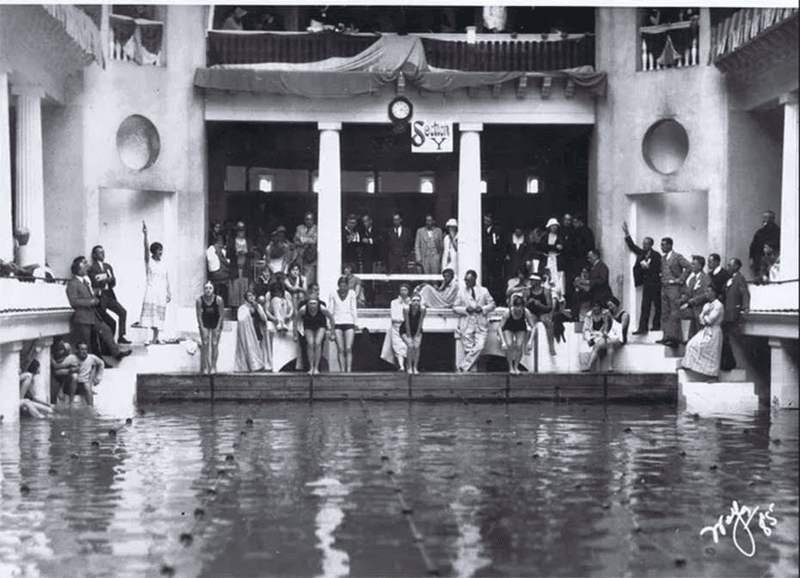
At one point in history, the Hotel Alcazar boasted the largest indoor saltwater swimming pool in the entire world. Picture that for a moment — a massive, ornately tiled pool filled with wealthy Gilded Age guests, surrounded by steam rooms, Turkish baths, and elaborate spa facilities.
It was the ultimate luxury experience of its era.
Today, that same breathtaking space has been transformed into a beautiful courtyard-style venue used for events, weddings, and dining. The Cafe Alcazar operates within this historic pool area, and reservations are strongly recommended, especially for dinner.
The vaulted ceilings and original architectural details make it one of the most atmospheric dining spots in all of Florida.
Wedding photographers absolutely adore this venue, and it’s easy to see why. The combination of history, romance, and architectural grandeur creates a backdrop that no modern event hall could ever replicate.
It’s genuinely one of a kind.
Victorian-Era Decorative Arts That Belong in a Period Drama
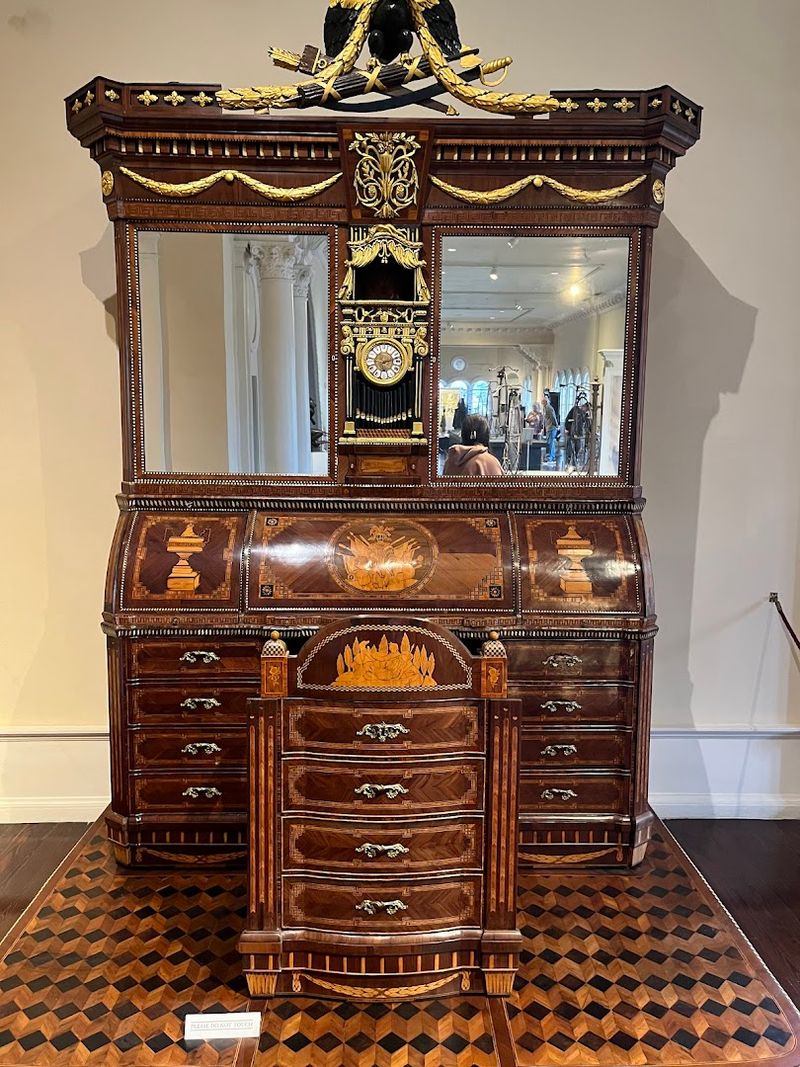
Fans of shows like Downton Abbey will feel right at home wandering through the Lightner’s decorative arts galleries. The museum holds an impressive array of Victorian-era objects — think elaborately painted porcelain, richly carved furniture, delicate lace, and gilded accessories that once adorned the homes of America’s most fashionable families.
Each piece comes with a description card that gives you background on its origin, maker, and historical context. It’s the kind of detail that transforms a pretty object into a real story.
You start to understand not just what these things looked like, but how people actually lived with them.
The sheer craftsmanship on display is humbling. In an age before mass production dominated everything, skilled artisans poured weeks or even months into creating a single decorative piece.
Seeing that level of dedication up close makes you appreciate these objects in a way that photographs simply cannot capture.
The Glittering Crystal and Cut Glass Room
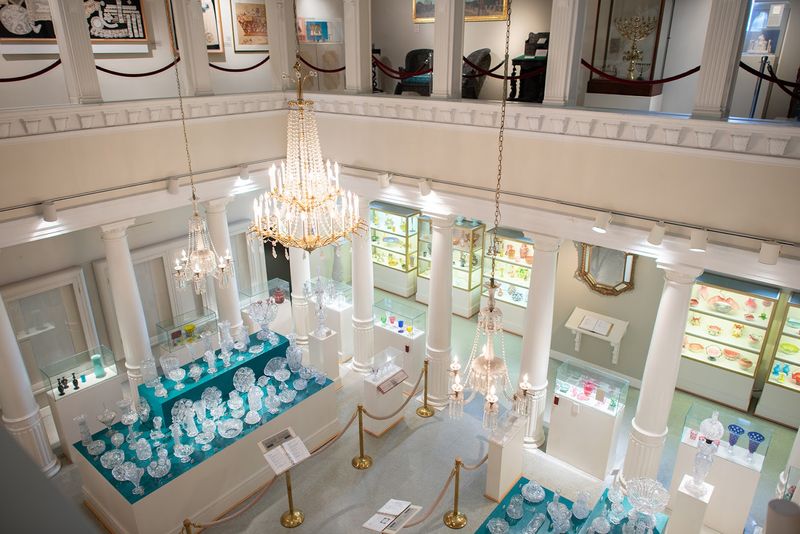
Step into the crystal and cut glass room and prepare to be genuinely dazzled. Hundreds of pieces line the display cases — decanters, vases, bowls, goblets, and candlesticks — each one catching the light in a slightly different way.
The overall effect is almost magical, like standing inside a kaleidoscope.
Cut glass was enormously fashionable during the late 19th century, and wealthy American households competed to display the most elaborate pieces. The Lightner’s collection captures this obsession beautifully, showcasing work from both American and European glassmakers at the height of their craft.
One visitor described this room as her absolute favorite stop in the entire museum, and it’s not hard to understand why. Even people who wouldn’t normally consider themselves art lovers find themselves slowing down here, leaning in close, and marveling at the precision required to create these sparkling, intricate masterpieces.
Budget extra time for this one.
Mechanical Musical Instruments That Still Sing After 100 Years

Long before streaming playlists and wireless speakers, wealthy households entertained guests with mechanical musical instruments — elaborate contraptions that could play full orchestral arrangements without a single human performer. The Lightner Museum has a remarkable collection of these devices, and they’re among the most fascinating exhibits in the building.
Music boxes with intricate pin cylinders, player pianos, and massive orchestrions line the gallery, each one a mechanical marvel of its era. Several visitors have mentioned wishing they could hear these instruments in action, and honestly, that sentiment is completely understandable.
Even silent, their craftsmanship is extraordinary.
The museum occasionally holds special demonstration events where some of these instruments are played, so checking the website before your visit is a smart move. Catching one of these demonstrations adds a whole new sensory dimension to the experience — suddenly, these antique machines feel alive again in the most delightful way possible.
Stained Glass Masterpieces That Flood the Rooms With Color
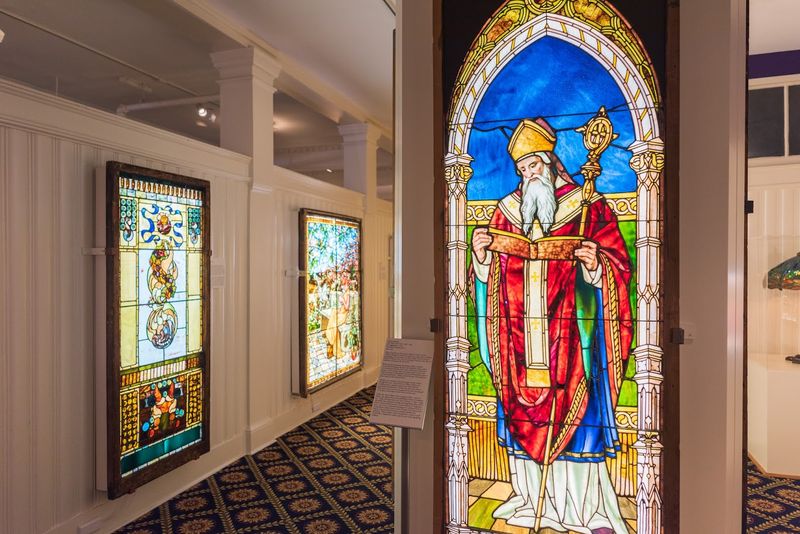
There’s something quietly spiritual about standing in front of a beautifully crafted stained glass panel. The Lightner Museum’s stained glass collection does exactly what great art is supposed to do — it makes you stop, breathe, and simply look.
Rich jewel tones of ruby, sapphire, emerald, and gold create patterns that feel both ancient and surprisingly modern.
Many of the pieces date from the late 19th and early 20th centuries, a golden era for American stained glass artistry. Craftsmen during this period elevated the medium from purely religious applications into a celebrated decorative art form found in the grandest private homes and public buildings alike.
Visitors consistently list the stained glass gallery as one of their top highlights, and it photographs beautifully if you’re visiting on a sunny day. Position yourself so the light comes through the panels toward you, and you’ll capture images that look like they belong in an architectural magazine.
Truly stunning stuff.
The Evolution of the Bicycle: A Surprisingly Captivating Exhibit
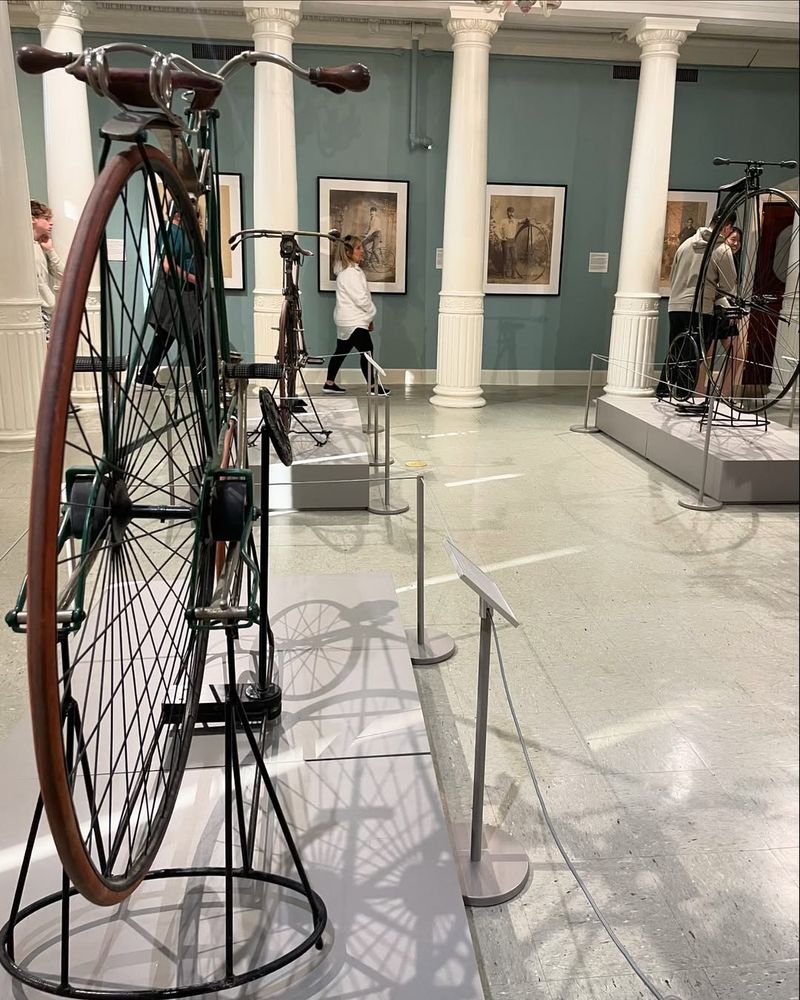
Nobody walks into the Lightner Museum expecting bicycles to be a highlight — and that’s exactly what makes this exhibit so charming. The collection traces the evolution of the bicycle from its earliest, almost comically impractical forms to the recognizable safety bicycle designs of the late 1800s.
It’s a genuinely fascinating slice of transportation history.
One lucky group of visitors even got to meet Keith Pariani, a collector whose personal bicycle collection is featured in the museum. Hearing directly from the person who gathered these machines added a warm, personal layer to what could have otherwise felt like a dry historical display.
The exhibit works especially well for younger visitors, who tend to be delighted and baffled in equal measure by the penny-farthing’s enormous front wheel. It sparks great conversations about how technology evolves and why certain designs succeed while others quietly disappear into history.
A real crowd-pleaser.
Florida Landscape Paintings That Capture a Vanished World

Florida looked very different 150 years ago — wild, untamed, and breathtakingly lush. The Lightner Museum’s collection of Florida landscape paintings offers a rare window into that lost world, with artists capturing rivers, marshes, tropical vegetation, and wildlife that have since been dramatically altered by development and time.
These paintings carry a nostalgic weight that hits differently when you’re standing in St. Augustine, one of the oldest continuously occupied cities in America. You’re not just looking at pretty scenery — you’re looking at documentation of a place before it was transformed.
That context makes the paintings feel genuinely important rather than merely decorative.
Art lovers and history enthusiasts alike tend to linger here longer than expected. The combination of technical skill and historical significance creates a viewing experience that rewards close attention.
Look carefully at the details — the quality of light, the textures of foliage — and you’ll see just how talented these largely forgotten artists truly were.
Oddities, Curiosities, and the Museum’s Famous Eccentric Charm
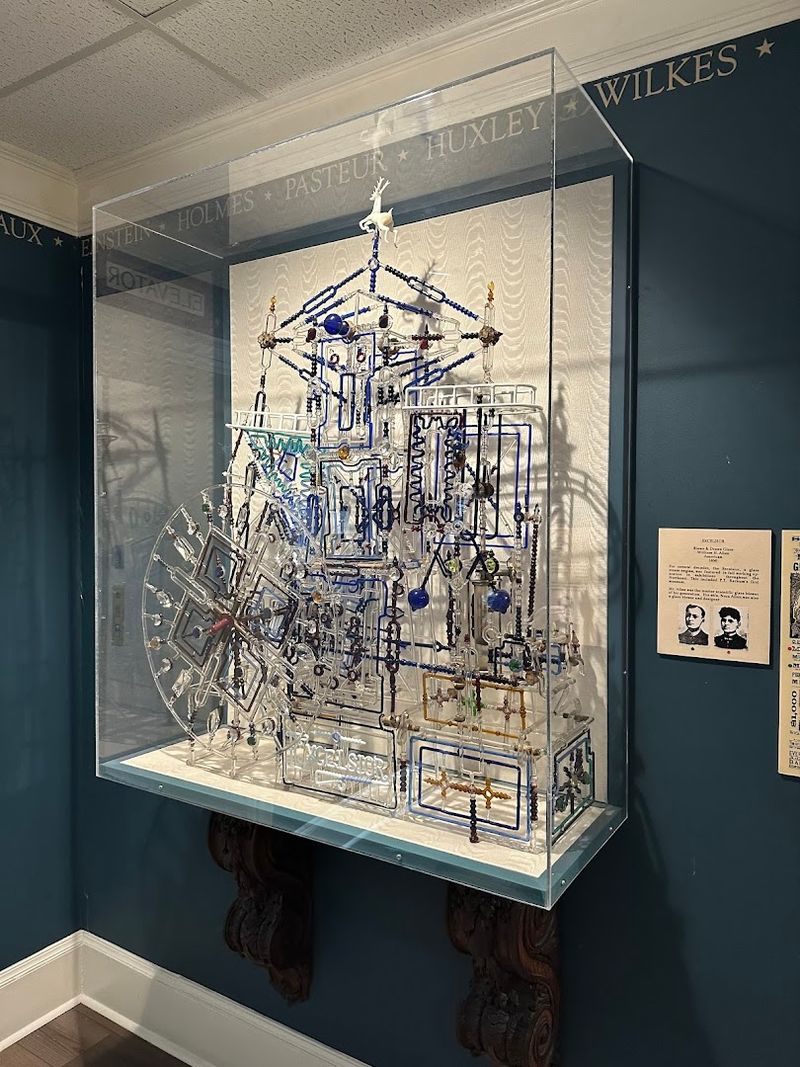
Part of what makes the Lightner Museum genuinely unforgettable is its unapologetic embrace of the weird and wonderful. Otto Lightner was a collector at heart, and that spirit extends to some of the more unusual items scattered throughout the museum.
From oddities that raise eyebrows to curiosities that spark genuine questions, this is not your average sanitized gallery experience.
Regular visitors have noted the absence of a certain shrunken head that was once a beloved, if startling, fixture of the collection. Its disappearance prompted heartfelt pleas in reviews from guests who had made a tradition of photographing it on repeat visits.
That kind of emotional connection to a museum exhibit says everything about how personal this place feels.
The eclectic mix of the beautiful and the bizarre is actually one of the Lightner’s greatest strengths. It keeps you alert and engaged, never quite sure what’s coming next — which is exactly how a great museum should make you feel.
A Self-Guided Experience That Moves at Your Own Pace
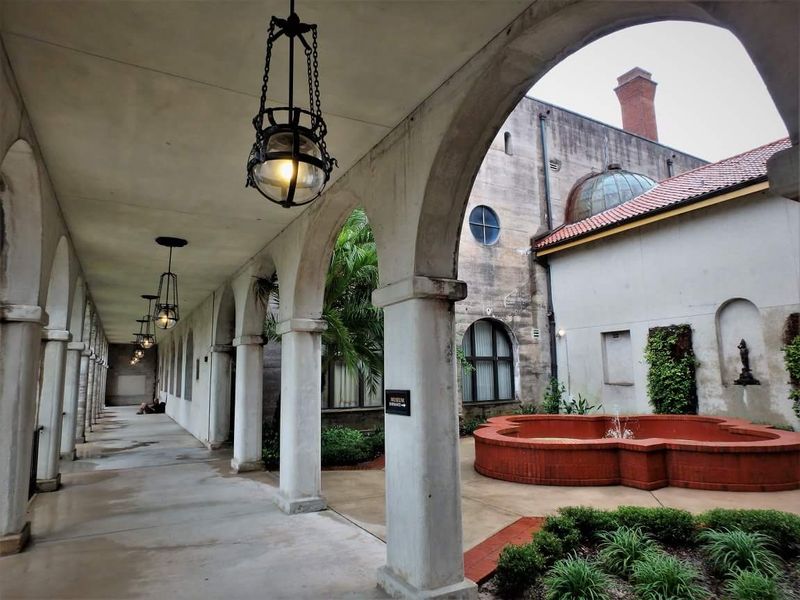
One of the most appealing things about visiting the Lightner Museum is the freedom it gives you. Upon arrival, guests receive a detailed map outlining the layout and themes of each floor, making it easy to navigate at whatever pace suits you best.
There’s no tour group to keep up with and no rigid schedule to follow.
The museum’s layout — inherited directly from the hotel’s original floor plan — means each room has its own distinct personality. Some visitors zip through in about 30 minutes, while others spend two hours or more getting absorbed in the details.
Docents are available throughout and are consistently praised for their knowledge, friendliness, and genuine enthusiasm for sharing both museum facts and local St. Augustine tips.
Elevators provide access to upper floors, which is helpful for visitors with mobility needs, though some reviewers note the elevators can be on the slower side. Factor that into your timing, especially during busy weekend hours.
Why the Lightner Museum Belongs on Every St. Augustine Itinerary
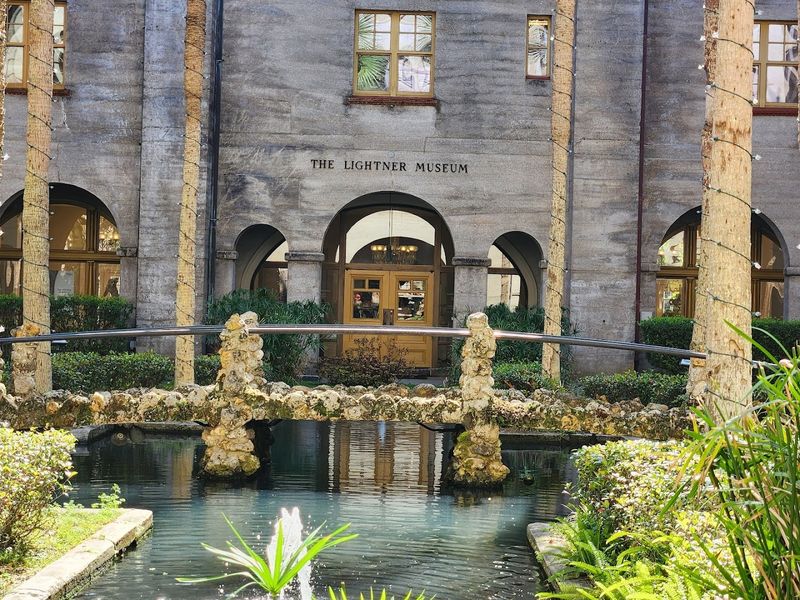
St. Augustine is packed with things to do, but the Lightner Museum stands in a category all its own. At just $20 per adult with various discounts available, it offers extraordinary value for what is genuinely a multi-hour experience.
The combination of world-class architecture, diverse collections, and rich historical context makes it one of the most rewarding stops in the entire city.
The museum is located right in the heart of the historic district at 75 King St., within easy walking distance of other major attractions, restaurants, and shops. Hours run daily from 9 AM to 5 PM, making it a flexible addition to almost any schedule.
Checking the website at lightnermuseum.org before your visit is always a good idea, as rotating exhibits and special events can significantly enhance the experience.
Visitors of all ages — from third-grade field trippers to seasoned art collectors — consistently leave impressed. Few places in Florida pack this much history, beauty, and personality under one roof.
Enjoyed this story?
Add Fast Food Club as a preferred source to see more of our reporting on Google.