


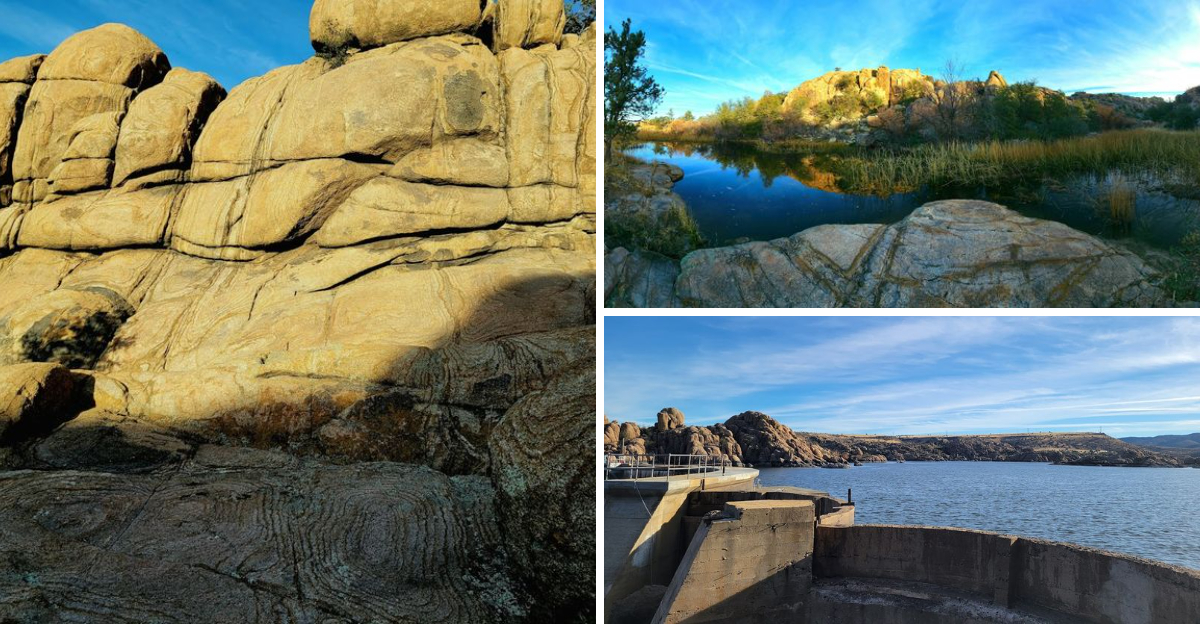
Tucked away near Prescott, Arizona, the Granite Dells is one of those rare places that makes you stop and stare in disbelief. Massive rounded boulders, some millions of years old, stack and tumble across the land like nature built its own fairy-tale kingdom.
Watson Lake weaves between the rocks, reflecting colors so vivid they look almost painted. If you have never heard of this place before, get ready to add it straight to your bucket list.
The Ancient Granite Boulders That Defy Imagination
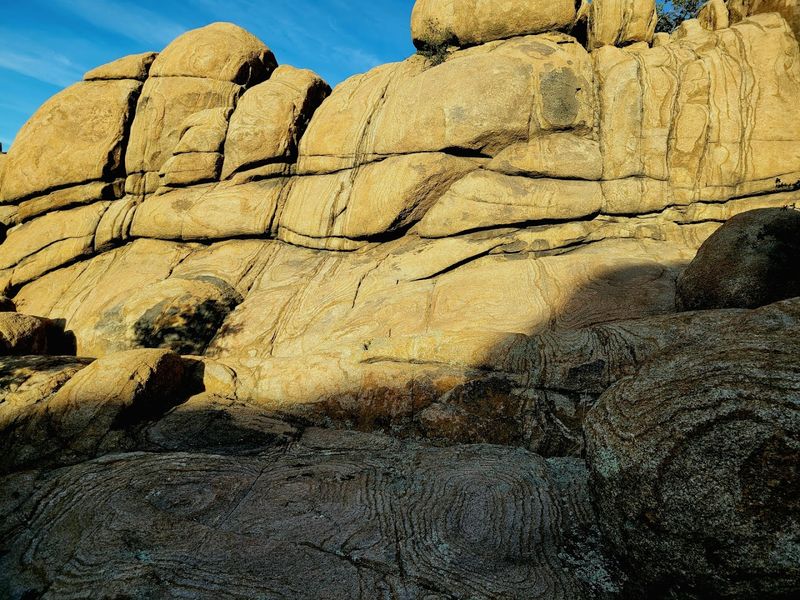
About 1.4 billion years ago, molten rock slowly cooled deep underground, creating what we now see as the jaw-dropping boulders of Granite Dells. Over millions of years, wind and water carved these rocks into smooth, rounded shapes that look almost too perfect to be real.
Standing next to them feels like stepping into another world entirely.
Each boulder can weigh thousands of tons, yet they seem to balance effortlessly on top of one another like a giant stacked them by hand. The warm pink and gray tones of the granite glow brilliantly during sunrise and sunset.
Photographers travel from all over the country just to capture that magical light bouncing off the rocks.
Geologists call this type of formation an inselberg, meaning an isolated rock hill rising from flat land. Whether you are a science fan or just someone who loves beautiful things, these boulders will absolutely take your breath away.
Watson Lake: A Mirror Nestled Among the Rocks
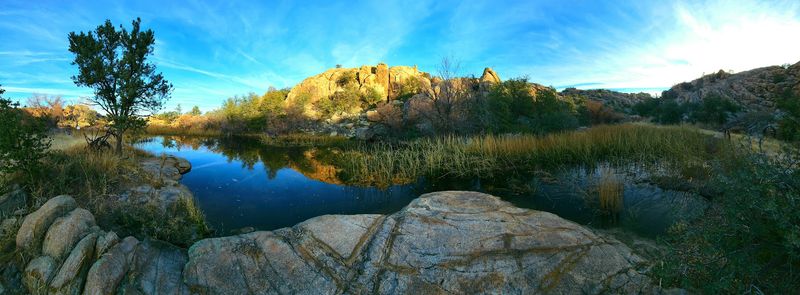
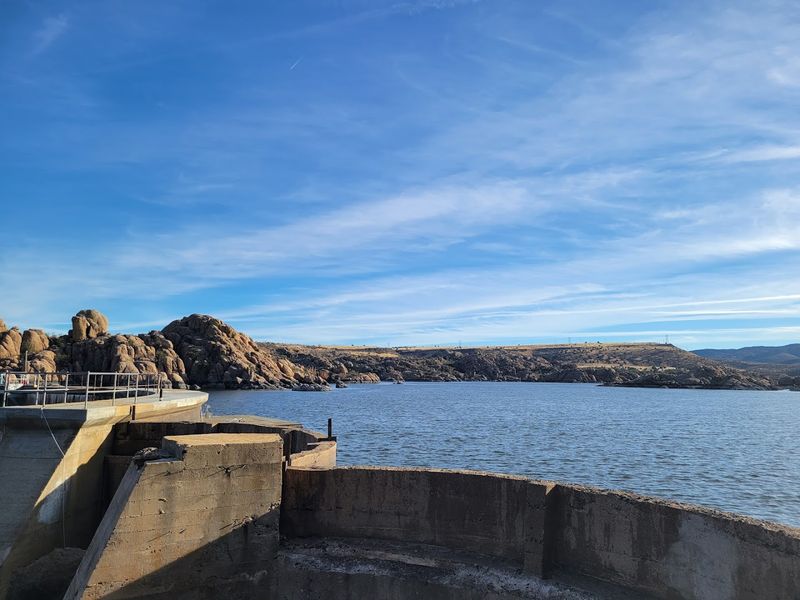
Imagine a lake so perfectly placed among boulders that it looks like it was designed by a movie set crew. Watson Lake sits right in the heart of Granite Dells, and its calm surface mirrors the surrounding rocks and sky in stunning detail.
On a still morning, the reflection is so sharp it can be hard to tell where the water ends and the sky begins.
The lake covers about 143 acres and is a popular spot for kayaking, paddleboarding, and fishing. Largemouth bass, catfish, and sunfish swim through its clear waters, making it a favorite for anglers of all skill levels.
Even if you never cast a line, simply sitting on the rocky shore and watching the water shimmer is deeply satisfying.
Wildlife is everywhere here too. Great blue herons, ospreys, and mule deer all call this area home.
Watson Lake is truly the sparkling jewel of Granite Dells.
Kayaking Through a Rocky Maze Like No Other
Paddling a kayak through the narrow channels of Watson Lake feels like navigating a secret world that most people never get to see. The granite boulders crowd close to the water on all sides, creating winding passageways that open up into hidden coves and quiet inlets.
Every turn reveals something new and surprising.
Rentals are available right at the lake, so you do not need to bring your own equipment. Both sit-on-top kayaks and stand-up paddleboards are popular choices for exploring the rocky shoreline.
The water is generally calm enough for beginners, though some channels require a bit of maneuvering skill.
Going early in the morning gives you the best experience, when the light is soft and the crowds are thin. The silence out on the water, broken only by the sound of your paddle and distant birds, makes this one of the most peaceful adventures in all of Arizona.
The Peavine National Recreation Trail and Its Stunning Views
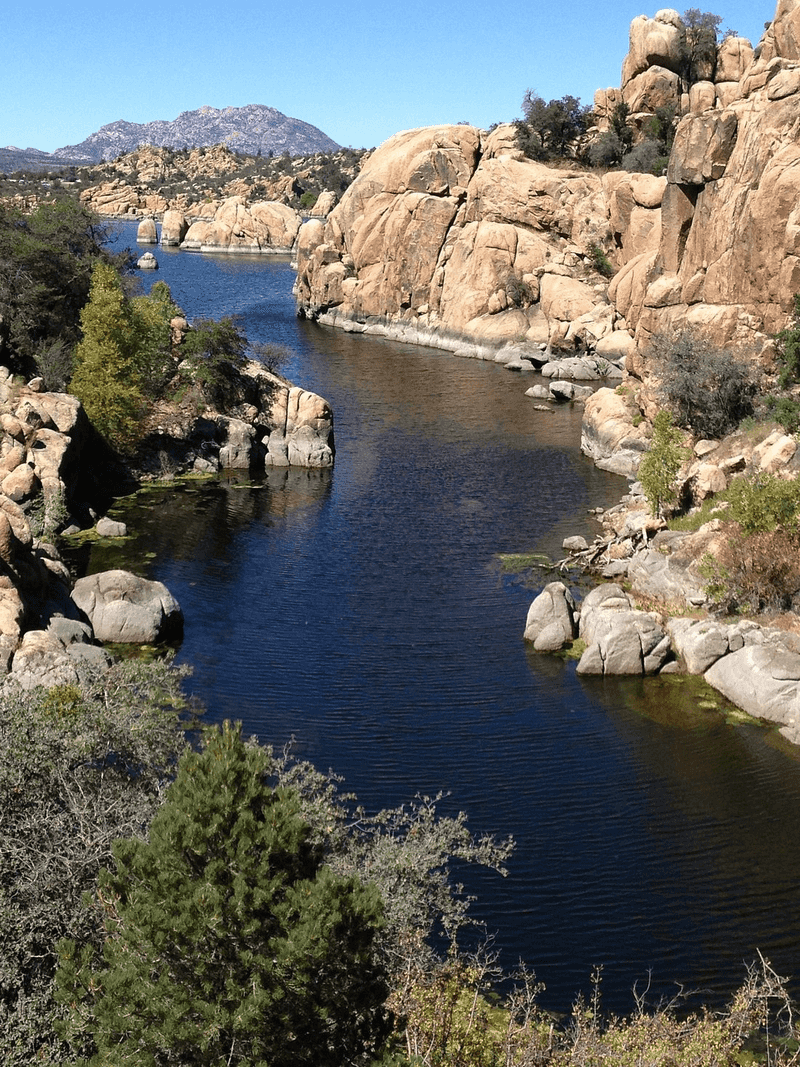
Few trails in Arizona pack as much visual drama into a single walk as the Peavine National Recreation Trail. Running about 4.5 miles one way, this path follows an old railroad grade right through the heart of Granite Dells.
The combination of flat terrain and epic scenery makes it a winner for hikers, cyclists, and trail runners alike.
Along the way, the trail passes right alongside Watson Lake, offering sweeping views of the water framed by towering boulders. You do not need to be an experienced hiker to enjoy it.
Families with young kids, older adults, and even folks with strollers tackle this trail regularly without any trouble.
Spring is an especially magical time to visit, when wildflowers bloom along the path and the air is crisp and fresh. The trail connects to the longer Iron King Trail, giving more adventurous hikers even more miles to explore through this unforgettable landscape.
Sunrise at Granite Dells: Pure Magic in the Desert
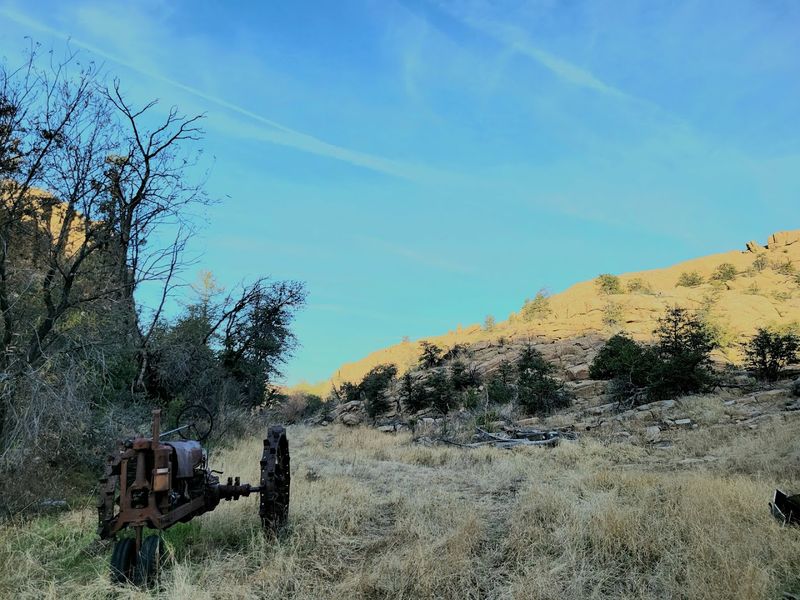
There is something almost spiritual about watching the sun rise over Granite Dells. As the first light creeps over the horizon, the granite boulders transform from dark silhouettes into glowing sculptures of pink, amber, and gold.
The whole landscape seems to come alive in those few precious minutes.
Photographers who make the effort to arrive before dawn are rewarded with some of the most dramatic images possible. The low-angle light creates deep shadows that emphasize every curve and texture of the ancient rocks.
Watson Lake catches the colors of the sky and doubles the spectacle with its perfect reflections.
Even if photography is not your thing, experiencing sunrise here is simply unforgettable. Bring a warm layer because early mornings in Prescott can be chilly even in summer.
Find a flat boulder to sit on, pour some coffee from a thermos, and watch the desert world wake up in the most spectacular fashion imaginable.
Rock Climbing Adventures on Ancient Stone
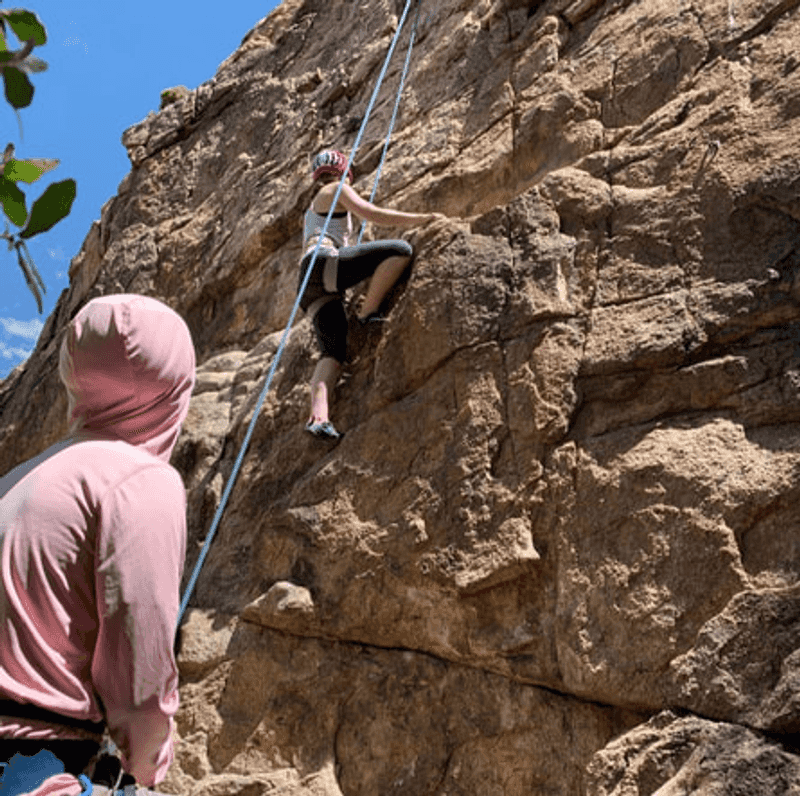
Rock climbers have known about Granite Dells for decades, and once you see the boulders up close, it is easy to understand why. The rounded, textured surfaces offer a variety of routes for climbers at every skill level.
Some boulders are short enough for beginners to practice basic moves, while others provide serious challenges for experienced climbers.
Bouldering is especially popular here because the rocks are often low enough that you do not need ropes or harnesses. Crash pads and a spotter are typically enough to keep things safe.
The granite texture grips well, giving climbers solid footholds and handholds across most surfaces.
Always check local regulations before climbing, as some areas near Watson Lake have restrictions to protect nesting birds and fragile ecosystems. Joining a local climbing group is a great way to learn the best spots and connect with people who know the area well.
Granite Dells rewards bold and curious adventurers generously.
Wildlife Watching in a Surprisingly Rich Ecosystem
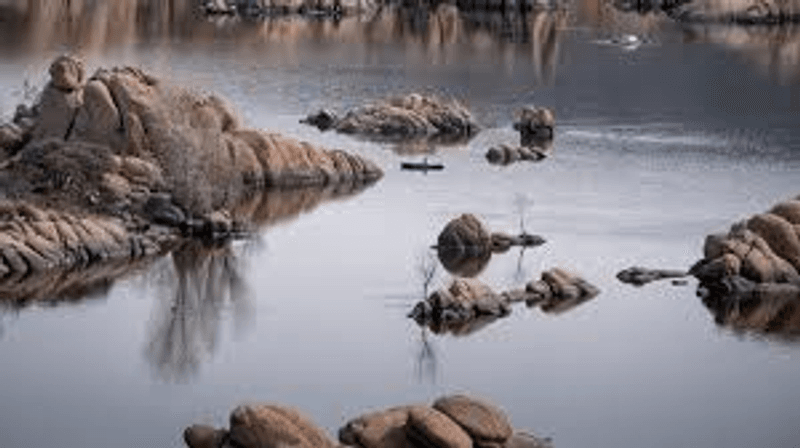
Do not let the rocky exterior fool you. Granite Dells is teeming with wildlife that has adapted beautifully to this rugged environment.
Great blue herons stand motionless on boulders, waiting patiently for fish, while ospreys circle overhead scanning the lake below. Mule deer often appear at dawn and dusk, picking their way carefully between the rocks.
Birdwatchers will be especially thrilled here. Over 100 bird species have been recorded in and around Watson Lake Park, making it one of the top birding spots in Yavapai County.
Bring binoculars and a field guide, and you could spend an entire morning without running out of new sightings.
Reptiles like western fence lizards and gopher snakes are also common residents, sunning themselves on warm boulders throughout the day. The diversity of life tucked into this seemingly harsh landscape is a genuine reminder of how resilient and creative nature can be in the American Southwest.
The Role of Granite Dells in Yavapai Nation History
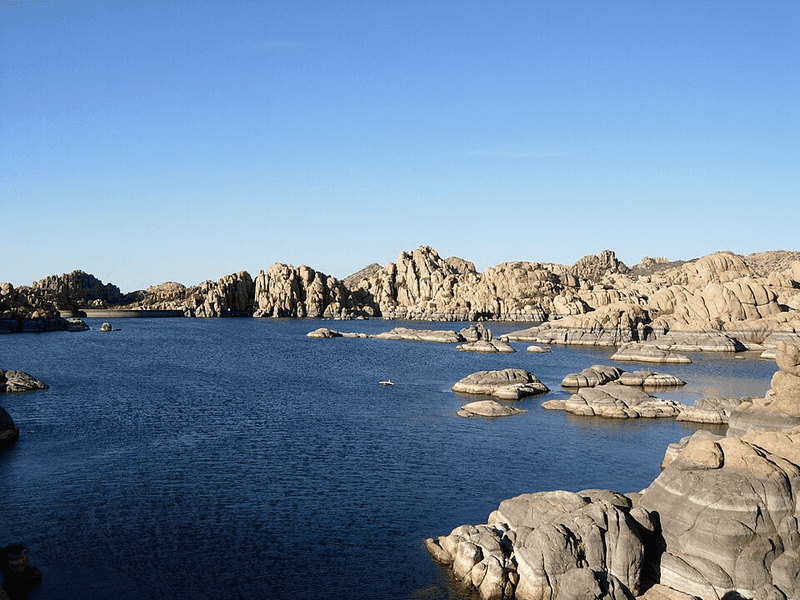
Long before tourists discovered Granite Dells, the Yavapai people called this land home. For centuries, they lived among these boulders, using the natural caves and overhangs as shelter and the nearby water sources for survival.
The rocks were not just scenery to them but a vital part of daily life and spiritual tradition.
The forced removal of the Yavapai from their ancestral lands in the 1870s is one of the most painful chapters in Arizona history. Learning about this history adds a powerful layer of meaning to any visit to Granite Dells.
The land holds stories far older and more profound than any hiking trail or vacation photo.
Several local museums in Prescott, including the Sharlot Hall Museum, offer exhibits about Yavapai culture and history. Taking time to understand who lived here first enriches the entire experience of visiting this extraordinary place and honors the deep human connection to this remarkable landscape.
Watson Lake Park: Your Base Camp for Exploration
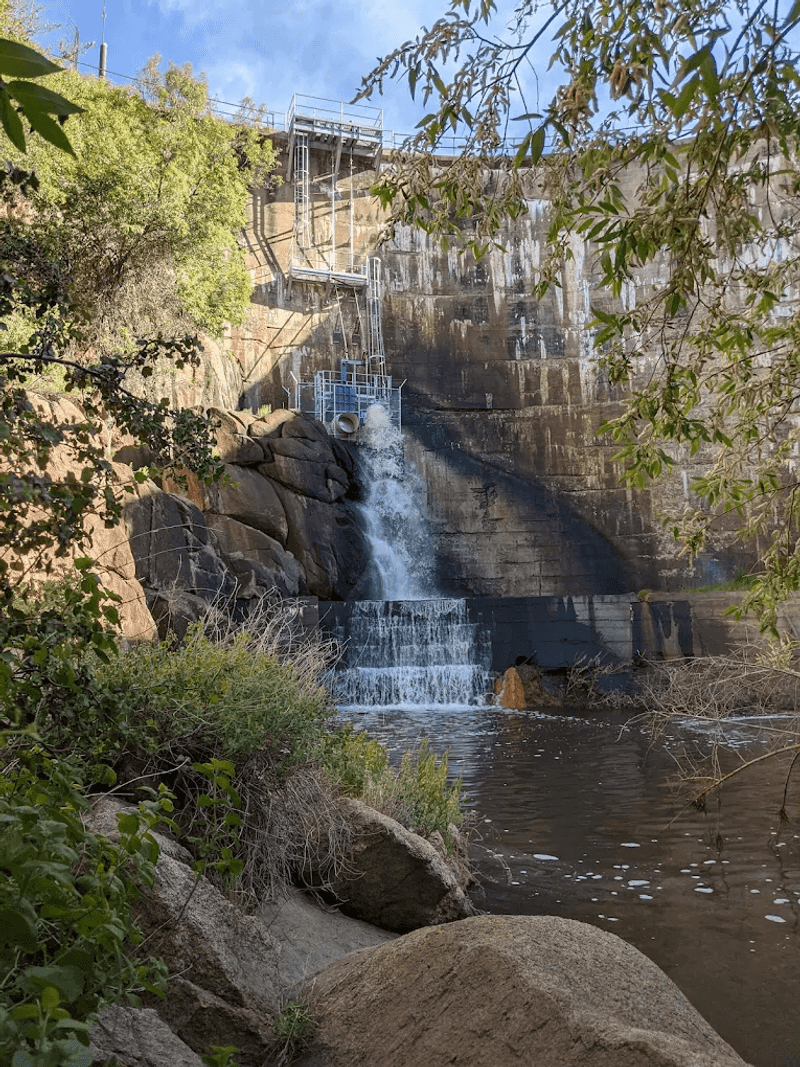
Watson Lake Park serves as the main gateway for most visitors exploring Granite Dells, and it is wonderfully well set up for a full day of outdoor fun. The park includes picnic areas, restrooms, a boat ramp, and a sandy beach area where kids love to splash around.
Parking is available, though it fills up fast on weekends and holidays.
Admission fees are very reasonable, and the park is open year-round. Weekday visits are highly recommended if you want more breathing room on the trails and quieter time on the water.
Rangers are usually on-site and happy to answer questions about the geology, wildlife, and best spots to explore.
Bringing your own food and drinks is a smart move since there are no restaurants inside the park. Pack a cooler, grab a shady picnic table near the water, and plan to spend several hours soaking up everything this remarkable natural playground has to offer visitors of every age.
Photography Tips for Capturing the Fantasy-Like Scenery
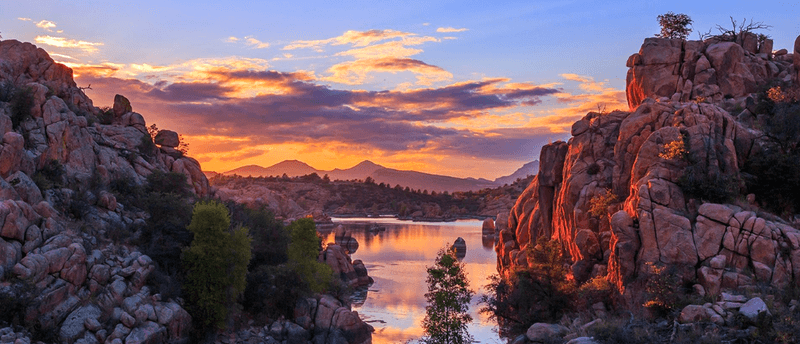
Granite Dells is genuinely one of the most photogenic places in the entire American Southwest, and knowing a few simple tricks can take your images from good to absolutely stunning. The golden hours, meaning the first hour after sunrise and the last hour before sunset, produce the warmest and most dramatic light on the boulders.
Timing your visit around those windows makes a massive difference.
Using a wide-angle lens helps capture the grand scale of the rock formations, while a telephoto lens is great for isolating wildlife or distant details. A polarizing filter can dramatically reduce glare on Watson Lake and make the water colors pop with incredible richness and depth.
Even smartphone photographers can get incredible results here by focusing on reflections, interesting rock textures, and framing shots through gaps between boulders. Do not overlook the smaller details either.
Lichen patterns on granite, tiny wildflowers growing from cracks, and bird feathers caught on rocks all make surprisingly compelling close-up shots.
Stargazing at Granite Dells Under Arizona Skies
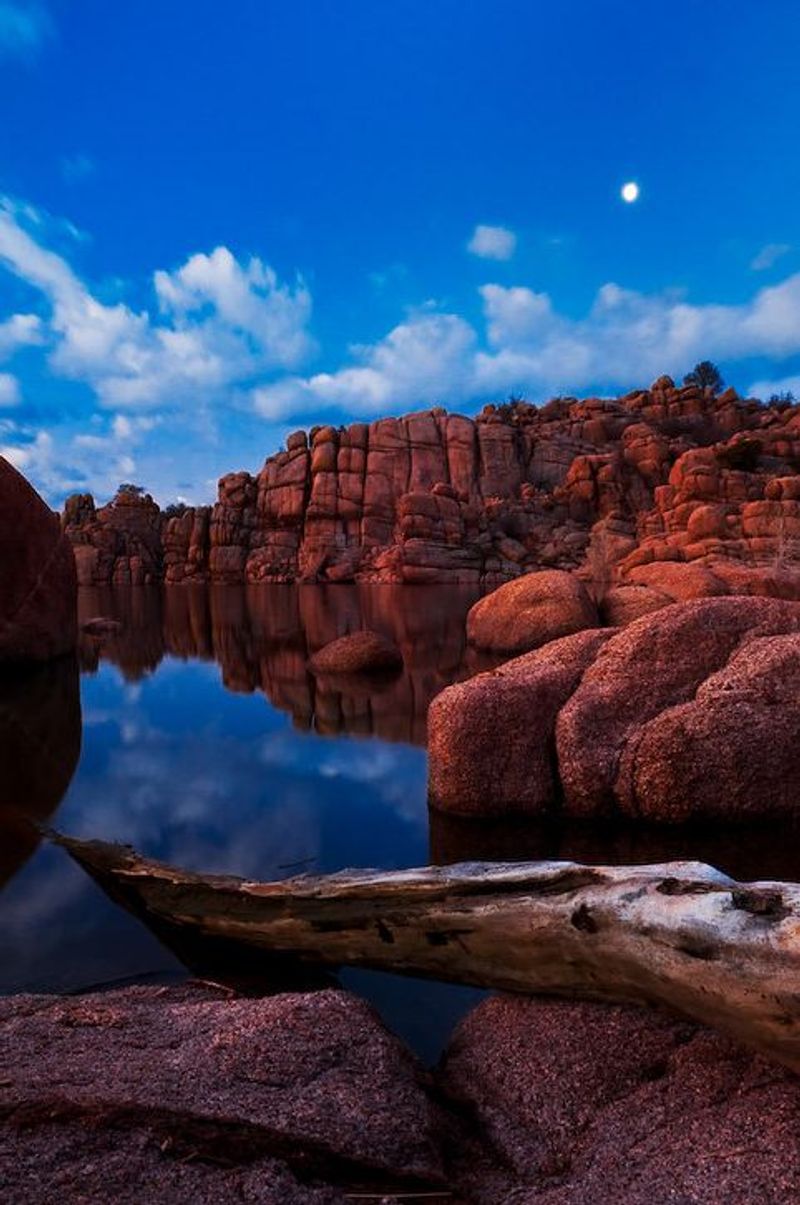
When the sun goes down at Granite Dells, a completely different kind of show begins. Prescott sits at an elevation of about 5,400 feet, which means thinner atmosphere and less light pollution compared to valley cities.
On a clear night, the sky above Granite Dells absolutely blazes with stars, and the Milky Way can sometimes be seen with the naked eye.
Astrophotographers make special trips to this area during new moon phases when darkness is at its peak. The silhouettes of the massive boulders against a star-filled sky create images that look straight out of a science fiction film.
Watson Lake adds another dimension by reflecting the stars in its still surface.
Bring a red-light headlamp, a warm jacket, and some patience. Let your eyes adjust for at least 20 minutes after arriving in the dark.
Stargazing here is a humbling, awe-inspiring experience that reminds you just how small and lucky we all are.
How Granite Dells Compares to Other Arizona Wonders
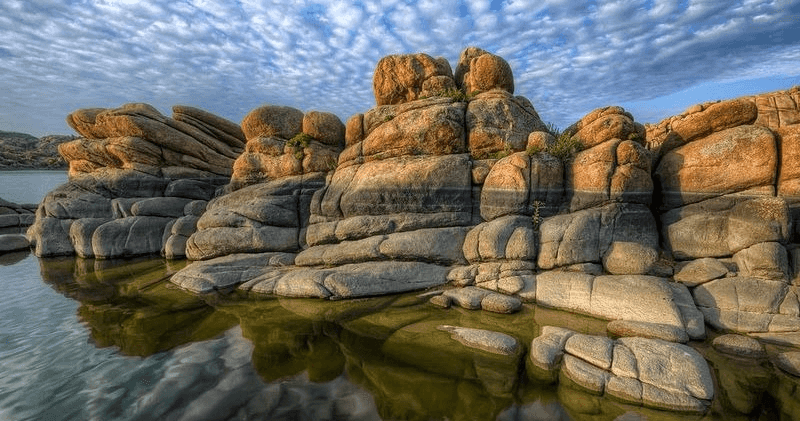
Arizona is overflowing with jaw-dropping landscapes, from the Grand Canyon to Sedona to Monument Valley. Yet Granite Dells holds its own unique charm that sets it apart from every other natural wonder in the state.
The rounded, stacked boulder formations here look nothing like the tall red spires of Sedona or the layered canyon walls of the Grand Canyon.
What makes Granite Dells especially special is its accessibility. You do not need to hike for hours or pay steep entrance fees to experience its beauty.
The dramatic scenery starts almost immediately from the parking lot, making it welcoming for people of all physical abilities and ages.
Geologically speaking, Granite Dells is also far older than most other Arizona landmarks. At 1.4 billion years old, these rocks predate even the dinosaurs by over a billion years.
That age alone gives the place an otherworldly weight that you can actually feel when you stand among the boulders.
Planning Your Perfect Visit to Granite Dells
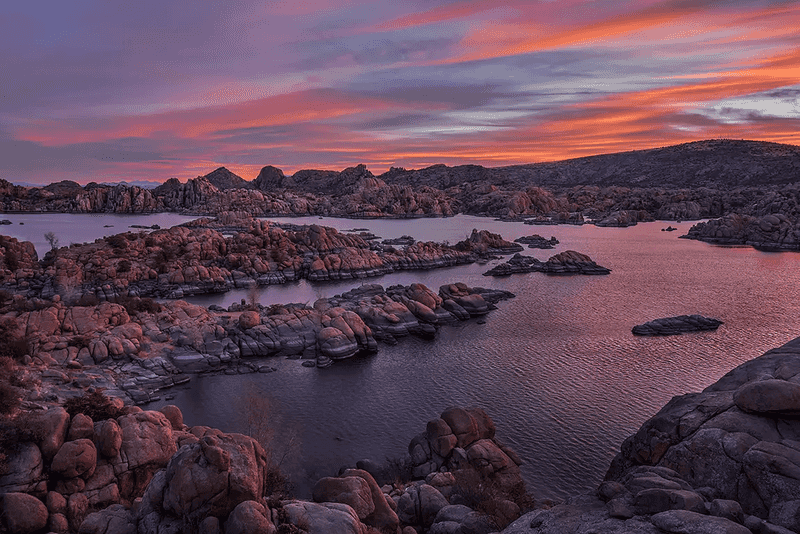
Getting the most out of a trip to Granite Dells starts with a little smart planning. Prescott is about 100 miles north of Phoenix, making it an easy day trip or a relaxed weekend getaway.
The drive itself is scenic, especially the stretch along Highway 89, where the terrain shifts dramatically as you climb into the central highlands.
Spring and fall are the best seasons to visit, when temperatures are comfortable and the light has that gorgeous warm quality. Summer mornings work well too, but afternoon heat can be intense, so plan outdoor activities for early in the day.
Winter visits are possible and surprisingly beautiful, especially after a light snowfall dusts the boulders.
Book accommodations in Prescott early if visiting on a holiday weekend, as the town fills up fast. Downtown Prescott is charming, with great restaurants, local shops, and a lively square that makes the perfect ending to a day spent exploring one of Arizona’s most breathtaking hidden treasures.
Enjoyed this story?
Add Fast Food Club as a preferred source to see more of our reporting on Google.