


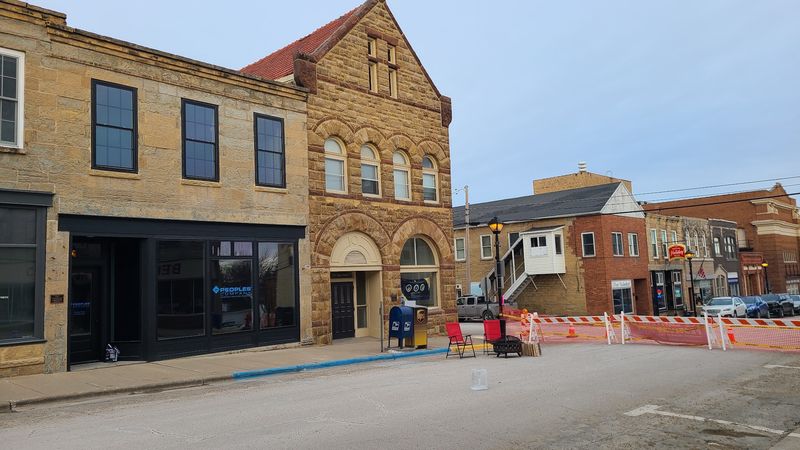
Tucked into the rolling hills of southwestern Wisconsin sits a small city with a big backstory, one that started underground and grew into something worth a weekend road trip. Long before it became a quiet artist haven, this place drew people chasing metal buried in the ground, and their stone cottages still line the streets today.
What makes it special is how much history stays standing, mixed with working studios, galleries, and shops that keep the sidewalks lively. Iowa County holds plenty of pretty spots, but few carry this blend of mining roots and creative energy.
Keep reading and you will learn where to find it, what to do once you arrive, and why so many people leave planning their next visit before they even hit the highway home.
Where To Find This Hillside Haven
Set among the ridges of Iowa County, the address is simply Mineral Point, WI 53565, a compact city that sits within the larger Town of Mineral Point in southwestern Wisconsin.
It belongs to the Madison metropolitan area, which puts it within easy reach for a day trip yet far enough to feel like a real escape. The 2020 census counted 2,581 residents, so crowds never overwhelm the sidewalks.
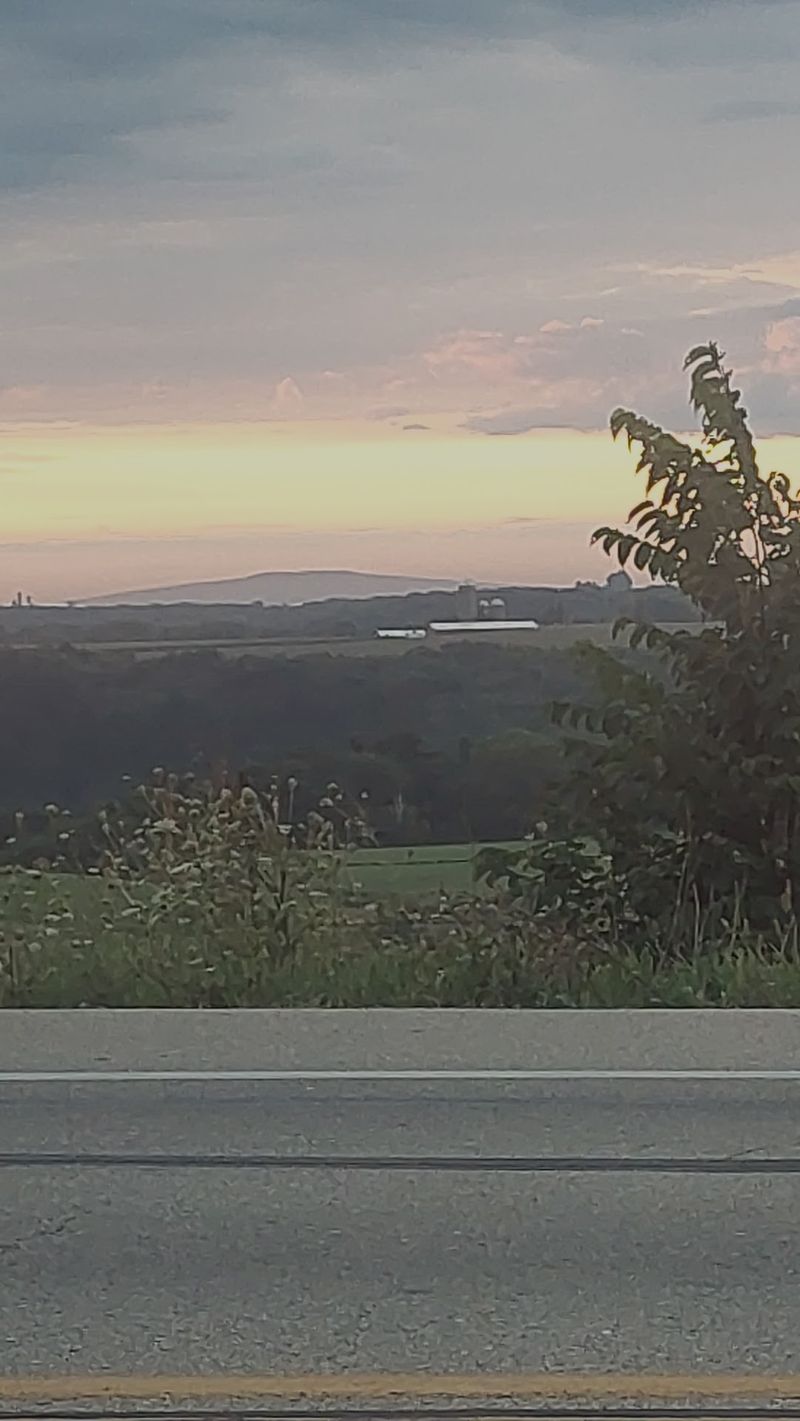
The setting alone earns a mention. Hills roll in every direction, and the streets curve with the land instead of fighting it, which gives the whole place a comfortable, unhurried shape.
You can learn more before you go through the official site at mineralpoint.com, a handy stop for events and seasonal happenings. Planning ahead pays off here, since small towns often pack their calendars with more than their size suggests.
What ties everything together is scale. Everything sits close enough to explore on foot, from historic blocks to tucked-away studios, and that walkability is part of the charm.
Getting oriented takes minutes, and once you do, the rest of the trip opens up naturally.
A Town Born From The Ground Up
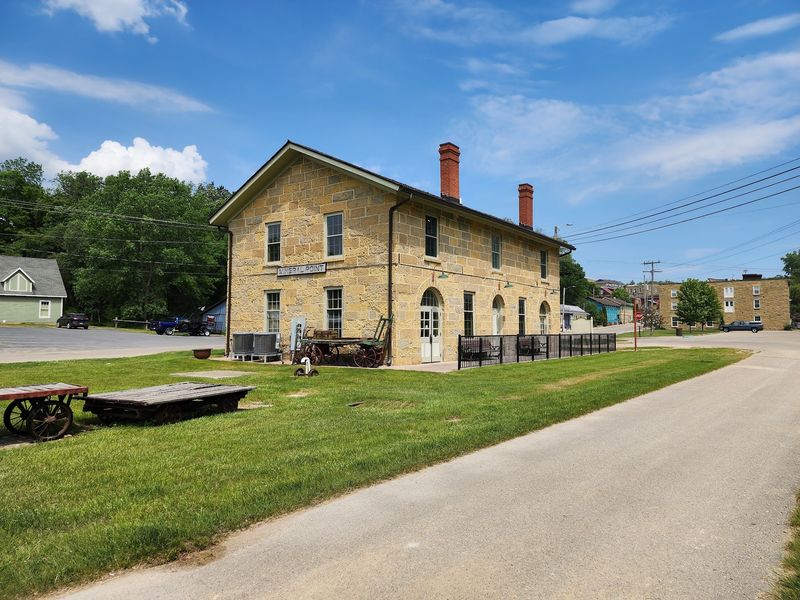
Long before galleries opened their doors, people came here for what lay beneath the surface. The area’s name says it plainly, and mining is the reason the settlement took root in the first place.
Miners arrived in the early 1800s, and the work shaped both the economy and the look of the streets. Those early days left a lasting mark that still defines the character of the place today.
Skilled workers from Cornwall, England, brought their stone-building know-how with them, and their craftsmanship survives in cottages that have stood for generations. That Cornish heritage remains one of the strongest threads in the local story.
The town’s growth tracked closely with the fortunes of the diggings around it. When the metal was plentiful, the population swelled, and the buildings that went up during those years form the backbone of the historic core.
Understanding this beginning changes how the whole city reads. Each stone wall and narrow lane connects back to that first wave of arrivals, and knowing the origin makes an afternoon stroll feel like walking through a preserved chapter of Wisconsin’s past.
Stone Cottages That Refused To Age
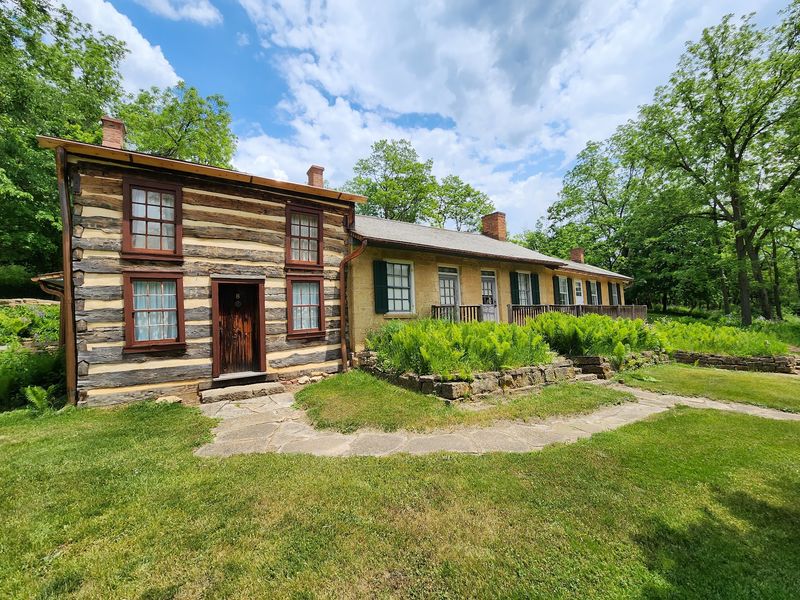
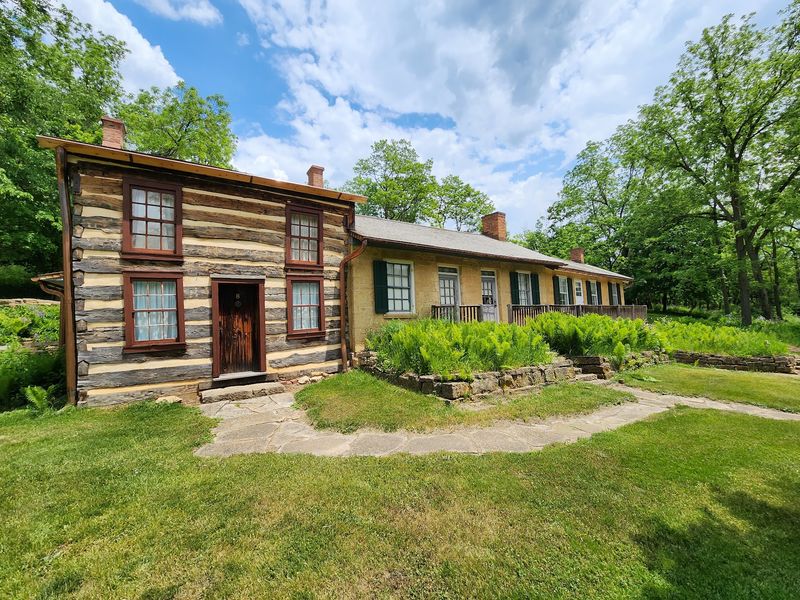
Few things say more about this place than the rows of hand-built stone homes lining its older streets. Crafted by Cornish hands nearly two centuries ago, these cottages have outlasted the industry that first drew their builders west.
The workmanship shows in the tight joints and thick walls, structures built to stand rather than merely shelter. Many have been carefully maintained, so they look much as they did when the first families moved in.
Preservation is a point of pride locally, and it has kept the historic district remarkably intact. Rather than tearing down and starting over, the community leaned into what made it distinctive, which explains why the old fabric survived.
Walking past these homes gives a clear sense of continuity. Generations have passed through their doorways, and the fact that they still serve as homes and shops keeps the history feeling alive instead of frozen.
For anyone drawn to architecture with a real story, these cottages reward slow attention. They stand as proof that good building and steady care can carry a town’s identity forward, decade after decade, without losing the thread.
Galleries And Working Studios On Every Block
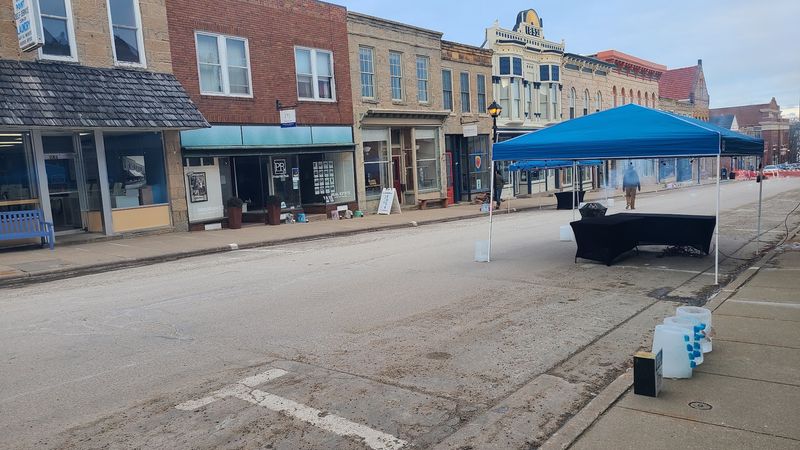
Somewhere along the way, this old mining city reinvented itself as a magnet for makers. Artists settled in, opened studios, and turned the historic streets into one of the most creative corners of the region.
The mix runs wide, with potters, painters, and craftspeople keeping their doors open to curious wanderers. Many work right where they sell, so a browse often comes with a peek at the process behind the pieces.
That blend of commerce and craft gives the shopping a personal edge. Instead of chain storefronts, the blocks fill with independent spaces, each reflecting the person who runs it.
Regulars mention that the town rewards repeat trips, since the offerings shift with the seasons and the makers rotate their work. A gallery that felt familiar last spring can surprise you by autumn.
The creative energy is a big reason travelers keep the place on their lists. It gives an old town a fresh pulse, and it turns a simple afternoon of strolling into a small treasure hunt where the finds are handmade and hard to duplicate anywhere else.
A Historic Main Street Worth Slowing Down For
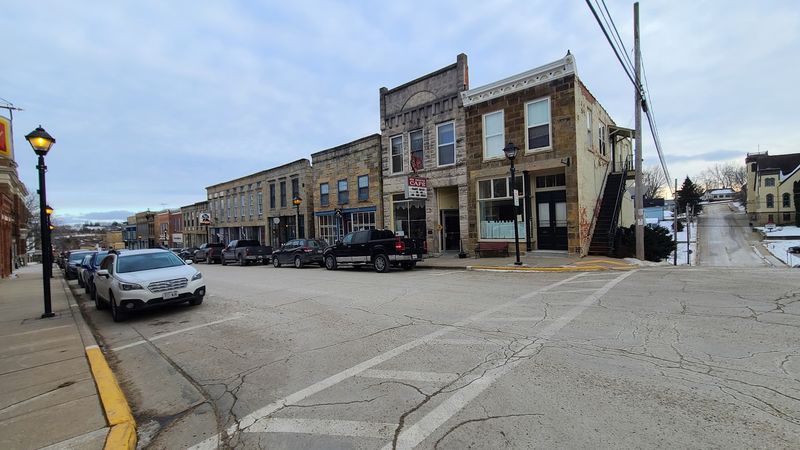
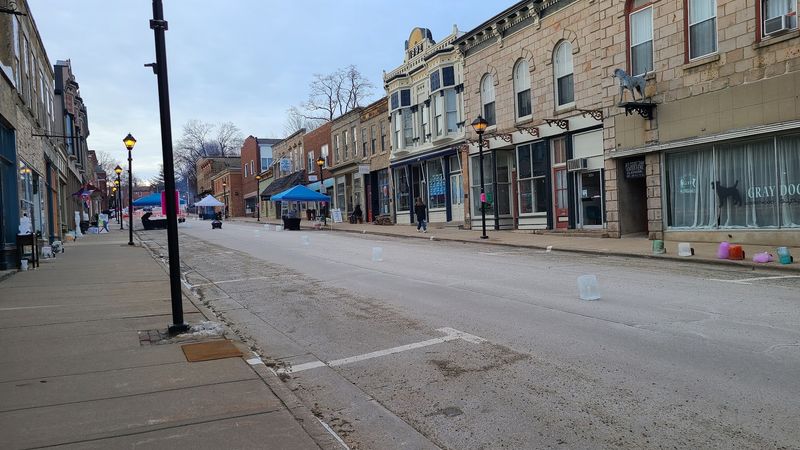
The commercial heart of town runs along streets lined with buildings that have watched the decades pass. Storefronts here carry the same weathered dignity as the homes, and the effect is a downtown that feels genuinely old rather than dressed up to seem that way.
Shops, studios, and eateries share the blocks, giving visitors plenty of reasons to linger between the historic facades. The pace stays relaxed, which suits the surroundings.
What stands out is how walkable the whole stretch is. Parking once and exploring on foot works well, since the distances are short and the sights come one after another.
Locals take clear pride in keeping the district lively, filling it with independent businesses that give each visit its own flavor. The turnover of window displays and seasonal decorations keeps things feeling current.
Slowing down is the right approach here. The reward for wandering without a strict plan is stumbling onto a doorway or detail you would have missed at speed, and that sense of discovery is exactly what a small historic street does best.
Rolling Hills And Country Views
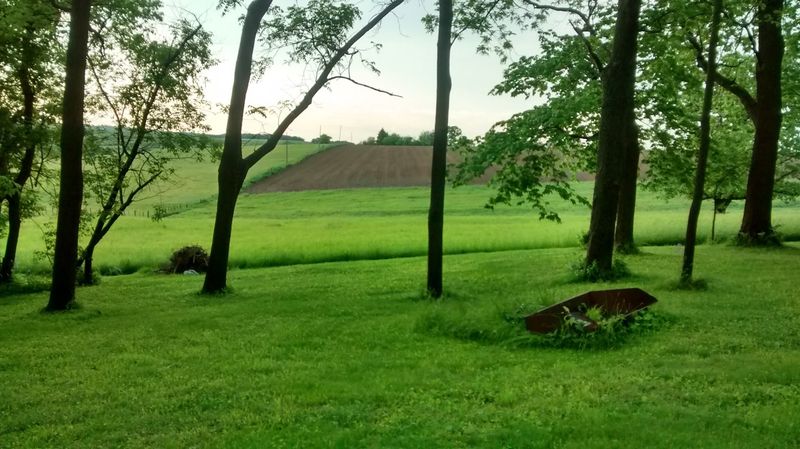
Beyond the buildings lies a landscape that quietly steals the show. The surrounding hills of southwestern Wisconsin roll in long, easy waves, and the town tucks into them rather than flattening the ground to fit.
That geography shapes the whole experience. Streets rise and dip with the terrain, and open views appear at the edges of town where the countryside takes over.
The region sits in an area of Wisconsin known for its ridges and valleys, which gives the scenery a texture that flatter parts of the state lack. It makes even a short drive feel scenic.
Seasons paint the hills differently through the year, so the backdrop never looks quite the same twice. That variety gives return visitors a fresh reason to come back.
The natural setting anchors everything else. History and art shine brighter against a landscape this gentle, and the countryside surrounding the city turns a cultural outing into a proper getaway from busier places nearby.
Cornish Roots You Can Still Trace
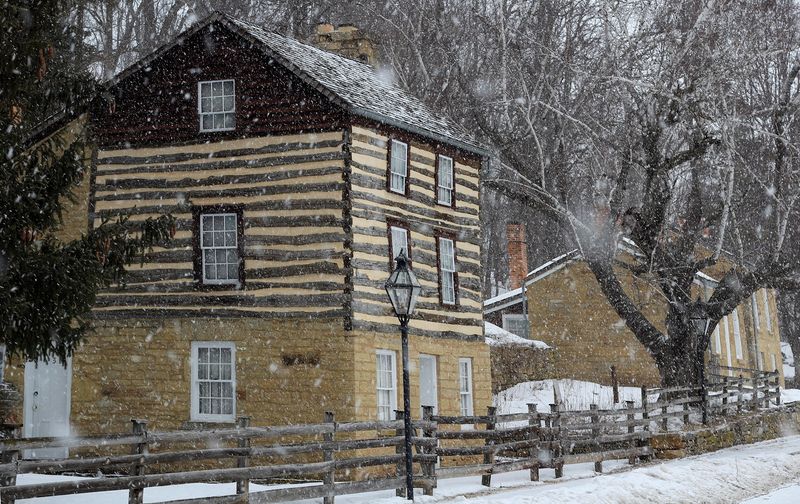
Heritage runs deep here, and it traces straight back to Cornwall. The miners who crossed the ocean brought traditions along with their tools, and those customs left fingerprints all over the community.
Their influence shows most clearly in the stonework, but it reaches into the town’s identity in broader ways too. The Cornish story is one the community celebrates rather than tucks away.
That connection sets the place apart from other small Wisconsin cities. Plenty of towns have immigrant histories, yet few tie so much of their present-day character to a single, well-preserved cultural thread.
Curious visitors can follow that heritage through the historic buildings and the way the town tells its own story. It gives context to the streets and turns simple sightseeing into something with real depth.
Honoring those roots keeps the past useful. Rather than gathering dust in a display case, the Cornish legacy stays woven into daily life, and that living connection is a big part of what makes an afternoon here feel meaningful.
Who Fits Right In Here
Not every destination suits every traveler, but this one casts a wide net. History buffs find plenty to study, art lovers find studios to explore, and anyone craving a slower pace finds room to breathe.
Couples looking for a quiet weekend away tend to feel at home, since the town leans toward relaxed rather than rowdy. The atmosphere favors wandering over rushing.
Day-trippers from the Madison area have an easy time too, given the short distance and the walkable layout. It works as both a quick outing and a longer stay.
Families with a taste for exploring can make a memorable trip of it, poking through shops and taking in the historic streets at a kid-friendly speed. There is no pressure to keep to a strict schedule.
The through-line is a certain calm. People drawn to charm, craft, and history over flash and noise are the ones who leave happiest, and that easygoing appeal is what keeps this small city quietly winning fans.
Getting There And Planning Your Visit
Reaching this hillside city is refreshingly simple. Sitting within the Madison metropolitan area of southwestern Wisconsin, it makes an easy drive for anyone starting from the state capital or the surrounding region.
A car is the natural way to arrive and explore the countryside around town. Once you park, though, the compact historic core lends itself to exploring on foot, so you can leave the car behind for hours.
Checking the official website at mineralpoint.com before you head out is a smart move. Small towns often schedule festivals and seasonal events, and shop hours can vary, so a quick look helps you time things well.
Weekends tend to be the liveliest, which is worth keeping in mind depending on whether you want energy or quiet. Either way, planning around the season adds to the trip.
Give yourself unhurried time here. The best moments come from lingering, and a loose plan built around walking the streets, browsing studios, and enjoying the setting tends to beat a rushed checklist every time.
Why This Little Wisconsin Town Stays On The List
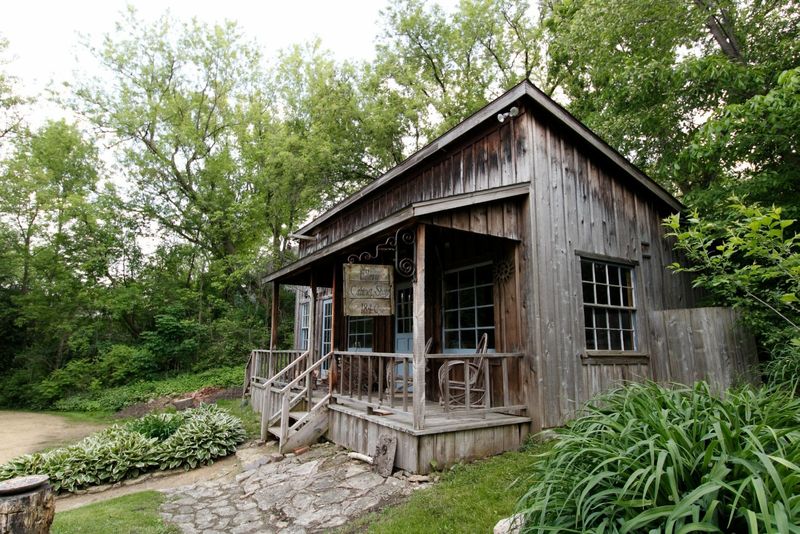
Some places earn their reputation slowly, and this one has done exactly that. A mining past, a Cornish heritage, restored stone cottages, and a thriving community of makers all layer together into something bigger than any single attraction.
The rolling countryside frames it all, giving the history and art a setting that feels like part of the appeal rather than mere background. Everything reinforces everything else.
What keeps travelers coming back is the balance. It offers enough to fill a day yet stays small enough to feel personal, and that combination is harder to find than it sounds.
Regulars mention that the town rewards return visits as the seasons and studios shift, and that quiet promise of something new keeps it circling back onto travel plans.
Southwestern Wisconsin holds no shortage of pretty stops, yet Mineral Point manages to stand out by simply being itself. For anyone hunting a genuine escape with roots that run deep, this little city makes a strong and lasting case.
Enjoyed this story?
Add Fast Food Club as a preferred source to see more of our reporting on Google.