


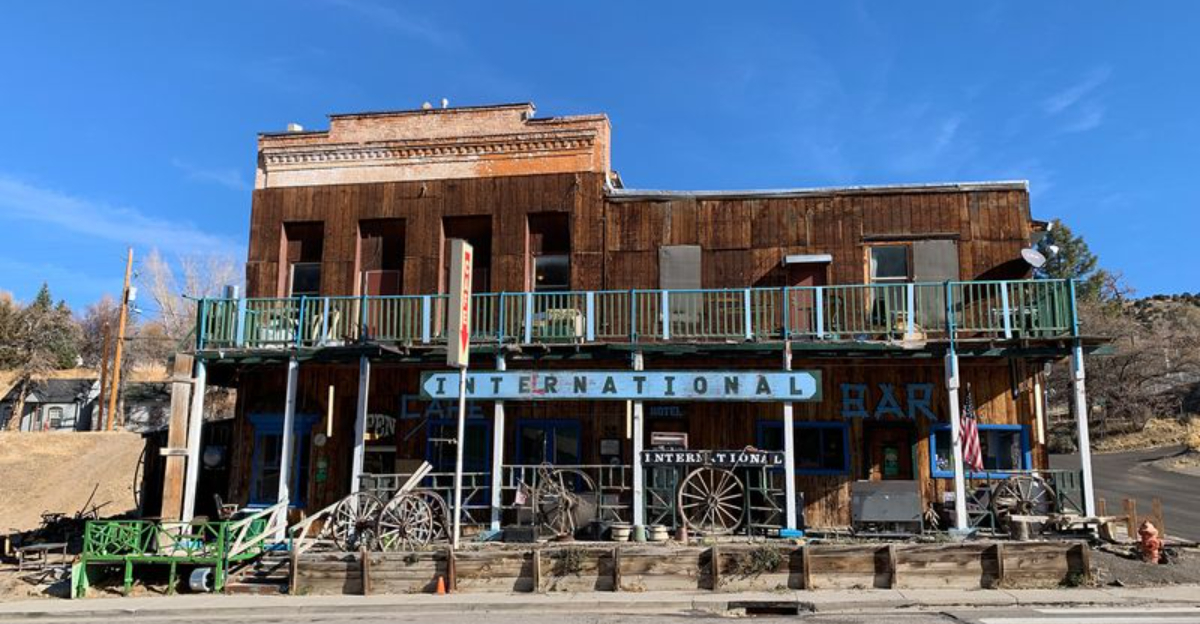
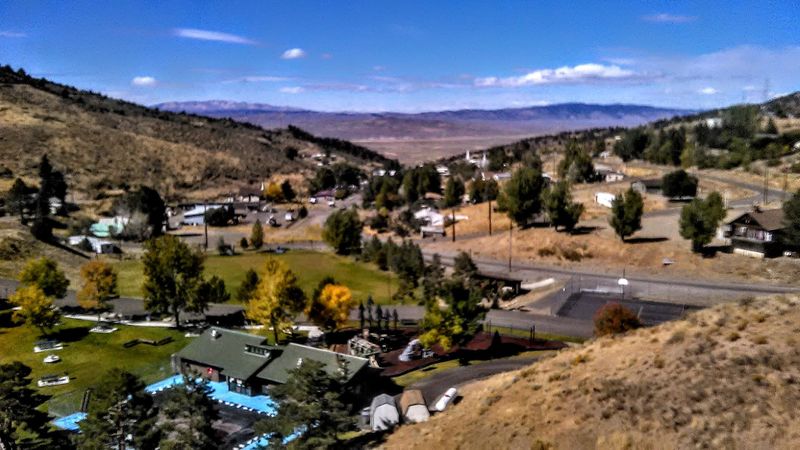
Tucked away in the rugged hills of central Nevada, Austin is the kind of small town that makes you stop and stare. With its charming old buildings, sweeping mountain views, and quiet streets, it feels like something straight out of a feel-good holiday film.
Sitting at 6,575 feet on the western slopes of the Toiyabe Range, this tiny community of around 167 people carries a big personality. Whether you love history, nature, or just discovering hidden gems, Austin, Nevada has something special waiting for you.
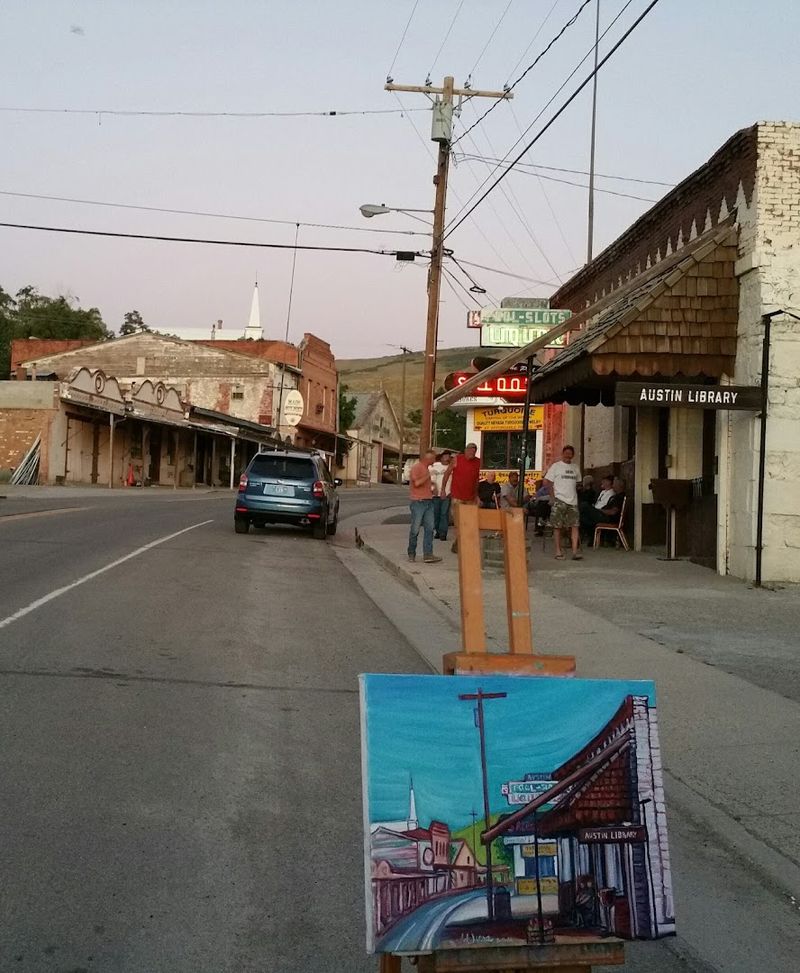
A Storybook Main Street Frozen in Time
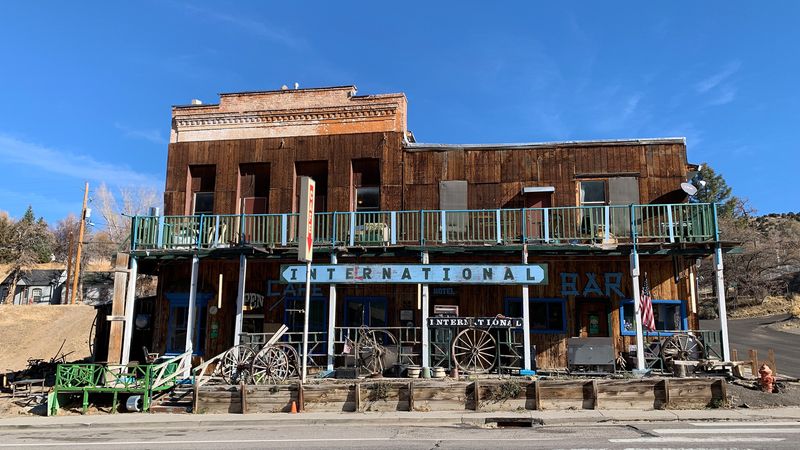
Walking down Austin’s main street feels like stepping into a different era entirely. The historic buildings lining the road look almost exactly as they did over a century ago, giving the town an authenticity that most places can only fake.
It is the kind of place where you half expect a film crew to show up.
Many of the storefronts still carry their original architectural details, from arched windows to hand-painted signs. The unhurried pace of life here adds to the charm in a way that is hard to put into words.
You do not feel rushed or overwhelmed — just genuinely welcomed.
For anyone who loves small-town character without the tourist crowds, Austin delivers something rare. Every corner tells a quiet story of miners, dreamers, and everyday people who built something lasting in the Nevada wilderness.
Stokes Castle: The Most Dramatic Landmark You Have Never Heard Of
Perched on a rocky hill just outside of town, Stokes Castle is one of the most unexpected sights in all of Nevada. Built in 1897 by mining entrepreneur Anson Phelps Stokes, this three-story granite tower was modeled after Roman towers he admired during his travels in Europe.
It was only lived in for about a month.
Despite its brief use as a residence, the castle has become one of the most photographed spots in Lander County. The structure stands alone against the wide open sky, making it look almost mythical.
On a golden afternoon, the light hits the stone in a way that feels genuinely cinematic.
Visiting Stokes Castle is free and accessible year-round. Bring a camera and plenty of curiosity, because the views from the surrounding area are just as impressive as the tower itself.
The Loneliest Highway and Its Quiet Magic
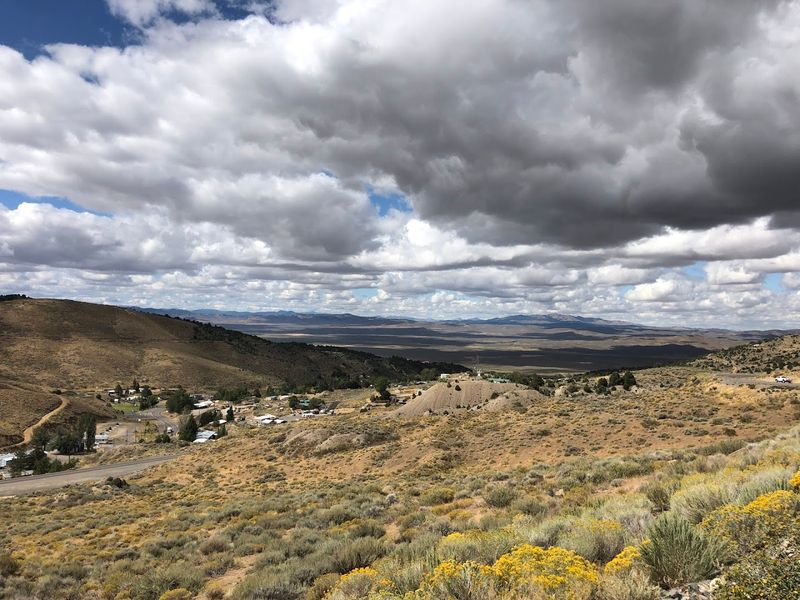
US Route 50 cuts right through Austin, and it carries a legendary reputation. Known as “The Loneliest Road in America,” this highway stretches across the state with long, empty stretches that feel both peaceful and a little humbling.
Life Magazine once called it desolate, but travelers have been proving that label wrong ever since.
Driving through Austin on Route 50 gives you the full small-town experience — a blink-and-you-miss-it moment that somehow stays with you for days. The road itself becomes part of the adventure, with rolling hills, distant mountain peaks, and skies that seem wider than anywhere else on earth.
Road trip enthusiasts have made this route a bucket-list journey for good reason. Austin sits at a perfect midpoint, making it an ideal stop to stretch your legs, grab a meal, and soak in some genuine Nevada atmosphere before continuing the journey.
Toiyabe Range Views That Take Your Breath Away
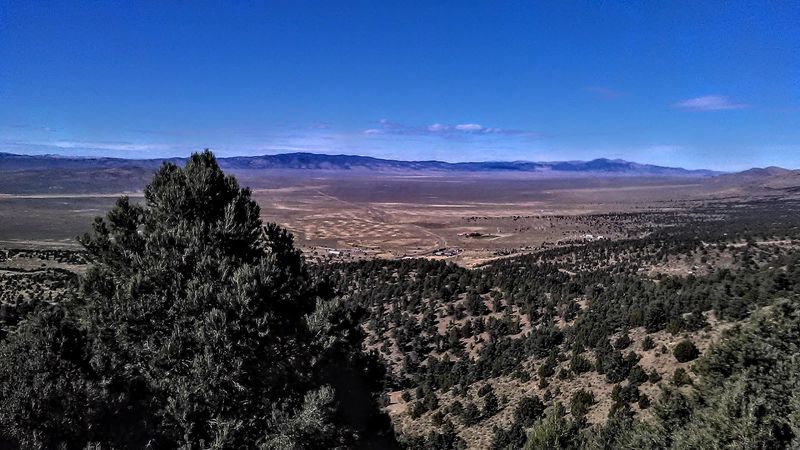
Austin sits right on the western slopes of the Toiyabe Range, and the scenery that comes with that location is nothing short of spectacular. These mountains rise dramatically above the high desert floor, offering views that feel like they belong on a postcard — or honestly, the opening shot of a Hallmark movie.
The range is part of the Humboldt-Toiyabe National Forest, which makes outdoor adventures incredibly accessible from town. Hikers, photographers, and nature lovers all find something to love in these peaks and canyons.
During fall, the changing colors add a whole new layer of beauty to an already stunning landscape.
Even if you are not an outdoor enthusiast, simply driving along the base of the mountains is rewarding enough. The sheer scale of the terrain puts everyday stress into perspective and reminds you just how wild and wonderful Nevada truly is.
International Hotel: A Piece of Living History
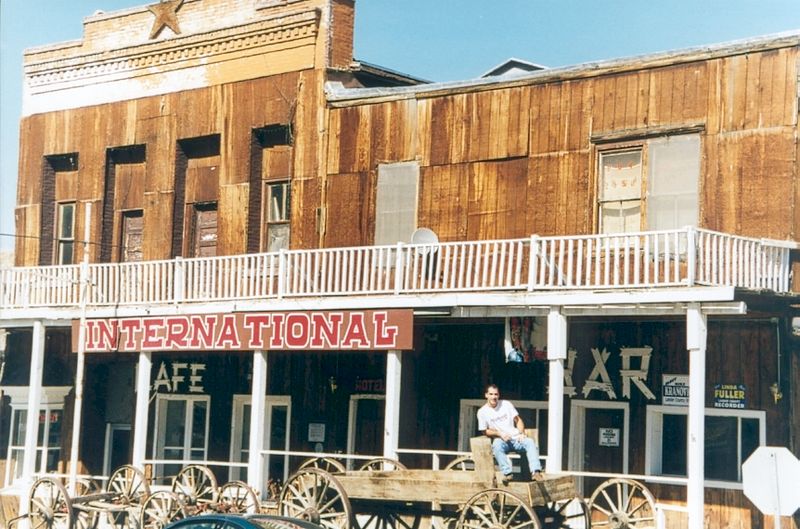
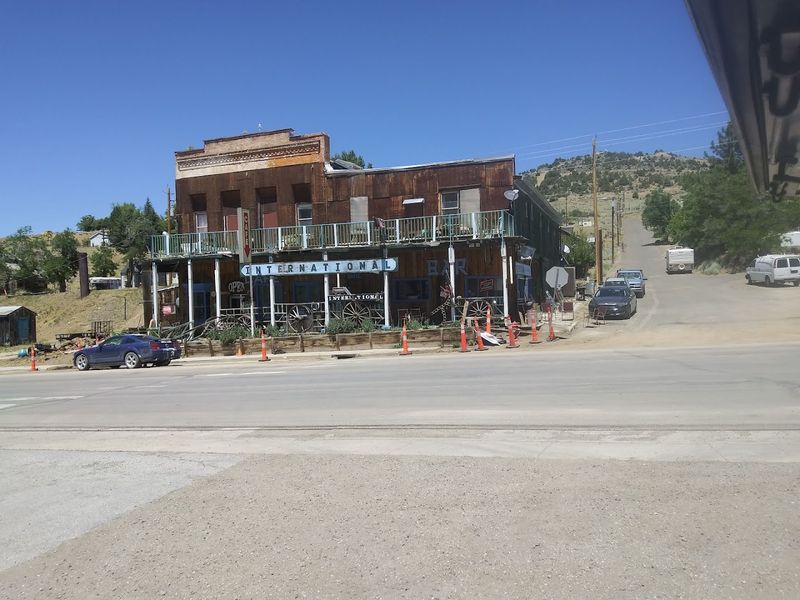
Did you know the International Hotel in Austin has one of the most interesting backstories of any building in Nevada? Originally built in Virginia City during the silver rush era, the entire hotel was actually relocated to Austin in 1863 — a massive undertaking that speaks volumes about how much faith people had in this booming mining town.
The hotel has served travelers, miners, and locals for generations, and it continues to be a point of pride for the community today. Stepping inside feels like a genuine connection to the past, not a staged museum experience.
The worn wood and old-fashioned details carry real history in every surface.
For history buffs, a stop at the International Hotel is practically required. It is a tangible reminder that Austin was once a major player in Nevada’s silver mining era, attracting thousands of hopeful prospectors to its hills.
Stargazing So Good It Feels Unreal
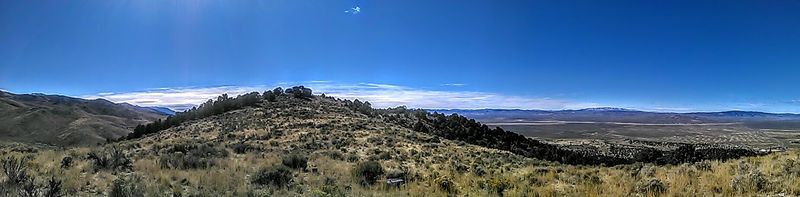
At 6,575 feet above sea level and miles away from major city lights, Austin offers some of the most spectacular stargazing you will ever experience. On a clear night, the Milky Way stretches across the sky like a glowing river, and the sheer number of visible stars can genuinely leave you speechless.
It is the kind of sky that reminds you the universe is enormous.
Light pollution is practically nonexistent out here, which means even amateur stargazers with no fancy equipment can enjoy an unforgettable show. Bring a blanket, lie back, and let your eyes adjust — within minutes, the sky transforms into something magical.
Astronomy enthusiasts often rank Nevada’s rural areas among the best stargazing destinations in the entire country. Austin, tucked away in Lander County, sits perfectly within that golden zone of darkness and elevation that makes the night sky truly come alive.
Mining Heritage That Shaped an Entire Region
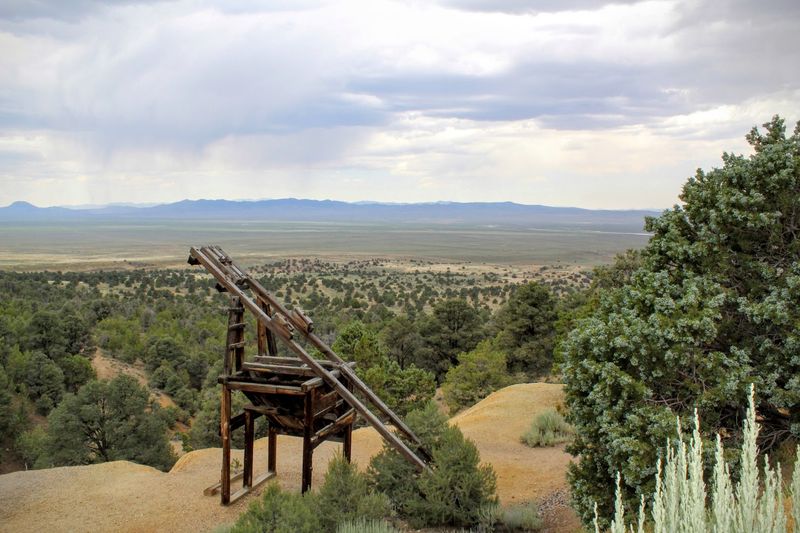
Austin’s story begins with silver. In 1862, a Pony Express rider accidentally kicked up a rock that turned out to contain rich silver ore, and within months, thousands of prospectors flooded into the area.
That single discovery launched one of Nevada’s most significant mining booms and put Austin on the map almost overnight.
At its peak, Austin was home to nearly 10,000 residents — a far cry from the quiet community of 167 people who call it home today. The contrast between that bustling past and the peaceful present adds a fascinating layer of depth to every building and hillside you see.
Exploring the remnants of old mines and processing sites around town gives visitors a real sense of the energy and ambition that once defined this place. History here is not something you read on a sign — it is something you can almost feel in the air.
Reuel Gridley and the Sack of Flour That Went Around the World
Few small towns can claim a fundraising story as quirky and heartwarming as Austin’s. In 1864, a local merchant named Reuel Gridley lost a bet and had to carry a 50-pound sack of flour down the main street.
Instead of just walking it off, he turned the sack into a charity auction for the Sanitary Fund, which supported Civil War soldiers.
The sack was auctioned off repeatedly — the winner kept donating it back — and eventually raised over $275,000 across multiple cities in America and even internationally. For a tiny Nevada mining town, that kind of generosity and creativity is genuinely remarkable and deeply moving.
Mark Twain even wrote about Gridley’s flour sack adventure in his famous book “Roughing It.” That literary connection adds yet another layer of charm to Austin’s already colorful past, making it a town with stories worth telling for generations.
Peaceful Small-Town Life That Feels Like a Reset Button
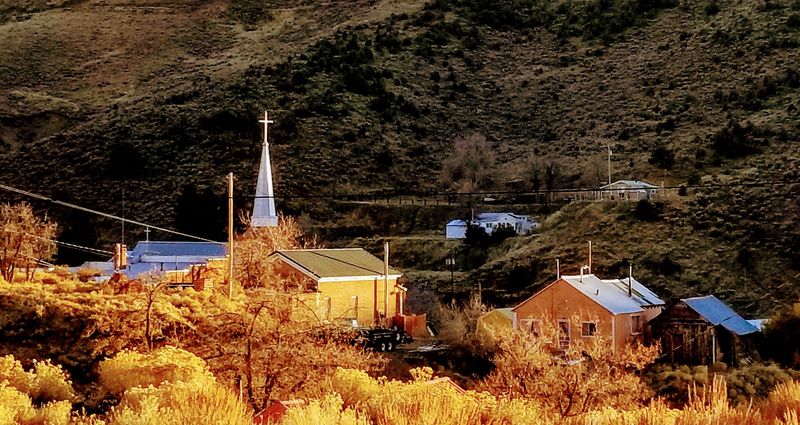
There is something genuinely therapeutic about spending time in a town where the population hovers around 167 people. No traffic jams, no noise pollution, no endless scroll of notifications demanding your attention.
Austin offers a pace of life that most of us have completely forgotten was even possible.
Neighbors actually know each other here. The community is tight-knit in the best possible way, with a warmth that visitors often notice the moment they arrive.
It is the kind of place where someone waves at you from their porch just because you walked by.
For anyone feeling burned out by city life, a few days in Austin can feel like hitting a genuine reset button. The combination of fresh mountain air, wide open spaces, and human-scaled community creates a sense of calm that is surprisingly hard to find anywhere else in the modern world.
The Toiyabe National Forest: A Hiker’s Hidden Paradise
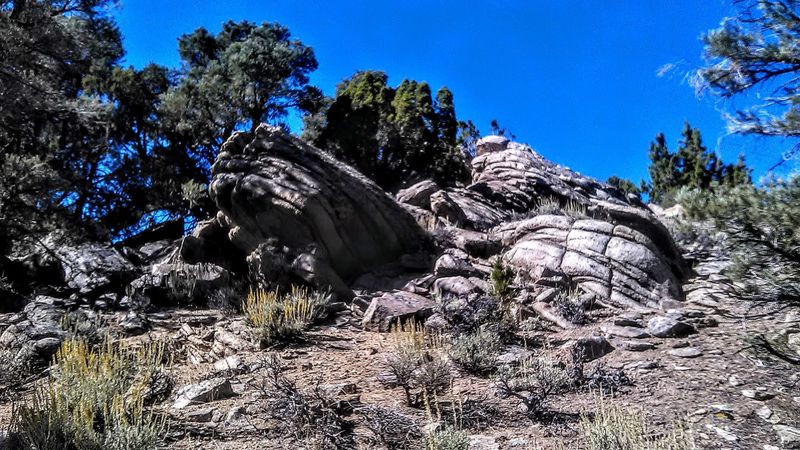
Surrounding Austin on multiple sides, the Humboldt-Toiyabe National Forest is one of the largest national forests in the contiguous United States — and most people have never even heard of it. That relative obscurity is actually great news for those who prefer their outdoor adventures without the crowds that plague more famous parks.
Trails range from easy walks along creek beds to challenging ridge hikes with panoramic views that stretch for dozens of miles. Wildflowers bloom in spring, golden aspens dazzle in autumn, and the quiet of a summer morning on the trail is something truly special.
Wildlife sightings, including deer and birds of prey, are common.
Whether you are an experienced backcountry hiker or someone just looking for a scenic afternoon walk, the forest surrounding Austin delivers generously. Pack a lunch, wear good shoes, and prepare to be genuinely surprised by what this underrated wilderness has to offer.
Elevation and Climate That Keep Things Interesting
Sitting at 6,575 feet above sea level means Austin experiences a climate that is quite different from what most people picture when they think of Nevada. Summers are pleasantly mild and comfortable, offering a welcome escape from the scorching heat that bakes the lower desert towns during July and August.
It is the kind of weather that makes you want to sit outside all day.
Winters bring real snow to Austin and the surrounding Toiyabe Range, dusting the rooftops and mountainsides in white and giving the town an almost magical, postcard-perfect appearance. That snowy small-town look is exactly what makes Austin feel so Hallmark-movie-ready during the colder months.
Spring and fall are arguably the most beautiful seasons here. The transition periods bring dramatic skies, shifting temperatures, and a sense of seasonal change that feels more pronounced at elevation than it does down in the flatlands below.
Lander County’s Former County Seat and Its Lasting Legacy
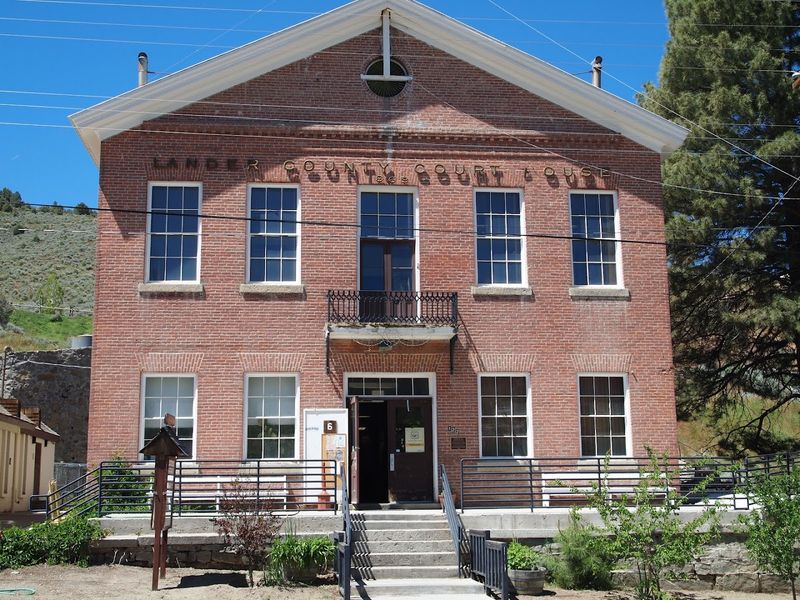
Austin once served as the county seat of Lander County, a role that brought government activity, legal proceedings, and community infrastructure to this small mountain town. That status helped shape Austin into more than just a mining camp — it became a functioning civic center with real institutional roots that still echo through its architecture today.
Though the county seat eventually moved to Battle Mountain in 1979, Austin never lost its sense of identity or community pride. If anything, the town seems to wear its storied past like a badge of honor, with residents who genuinely love the place they call home.
Historic government buildings and civic landmarks still dot the townscape, giving visitors a tangible sense of Austin’s former administrative importance. For history lovers who enjoy piecing together how the American West was organized and governed, Austin offers a fascinating and underappreciated chapter worth exploring.
Photography Opportunities Around Every Single Corner
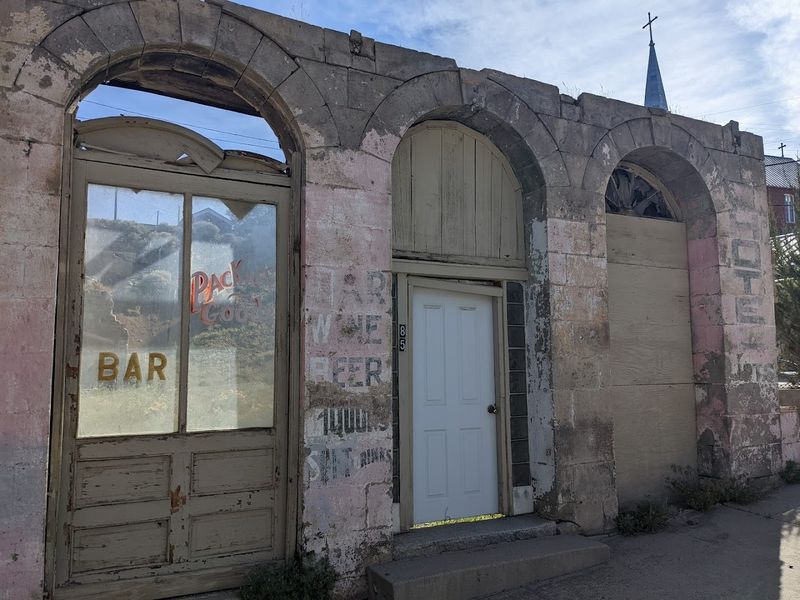
Golden hour in Austin is something photographers genuinely dream about. The combination of high elevation, clean desert air, and dramatic mountain scenery creates lighting conditions that make even casual smartphone photos look professionally shot.
Every direction you point your lens, something interesting appears in the frame.
From the weathered textures of century-old buildings to the sweeping vistas of the Toiyabe Range, the variety of visual subjects here is surprisingly rich for such a small town. Stokes Castle alone is worth a dedicated photography session, especially during sunrise or sunset when the stone glows warm and golden.
Street photography, landscape shots, architectural details, and night sky images are all fair game in Austin. Serious photographers often find themselves staying longer than planned simply because the light keeps changing and each hour reveals something new and unexpectedly beautiful about this remarkable little Nevada town.
Enjoyed this story?
Add Fast Food Club as a preferred source to see more of our reporting on Google.